Elephant Transit Home (ETH)

Elephant Transit Home Elephant Transit Home Elephant Transit Home

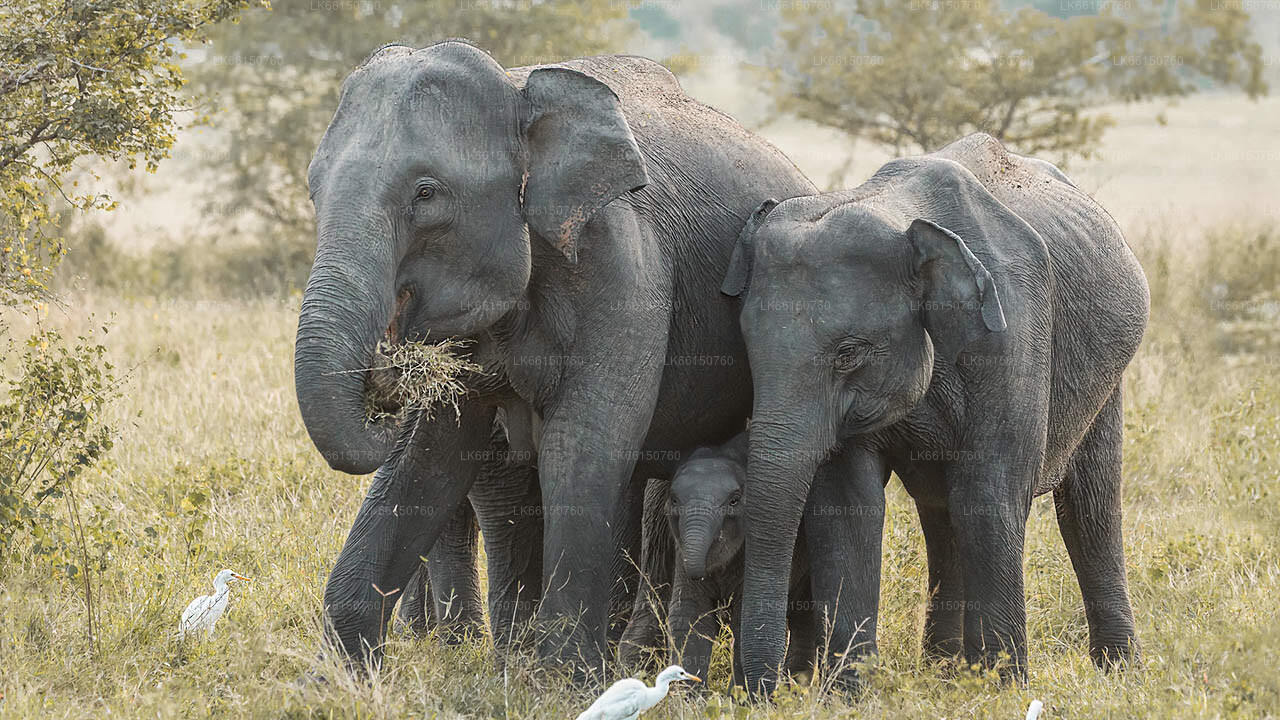
Ath Athuru Sevana (Casa de Tránsito de Elefantes) fue establecida en 1995 por el Departamento de Conservación de la Fauna en el Parque Nacional Udawalawe, con un enfoque en el cuidado y rehabilitación de elefantes huérfanos. A pesar de las dudas iniciales, esta iniciativa, liderada por el Dr. Nandana Atapattu, ha crecido hasta convertirse en un centro de rehabilitación de animales salvajes de renombre mundial, ofreciendo un refugio seguro para más de 250 elefantes.

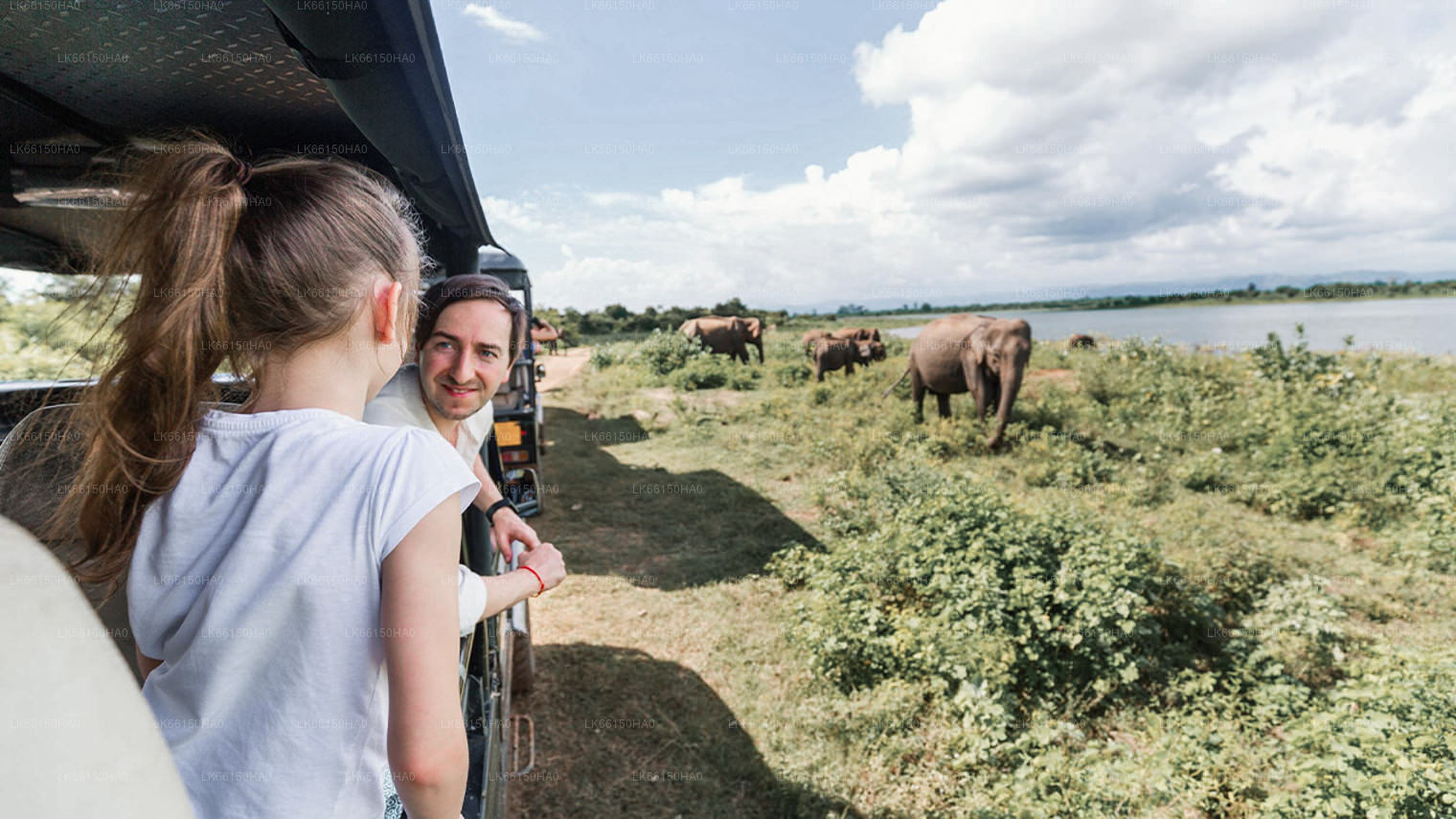
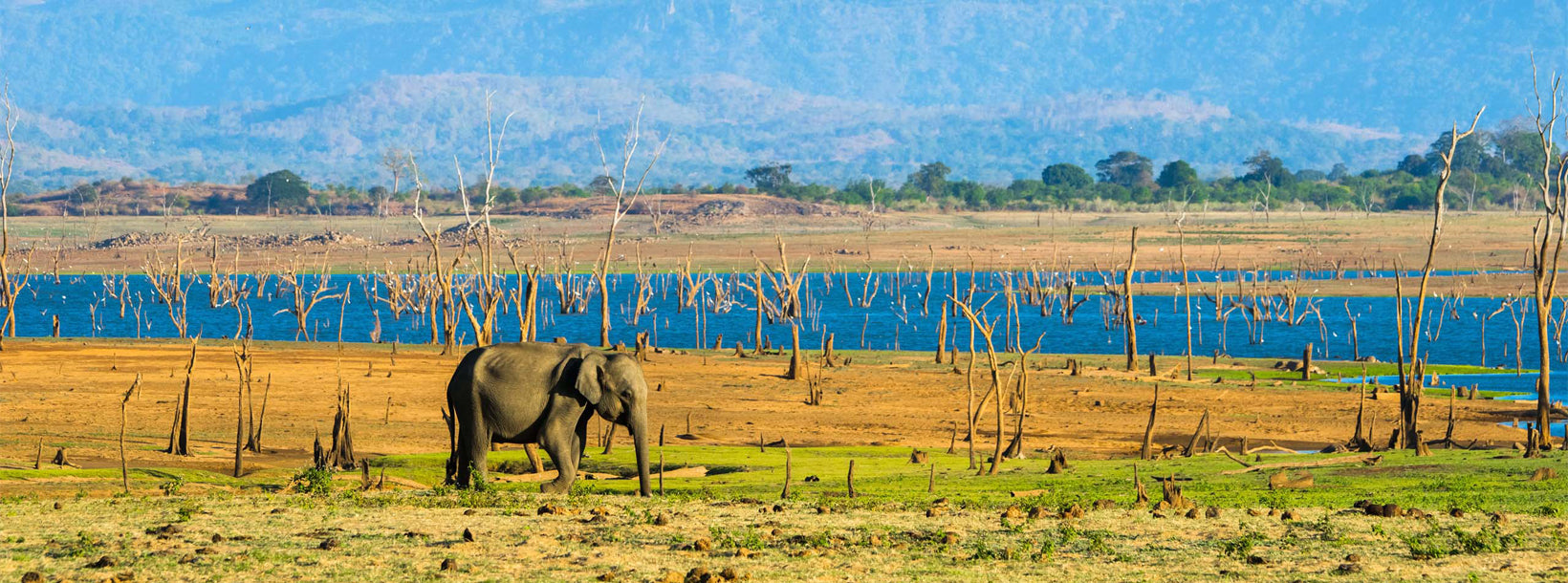
Ubicado en el límite occidental del Parque Nacional Udawalawe de 33,000 hectáreas, ETH proporciona un amplio espacio abierto para que los elefantes deambulen libremente. El cercano embalse de Udawalawe ofrece un entorno dinámico, que apoya tanto a los terneros como a los elefantes salvajes que ocasionalmente lo visitan. Los niveles fluctuantes del agua crean un hábitat diverso, esencial para el desarrollo natural de los elefantes.

El primer ternero, una hembra de un año llamada Komali, fue llevada a ETH después de ser encontrada sola en el área de Meegalawa en el distrito de Anuradhapura. Desde entonces, ETH ha cuidado a más de 250 elefantes huérfanos, liberándolos de nuevo a la naturaleza a la edad de cinco años, cuando son capaces de sobrevivir independientemente en su hábitat natural.

La alimentación y la atención médica son aspectos críticos del proceso de rehabilitación en ETH. Los terneros reciben una leche especialmente formulada, con atención individual para abordar cualquier problema de salud, como problemas digestivos o intolerancia a la leche. Se proporcionan alternativas como leche de soya, caldo de arroz o Jeevanee cuando es necesario. ETH opera durante todo el año con sesiones de alimentación cada tres horas. Los visitantes pueden observar las sesiones de alimentación a las 9 a.m., 12 p.m., 3 p.m. y 6 p.m.

La misión principal de ETH es preparar a los elefantes para la vida en la naturaleza minimizando el contacto humano durante su rehabilitación. Este proceso anima a los terneros a formar vínculos entre ellos, asegurando que estén socialmente preparados para su liberación. Después de la liberación, se monitorean la salud y el movimiento de los elefantes para garantizar su transición exitosa a la naturaleza.

Elephant Transit Home Elephant Transit Home Elephant Transit Home

About Ratnapura District

Ratnapura is the provincial capital of Sabaragamuwa Provinceof Sri Lanka and the Ratnapura District in which the town is situated. Located some 101 km south east of Colombo, it is the centre of a long-established industry of precious stone mining including rubies, sapphires, and other gems. Apart from gem mining, the town is known for rice and fruit cultivations. Large plantations of tea and rubber surround the town. Tea grown in this region is called low-country tea. There is a well-established tourism industry in Ratnapura. Sinharaja Forest Reserve, Udawalawe National Park, Kitulgala, and Sri pada are especially popular among tourists.

Most of the large-scale gem businessmen of Sri Lanka operate from Ratnapura. The Rattnapura town depends on the gem trade. The town's agricultural industry is also well developed. Large plantations of tea and rubber surround the town. Although rice fields also used to be a common sight around the town, rice cultivation presently faces an uncertain future in Ratnapura because many farmers are giving up their rice cultivation and switching to gem mining which is a more productive way of earning money.

Special places in Ratnapura:

The mountain Sri Pada -Adam's Peak (Buddhist/Hindu/Islam)

Maha Saman Devala (Buddhist)

Delgamu Viharaya (Buddhist)

Pothgul Viharaya (Buddhist)

SS Peterand Paul's Cathedral (Catholic Church)

St. Luke's Church(Church of England)

Siva Temple (Hindu)

Jumma Mosque (Islam)

Diva Guhava (Buddha)

About Sabaragamuwa Province

The Sabaragamuwa Province of Sri Lanka contains two main cities called Ratnapura and Kegalle. At an elevation of approximately 500 feet above sea level, Ratnapura is the provincial capital of Sabargamuwa. It is 60 miles (100 km) from the main coastal city of Colombo. Province of Sabaragamuwa The gem-mining centre of Sri Lanka is also a major crossroad between southern plains and the hill country to the east.

In Sabaragamuwa province there is a route to Sri Pada from Ratnapura direction. Excursions include Sinharaja Forest Reserve and Udawalawe National Park. The route towards hill country is beautiful. The surrounding area is a popular trekking destination and a good place for bird watching.