Elefantes
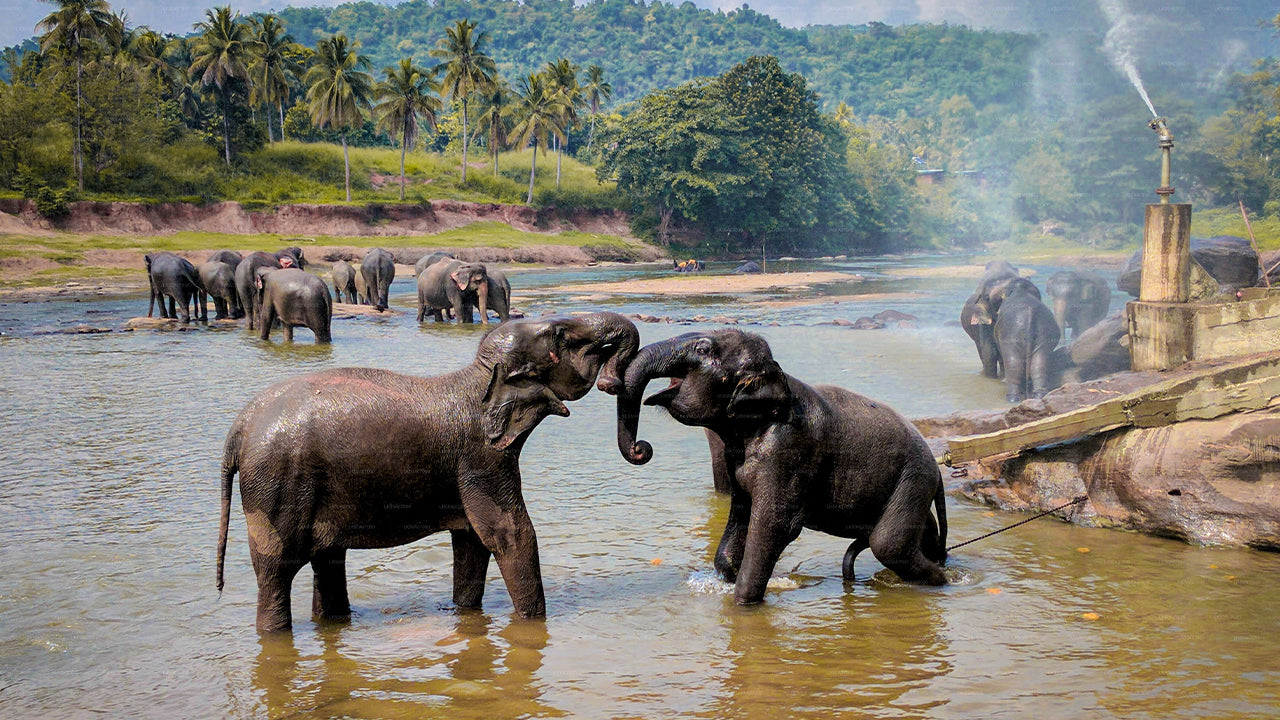
Conocida como la perla del Océano Índico, Sri Lanka es una isla maravillosa dotada de una plétora de recursos, como una abundante biodiversidad, una rica cultura, una historia fascinante, paisajes variados y mucho más. Sin embargo, cuando hablamos de la fauna de la isla, lo primero que nos viene a la mente son los elefantes gigantes. Un elemento icónico de la fauna del país, los elefantes llevan miles de años viviendo en Sri Lanka, donde han sido venerados durante siglos. Además, Sri Lanka cuida de la manada de elefantes huérfanos más grande del mundo. Así que, si ha planeado un viaje a Sri Lanka, sin duda se llevará a casa gratos recuerdos de estos gigantescos y apacibles mamíferos.
A nivel mundial, existen principalmente dos especies de elefantes: el elefante africano (Loxodonta) y el elefante asiático (Elephas maximus). Sin embargo, tras recientes estudios exhaustivos y pruebas de ADN, el elefante africano se subdividió en dos especies distintas: elefante africano de sabana (Loxodonta africana) y elefante africano de bosque (Loxodonta cyclotis). El elefante asiático se divide en tres subespecies distintas: Elephas maximus maximus (que habita en Sri Lanka), Elephas maximus indicus (que habita en Asia continental) y Elephas maximus sumatranus (que habita en la isla de Sumatra). Todas estas especies pertenecen a la familia Elephantidae y al orden Proboscidea.
Elefante asiático
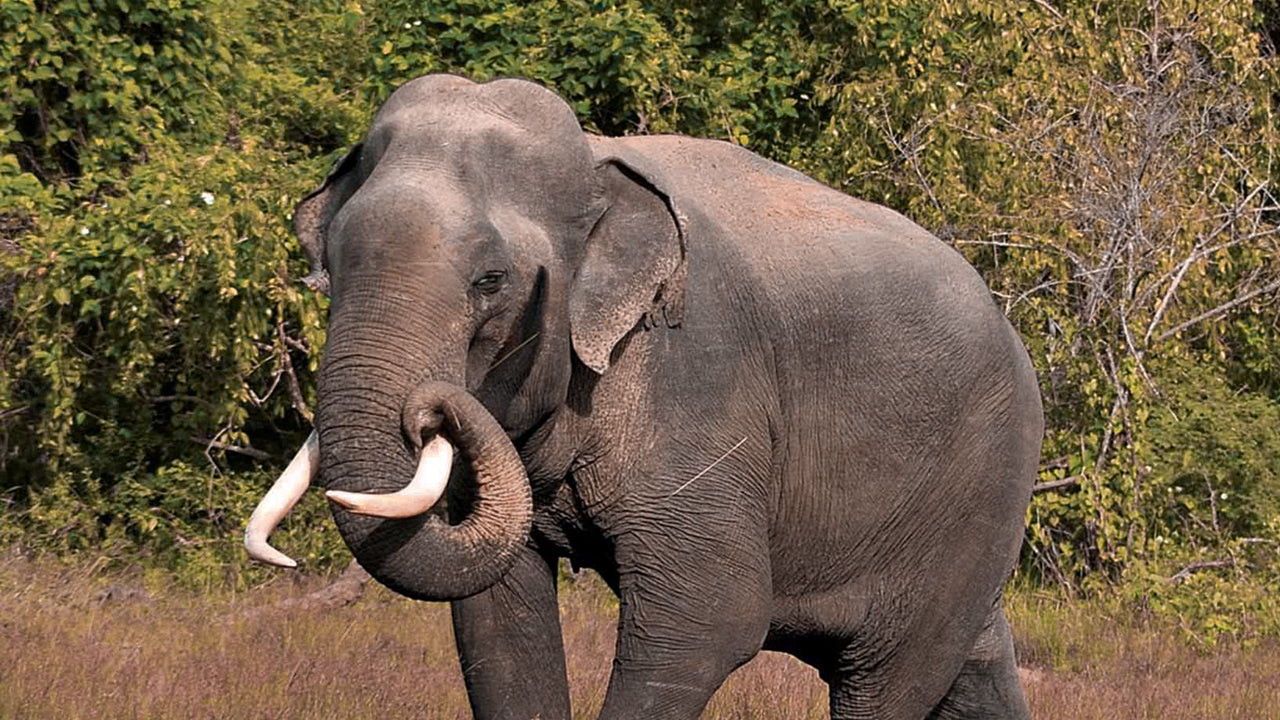
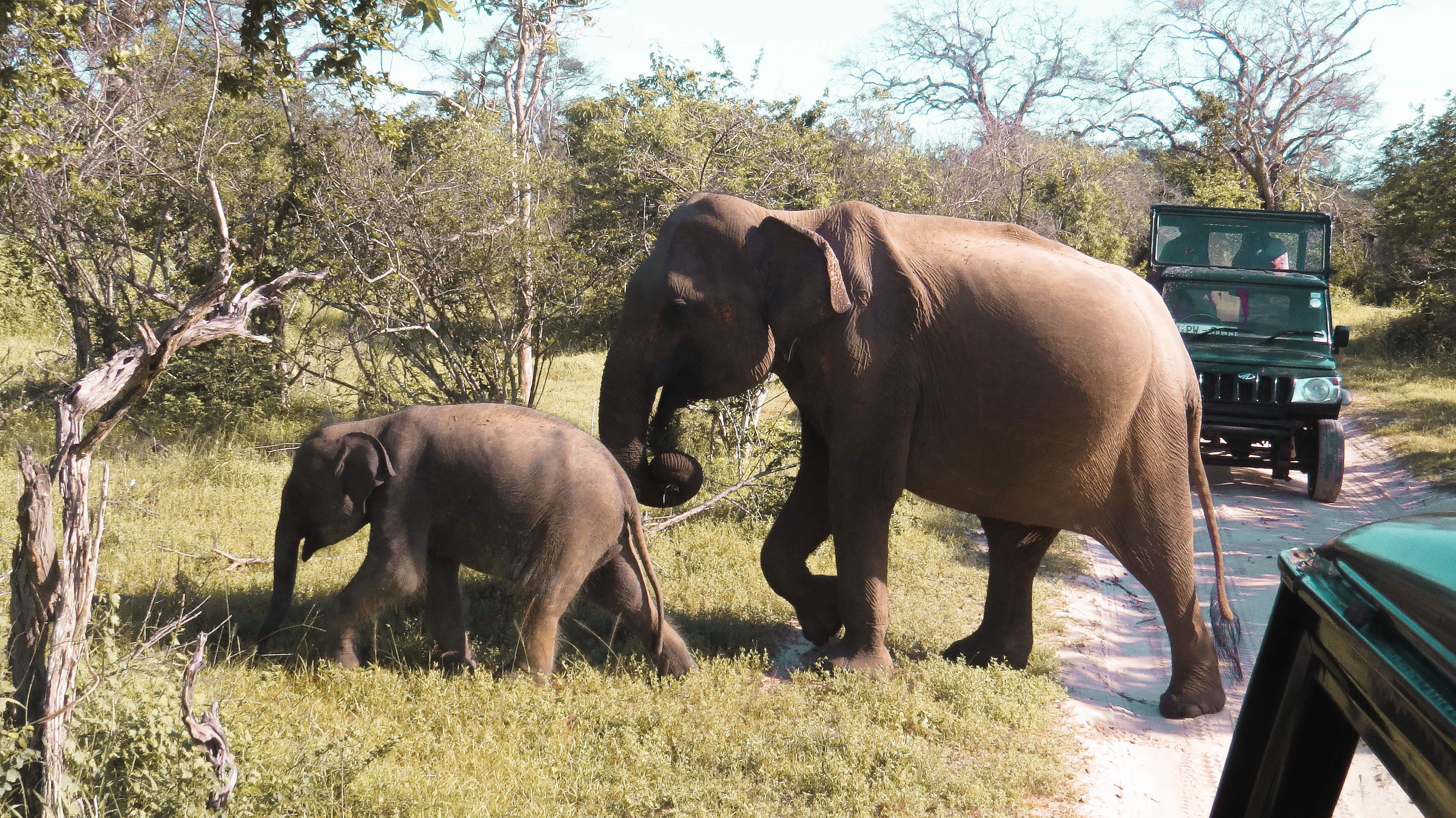
Sin embargo, el elefante asiático de mayor tamaño, Elephas maximus maximus (Linnaeus, 1758), se encuentra únicamente en Sri Lanka y es una subespecie distinta del elefante asiático, aunque se cree que está estrechamente emparentado con el elefante indio. En comparación con el elefante africano, el elefante de Sri Lanka es más pequeño, pero de aspecto más atractivo. Posee orejas más pequeñas con bordes dorsales plegados lateralmente. La piel de esta especie es relativamente más lisa y oscura, con manchas de despigmentación más grandes y distintivas en las orejas, la cara, la trompa y el vientre. Presentan dos jorobas en la frente y la espalda arqueada y convexa, mientras que la trompa es más rígida, con menos anillos que terminan en un solo labio, una proyección similar a un dedo con la que pueden recoger objetos diminutos. De peso más ligero, entre 2 y 5,5 toneladas, un macho adulto de la especie de Sri Lanka mide entre 2,5 y 3,5 m de altura hasta el hombro.
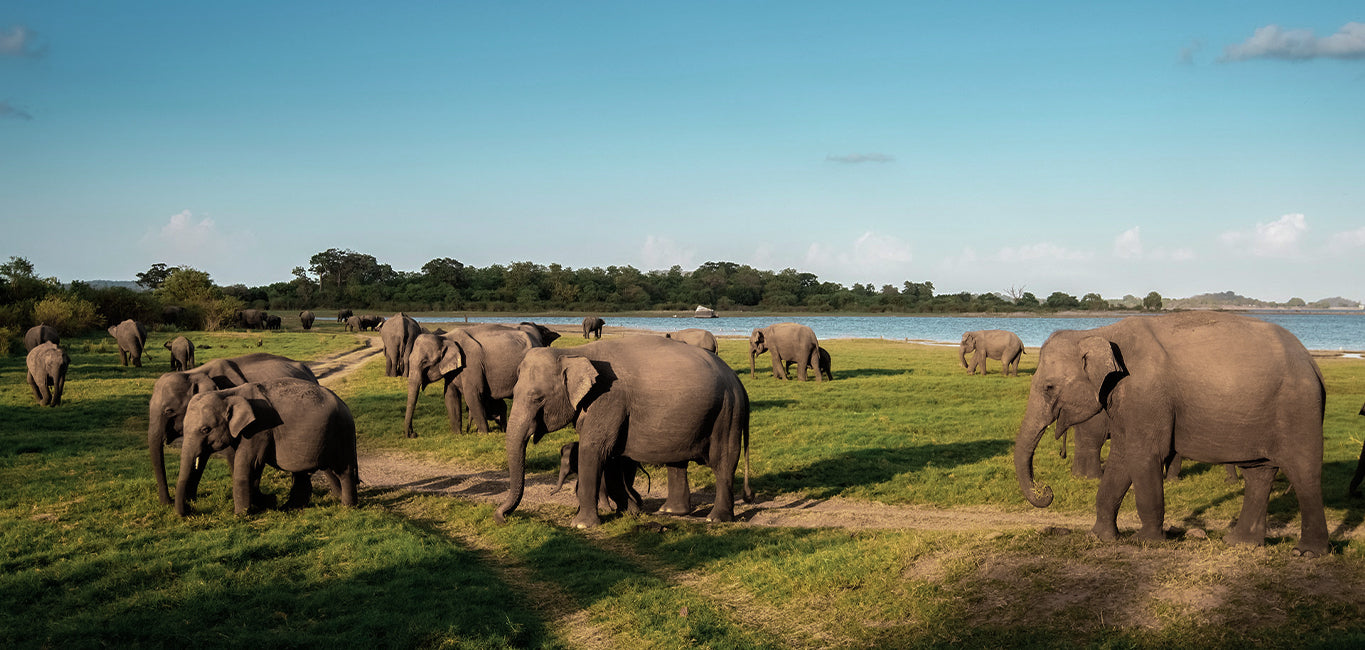
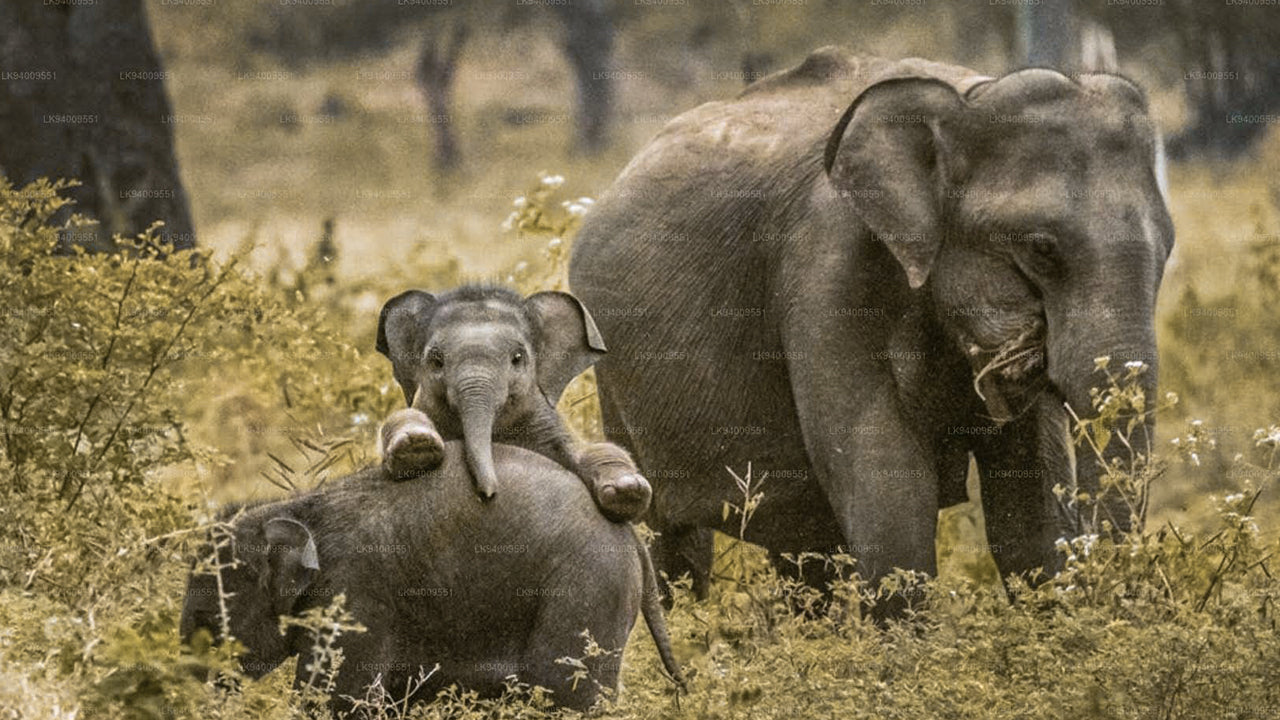
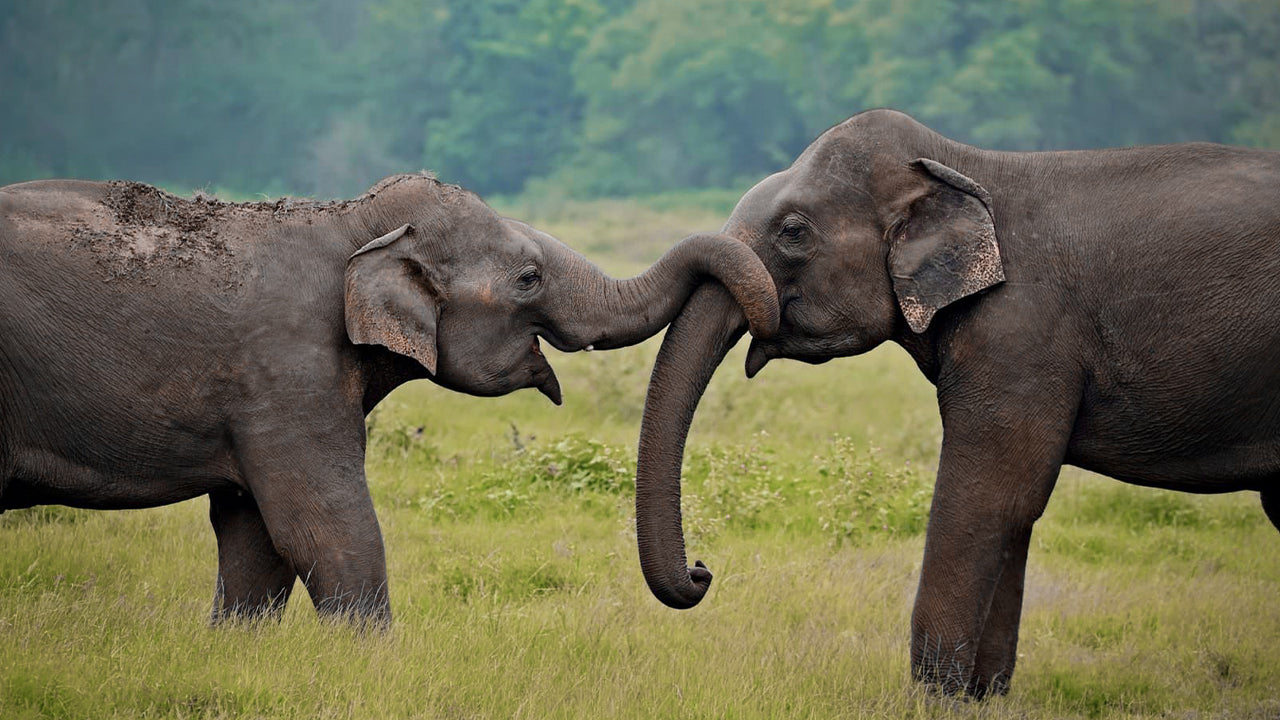
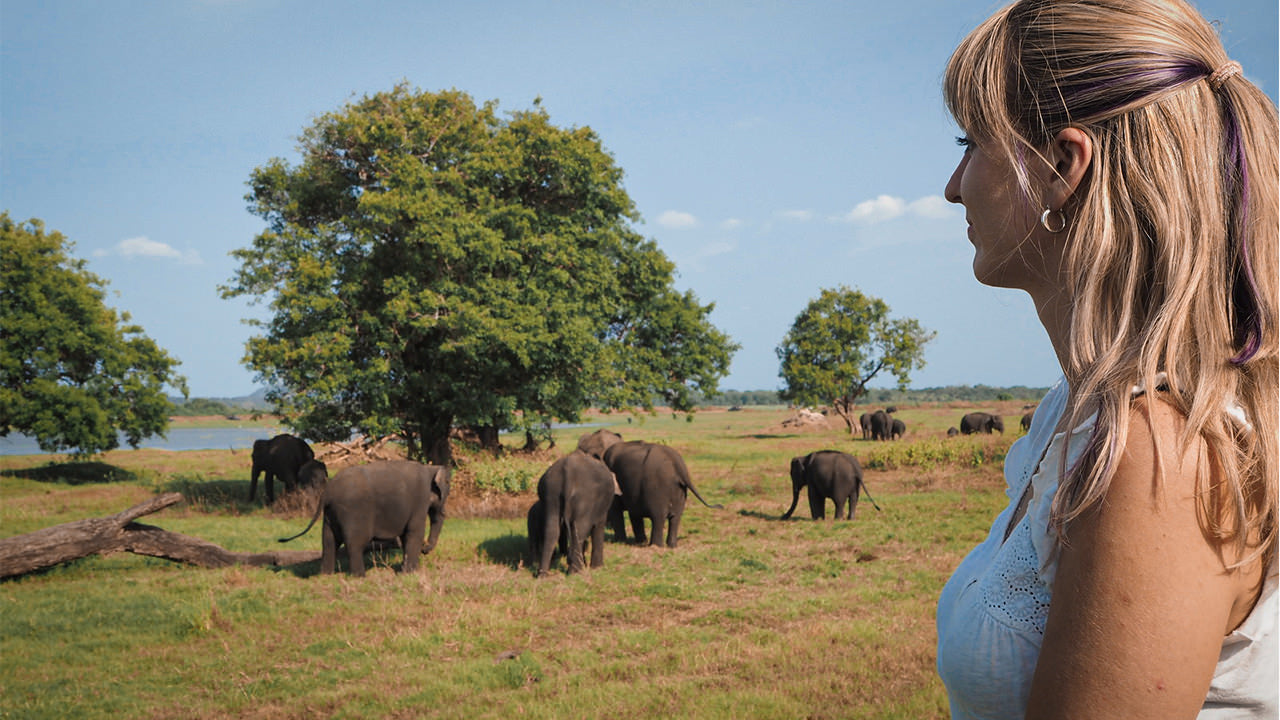
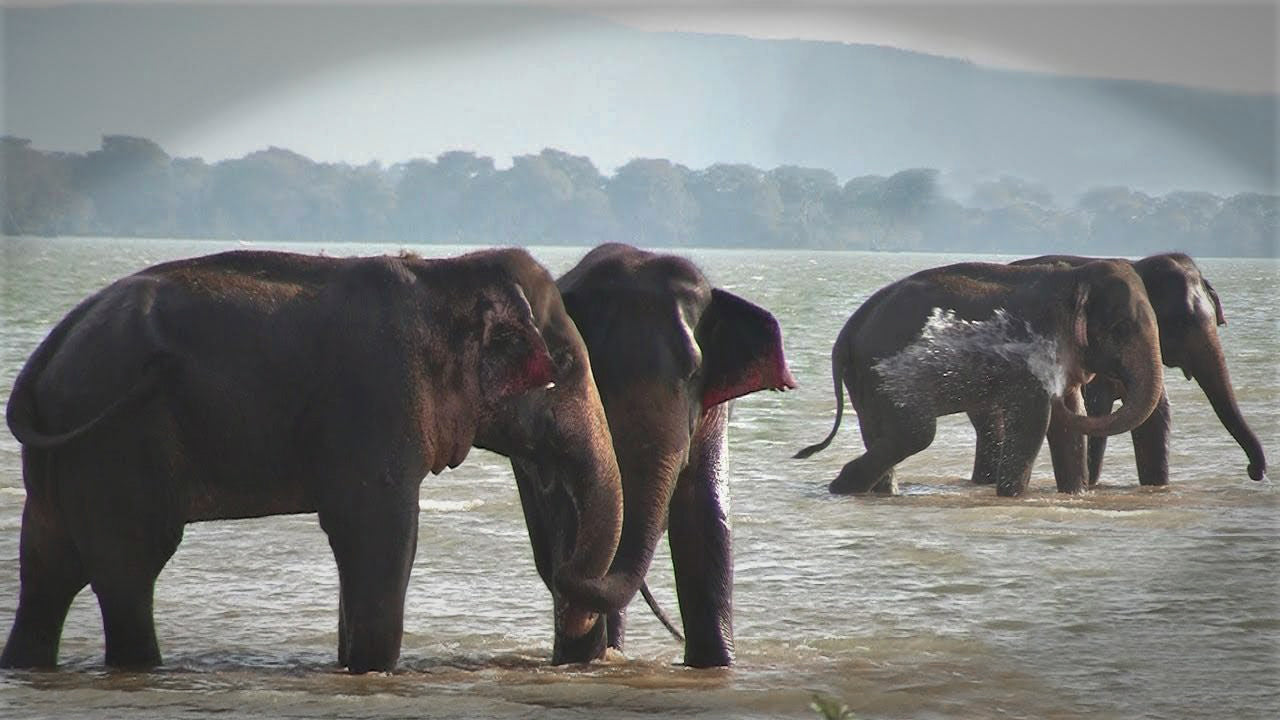
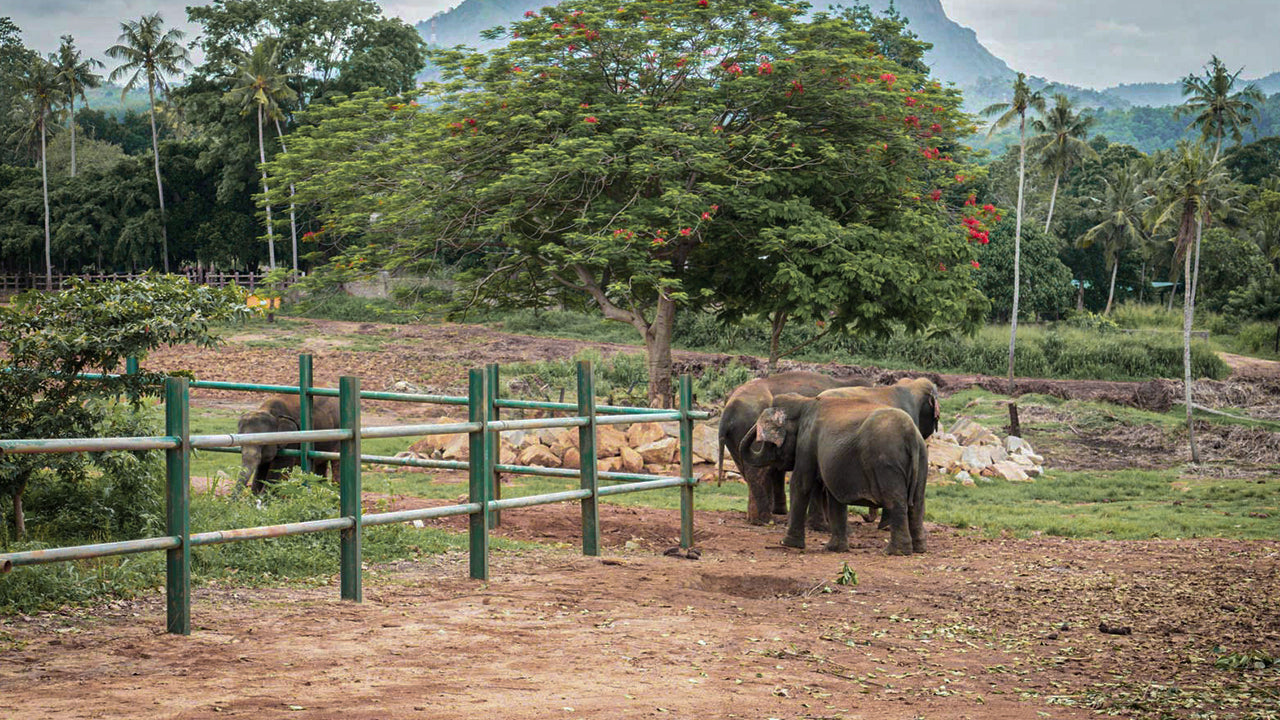
Los elefantes de Sri Lanka, cuya esperanza de vida oscila entre los 55 y los 70 años, habitan los bosques tropicales de la isla, principalmente bosques caducifolios secos de tierras bajas, matorrales, etc., y frecuentan las praderas y tierras de cultivo cercanas. Se desplazan en manadas cohesionadas, compuestas por entre 8 y 12 individuos, especialmente las hembras adultas y sus crías, encabezadas por la matriarca. Sin embargo, el tamaño de las manadas puede variar. De todos modos, los machos que abandonan sus manadas natales al alcanzar la madurez sexual pueden ser avistados vagando solos o en manadas de solteros temporales. Su cohesión se ve reforzada por un complejo sistema de comunicación. Cuando están cerca, emiten una gama de vocalizaciones, desde gruñidos bajos hasta gritos y trompetas agudos, junto con diversas señales visuales. Algunos de sus gruñidos, bramidos y gemidos de baja frecuencia pueden viajar largas distancias. Estos proboscídeos herbívoros, que recorren kilómetros al día principalmente en busca de alimento y agua, se alimentan de una amplia variedad de vegetación, como hierbas, hojas, plantas trepadoras, brotes, cortezas, raíces, frutas, nueces y semillas. Se ha identificado un gran número de especies vegetales que los elefantes consumen en Sri Lanka. Además, un elefante adulto puede consumir hasta unos 136 kilos de vegetación al día.
En cualquier caso, se observa un alto grado de dimorfismo sexual entre ambos sexos. El elefante macho es más grande que la hembra. El elefante macho tiene la base de la trompa grande, protuberancias debajo y delante de los ojos, y también protuberancias sobre los ojos. La hembra, en cambio, tiene la base de la trompa más estrecha y carece de la protuberancia prominente sobre los ojos. La espalda del toro es más redondeada y curvada.