Ciudad de Polonnaruwa
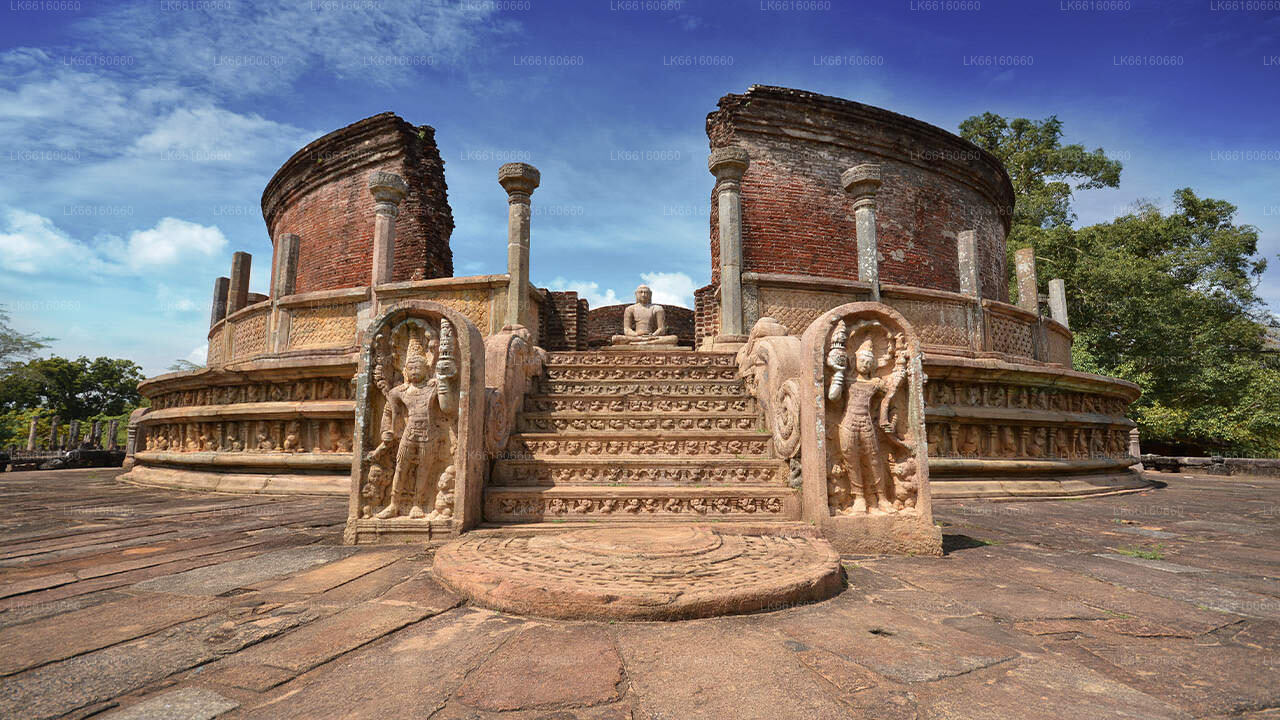
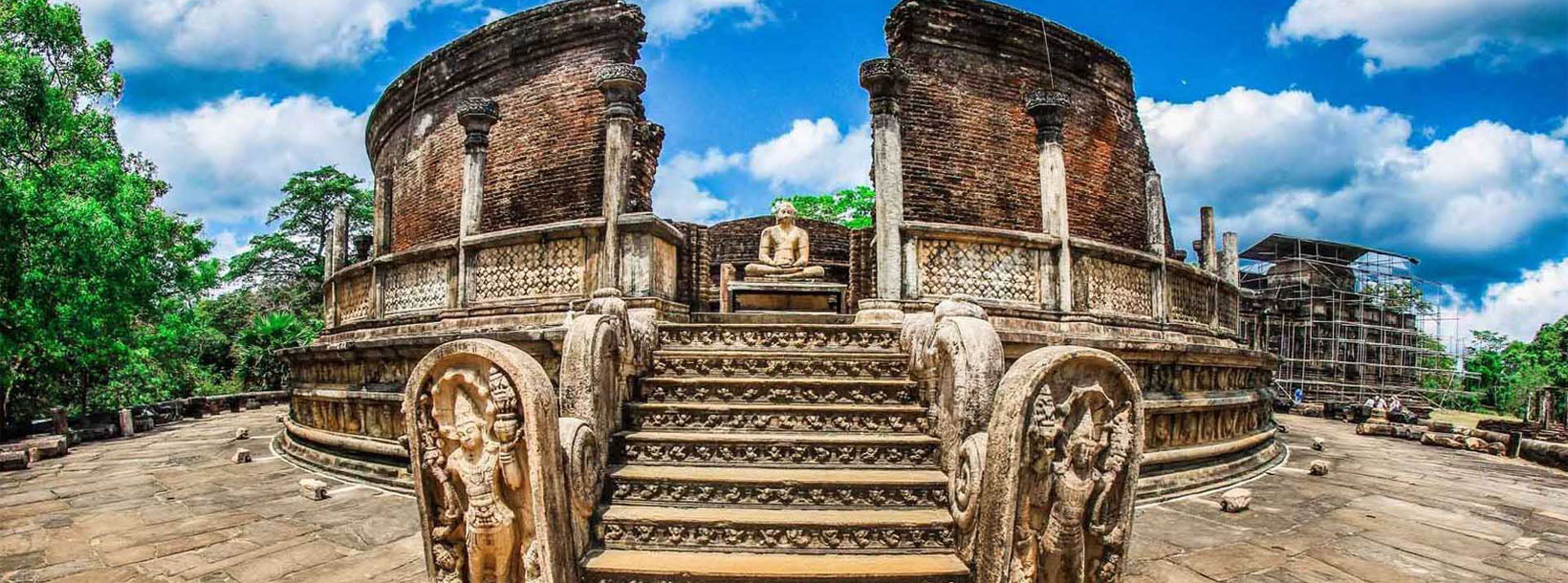
Polonnaruwa, declarada Patrimonio de la Humanidad por la UNESCO en Sri Lanka, fue la capital medieval del país (siglos XI-XIII). Famosa por sus ruinas bien conservadas, incluyendo las icónicas estatuas de Gal Vihara, exhibe una arquitectura impresionante que refleja la grandeza de la antigua civilización cingalesa.
Angammedilla National Park
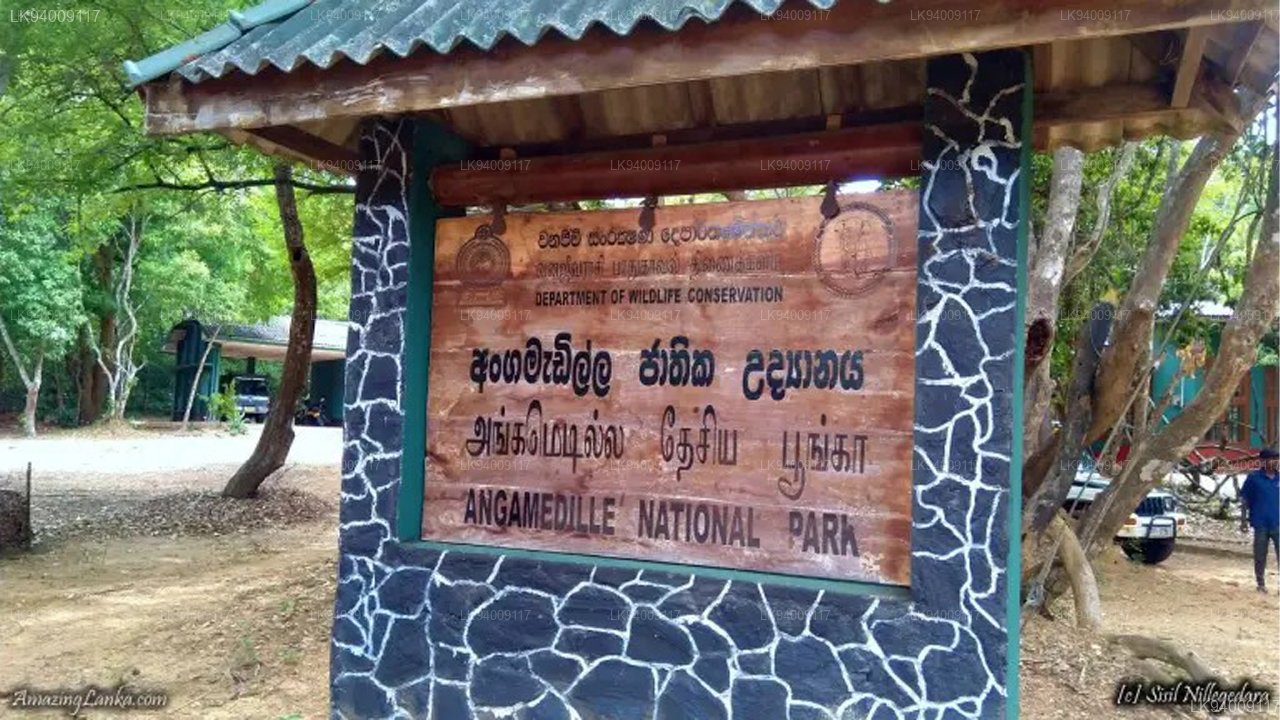
Angammedilla National Park is one of the new national parks in Sri Lanka. The region was designated national park on 6 June 2006. Originally Angammedilla was a forest reserve within the Minneriya-Girithale Sanctuary declared on 12 February 1988. The park is declared mainly to protect the drainage basin of Parakrama Samudra. Angammedilla also secures the drainage basins of Minneriya and Girithale irrigation tanks, water sources in Sudu Kanda (White hill) and habitats and wildlife of the adjacent forests. It is located 225 kilometres (140 mi) away from Colombo in Polonnaruwa District.
Physical features
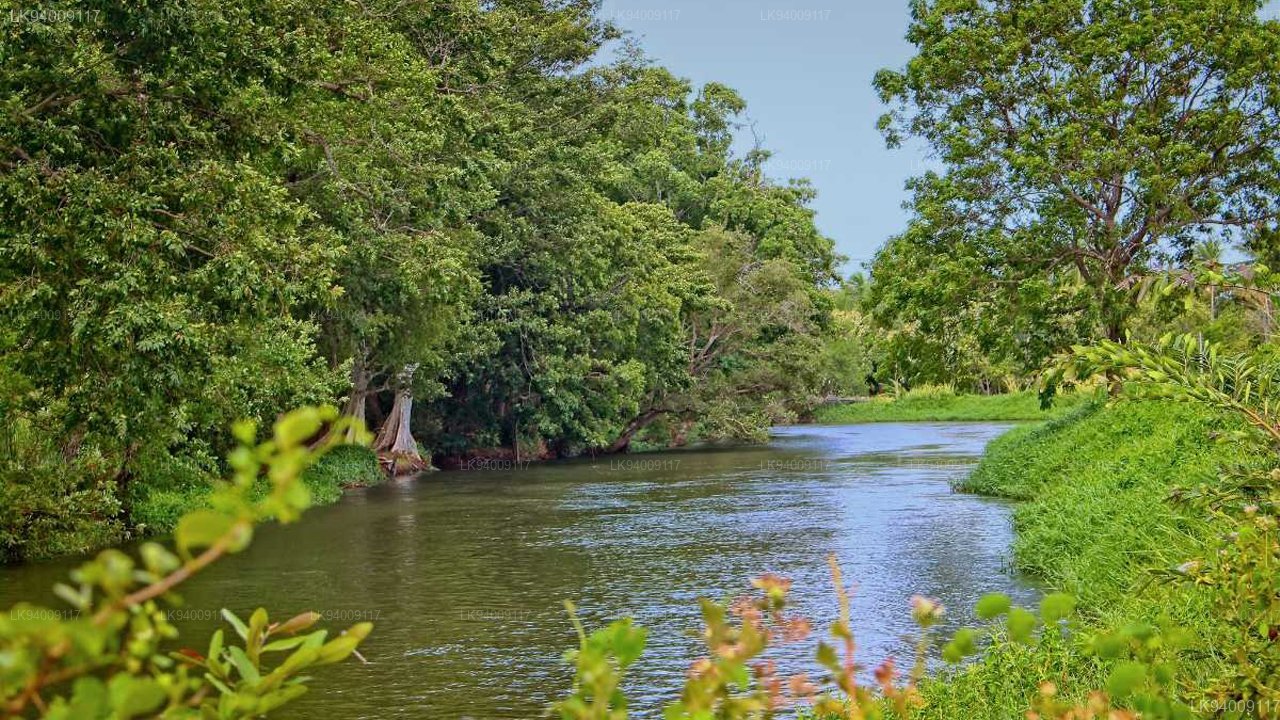
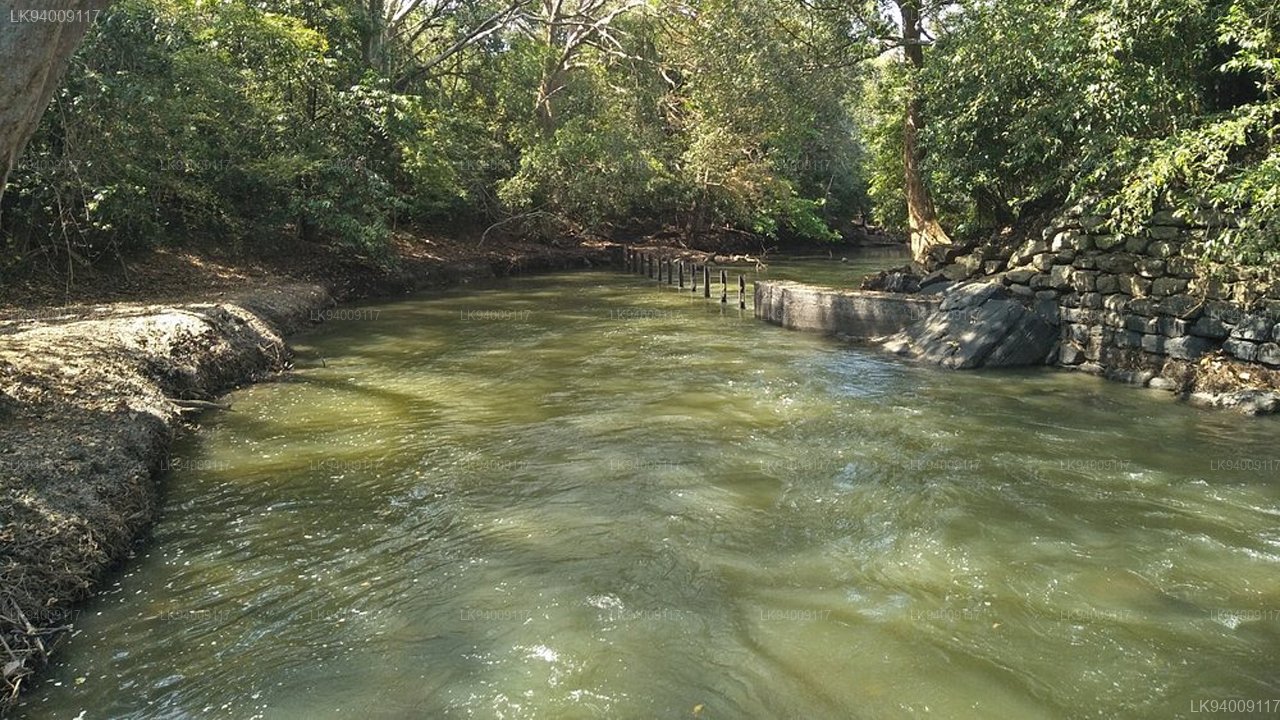
Amban river which is sourced by Sudu Kanda forms the southern border of the park. A mountain range stretches across the park from Girithale to Minneriya. In the drought period the park is very dry. In the rainy season, mountainous area receives more rainfall than the plains. Since a mix wet and dry climate persists in the park the vegetation is a mix of wet zone and dry zone plants.
In the ancient times water has irrigated from Amban river to Parakrama Samudra in a canal done in stone. The rocky wall of the canal called royal wall by the villagers.
Flora and fauna
The vegetation of the park is predominantly dry evergreen forests. Diospyros ebenum is one of the dominant plant species in the forest. Manilkara hexandra (Palu), Cholorocylon swetenia (Burutha), Vitex pinnata (Milla), and Adina cordifolia (Kolon) are common in natural vegetation.
Mesua ferrea trees are grown in communities.
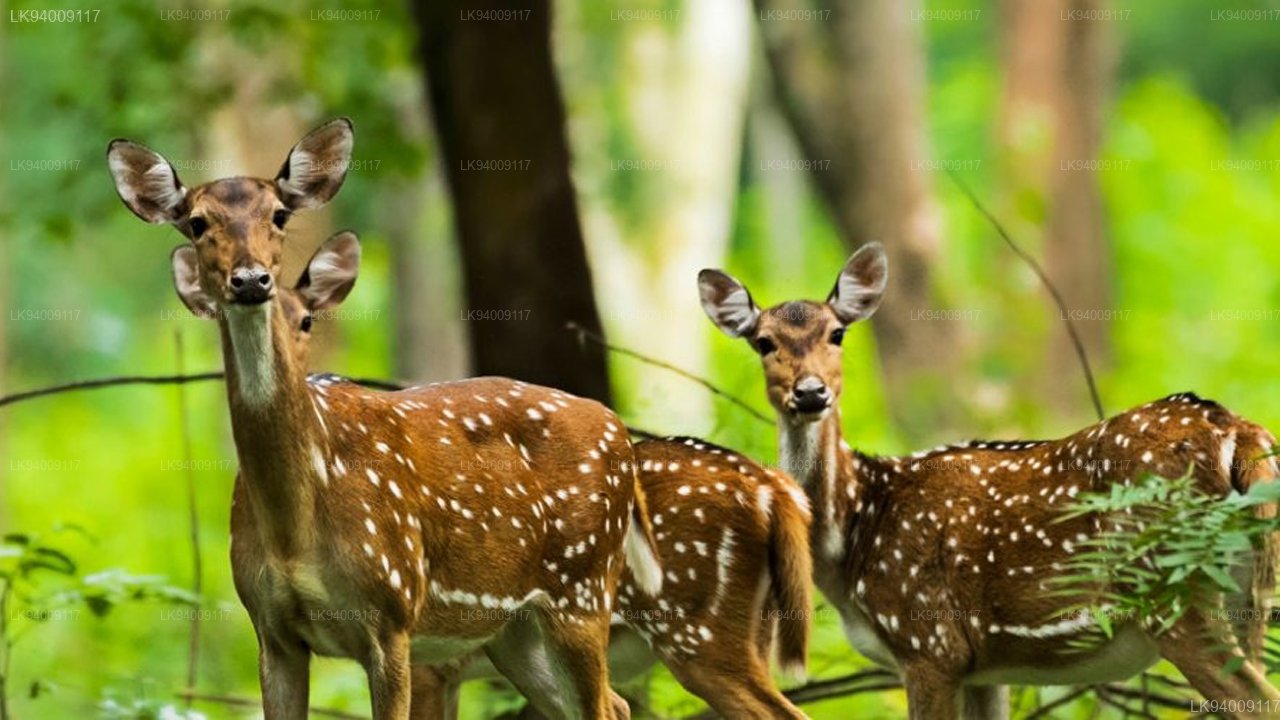
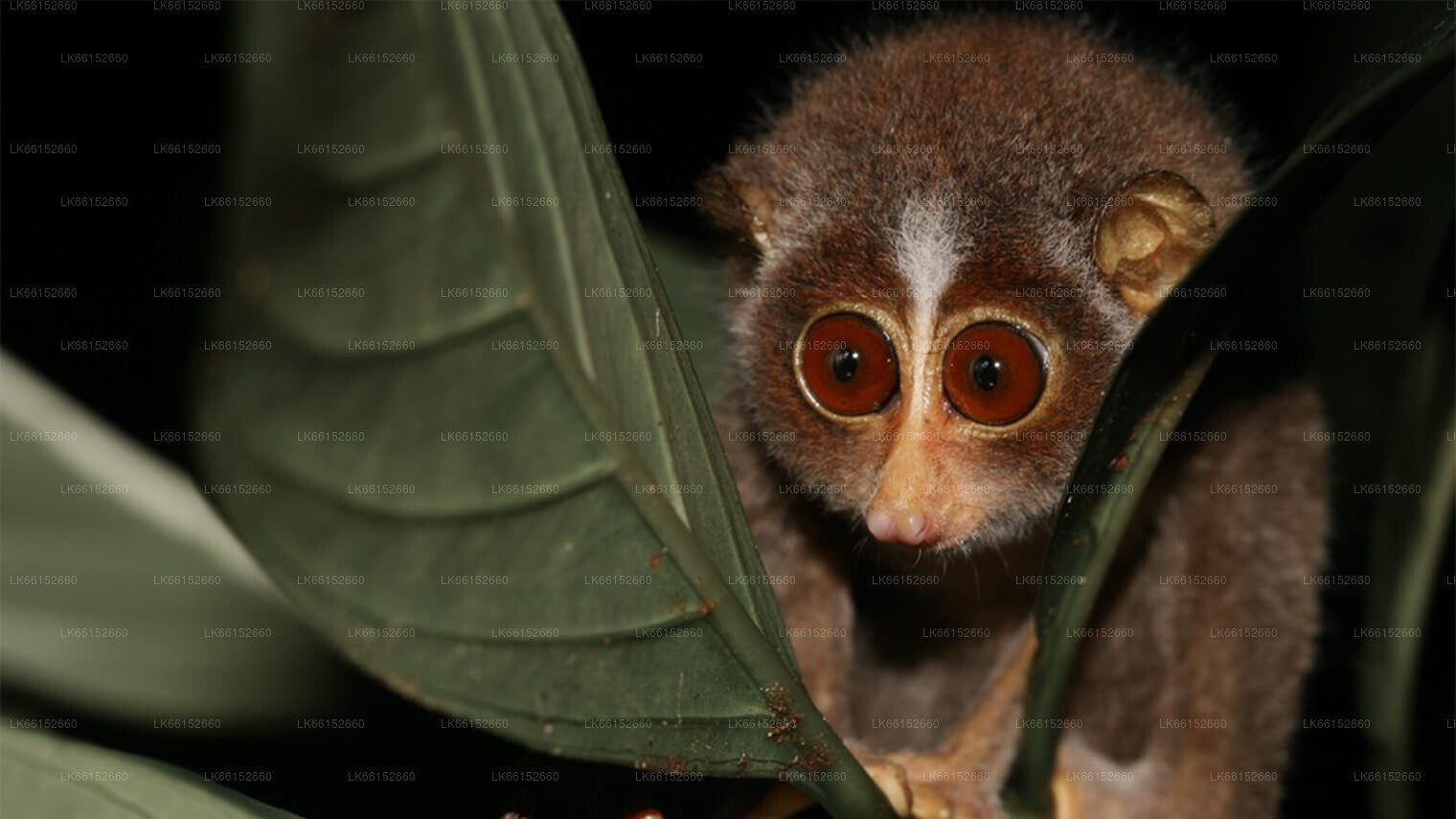
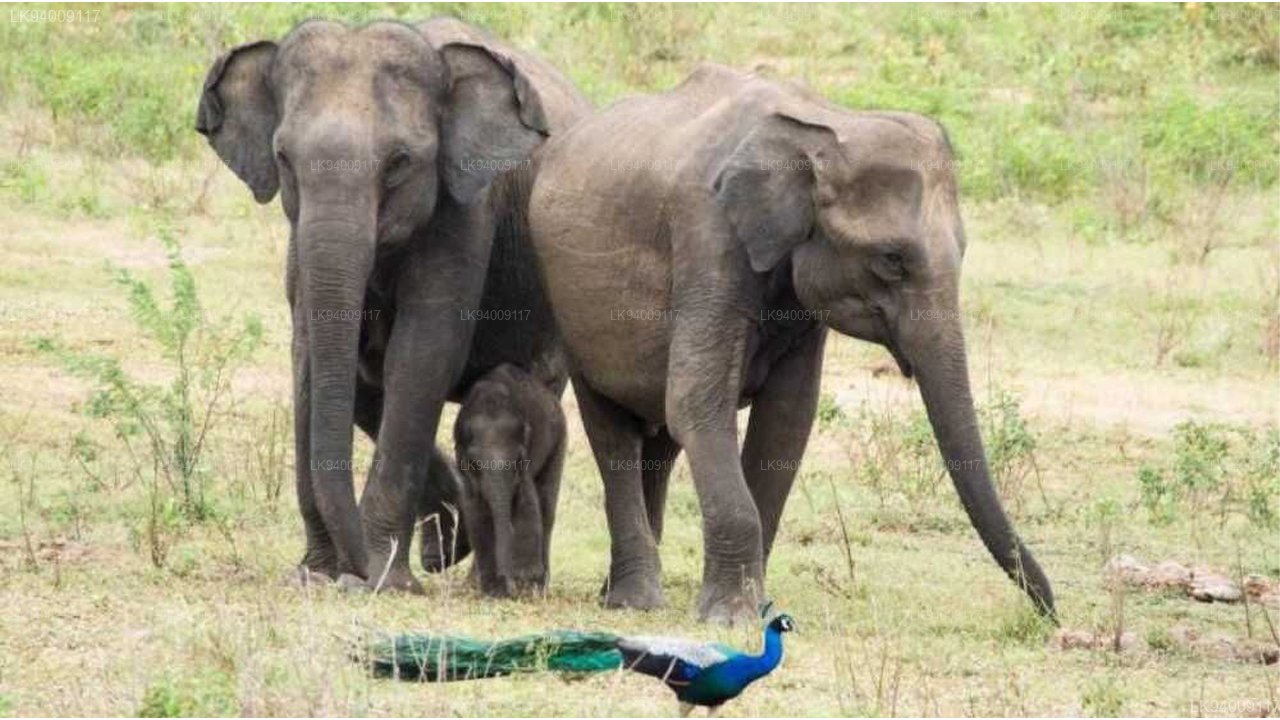
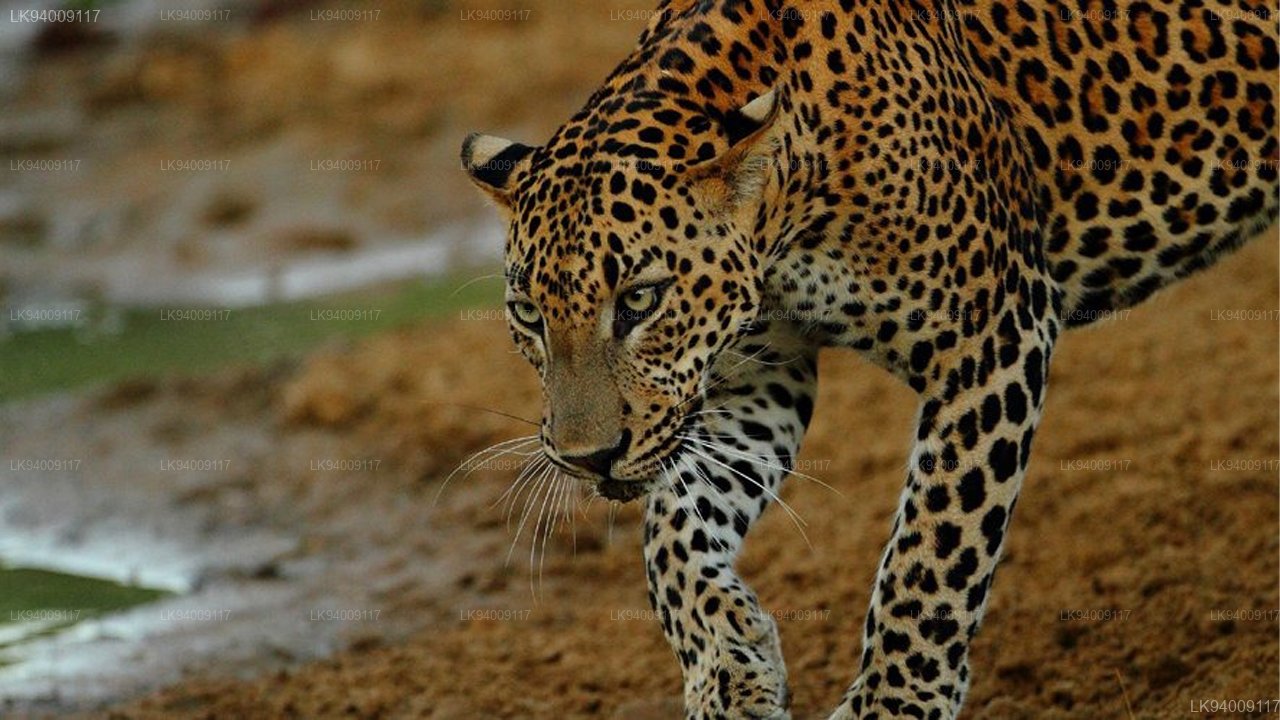
Sri Lankan elephant, Sri Lankan sambar deer, Indian muntjac, Sri Lankan axis deer, water buffalo, wild boar, and peafowl are common within the park. However Sri Lanka leopard, sloth bear, grizzled giant squirrel and Sri Lanka junglefowl are sometimes seen. The primate species red slender loris, tufted gray langur, and purple-faced langur are seen also.
Acerca del distrito de Polonnaruwa
Polonnaruwa es la segunda ciudad más grande de la provincia centro-norte de Sri Lanka. La antigua ciudad de Polonnaruwa ha sido declarada Patrimonio de la Humanidad por la UNESCO. Polonnaruwa cuenta con una larga historia de conquista y lucha, y con razón constituye el tercer elemento del Triángulo Cultural. Ubicada a unos 140 km al noreste de Kandy, Polonnaruwa ofrece horas de inagotable placer para los amantes de la historia y la cultura, gracias a sus numerosos lugares de interés.
Gran parte de las ruinas que aún se conservan se atribuyen al rey Parakrama Bahu I, quien invirtió importantes recursos reales en la planificación urbana, incluyendo parques, edificios, sistemas de riego, etc. Su reinado se considera una época dorada, donde el reino prosperó bajo un gobernante visionario. El Parakrama Samudra es un tanque gigantesco que lleva el nombre de su patrón. El popular Palacio Real del rey, la Sala de Audiencias, rodeada de elefantes de piedra bellamente tallados, y la Piscina de Baño reflejan la superior capacidad de ingeniería de la época.
Acerca de la Provincia Central del Norte
La Provincia Central del Norte, la más grande del país, abarca el 16% de la superficie total del país. Está compuesta por dos distritos: Polonnaruwa y Anuradhapure. Anuradhapura es el distrito más grande de Sri Lanka, con una superficie de 7128 km².
North Central Province has numerous potentials for Investors to start their Businesses, especially Agriculture, agro based industries and Livestock sectors. More than 65% of North Central Province's people depend on basic Agriculture and agro base industries. NCP also called "Wew Bendi Rajje" because there are more than 3,000 medium and large scale tanks situated in the province. Sri maha bodiya, Ruwanweli seya, Thuparama dageba, Abayagiri Monastry, Polonnaruwa Rankot wehera, Lankathilake are scared