Ciudad de Galle
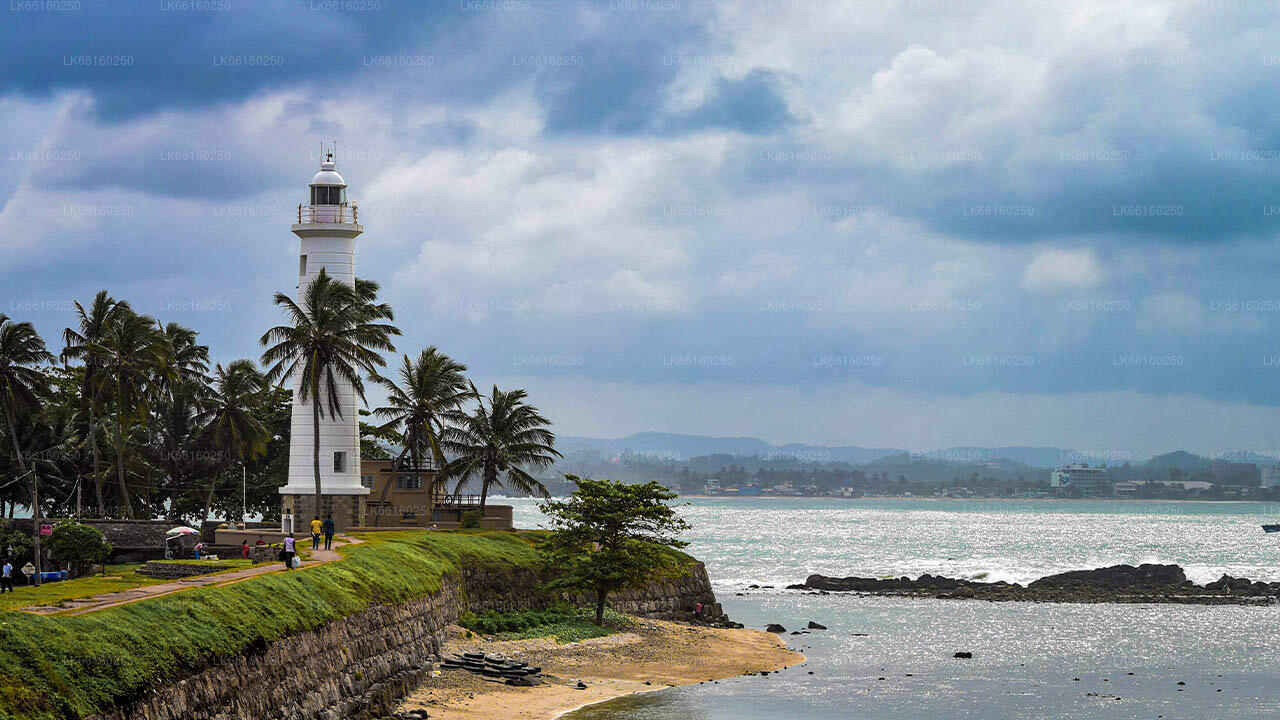
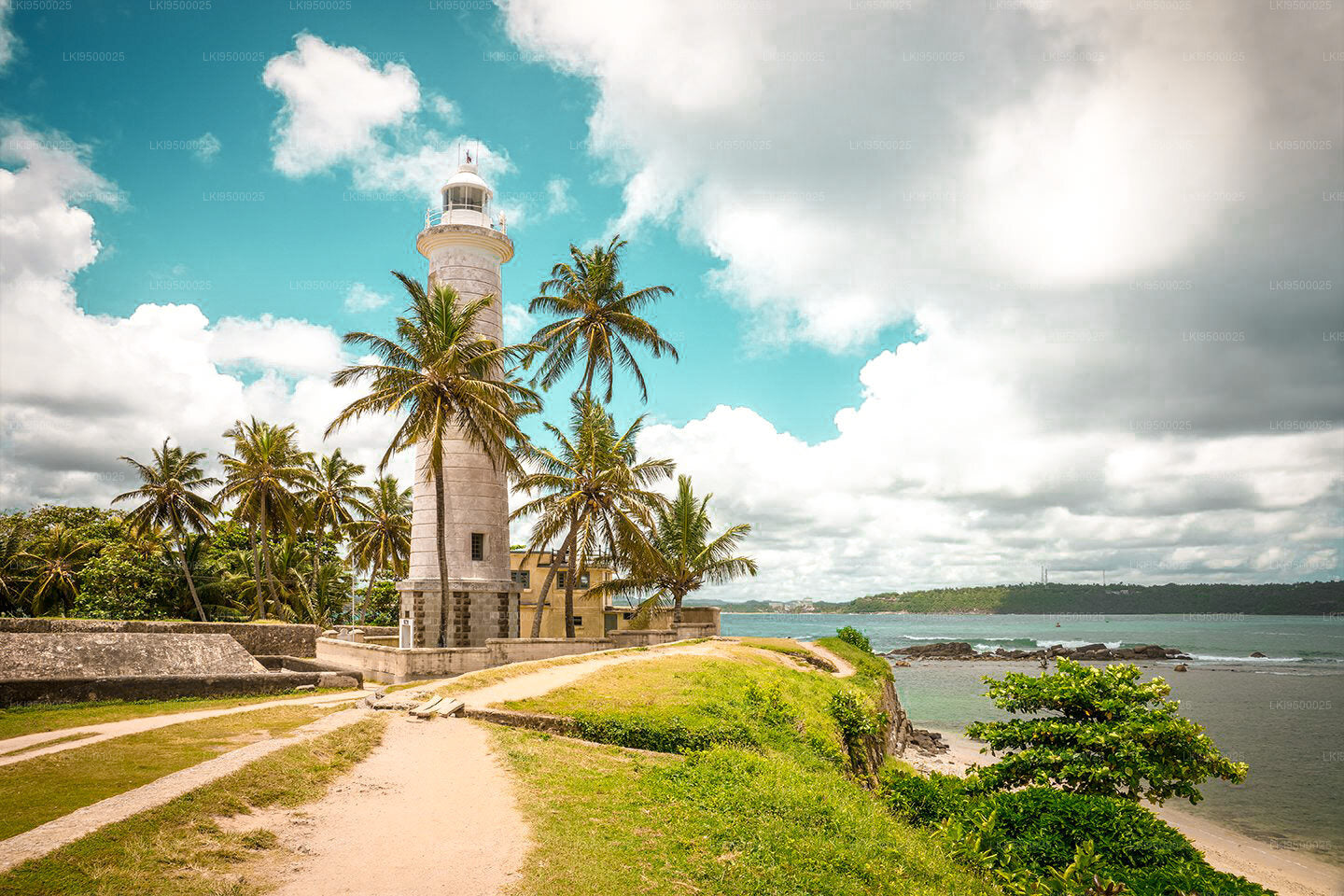
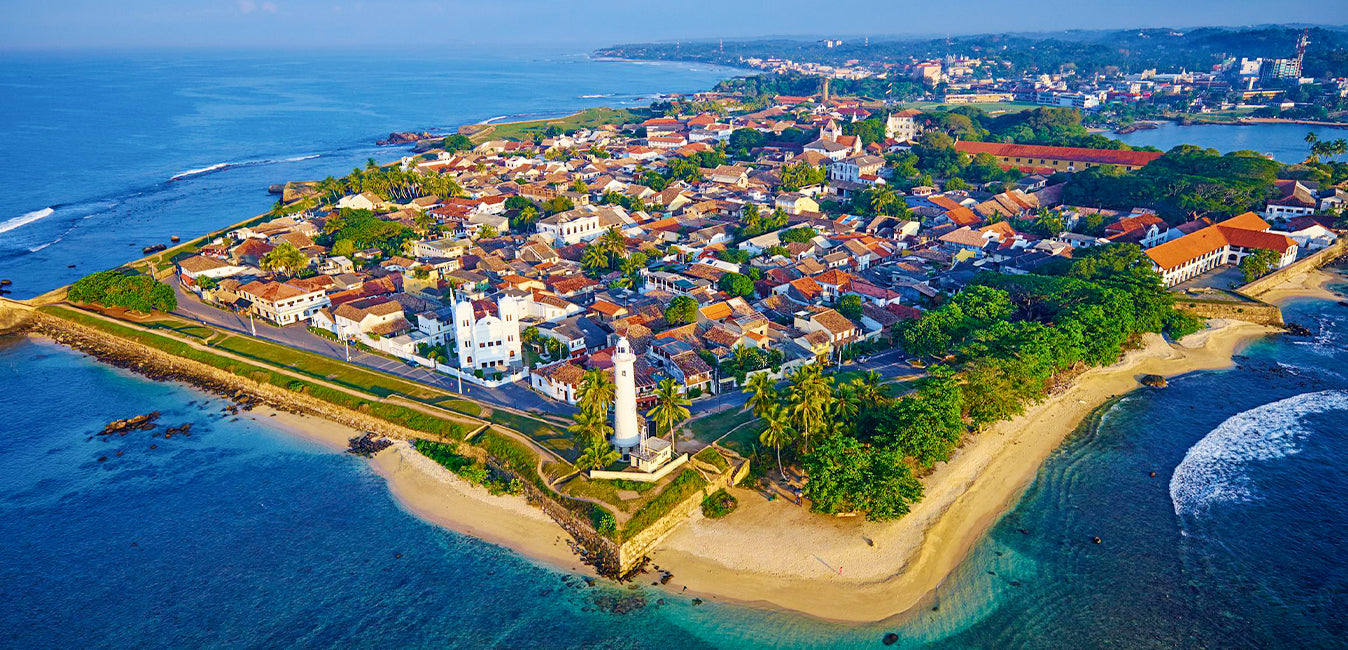
Galle, una encantadora ciudad costera de Sri Lanka, presume de una rica historia y una vibrante cultura. Su emblemático Fuerte Holandés, declarado Patrimonio de la Humanidad por la UNESCO, es un testimonio de la influencia colonial. Explore playas vírgenes, sumérjase en festivales culturales y saboree la gastronomía local en el encanto tradicional de Galle.
2004 Indian Ocean tsunami Peraliya rail disaster
The 2004 Indian Ocean tsunami was one of the most devastating natural disasters in modern history, and Sri Lanka was among the hardest-hit countries. Triggered by a massive undersea earthquake off the coast of Sumatra, the tsunami struck Sri Lanka's coastal regions on 26 December 2004, causing widespread destruction, loss of life, and long-lasting social and economic impacts. The disaster reshaped coastal communities and highlighted the importance of disaster preparedness and early warning systems.
One of the most tragic events linked to the tsunami was the Peraliya rail disaster, which occurred near the town of Hikkaduwa. A passenger train, later known as the "Queen of the Sea," was overwhelmed by massive waves while stopped near the coastline. Thousands of passengers lost their lives, making it the deadliest train disaster in recorded history. This event stands as a powerful reminder of the immense force of nature and the vulnerability of coastal infrastructure.
Today, the site of the Peraliya rail disaster is a place of remembrance and reflection. Visitors come to pay tribute to the victims and to learn about the impact of the tsunami on Sri Lanka's people and heritage. Memorials and preserved sections of the railway track help convey the scale of the tragedy while honoring the resilience and strength shown by affected communities in rebuilding their lives.
The best time to visit the Peraliya area is during the dry season from December to April, when weather and travel conditions are favorable. Easily accessible from Galle and other southern coastal towns, the site offers a meaningful historical experience that combines education, remembrance, and an understanding of Sri Lanka's journey toward recovery and resilience.
Acerca del distrito de Galle
Galle es una ciudad situada en el extremo suroeste de Sri Lanka, a 119 km de Colombo. Galle es el mejor ejemplo de ciudad fortificada construida por europeos en el sur y sudeste de Asia, mostrando la interacción entre los estilos arquitectónicos europeos y las tradiciones del sur de Asia. El fuerte de Galle es Patrimonio de la Humanidad y la fortaleza más grande que se conserva en Asia construida por ocupantes europeos. Galle es una ciudad considerable, para los estándares de Sri Lanka, y tiene una población de 91.000 habitantes, la mayoría de los cuales son de etnia cingalesa. También existe una importante minoría mora de Sri Lanka, especialmente en la zona del fuerte, que desciende de comerciantes árabes que se asentaron en el antiguo puerto de Galle. Acerca de la Provincia Sur La Provincia Sur de Sri Lanka es una pequeña área geográfica que comprende los distritos de Galle, Matara y Hambantota. La agricultura y la pesca de subsistencia son la principal fuente de ingresos para la gran mayoría de los habitantes de esta región. Entre los lugares de interés de la Provincia Sur se incluyen los santuarios de vida silvestre de los Parques Nacionales de Yala y Udawalawe, la ciudad sagrada de Kataragama y las antiguas ciudades de Tissamaharama, Kirinda y Galle. (Aunque Galle es una ciudad antigua, prácticamente no se conserva nada anterior a la invasión portuguesa). Durante el período portugués, dos famosos poetas cingaleses, Andare, de Dickwella, y Gajaman Nona, de Denipitiya, en el distrito de Matara, compusieron poemas sobre la gente común.