Koneswaram-templet


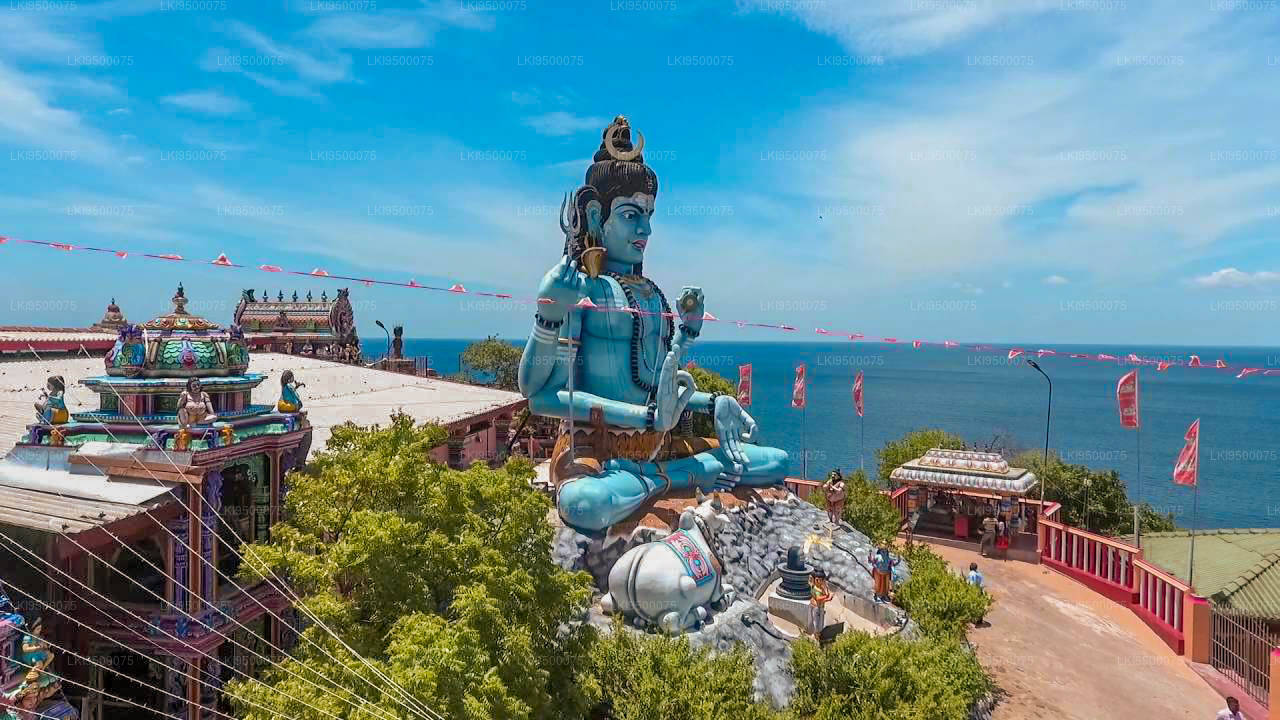
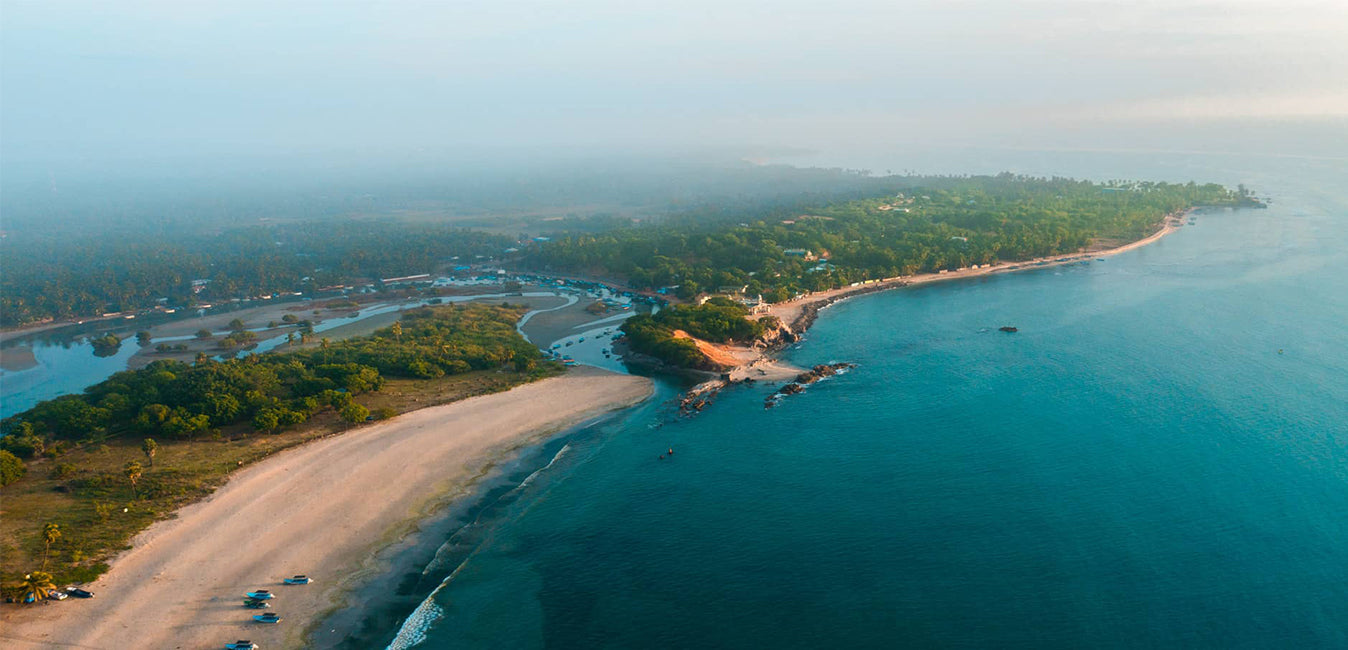
Koneswaram-templet i Trincomalee eller Thirukonamalai Konesar Temple – Templet med tusind søjler og Dakshina-Then Kailasam er et klassisk-middelalderligt hinduistisk tempelkompleks i Trincomalee, et hinduistisk religiøst pilgrimssted i Østprovinsen, Sri Lanka. Det helligste af de fem Ishwarams i Sri Lanka, det blev hovedsageligt bygget under styret af de tidlige Cholaer og de fem Dravidians fra den tidlige Pandyan Kingdom på toppen af Konesar Malai, et næs med udsigt over Trincomalee-distriktet, Gokarna-bugten og Det Indiske Ocean. Dets Pallava-, Chola-, Pandyan- og Jaffna-design afspejler en vedvarende tamilsk Saivite-indflydelse i Vannimai-regionen fra den klassiske periode. Monumentet indeholder dets hovedhelligdom til Shiva i form af Kona-Eiswara, forkortet til Konesar. Forbundet ved udmundingen af Mahavilli Ganga-floden med Shiva-fodaftrykket på Sivan Oli Padam Malai ved flodens kilde, krones templet symbolsk flodens gang fra Shivas hoved på Mount Kailash til hans fødder.
Udviklet fra 205 f.Kr., kombinerede den oprindelige kovil nøglefunktioner til at danne sin grundlæggende dravidianske tempelplan, såsom dens tusinde søjlers hal – "Aayiram Kaal Mandapam" – og Jagati udvidet af kong Elara Manu Needhi Cholan. Blev anerkendt som den største bygning af sin tid for sin arkitektur, og blev prydet med detaljeret bas-relief-ornamentik på sort granitmegalit, mens dets flere guldbelagte gopuram-tårne blev udvidet i middelalderen. Et af de tre største hinduistiske templer på næsset med et kolossalt gopuram-tårn, det stod markant på næssets højeste højde.
Rejsen for pilgrimme i byen begynder ved åbningen af Konesar Road og følger en sti gennem gårdtemplerne i komplekset til guddommene Bhadrakali, Ganesh, Vishnu Thirumal, Surya, Raavana, Ambal-Shakti, Murukan og Shiva, der hersker på næssets højde. Den årlige Koneswaram-templet Ther Thiruvilah-festival involverer Bhadrakali-templet i Trincomalee, Pavanasam Theertham ved den bevarende Papanasuchunai hellige brønd og det nærliggende Back Bay Sea (Theertham Karatkarai), der omkranser Konesar Malai.
Den sinhalese konge Gajabahu II, der regerede Polonnaruwa fra 1131 til 1153 e.Kr., beskrives i Konesar Kalvettu som en hengiven tilhænger af Lord Shiva og en velgører af Konesar Malai-templet. Han tilbragte sine sidste dage i den tilknyttede brahminbosættelse i Kantalai.
Komplekset blev ødelagt i koloniale religiøse angreb mellem 1622 og 1624, og en fæstning blev bygget på stedet af dets ruiner. Et tempel bygget i 1632, der ligger væk fra byen, huser nogle af dets originale gudebilleder. Verdensomspændende interesse blev genoplivet efter opdagelsen af dets undervands- og landruiner, skulpturer og Chola-bronze af arkæologer og Arthur C. Clarke. Det er blevet bevaret gennem restaureringer, senest i 1950'erne. Det fik ejendom af landsbyer i sin floruit for at danne Trincomalee-distriktet, og Trincomalee-byen ligger på næsset i komplekset. Indtægterne fra templet giver tjenester og mad til de lokale beboere.