ساندكادا باهانا


سانداكادا باهانا، المعروف أيضًا باسم حجر القمر، هو عنصر ثقافي ومعماري مهم في تاريخ سريلانكا القديم، ويُعثر عليه في العديد من المواقع البوذية الأكثر تبجيلًا في الجزيرة، بما في ذلك أنورادابورا، بولوناروا، والمعابد الصخرية في سيجيريا. هذا الحجر المنحوت بدقة يعمل كعلامة دخول إلى الأماكن المقدسة، ويُرمز إلى الانتقال من العالم الدنيوي إلى الإلهي. جماله ومعناه الرمزي يجعله أحد أكثر العناصر المعمارية شهرة في سريلانكا، حيث يعكس التقاليد الروحية والفنية العميقة التي شكلت الجزيرة لقرون.
مصمم بشكل نصف دائري، يتم تزيين سانداكادا باهانا عادةً بنقوش لزهور اللوتس، الفيلة، الخيول، وأخرى من الرموز التي تمثل عناصر من البوذية، الطبيعة، وثقافة سريلانكا. تعكس هذه العناصر، التي تُرى في مناطق مثل كاندي وجال، التنوع البيولوجي الغني للجزيرة، مع وجود الفيلة والحيوانات البرية الأخرى في الأساطير السريلانكية القديمة. تنقل النقوش أفكارًا روحية مثل النقاء، التنوير، والحماية، مما يوفر للزوار اتصالًا ثقافيًا وفنيًا مع التراث البوذي في الجزيرة.
يمكن للزوار في المواقع التي تحتوي على سانداكادا باهانا تقدير تعقيدها الفني واتصالها بتاريخ سريلانكا الديني. يوجد هذا الحجر عند مداخل الستوبا والمعابد والدير، ويعمل حجر القمر كعلامة بصرية تذكر بتفاني سريلانكا في العمارة المقدسة والتقاليد البوذية. غالبًا ما يتوقف المسافرون الذين يجولون في مدن قديمة مثل أنورادابورا أو يزورون المعابد الصخرية مثل دامبولا وسيجيريا لإعجابهم بهذه الحجارة، التي توجه رحلتهم الروحية عبر المناظر الثقافية لـسريلانكا. يدعو سانداكادا باهانا للتفكير في العلاقة بين الطبيعة، الفن، والإيمان.
يمكن رؤية سانداكادا باهانا على مدار العام في العديد من المواقع التاريخية والدينية في سريلانكا. يوفر موسم الجفاف، من ديسمبر إلى أبريل، ظروفًا مثالية لاستكشاف هذه المعالم القديمة، مما يوفر سماء صافية وطقسًا هادئًا لمشاهدة المعالم السياحية. يمكن الوصول إليها من المدن الرئيسية مثل أنورادابورا، كاندي، وسيجيريا، وتستمر هذه الحجارة المقدسة في إلهام الزوار الذين يسعون لفهم التراث الروحي والثقافي لسريلانكا. سواء تم تقديرها لقيمتها الفنية أو أهميتها التاريخية أو رموزها الدينية، يظل سانداكادا باهانا شهادة قوية على تراث سريلانكا الأبدي.


-
 Sri Maha Bodhiya
Jaya Sri Maha Bodhi is a sacred bo tree in the Mahamewna Gardens, Anuradhapura, Sri Lanka. It is the southern branch from the historical Sri Maha Bodhi at Buddha Gaya in India under which Buddha attained Enlightenment. It was planted in 288 BC, and is the oldest living human-planted tree in the world with a known planting date.
-
 Ruwanweliseya
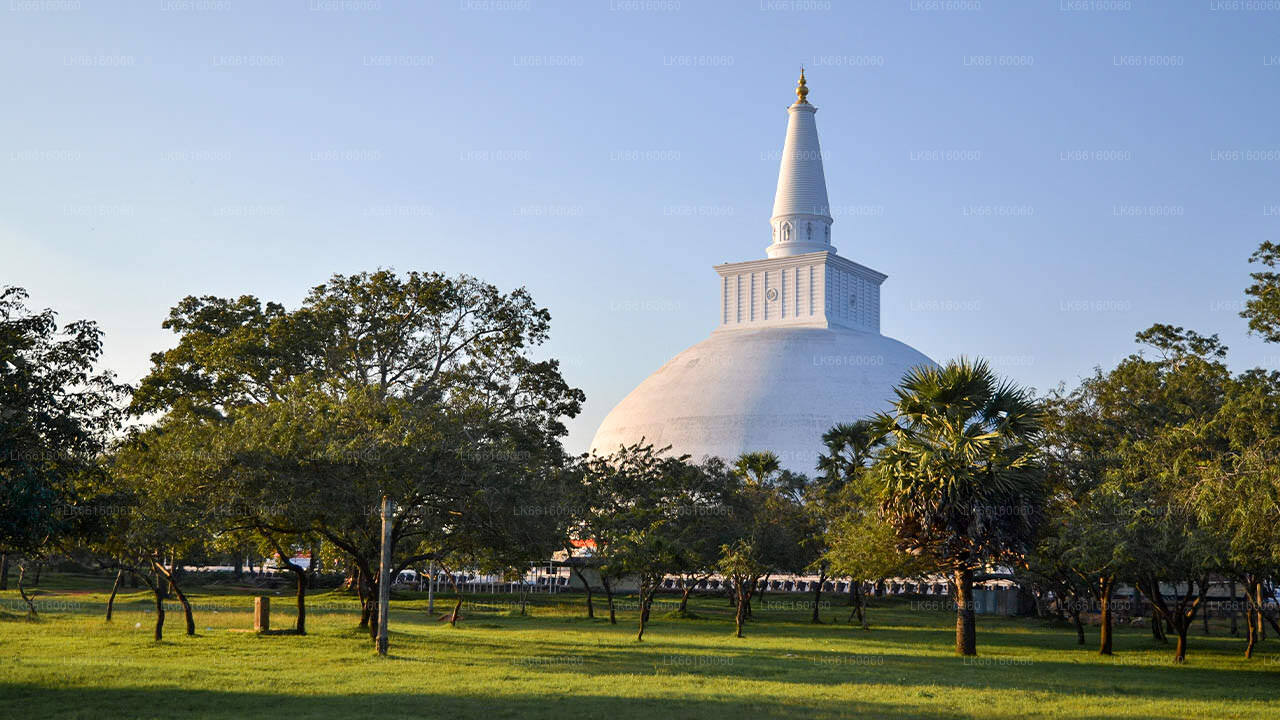
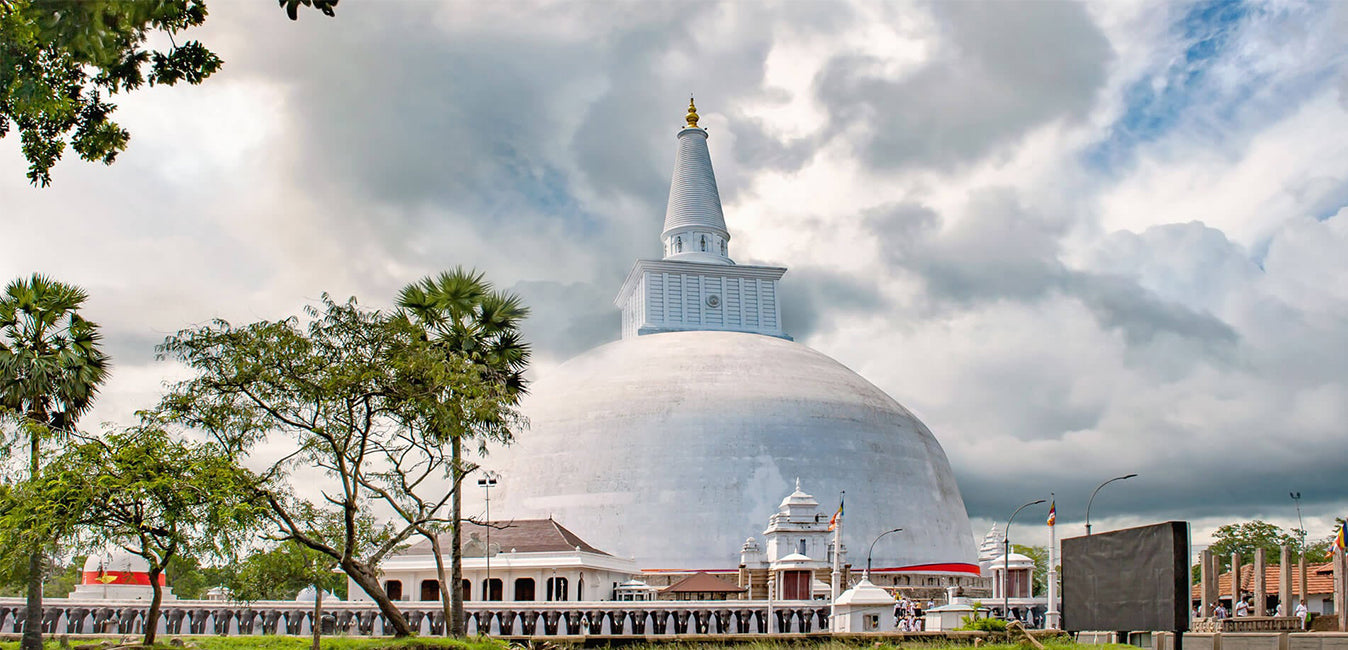
The Ruwanweli Maha Seya, also known as the Mahathupa (the Great Thupa) is a stupa (a hemispherical structure containing relics) in Anuradhapura, Sri Lanka. Two quarts or one Dona of the Buddha's relics are enshrined in the stupa, making it the largest collection of his relics anywhere. It was built by Sinhalese King Dutugemunu in c. 140 B.C., who became king of Sri Lanka after a war in which the Chola King Elāra (Ellalan) was defeated.
-
 Thuparamaya
Thuparamaya is the first Buddhist temple that was constructed, after the arrival of mahinda thero(mahindagamanaya) in Sri Lanka. Located in the sacred area of Mahamewna park, the Thuparamaya Stupa is the earliest Dagoba to be constructed in the island, dating back to the reign of King Devanampiya Tissa (247-207 BC). The temple has been formally recognised by the Government as an archaeological site in Sri Lanka.
-
 Lovamahapaya
Lovamahapaya is a building situated between Ruwanweliseya and Sri Mahabodiya in the ancient city of Anuradhapura, Sri Lanka. It is also known as the Brazen Palace or Lohaprasadaya because the roof was covered with bronze tiles. In ancient times, the building included the refectory and the uposathagara (Uposatha house).
-
 Abhayagiri Stupa
Abhayagiri Vihāra was a major monastery site of Mahayana, Theravada and Vajrayana Buddhism that was situated in Anuradhapura, Sri Lanka. It is one of the most extensive ruins in the world and one of the most sacred Buddhist pilgrimage cities in the nation.
-
 Jetavanaramaya
The Jetavanarama stupa or Jetavanaramaya is a stupa, or Buddhist reliquary monument, located in the ruins of Jetavana monastery in the UNESCO world heritage city of Anuradhapura, Sri Lanka. At 122 metres (400 ft), it was the world's tallest stupa, and the third tallest structure in the world when it was built by King Mahasena of Anuradhapura (273–301).
-
 Mirisawetiya Stupa
The Mirisaweti Stupa is a memorial building, a stupa, situated in the ancient city of Anuradhapura, Sri Lanka. King Dutugamunu (161 BC to 137 BC) built the Mirisaveti Stupa after defeating King Elara. After placing the Buddha relics in the sceptre, he had gone to Tissa Wewa for a bath leaving the sceptre.
-
 Lankarama
Lankarama is a stupa built by King Valagamba, in an ancient place at Galhebakada in the ancient kingdom of Anuradhapura, Sri Lanka. Nothing is known about the ancient form of the stupa, and later this was renovated. The ruins show that there are rows of stone pillars and it is no doubt that there has been a house built encircling the stupa (vatadage) to cover it.
-
 Isurumuniya
Isurumuniya is a Buddhist temple situated near to the Tissa Wewa (Tisa tank) in Anuradhapura, Sri Lanka. There are four carvings of special interest in this Vihara. They are the Isurumuniya Lovers, Elephant Pond and The Royal Family. The ancient Meghagiri Vihara or Meygiri Vihara is presently identified as the Isurumuni Vihara.