


Lakpura
Lakpura®

Passiflora foetida

Passiflora foetida, commonly known as stinking passionflower or wild maracuja, is a scrambling vine native to the tropical Americas that has naturalised widely across Sri Lanka. It is catalogued among the island's Ayurvedic medicinal plants and is recognised in traditional healing systems for a range of therapeutic applications. Despite its modest appearance at a glance, this plant has attracted sustained interest from botanists, ethnobotanists, and Ayurvedic practitioners alike.

What does Passiflora foetida look like?

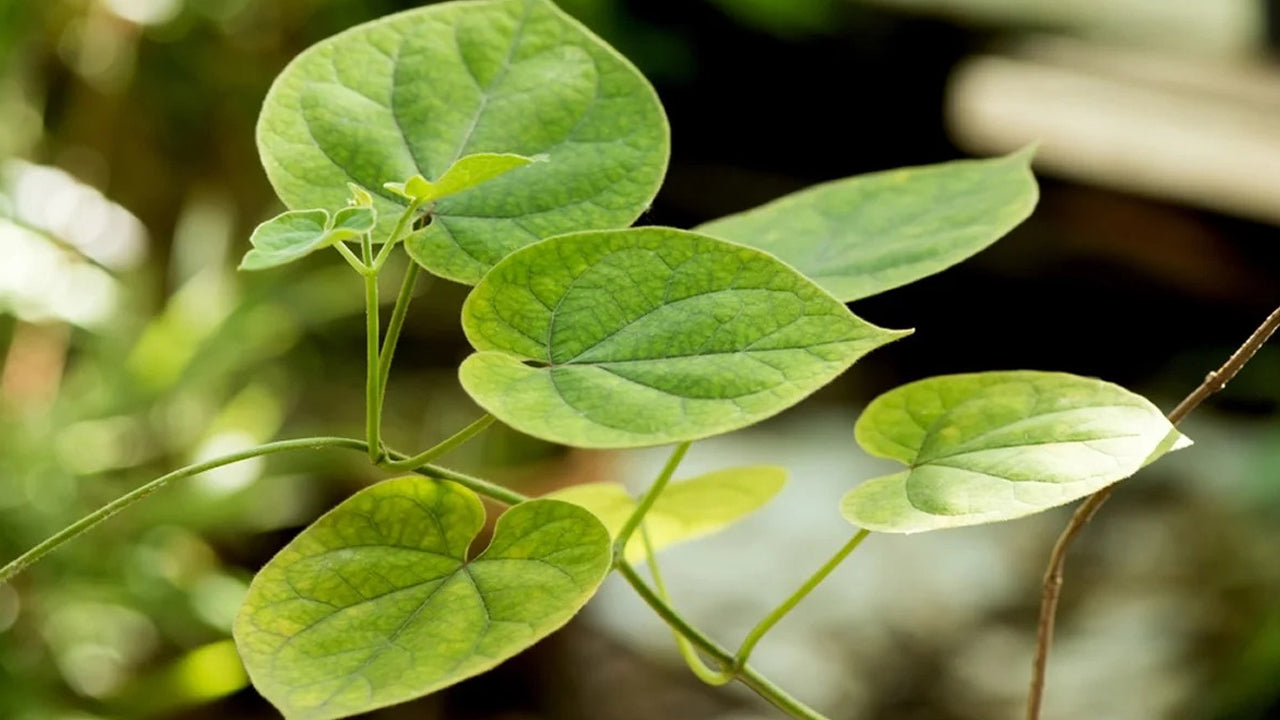
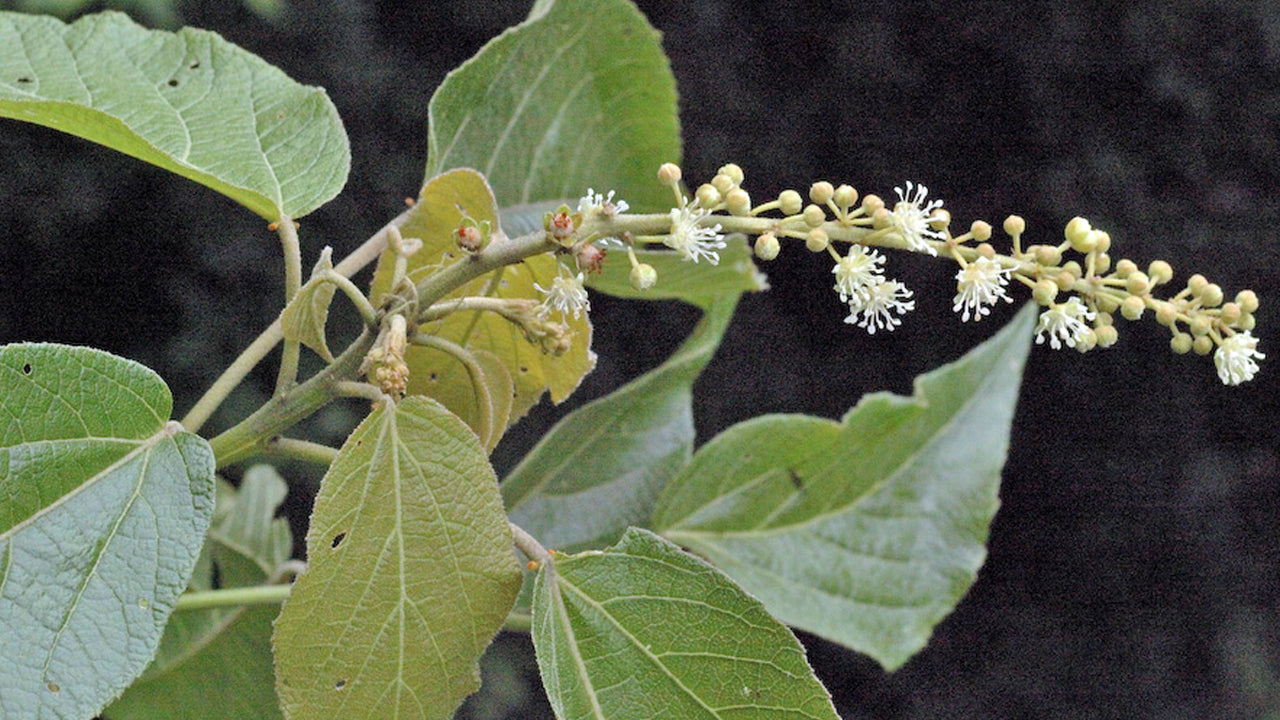
Passiflora foetida is a slender, herbaceous climber that uses tendrils to wind its way through hedgerows, scrubland, and forest margins. Its leaves are three-lobed, soft, and covered in fine glandular hairs that produce a faintly unpleasant odour when crushed — the origin of the epithet foetida, meaning "foul-smelling" in Latin. The flowers follow the characteristic passionflower structure: white to pale lavender petals arranged around an intricate corona of filaments. Each flower is subtended by feathery, lace-like bracts that persist around the developing fruit, giving the plant a distinctive and ornate look.

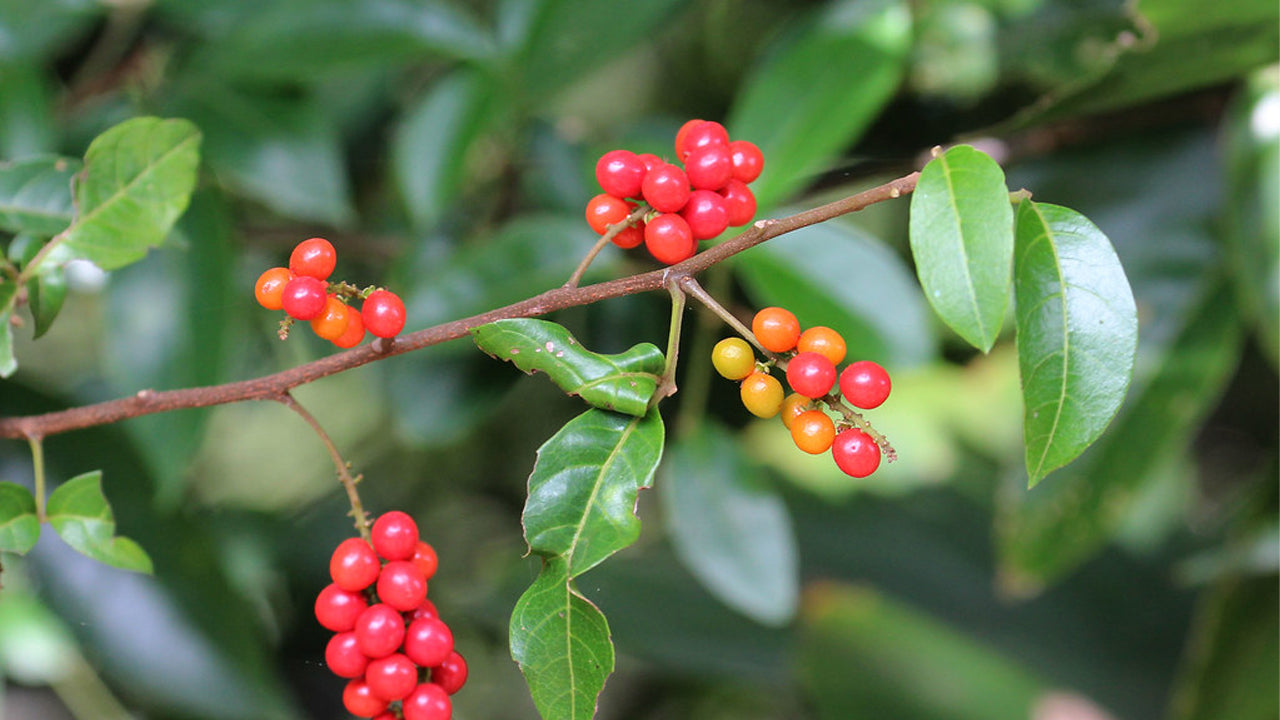
The fruit is a small, round berry — roughly the size of a marble — that ripens from green to yellow or orange-red. Within those filigreed bracts, the ripe fruit looks almost jewelled. In parts of Sri Lanka, children pick and eat the ripe berries; however, unripe fruit contains potentially harmful compounds and should not be consumed.

Where does Passiflora foetida grow in Sri Lanka?

The plant thrives in the warm, humid lowlands of Sri Lanka and is particularly common in disturbed habitats: roadsides, wasteland, secondary scrub, and the margins of cultivated fields. It tolerates a wide range of soils and can colonise degraded land readily, which is why it is often considered an opportunistic weed in agricultural contexts even while being valued medicinally. It is found across the wet zone, the dry zone, and the intermediate zone, and does not typically appear at higher elevations.

In the coastal and riverine landscapes of Sri Lanka — areas such as the mangrove-fringed margins near Madu GangaPassiflora foetida can be spotted creeping through the vegetation along the water's edge, a reminder of how deeply naturalised the species has become on the island.

What are the traditional Ayurvedic uses of Passiflora foetida?

In Sri Lanka's Ayurvedic tradition, Passiflora foetida is valued for several medicinal properties. The whole plant — leaves, roots, and fruit — has been used in various preparations.

  • Sedative and anxiolytic: Leaf preparations have traditionally been used to calm the nervous system, a property broadly consistent with the sedative alkaloids found in the passionflower family.
  • Anti-inflammatory: Poultices made from the leaves have been applied topically to reduce skin inflammation and minor infections.
  • Fever management: Decoctions of the plant are used in some traditional formulations aimed at reducing fever.
  • Antispasmodic: The plant is associated in folk medicine with relief from spasms and convulsions, though clinical evidence for these specific applications remains limited.
  • Skin conditions: Juice from the leaves is applied in some traditional practices to manage itching and skin eruptions.

It is worth noting that while traditional usage is well documented, the scientific evidence base for these specific applications continues to develop. Individuals should consult a qualified Ayurvedic practitioner before using any medicinal plant preparation.

What does modern phytochemical research say about Passiflora foetida?

Laboratory studies have identified a range of phytochemicals in Passiflora foetida, including flavonoids, alkaloids, glycosides, and saponins. These compound classes are broadly associated with antioxidant, anti-inflammatory, and antimicrobial activity in pharmacological research. Some studies have investigated the plant's potential in managing anxiety disorders, drawing a parallel with the better-studied Passiflora incarnata, which is used in Western herbal medicine as a mild sedative.

Research has also examined cyanogenic compounds present in the unripe fruit, which reinforces the caution around consuming the plant in unprocessed or unripe form. The plant's interaction with the broader ecosystem — particularly as a host to certain butterfly species — has made it of interest to ecologists as well as pharmacologists. This intersection of ecological and medicinal value is characteristic of many plants documented in Sri Lanka's Ayurvedic catalogue, including other species such as Acacia chundra and Pongamia pinnata.

How does Passiflora foetida fit into Sri Lanka's broader Ayurvedic plant heritage?

Sri Lanka has one of the richest traditions of Ayurvedic medicine in Asia, with a documented pharmacopoeia that draws on both endemic and naturalised plant species. Passiflora foetida occupies an interesting position in this system: it is not a native Sri Lankan plant, but its long history of naturalisation has integrated it into local healing practices. It is documented in Sri Lanka's formal catalogue of Ayurvedic medicinal plants, which is maintained by the Department of Ayurveda under Sri Lanka's Ministry of Health.

The island's biodiversity — spanning rainforests, montane forests, coastal wetlands, and dry-zone scrubland — supports an extraordinary variety of medicinal flora. Plants like Passiflora foetida illustrate how traditional knowledge systems adapt to incorporate species that arrive from elsewhere and prove therapeutically useful, making the Sri Lankan Ayurvedic catalogue a dynamic, living document rather than a fixed historical record.

Is Passiflora foetida safe to handle or consume?

The ripe fruit is generally consumed safely in small quantities in regions where the plant is common, including parts of Sri Lanka. However, the unripe fruit contains cyanogenic glycosides that are toxic if ingested. The plant's glandular hairs can also cause mild irritation on sensitive skin. Any therapeutic use should follow the guidance of a trained Ayurvedic practitioner rather than self-administration based on folk accounts.

In the garden or landscape context, the plant is not typically regarded as harmful to handle with normal care, but growers should be aware of its vigorous spreading habit and its potential to become invasive in disturbed or agricultural ground.

Can I see Passiflora foetida when travelling in Sri Lanka?

Travellers with an interest in botany and ethnobotany are likely to encounter Passiflora foetida fairly readily in rural and semi-rural lowland areas of Sri Lanka, since it grows in common, accessible habitats. It does not require a special excursion to a protected reserve, though reserves and forest margins do provide some of the best opportunities for observing it alongside a richer context of native flora.

Sri Lanka's network of botanical gardens — particularly Peradeniya near Kandy and Hakgala near Nuwara Eliya — offers curated introductions to the island's medicinal plant heritage, sometimes including documented specimens of Passiflora foetida. Village walks and rural excursions arranged through a knowledgeable local guide can also reveal the plant growing in its naturalistic setting and provide insight into how local communities understand and use it.

Ask Lakpura® Agent