Ayurveda — literally "the science of life" in Sanskrit — is one of the world's oldest surviving systems of medicine, refined over more than five thousand years across the Indian subcontinent and Sri Lanka. Rather than treating a symptom in isolation, Ayurveda addresses the individual as a whole: the relationship between mind, body, and spirit, and the balance of three fundamental energies known as doshas (Vata, Pitta, and Kapha). When these energies fall out of balance, illness follows; when they are restored, the body heals.
Sri Lanka has a particularly rich Ayurvedic heritage. The island's tropical forests yield hundreds of medicinal plants — from Ceylon black pepper to Pongamia pinnata — many of which form the backbone of classical formulations still prepared in Ayurvedic pharmacies today. Whether you are visiting an Ayurvedic resort on the southwest coast or simply curious about what a treatment programme involves, understanding the structure of Ayurvedic care helps you make informed choices.
What are the main stages of Ayurvedic treatment?
Classical Ayurvedic treatment follows a clear sequence. The three-stage Panchakarma framework — Poorva Karma, Pradhana Karma, and Paschat Karma — forms the backbone of any deep cleansing programme. Additional therapeutic categories address specific imbalances and conditions. Each stage has a defined purpose, and skipping ahead without completing the earlier phase is generally considered counterproductive.
What is Poorva Karma in Ayurveda?
Poorva Karma translates roughly as "foremost action" — the preparatory phase that makes the body ready for deeper treatment. It typically lasts three to seven days and focuses on loosening accumulated toxins (ama) and excess doshas from the tissues so they can be moved towards the digestive tract for removal.
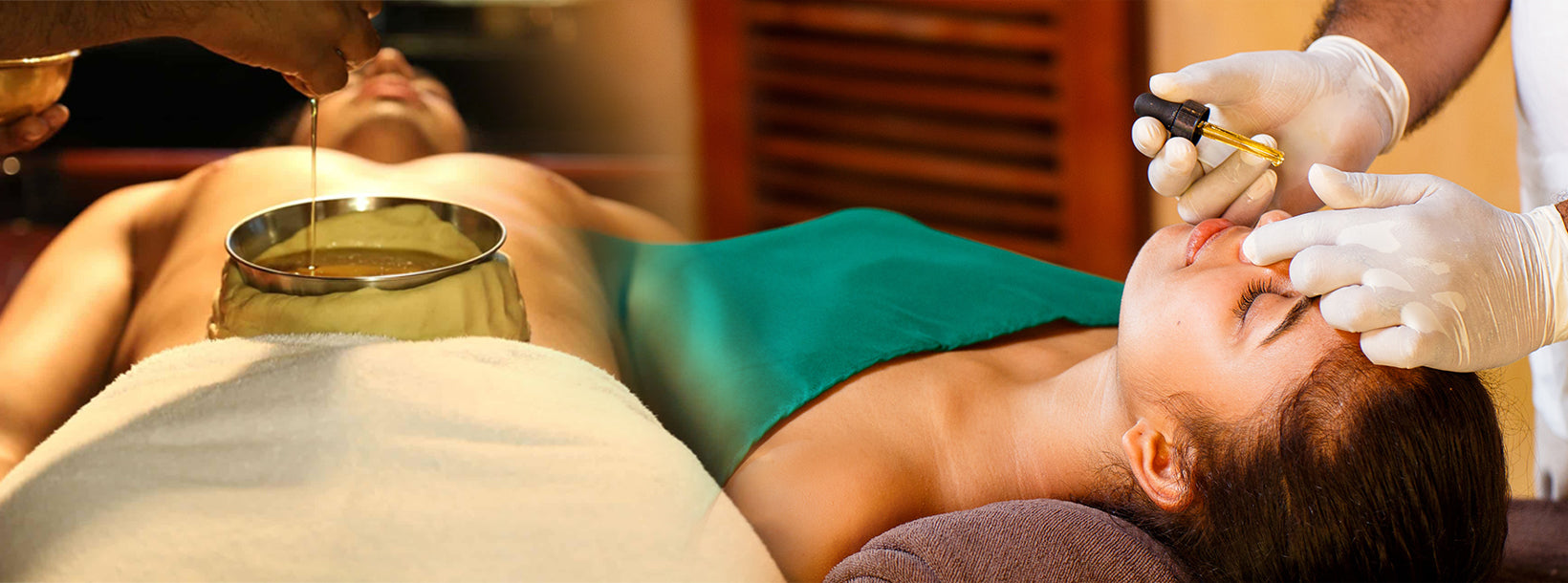
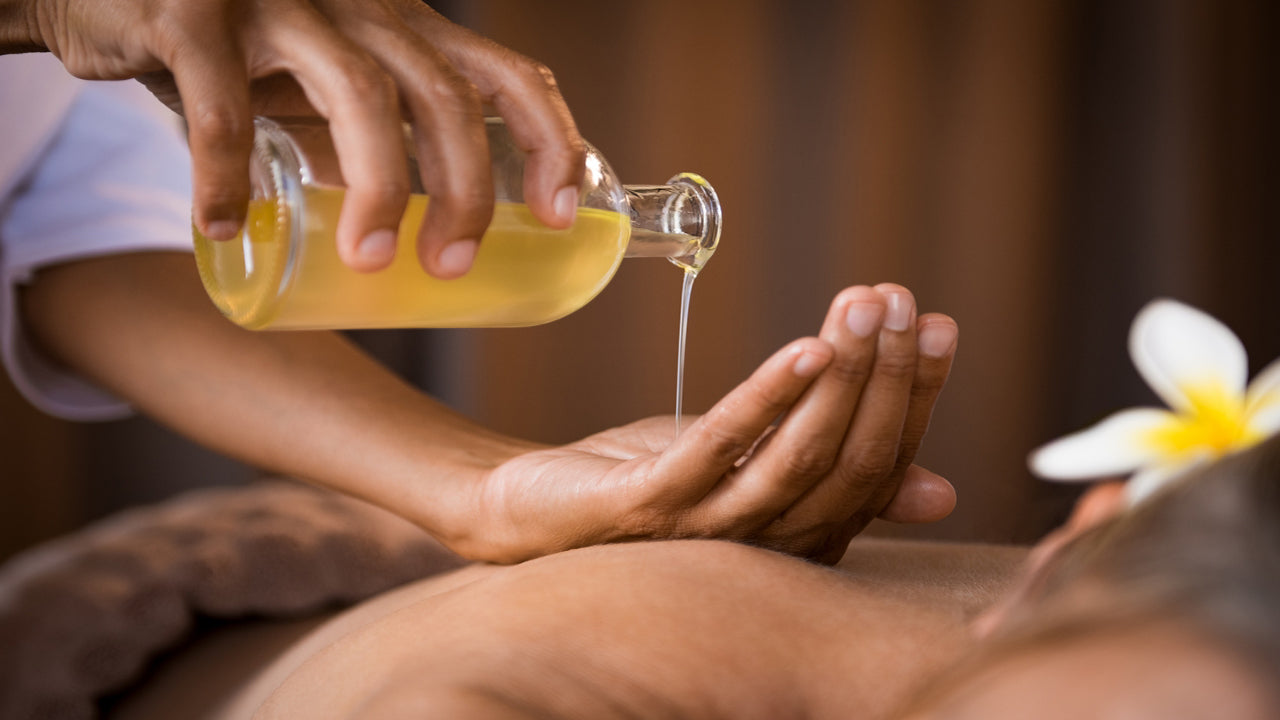
- Snehana (oleation): Internal and external application of medicated oils or ghee to saturate tissues and mobilise fat-soluble toxins.
- Swedana (sudation): Controlled steam or heat therapy that opens channels, relaxes muscles, and drives loosened toxins towards the gut.
Without thorough Poorva Karma, the purification procedures that follow are considered less effective and potentially more taxing on the body.
What happens during Pradhana Karma?
Pradhana Karma — "main action" — is the central purification phase. It begins only once the practitioner judges that mobilised toxins have reached the digestive tract and the body is ready for expulsion. The patient follows a carefully prescribed diet throughout this stage.
The classical Pradhana Karma procedures include:
- Vamana: Therapeutic emesis, primarily used for excess Kapha conditions.
- Virechana: Medicated purgation, indicated for Pitta imbalances.
- Basti: Medicated enemas using herbal decoctions or oils; considered by many classical texts as the most important of the five Panchakarma procedures.
- Nasya: Administration of medicated drops or oils through the nasal passages, targeting conditions of the head and neck.
- Raktamokshana: Blood purification, used selectively for specific skin and inflammatory conditions.
Not every patient undergoes all five procedures. The treating physician selects the appropriate combination based on the individual's constitution (prakriti), current imbalance (vikriti), and overall strength.
What is Paschat Karma, and why does it matter?
Paschat Karma is the aftercare phase — often the least discussed but arguably the most important for long-term results. The body's channels have been thoroughly cleared during Pradhana Karma, which also means they are temporarily more vulnerable. Paschat Karma gradually reintroduces normal diet and activity while locking in the gains of detoxification.
Key elements typically include:
- A structured dietary reintroduction, starting with light, easily digestible foods.
- Rasayana therapy: Rejuvenating formulations — herbal preparations, medicated ghees, or mineral compounds — taken to rebuild tissue quality and immunity.
- Lifestyle management guidance covering sleep, exercise, and seasonal routines.
- Herbal supplement protocols tailored to the individual's constitution.
What is Shamana Karma?
Shamana Karma is a palliative rather than a purification approach. Where Panchakarma actively expels toxins, Shamana works by pacifying aggravated doshas and neutralising residual impurities that remain after detoxification. It is suitable for patients who are too elderly, too weak, or otherwise not fit for aggressive cleansing procedures. Shamana treatments include fasting protocols, herbal formulations, exposure to sunlight, and controlled exercise — gentle measures that restore balance without placing strain on the system.
What is Kshudra Karma?
Kshudra Karma is a group of minor surgical and para-surgical procedures described in classical Ayurvedic treatises, often used for skin conditions collectively termed kshudra kushta. These include techniques such as agnikarma (therapeutic heat application) and kshara karma (application of caustic alkalis). They are typically performed by experienced Ayurvedic physicians as part of a broader treatment plan rather than as stand-alone interventions.
How does Deepana Karma stimulate digestion?
Deepana refers to any diet, herb, or process that kindles the digestive fire (agni). A strong agni is central to Ayurvedic health theory: when digestion is weak, food is incompletely processed, generating ama. Common deepana herbs include ginger, long pepper, and black pepper — the last of which has been cultivated in Sri Lanka for centuries.
It is worth distinguishing Deepana from Pachana, a related concept. Deepana primarily stimulates digestive capacity, while Pachana goes a step further by also promoting metabolic transformation of already-formed ama. Both approaches are used, sometimes together, to clear the digestive tract before more intensive Panchakarma procedures.
What is Akshi Tarpan, and who is it recommended for?
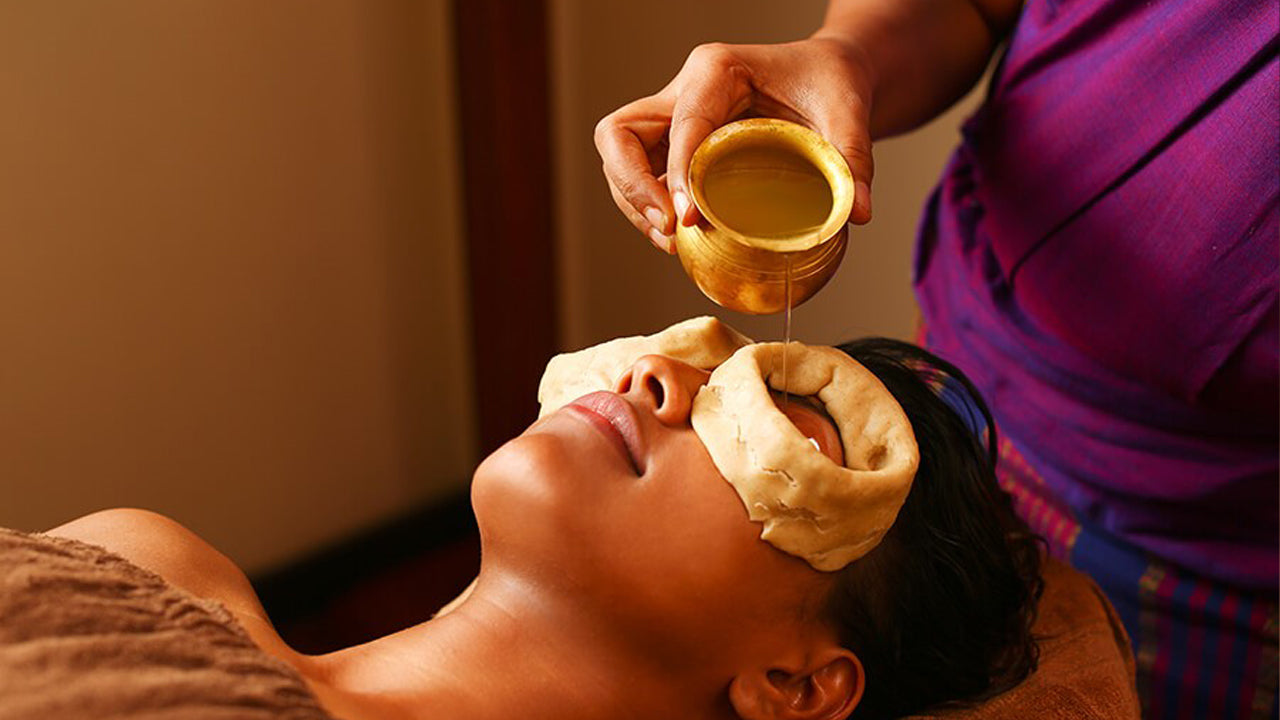
Akshi Tarpan (also written Netra Tarpana) is a specialised Ayurvedic eye therapy. Dough rings made from wheat or black gram flour are placed around the eyes to create sealed wells, which are then filled with warm medicated ghee. The patient blinks gently while the eyes are bathed in the preparation, typically for a fixed duration determined by the practitioner.
Classical indications include dry eyes, early-stage visual fatigue, and certain degenerative eye conditions. It is most commonly prescribed after a course of systemic body detoxification and Nasya (nasal instillation of medicated drops), which prepares the upper body channels before localised eye treatment begins. Anyone considering Akshi Tarpan should consult a qualified Ayurvedic physician, as the procedure requires precise preparation and monitoring.
How do Ayurvedic herbal formulations support treatment?
Alongside procedural therapies, classical Ayurveda relies on a vast materia medica. Formulations range from single-herb preparations to complex compound medicines. In Sri Lanka, traditional compounds such as Yogaraja Guggulu and Kaishore Guggulu remain in active clinical use, prescribed for musculoskeletal and metabolic conditions respectively. Similarly, preparations like Pushyanuga Churna address gynaecological conditions within the classical framework.
Herbal teas and dietary supplements can serve as a gentle introduction to Ayurvedic principles for visitors who are not yet ready for a full treatment programme. Products based on Ayurvedic herbs — from Acacia chundra to cinnamon — are widely available across Sri Lanka and reflect the island's deep integration of Ayurvedic knowledge into daily life.
Is Ayurvedic treatment right for every traveller?
Ayurveda at its most effective is personalised medicine. A proper programme begins with a consultation in which the physician assesses your constitution, current health status, and treatment goals before recommending a specific protocol. Many resorts along Sri Lanka's southwest coast offer structured programmes ranging from a few days to several weeks, combining accommodation, diet, and daily therapies.
If you are interested in combining Ayurvedic wellness with broader Sri Lanka travel, Lakpura can arrange airport transfers to specialist Ayurvedic resorts along the Bentota and Induruwa coastline, allowing you to begin your programme without the logistical stress of arrival-day travel.