Lakpura
Lakpura®

Aegle marmelos (Beli)

Aegle marmelos — known locally as Beli and widely called the bael tree — occupies a unique place in Sri Lankan life. Revered in Buddhist and Hindu traditions, planted beside temples, prescribed in Ayurvedic texts, and drunk as a daily sherbet, this medium to large tree is far more than a botanical curiosity. Understanding Beli means understanding a thread that runs through Sri Lanka's medicine, culture, and cuisine for thousands of years.

What is the Aegle marmelos tree, and where does it grow in Sri Lanka?

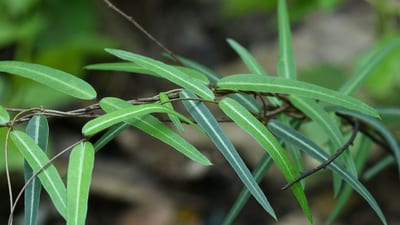
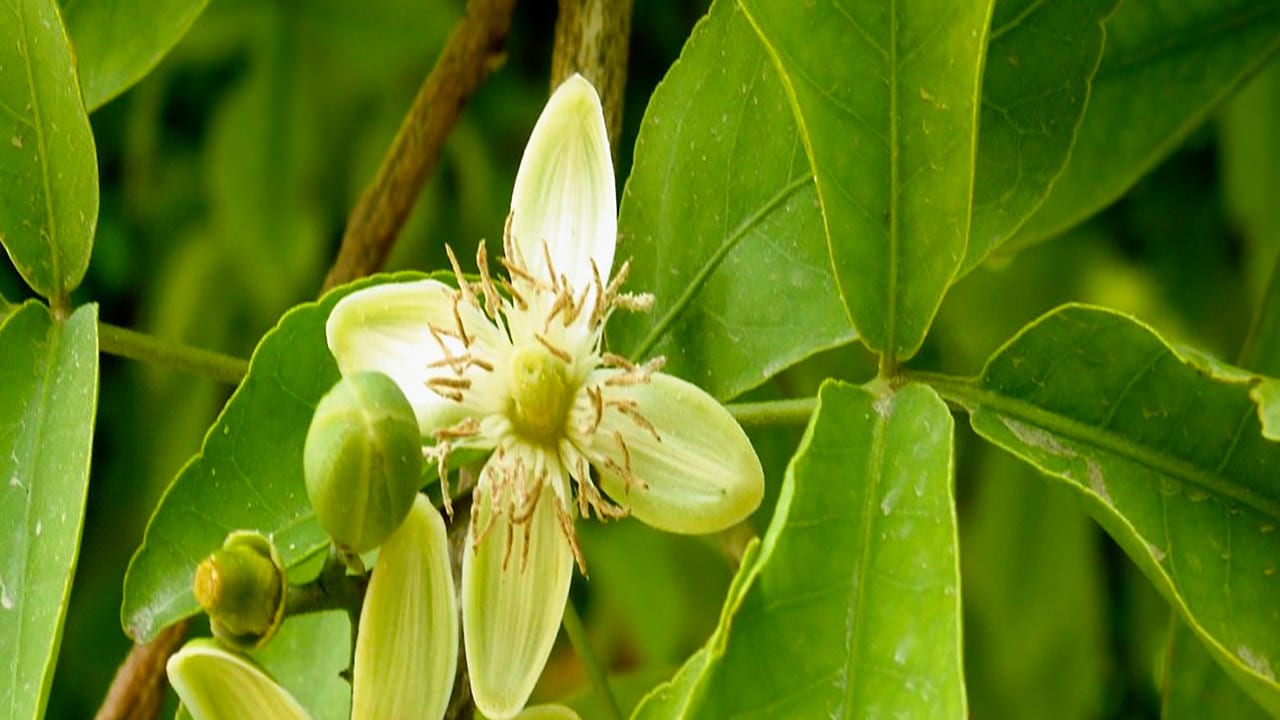
Aegle marmelos belongs to the family Rutaceae and is native to the Indian subcontinent and Southeast Asia. In Sri Lanka it grows naturally in dry and intermediate zones — the north-central plains around Polonnaruwa, the scrublands of the northwest, and the outer edges of forest reserves — though it is also cultivated in home gardens and temple grounds across the island. The tree can reach around 13 metres at maturity, with slender, slightly drooping branches and an open, irregular crown. It is semi-deciduous and produces fragrant white flowers during the dry season.

The fruit is perhaps the tree's most recognisable feature: a hard, woody shell, typically grey-green when unripe and turning pale yellow as it ripens, encasing an intensely aromatic, orange-yellow pulp embedded with small seeds. The shell is so hard it is sometimes used as a natural bowl or container.

What are the traditional Ayurvedic uses of Beli?

Every part of the Beli tree has a documented role in traditional Ayurvedic medicine, which classifies it as one of the most therapeutically complete plants in the Sri Lankan pharmacopoeia.

  • Roots: A primary ingredient in Dasamula, a classical herbal decoction composed of the roots of ten medicinal plants. Dasamula preparations are used to support respiratory health, reduce inflammation, and restore balance across the body's systems.
  • Leaves: Fresh or dried leaves are applied in poultices traditionally used to relieve headaches and ease bronchial discomfort. Their cooling and anti-inflammatory properties make them a common ingredient in formulations for eye conditions. Compounds such as classical Ayurvedic formulas often include leaf extracts as supporting agents.
  • Flowers: The flowers are considered cooling and mildly sedative. Dried or fresh, they are brewed into herbal teas that are consumed to calm the nervous system and support digestion. The fragrance of the flowers also carries ritual significance — they are offered at Buddhist and Hindu shrines across the island.
  • Fruit (unripe): Half-ripe or unripe Beli fruit is one of Ayurveda's most well-regarded remedies for acute digestive disorders. It is traditionally used to manage diarrhoea and dysentery, particularly in children, owing to its astringent, antimicrobial properties.
  • Fruit (ripe): Ripe Beli fruit is aromatic, naturally sweet, and mildly laxative — a combination that makes it useful for improving sluggish digestion and relieving constipation. It is also considered beneficial for the liver in traditional practice.

Modern phytochemical research has identified compounds including marmelosin, luvangetin, and various alkaloids in different parts of the tree, lending some scientific context to these long-standing traditional applications, though clinical evidence is still developing.

How is Beli used in Sri Lankan food and drink?

Outside the clinic and the temple, Beli is a genuinely popular ingredient in everyday Sri Lankan life — most visibly as a cool drink. Beli sherbet is made by scooping the pulp of the ripe fruit, mixing it with water, jaggery or sugar, and sometimes a pinch of cardamom or lime. The result is thick, mildly sweet, and intensely fragrant — a drink commonly sold at roadside stalls and prepared at home during the hot months between March and May.

Dried Beli flower tea is an increasingly popular wellness beverage. The flowers — dehydrated to concentrate their aroma — are steeped in hot water to produce a light, floral infusion with a mild sweetness. Unlike Ceylon tea, it is naturally caffeine-free, which makes it suitable for those seeking a calming evening drink. Specialty herbal producers in Sri Lanka now export dried Beli flowers and leaves as loose-leaf wellness teas to markets in Europe, Japan, and the Middle East.

What is the cultural and religious significance of Beli in Sri Lanka?

Beli leaves hold deep religious meaning in both Buddhist and Hindu practice on the island. In Hindu tradition, the trifoliate leaf of Aegle marmelos is considered sacred to Lord Shiva and is offered during worship. In Sri Lanka's Buddhist context, the tree is planted within temple precincts both for its shade and its medicinal generosity — a living symbol of the Dhamma's practical compassion.

The tree appears in ancient Sinhala literature and has been cultivated near temples and royal gardens for centuries. In Kandyan-era medicinal manuscripts, Beli is listed among the foundational plants that a practitioner of traditional medicine should know thoroughly. Today, it remains a fixture in traditional village gardens, where older generations continue to use the leaves, fruit, and flowers much as they have for generations.

What nutritional value does Beli fruit offer?

Ripe Beli fruit is a meaningful source of several nutrients. The pulp contains dietary fibre, beta-carotene, riboflavin (vitamin B2), vitamin C, and various minerals including calcium and potassium. The fibre content is particularly high relative to the fruit's size, contributing to its effectiveness as a digestive aid. The fruit's natural sugars are balanced by its fibre, making it a moderately slow-releasing energy food by traditional dietary standards.

Because Beli fruit is not widely exported fresh — the hard shell makes transport practical, but perishability of the pulp limits shelf life — most international consumers encounter it in dried, powdered, or packaged form.

How is Beli harvested and processed in Sri Lanka?

Beli fruit matures between February and May in most parts of the dry zone. Harvesting is typically done by hand once the shell has begun to yellow and the fruit separates easily from the branch. Because the shell is extremely hard, cracking it requires a firm strike with a stone or the back of a machete — a familiar sound in rural kitchens during harvest season.

For commercial processing, the pulp is scooped, mixed with water, and sometimes spray-dried into powder or blended into concentrates. Flowers are harvested during the brief flowering window — typically February to April — and either used fresh or carefully dried at low temperatures to preserve their essential oils and colour. Leaves can be harvested through much of the year and are shade-dried before use in teas or poultices.

Alongside Beli, Sri Lanka's dry-zone flora includes other medicinally significant species. Acacia chundra, for instance, is another tree of Ayurvedic importance whose bark has long been used in traditional practice across the island.

Where can you find and buy Beli products in Sri Lanka?

Fresh Beli fruit is available at most local markets in the dry zone during the harvest season. Outside of this window, dried fruit slices, powders, and packaged teas are sold at Ayurvedic pharmacies, health stores in Colombo, and specialty food shops near major tourist areas. Several Sri Lankan producers have begun packaging Beli flowers and leaves to international food-safety standards for export, making them increasingly accessible to buyers abroad.

For those who want to explore Sri Lanka's herbal traditions more broadly, village visits and agri-tourism experiences — such as a guided tour of a traditional home garden — offer a hands-on way to see Beli and dozens of companion plants growing in their natural setting.

Book this experience with Lakpura

Curated by our local team. Direct booking, instant confirmation.

Ask Lakpura® Agent