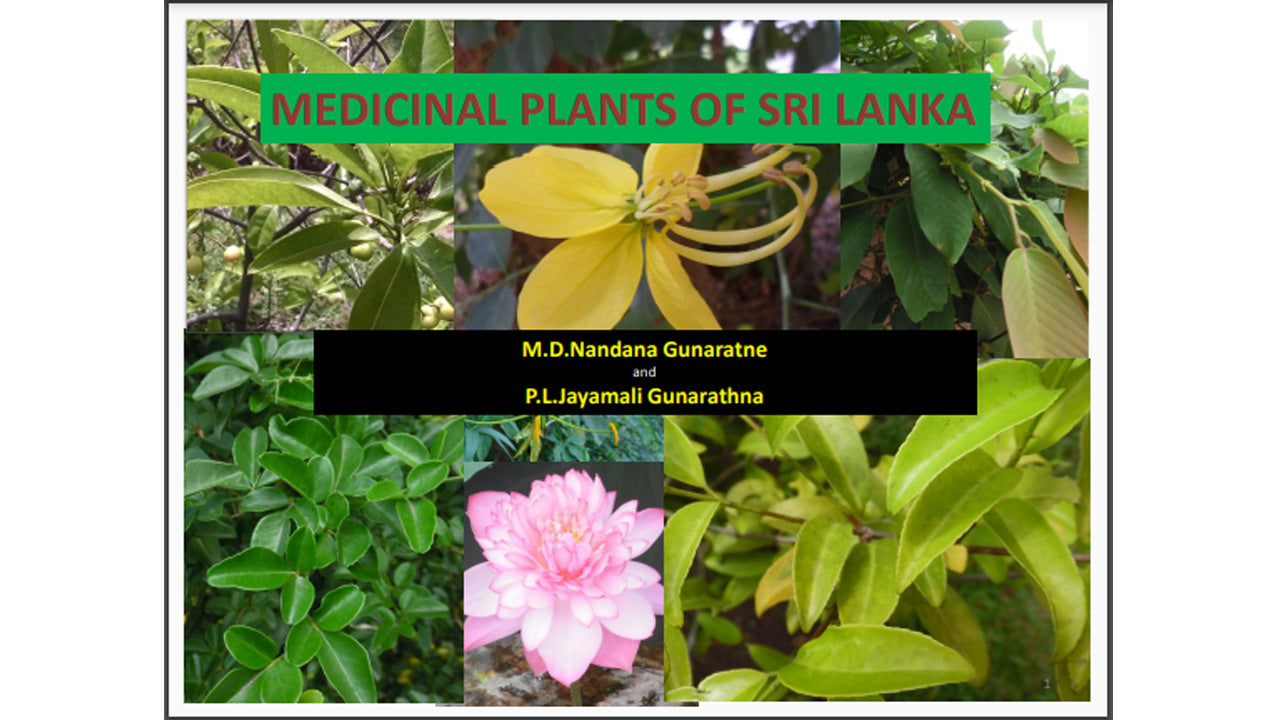
Nelumbo nucifera — commonly known as the sacred lotus or Indian lotus — is one of the most culturally significant and medicinally valued aquatic plants in Sri Lanka. Rooted in shallow freshwater ponds, tanks, and wetlands across the island, it has shaped Buddhist iconography, Ayurvedic practice, and everyday Sri Lankan life for well over two millennia. Almost every part of the plant — flower, seed, rhizome, leaf, and stamen — carries a documented use in traditional medicine or cuisine.
What is Nelumbo nucifera and where does it grow in Sri Lanka?
Nelumbo nucifera belongs to the family Nelumbonaceae and is one of only two species in its genus. It is a perennial aquatic herb that anchors itself in muddy pond beds through horizontal rhizomes, sending up large circular leaves and tall flower stems above the water surface. In Sri Lanka the plant grows naturally in the ancient irrigation tanks of the North Central Province, in wetland margins across the low country, and in cultivated ponds attached to temples and botanical gardens.
The flower appears in shades ranging from pale pink to deep rose, and more rarely in white. Blooms open in the early morning and typically close by midday. The iconic seed pod that follows has a distinctive flat-topped, watering-can appearance and is easily recognised in both fresh and dried form.
The historic tank landscapes around Polonnaruwa — where ancient reservoirs cover thousands of hectares — are among the best places in the country to see lotus growing in its natural, semi-wild habitat.
What role does Nelumbo nucifera play in Ayurvedic medicine?
The sacred lotus holds a prominent position in Sri Lanka's Ayurvedic pharmacopoeia. Ayurvedic texts classify it under several categories of medicinal plants, and its various parts are prescribed for different therapeutic purposes.
- Rhizome (lotus root): Considered cooling and astringent; used in preparations that address digestive complaints and excess heat conditions.
- Seeds: Rich in proteins, alkaloids, and flavonoids; traditionally used as a nervine tonic and to support cardiac function.
- Flower petals and stamens: Prepared as infusions for their haemostatic and antipyretic properties.
- Leaves: Applied externally in folk remedies for skin conditions; also used as natural wrapping for foods and ceremonial offerings.
Contemporary phytochemical research has identified a range of bioactive compounds in Nelumbo nucifera, including nuciferine, neferine, and lotusine — alkaloids that have attracted interest for their antioxidant, anti-inflammatory, and neuroprotective potential. Sri Lanka's Ayurvedic plant tradition places the lotus alongside a broad spectrum of indigenous herbs whose therapeutic applications are still studied in clinical settings today.
What is the cultural and religious significance of the lotus in Sri Lanka?
The lotus is inseparable from Buddhist symbolism, which permeates daily life across Sri Lanka. Its ability to rise from muddy water and produce an immaculate flower is read as a metaphor for the mind achieving clarity through spiritual practice. Images of the Buddha are almost universally depicted with the lotus — either as a seat (the lotus throne or padmasana) or held in the hand.
In temple ritual, freshly cut lotus flowers are among the most common offerings placed before the Buddha and at stupas throughout the country. Lotus petals and buds are sold at virtually every temple entrance in Sri Lanka, from small village shrines to major pilgrimage sites. The Colombo Lotus Tower, Sri Lanka's tallest structure, takes the flower as its explicit architectural motif — a visible measure of how deeply embedded the lotus is in national identity.
In Hindu tradition — observed widely in the northern and eastern provinces — the goddess Lakshmi and the deity Brahma are both associated with the lotus, reinforcing its pan-religious significance on the island.
How is Nelumbo nucifera used in Sri Lankan food and daily life?
Beyond medicine and ritual, the lotus contributes practically to Sri Lankan kitchens and rural economies. Lotus root (the rhizome, known locally as nelum ala) is sliced and cooked in curries or pickled as a condiment. Its crunchy, mild flesh absorbs spices well and appears most often at festive meals and in rural households near lotus-growing water bodies.
Lotus seeds (nelum ata) are eaten raw when young and tender; older dried seeds are roasted or processed into flour. In some regions they are added to herbal porridges. Lotus stamens are occasionally used to flavour and colour sweet preparations.
The large, water-repellent leaves serve a functional purpose at markets and during festivals, used as biodegradable plates and food wrappers — a practice that long predates modern concern with plastic alternatives.
Where can travellers see lotus in bloom in Sri Lanka?
The lotus blooms throughout much of the year in Sri Lanka's warm, humid climate, with peaks typically occurring between the wetter months when tank water levels are well maintained. Key locations include:
- Ancient irrigation tanks, North Central Province — the Parakrama Samudra at Polonnaruwa and similar tanks host extensive natural lotus beds.
- Peradeniya Royal Botanic Gardens — cultivated lotus ponds within a formal garden setting.
- Temple ponds island-wide — most major temples maintain a dedicated lotus pond (nelum pokunà) as part of the sacred precinct.
- Madu Ganga wetlands — the Madu Ganga estuary and its associated lagoon system support lotus and a range of other aquatic plants in a Ramsar-listed wetland.
Early morning — before 9 a.m. — is the optimal time to observe open lotus flowers, as blooms begin to close once temperatures rise.
What is the botanical classification of Nelumbo nucifera?
| Rank | Name |
|---|---|
| Kingdom | Plantae |
| Order | Proteales |
| Family | Nelumbonaceae |
| Genus | Nelumbo |
| Species | N. nucifera |
| Common names | Sacred lotus, Indian lotus, Pink lotus |
| Sinhala name | නෙළුම් (Nelum) |
| Tamil name | தாமரை (Thamarai) |
The species is native across a broad range from Iran through the Indian subcontinent to Southeast Asia and northern Australia. Sri Lanka's populations are regarded as naturally occurring rather than solely introduced, though centuries of cultivation around temples and tanks have blurred any clear boundary between wild and cultivated plants.
How does Nelumbo nucifera compare with other Ayurvedic plants in Sri Lanka?
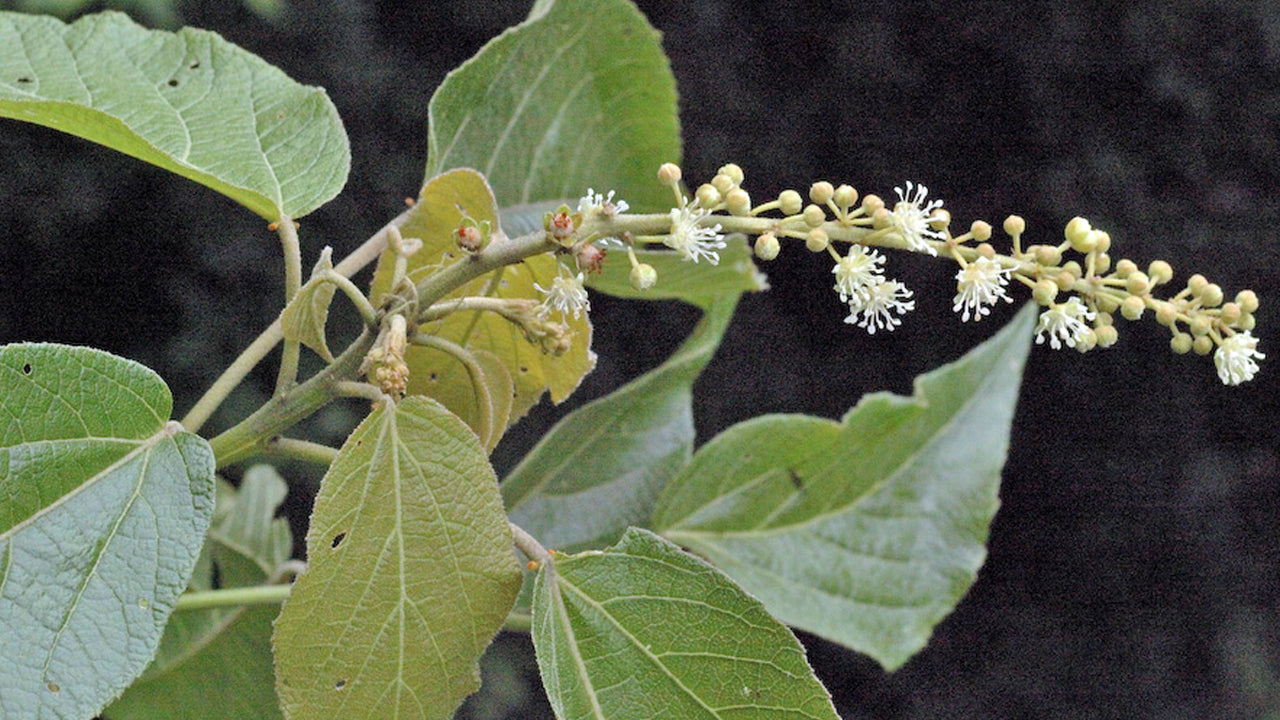
Sri Lanka's Ayurvedic tradition draws on a large catalogue of medicinal plants, many of them endemic or regionally significant. The lotus is distinguished from most others by its simultaneous importance across medicine, diet, and religious practice — a combination few plants match. Herbs such as Pongamia pinnata are valued primarily for their medicinal or agronomic properties, while the lotus occupies an almost unique position at the intersection of the pharmacological and the sacred.
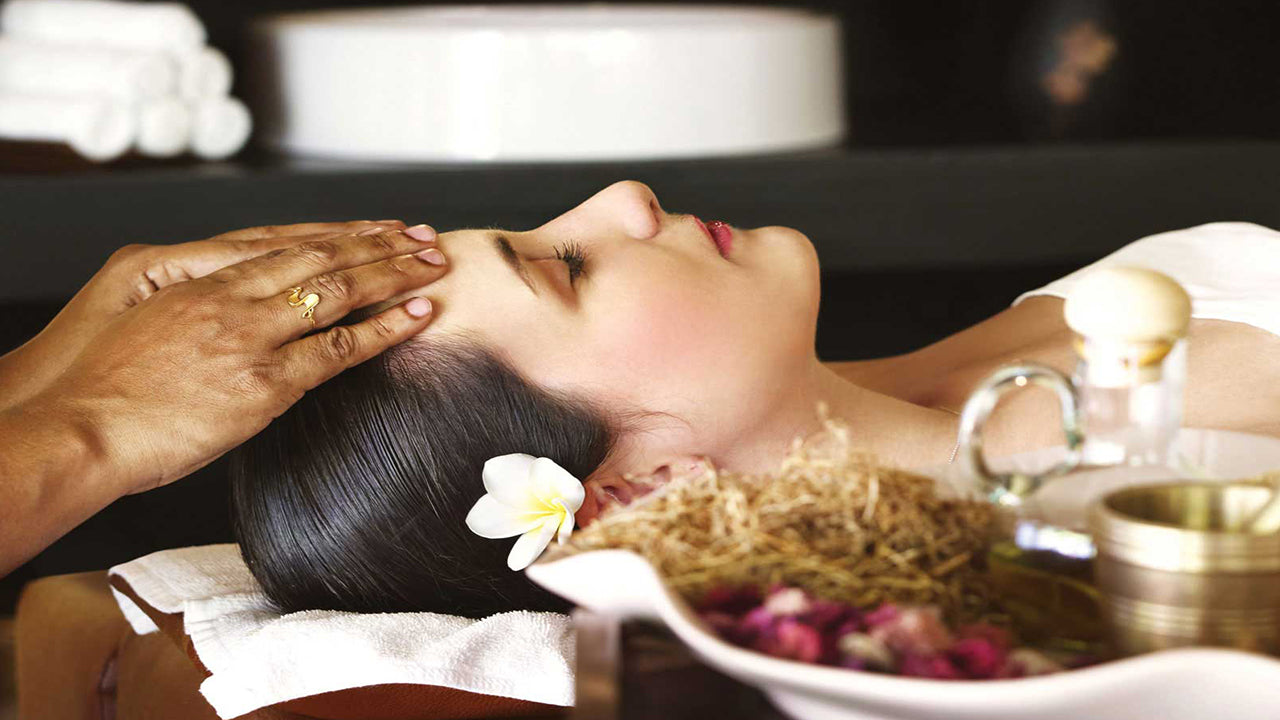
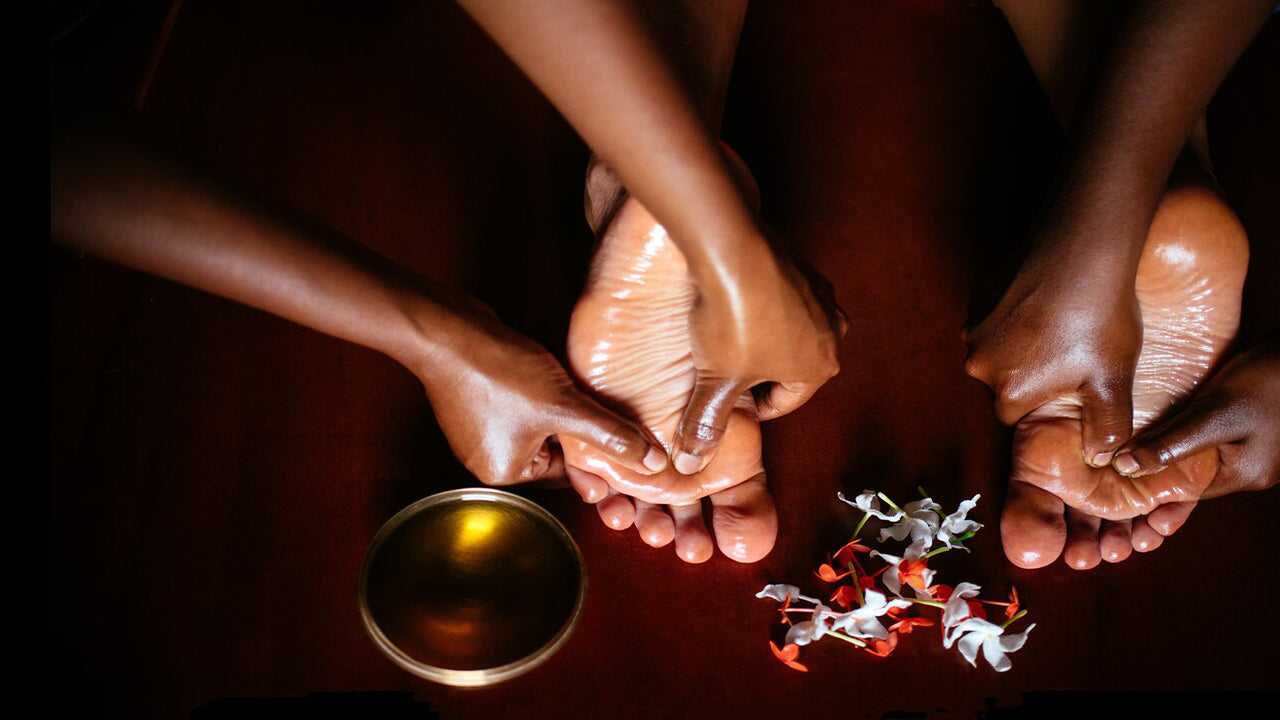
Systematic conservation of medicinal plant knowledge is supported by Sri Lanka's Ayurveda institutions, and Nelumbo nucifera is regularly cited in pharmacopeial reference works. Travellers with an interest in traditional medicine can explore this heritage through Ayurvedic resorts, herbal garden tours, and botanical garden visits that form a growing segment of wellness tourism on the island.