معبد ماروثانامادام أنجانيار

Maruthanar Madam Anjanajar Temple Maruthanar Madam Anjanajar Temple Maruthanar Madam Anjanajar Temple

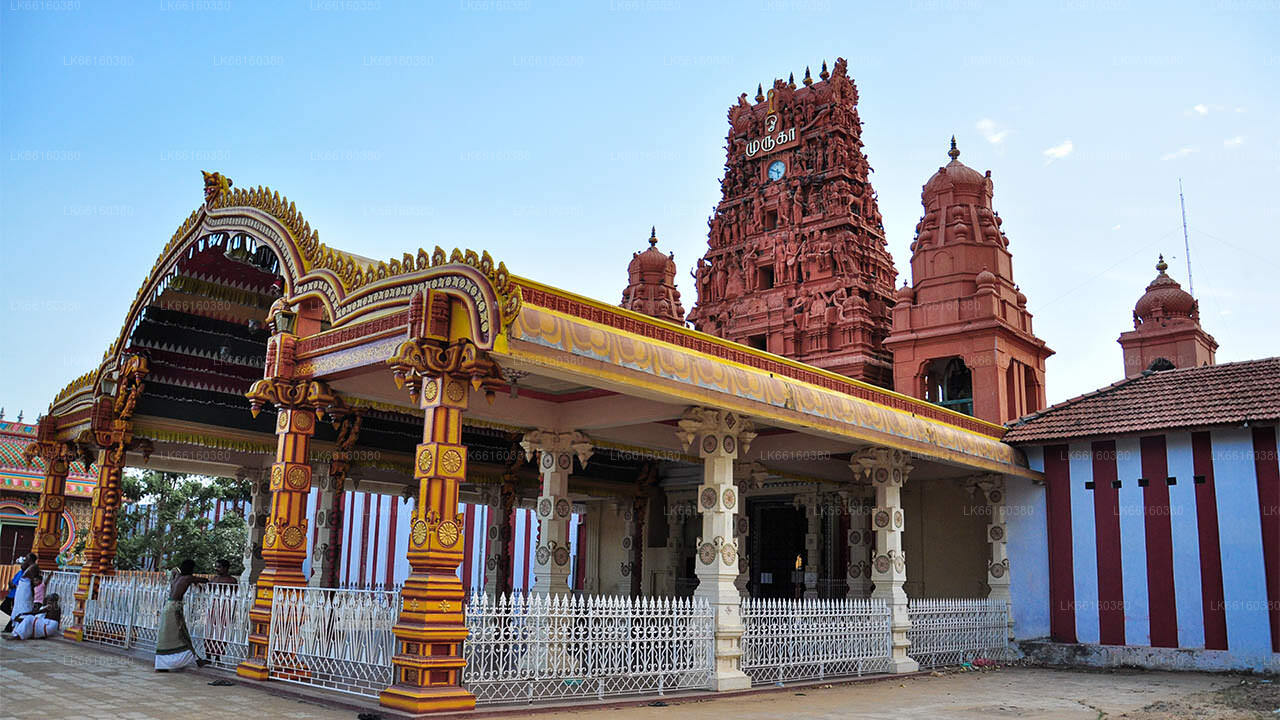
معبد ماروتانار مادام أنجاناجار هو معبد هندوسي موقر يقع في منطقة مانار في شمال سريلانكا، ويُرتبط ارتباطًا عميقًا بتقليد رامايانا وعبادة الإله أنجانيه (هانومان). يقع المعبد في وسط منظر طبيعي ريفي هادئ، ويحمل أهمية روحية وثقافية وتاريخية للمتعبدين في جميع أنحاء الجزيرة، وخاصة داخل المجتمع الهندوسي التاميلي. إن محيطه الهادئ والروابط المقدسة تجعله ليس فقط مكانًا للعبادة بل أيضًا موقعًا للتفكير والت devotion.

وفقًا للتقاليد، يُعتقد أن ماروتانار مادام هو أحد المواقع التي استراح فيها الإله هانومان خلال رحلته إلى لانكا بحثًا عن الإلهة سيتا. الاسم نفسه يعكس هذه العقيدة، حيث يُشير "ماروتانار" إلى هانومان، ابن إله الرياح. يضع هذا الارتباط المعبد ضمن المسار الواسع لـ رامايانا في سريلانكا، الذي يربط العديد من المواقع المقدسة عبر الجزيرة بحلقات من الملحمة القديمة. بالنسبة للمتعبدين، فإن زيارة المعبد هي فعل ديني وطريقة للاتصال مع التراث الثقافي المشترك الذي يمتد عبر القرون.

يُعبد الإله أنجانيه، الذي يترأس المعبد، كرمز للقوة والإخلاص والولاء والشجاعة. يزور العديد من المتعبدين المعبد لطلب البركات من أجل الحماية والنجاح والصحة الجيدة والتخلص من العقبات. غالبًا ما تُقام الصلوات والعروض الخاصة أيام السبت، التي يُعتبر أنها أيام مباركة لعبادة هانومان، وكذلك خلال فترات المهرجانات المرتبطة بتقليد رامايانا. الجو خلال هذه الأوقات يتسم بالتلاوة والملاحظات الطقسية وإحساس قوي بالإيمان الجماعي.

في السياق السريلانكي، يمثل معبد ماروتانار مادام أنجاناجار أيضًا مرونة التقاليد الدينية في المقاطعة الشمالية، وخاصة في منطقة شهدت تحديات تاريخية كبيرة. لا يزال المعبد يعمل كمرساة روحية للمجتمعات المحلية في حين يستقبل الحجاج من أجزاء أخرى من البلاد. تميز بساطته وطقوسه المتمركزة حول العبادة وروابطه الأسطورية القوية تفرقه عن المعابد الحضرية الكبرى، مما يوفر للزوار تجربة متجذرة في التواضع والإجلال.

Maruthanar Madam Anjanajar Temple Maruthanar Madam Anjanajar Temple Maruthanar Madam Anjanajar Temple

About Jaffna District

Jaffna is the capital city of the Northern Province, Sri Lanka. 85% of the populations of the Jaffna and Kilinochchi districts are Hindus. The Hindus follow the Saivite tradition. The remainders are largely Roman Catholics or Protestants, some of whom are descendants of colonial settlers, known as Burghers. The Tamils are divided along caste lines, with the farmer-caste Vellalar forming the majority. Sea products, red onion, and tobacco are the main products in Jaffna.

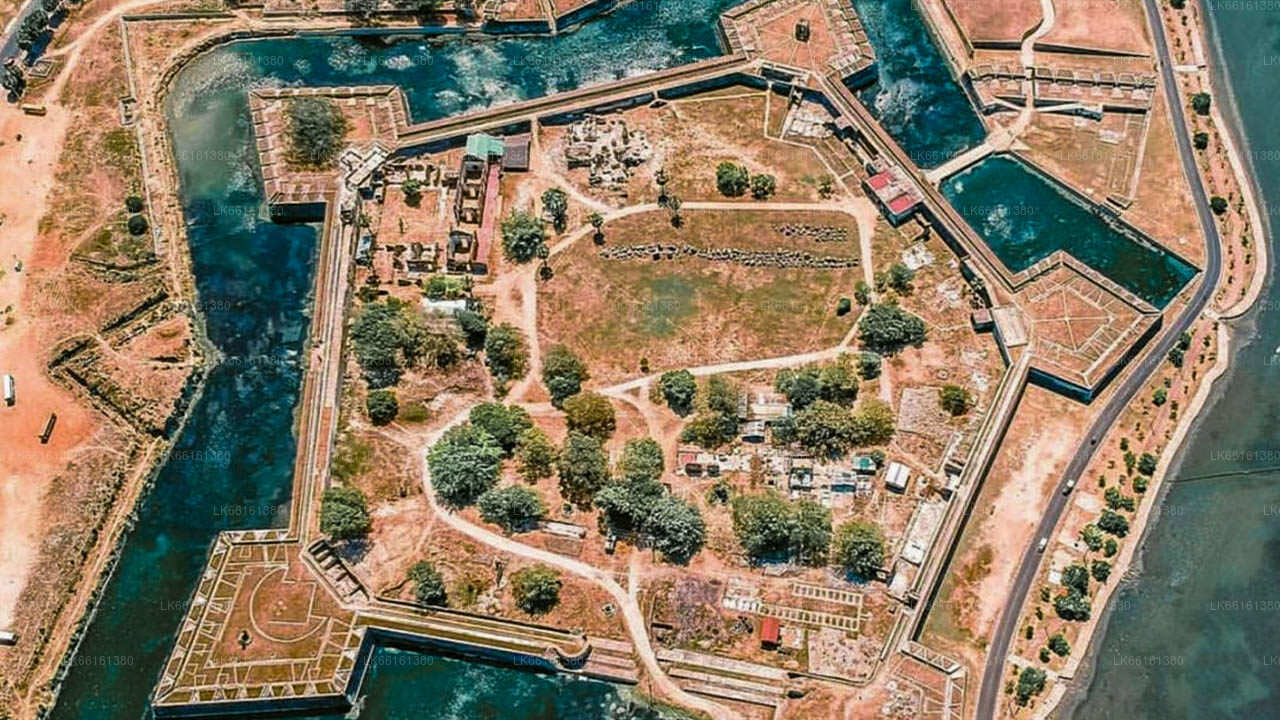
Jaffna is home to beautiful Hindu temples. An Old Dutch Fort still stands well preserved within which is an old Church. Another example of Dutch architecture is the King's House. No visit to Jaffna is complete without tasting the exquisite Jaffna mango, reputed for its sweetness. About 3 km away is the majestic Nallur Kandaswamy Temple, home to the largest religious festival in Jaffna. The Kayts Harbour is an ancient ship docking site in the Jaffna region.

About Northern Province

The Northern Province is one of the 9 provinces of Sri Lanka. The provinces have existed since the 19th century but they didn't have any legal status until 1987 when the 13th Amendment to the 1978 Constitution of Sri Lanka established provincial councils. Between 1988 and 2006 the province was temporarily merged with the Eastern Province to form the North-East Province. The capital of the province is Jaffna.

Northern Province is located in the north of Sri Lanka and is just 22 miles (35 km) from India. The province is surrounded by the Gulf of Mannar and Palk Bay to the west, Palk Strait to the north, the Bay of Bengal to the east and the Eastern, North Central and North Western provinces to the south.The province has a number of lagoons, the largest being Jaffna Lagoon, Nanthi Kadal, Chundikkulam Lagoon, Vadamarachchi Lagoon, Uppu Aru Lagoon, Kokkilai lagoon, Nai Aru Lagoon and Chalai Lagoon.Most of the islands around Sri Lanka are to be found to the west of the Northern Province. The largest islands are: Kayts, Neduntivu, Karaitivu, Pungudutivu and Mandativu.

The Northern Province's population was 1,311,776 in 2007. The majority of the populations are Sri Lankan Tamils, with a minority Sri Lankan Moor and Sinhalese population. Sri Lankan Tamil is the major language spoken in the province by the vast majority of the population. The other language spoken is Sinhala by 1 percent of the population. English is widely spoken and understood in the cities.