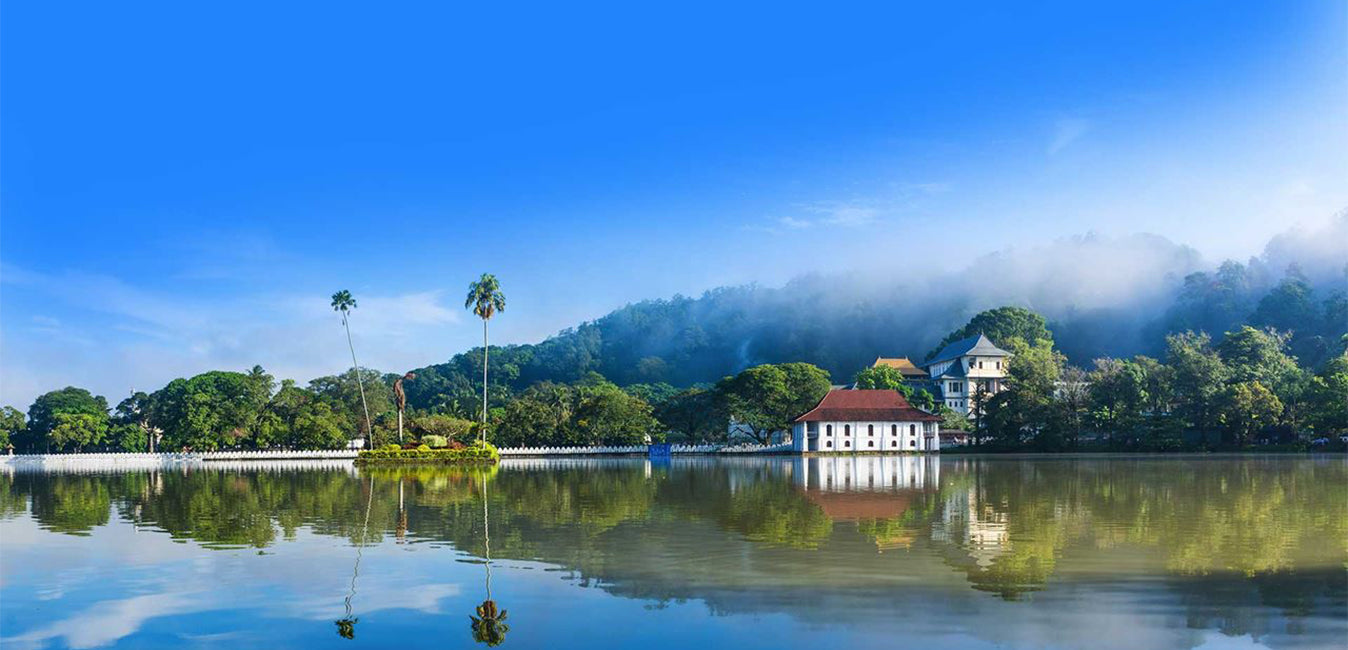
Kandy City
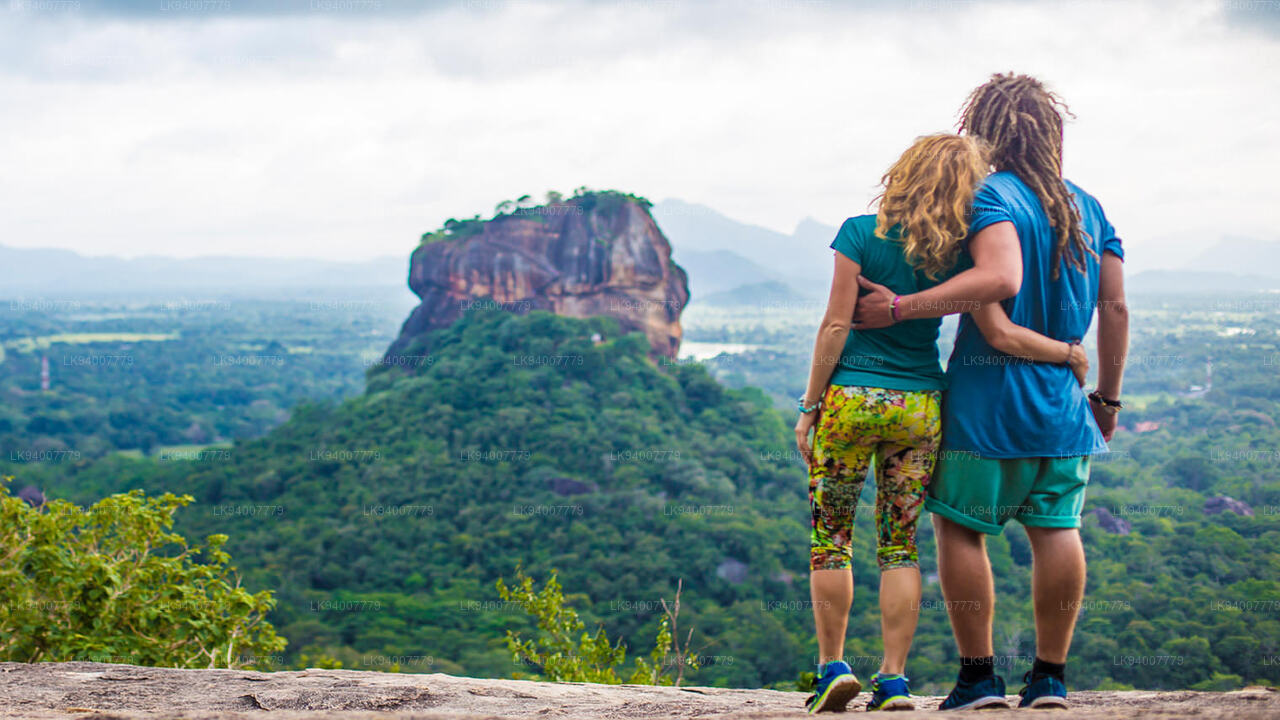
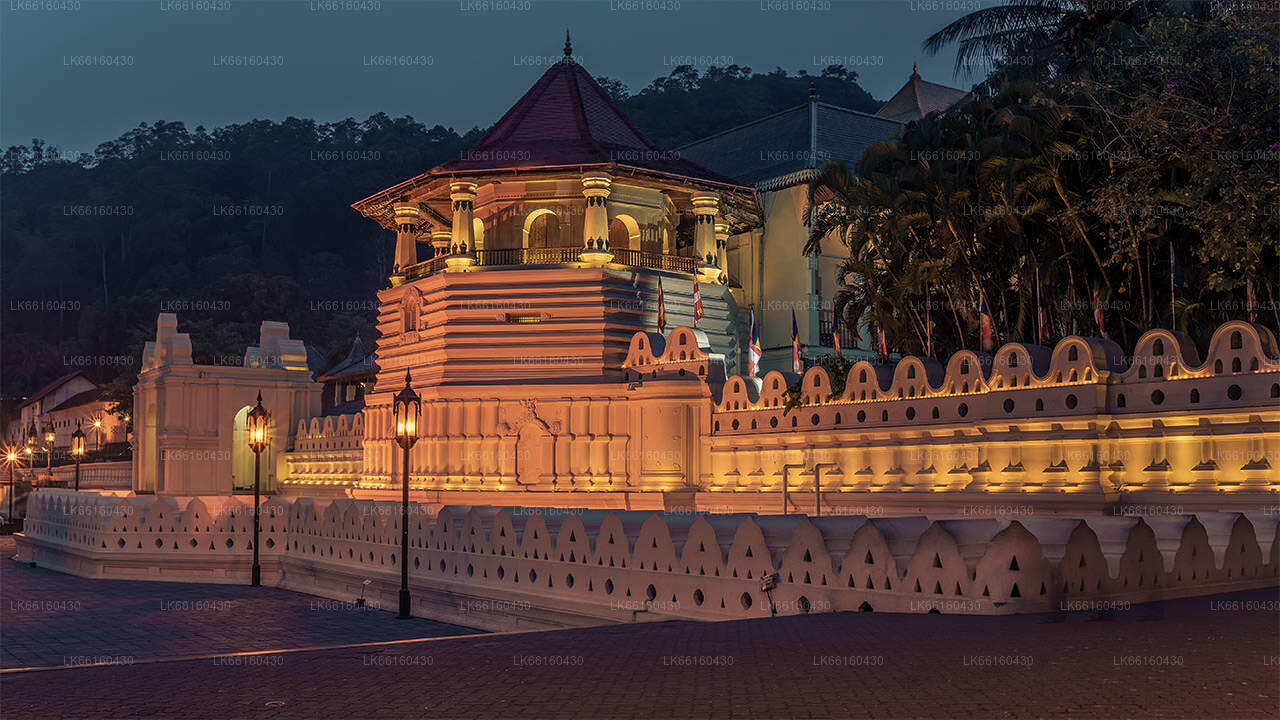
Kandy, a picturesque city in central Sri Lanka, is renowned for its rich cultural heritage, vibrant festivals, and scenic beauty. Nestled amidst lush hills, it is home to the Temple of the Tooth Relic, a UNESCO World Heritage Site, and offers a captivating blend of history and natural splendor.
معبد إمبيكا ديفالايا
معبد إمبيكي في سريلانكا: مكان يضم بعضًا من أفضل الأعمال الخشبية في العالم
يقع في منطقة أودو نووارا التابعة لـ مقاطعة كاندي معبد يزيد تاريخه عن ستة قرون. تم بناؤه في عهد الملك ويكراماباهو الثالث (1371-1394 ميلادي)، الذي حكم في مملكة جامبولا، وهو معبد يكسو المنحوتات الخشبية معظم أرجائه. وقد أكدت اليونسكو أن هذه الأعمال الخشبية هي من بين الأفضل والأكثر تفصيلاً في العالم. المعبد مخصص للإله المعروف باسم 'موروغان' لدى الهندوس وباسم 'إله كاثاراغاما' لدى البوذيين.
القصة
تقول الأسطورة أن زوجة الملك فيكراماباهو الثالث، الملكة هيناكاندا بيسو بانديرا، استيقظت من حلم غريب ظهر فيه الإله وطلب منها بناء معبد له. وعندما علمت أن عازف الطبول، رانجاما، قد رأى نفس الحلم، اعتبروا ذلك فألاً وبنوا المعبد معًا. يُعتقد أن المعبد الأصلي كان مكونًا من ثلاثة طوابق، لكنه للأسف لم يصمد أمام تقلبات الزمن.
الهيكل المعماري
يتكون المعبد من ثلاثة أقسام رئيسية. الأول هو محراب غاراغا، وهو المحراب الداخلي حيث توجد تماثيل الإله. الثاني هو قاعة الرقص أو ديجي، والتي تمثل زوجة الملك هيناكاندا بانديرا، وكانت تُقام فيها فعاليات الرقص في عصور الملوك. القسم الأخير هو قاعة عازفي الطبول، والتي تمثل عازف الطبول رانجاما، وكانت تُقام فيها الفعاليات الموسيقية قديمًا.
الأعمال الخشبية
باستثناء المحراب، فإن بقية أجزاء المعبد مصنوعة بالكامل تقريبًا من الخشب. بدءًا من الأعمدة الخشبية المنحوتة في القاعات ذات الجوانب المفتوحة وصولاً إلى السقف المصمم بشكل جميل، فإن المنطقة بأكملها مغطاة بالمنحوتات. قواعد الأعمدة مثمنة الشكل، بينما تنتهي قممها بشكل أربع أوراق متراصة على شكل مربع. تحتوي الأعمدة على صور متنوعة منحوتة على جوانب قواعدها. بالإضافة إلى ذلك، تزين المنحوتات العوارض والروافد وإطارات الأبواب.
من بين المنحوتات البارزة في هذه الروائع: تماثيل البجع المتشابك، والنسور ذات الرأسين، وتصاميم الحبال المتشابكة، وصورة مرضعة، وجندي يقاتل على ظهر حصان، وراقصات، ومصارعين، ونساء تخرج من وريد، ومخلوقات هجينة من طير وإنسان، وهجينة من فيل وثور، وهجينة من فيل وأسد، وغيرها الكثير. تضم منحوتات المعبد بأكمله 125 سلسلة من الزخارف، و256 تصميمًا من نوع ليياويلا، و64 تصميمًا للوتس، و30 نمطًا زخرفيًا، وتصميمات للسقف، ليصبح المجموع 514 تصميمًا فريدًا.
سقف المعبد هو مثال ممتاز للعمارة الخشبية القديمة، حيث يتم دعم 26 عارضة بواسطة مسمار خشبي واحد.
الآثار المرتبطة
على بعد حوالي ثمن ميل من المعبد، توجد بعض الآثار التي تضم مجموعة من الأعمدة الحجرية. المنحوتات على هذه الأعمدة مطابقة لتلك الموجودة في معبد إمبيكي. يُقال أنه كان يوجد سقف خشبي يستند على هذه الأعمدة في يوم من الأيام، لكنها الآن أصبحت في حالة خراب.
يستحق كل من معبد إمبيكي والآثار القريبة الزيارة لعشاق التاريخ والفن على حد سواء.
About Kandy District
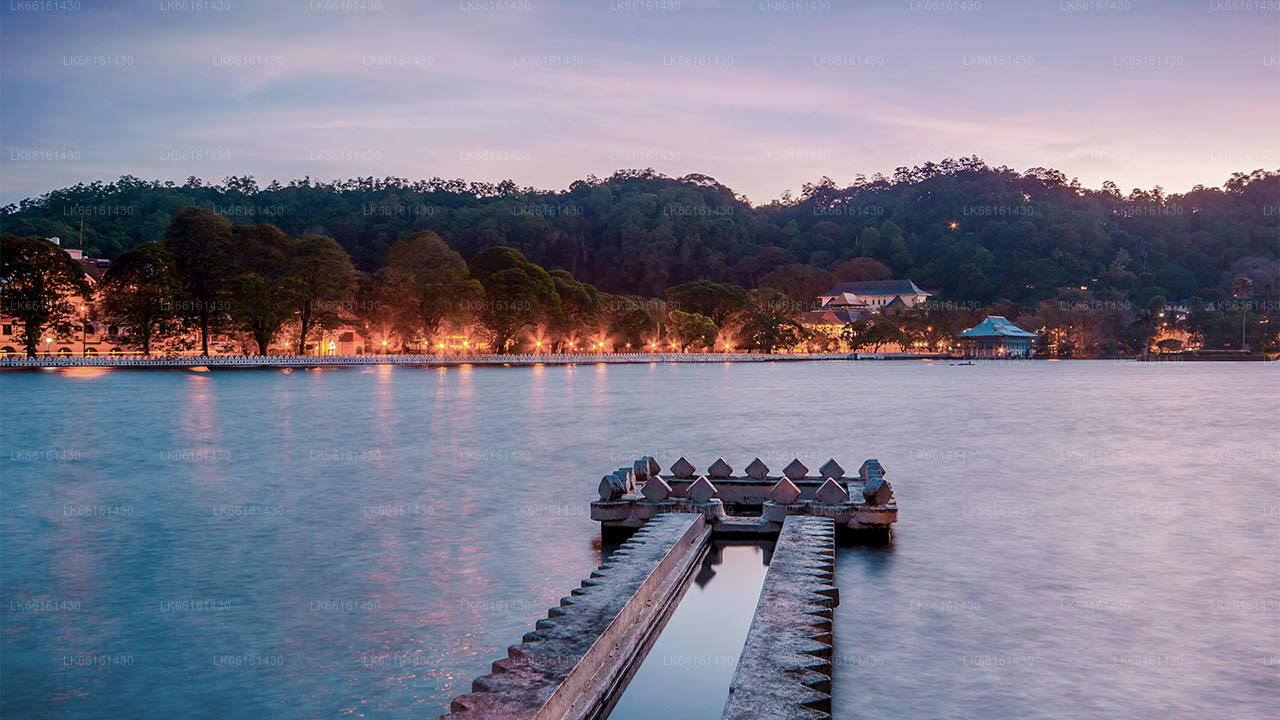
Kandy district is situated in the centrel province of Sri Lanka. One of the seven World Heritage Sites in Sri Lanka, Kandy was once home to the Kandyan Kings of yore in the 16th-century and a fountainhead for all the music, arts, crafts and culture in the country. About 129 km away from Colombo, Kandy is ensconced amongst a hilly terrain and all eyes are drawn to the centre of the city, where the Kandy Lake forms a charming feature. Kandy retains great religious significance for Sri Lanka, because it is in this charming city that the Dalada Maligawa or "Temple of the Tooth" is located, within which the sacred tooth relic of Lord Buddha lies well guarded.
The Royal Botanical Garden, Peradeniya is situated about 5 km to the west of the city centre at Peradeniya and is visited by 1.2 million people per year. It is the largest botanical garden on the island. The Udawatta Kele (Udawatta Forest) is a protected sanctuary situated in the heart of the city, just north of Temple of the Tooth.
Kandy is a Sinhala majority city; there are sizeable communities belonging to other ethnic groups, such as Moors and Tamils. Kandy is second only to Colombo the center of the Sri Lankan Economy. Many major co operations have large branch officers in Kandy and many industries include textiles, furniture, Information Technology and jewellery are found here. Many agriculture research centers are located in the city.
And a fountainhead for all the music, arts, crafts and culture in the country. About 129 km away from Colombo, Kandy is ensconced amongst a hilly terrain and all eyes are drawn to the centre of the city, where the Kandy Lake forms a charming feature. Kandy retains great religious significance for Sri Lanka , because it is in this charming city that the Dalada Maligawa or Temple of the Toothis located, within which the sacred tooth relic of Lord Buddha lies well guarded.
About Central Provincce
The Central Province of Sri Lanka consists primarily of mountainous terrain. The province has an area of 5,674 km², and a population of 2,421,148. Some major towns include Kandy, Gampola (24,730), Nuwara Eliya and Bandarawela. The population is a mixture of Sinhalese, Tamil and the Moors.
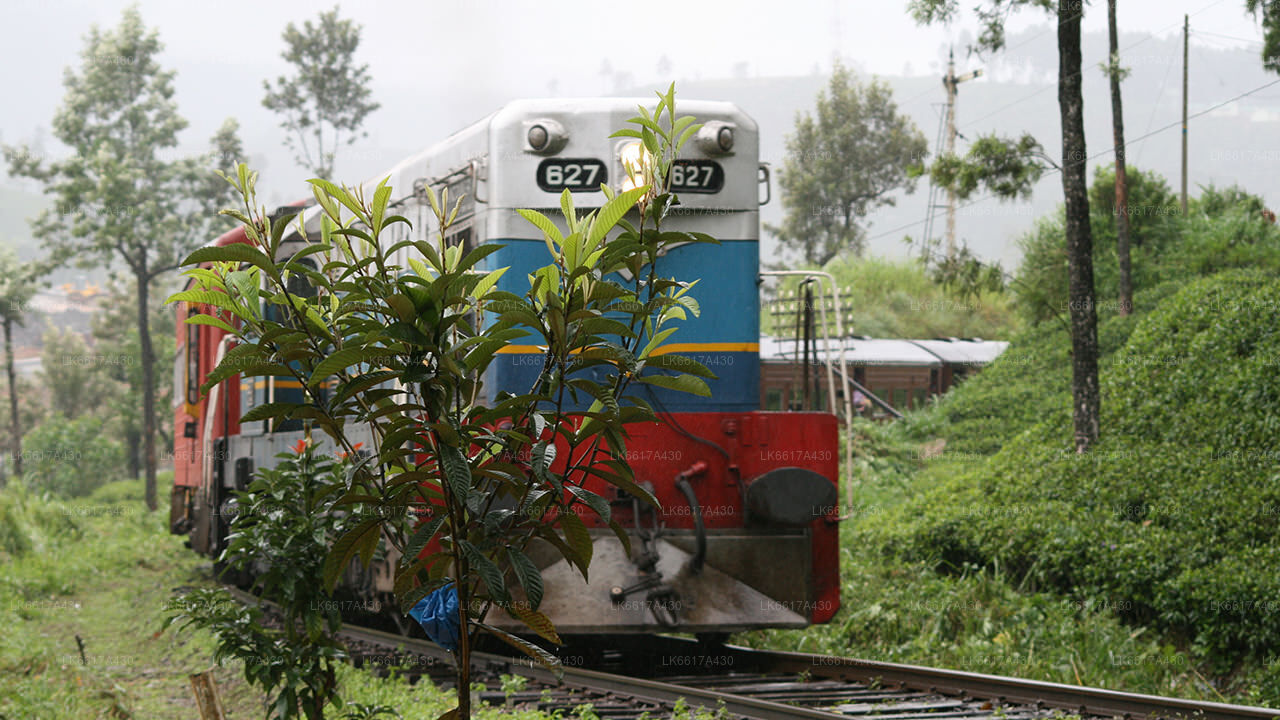
Both the hill capital Kandy and the city of Nuwara Eliya are located within the Central Province as well as Sri Pada. The province produces much of the famous Ceylon tea, planted by the British in the 1860s after a devastating disease killed all the coffee plantations in the province. Central Province attracts many tourists, with hill station towns such as Kandy, Gampola, Hatton and Nuwara Eliya. Temple tooth or Dalada maligawa is the main sacred place in Centrel province.
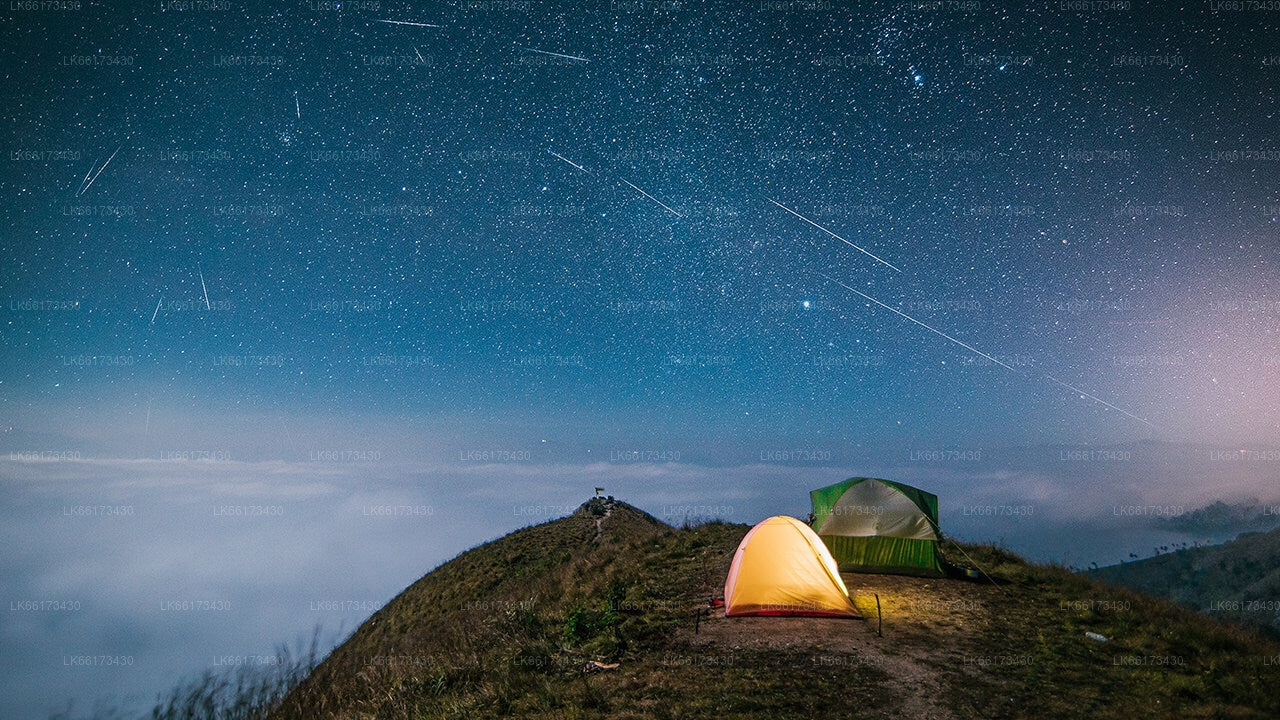
The climate is cool, and many areas about 1500 meters often have chilly nights. The western slopes are very wet, some places having almost 7000 mm of rain per year. The eastern slopes are parts of the mid-dry zone as it is receiving rain only from North-Eastern monsoon. The Temperatures range from 24°C at Kandy to just 16°C in Nuwara Eliya, which is located 1,889 m above sea level. The highest mountains in Sri Lanka are located in the Central Province. The terrain is mostly mountainous, with deep valleys cutting into it. The two main mountain regions are the central massif and the Knuckles range to the east of Kandy.