Lakpura
Lakpura®

Cynometra cauliflora


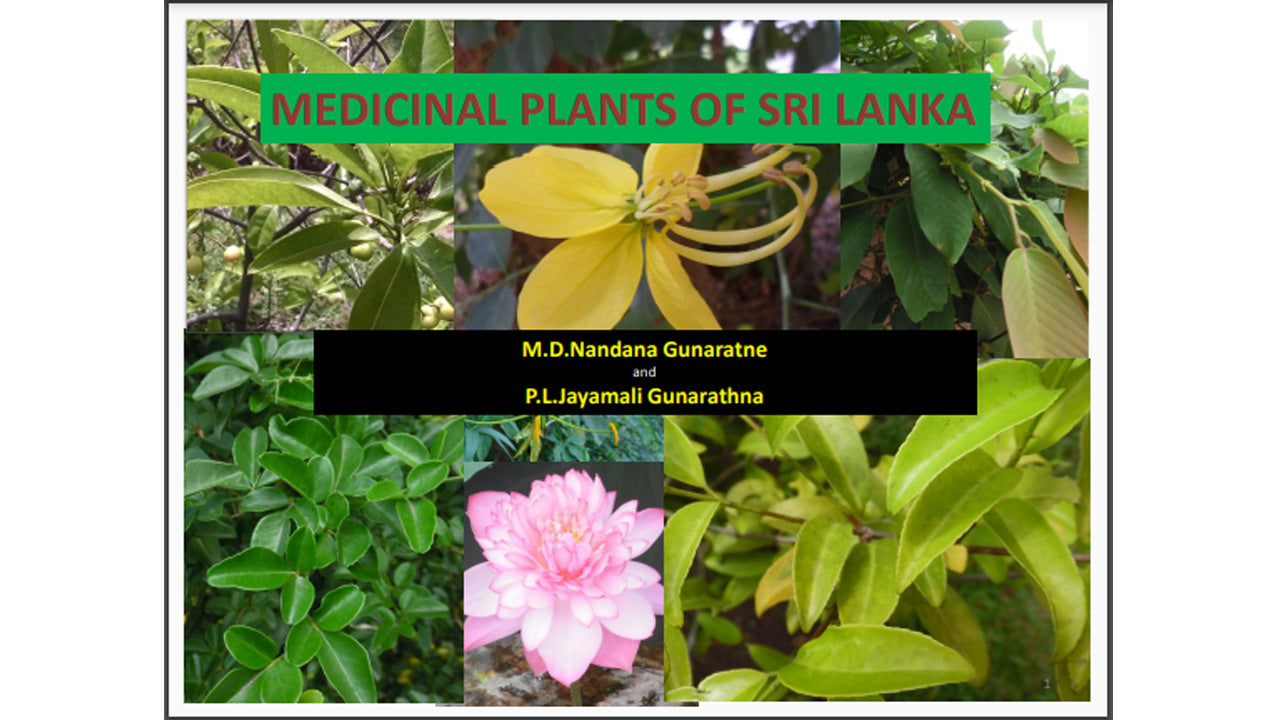
Cynometra cauliflora, commonly known as Nam Nam, is a tropical fruit tree belonging to the family Fabaceae. Native to Southeast Asia and cultivated in parts of South Asia including Sri Lanka, it occupies a respected place in the island's catalogue of Ayurvedic medicinal plants. Both its fruit and other plant parts have been used in traditional medicine for generations, and the tree continues to attract interest from herbalists, botanists, and those exploring Sri Lanka's rich natural pharmacopoeia.

What is Cynometra cauliflora?

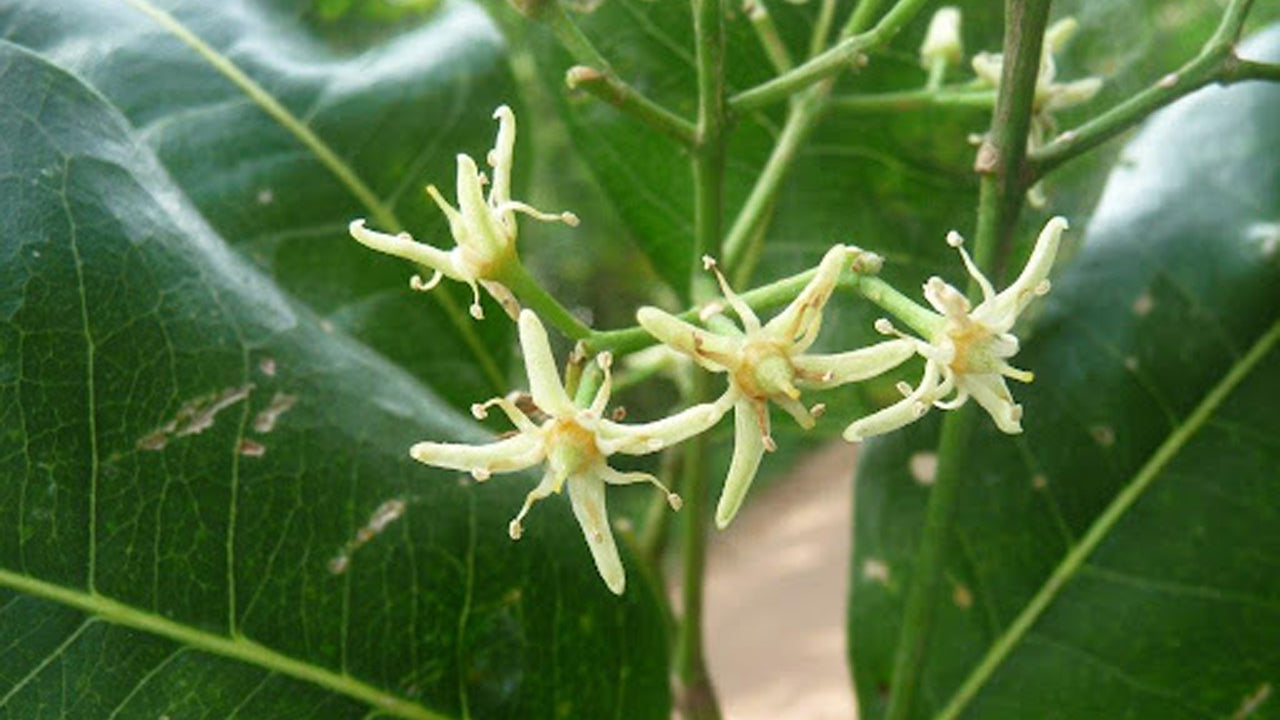
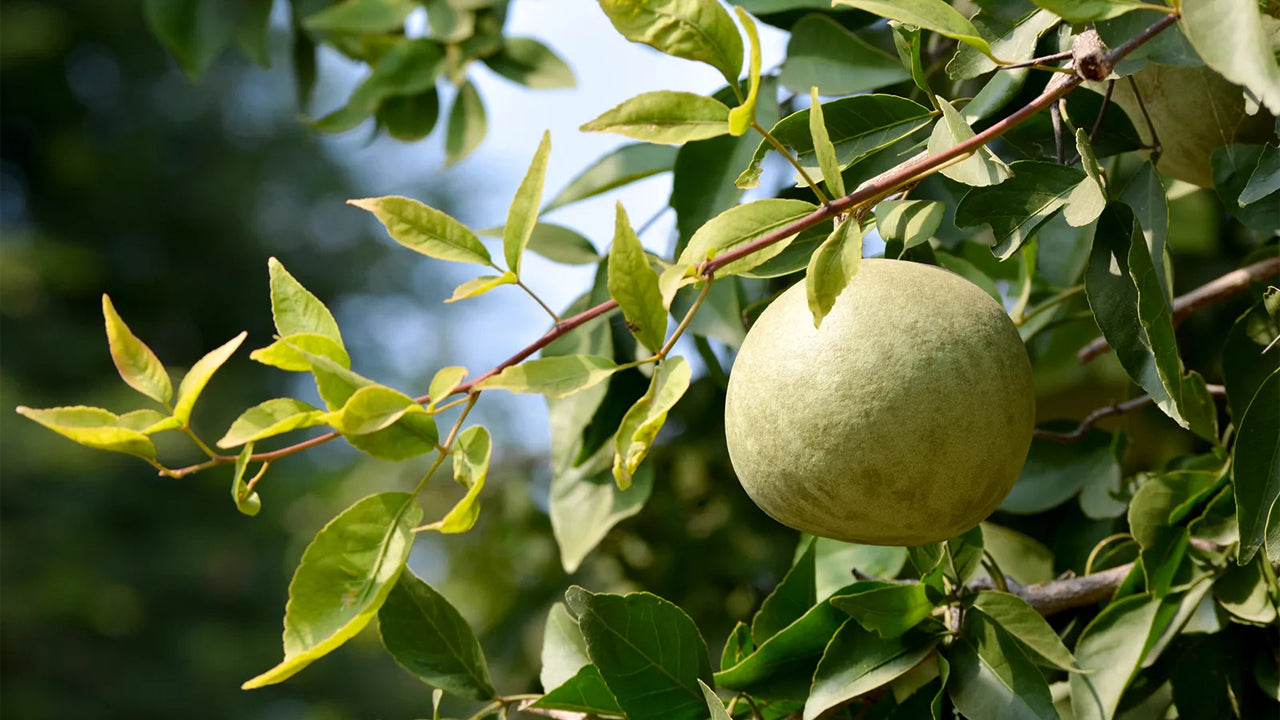
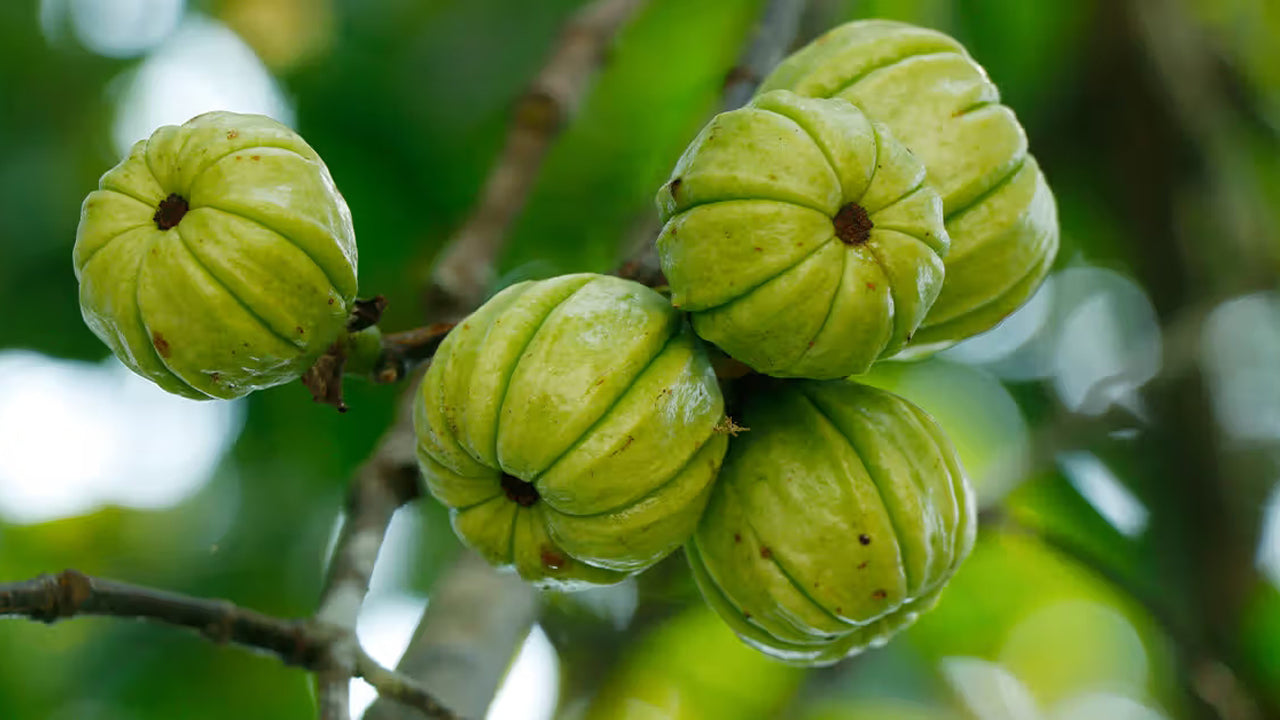
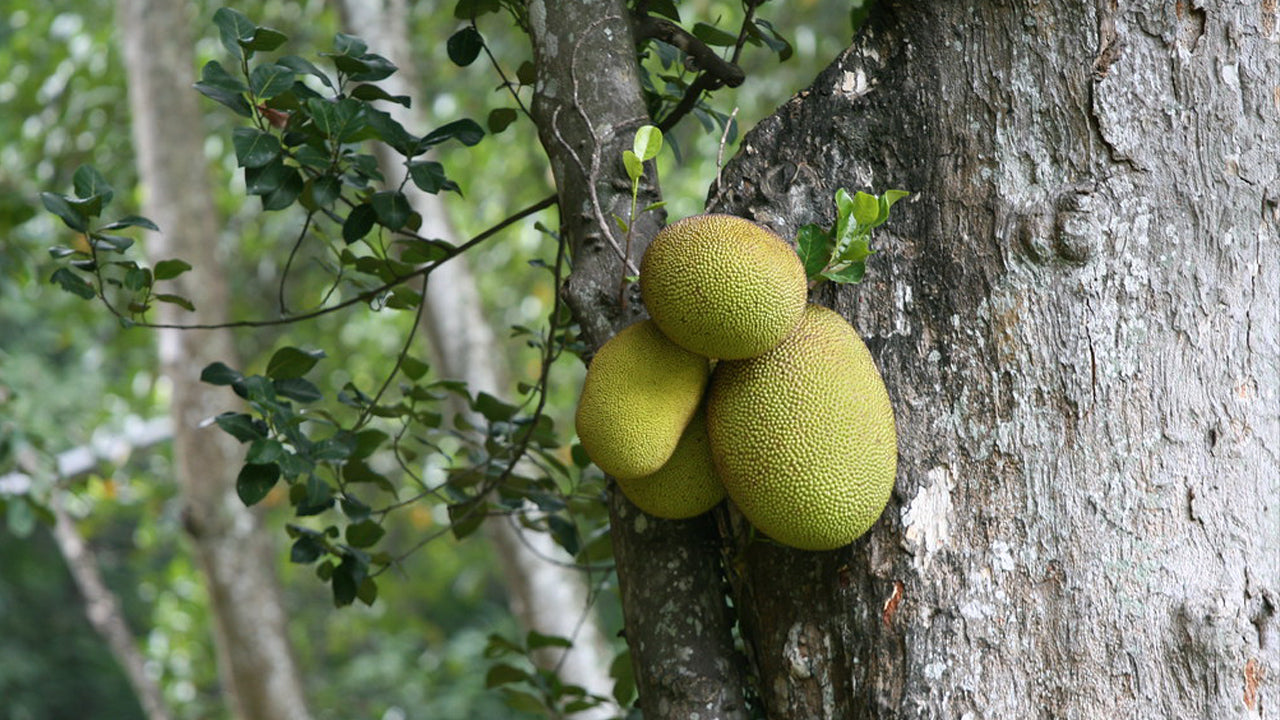
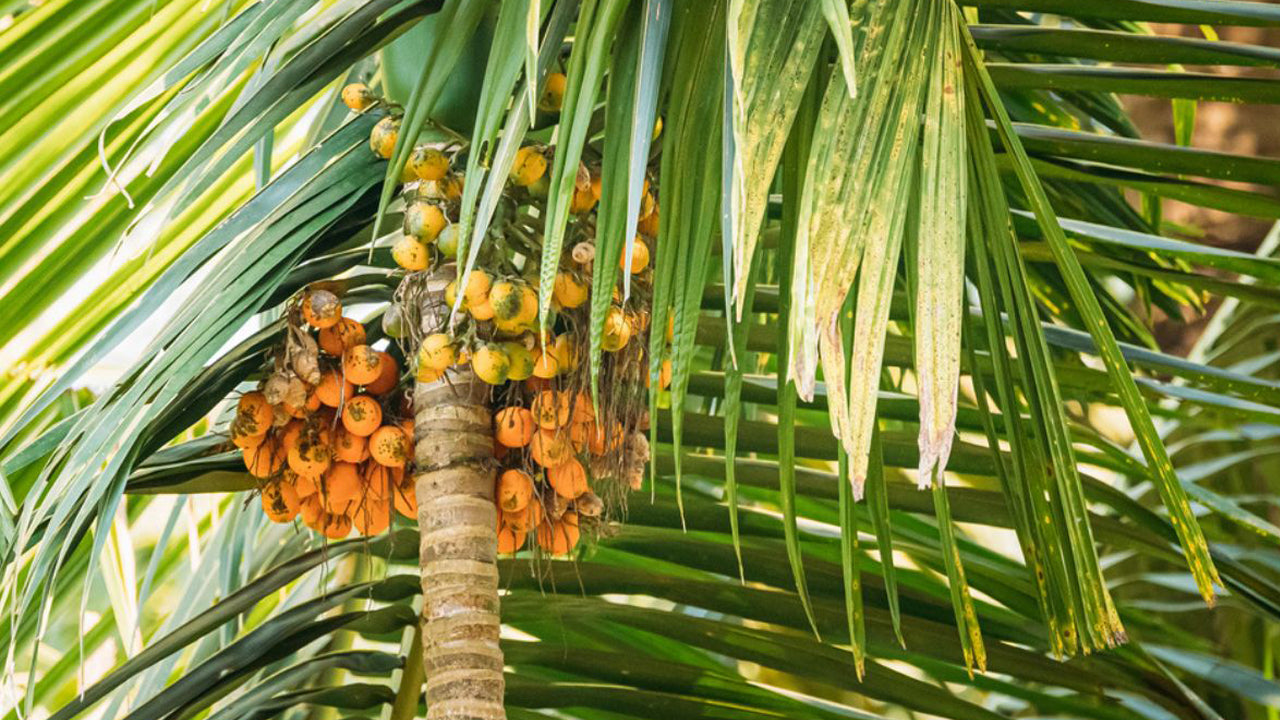
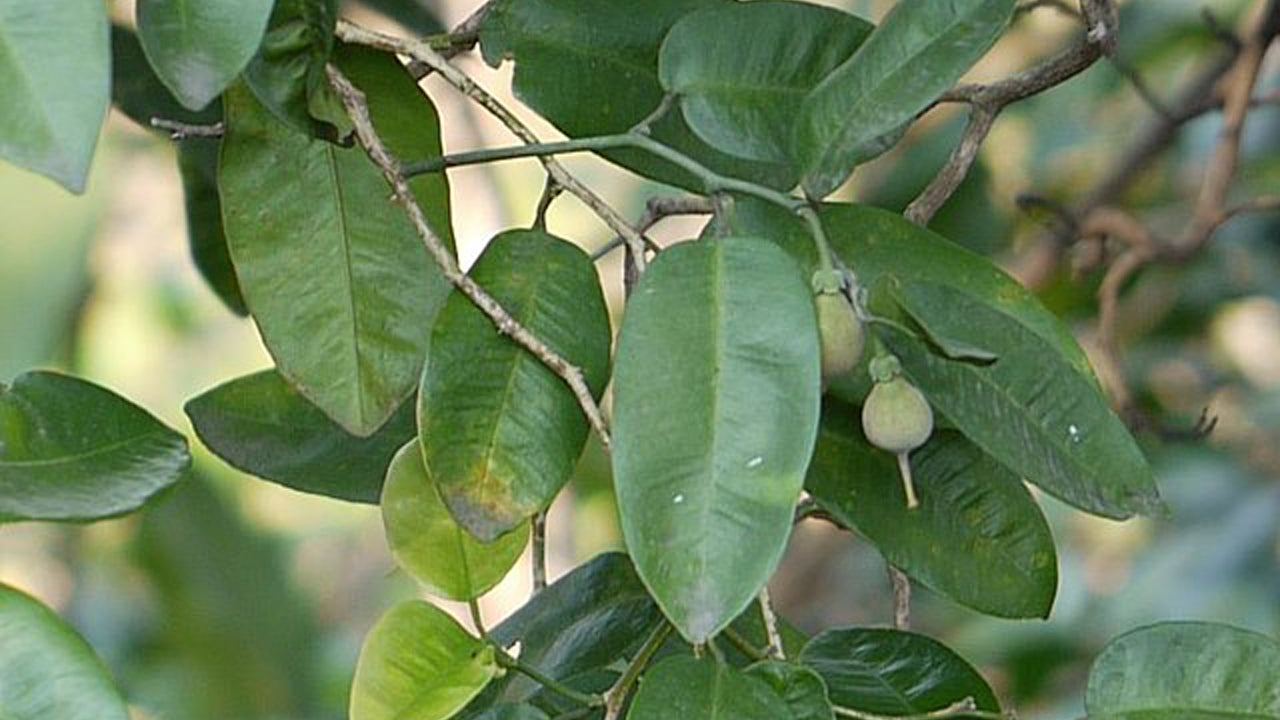
Cynometra cauliflora is a small to medium-sized evergreen tree that bears its fruit directly on the trunk and older branches — a growth habit known as cauliflory, which gives the species its botanical name. The fruit is irregularly shaped, with a wrinkled, hard outer skin that turns yellowish-green when ripe. Inside, the flesh is white and sour, with a flavour that varies from astringent to mildly pleasant depending on ripeness.

The tree favours humid, tropical climates and well-drained soils. In Sri Lanka, it is found in home gardens, traditional herb gardens, and in some forested areas in the wet zone. Its canopy is dense and compact, making it a practical shade tree as well as a medicinal one.

What are the traditional Ayurvedic uses of Cynometra cauliflora?

In Sri Lankan Ayurvedic practice, Cynometra cauliflora is valued primarily for its astringent properties. The fruit, bark, and leaves have all been employed in various traditional preparations. Practitioners have historically used preparations derived from the plant to address digestive complaints, skin conditions, and as a general tonic.

  • Fruit: The sour, astringent fruit is considered to aid digestion and has been used in preparations aimed at settling the stomach.
  • Bark: Bark extracts have been used in traditional formulations to treat skin ailments and minor wounds, owing to their reported antimicrobial and astringent qualities.
  • Leaves: Young leaves are occasionally incorporated into local remedies, and in some regional traditions they are used externally for inflammatory conditions.

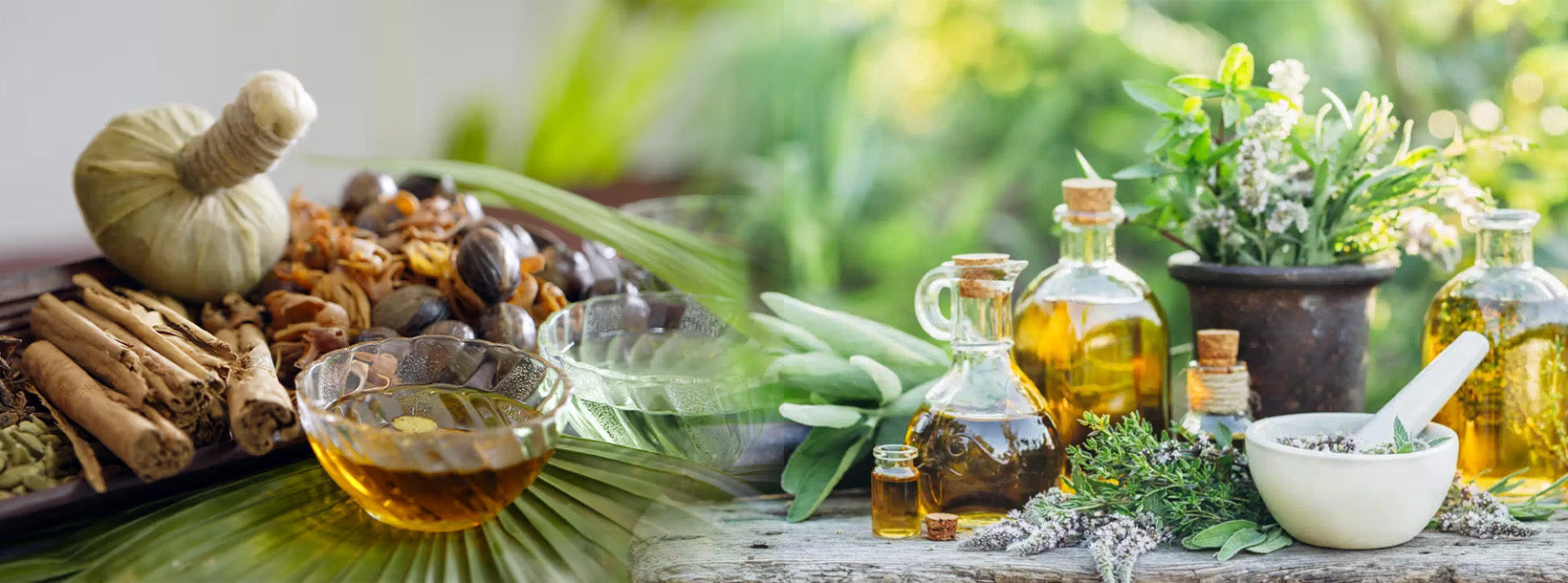
As with many plants in the Ayurvedic system, Cynometra cauliflora is rarely used in isolation. It is more typically one ingredient within a compound formulation, balanced alongside other botanicals to address a patient's specific constitution and condition. Practitioners such as those working with preparations like Yogaraja Guggulu illustrate the broader Sri Lankan Ayurvedic tradition of combining multiple plant sources.

How does Cynometra cauliflora fit into Sri Lanka's botanical heritage?

Sri Lanka's Ayurvedic tradition is one of the most continuously practised in the world, drawing on a flora that is extraordinarily diverse for the island's size. The country hosts a high proportion of endemic plant species, and many non-endemic plants like Cynometra cauliflora have been integrated into local medicinal knowledge over centuries of cultivation and exchange with neighbouring regions.

The island's wet zone forests and home gardens function as living repositories of medicinal plant knowledge. Trees such as Pongamia pinnata and Acacia chundra share this heritage with Cynometra cauliflora, each contributing distinct therapeutic properties to the Ayurvedic pharmacopoeia. The continuity of this knowledge — passed down through traditional physicians known as veda mahattayas — is a defining feature of Sri Lankan cultural identity.

What does current research say about Cynometra cauliflora?

Scientific interest in Cynometra cauliflora has grown alongside broader global attention to ethnobotany and plant-based medicine. Studies have examined the plant's phytochemical composition and have identified the presence of tannins, flavonoids, and phenolic compounds — constituents that help explain its traditional astringent and antimicrobial applications.

Research into the antioxidant potential of the fruit and bark extracts has produced encouraging preliminary findings, though it is important to note that much of this work remains at the laboratory stage. Clinical evidence supporting specific therapeutic claims is still limited, and individuals seeking Ayurvedic treatment should always consult a qualified practitioner rather than self-medicating with plant preparations.

Where can you encounter Sri Lanka's medicinal plant traditions?

Visitors interested in Sri Lanka's Ayurvedic heritage have several avenues for genuine engagement. Herb gardens attached to Ayurvedic resorts — particularly in the hill country and wet zone — often cultivate species including Cynometra cauliflora and provide guided tours explaining each plant's traditional use. Markets in historic towns frequently stock dried plant materials and traditional preparations for those who wish to explore further.

The wet zone, including areas around the Sinharaja Forest Reserve, contains some of the most botanically diverse forest in Sri Lanka and represents the natural habitat for many of the plants central to Ayurvedic practice. Guided nature walks in this region can offer direct encounters with medicinal flora in their ecological context.

How is Cynometra cauliflora used in food traditions?

Beyond its medicinal role, the fruit of Cynometra cauliflora is eaten in parts of Southeast Asia, particularly in Malaysia and Indonesia, where it is sometimes consumed raw with salt or incorporated into chutneys and sambals. In Sri Lanka, culinary use is less widespread, though the fruit is occasionally found in traditional home gardens where older generations may still prepare it as a condiment or accompaniment.

The sour flavour profile of the ripe fruit places it loosely in the same culinary category as tamarind — tart and useful for balancing richer flavours. This characteristic also aligns with its Ayurvedic classification, where sour-tasting plants are often associated with digestive stimulation and liver support according to traditional theory.

Key botanical facts at a glance

Attribute Detail
Family Fabaceae (Leguminosae)
Common name Nam Nam
Growth habit Evergreen tree, cauliflorous fruiting
Origin Southeast Asia; cultivated in Sri Lanka
Parts used medicinally Fruit, bark, leaves
Key phytochemicals Tannins, flavonoids, phenolic compounds
Ayurvedic classification Astringent; used in digestive and skin preparations
Ask Lakpura® Agent