Community Tsunami Museum


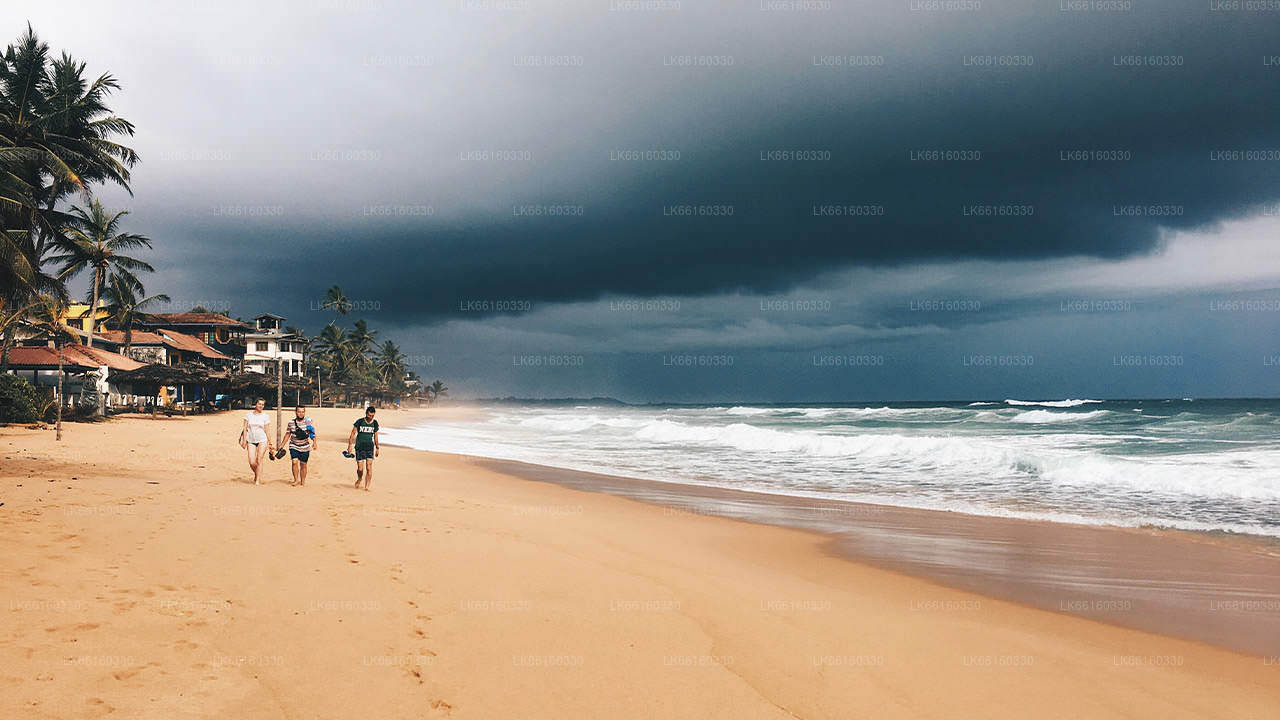
Nestled in the coastal town of Hikkaduwa, the Community Tsunami Museum stands as a poignant reminder of the devastating 2004 Indian Ocean tsunami that ravaged many countries, including Sri Lanka. Strategically located near areas most affected by the disaster, the museum educates visitors on the tsunami's impact through a variety of exhibits, including photographs, personal stories, and artifacts recovered from the debris. These displays not only detail the tragic events but also focus on the science of tsunamis and disaster preparedness to mitigate future catastrophes.
The museum serves as both an educational resource and a memorial, with a dedicated space displaying the names of the deceased, offering a place for reflection and remembrance. This area underscores the personal losses endured and is an integral part of the community's healing process.
Beyond serving as a historical archive, the museum actively engages the community and visitors in workshops and seminars on disaster management. These initiatives aim to equip participants with knowledge and skills for better handling such calamities in the future.
Since its establishment, the Community Tsunami Museum has become a significant point of interest in Hikkaduwa, attracting tourists worldwide and playing a crucial role in the local economy. Many visitors contribute to local hospitality and service industries, highlighting the museum's impact on tourism and economic development. As a testament to the resilience of the Sri Lankan people, the museum ensures that the memories and lessons of the 2004 tsunami are preserved and respected, providing a space for learning and remembrance for both locals and visitors alike.