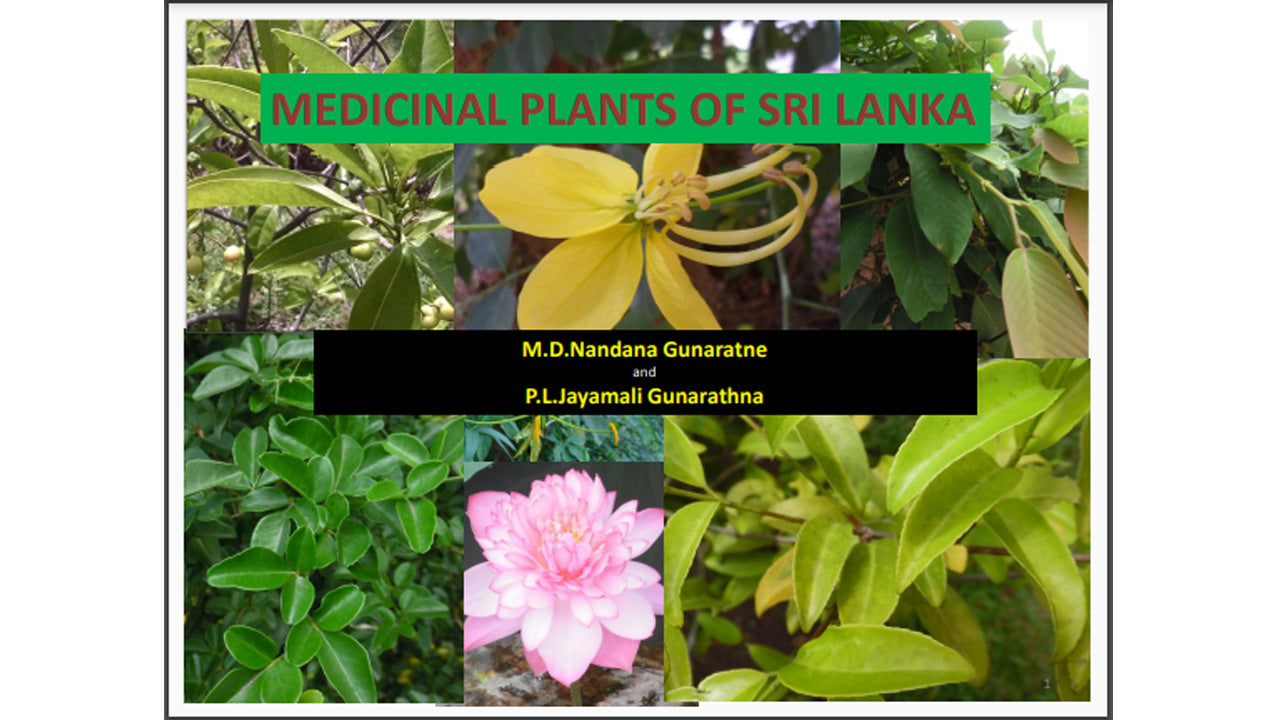
Citrus limon, known commonly as the lemon, holds a respected place in Sri Lanka's catalogue of Ayurvedic medicinal plants. Cultivated across the island's tropical gardens, homesteads, and smallholder farms, this small evergreen tree produces the familiar yellow fruit whose juice, rind, seeds, and leaves are each used in traditional therapeutic practice. Its inclusion in Sri Lanka's official Ayurvedic pharmacopoeia reflects centuries of documented use in both household remedies and formal herbal formulations.
What is Citrus limon and how does it grow in Sri Lanka?
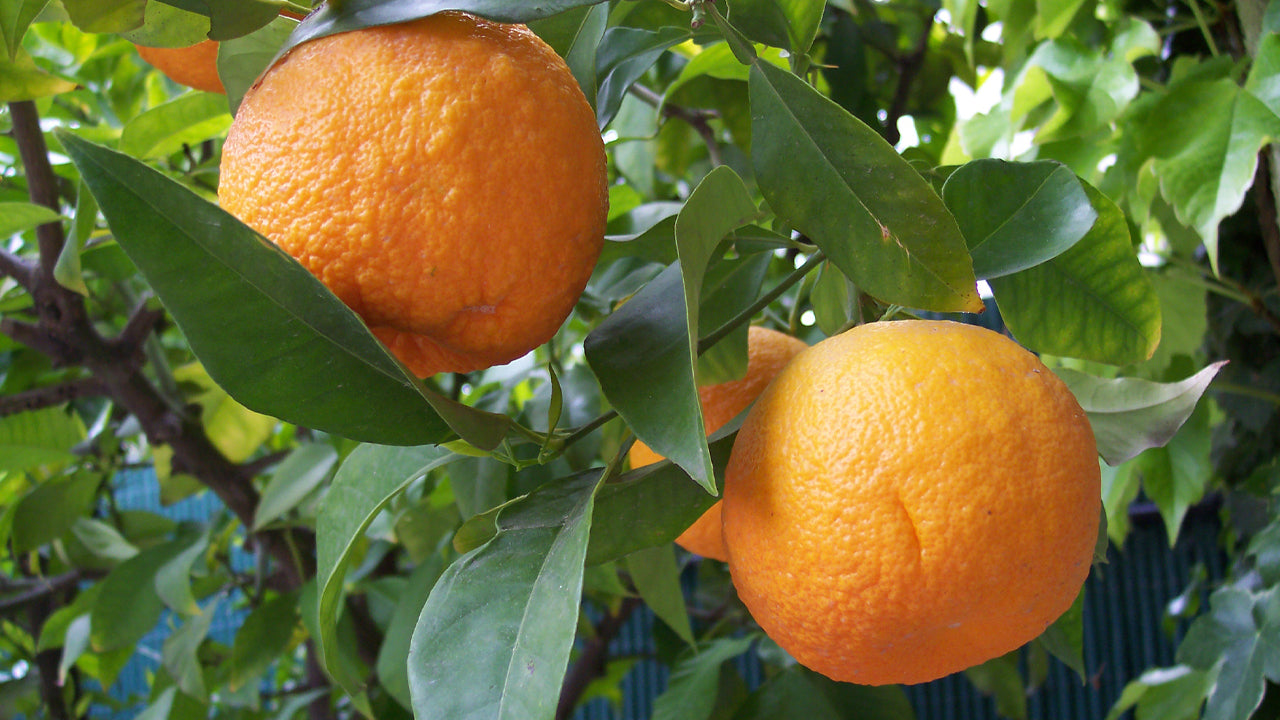
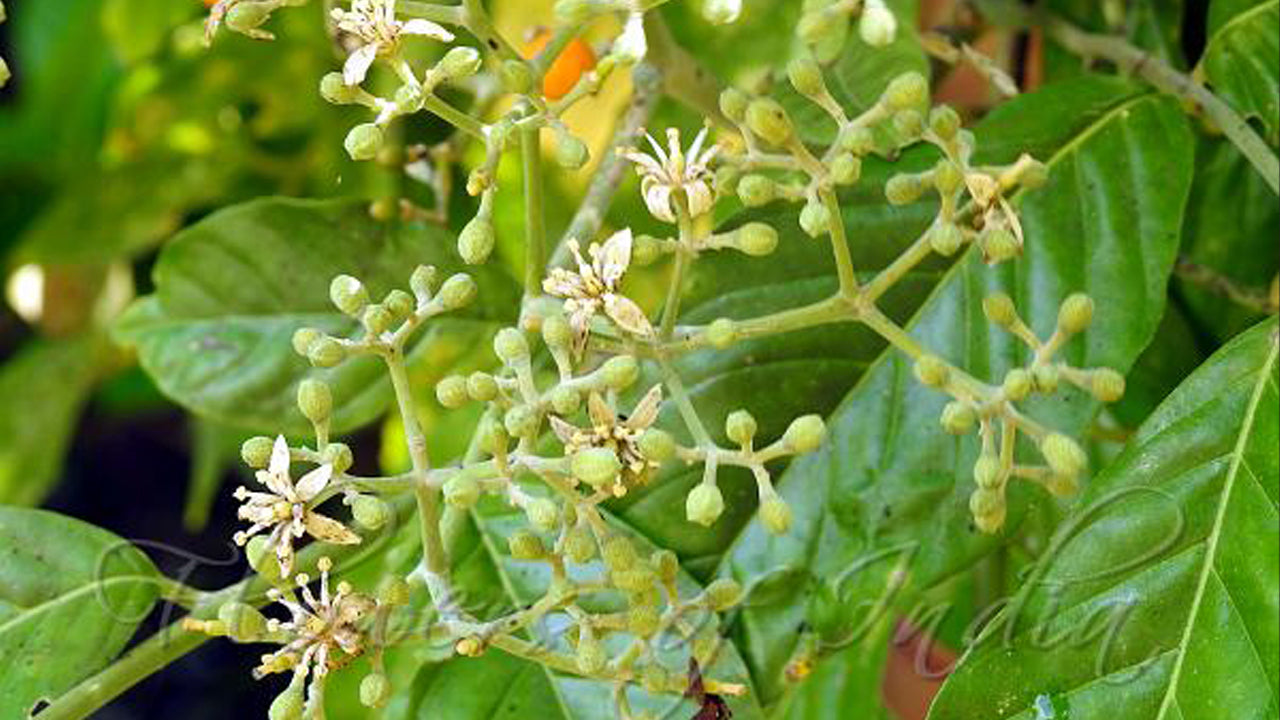
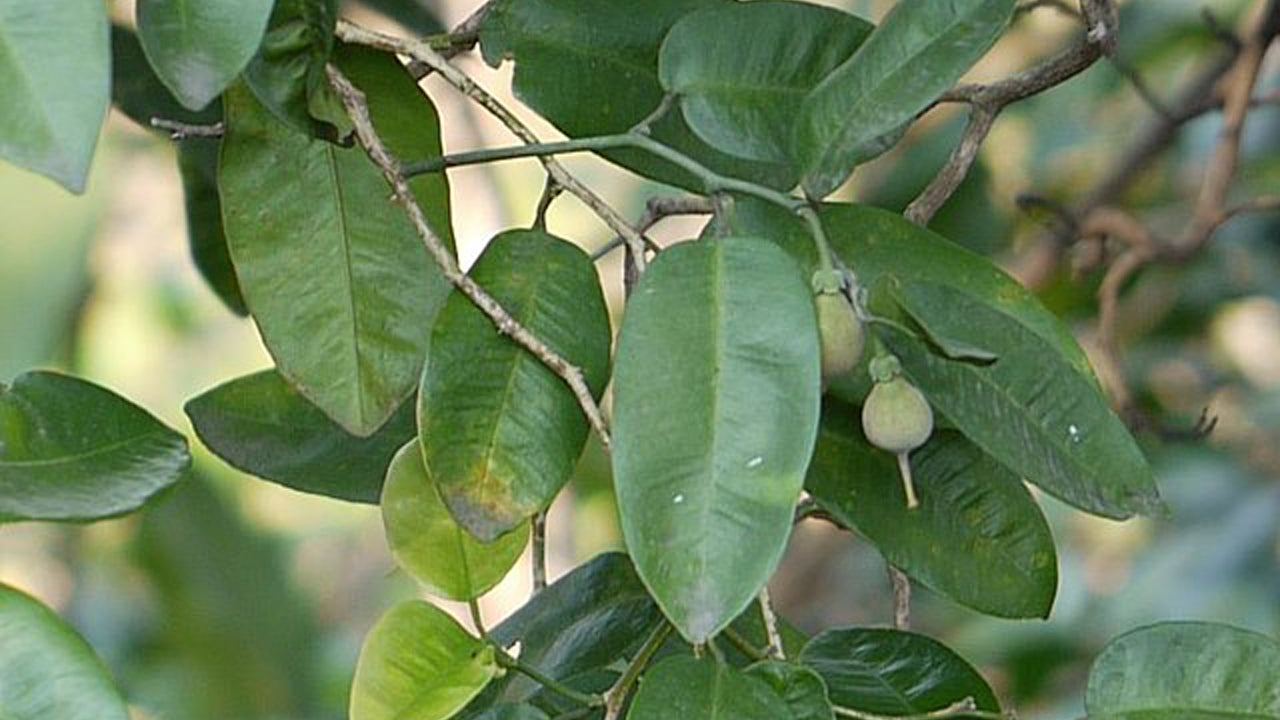
Citrus limon belongs to the family Rutaceae and is believed to have originated in South or Southeast Asia before spreading globally through trade routes. In Sri Lanka it is grown across a wide altitude range — from coastal gardens to mid-country slopes — thriving in well-drained, slightly acidic soils with good sunlight. The tree typically reaches three to six metres in height, bearing oval leaves with a faint fragrance when crushed, small white-purple flowers, and the characteristic oblong yellow fruit.
Home gardens throughout the wet and intermediate zones commonly include at least one lemon tree. Commercial cultivation is comparatively modest, with the fruit often sold in local markets alongside other citrus varieties. The lemon's relatively low maintenance requirements make it a practical addition to mixed-crop smallholdings.
How is Citrus limon used in Ayurvedic medicine?
In Sri Lanka's Ayurvedic tradition, virtually every part of the lemon plant carries therapeutic application. The juice is perhaps the most widely employed: diluted in warm water it is used as a digestive aid, to relieve nausea, and as a gentle detoxifying drink. Practitioners also apply it topically in formulations targeting skin conditions, fungal irritation, and minor inflammation.
The rind — rich in volatile oils and flavonoids — features in preparations intended to stimulate appetite and support respiratory health. Lemon peel oil is recognised for its carminative properties, helping to ease bloating and discomfort associated with digestive imbalance. Seeds, ground into a paste, appear in traditional remedies for intestinal parasites. The leaves, when infused, are sometimes used in treatments for fever management.
Within the classical Ayurvedic framework, lemon is generally considered to act on Vata and Kapha doshas. Its sour taste (amla rasa) is held to stimulate digestive fire (agni), making it a common adjunct in formulations designed to improve metabolism and nutrient absorption. Practitioners in Sri Lanka have long combined lemon juice with rock salt, ginger, or honey to create simple home remedies for colds, sore throats, and sluggish digestion — traditions that persist in rural communities today.
What nutritional and phytochemical properties does lemon have?
Modern phytochemical analysis broadly supports many of the traditional claims associated with Citrus limon. The fruit is a well-documented source of vitamin C (ascorbic acid), contributing to immune function and collagen synthesis. It also contains citric acid, which plays a role in mineral absorption, and a range of flavonoids — including hesperidin and eriocitrin — that have been studied for antioxidant and anti-inflammatory activity.
The essential oil of the peel contains limonene as a primary constituent, a compound investigated for antimicrobial, anti-anxiety, and chemopreventive properties in laboratory settings. While clinical evidence for many specific therapeutic claims remains in early stages, the phytochemical profile of lemon is consistent with the broad-spectrum tonic role it occupies in Ayurvedic practice.
How does lemon feature in Sri Lankan cuisine and daily life?
Beyond its medicinal role, Citrus limon is woven into everyday Sri Lankan cooking and household routines. Freshly squeezed lemon juice is added to rice dishes, seafood preparations, and street-food condiments for brightness and balance. It appears in the traditional relish Lunu Dehi — a preserved lemon pickle made with salt and chilli — which is a staple accompaniment to rice and curry across the island.
Lemon juice is also a popular base for cooling drinks, particularly during the island's warmer months, and is commonly served in hotels, roadside stalls, and homes as a simple refreshment. Ayurvedic wellness retreats across Sri Lanka incorporate lemon-infused treatments and dietary regimens as part of broader detox and rejuvenation programmes, making the fruit relevant to both cultural tourism and health-focused travel.
How does Citrus limon relate to other Ayurvedic plants in Sri Lanka?
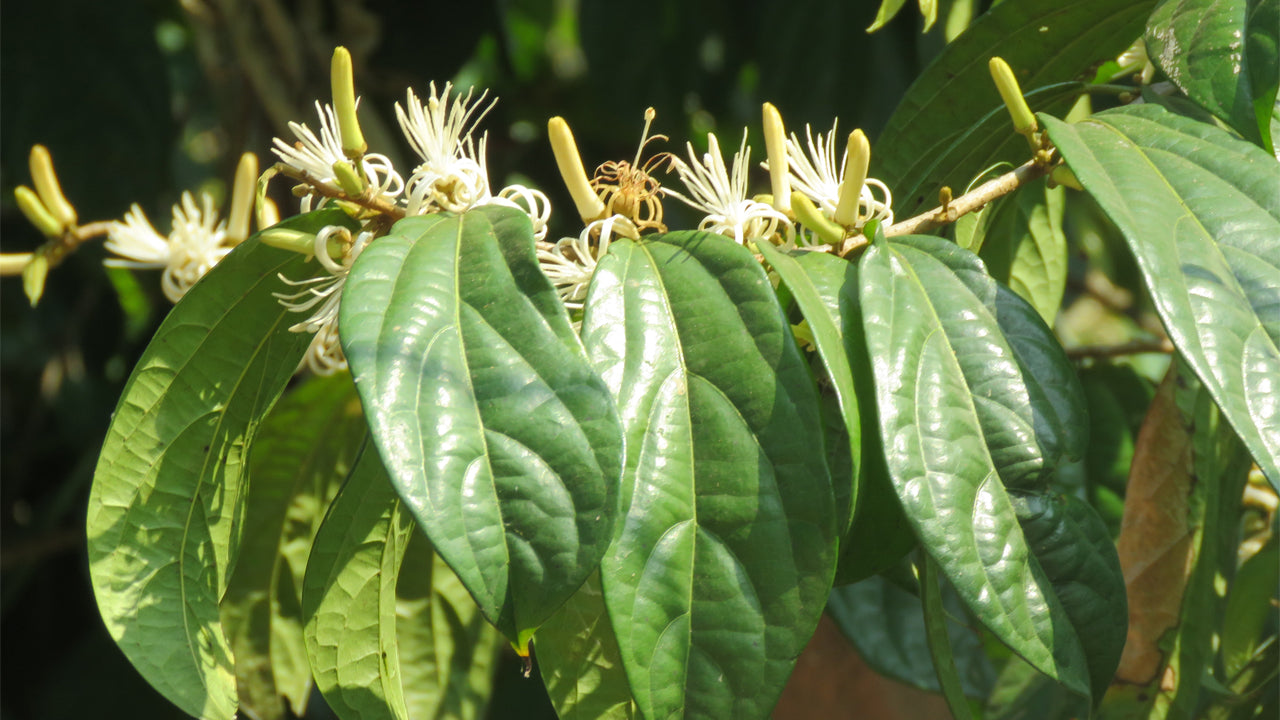
Sri Lanka's Ayurvedic botanical heritage encompasses hundreds of plant species, each with defined roles within classical formulations. Citrus limon is frequently used in combination with other catalogued medicinal plants. Cloves (Syzygium aromaticum) and Ceylon black pepper are among the spices commonly paired with lemon in compound remedies targeting respiratory and digestive complaints. This synergistic approach — combining plants to enhance or moderate each other's actions — is a defining characteristic of Sri Lankan Ayurvedic formulation.
The island's botanical diversity, supported by habitats ranging from coastal lowlands to montane cloud forest, has given Sri Lankan Ayurveda a particularly rich pharmacopoeia. Lemon sits within that tradition as an accessible, multi-purpose plant that bridges domestic use and clinical application.
Where can visitors learn about Sri Lanka's Ayurvedic plant heritage?
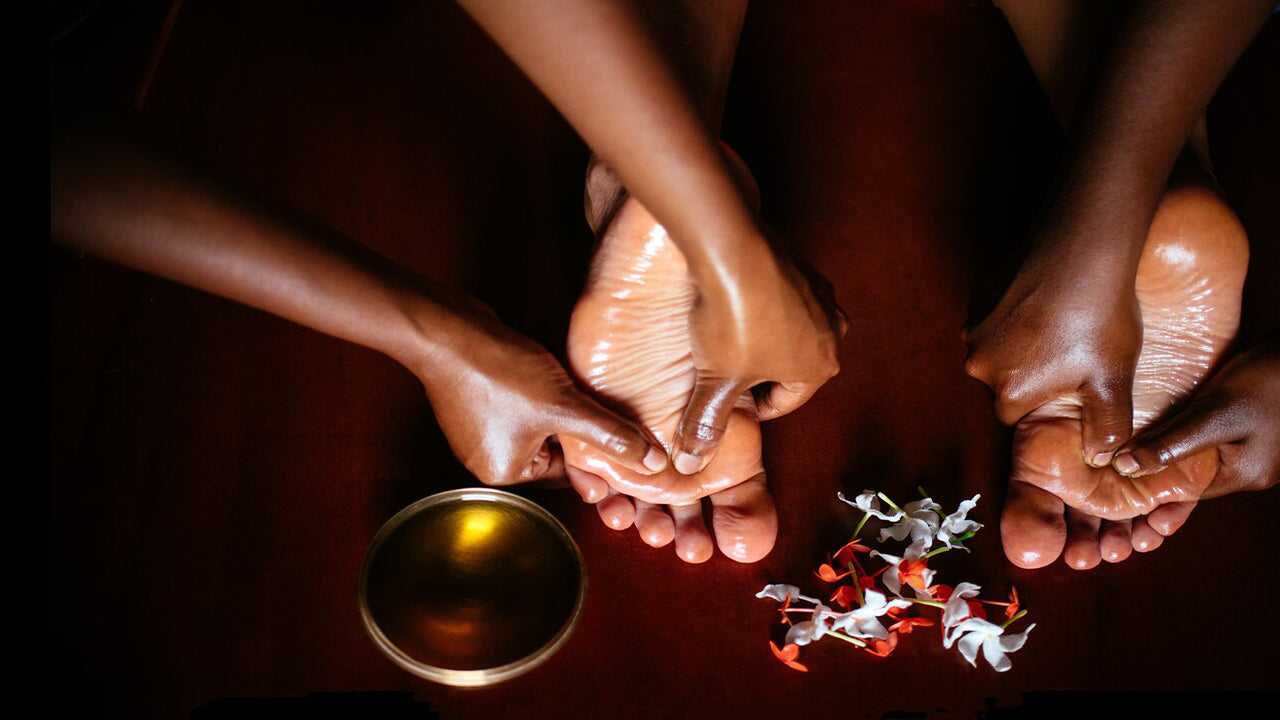
Travellers interested in Sri Lanka's medicinal plant traditions have several meaningful options. Ayurvedic gardens and demonstration farms, particularly in the Kandy and Gampaha districts, offer guided walks that identify and explain plants including Citrus limon in their living context. Wellness retreats — concentrated in areas such as Beruwala, Bentota, and the hill country — combine plant-based treatments with consultations by trained Ayurvedic physicians.
The Sinharaja Forest Reserve, a UNESCO World Heritage Site in the wet zone, provides a broader window into Sri Lanka's extraordinary plant biodiversity, including many species documented in the Ayurvedic canon. Village farm visits and spice garden tours — available through Sri Lanka's community-based tourism initiatives — offer an informal but engaging way to encounter medicinal plants in their agricultural and cultural setting.
What products are made from Citrus limon in Sri Lanka?
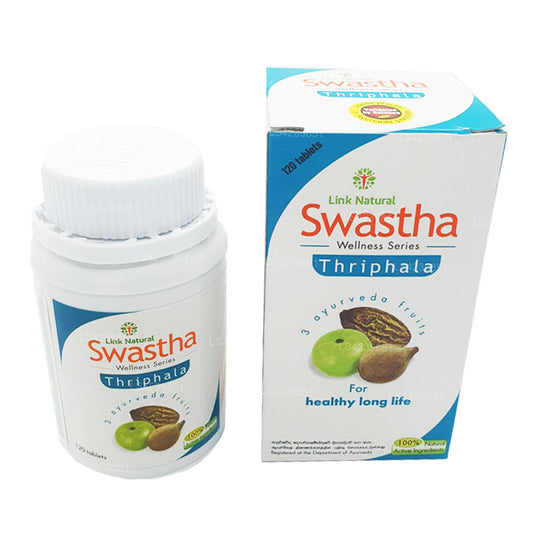
Sri Lanka's wellness and personal-care industry has increasingly drawn on lemon as a functional ingredient. Locally produced Ayurvedic shampoos, bath salts, body washes, and skincare formulations feature citrus extracts for their astringent and antioxidant properties. Sri Lankan tea producers have also developed citrus-infused Ceylon teas — blending the island's black or green tea base with lemon notes — that are exported as premium gift products. These reflect a growing market for Sri Lanka-origin wellness goods that combine Ayurvedic heritage with contemporary formulation.