Colombo stad
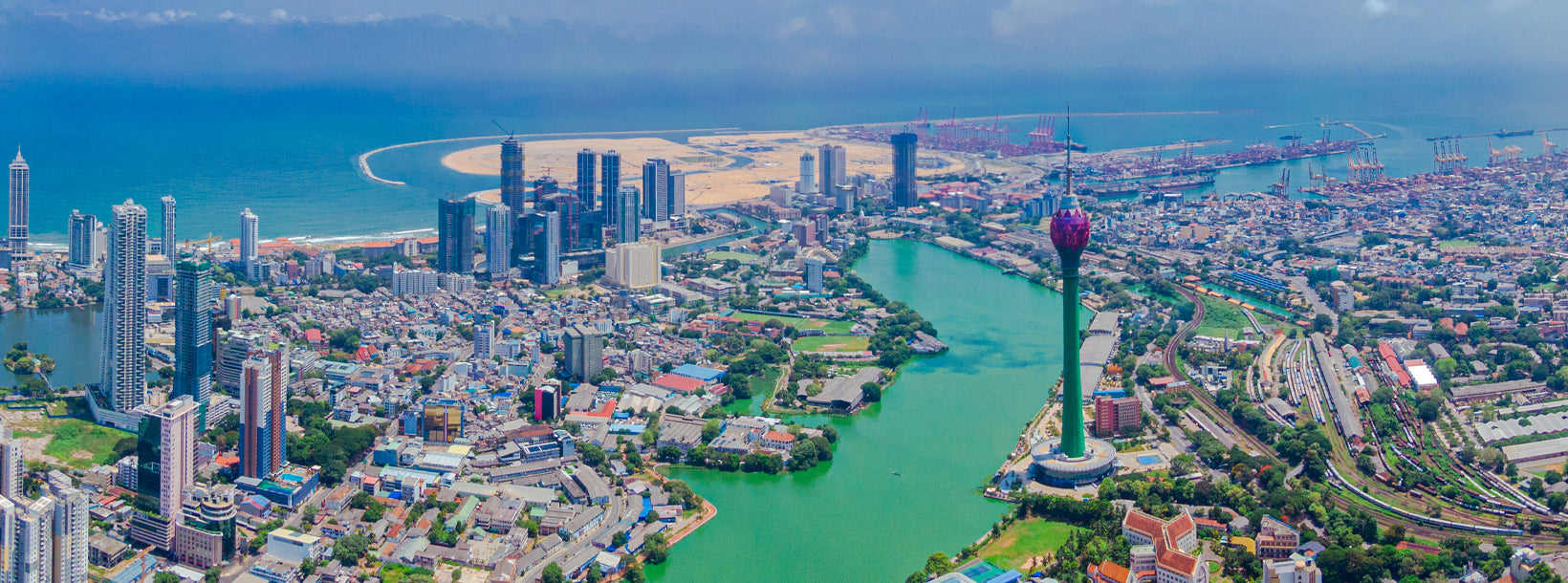
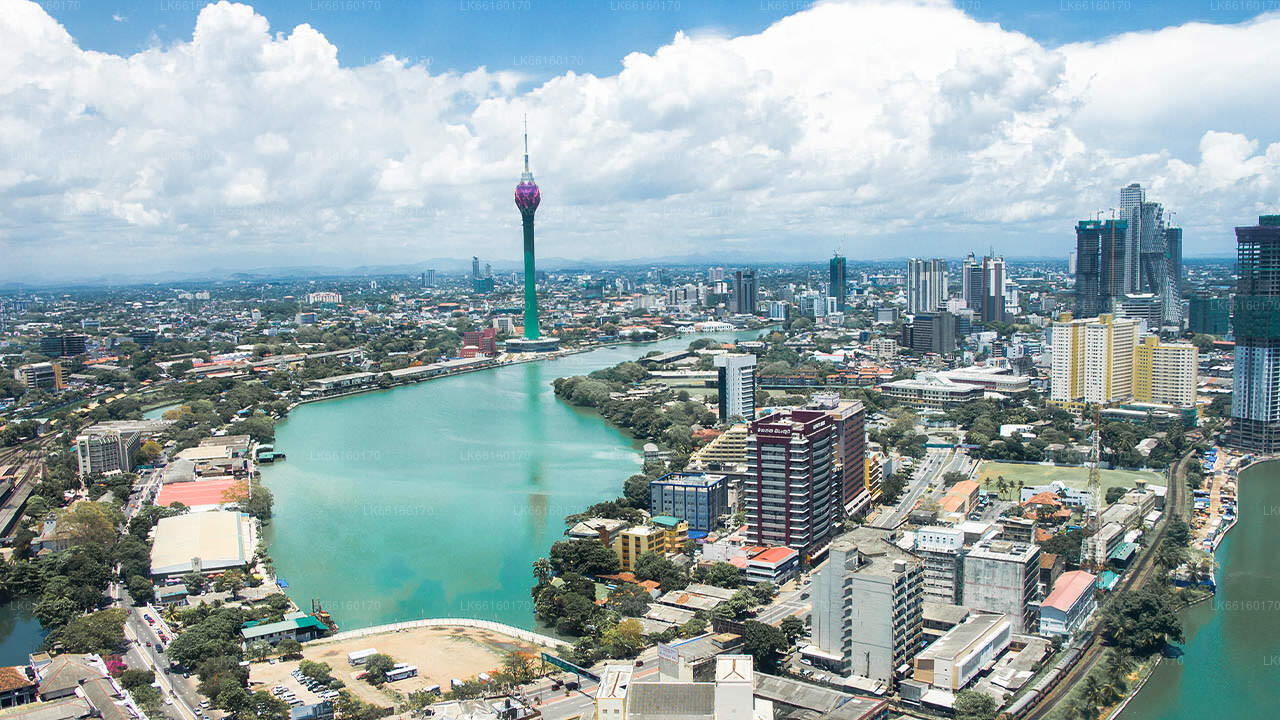
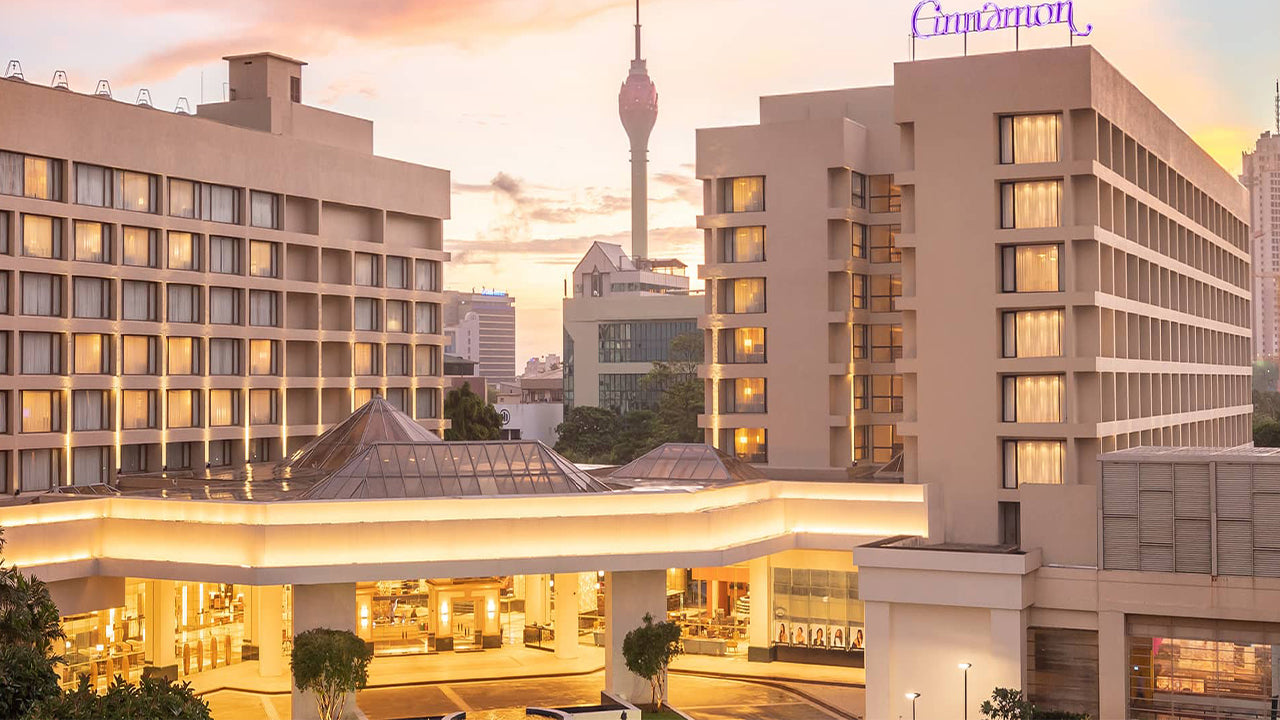
Colombo, Sri Lankas huvudstad, är en dynamisk stad som blandar tradition och modernitet. Den uppvisar kolonial arkitektur, livliga marknader och fridfulla buddhistiska tempel. Med ett varierat kök, en växande stadssilhuett och vackra stränder är det ett pulserande nav för affärer, kultur och turism, och erbjuder en inkörsport till Sri Lankas underverk.
Origins of Kollupitiya (Colpitty)
There was a time when Kollupitiya was known as Baradeniya. It was a beautiful rustic village with coconut gardens and cinnamon trees that grew wild and narrow cart-tracks which connected the few villas and homes here with the rest of the country. For the purpose of postal services ‘Colombo 03’ consists of Kollupitiya.
How Baradeniya became Kollupitiya
The year was 1664 and the king was Rajasinghe II whose cruel acts embittered his subjects. Three Kandiyan chiefs sought to slay the king and place his 12-year-old son on the throne. One of the conspirators was Udanuwara Ambanwela Appuhamy. When the plot failed, the king had two of the rebel leaders beheaded. However, instead of executing Abanwela Appuhamy, the most feared of the rebels, he handed him over to the Dutch to undergo what he thought would be a more brutal torture. Instead the Dutch set him free. Ambanwela Appuhamy took the Dutch name of Van Ry-cloff and built up a good relationship with the Dutch who gave him a large plot of land by the sea where he grew a coconut plantation which soon expanded over the ancestral farms of the natives who dared not complain. They could only retaliate by calling the plantation Kolla-ke-pitiya meaning 'Plundered land'. Today, there is still an area in Kollupitiya that is called Polwatte.
The footprints of Galle Face
Colombo 03 begins with Galle face south of Colombo Fort (Colombo 01). Originally a vast swamp, the Portuguese and Dutch used this piece of land as a strategic defense. It was the British who developed the Green into a leisure ground. The 19th century paintings of John Deschamps, show the Galle-Face esplanade with a high road running through the centre of it. Added later was a promenade by the sea and a driveway bordering the lake where the Dutch Military cemetery was. Deschamps describes it as forming not only the principal exercising ground of the garrison, but also the general promenade of the inhabitants of Colombo and its vicinity. “On foot, on horseback, or in carriages, people flocked to this salubrious setting to inhale the delicious breeze which is almost always to be found by the sea side of this part of the Island”. The Galle Face esplanade or Green was established by Governor Ward in 1859. An inscription reads "in the interest of the ladies and children of Colombo ".
Cricket, football and polo were played on the Green. In 1829, horse racing was established under the auspices of Sir Edward Barnes. A circular race stand was built by subscription. Initially it was a building of brick, coated with a plaster of chunam. Its conical roof was covered with an excellent thatch of kehjan (woven coconut leaves). From here a view of the whole course could be obtained. The race-balls were held here, the upper room being cool and airy for dancing; card-tables were placed in the verandahs, whilst the lower portion formed a good supper-room. Subsequently the roof was tiled. By the 1870s it had become a more substantial building and was known as the Colombo Club. This building still stands, even though maybe not in its original modest form, and is now the Crystal Ballroom of the Taj Samudra Hotel Colombo.
At one end of the green was the Galle Face Boarding House, forerunner of the present Galle Face Hotelwhich was constructed in 1887. Today the green has lost much in its extent but after a long period of neglect has recently been restored back to the ch
Om Colombo-distriktet
Colombo är Sri Lankas största stad och kommersiella huvudstad. Den ligger på öns västkust och intill Sri Jayewardenepura Kotte, Sri Lankas huvudstad. Colombo är en livlig och pulserande stad med en blandning av modernt liv och koloniala byggnader och ruiner och en stadsbefolkning på 647 100. Colombos storstadsregion, definierad av distrikten Colombo, Gampaha och Kalutara, har en uppskattad befolkning på 5 648 000 och täcker en yta på 3 694,20 km². Colombo är en multietnisk och multikulturell stad. Det är den mest befolkade staden i Sri Lanka, med 642 163 personer som bor inom stadsgränserna. Befolkningen i Colombo är en blandning av många etniska grupper, främst singaleser, morer och tamiler. Det finns också små grupper av människor med kinesiskt, portugisiskt, holländskt, malaysiskt och indiskt ursprung som bor i staden, samt många europeiska utlandsboende. Den stora majoriteten av srilankanska företag har sina huvudkontor i Colombo. Några av industrierna inkluderar kemikalier, textilier, glas, cement, lädervaror, möbler och smycken. I stadens centrum ligger Sydasiens näst högsta byggnad - World Trade Center.

Om Västra provinsen
Västra provinsen är Sri Lankas mest tätbefolkade provins. Här ligger den lagstiftande huvudstaden Sri Jayawardenepura Kotte samt Colombo, landets administrativa och affärsmässiga centrum. Västra provinsen är uppdelad i tre huvuddistrikt: Colombo (642 km²), Gampaha (1 386,6 km²) och Kalutara (1 606 km²). Som Sri Lankas ekonomiska centrum finns alla större lokala och internationella företag i staden, liksom alla större designerbutiker och butiker på huvudgatan, så var beredd att ägna dig åt lite shoppingterapi i västra provinsen. Med den högsta befolkningen i alla provinser ligger nästan alla de främsta utbildningsinstitutionerna på ön i västra provinsen. Universiteten i provinsen inkluderar University of Colombo, University of Sri Jayewardenepura, University of Kelaniya, Open University, Sri Lanka, Buddhist and Pali University of Sri Lanka, General Sir John Kotelawala Defence University och University of Moratuwa. Västra provinsen har det största antalet skolor i landet, vilket inkluderar nationella, provinsiella, privata och internationella skolor.