Sri Lanka is compact enough to cross in a day, yet varied enough to reward weeks of unhurried exploration. Renting a vehicle and driving yourself gives you a freedom that fixed itineraries and shared transfers simply cannot match — the ability to stop at a roadside spice stall, take a detour to a lesser-known waterfall, or linger at a viewpoint until the light is exactly right.
Is self-driving in Sri Lanka practical for tourists?
Yes, with a few caveats worth understanding before you collect the keys. Sri Lanka drives on the left, which suits visitors arriving from the UK, Australia, India, or Southern Africa. Roads in the hill country and along the coast are generally paved but narrow, and traffic in Colombo and Kandy can be dense during peak hours. Outside the major cities, traffic thins considerably and driving becomes genuinely relaxed.
An International Driving Permit (IDP) endorsed for Sri Lanka is required alongside your home-country licence. Lakpura arranges all documentation at the time of booking, so you do not need to visit a government office on arrival.
What types of vehicle can I rent for self-drive in Sri Lanka?
Lakpura's self-drive fleet covers most travel styles and group sizes:
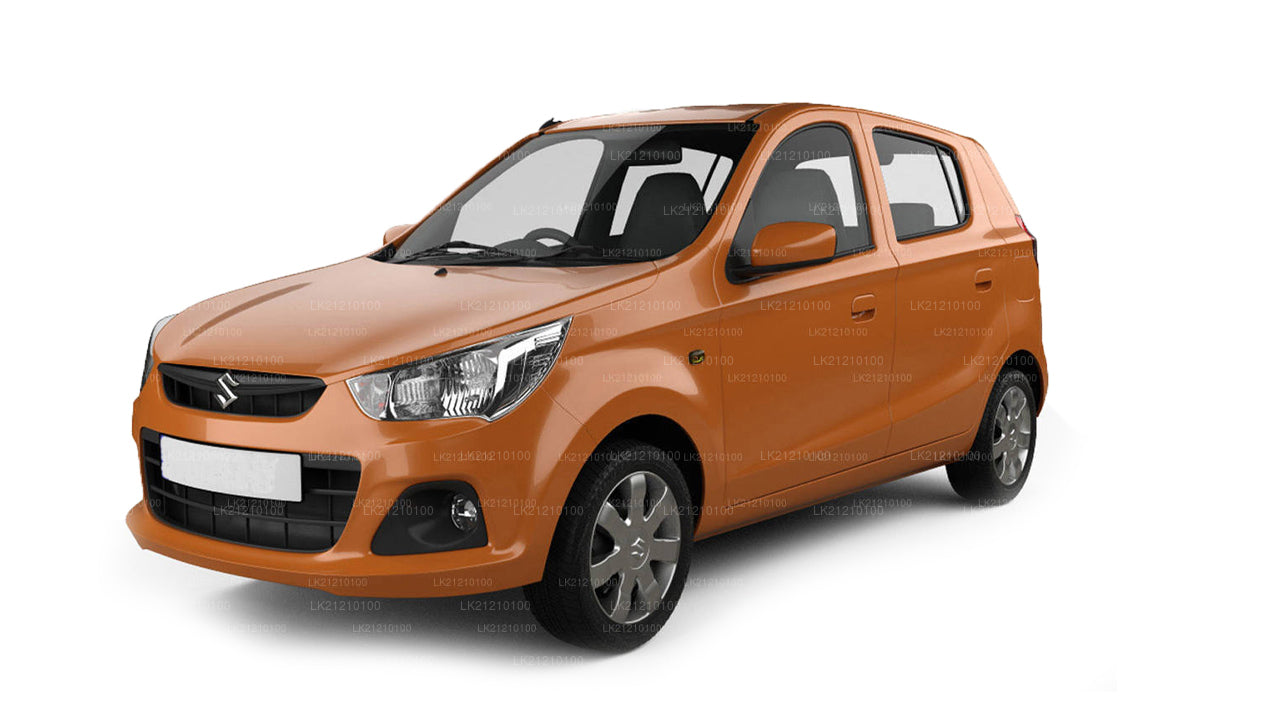
- Economy cars — compact automatics such as the Suzuki Alto K10 are ideal for solo travellers or couples navigating city streets and coastal roads.
- Standard cars and hybrids — the Toyota Allion and Toyota Axio Hybrid offer more interior space and are well-suited to longer inter-city journeys.
- Standard vans — options like the Mitsubishi L300 or Toyota Regius suit families or small groups carrying significant luggage.
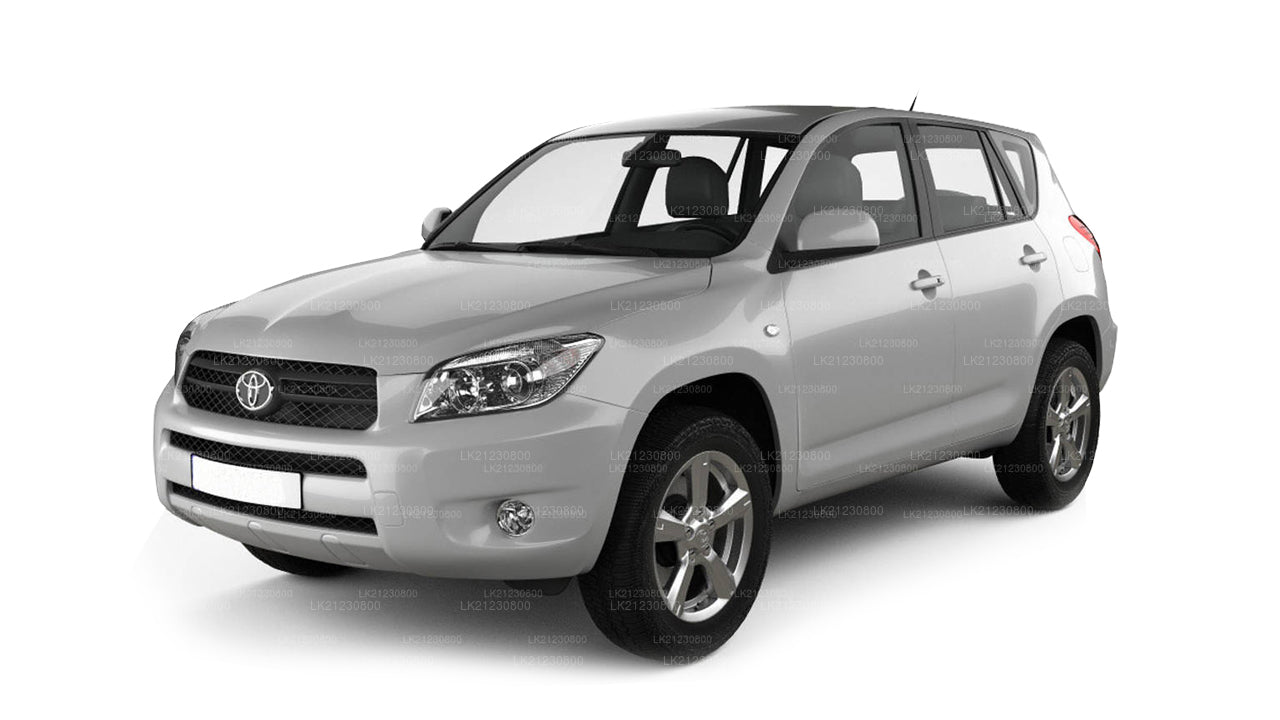
- SUVs — the Toyota RAV4 and Toyota Land Cruiser Prado handle rough approach roads to national parks and hill-country estates without difficulty.
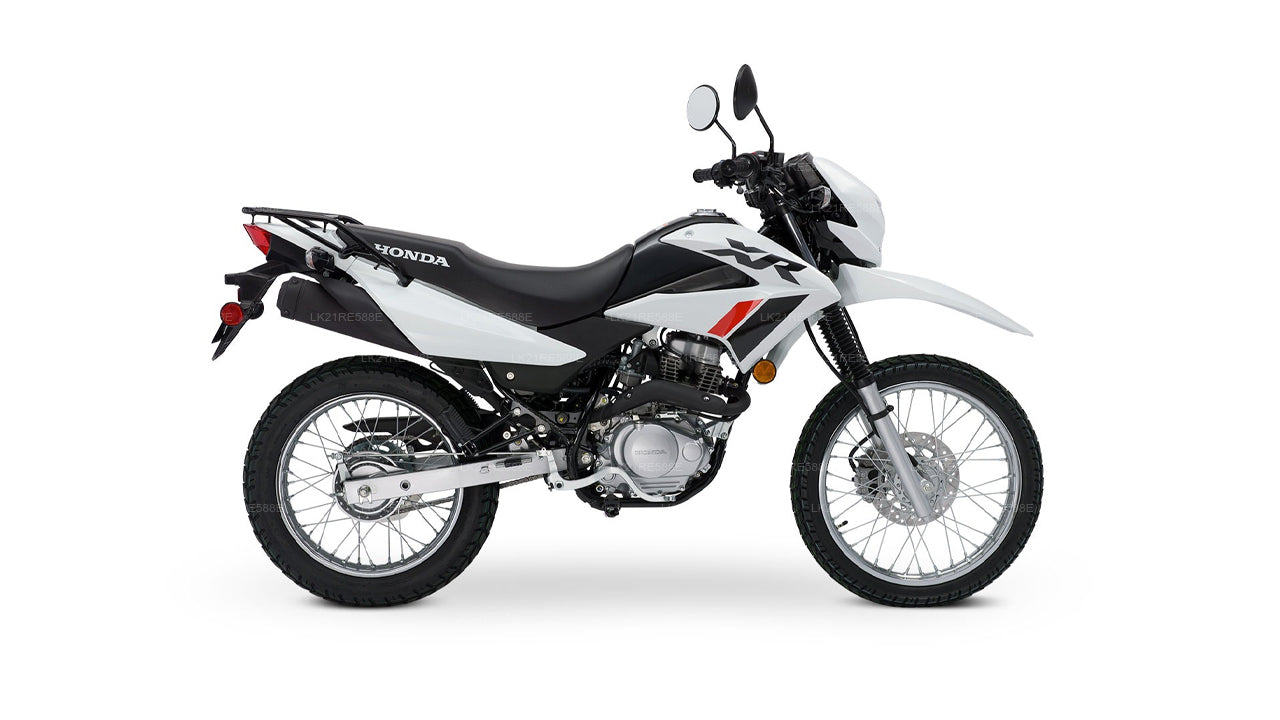
- Motorbikes and scooters — from the Honda Dio 110cc scooter to the Hero Xpulse 200cc adventure bike, two-wheelers let you reach places no car can easily access.
If you would prefer a driver for part of your trip, Lakpura also offers private chauffeur-driven transfers that can be combined with self-drive days.
Which routes work best for a self-drive itinerary?
Sri Lanka's geography lends itself naturally to a circular route, allowing you to cover the Cultural Triangle, the hill country, the south coast, and the west coast without retracing the same road twice.
- Colombo → Cultural Triangle: The A9 north from Colombo reaches Dambulla in roughly three hours; from there, Sigiriya and Polonnaruwa are within easy day-trip distance.
- Cultural Triangle → Hill Country: The drive south through Kandy and up into Nuwara Eliya winds through tea-growing country. Allow extra time — the roads are scenic but sinuous.
- Hill Country → South Coast: Drop down through Ella toward Tissamaharama, a convenient base for visiting Udawalawe National Park.
- South Coast → West Coast: The Southern Expressway (E01) makes fast work of the stretch between Matara and Colombo if you want to close the loop quickly; the coastal road through Galle and Mirissa is slower but far more rewarding.
What are the road rules I need to know?
Speed limits in Sri Lanka are set at 50 km/h in urban areas and typically 70–100 km/h on expressways, though posted signage takes precedence. Seat belts are compulsory for front-seat passengers. Using a mobile phone while driving is illegal. Alcohol limits are strictly enforced, particularly at checkpoint-heavy routes near national parks and resort towns.
Tuk-tuks, cyclists, pedestrians, and the occasional elephant crossing are realities on rural roads — especially in the dry-zone north and around wildlife corridors near Wilpattu National Park. Drive at a pace that lets you react comfortably.
Do I need a special permit to drive into national parks?
Self-drive vehicles are not permitted inside most Sri Lankan national parks. At Yala, Udawalawe, Wilpattu, and Horton Plains, visitors must use an authorised jeep with a licensed tracker. You can, however, drive yourself to the park entrance and arrange a safari jeep there, or pre-book a park safari through Lakpura to have the jeep waiting for you on arrival.
What fuel and road infrastructure should I expect?
Petrol and diesel stations are plentiful along all major highways and in every town of any size. Fuel availability becomes less predictable on minor roads in the north and east, so fill up before leaving a main town if you are heading off the beaten track. The A-class national highways are generally in good condition; B-class provincial roads vary. The Southern Expressway and the Central Expressway (partial) are the island's best-quality roads and carry a toll.
How do I book a self-drive vehicle through Lakpura?
Select your preferred vehicle category, enter your travel dates and pick-up point, and complete the online booking form. Lakpura delivers most vehicles to Bandaranaike International Airport (CMB), Colombo city-centre hotels, or another agreed location at no extra charge. Return can be to the same point or a different drop-off — confirm at the time of booking.
All vehicles come with comprehensive insurance, a full tank, and 24-hour roadside assistance. An additional driver can be added to the agreement at a modest daily fee. Child seats and GPS units are available on request.
Tips for a safer and more enjoyable self-drive trip
- Download an offline map (Google Maps or Maps.me) before you leave Wi-Fi coverage. Mobile data can be patchy in the hill country.
- Start long drives early. Road conditions and distances are often underestimated — what looks like 80 km on a map can take three hours through mountain switchbacks.
- Parking in Colombo and Kandy is limited. Consider basing yourself outside the city centre and using a tuk-tuk for local sightseeing — a tuk-tuk safari is a genuinely enjoyable way to explore town centres.
- Carry cash. Tolls on the expressways are paid in Sri Lankan rupees; not all booths accept cards.
- If you are renting a motorbike, a helmet is provided but protective riding gear is strongly recommended. Hill-country roads can drop sharply in temperature after dark.