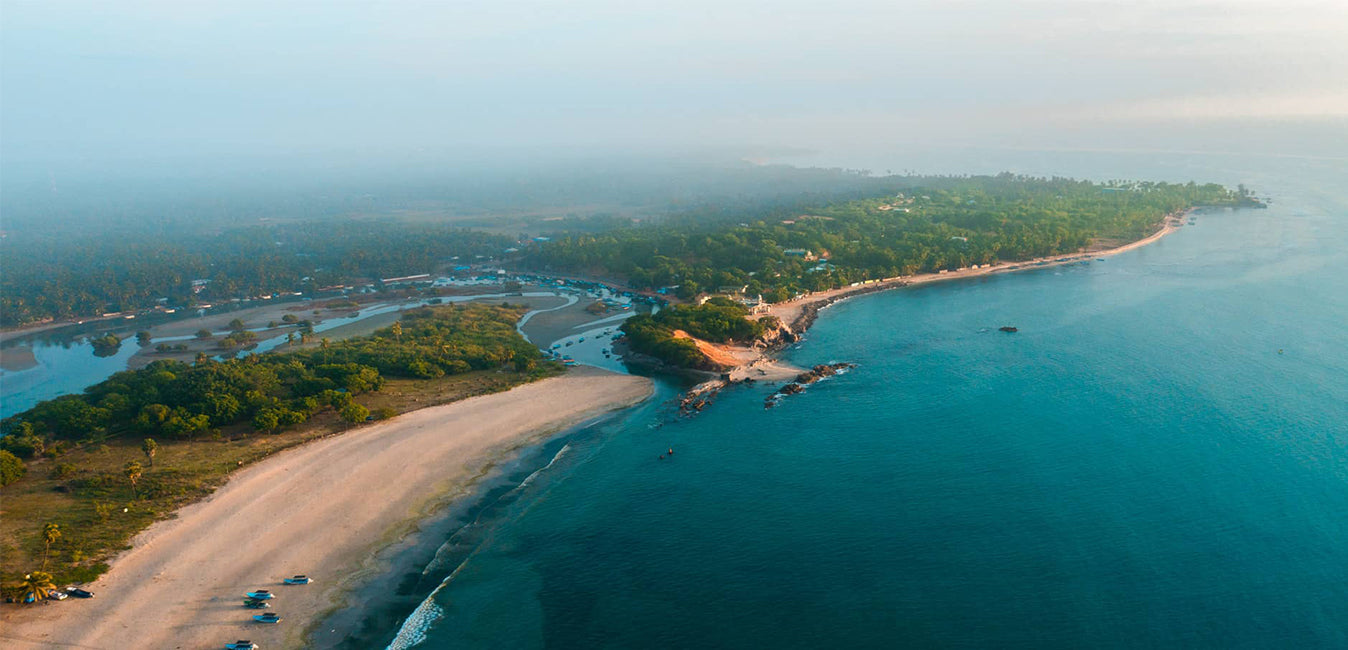
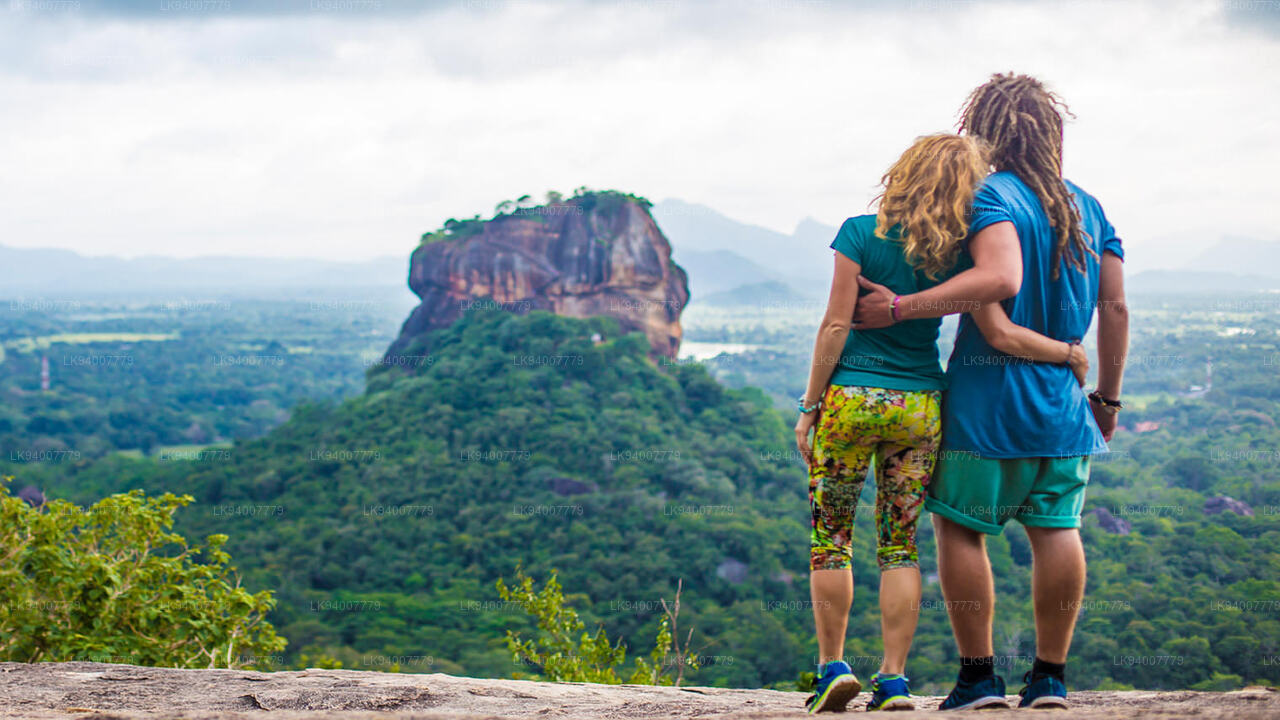
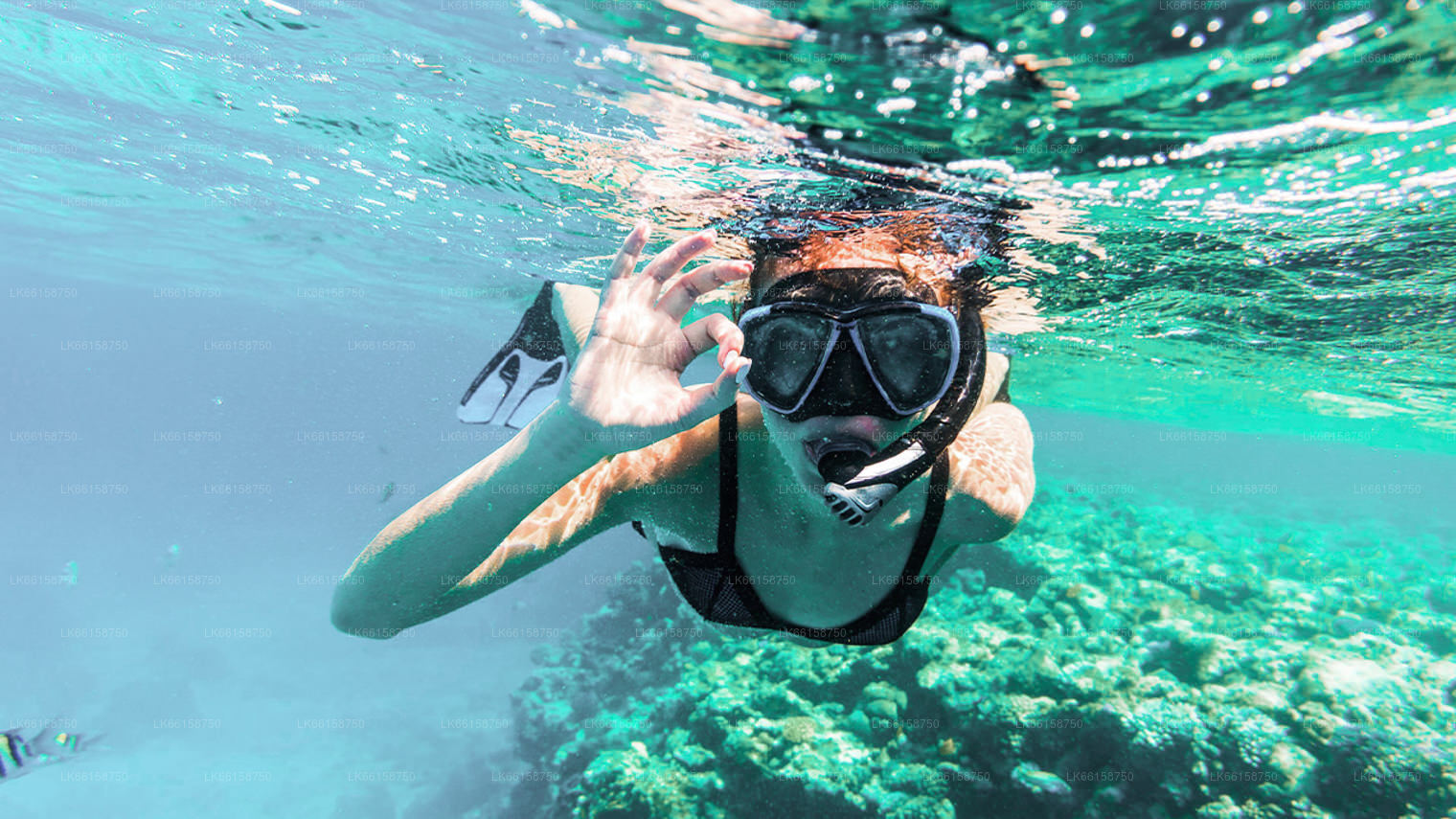
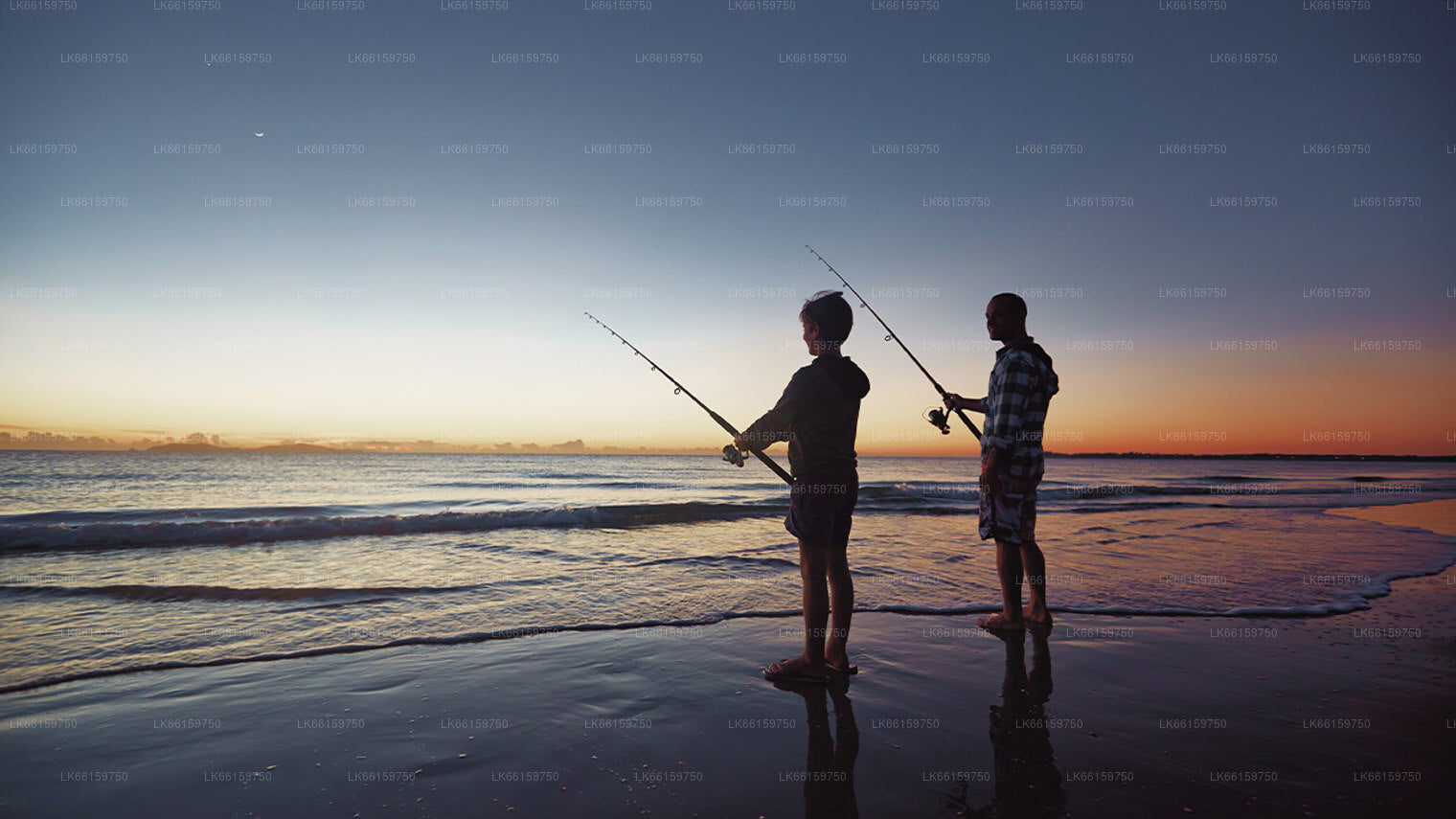
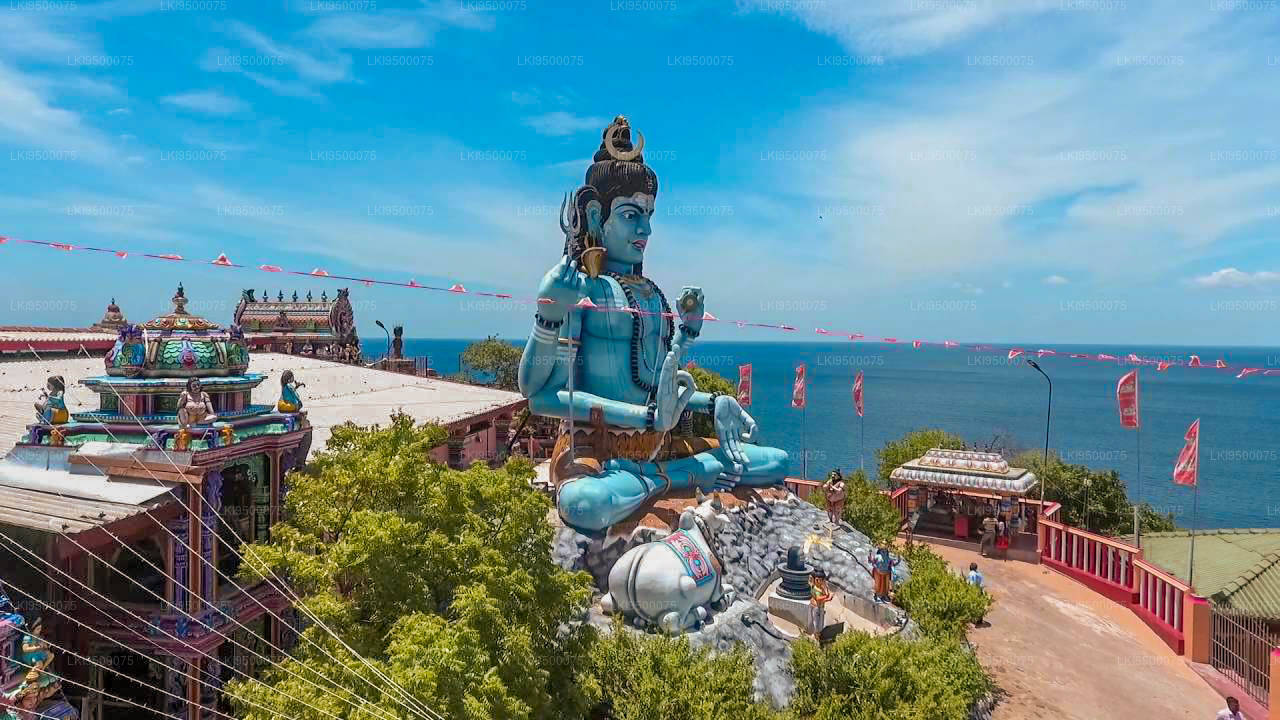
Trincomalee, located on the northeast coast of Sri Lanka, boasts a natural deep-water harbor and pristine beaches. Rich in history, it features landmarks like the ancient Koneswaram Temple. The city's diverse marine life and vibrant culture make it a captivating destination for tourists and historians alike.
Trincomalee, den gamla Gokanna, stad och hamn, Sri Lanka, på östra kusten av ön. Den ligger på en halvö i Trincomalee Bay—tidigare kallad Koddiyar (som betyder "Fästning vid floden") Bay—en av världens finaste naturliga hamnar.
Trincomalee var i äldre tider en viktig bosättning för indo-ariska immigranter. Templet med tusen pelare (även kallat Koneswaram-templet), som ligger vid halvöns spets, användes som hinduistiskt tempel någon gång på 600-talet eller tidigare. De första européerna som bosatte sig i staden var portugiserna på 1600-talet; de rev templet och använde dess sten för att bygga ett fort. Hamnens kontroll bytte flera gånger mellan holländarna, fransmännen och britterna tills britterna tog permanent kontroll över den 1795. Trincomalees betydelse som en viktig britisk bas ökade efter att japanerna trängt ut britterna från Singapore under andra världskriget; japanerna bombade staden 1942. Britterna fortsatte att kontrollera hamnen efter Sri Lankas självständighet men gav upp den 1957.
Trincomalees hamn är inte längre viktig kommersiellt, även om det på 1960-talet orsakade trafikproblem och arbetsproblem i Colombo, Sri Lankas kommersiella huvudstad och huvudhamn, att en del av handeln omdirigerades genom den. Turism har blivit en viktig del av den lokala ekonomin. Staden är en järnvägsslutstation och har bra vägförbindelser med resten av Sri Lanka. I december 2004 orsakade en stor tsunami, utlösts av ett undervattensjordskalv nära Indonesien, hundratals dödsfall i Trincomalee och orsakade omfattande förstörelse. Befolkning (preliminär 2007) 51 624.
Most of the Tamils and Sinhalese believe that this place is sacred to them and they are the indigenous people of the area. Trincomalee and its environs have both Hindu and Buddhist sites of historical importance. These sites are sacred to the Hindus and Buddhists.
Eastern Province
The Eastern Province is one of the 9 provinces of Sri Lanka. The provinces have existed since the 19th century but they didn't have any legal status until 1987 when the 13th Amendment to the 1978 Constitution of Sri Lanka established provincial councils. Between 1988 and 2006 the province was temporarily merged with the Northern Province to form the North-East Province. The capital of the province is Trincomalee. The Eastern province's population was 1,460,939 in 2007. The province is the most diverse in Sri Lanka, both ethnically and religiously.
Eastern province has an area of 9,996 square kilometers (3,859.5 sq mi).The province is surrounded by the Northern Province to the north, the Bay of Bengal to the east, the Southern Province to the south, and the Uva, Central and North Central provinces to the west. The province's coast is dominated by lagoons, the largest being Batticaloa lagoon, Kokkilai lagoon, Upaar Lagoon and Ullackalie Lagoon.