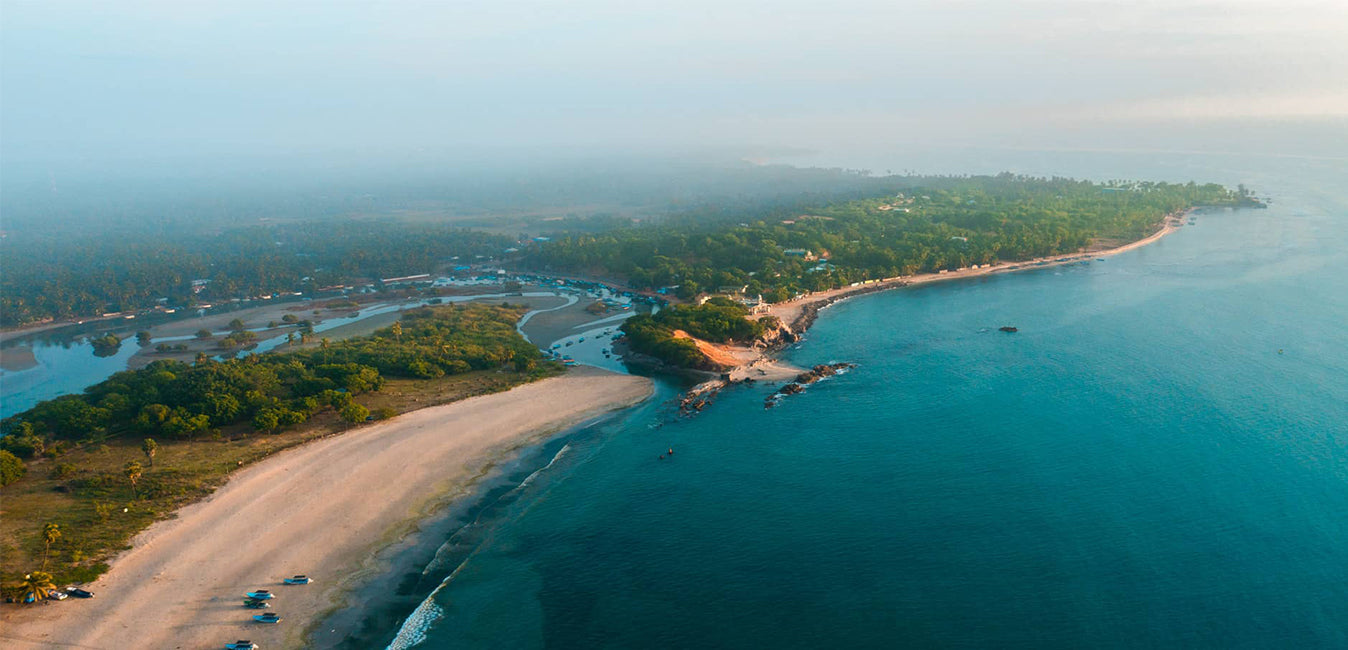
Fort Fredrick stands on Swami Rock — a dramatic promontory that drops almost vertically into the sea at Trincomalee — and carries more than four centuries of contested colonial history within its stone walls. Known variously as Trincomalee Fort or, in older Portuguese records, the Fort of Triquillimale, it ranks among the most layered historical sites on Sri Lanka's east coast and rewards visitors who arrive with a little context.
What is the history behind Fort Fredrick?
The site's story begins long before European colonialism. The headland of Konamalai (Swami Rock) was already sacred: the ancient Koneswaram temple — sometimes called the Temple of a Thousand Pillars — stood here and drew Hindu pilgrims from across South Asia. In 1624 the Portuguese governor Constantino de Sá de Noronha, who controlled the Jaffna kingdom and parts of the Malabar coast, ordered the temple's demolition. Its cut stones and pillars were repurposed as building material for a new fortification, completed that same year and dedicated as the Fort of Triquillimale. A church named Nossa Senhora de Guadalupe was consecrated inside its walls, and a small settlement of around 50 Portuguese soldiers and Tamil residents grew up on the cape.
The Dutch seized Trincomalee in 1665, dismantled much of the Portuguese structure, and rebuilt the fort to their own engineering standards, renaming it Fort Fredrick. Dutch colonial masonry — characteristically precise and functional — replaced the rougher Portuguese construction, and the fort's footprint was rationalised to better command the natural harbour below. The British later occupied the fortification as part of their broader control of Ceylon, and it remained a military installation well into the 20th century.
Today the Sri Lanka Army maintains a garrison inside part of the complex, but the fort's main gate, ramparts, and several key monuments are accessible to civilian visitors.
What can visitors see inside Fort Fredrick?
Entering through the arched gateway — engraved with the VOC monogram of the Dutch East India Company — sets the tone immediately. The gate itself is one of the best-preserved pieces of Dutch colonial civic architecture on the island, comparable in craftsmanship to the Dutch Fort in Negombo.
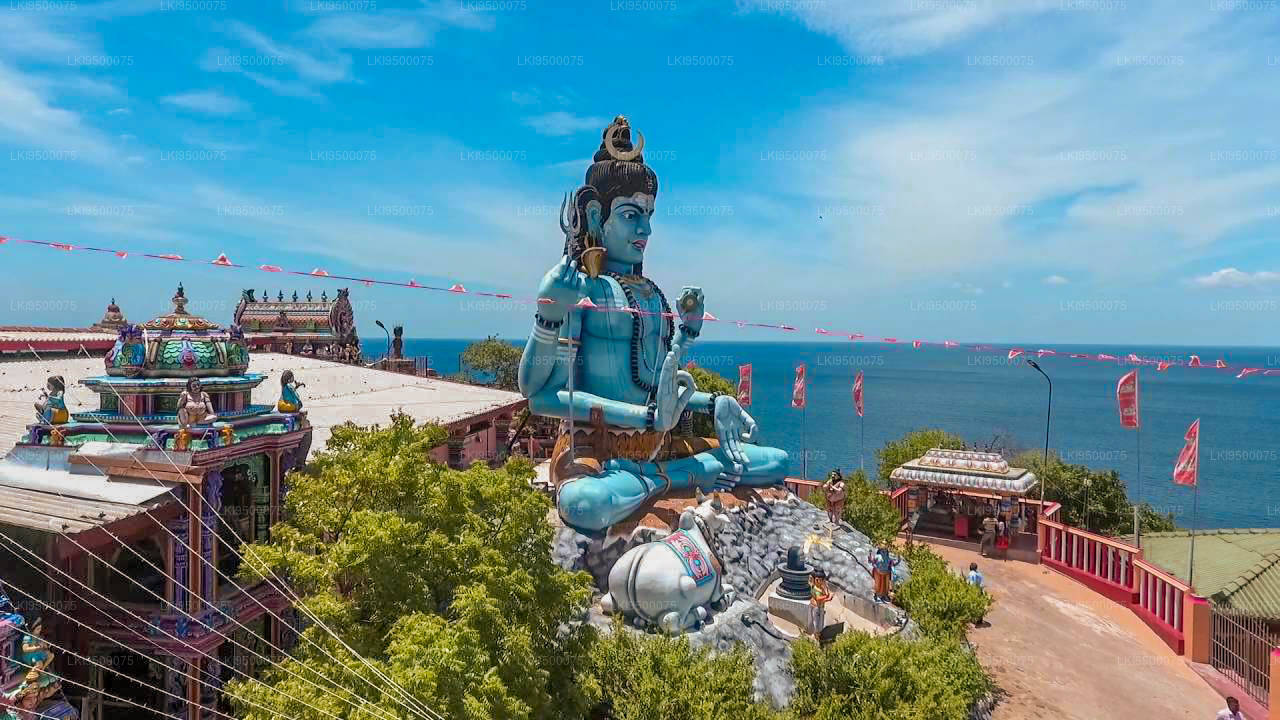
- Koneswaram Temple: Rebuilt on the clifftop within the fort compound, this functioning Hindu temple is the spiritual successor to the ancient shrine destroyed by the Portuguese. Devotees and visitors alike come to pray and to take in the panoramic view of Trincomalee Bay.
- Lover's Leap (Swami Rock cliff): The sheer cliff at the far end of the promontory is associated with a colonial-era legend about a Dutch official's daughter. The view across the bay and the open Indian Ocean is exceptional at any time of day.
- Frederick's Rock Battery: The remains of gun emplacements used during successive colonial occupations can be seen along the ramparts, offering a tangible sense of the fort's military function.
- Dutch East India Company gate inscription: Carved stonework bearing the VOC cipher and the date of reconstruction is visible on the main entrance — a detail often missed by visitors moving quickly through.
How do I get to Fort Fredrick from Colombo?
Trincomalee is around 260 km northeast of Colombo by road, typically a four-to-five-hour drive depending on the route and traffic. The A6 highway via Dambulla and Habarana is the most commonly used corridor; this passes through the Cultural Triangle, making it practical to combine the journey with stops at ancient cities such as Polonnaruwa. An overnight train service from Colombo Fort railway station to Trincomalee runs several times a week; journey times are longer but the route through the hill country is scenic. Fort Fredrick itself sits at the eastern end of Trincomalee town and is easily reached by tuk-tuk or taxi from the town centre.
When is the best time to visit Fort Fredrick?
Trincomalee sits on the east coast and follows a weather pattern that is broadly the inverse of the southwest. The dry season runs from roughly May to September, when the sea is calm, skies are clear, and temperatures are warm but manageable. This period coincides with the peak season for nearby Pigeon Island and whale-watching off the coast. The northeast monsoon arrives around November and can bring heavy rain between December and February, though the fort itself remains visitable year-round. If you are combining Trincomalee with the Cultural Triangle, the shoulder months of April and October offer a reasonable compromise across both regions.
What is the significance of the Koneswaram Temple site?
The original Koneswaram temple is believed to have been one of the Pancha Ishwarams — five sacred Shiva temples considered paramount in Sri Lankan Hindu tradition. Ancient Tamil literature and Pali chronicles both make reference to a great temple on this headland, suggesting the site's importance predates the Common Era. When the Portuguese destroyed the structure in the early 17th century, much of its sculpted stonework was either repurposed in the fort's construction or thrown into the sea below. In the mid-20th century, underwater excavations off Swami Rock recovered carved stones, bronzes, and architectural fragments now displayed in the Trincomalee museum and reinstalled at the rebuilt temple. The site therefore represents not only a colonial history of erasure and reconstruction but also an ongoing process of cultural recovery.
Are there any practical tips for visiting Fort Fredrick?
Because an active military garrison occupies part of the compound, visitors should expect a security check at the main gate and should carry a valid passport or national identity card. Photography restrictions may apply in the military zone; follow posted signs and the guidance of personnel at the gate. The Koneswaram Temple at the cliff's edge has its own entry protocols: remove footwear before entering the temple precinct, and dress modestly (shoulders and knees covered). The site is exposed to sun and wind, so carry water. Early morning visits — before 9 am — are cooler and less crowded, and the light on the bay is particularly good at that hour.
| Detail | Information |
|---|---|
| Location | Swami Rock, Trincomalee, Eastern Province |
| Originally built | 1624 CE (Portuguese) |
| Rebuilt and renamed | 1665 CE (Dutch) |
| Current status | Active military garrison; civilian areas open to visitors |
| Nearest town | Trincomalee town centre (approx. 1–2 km) |
| Distance from Colombo | Approx. 260 km by road |
What else can I do near Fort Fredrick?
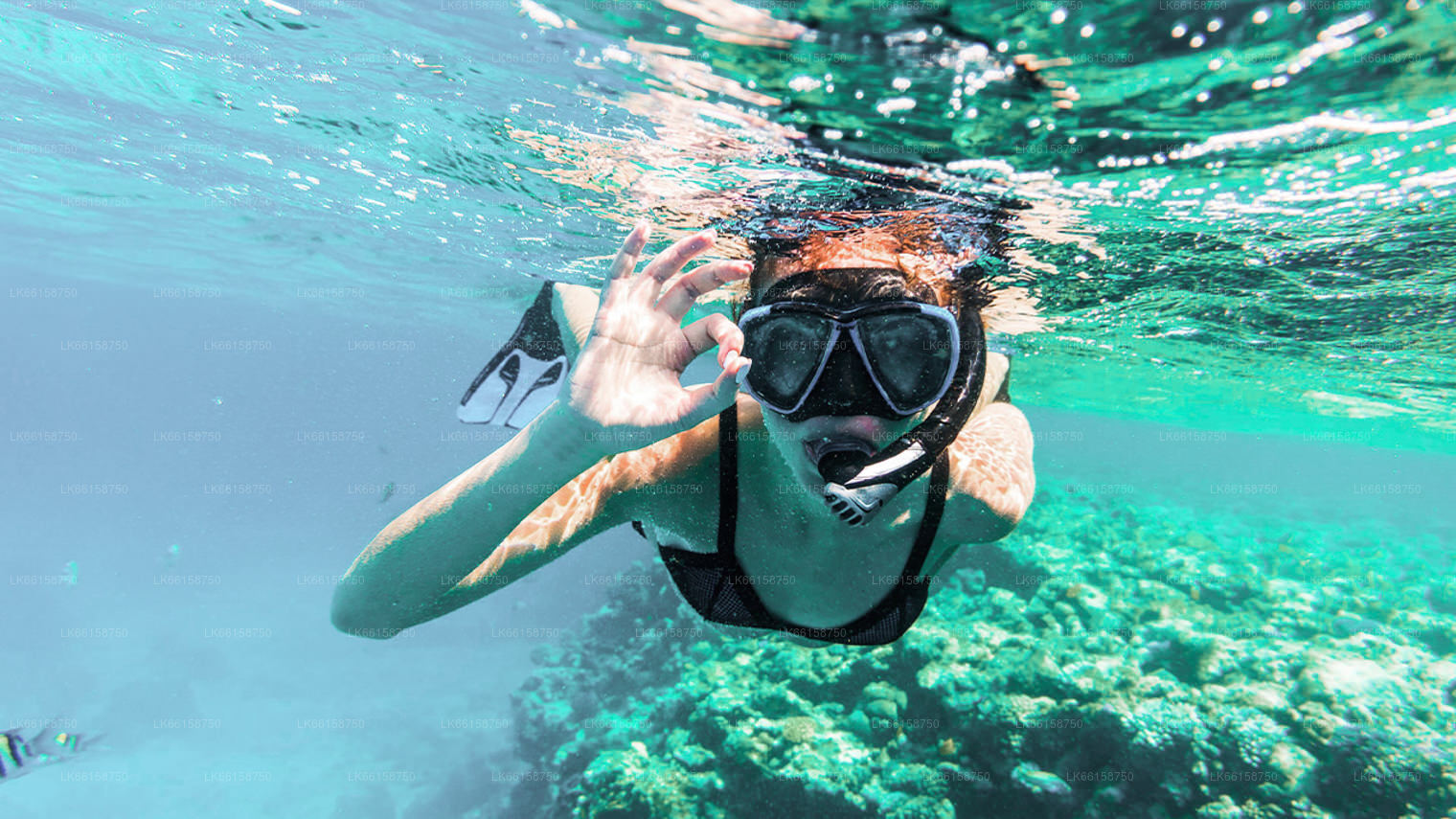
Trincomalee town and its surroundings offer a range of complementary experiences. Nilaveli and Uppuveli beaches, a short drive north, are among the cleaner stretches of coastline on the east coast. Pigeon Island National Park, reachable by boat from Nilaveli, protects one of Sri Lanka's few remaining hard coral reefs and is well suited to snorkelling. The Dutch Bay and the harbour area provide a working-port atmosphere that contrasts with the fort's historical gravity. For travellers with more time, the dry-zone wilderness of the north-central province — including the ancient tanks and ruins of the Cultural Triangle — is within a half-day's drive.