Negombo Fish Market


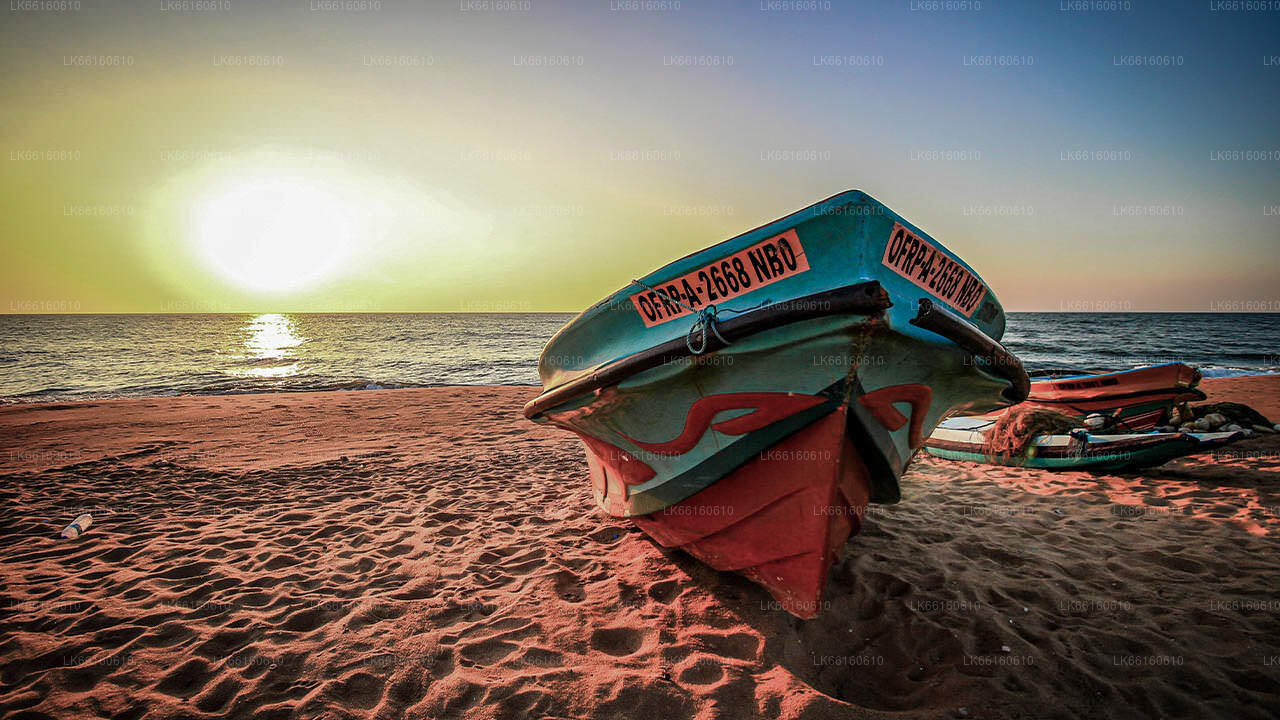
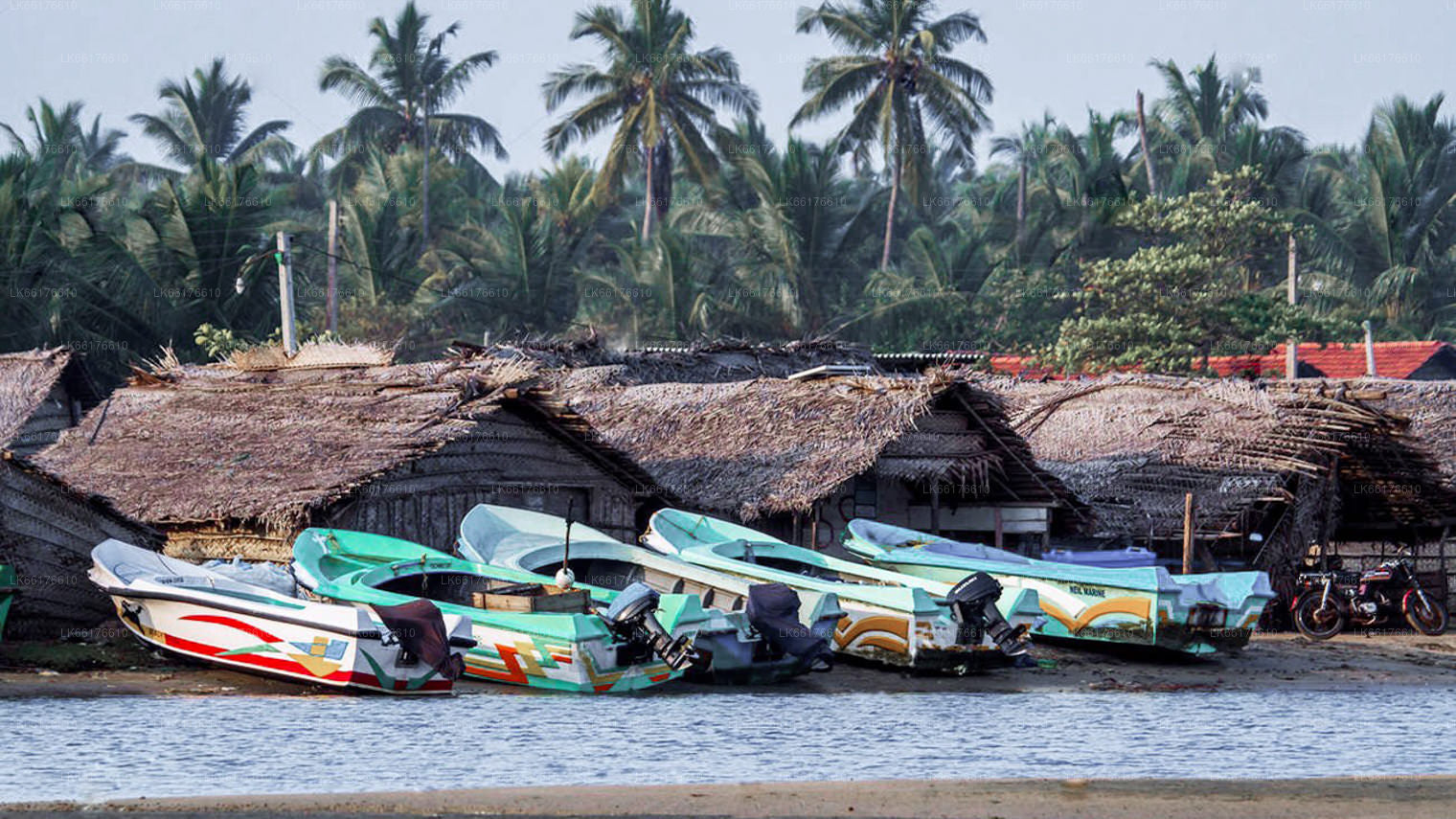
The Negombo Fish Market, locally known as “Lellama,” is one of the most vibrant and iconic coastal markets in Sri Lanka. Located near the Negombo Lagoon in the Western Province, this market is the beating heart of the city’s fishing industry. Every morning, fishermen bring in their fresh catches from the Indian Ocean, filling the market with colorful scenes and lively energy. The Negombo Fish Market reflects the authentic culture of the fishing community and showcases the deep connection between Sri Lankans and the sea that sustains them.
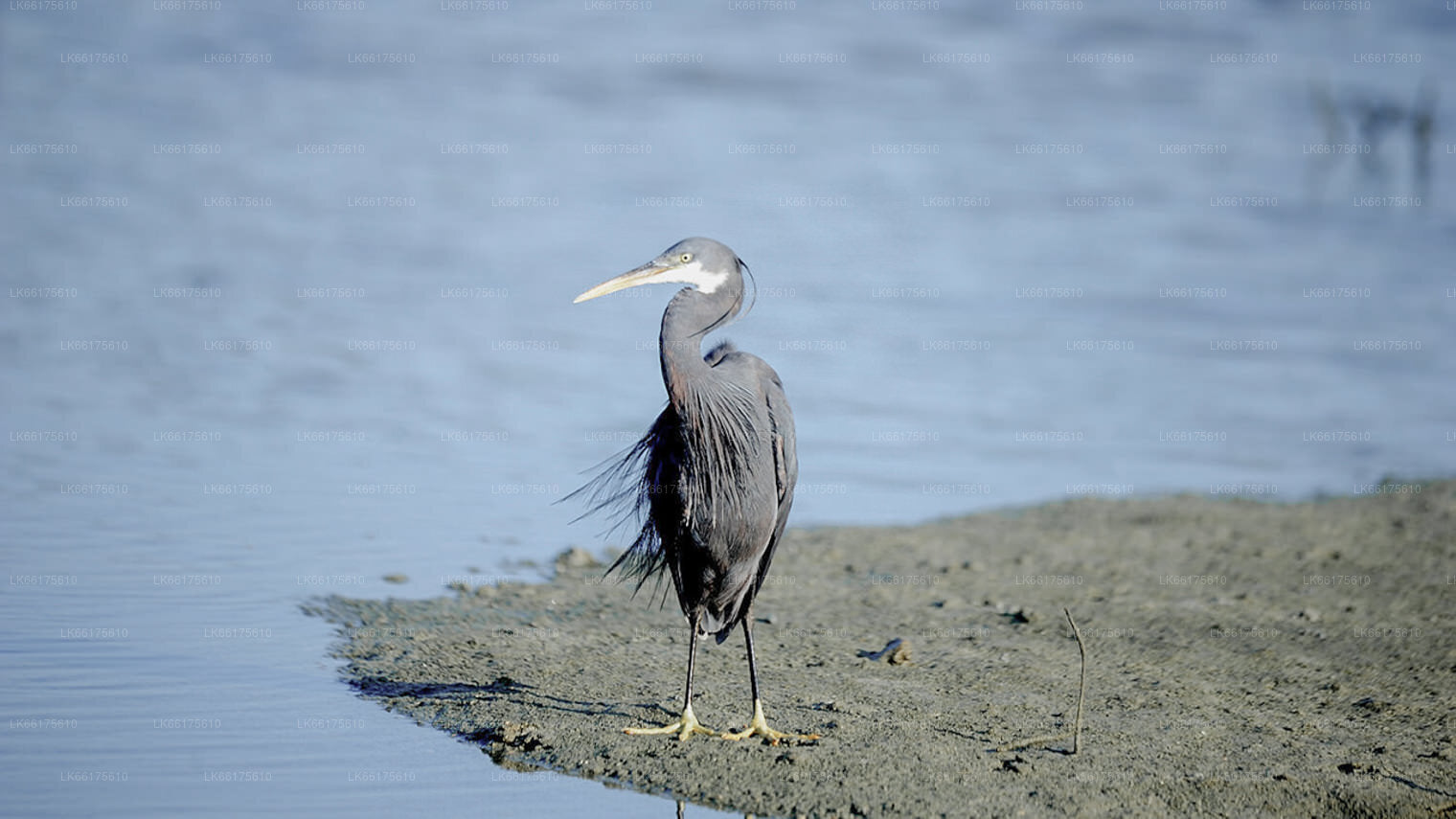
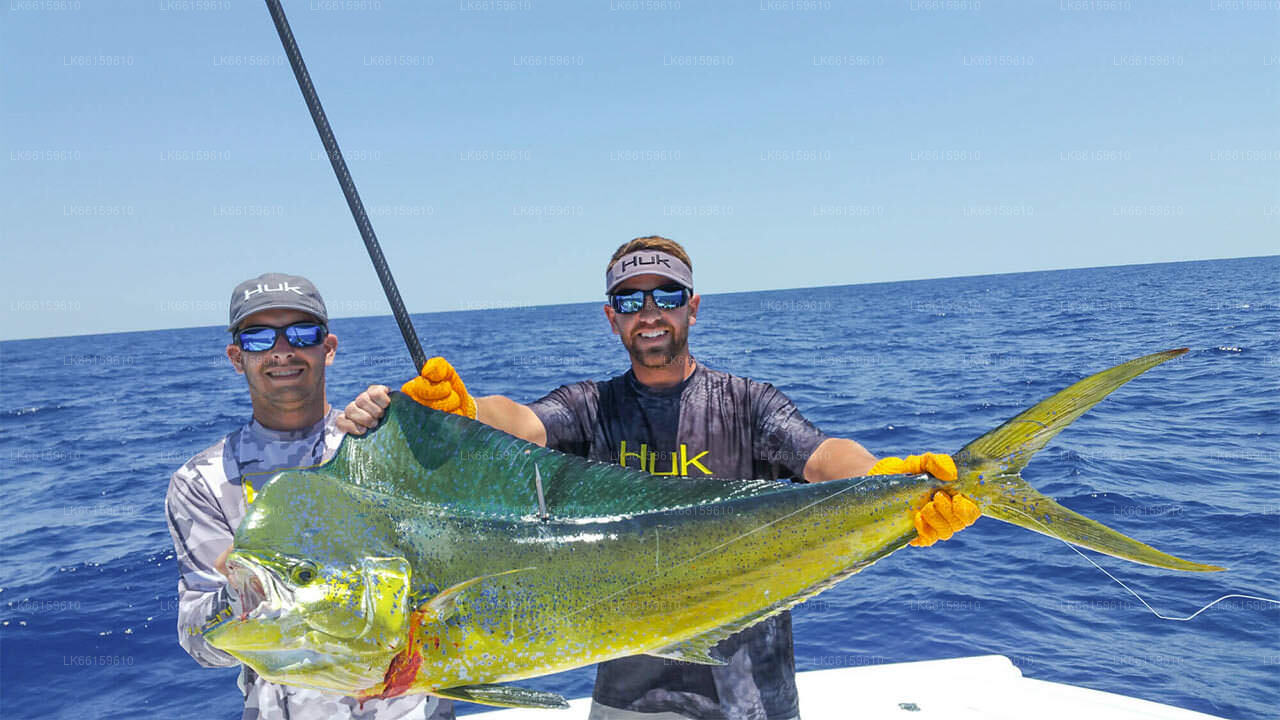
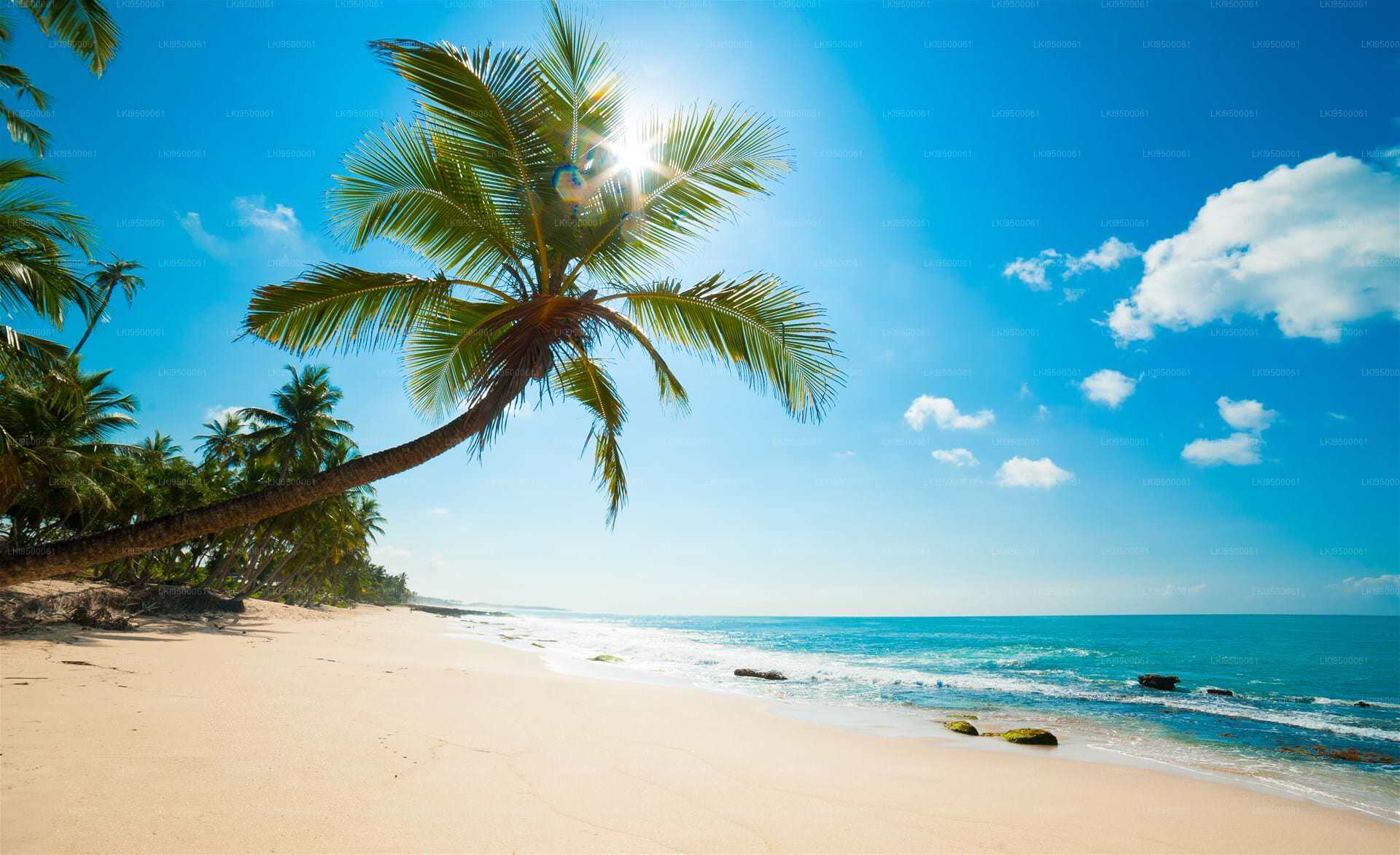
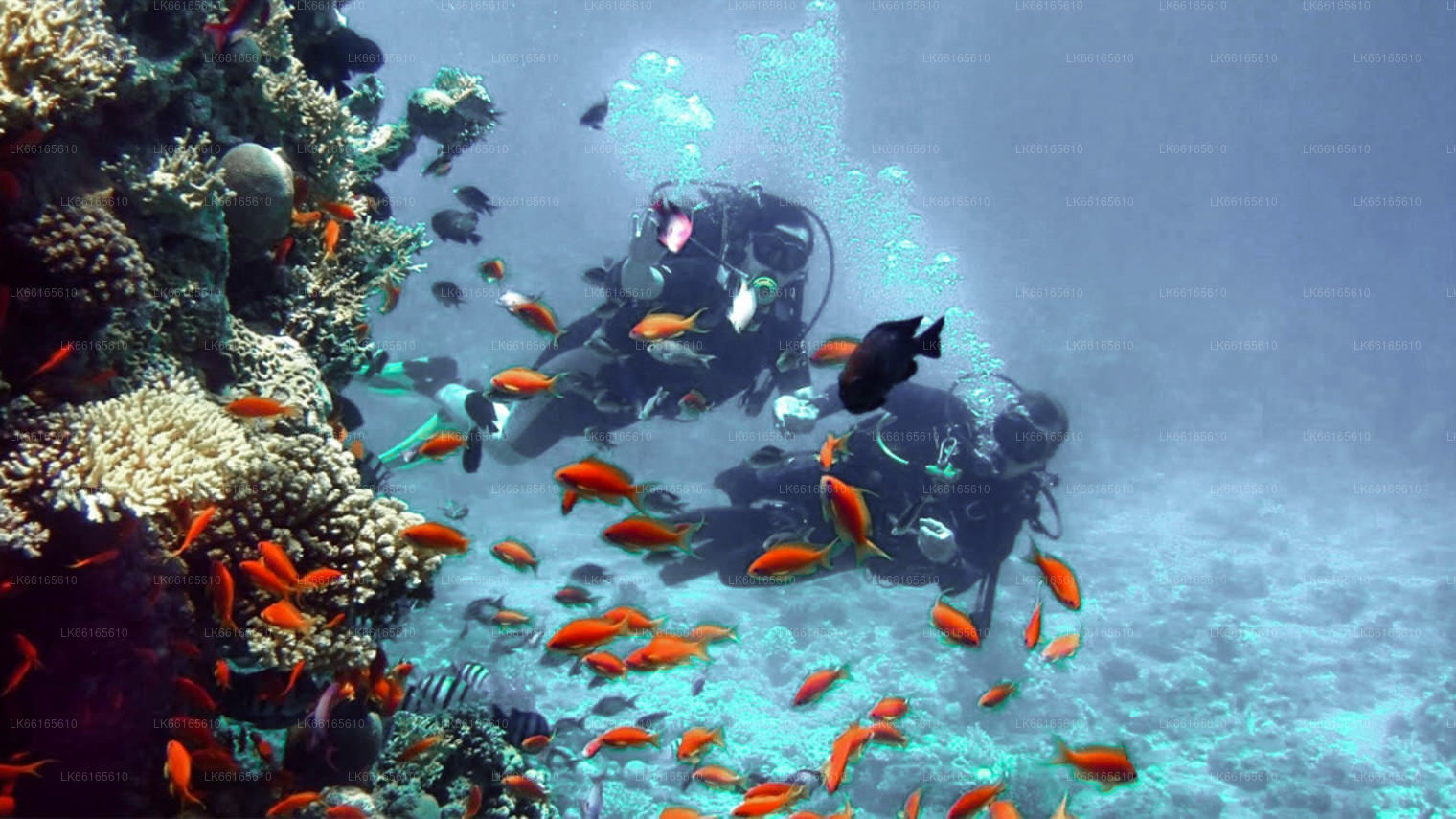
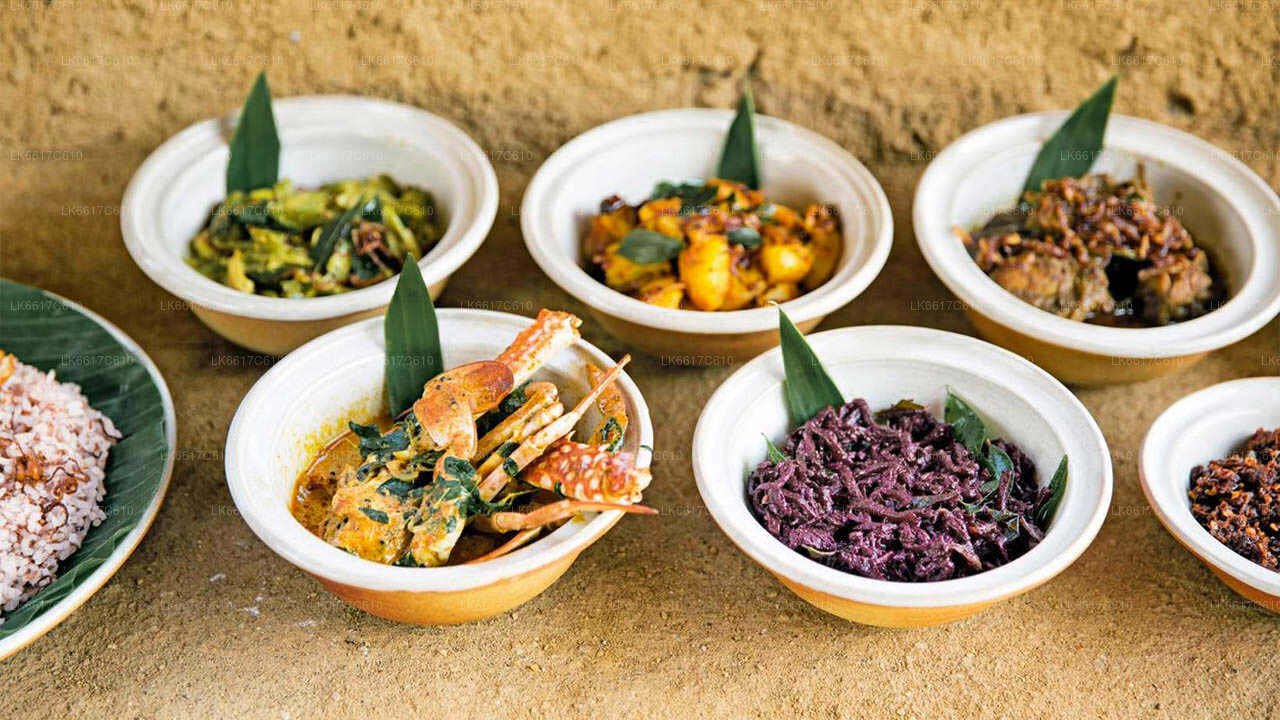
The market’s biodiversity is remarkable, offering a wide range of seafood including tuna, crabs, prawns, lobsters, squid, and a variety of reef fish. The lively environment captures the essence of coastal Sri Lanka, where nature and livelihood coexist in harmony. Surrounded by coconut palms and lagoon waters, the market embodies both the natural richness and cultural diversity of the Western coast. It is a paradise for photographers and travelers interested in marine life and local traditions.
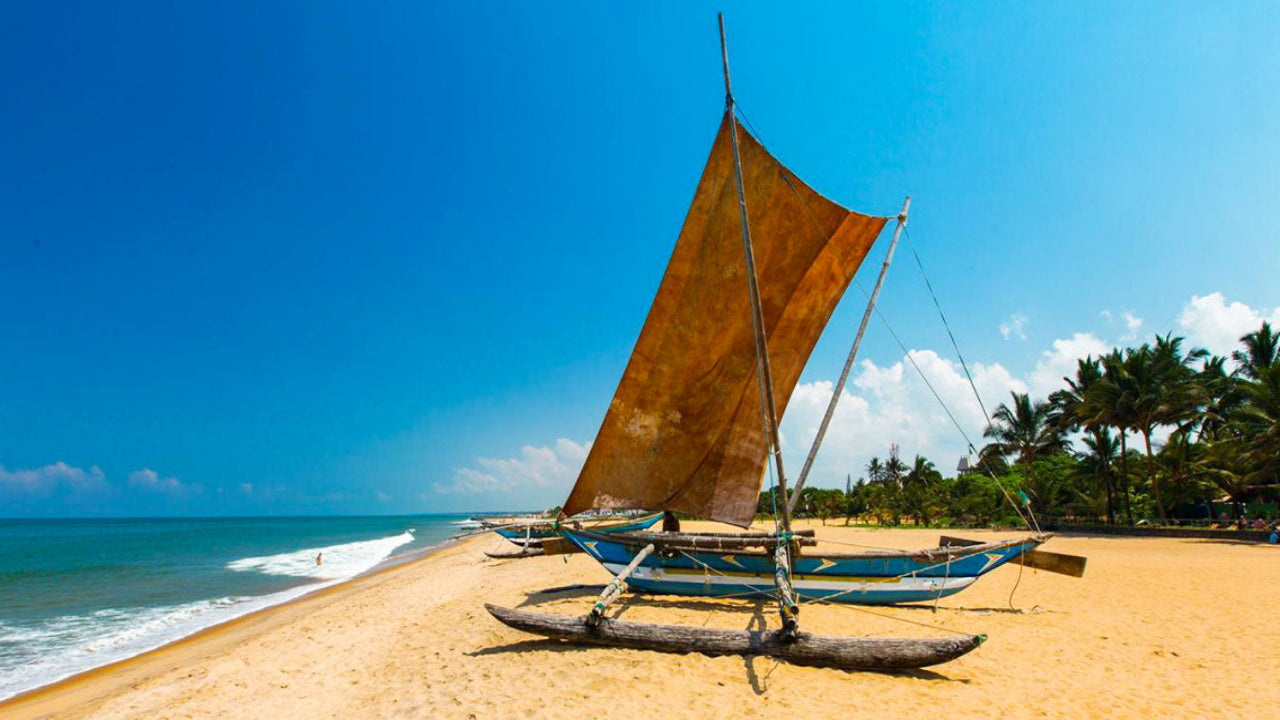
Visitors to the Negombo Fish Market can experience the daily rhythm of fishermen unloading their boats, auctioneers shouting bids, and locals bargaining for the freshest seafood. Guided tours offer deeper insight into traditional fishing techniques and market operations. Travelers can also visit nearby attractions such as Negombo Beach, the Dutch Fort, and the Hamilton Canal. The experience offers a vivid glimpse into Sri Lanka's coastal lifestyle, combining culture, history, and culinary discovery.
The best time to visit the Negombo Fish Market is early in the morning, between 6:00 and 9:00 a.m., when trading is at its peak. The market is easily accessible from Colombo, located within the Colombo District, making it a perfect half-day excursion for tourists. Negombo's tropical climate makes it suitable for visits year-round, though December to April offers the best weather. With its bustling activity, cultural energy, and authentic charm, the Negombo Fish Market remains one of the must-see attractions on Sri Lanka's Western coast.