Lakpura
Lakpura®

Butterflies

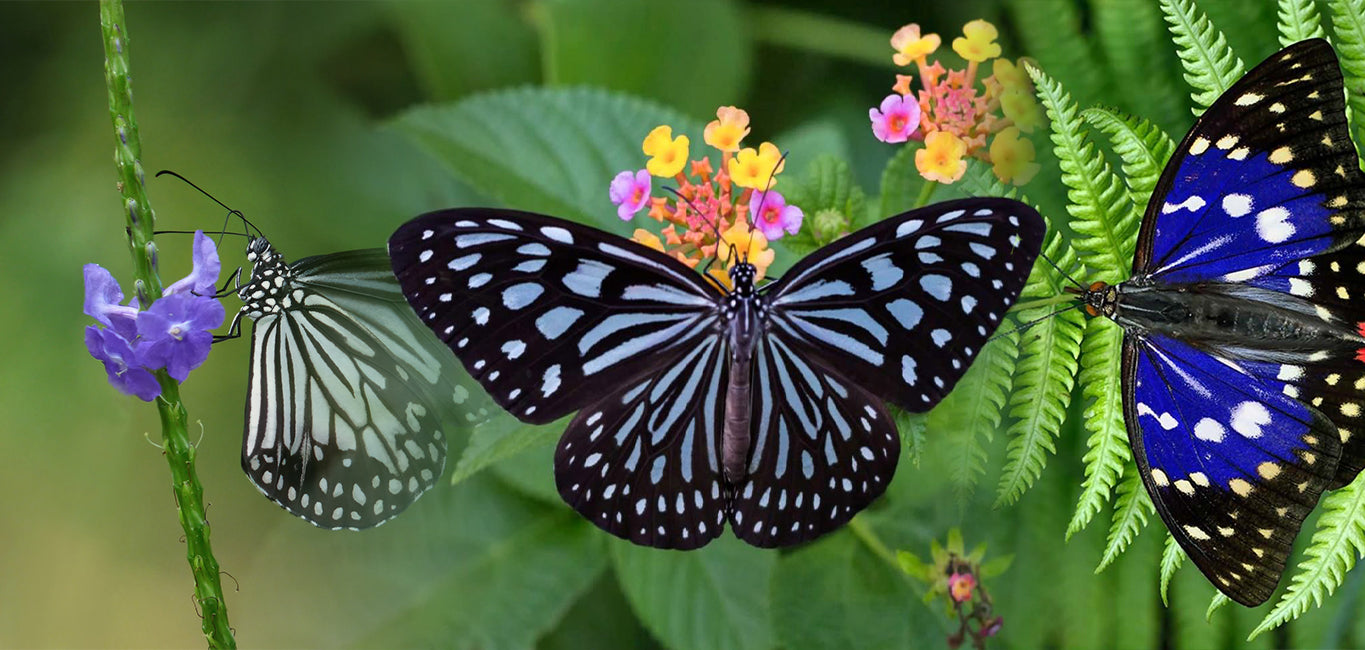
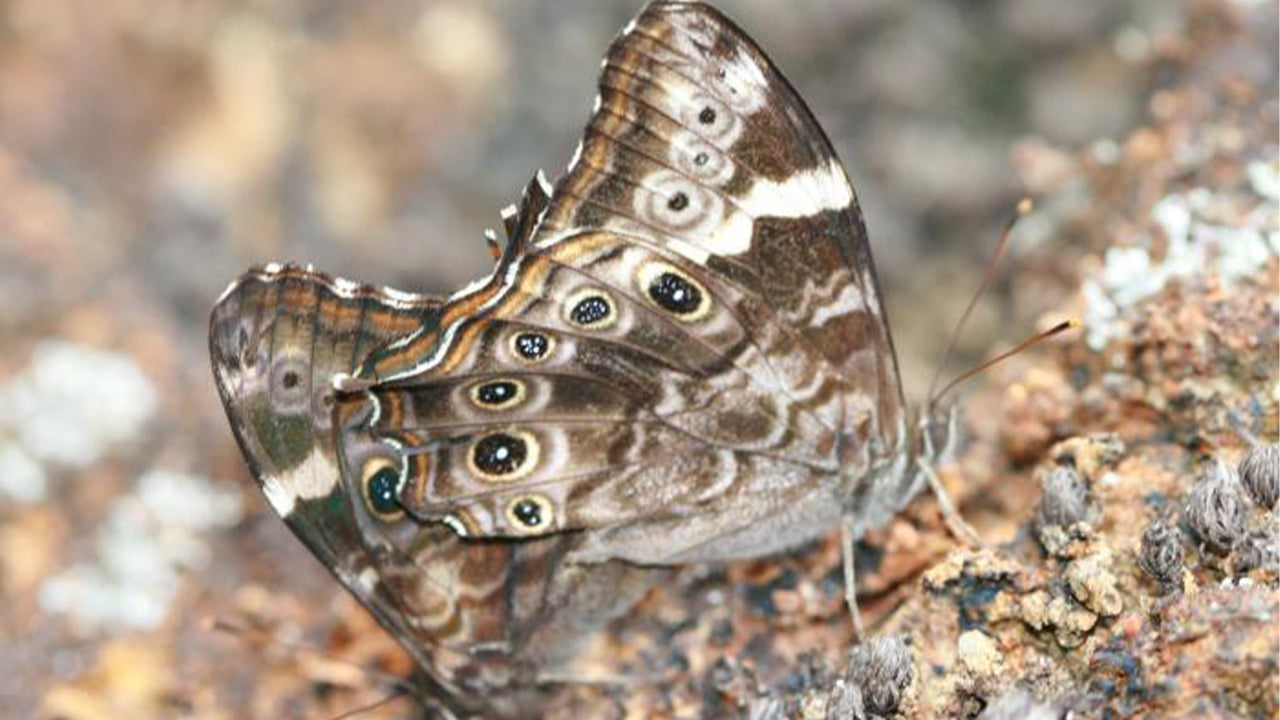
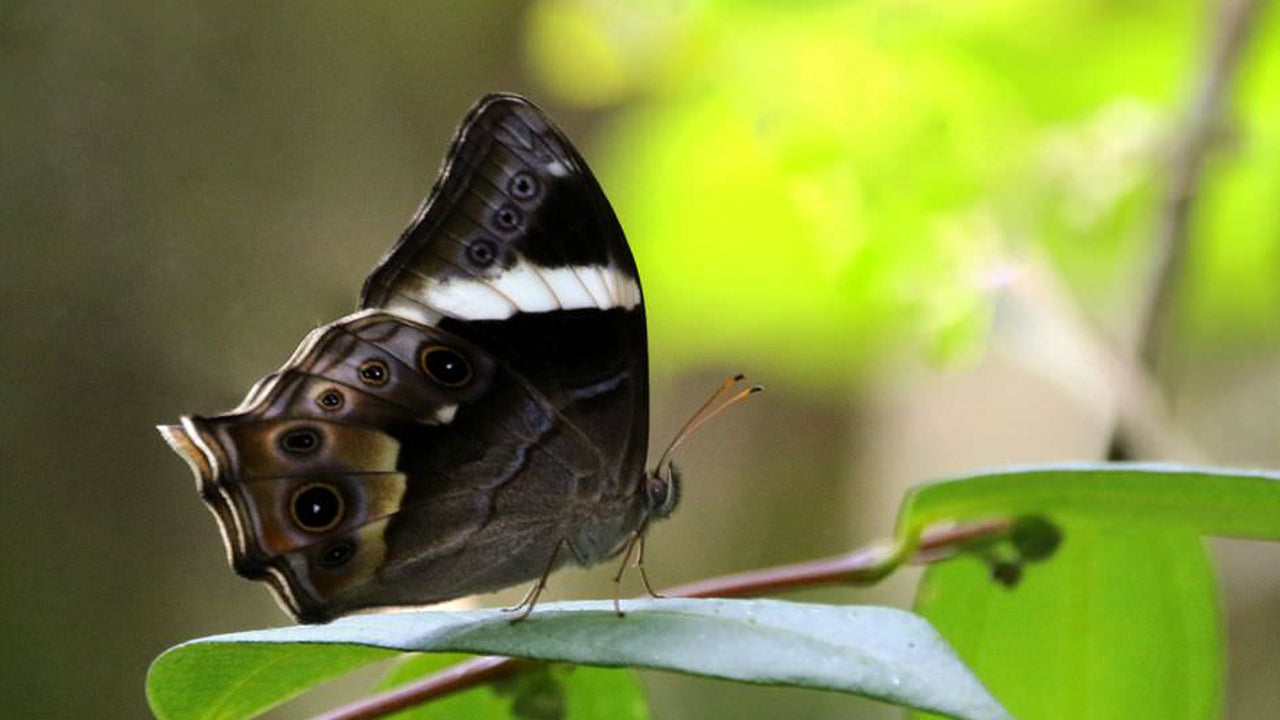
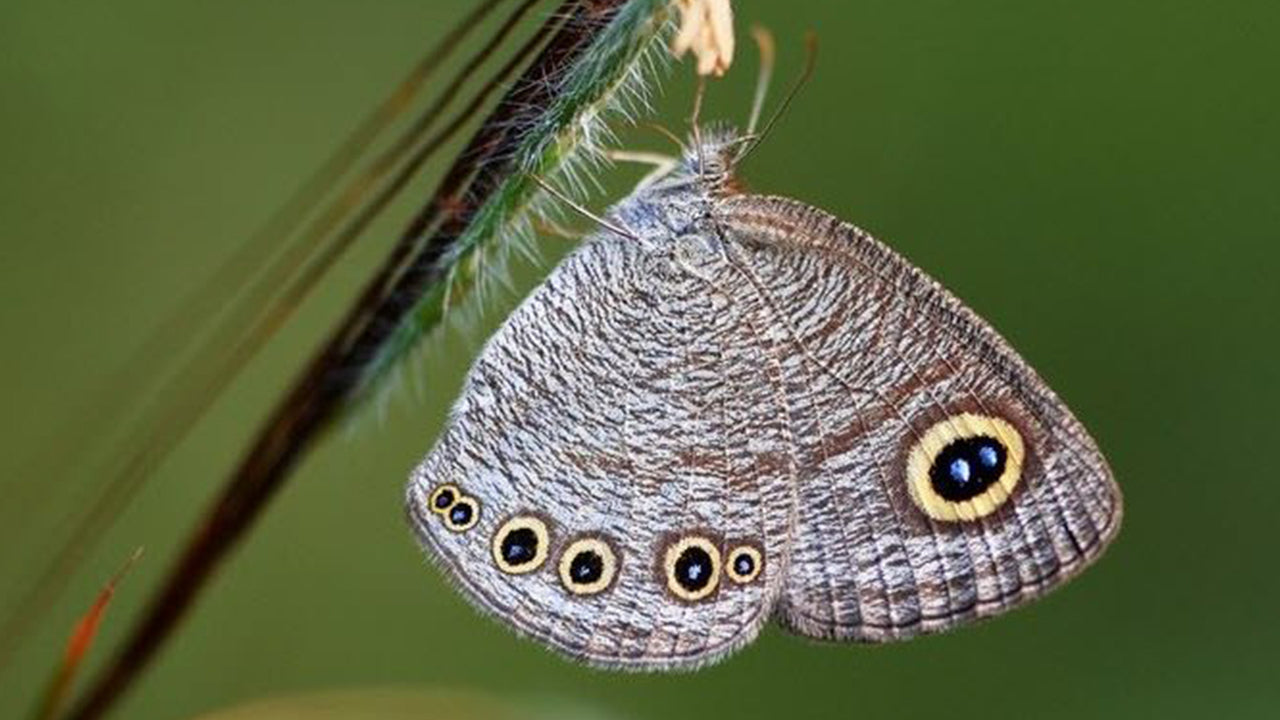
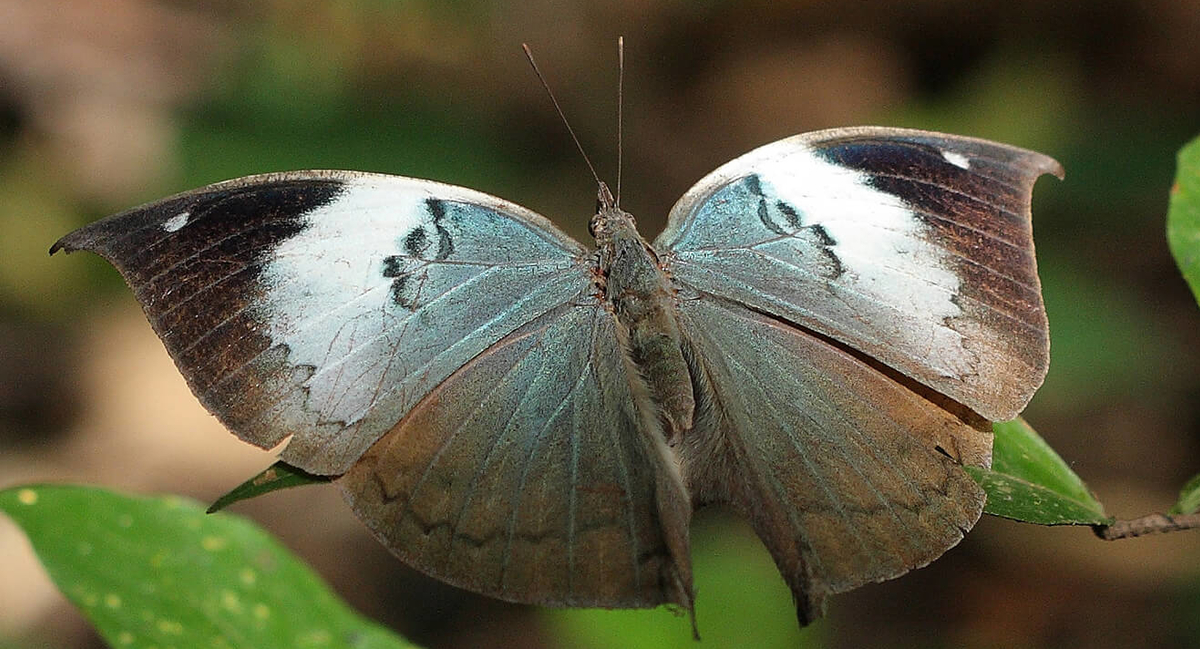
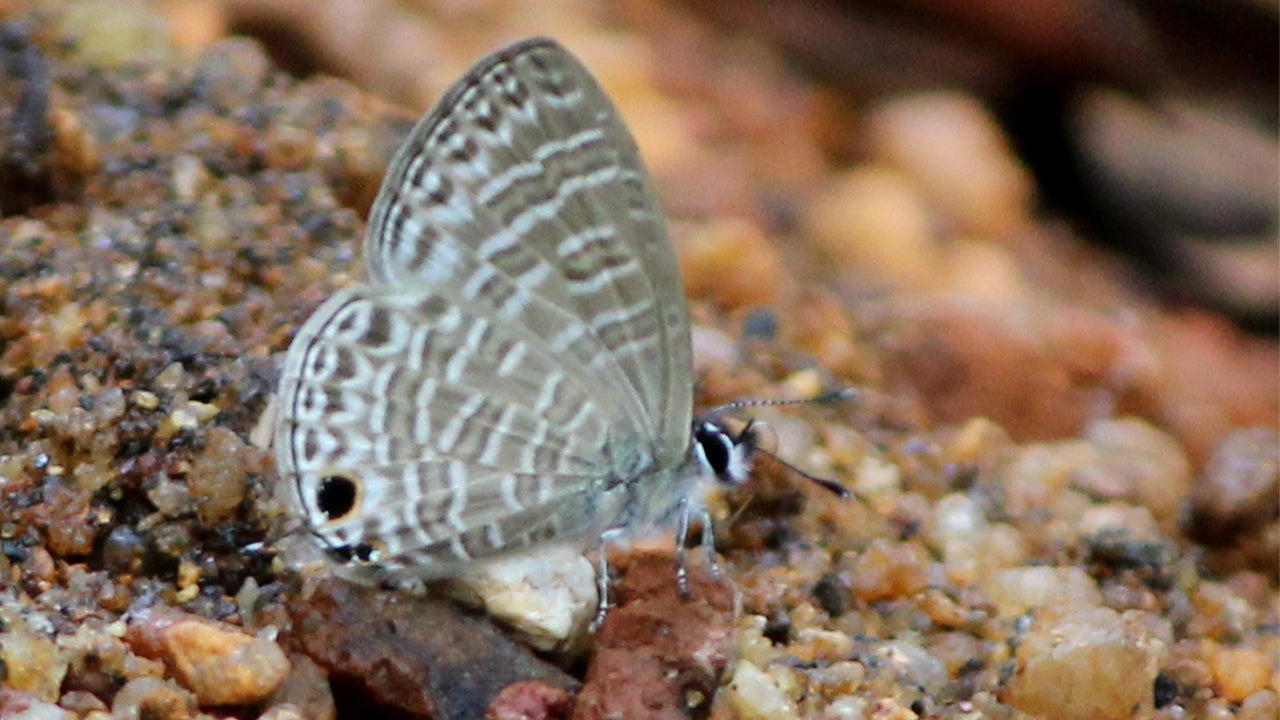
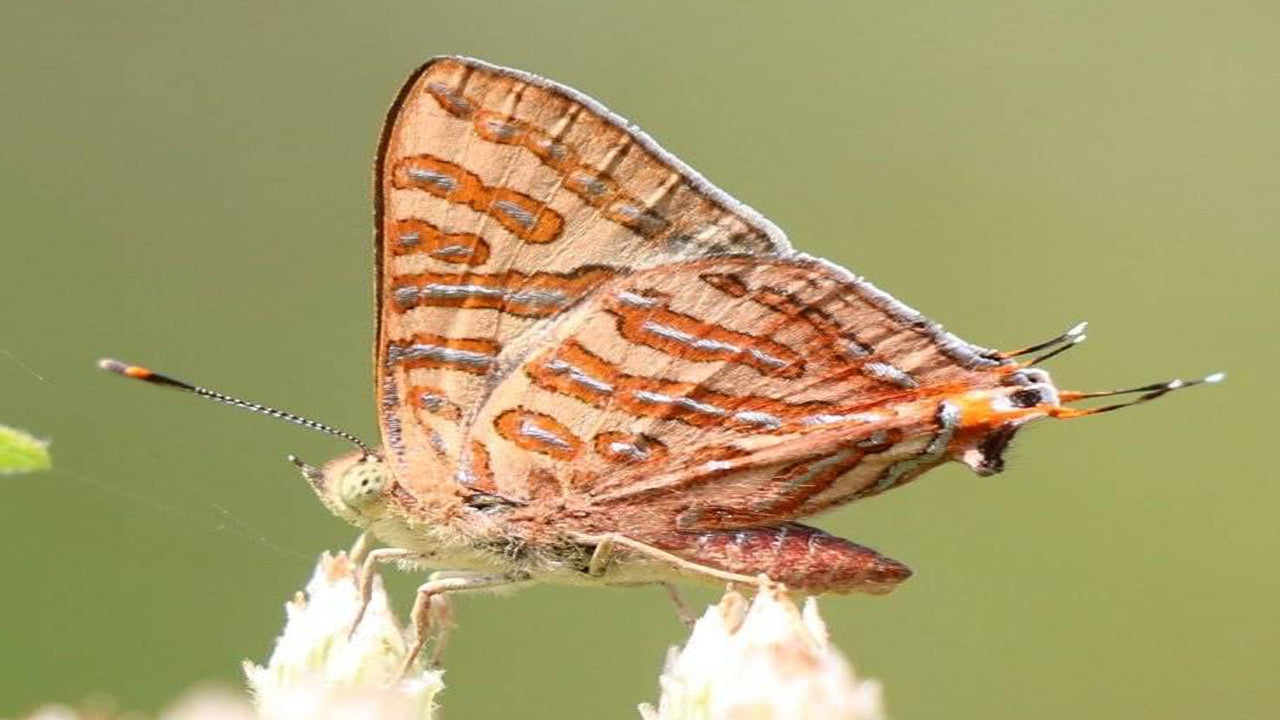
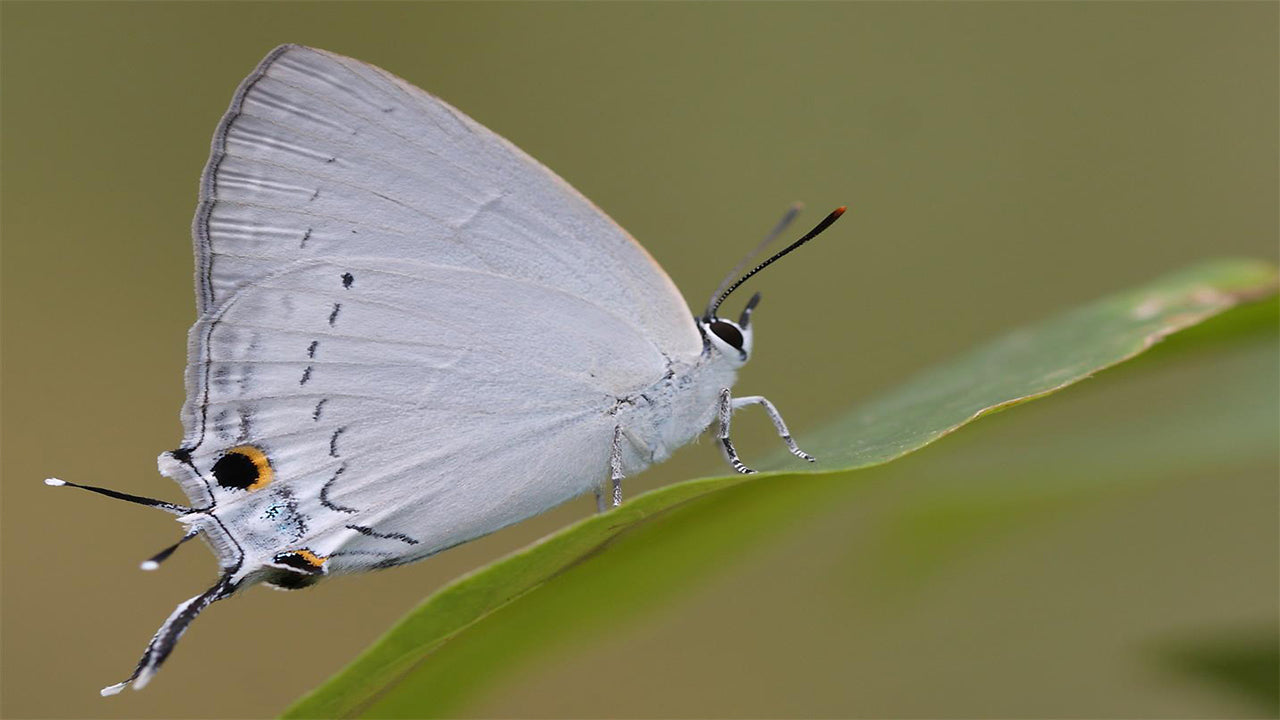
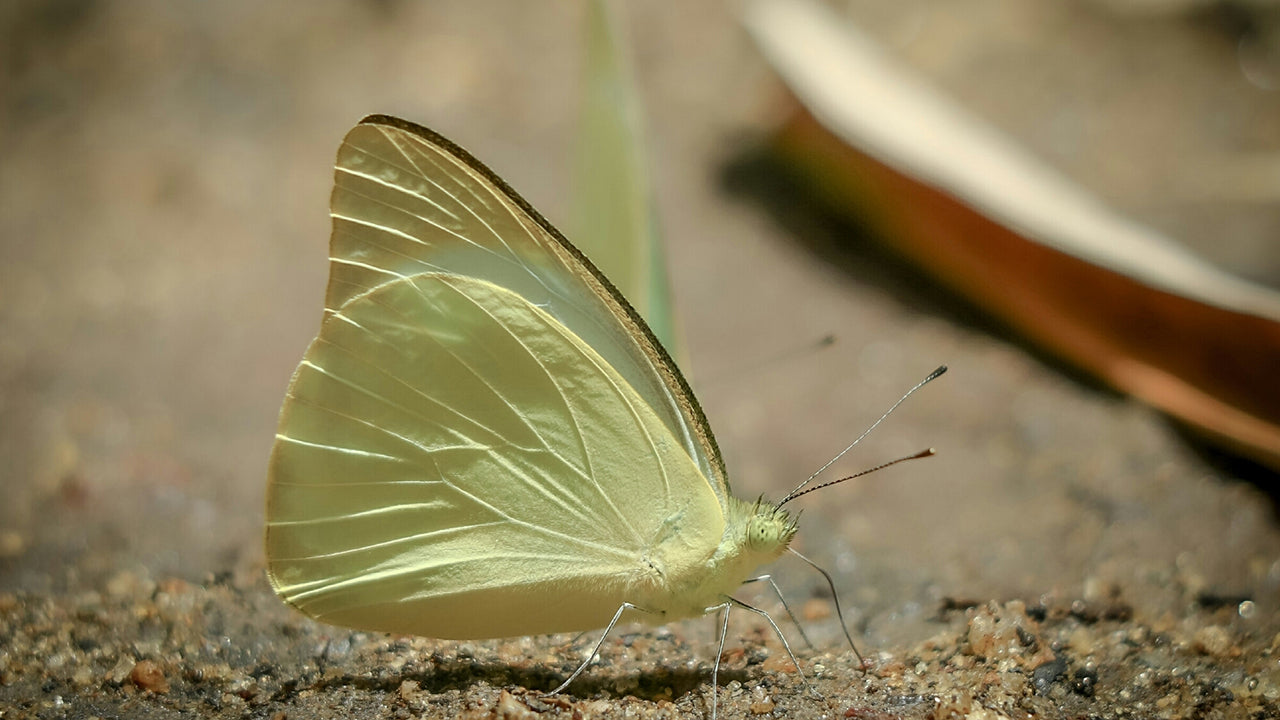
Sri Lanka's tropical climate, layered forests, and mosaic of wetlands and dry-zone scrub create ideal conditions for one of South Asia's richest butterfly faunas. The island is home to over 245 recorded species, of which 23 are found nowhere else on Earth. For naturalists, photographers, and curious travellers alike, watching butterflies here offers something genuinely rare: the chance to encounter critically endangered endemics in wild, relatively undisturbed habitats.

How many butterfly species live in Sri Lanka?

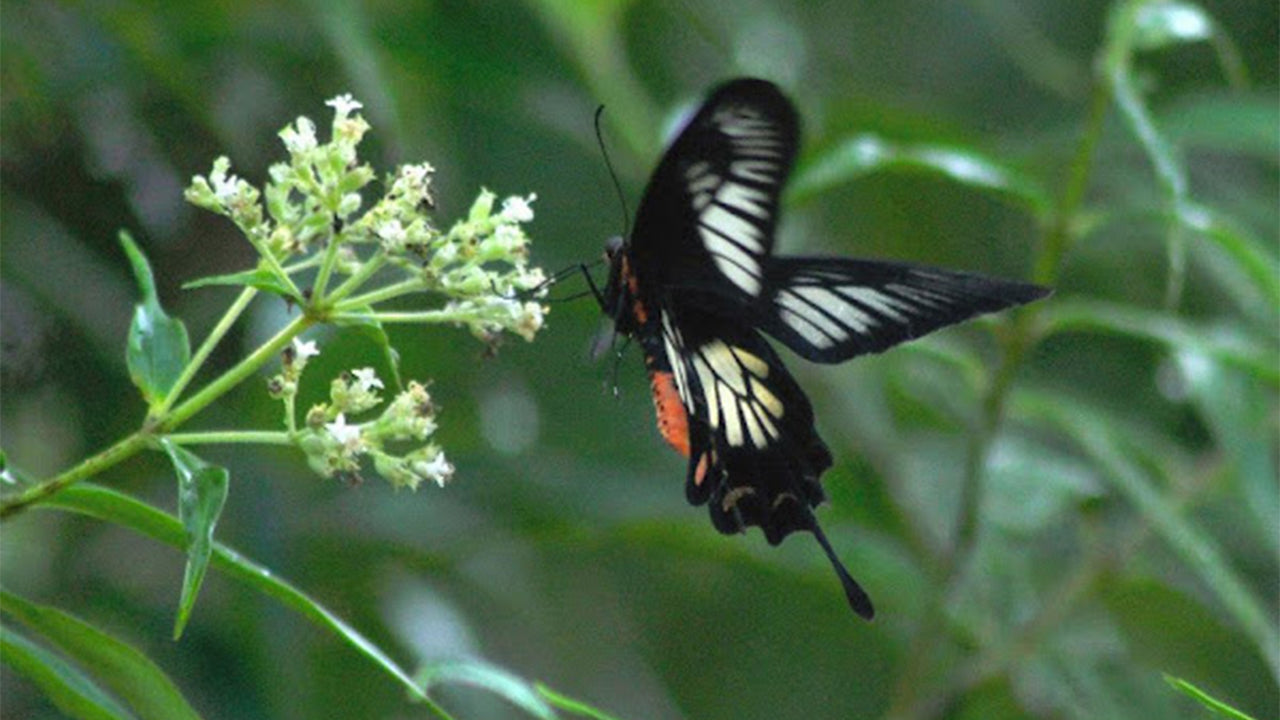
Current records list more than 245 species on the island. Twenty-three of these are endemic, meaning Sri Lanka is their only home globally. Of the full list, 76 species carry a nationally threatened status. The Ceylon Rose (Pachliopta jophon) — a large, striking swallowtail endemic to the island — holds the most serious classification: critically endangered on the IUCN Red List. Its continued survival depends almost entirely on the health of Sri Lanka's wet-zone forests.

Where are the best places to watch butterflies in Sri Lanka?

Most endemic and threatened species concentrate in the wet-zone foothills, generally between 300 m and 910 m (about 1,000–3,000 ft) above sea level. The Sinharaja Forest Reserve, a UNESCO World Heritage Site in the southern lowlands, is considered the single most important butterfly habitat in the country. Its dense canopy and shaded forest trails shelter species seldom encountered elsewhere.

Higher montane areas — roughly above 1,200 m — host a distinct suite of species adapted to cooler, mistier conditions. Horton Plains National Park is a reliable destination for high-altitude endemics, particularly along its open grassland edges where species bask in morning sun.

The dry zone is equally rewarding, though for different reasons. National parks such as Udawalawe National Park attract species that thrive in open scrub, seasonal tanks, and riverine forest margins. Because the vegetation is less dense than in the wet zone, spotting and photographing butterflies is often easier here.

The Makandawa Rainforest near Kithulgala is another accessible site worth considering, especially for travellers combining butterfly watching with other nature activities along the Kelani River corridor.

When is the best time to see butterflies in Sri Lanka?

Butterfly activity peaks during and immediately after the two inter-monsoon periods — typically March to April and again September to October. Warmer temperatures, flowering plants, and increased moisture create optimal conditions for adult flight and breeding. Numbers and diversity tend to be lower during the main monsoon months, when heavy rainfall suppresses activity, though sheltered forest interiors remain productive year-round.

Early mornings, when temperatures are rising and dew is still on the vegetation, are often the most productive hours. Many species bask on leaf surfaces or mudpuddle along damp paths, making them easier to observe and photograph than at any other time of day.

What makes butterfly watching different from birdwatching?

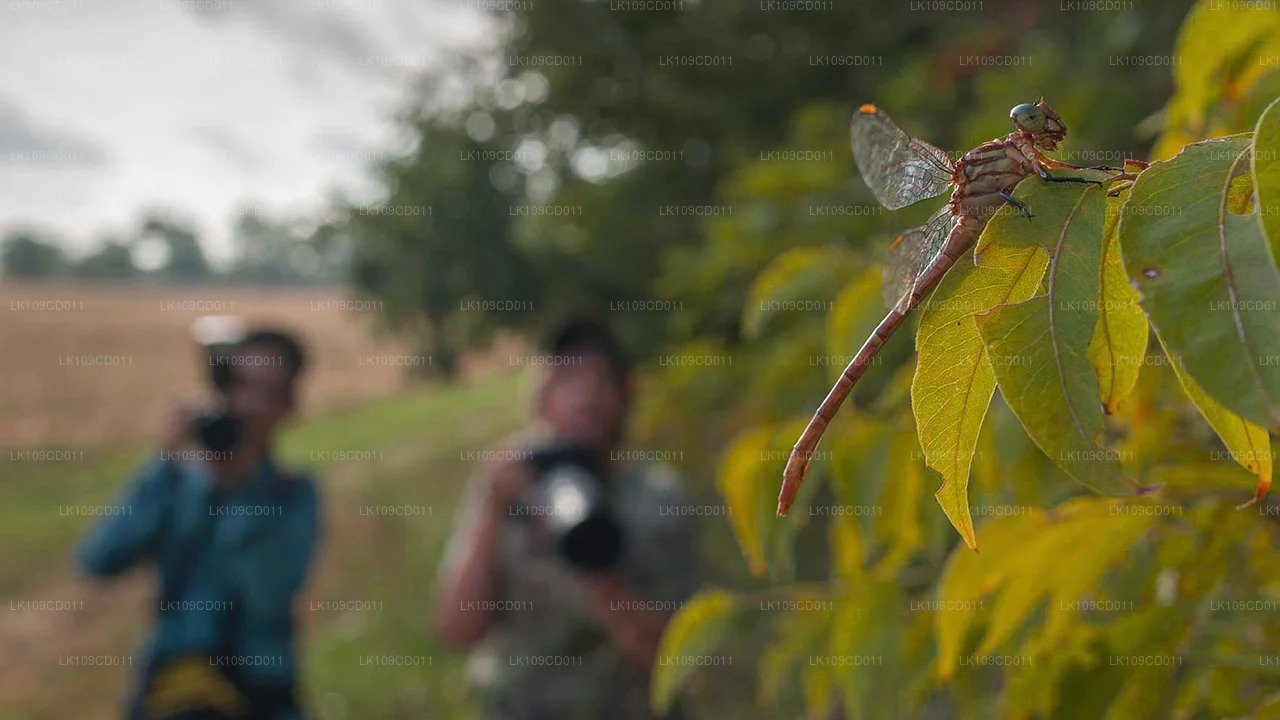
Both pursuits reward patience and careful observation, but butterflies present a distinct challenge. Unlike birds, they produce no calls and display no behavioural cues — such as alarm postures or territorial song — that alert a watcher to their presence. Identification relies entirely on visual examination of wing pattern, body structure, and flight behaviour, often with a subject that settles for only a few seconds.

Many species are visually similar to one another, and correct identification can require close attention to details such as forewing apex shape, underside markings, or the precise arrangement of eyespots. This complexity is part of what makes the discipline so absorbing: a correctly identified endemic or rarity carries genuine satisfaction that compounds with experience.

Which butterfly families are well represented in Sri Lanka?

  • Papilionidae (swallowtails): Includes the critically endangered Ceylon Rose and several other large, conspicuous species. Among the easiest to observe due to their size and relatively slow, gliding flight.
  • Nymphalidae (brush-footed butterflies): The largest family on the island by species count. Ranges from the common Lemon Pansy to forest-interior rarities.
  • Lycaenidae (blues and hairstreaks): Small, often brilliantly coloured species, frequently overlooked by casual observers. Many have larval associations with specific host plants or ant species.
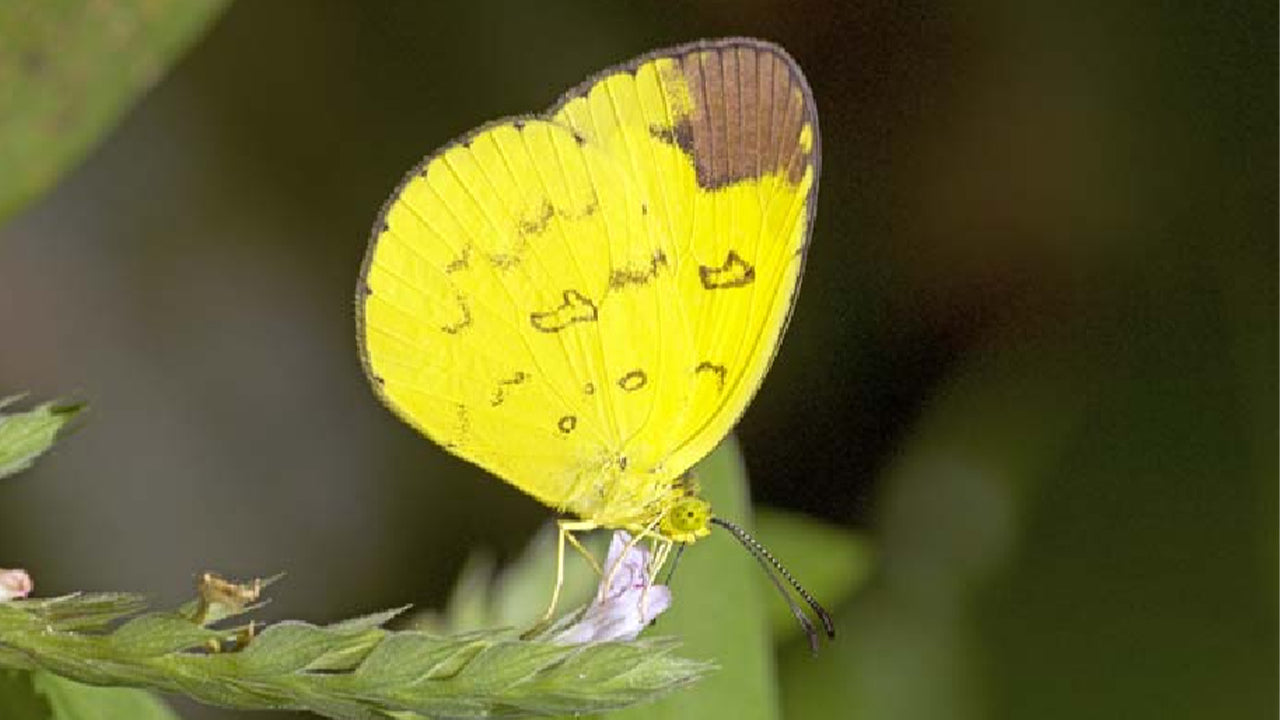
  • Pieridae (whites and yellows): Often the most conspicuous butterflies in open habitats and gardens. Some species migrate in large numbers during the inter-monsoon periods.
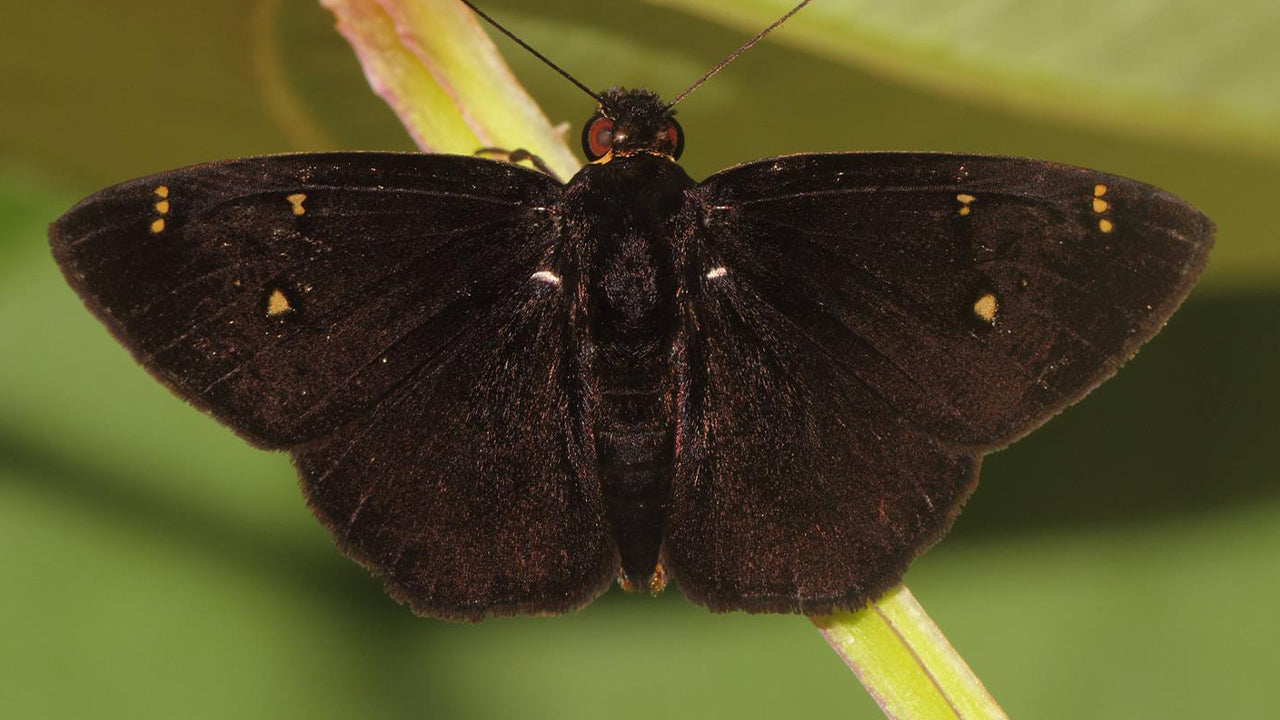
  • Hesperiidae (skippers): Fast-flying and easy to dismiss as moths. Several endemic skippers are restricted to forest interiors in the wet zone.

What are Sri Lanka's endemic butterfly species?

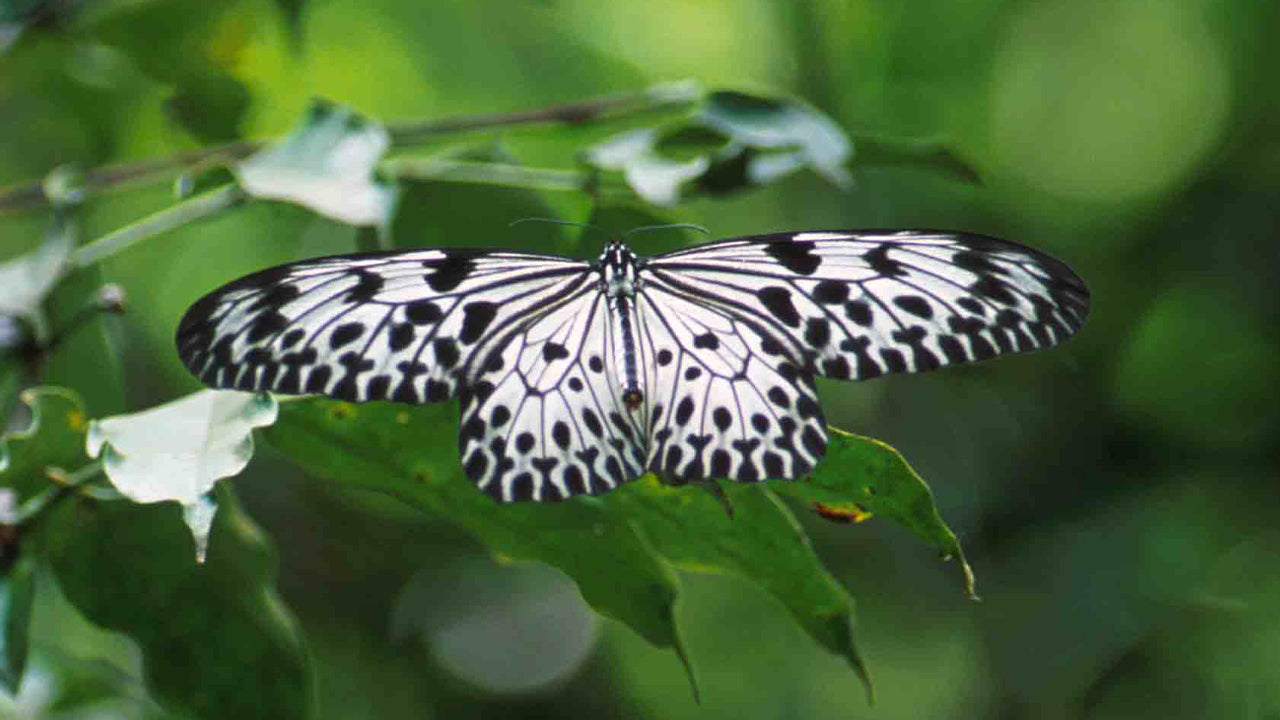
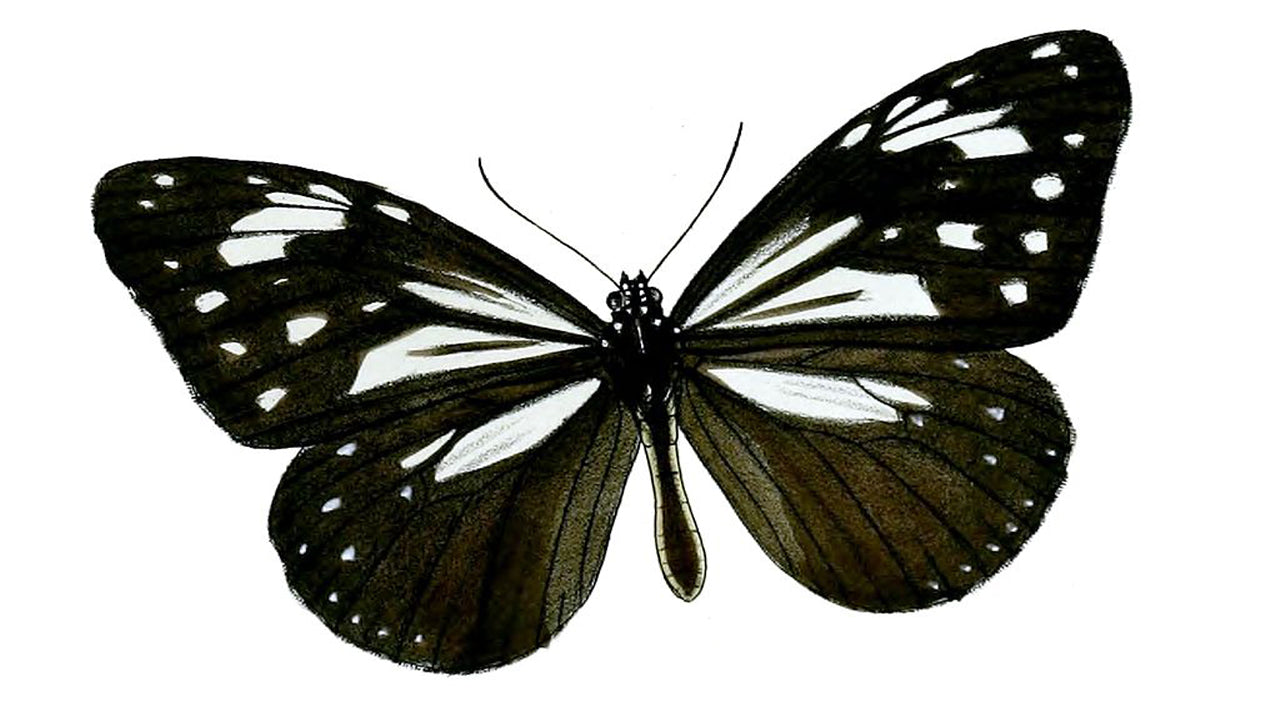
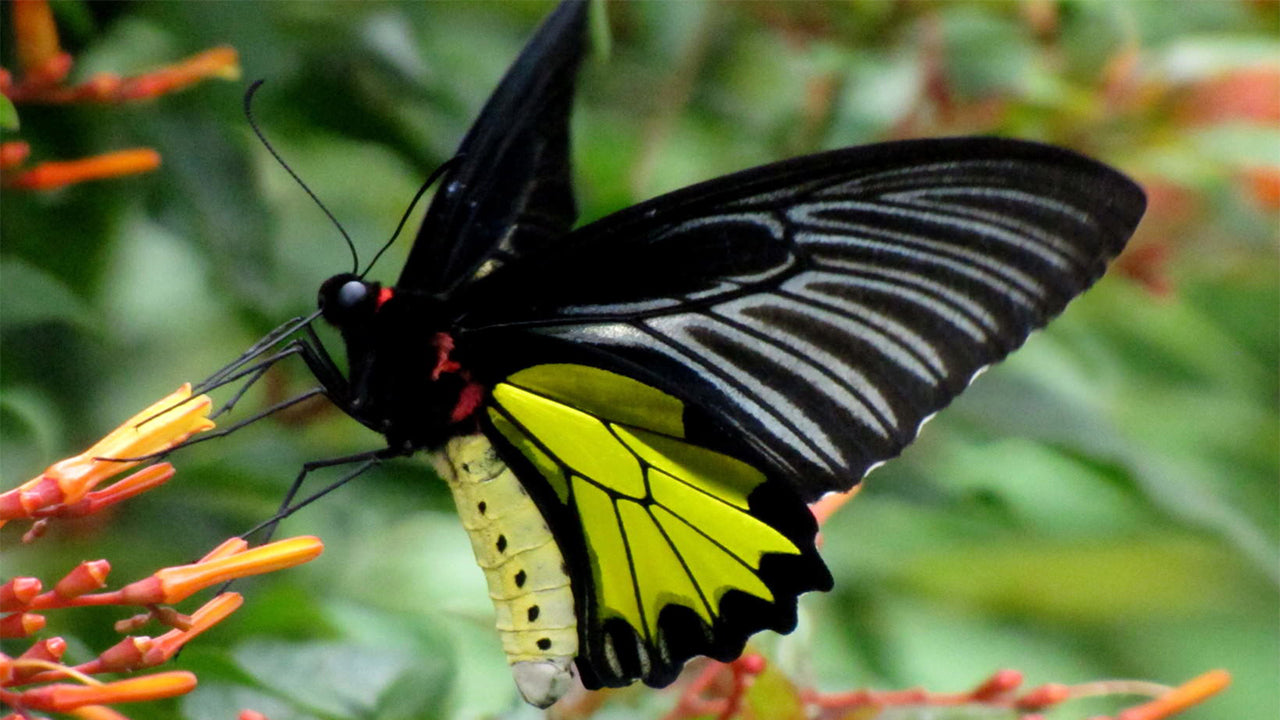
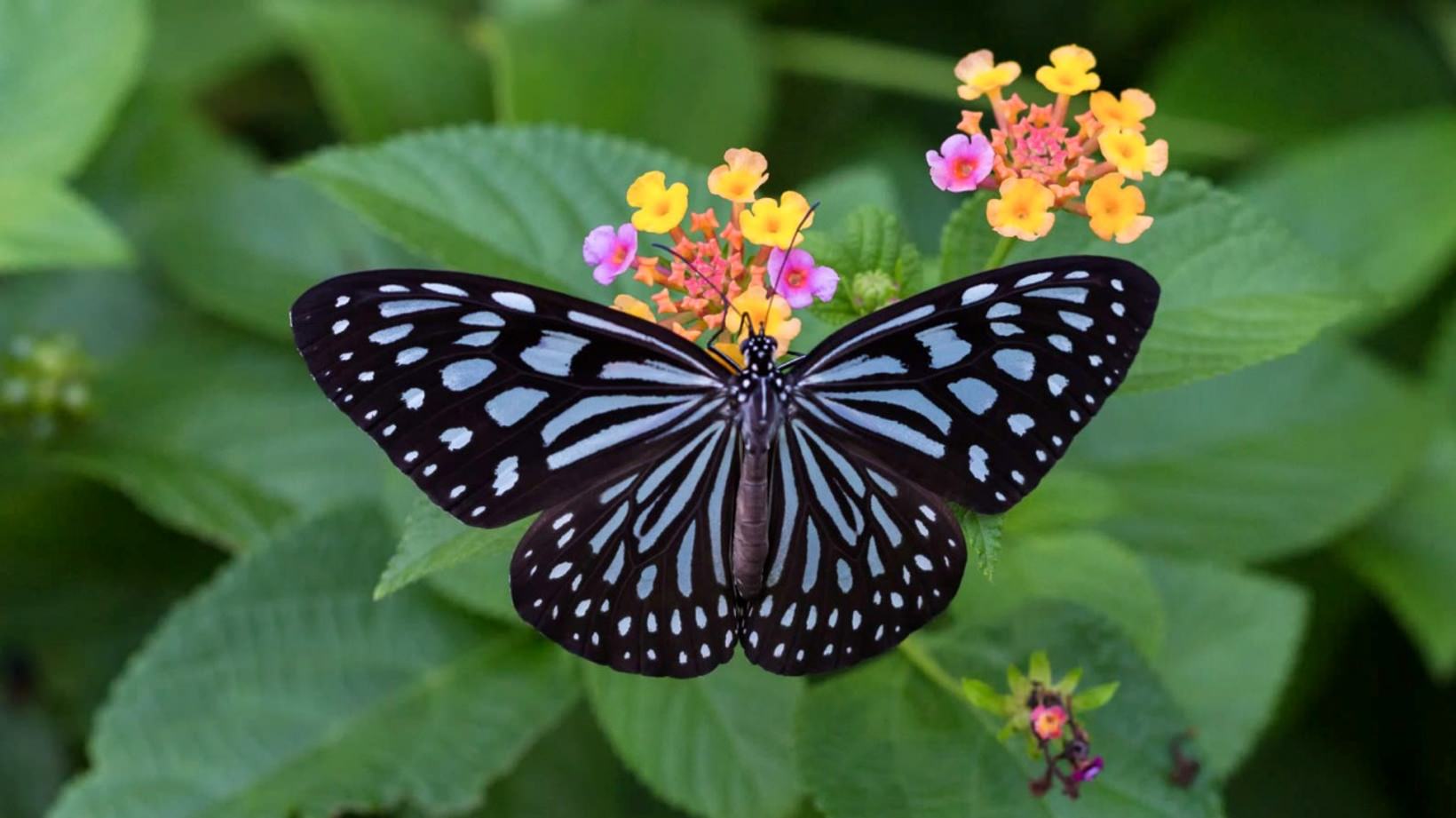
The 23 endemic species are distributed across several families, with the majority concentrated in the wet zone. Notable endemics include the Ceylon Rose (Pachliopta jophon), the Sri Lanka Birdwing (Troides darsius) — the island's largest butterfly — and the Ceylon Tiger (Parantica taprobana). Many endemics are forest-dependent and sensitive to habitat disturbance, which is why protected areas such as Sinharaja remain critical to their survival.

Researchers and conservationists work within the framework of the Butterfly Conservation Action Plan of Sri Lanka, which sets out habitat protection priorities and monitoring protocols for threatened species.

How to prepare for a butterfly-watching trip in Sri Lanka

  1. Use a reliable field guide. Visual identification in the field is the core skill. A well-illustrated reference covering wing patterns from multiple angles is essential.
  2. Bring a close-focus binocular. Conventional birdwatching binoculars often cannot focus close enough for butterflies. A model with a minimum focus distance of around 1–1.5 m is far more useful.
  3. Wear neutral colours. Bright clothing can disturb basking or nectaring insects before you get close enough to observe properly.
  4. Move slowly and deliberately. Most butterflies are sensitive to rapid movement. Approaching a settled individual from the side rather than head-on tends to be less disruptive.
  5. Work the forest edges. The interface between closed canopy and open ground concentrates butterflies seeking both shelter and sun. Paths through Sinharaja and Horton Plains are particularly productive at these transitions.
  6. Keep records. Even informal notes on species, behaviour, and location contribute useful data to conservation monitoring when shared with local naturalist networks.

Can I visit butterfly habitats independently or do I need a guide?

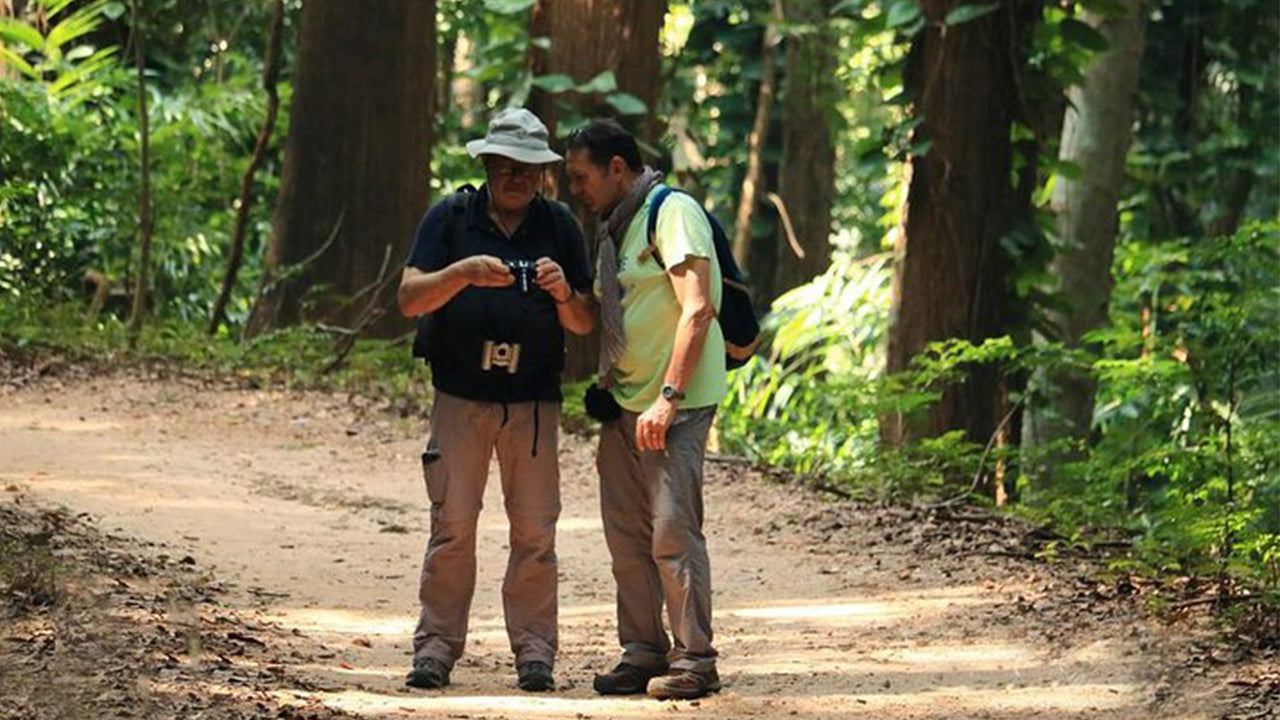
Several key sites — including Sinharaja and Horton Plains — require visitors to hire a registered local guide, which is both a legal requirement and a practical advantage given how dense and directionally confusing wet-zone forest can be. A knowledgeable guide significantly increases the number of species you will encounter and can assist with identification of taxa that confound even experienced watchers.

For travellers who want a structured itinerary covering multiple habitats across the island, Lakpura arranges private naturalist-guided programs that combine the wet-zone lowlands, the central highlands, and dry-zone parks into a coherent route timed around seasonal activity peaks.

Book this experience with Lakpura

Curated by our local team. Direct booking, instant confirmation.

Ask Lakpura® Agent