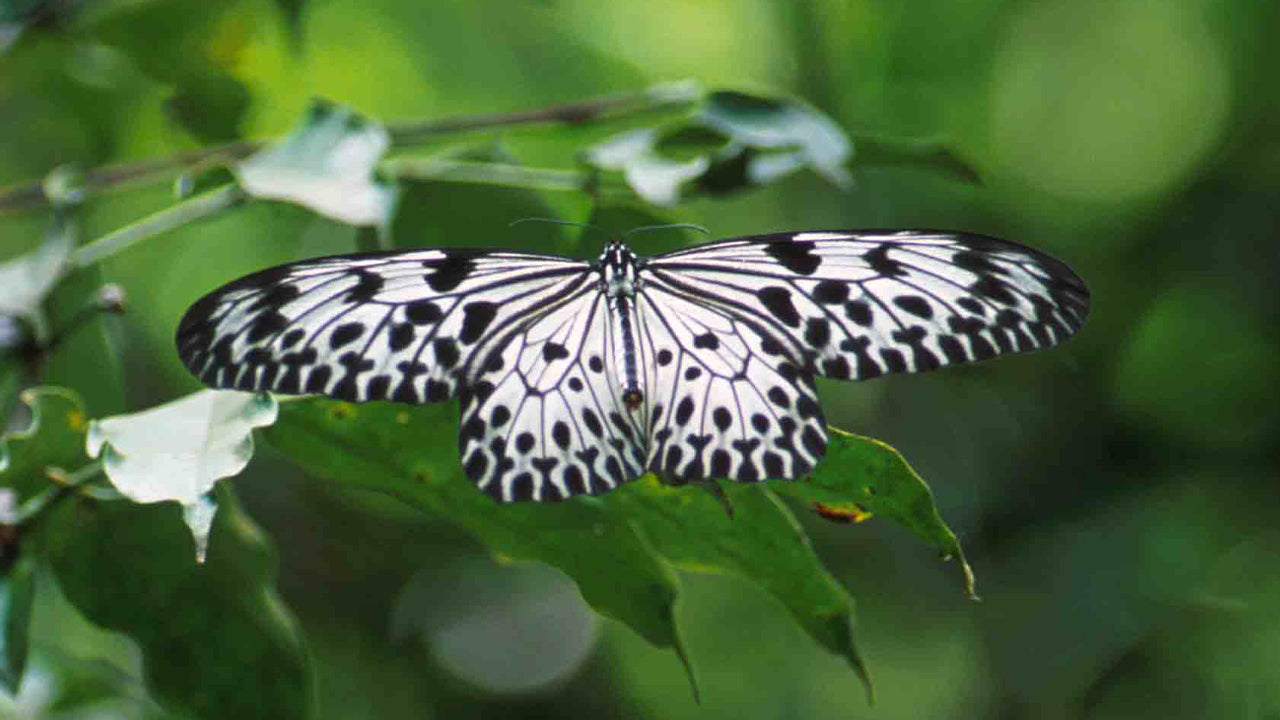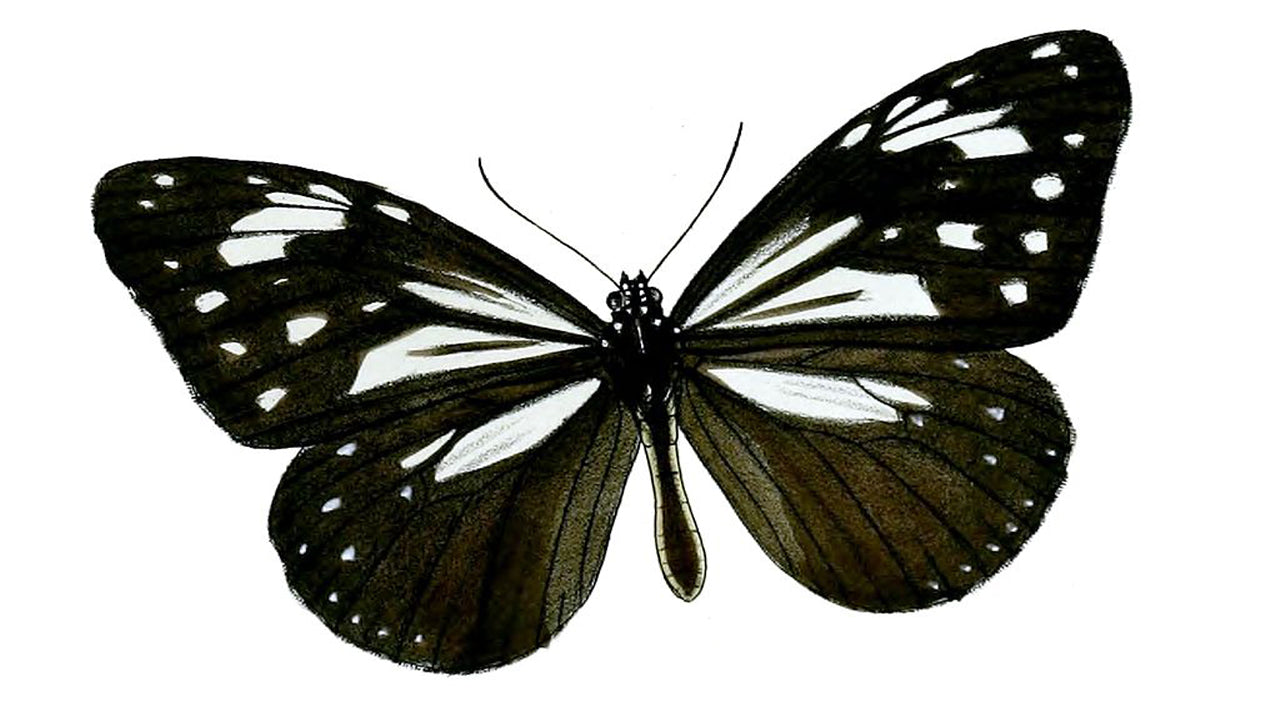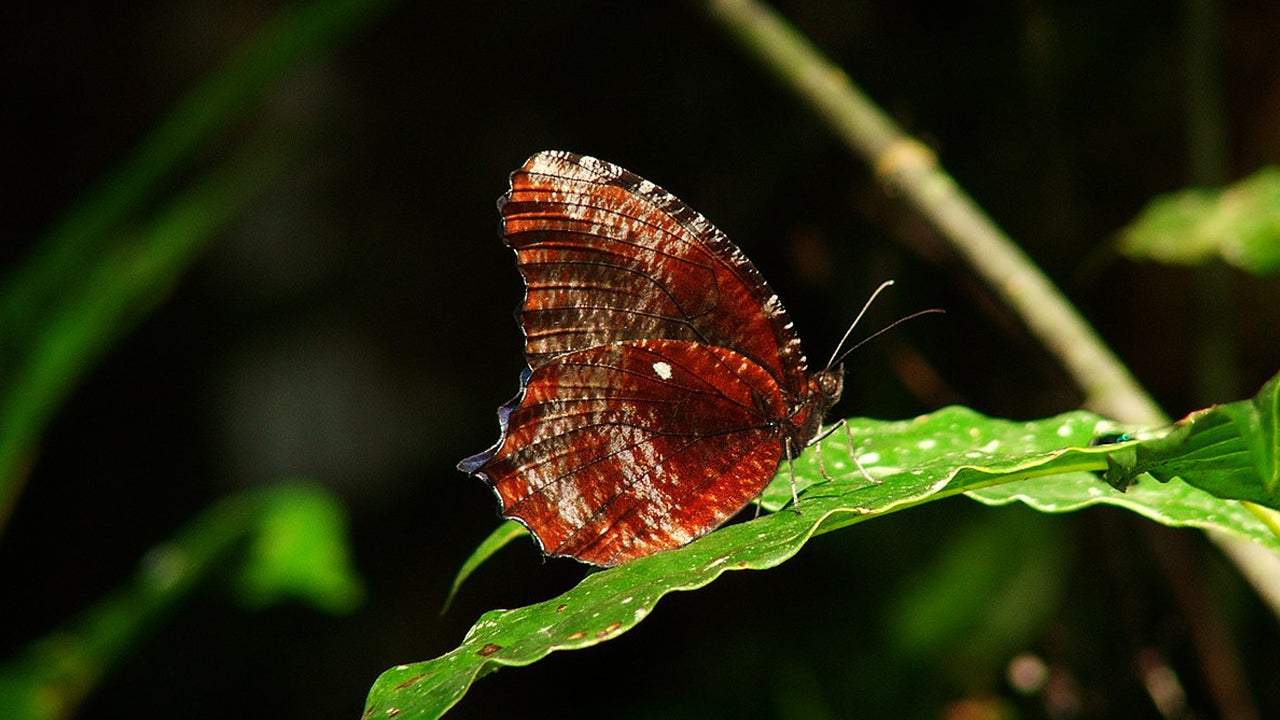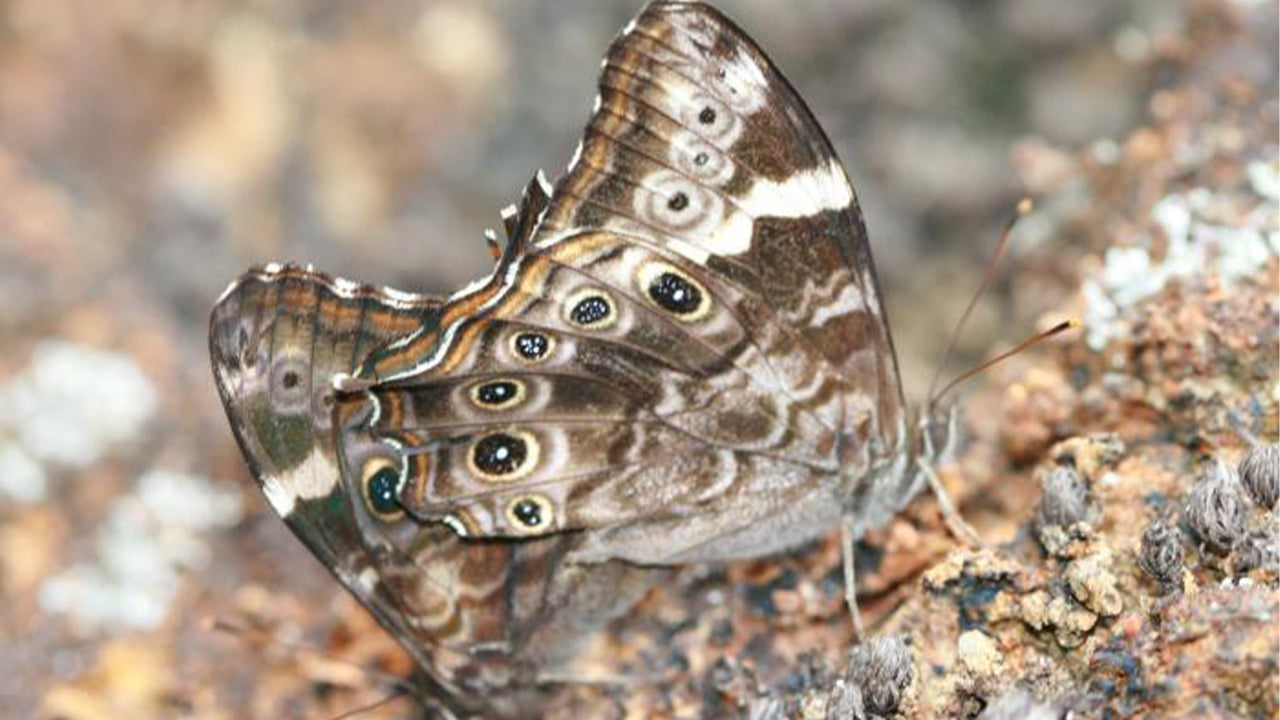
The Common Birdwing (Troides darsius) holds the distinction of being Sri Lanka's largest butterfly and the country's national butterfly. Belonging to the family Papilionidae — commonly known as swallowtails — it is entirely endemic to Sri Lanka, meaning it is found nowhere else on earth. With a slow, gliding flight and wings that can span nearly the length of a human hand, this species makes an immediate impression on anyone lucky enough to encounter it in the wild.
What does the Common Birdwing look like?
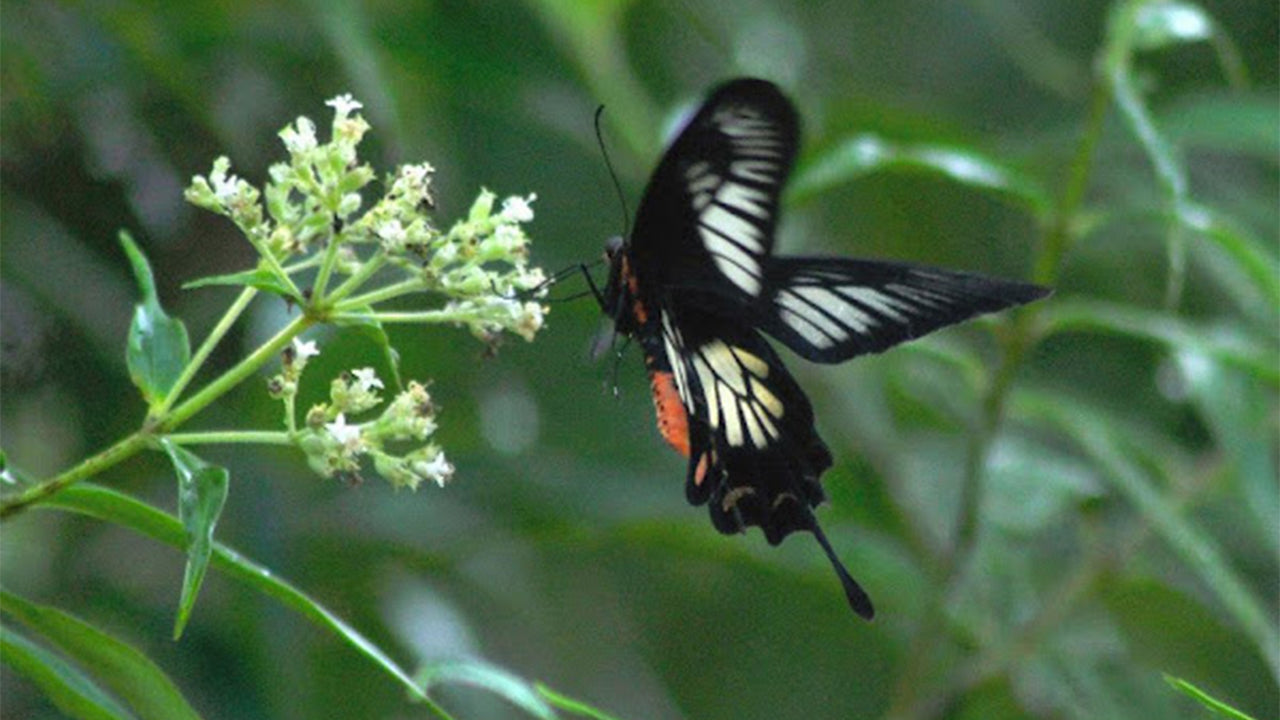
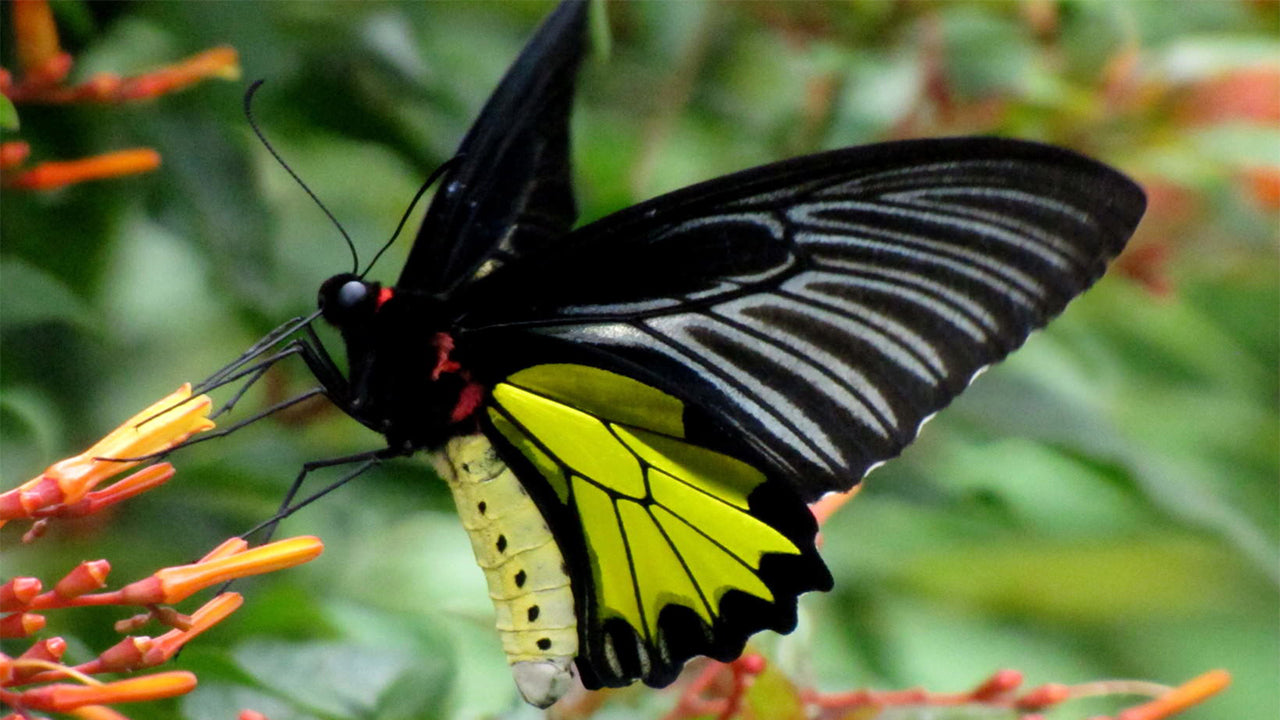
The wingspan of Troides darsius ranges from around 140 mm to 190 mm, making it unmistakably large compared with other Sri Lankan butterfly species. Males display black forewings patterned with fine white streaks, paired with hindwings of bright golden-yellow edged in black. The body is black with distinctive red markings — a common signal in the animal kingdom indicating toxicity to would-be predators.
Females are notably larger than males, though their yellow coloration is softer and their black markings broader, giving them a more subdued overall appearance. Both sexes share the same unhurried, buoyant flight style that has become one of the species' most recognisable traits.
Where in Sri Lanka can you find the Common Birdwing?
As an endemic wet-zone species, the Common Birdwing is concentrated in Sri Lanka's southwestern lowland and mid-elevation forests. The Sinharaja Forest Reserve — a UNESCO World Heritage Site — is widely regarded as one of the most reliable locations to observe the species in its natural habitat. Other productive areas include Kitulgala and the foothills of the Knuckles Mountain Range, where forest cover remains largely intact.
Beyond primary forest, the butterfly also ventures into well-vegetated home gardens, riverbanks, and secondary growth, provided its larval host plant is present. It is generally absent from the dry zone and from heavily disturbed or agricultural land.
- Sinharaja Forest Reserve — dense rainforest with abundant host plants
- Kitulgala — riverine forest corridors in the wet zone
- Knuckles Mountain Range — mid-elevation forest patches
- Makandawa Rainforest — accessible wet-zone reserve near Kitulgala
- Well-planted home gardens in the Western and Sabaragamuwa provinces
What is the best time of year to spot Troides darsius?
The Common Birdwing can be encountered throughout the year, but activity tends to peak during and immediately after the southwest monsoon (May–September), when flowering plants in the wet zone are most abundant. Early morning hours, before midday heat sets in, are typically the most productive time to observe adults feeding or gliding above the canopy. Overcast but dry days can also bring the butterflies lower to garden-level flowers, making them easier to photograph.
What does the Common Birdwing eat?
Adult butterflies feed on nectar from a range of flowering plants. Species commonly visited include Lantana, Ixora, and Hibiscus, all of which are widespread in Sri Lankan gardens and forest edges. Males are often seen patrolling fixed territories, ascending briefly to chase rival males or other intruders before returning to their preferred circuit.
The caterpillars, however, are highly specific in their diet. They feed almost exclusively on Aristolochia species (commonly called Dutchman's Pipe), climbing plants that contain toxic alkaloids called aristolochic acids. By sequestering these compounds from the plant, both caterpillars and adult butterflies become unpalatable — sometimes fatally so — to birds and other predators. The red body markings on adults serve as a clear visual warning of this toxicity.
How does Troides darsius behave in the wild?
Adults spend much of their time high above the forest canopy, which is why casual visitors to the forest may hear about the species before they see it. They descend to lower strata to feed from flowers or when females search out Aristolochia vines on which to lay their eggs. Caterpillars are black with red spines — colouration that reinforces their toxicity warning even at the larval stage.
Males are territorial and will actively patrol defined flight paths, rising to intercept other large butterflies that enter their range. This territorial behaviour makes the same individual — or at least the same territory — visible repeatedly along a forest trail, which can be useful for observers trying to get a prolonged view.
Why is the Common Birdwing considered Sri Lanka's national butterfly?
The Common Birdwing's national butterfly status reflects both its visual impact and its ecological significance as a species found nowhere else in the world. Its dependence on intact wet-zone forest makes it an effective indicator of ecosystem health: where Troides darsius thrives, the underlying habitat is generally in good condition. Conservation of the species is therefore closely tied to the protection of Sri Lanka's remaining rainforest patches and the Aristolochia vines that sustain its life cycle.
Is the Common Birdwing threatened?
Habitat loss through deforestation and the fragmentation of wet-zone forest remains the primary pressure on the species. The removal of Aristolochia vines — sometimes treated as weeds in garden settings — also reduces breeding opportunities outside protected areas. The species is listed under Sri Lanka's Fauna and Flora Protection Ordinance, which prohibits collection or trade. Visitors are encouraged to observe from a distance and avoid disturbing larvae or adults.
How can I maximise my chances of seeing one?
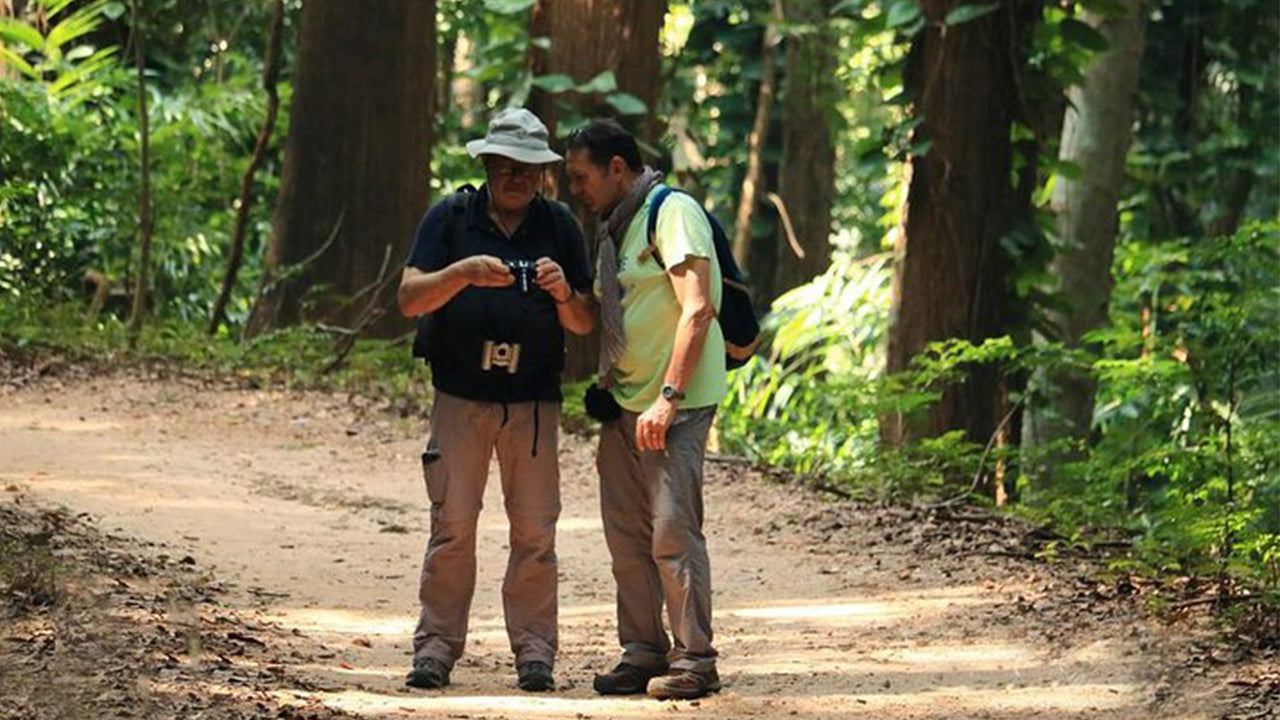
A guided walk through Sinharaja or the Makandawa Rainforest in the early morning gives the best odds. Local naturalist guides familiar with the forest can identify Aristolochia host plants and known flight corridors, significantly improving your chances. Bright, non-reflective clothing and a telephoto lens or binoculars are recommended, as adults often remain just out of easy reach above the canopy. Planting Aristolochia and nectar-rich species such as Ixora in a garden within the wet zone is one of the most effective ways to attract the butterfly to a fixed, easily observed location.