Solanum melongena (Ela Batu)


Eggplant (Ela Batu) ????? (US, Canada), aubergine (UK, Ireland) or brinjal (Indian subcontinent, Singapore, Malaysia, South Africa) is a plant species in the nightshade family Solanaceae. Solanum melongena is grown worldwide for its edible fruit.
Most commonly purple, the spongy, absorbent fruit is used in several cuisines. Typically used as a vegetable in cooking, it is a berry by botanical definition. As a member of the genus Solanum, it is related to the tomato, chili pepper, and potato, although those are of the New World while the eggplant is of the Old World. Like the tomato, its skin and seeds can be eaten, but, like the potato, it is usually eaten cooked. Eggplant is nutritionally low in macronutrient and micronutrient content, but the capability of the fruit to absorb oils and flavors into its flesh through cooking expands its use in the culinary arts.
It was originally domesticated from the wild nightshade species thorn or bitter apple, S. incanum, probably with two independent domestications: one in South Asia, and one in East Asia.] In 2018, China and India combined accounted for 87% of the world production of eggplants.
Description
The eggplant is a delicate, tropical perennial plant often cultivated as a tender or half-hardy annual in temperate climates. The stem is often spiny. The flowers are white to purple in color, with a five-lobed corolla and yellow stamens. Some common cultivars have fruit that is egg-shaped, glossy, and purple with white flesh and a spongy, "meaty" texture. Some other cultivars are white and longer in shape. The cut surface of the flesh rapidly turns brown when the fruit is cut open (oxidation).
Eggplant grows 40 to 150 cm (1 ft 4 in to 4 ft 11 in) tall, with large, coarsely lobed leaves that are 10 to 20 cm (4 to 8 in) long and 5 to 10 cm (2 to 4 in) broad. Semiwild types can grow much larger, to 225 cm (7 ft 5 in), with large leaves over 30 cm (12 in) long and 15 cm (6 in) broad. On wild plants, the fruit is less than 3 cm (1+1/4 in) in diameter; in cultivated forms: 30 cm (12 in) or more in length are possible for long, narrow types or the large fat purple ones common to the West.
Botanically classified as a berry, the fruit contains numerous small, soft, edible seeds that taste bitter because they contain or are covered in nicotinoid alkaloids, like the related tobacco..
History
here is no consensus about the place of origin of eggplant; the plant species has been described as native to India, where it continues to grow wild, Africa, or South Asia. It has been cultivated in southern and eastern Asia since prehistory. The first known written record of the plant is found in Qimin Yaoshu, an ancient Chinese agricultural treatise completed in 544 CE. The numerous Arabic and North African names for it, along with the lack of the ancient Greek and Roman names, indicate it was grown throughout the Mediterranean area by the Arabs in the early Middle Ages, who introduced it to Spain in the 8th century. A book on agriculture by Ibn Al-Awwam in 12th-century Arabic Spain described how to grow aubergines. Records exist from later medieval Catalan and Spanish.
The aubergine is unrecorded in Englan
-
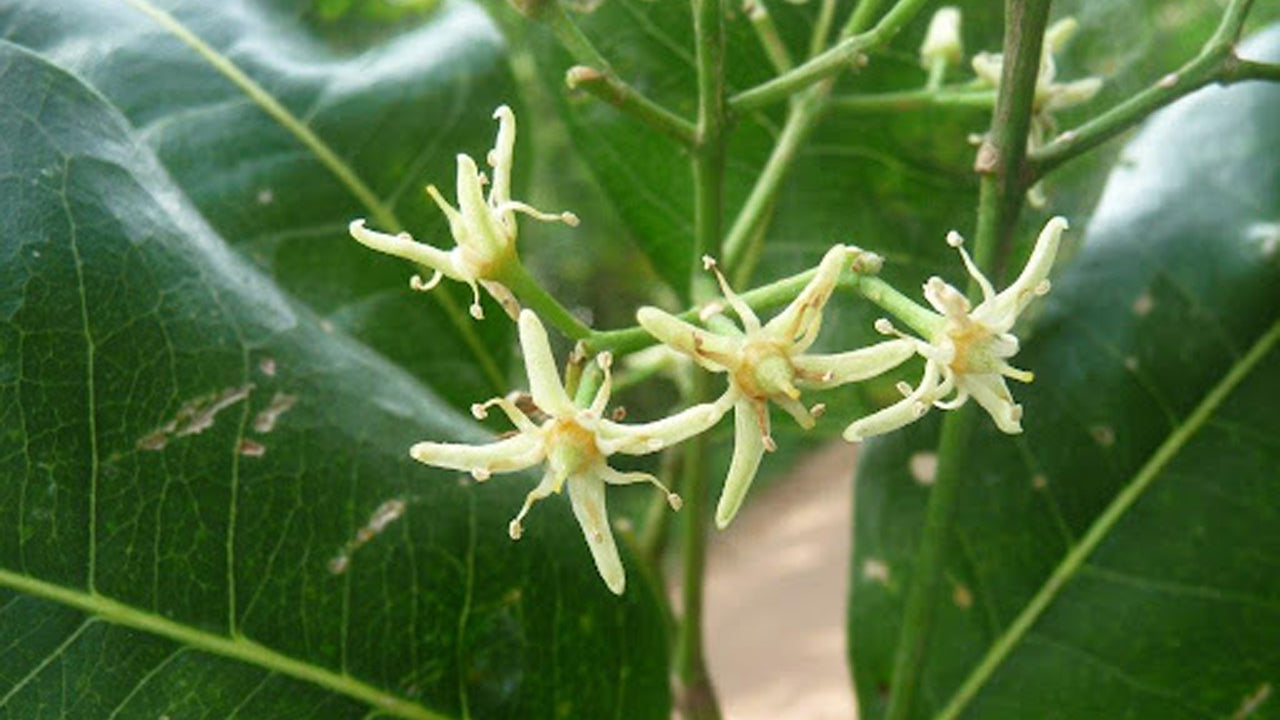
Claw-flowered laurel
Acronychia pedunculata -
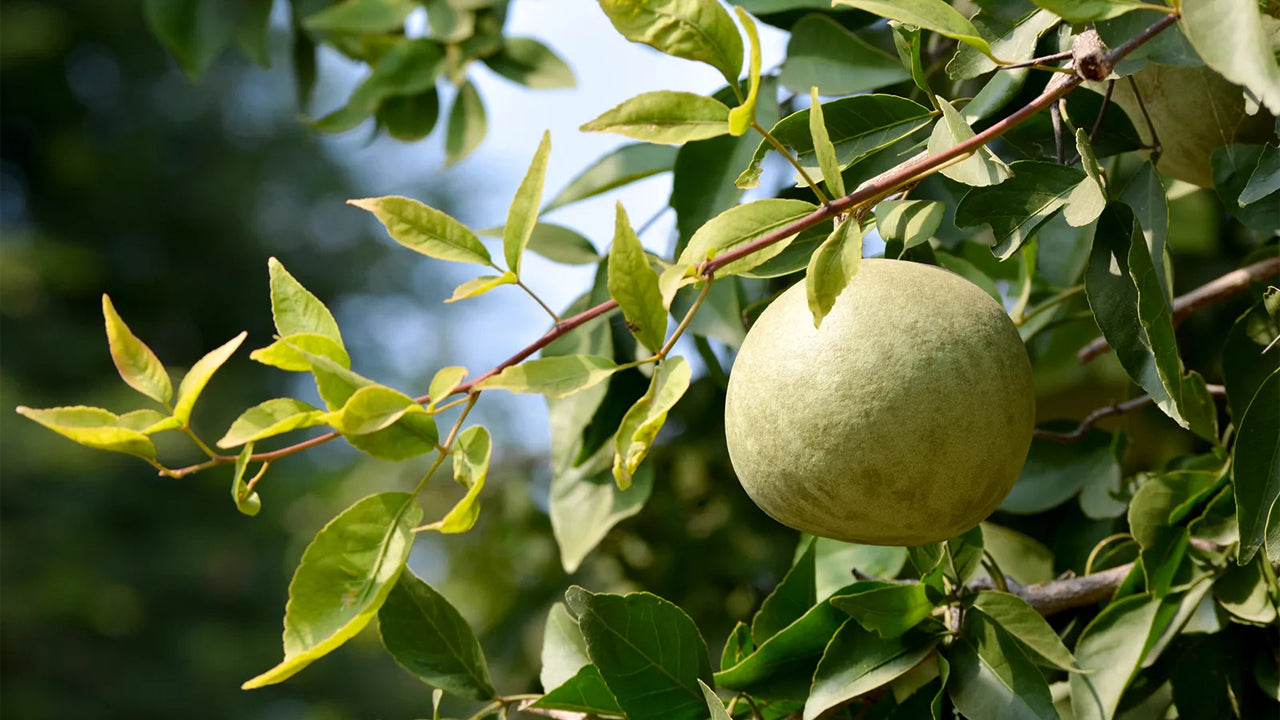
Bael
Aegle marmelos -
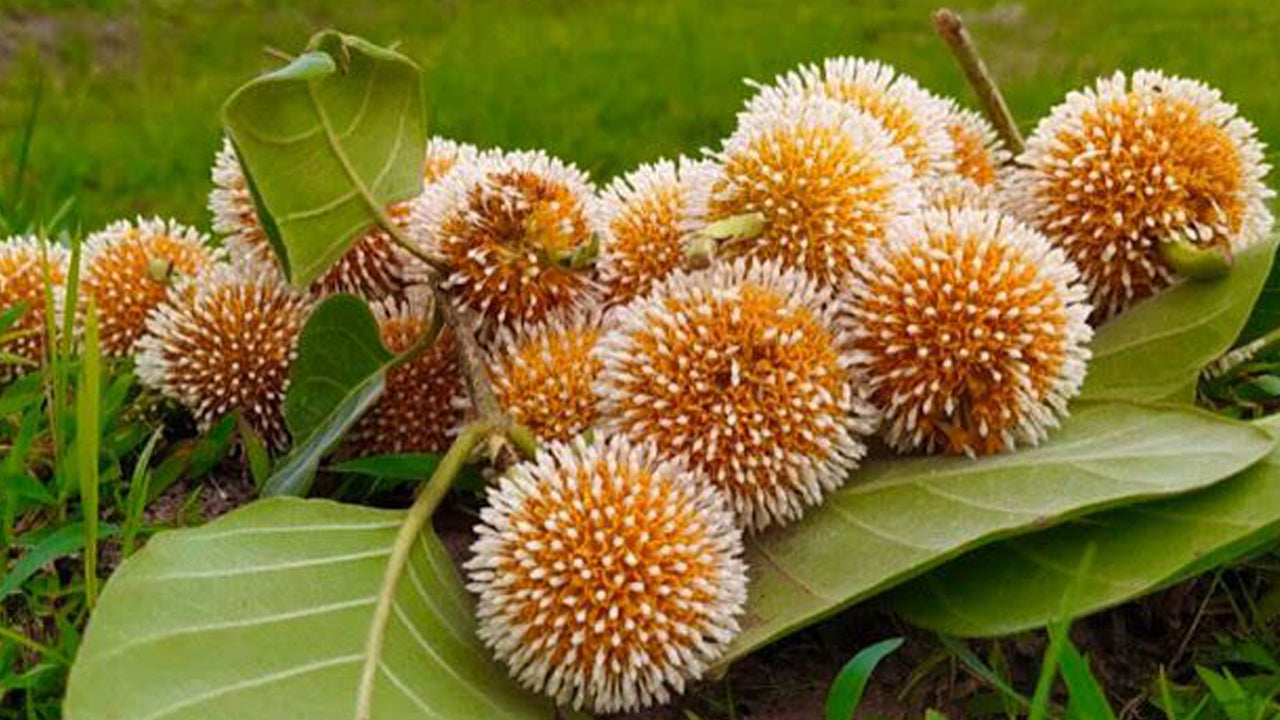
Leichhardt tree
Nauclea orientalis -
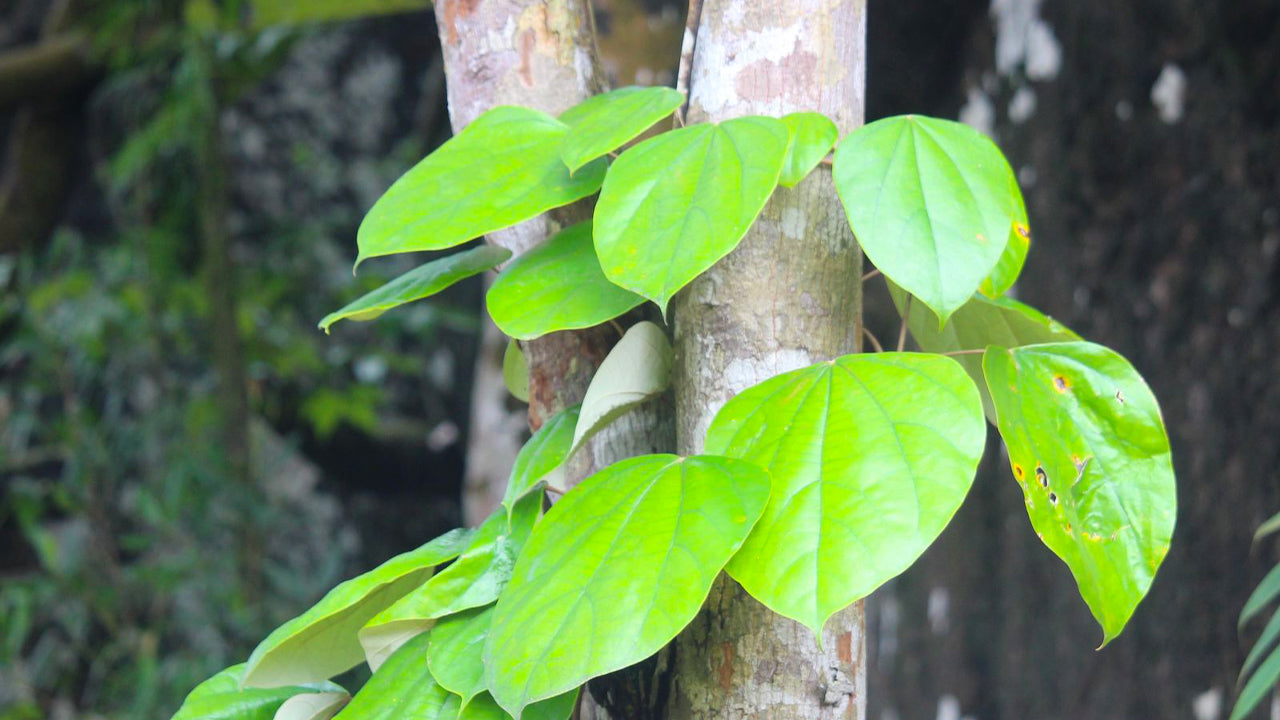
False Calumba
Coscinium fenestratum -

Malabar Gulbel
Tinospora malabarica -
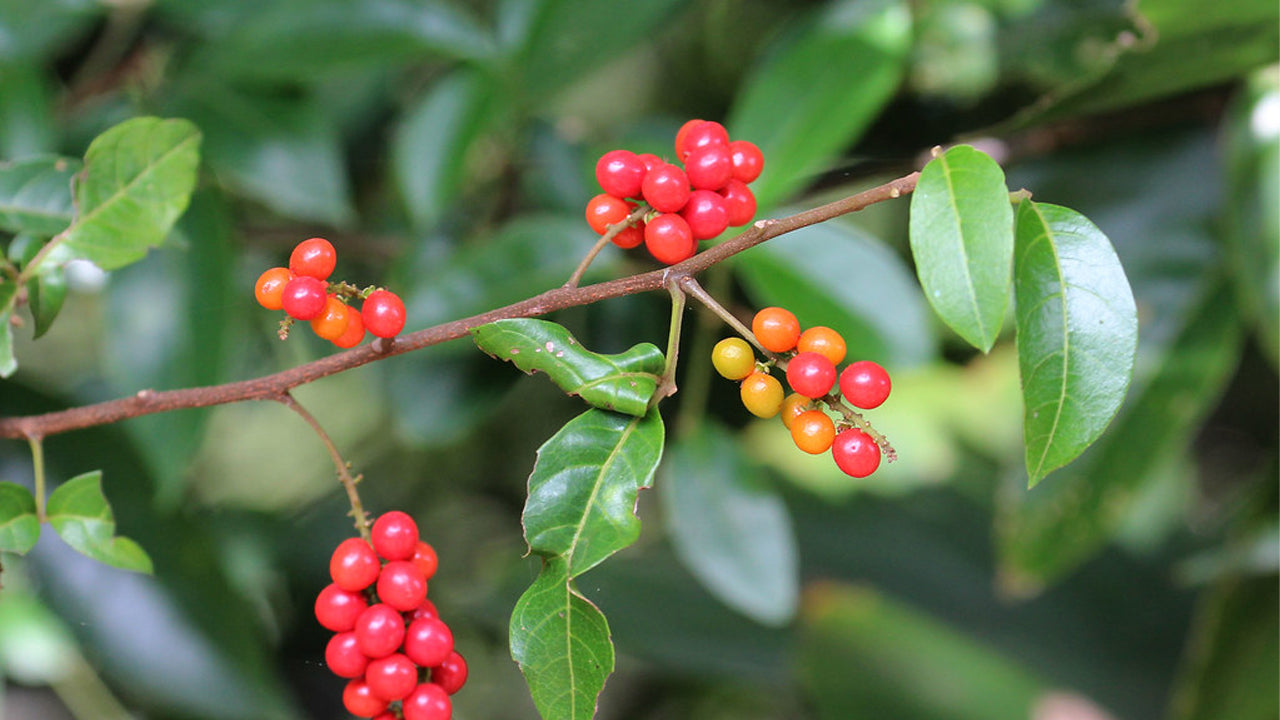
Titberry
Allophylus cobbe -
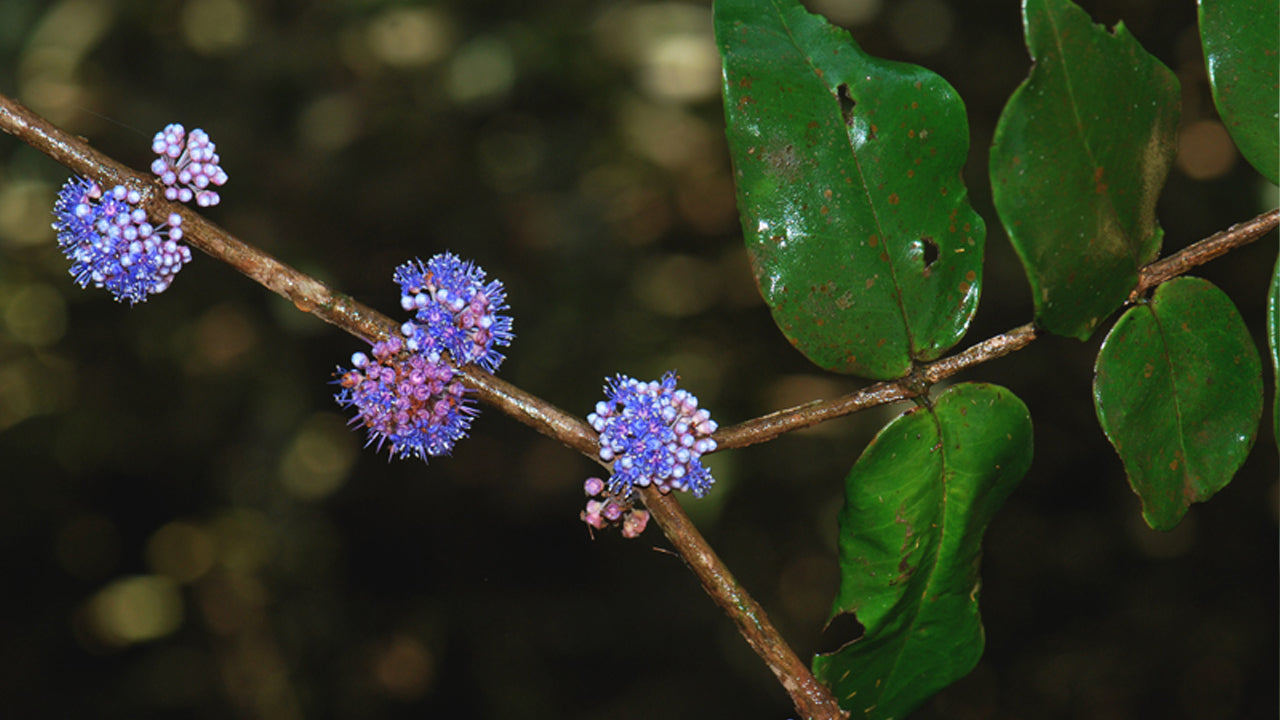
Ironwood Tree
Memecylon capitellatum -
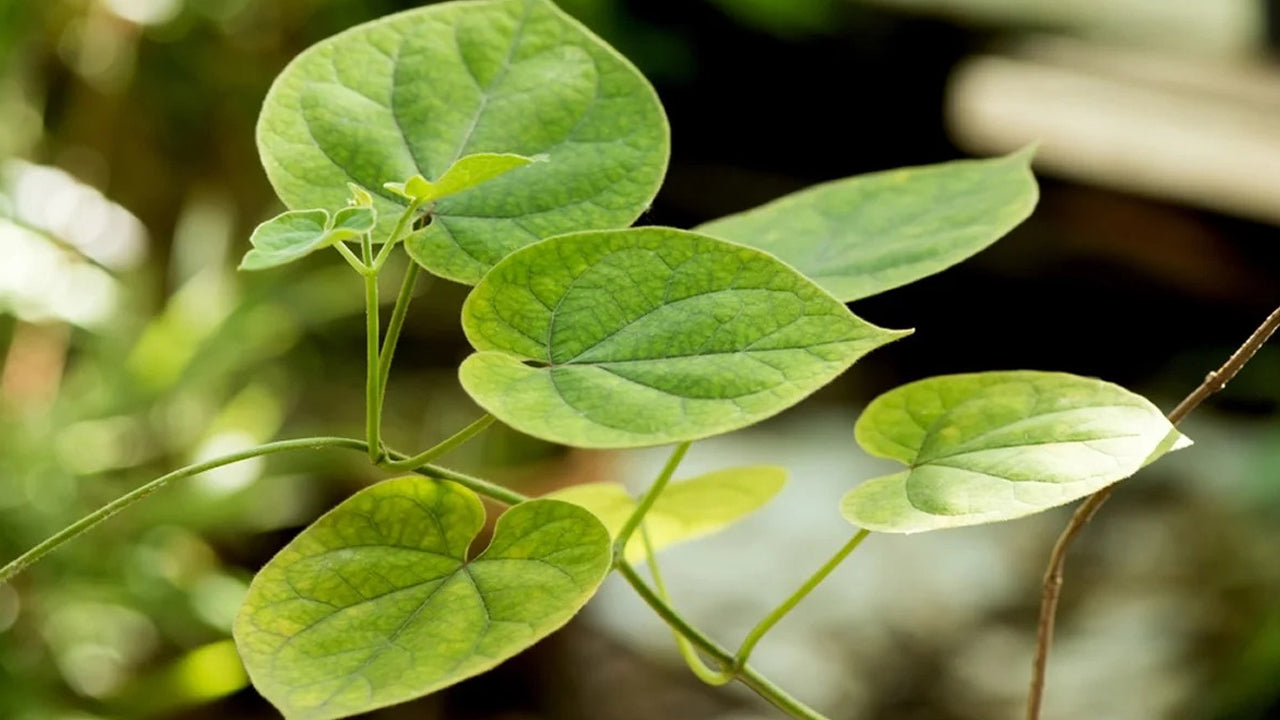
Velvet Leaf
Cissampelos pareira -
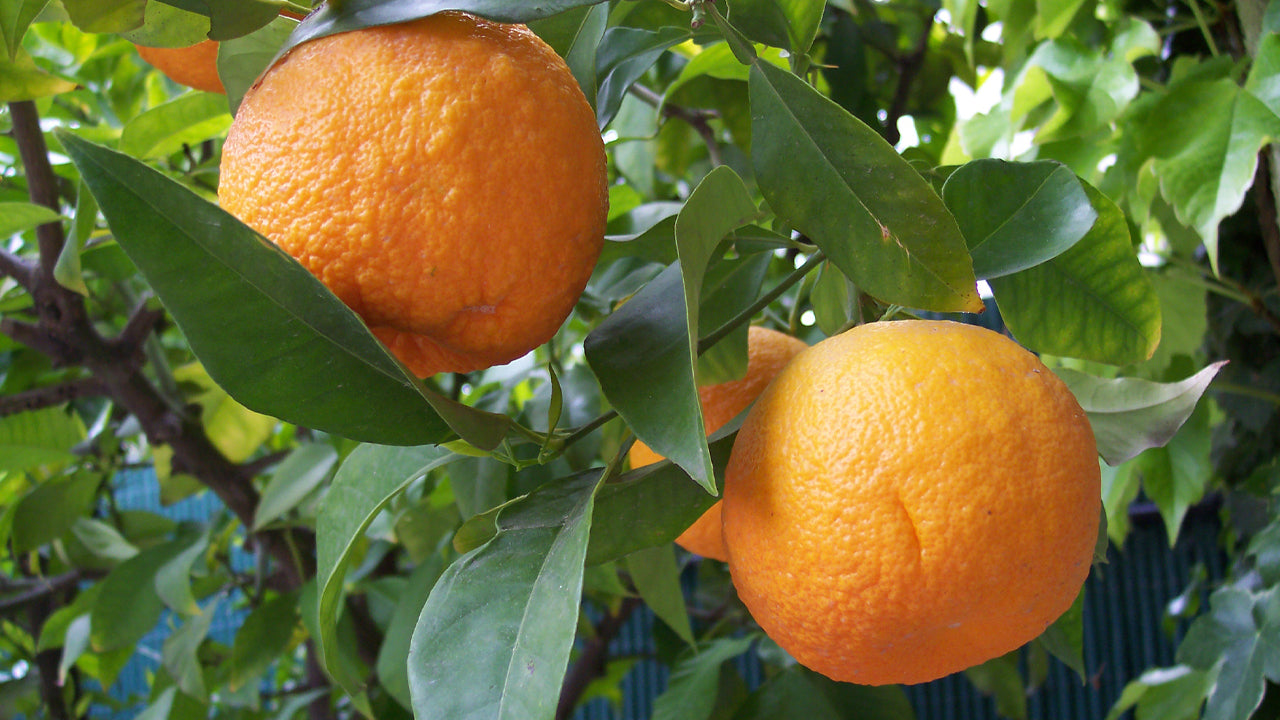
Bitter orange
Citrus aurantium -

Reinwardt's Tree Plant
Biophytun reinward -
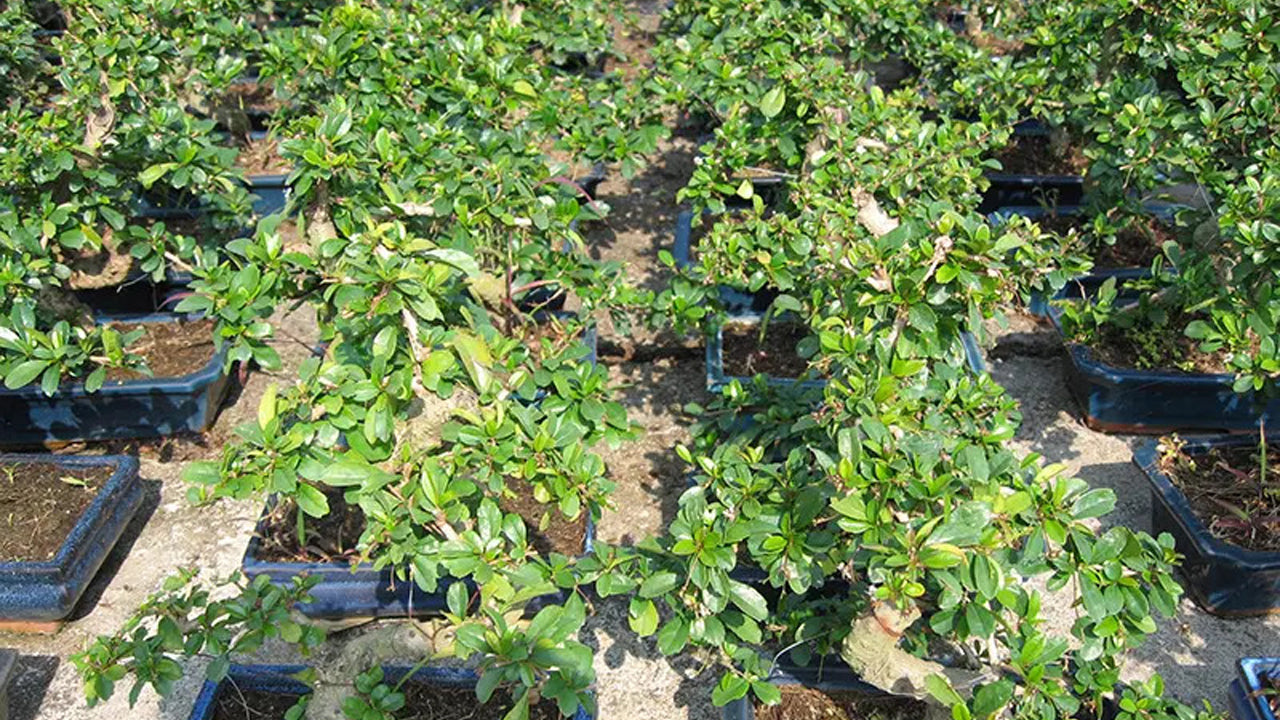
Fukien tea
Carmona microphylla -
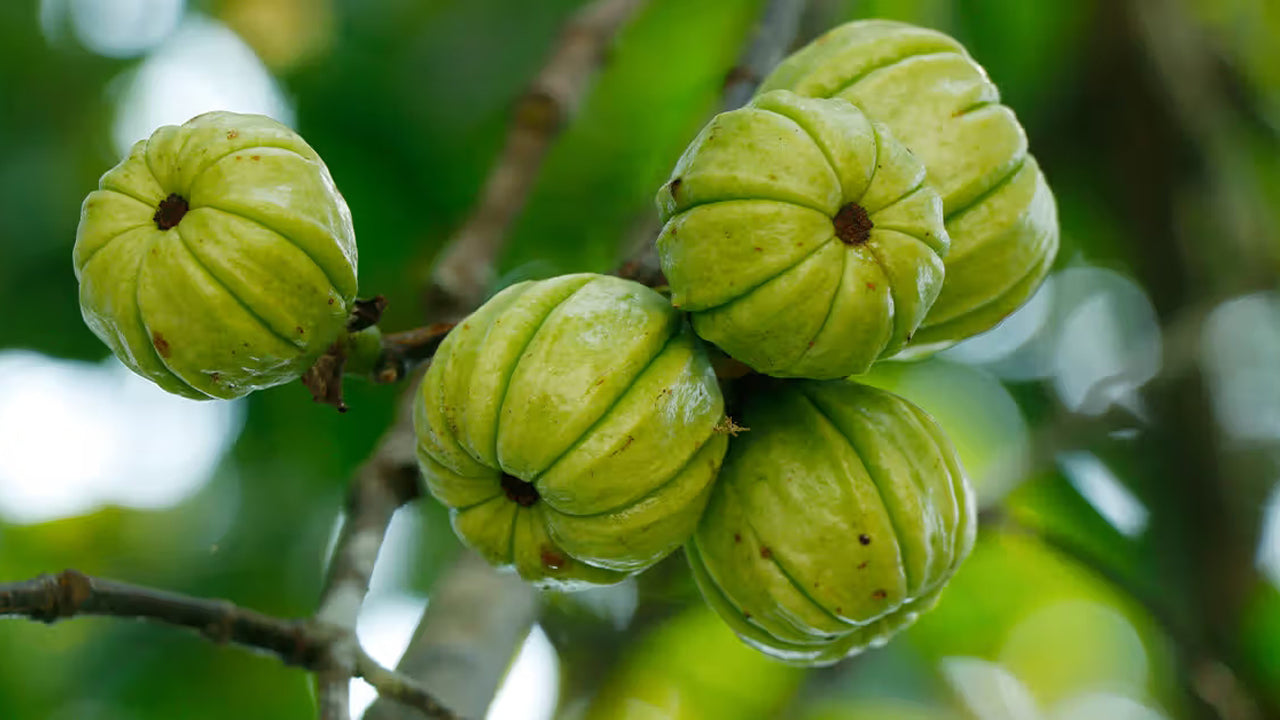
Malabar tamarind
Garcinia cambogia -
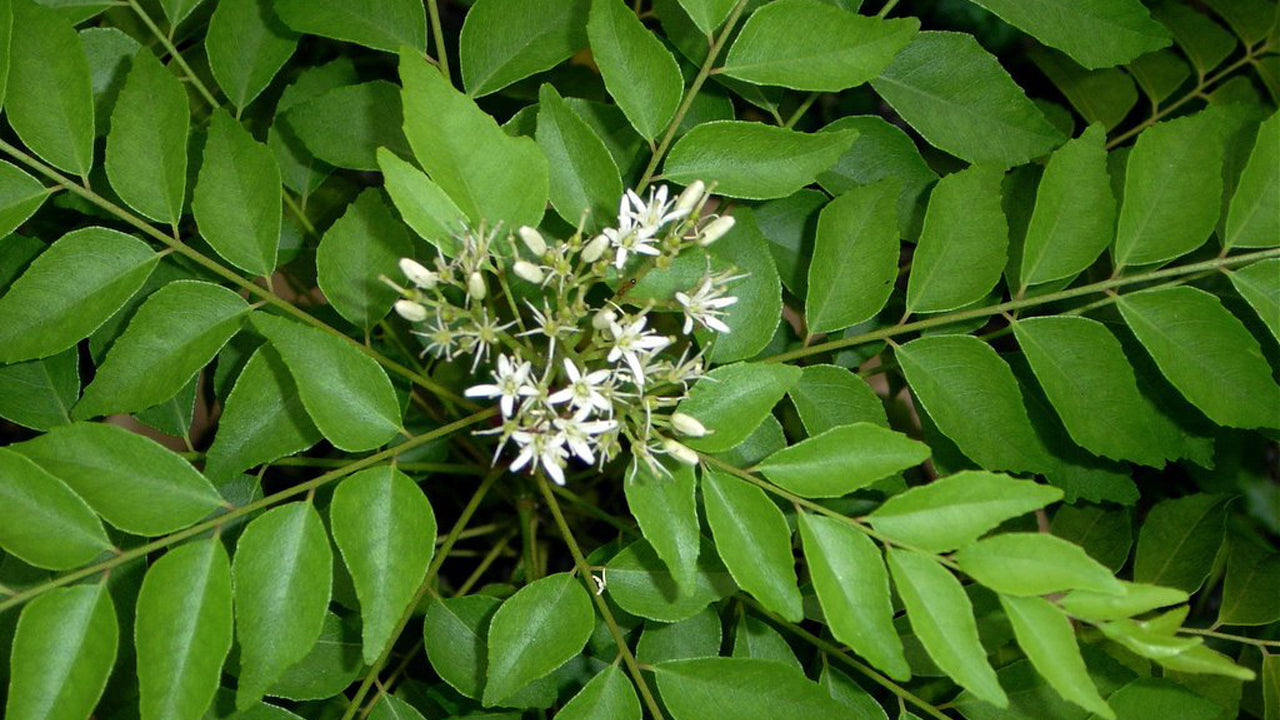
Curry leaf tree
Murraya koenigii -
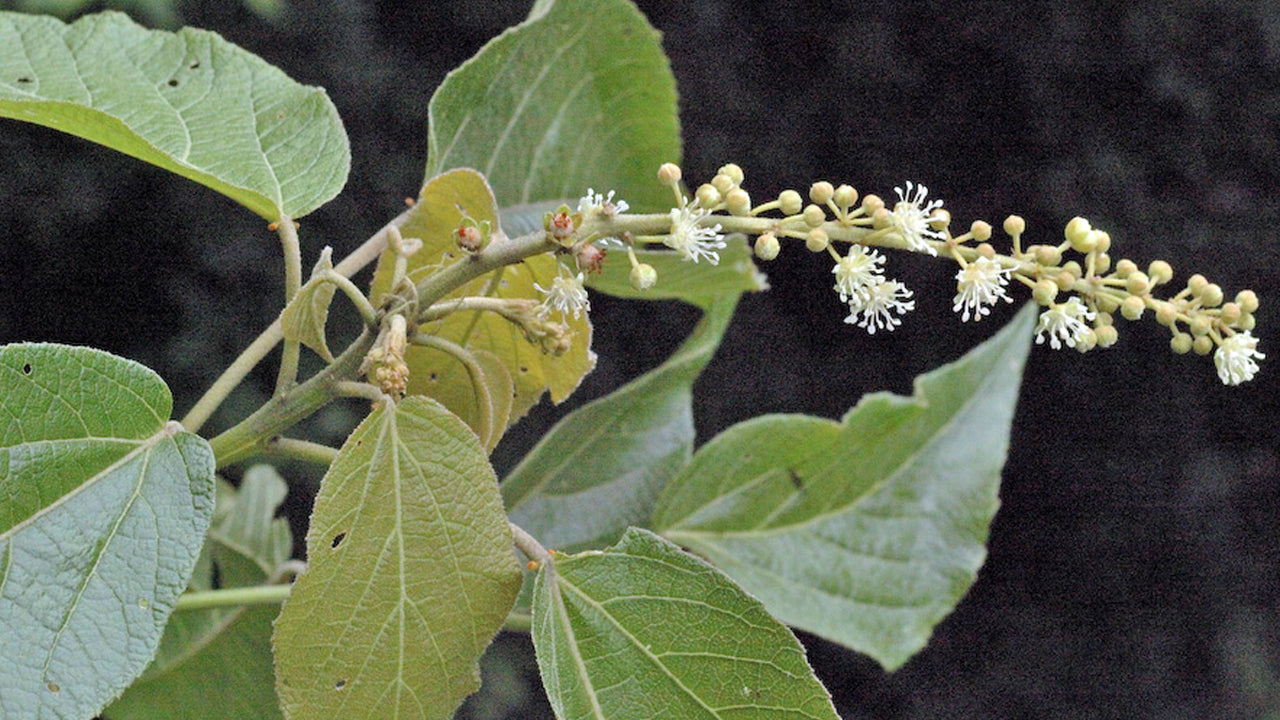
Kappetiya
Croton laccifer -
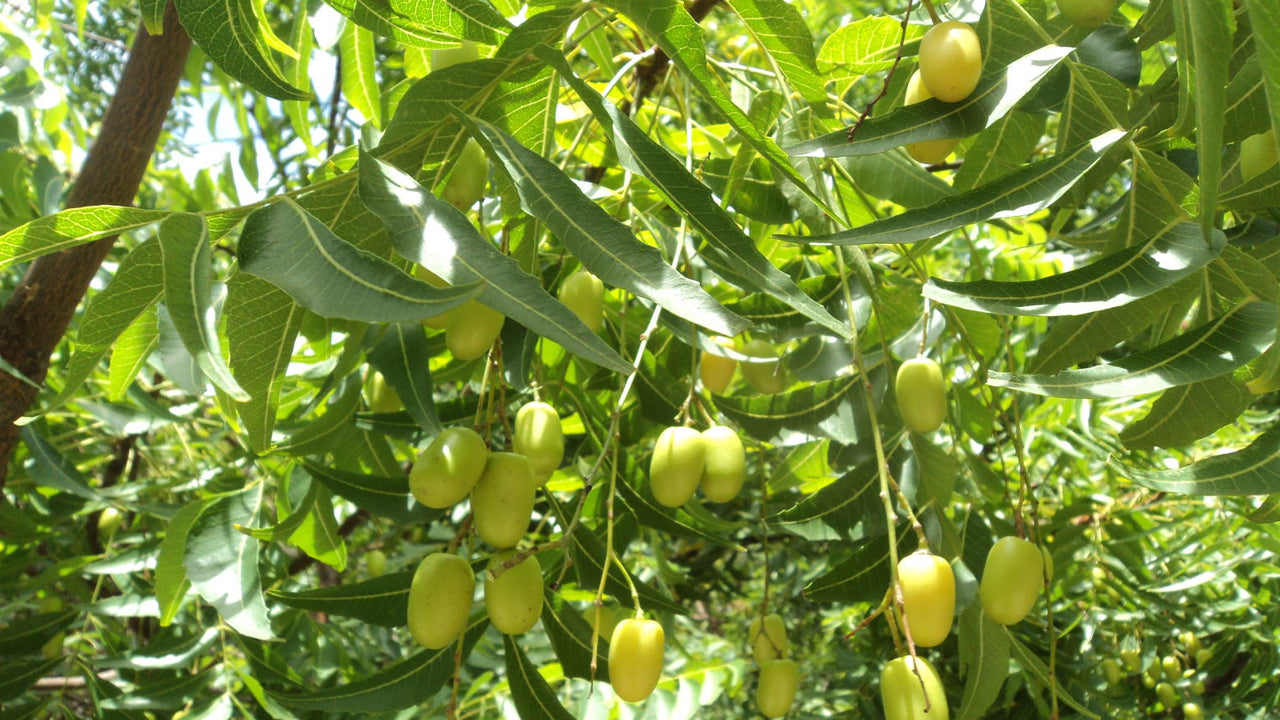
Indian lilac
Azadirachta indica -
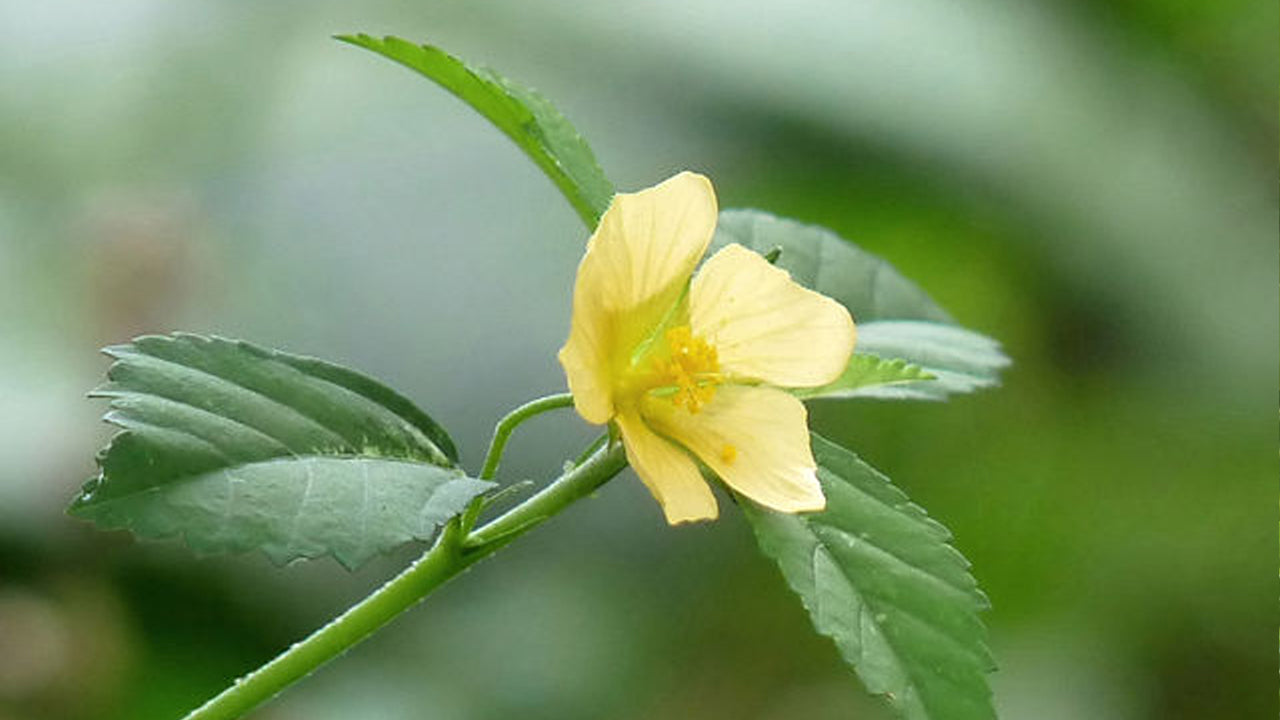
Spiny sida
Sida alba -
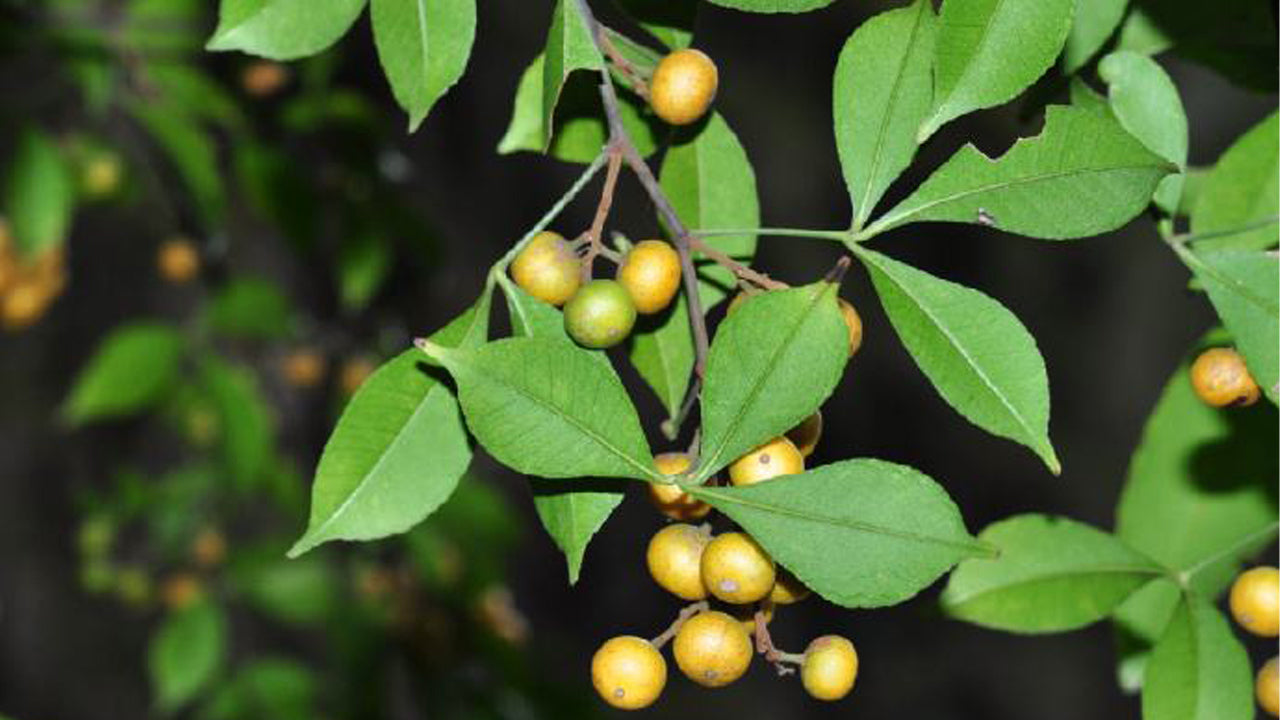
Orange climber
Toddlia asiatica -
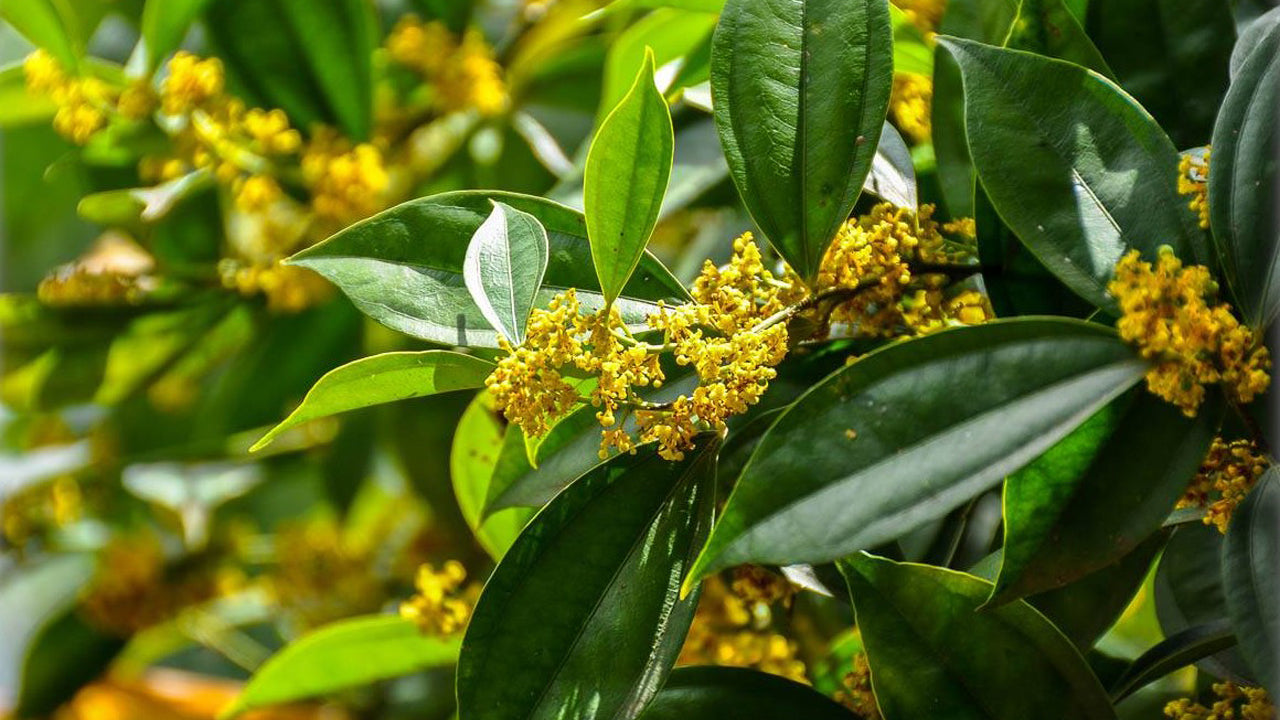
Ceylon cinnamon
Cinnamomum zeylanicum -
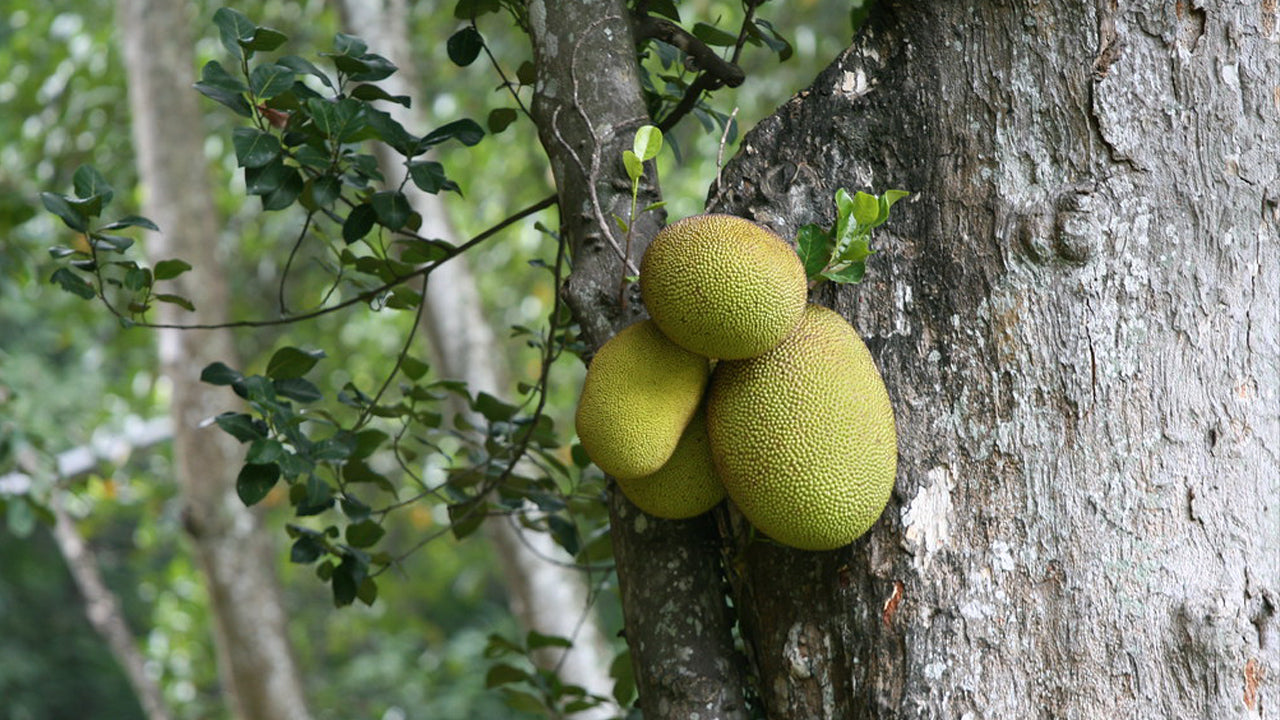
Jackfruit
Artocarpus heterophyllus -
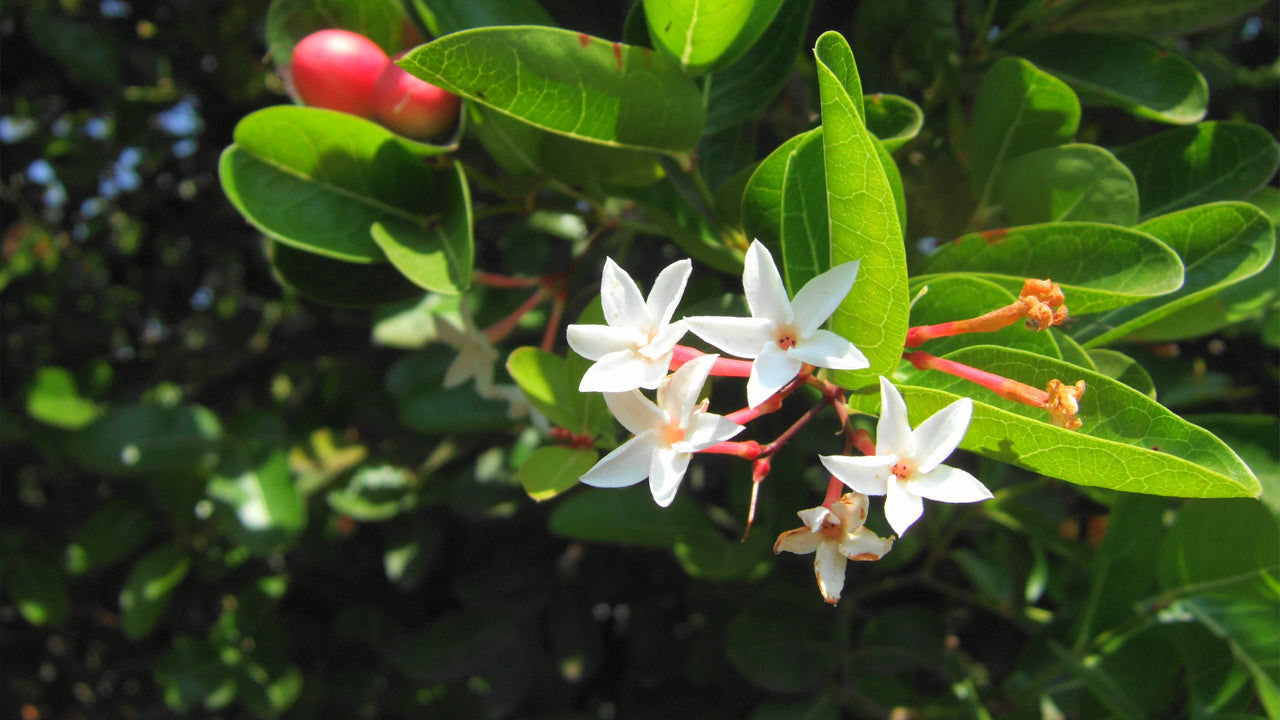
Karonda
Carissa carandas -
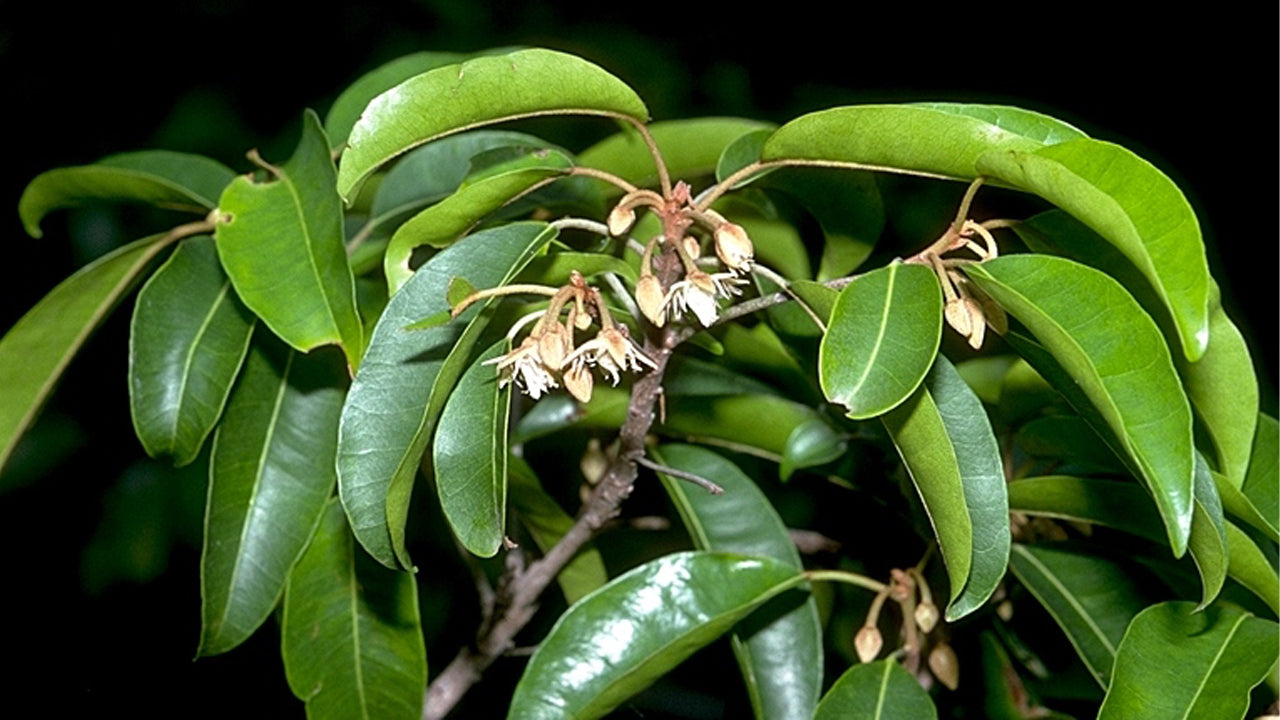
Spanish cherry
Mimusops elengi -
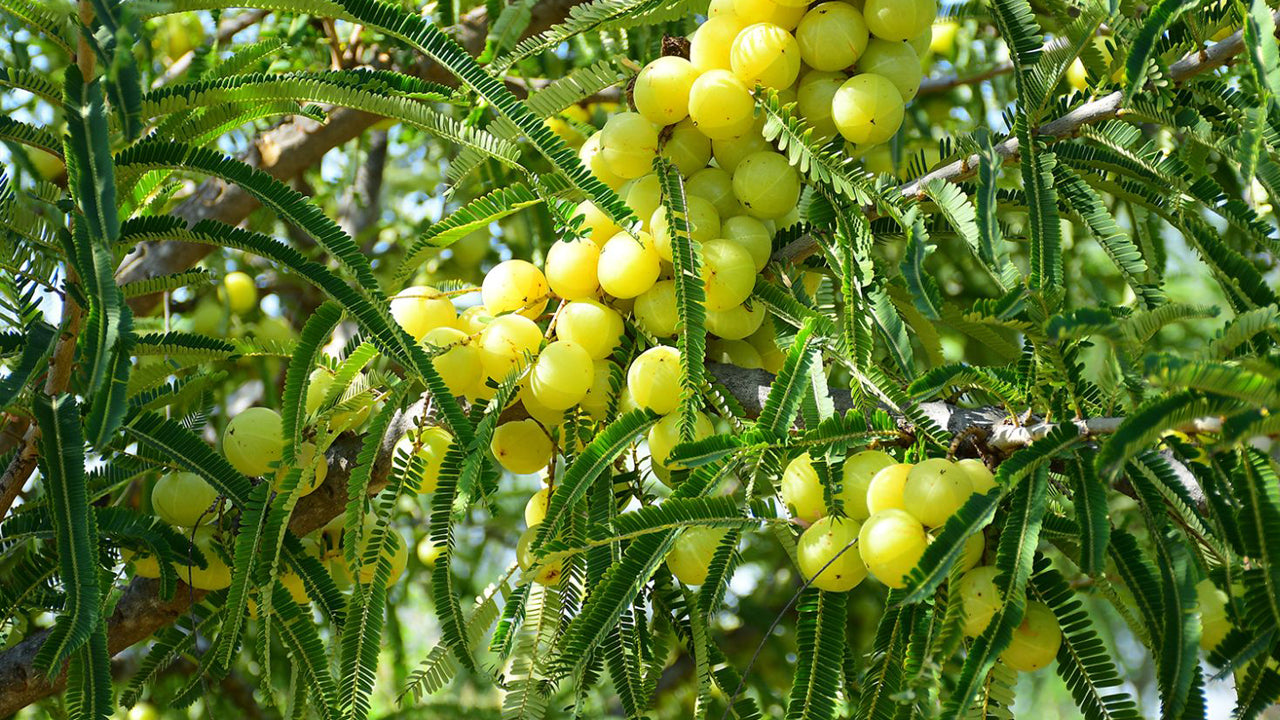
Indian gooseberry
Phyltanthus emblica -
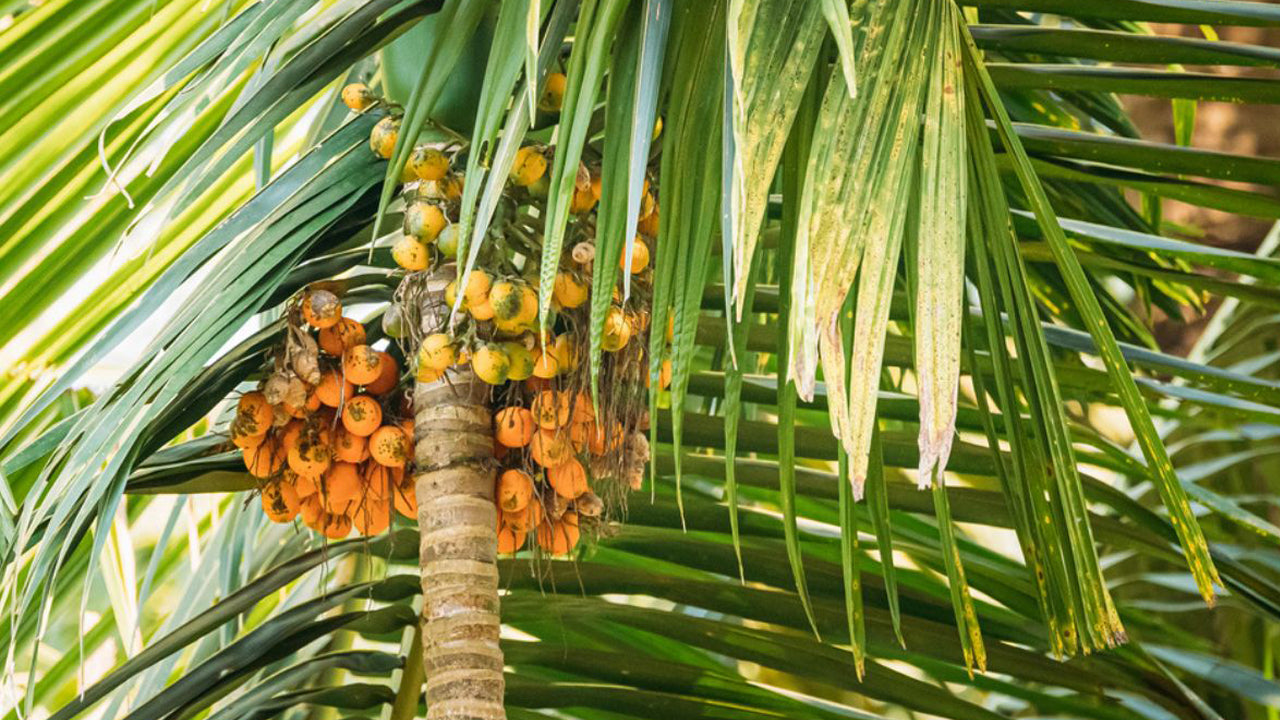
Betel palm
Areca catechu -
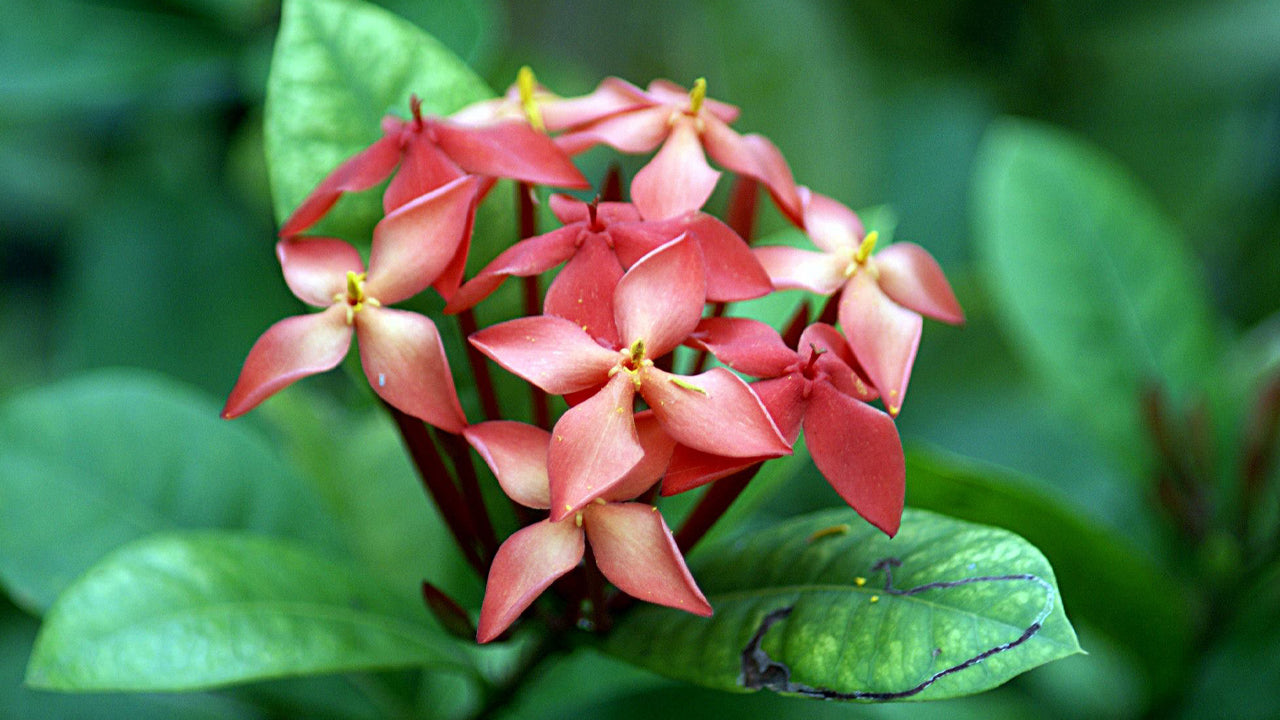
Jungle geranium
Ixora coccinea -
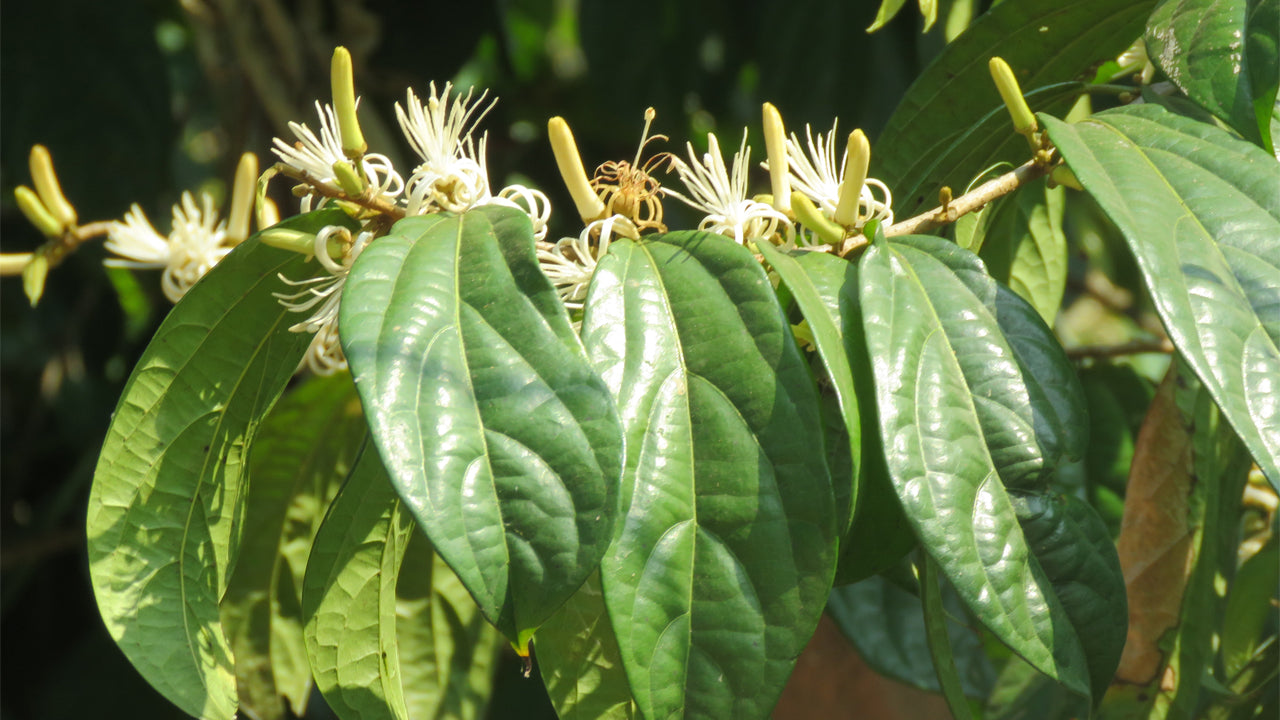
Sage-leaved alangium
Alangium salviifolium -
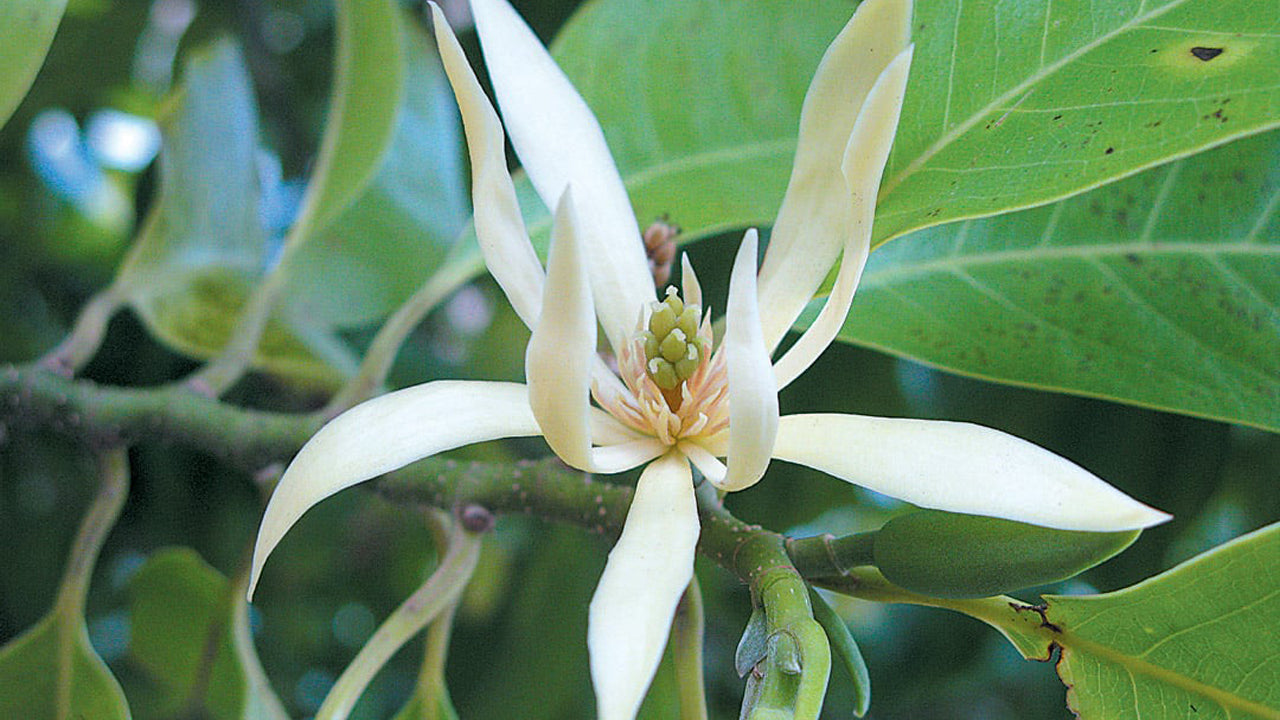
Champak
Michelia champaca -
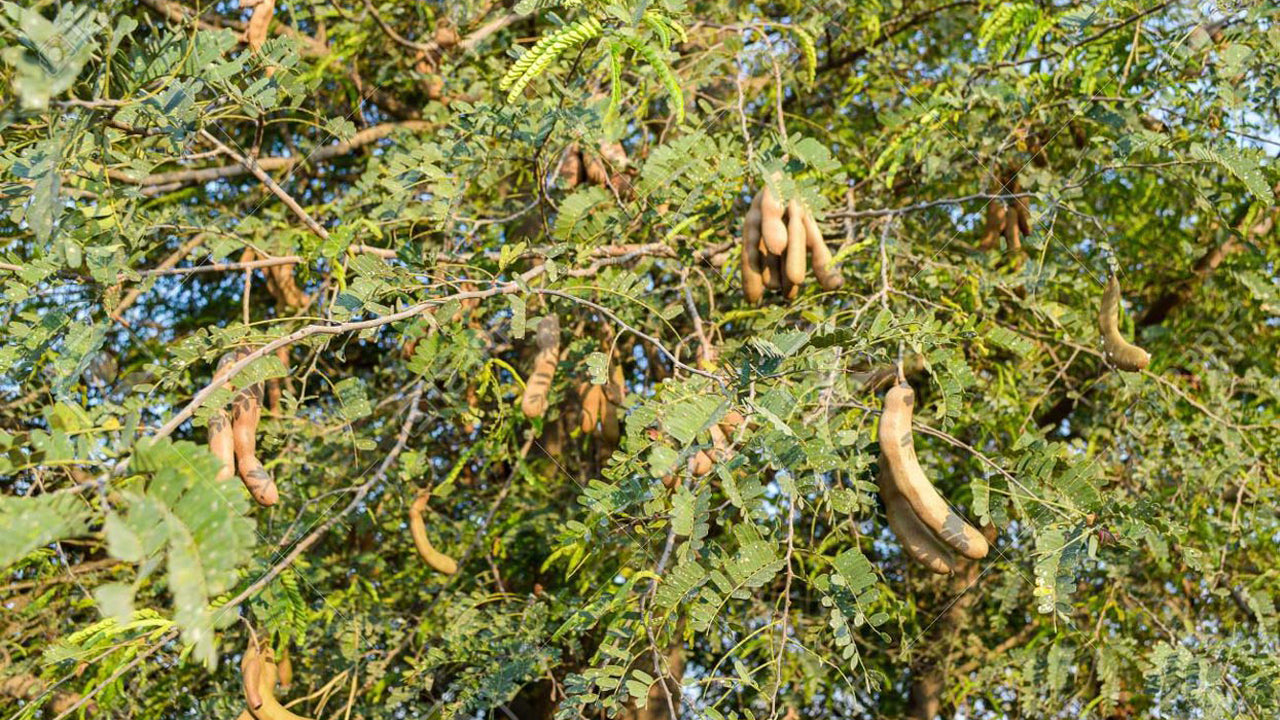
Tamarind
Tamarindus indica -
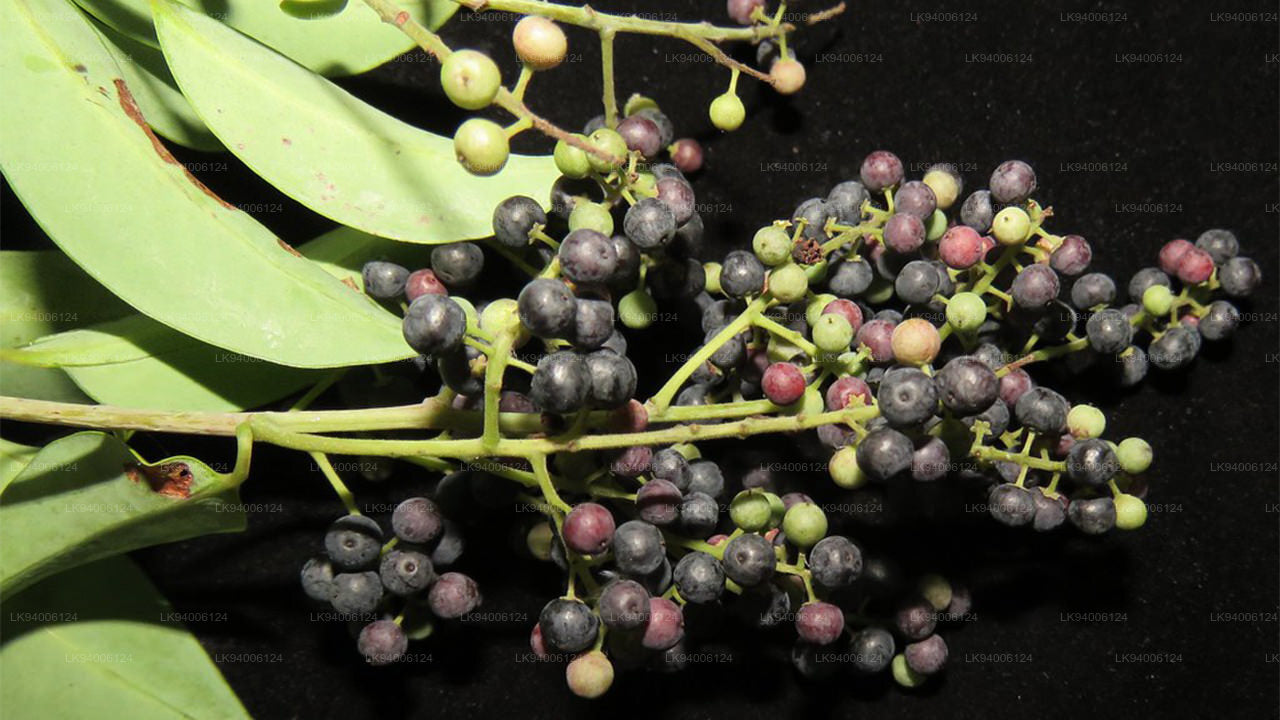
False Black Pepper
Embelia ribes -
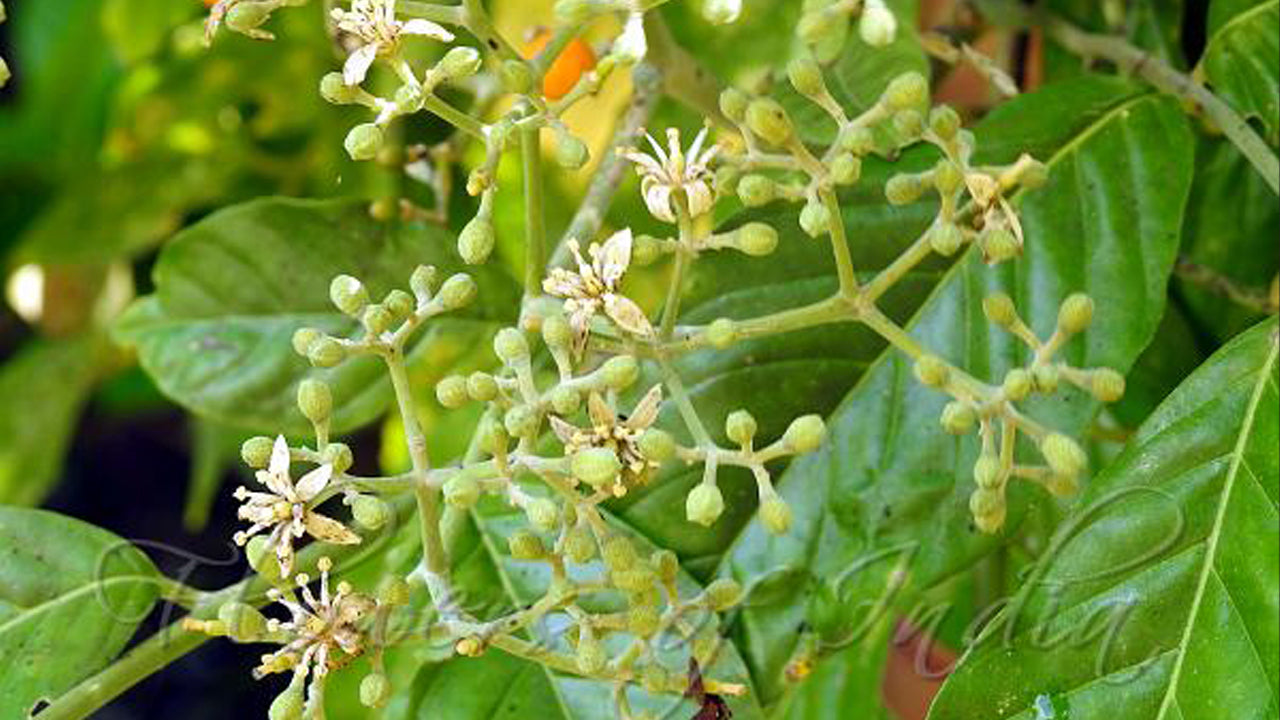
Limeberry
Micromelum ceylanicum -
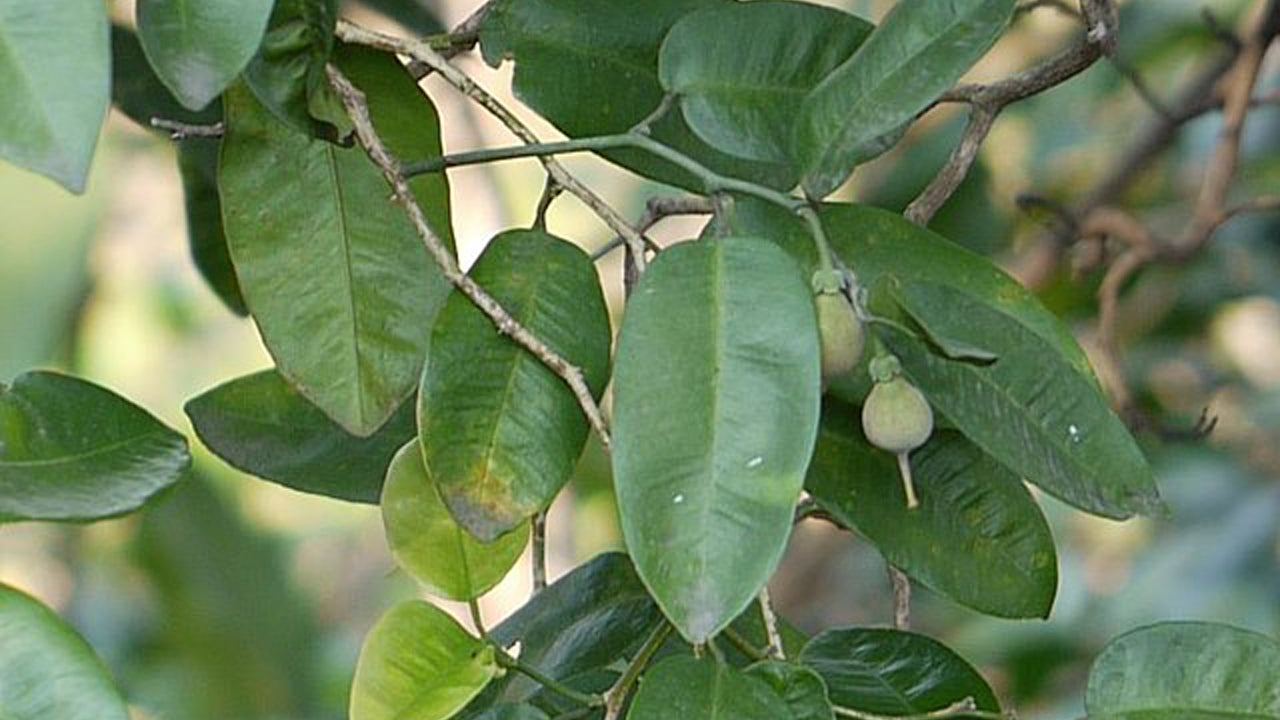
Climbing Atalantia
Paramignya monophylla





Ayurvedic and Herbal
-
Siddhalepa Ayurveda Herbal Balm
Regular price From $0.48 USDRegular price$0.54 USDSale price From $0.48 USDSale -
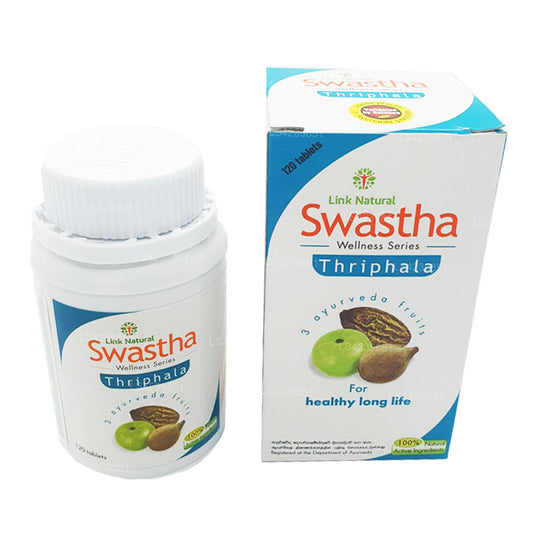
Link Swastha Triphala
Regular price From $1.74 USDRegular price$1.93 USDSale price From $1.74 USDSale -
Lakpura® Wildcrafted Soursop (Guanabana, Graviola, Guyabano) Dehydrated Leaves (Whole)
Regular price From $0.72 USDRegular price$0.81 USDSale price From $0.72 USDSale -
Sethsuwa Pranajeewa Oil
Regular price From $3.85 USDRegular price$4.28 USDSale price From $3.85 USDSale