Plectranthus amboinicus (කප්පරවල්ලිය)


Mexican Mint(Plectranthus amboinicus) also known as Plectranthus amboinicus, is a semi-succulent Lamiaceae perennial plant with a pungent oregano-like taste and odour. Coleus amboinicus's origin is uncertain, but it is thought to be native to Africa and probably India. ndian Name- Indian Borage, Pashan Bhedi,Ajwain Leaves, Karpooravalli, Patharchur, Muriyan pacha, Murikooti.Indian borage, country borage, French thyme, Indian mint, Mexican Mint(Plectranthus amboinicus), Cuban oregano, soup mint, and Spanish thyme are some of the common names in English.
Medicinal Uses of Mexican Mint(Plectranthus amboinicus):
Mexican Mint(Plectranthus amboinicus) leaves have a good flavour and are used in meat and poultry stuffings, as well as beef, lamb, and game. To mask the intense odours and tastes of fish, mutton, and goat, the herb is substituted for oregano. Laundry and hair are scented with fresh leaves. It's also used as a decorative herb. Indian borage (also known as Mexican Mint(Coleus amboinicus) has a long list of health benefits, including the ability to improve skin, detoxify the body, fight coughs and colds, alleviate arthritis pain, reduce stress, and improve digestion.
- Respiratory Issues are Relieved:
You can chew on the leaves of Indian borage or make tea from them if you have a cough, sore throat, coughing, a stuffy nose, or painful sinuses. The herb's compounds serve as a potent expectorant, removing mucus and phlegm from your respiratory tracts and clearing your sinuses. This can also aid in the improvement of the immune system.
- Urinary Tract Infections:
The extract obtained from the leaves aids in the treatment of kidney stones, the treatment of vaginal discharges, and the reduction of infections. As a result, it aids in the proper functioning of the kidneys and is a common remedy in India.
- Reduce arthritis:
The omega-6 fatty acids found in Indian borage leaf are thought to help with arthritis. Athletes are often advised to eat this leaf in order to avoid osteoporosis.
- Reduces Anxiety and Stress:
Some of the organic compounds and minerals in Indian borage are slightly sedative in nature, which is one of the lesser-known benefits. It has been used as a herbal remedy for those with high anxiety or chronic stress in folk medicine, especially in tea form, to induce relaxation, peace of mind, and safe, restful sleep.
- Anti-cancer Potential:
Scientists discovered that the stem of the Indian borage plant is high in antioxidants and can scavenge free radicals, according to research. This plant's extract has been shown to suppress cancer cell proliferation as well as have antiplatelet aggregation properties.
- Fever-Relieving Treatments:
Mexican Mint(Coleus amboinicus) also used to treat fever the most common symptoms of a cold or flu. Indian borage is a sudorific herb, which means it induces sweating, which aids in the removal of con
-
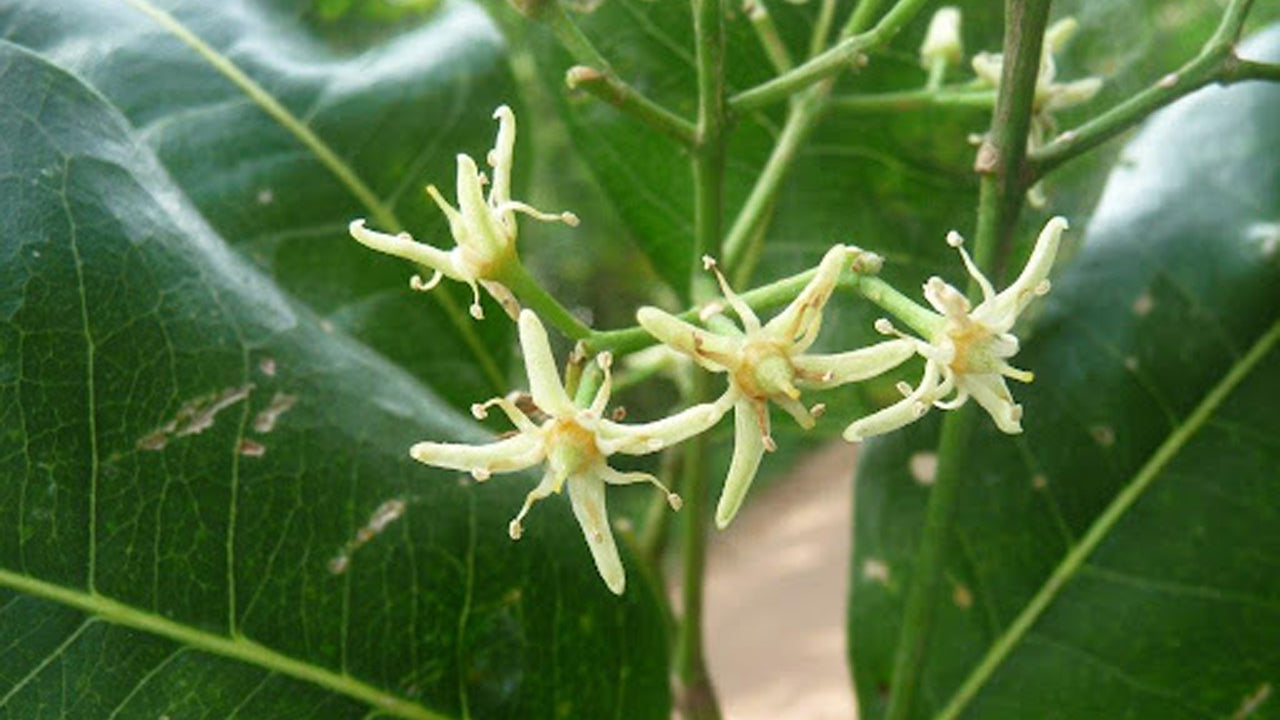
Claw-flowered laurel
Acronychia pedunculata -
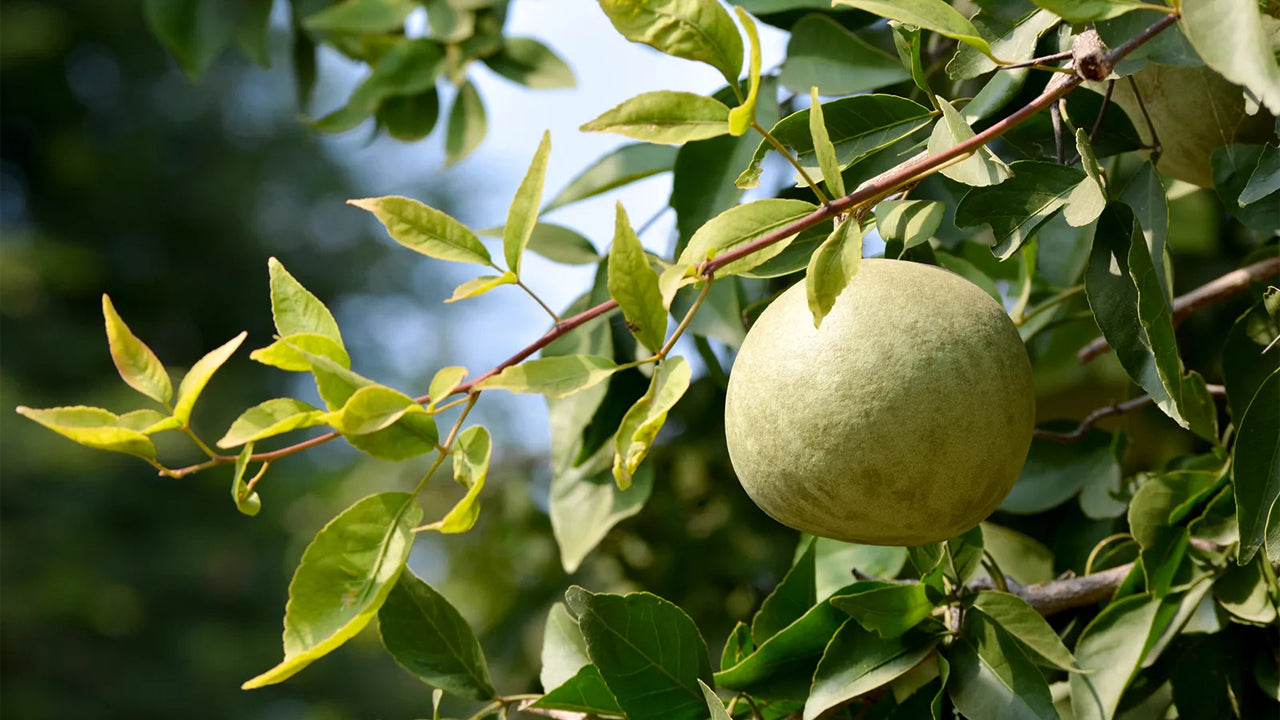
Bael
Aegle marmelos -
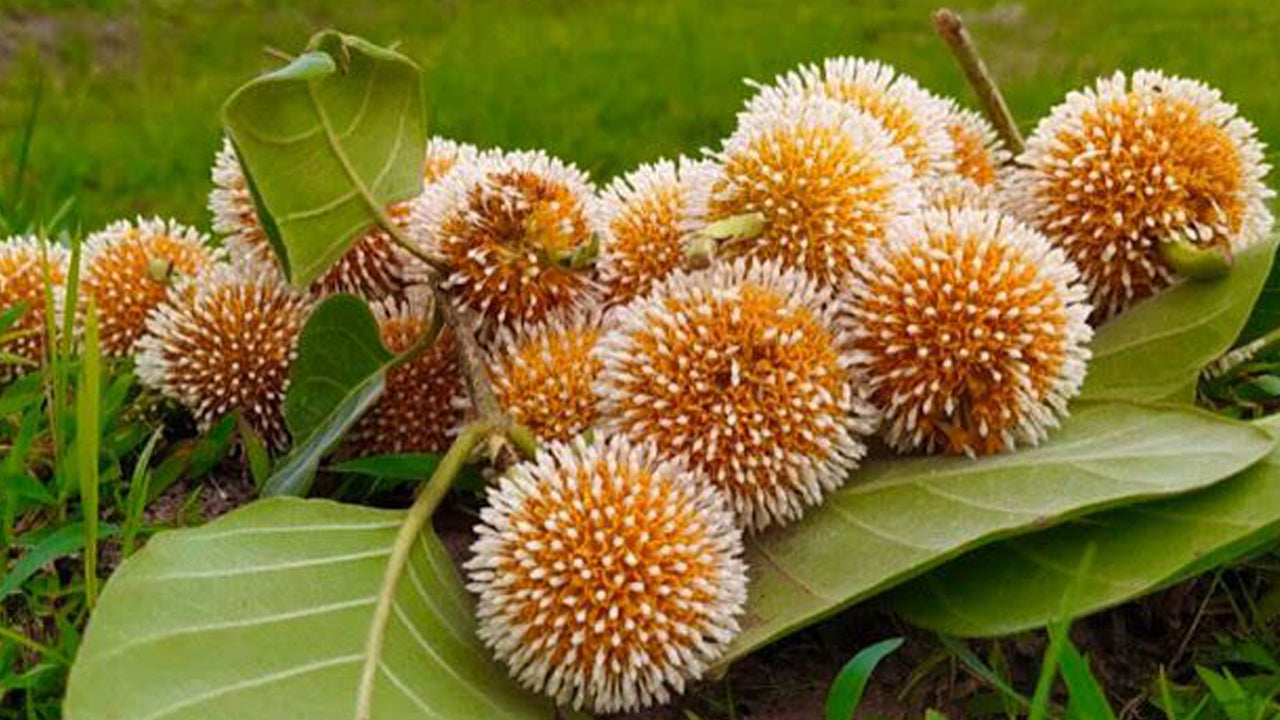
Leichhardt tree
Nauclea orientalis -
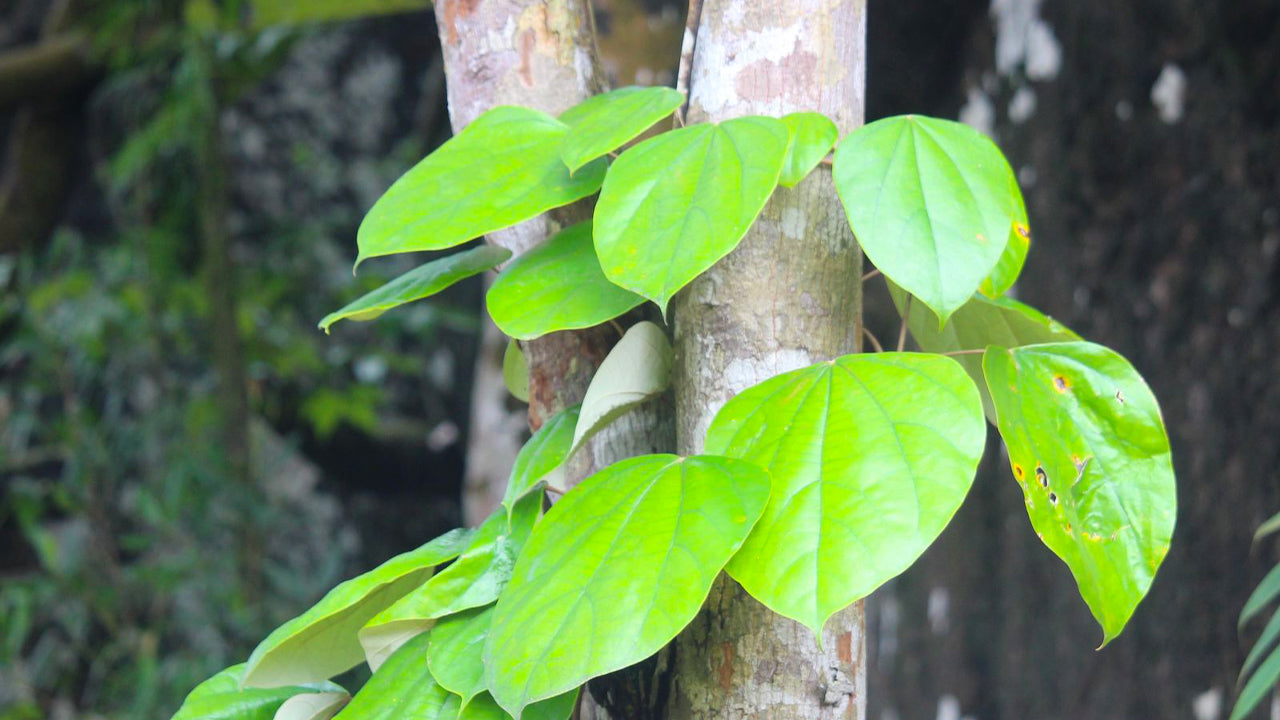
False Calumba
Coscinium fenestratum -

Malabar Gulbel
Tinospora malabarica -
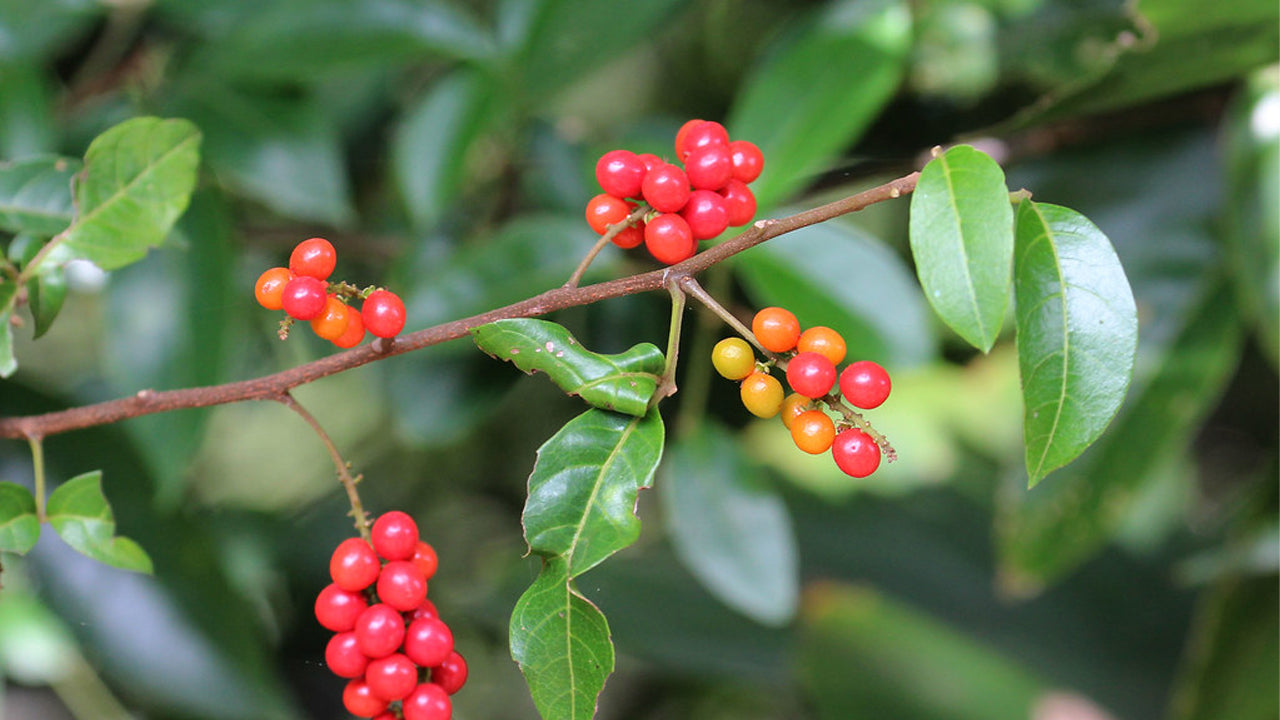
Titberry
Allophylus cobbe -
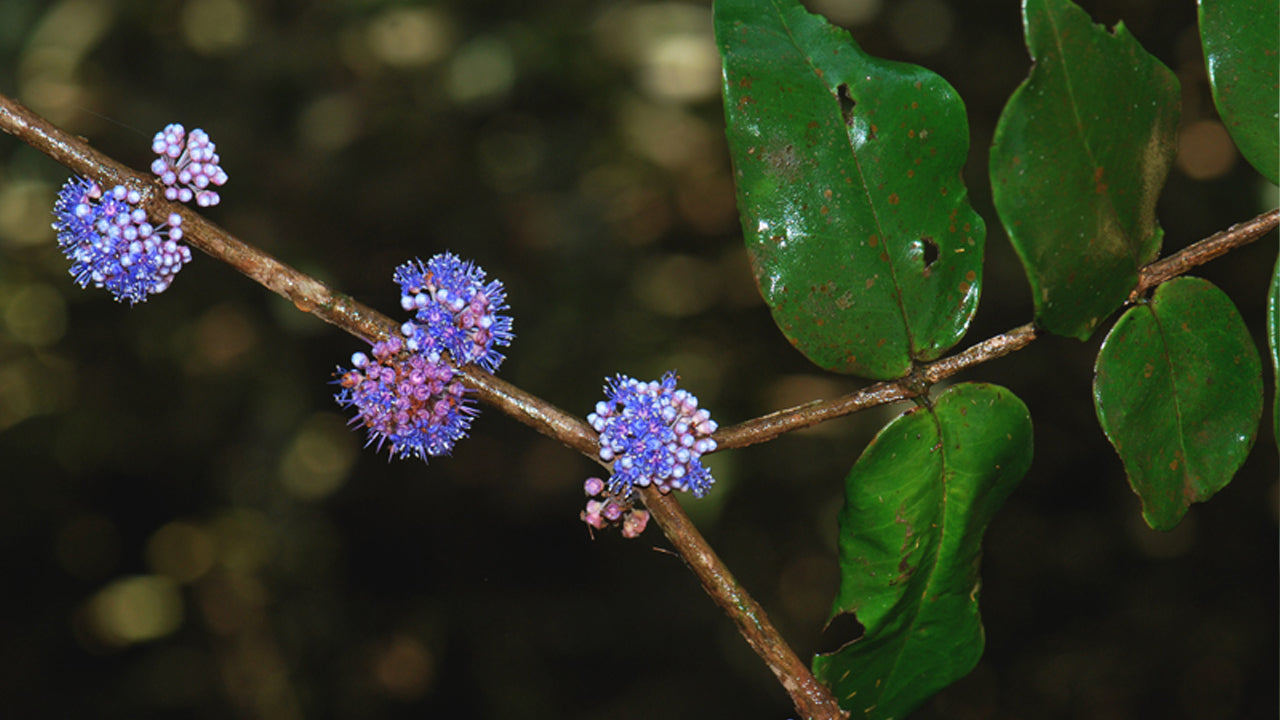
Ironwood Tree
Memecylon capitellatum -
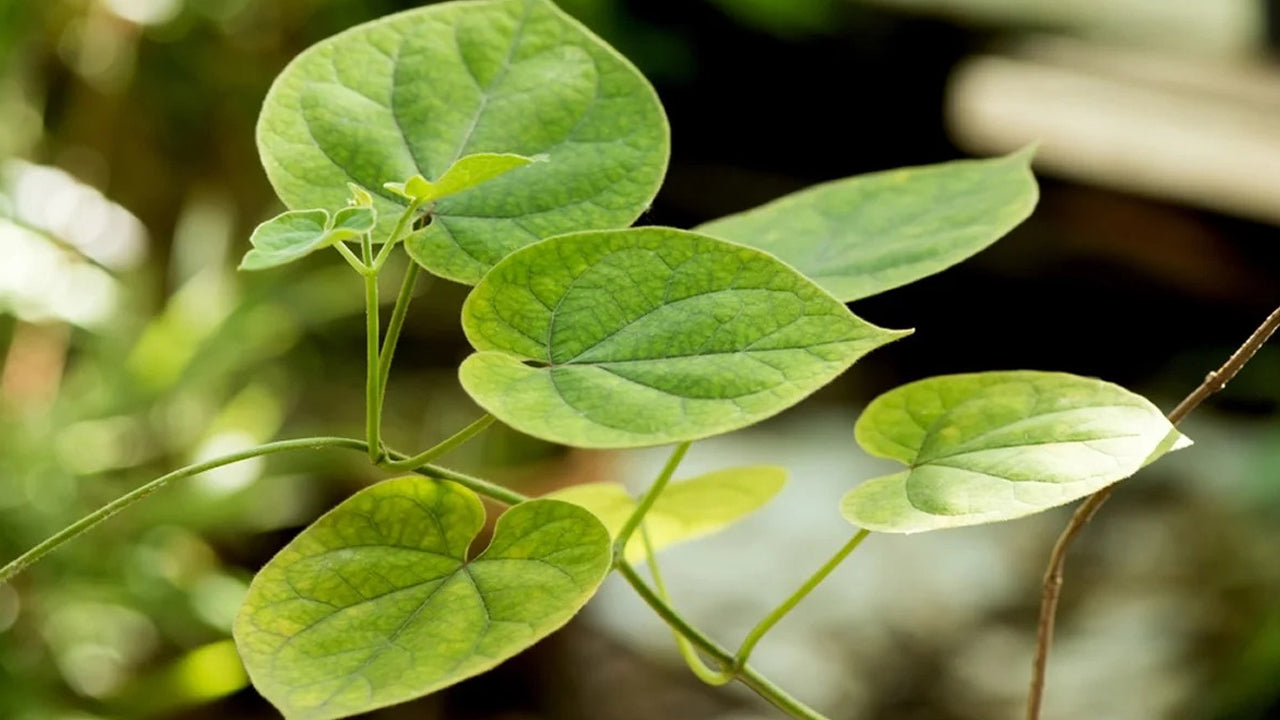
Velvet Leaf
Cissampelos pareira -
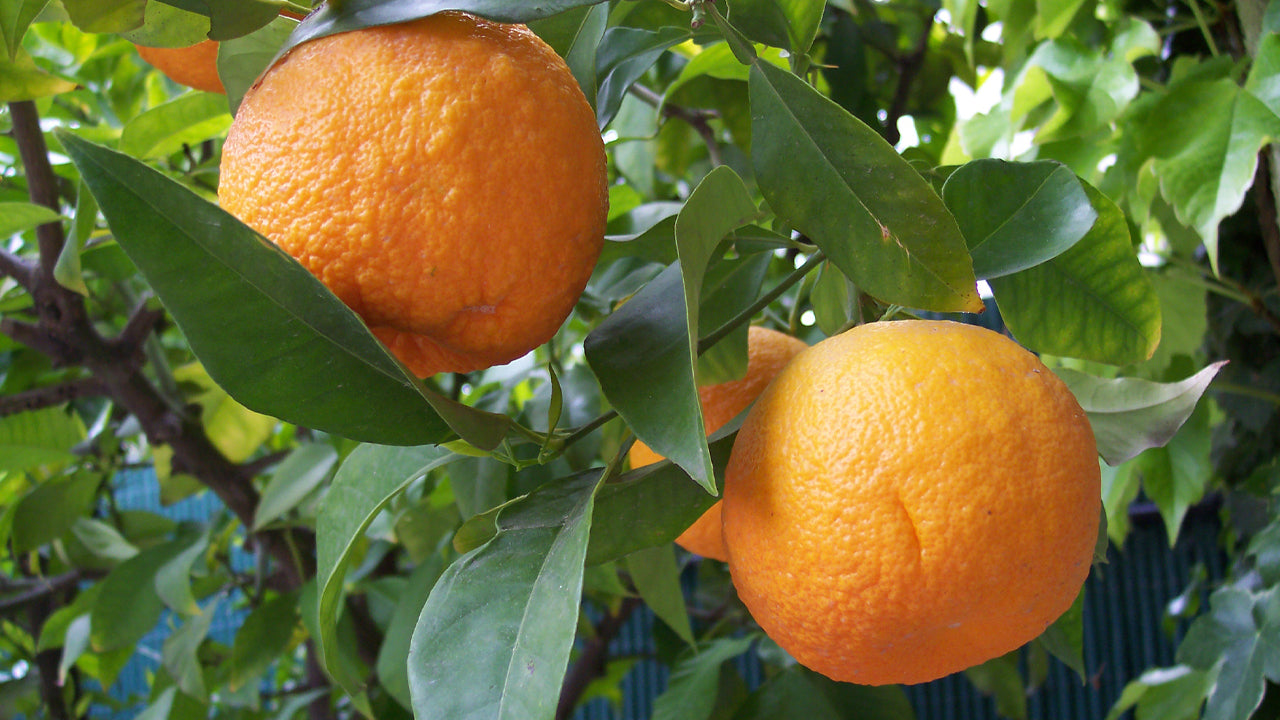
Bitter orange
Citrus aurantium -

Reinwardt's Tree Plant
Biophytun reinward -
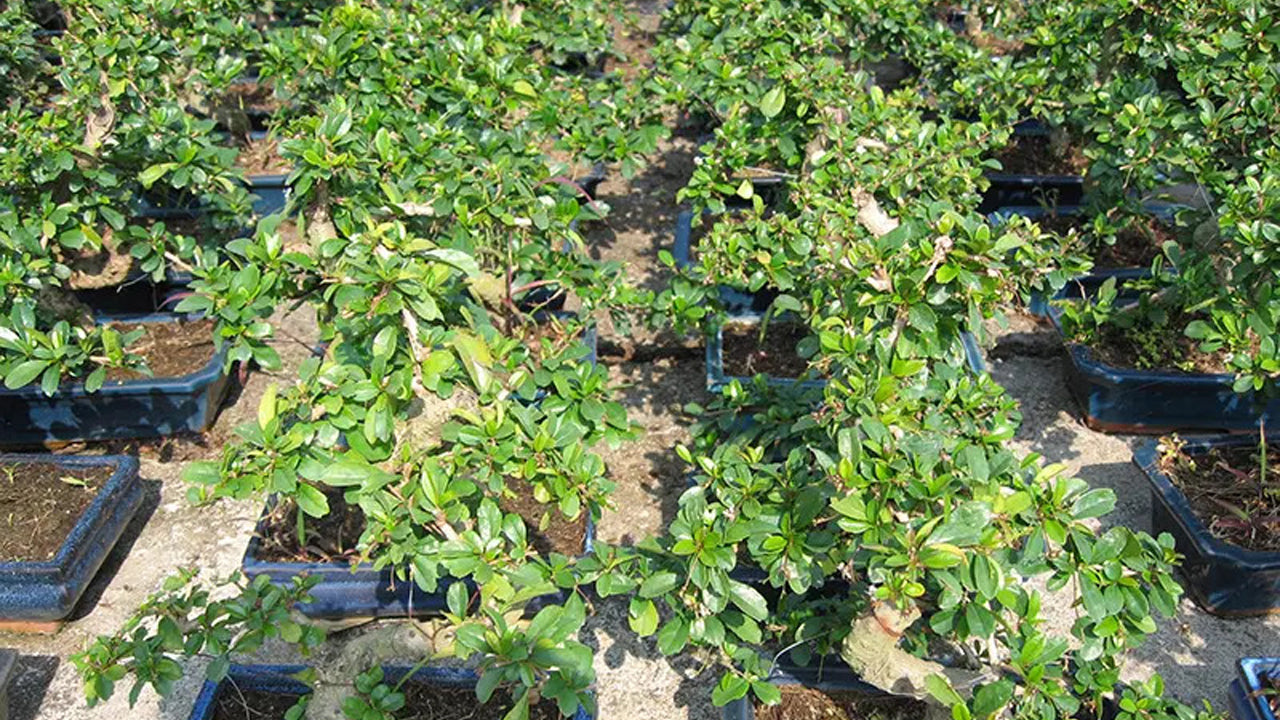
Fukien tea
Carmona microphylla -
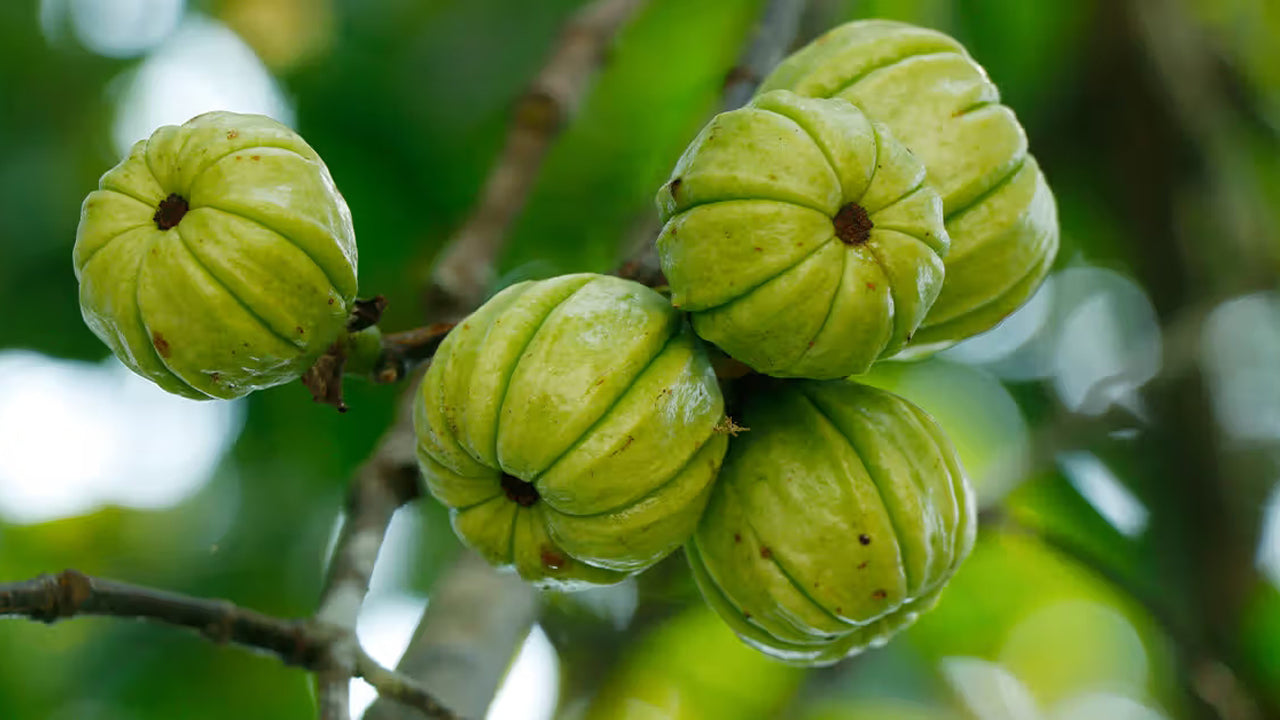
Malabar tamarind
Garcinia cambogia -
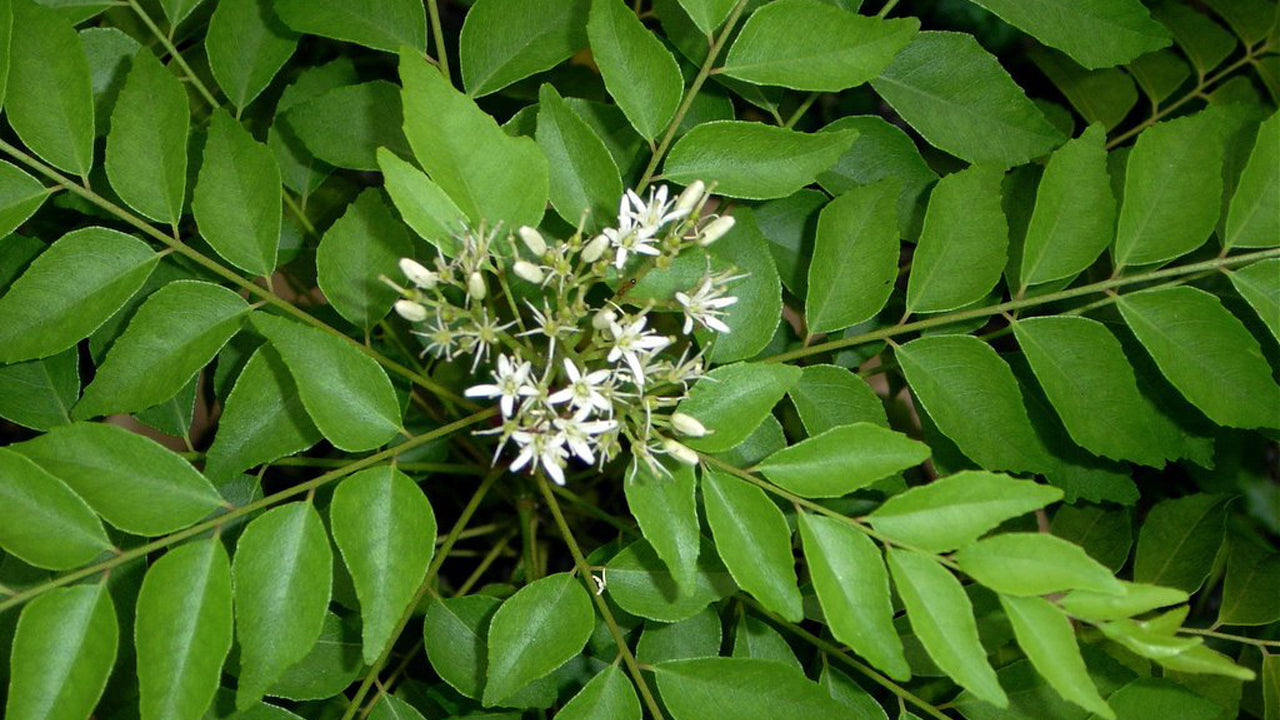
Curry leaf tree
Murraya koenigii -
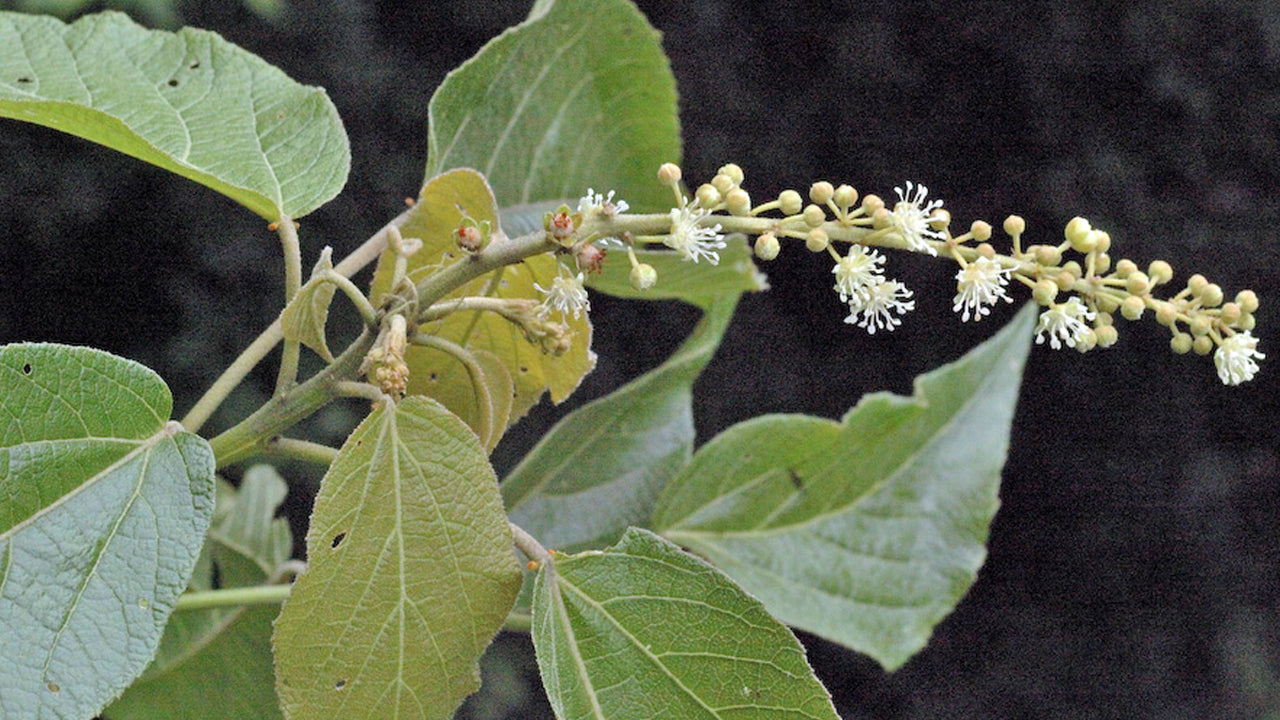
Kappetiya
Croton laccifer -
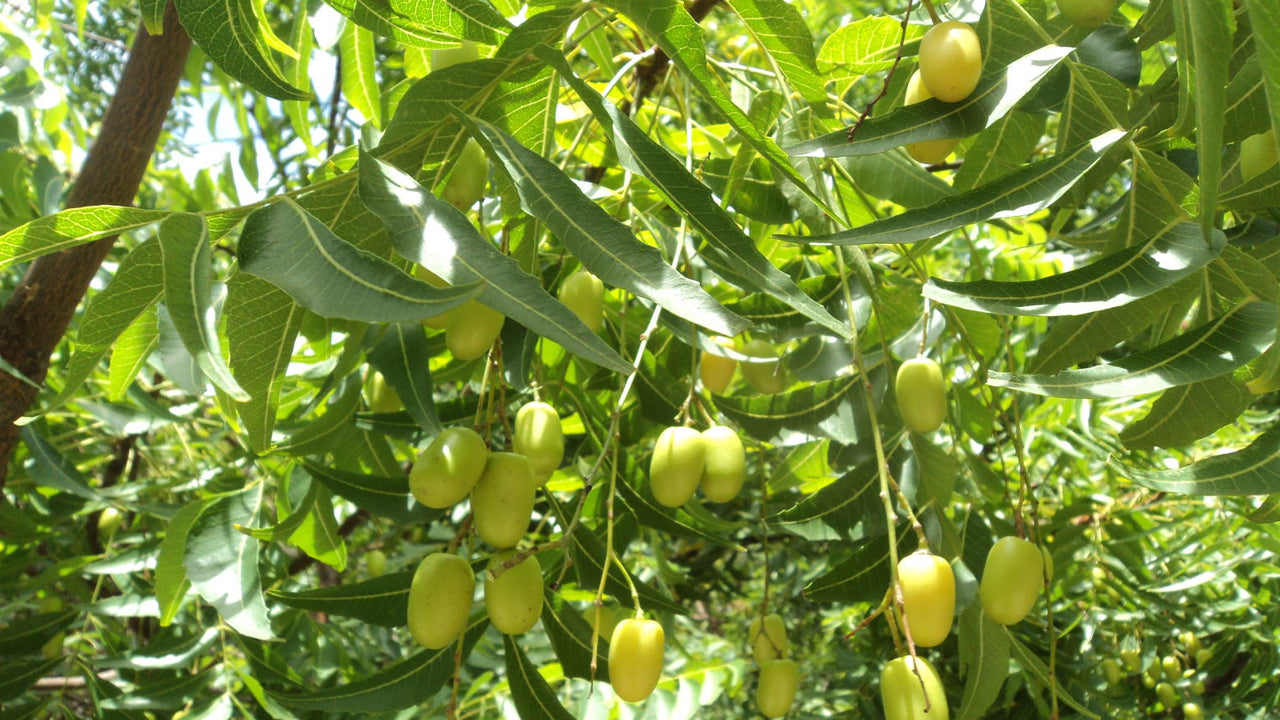
Indian lilac
Azadirachta indica -
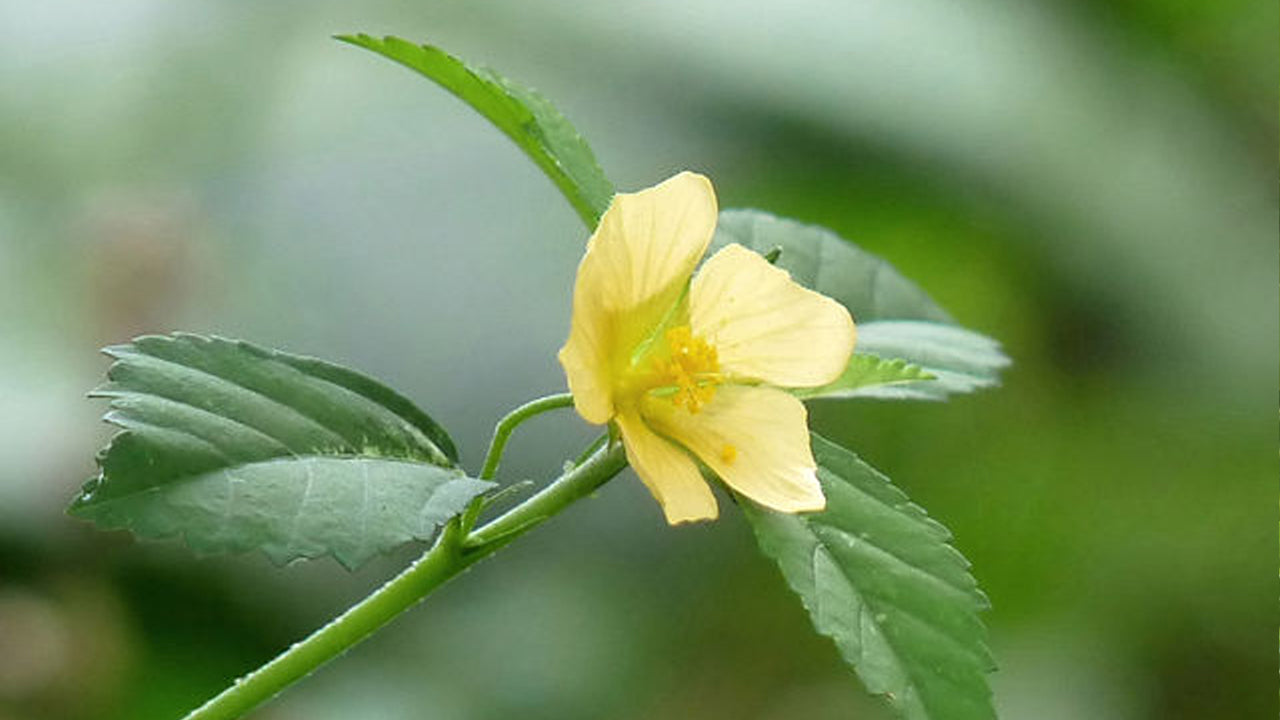
Spiny sida
Sida alba -
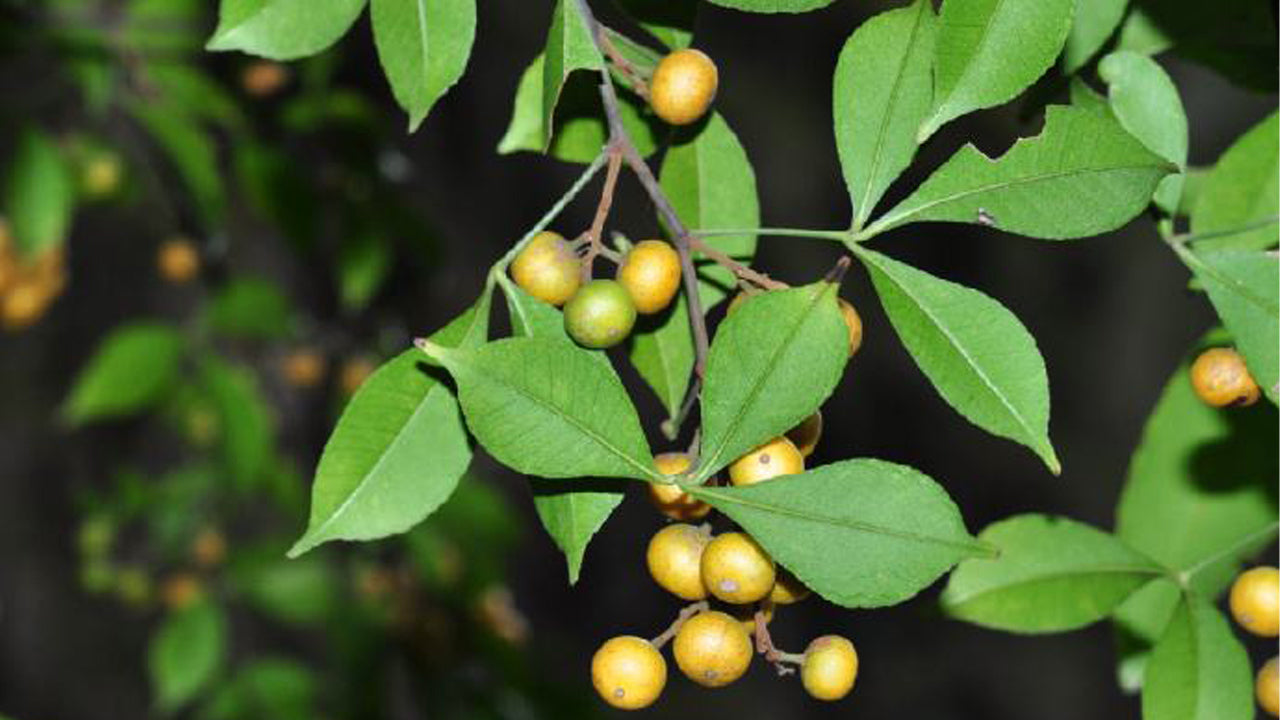
Orange climber
Toddlia asiatica -
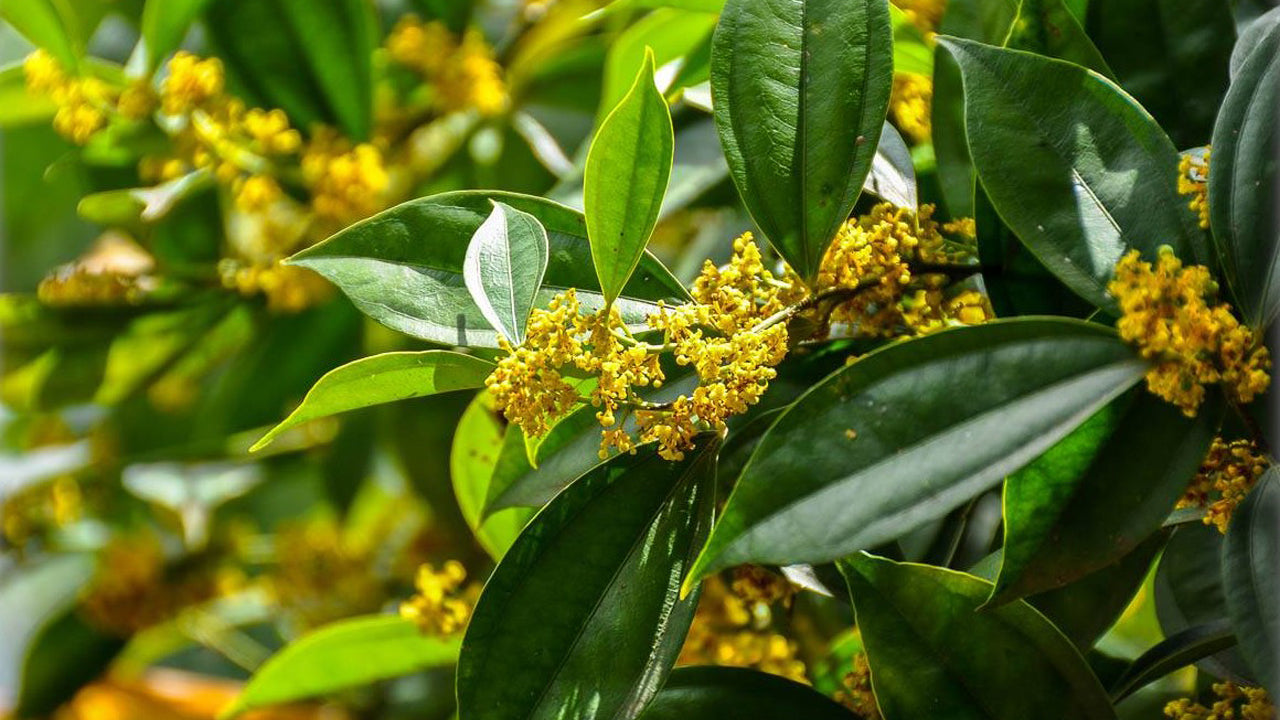
Ceylon cinnamon
Cinnamomum zeylanicum -
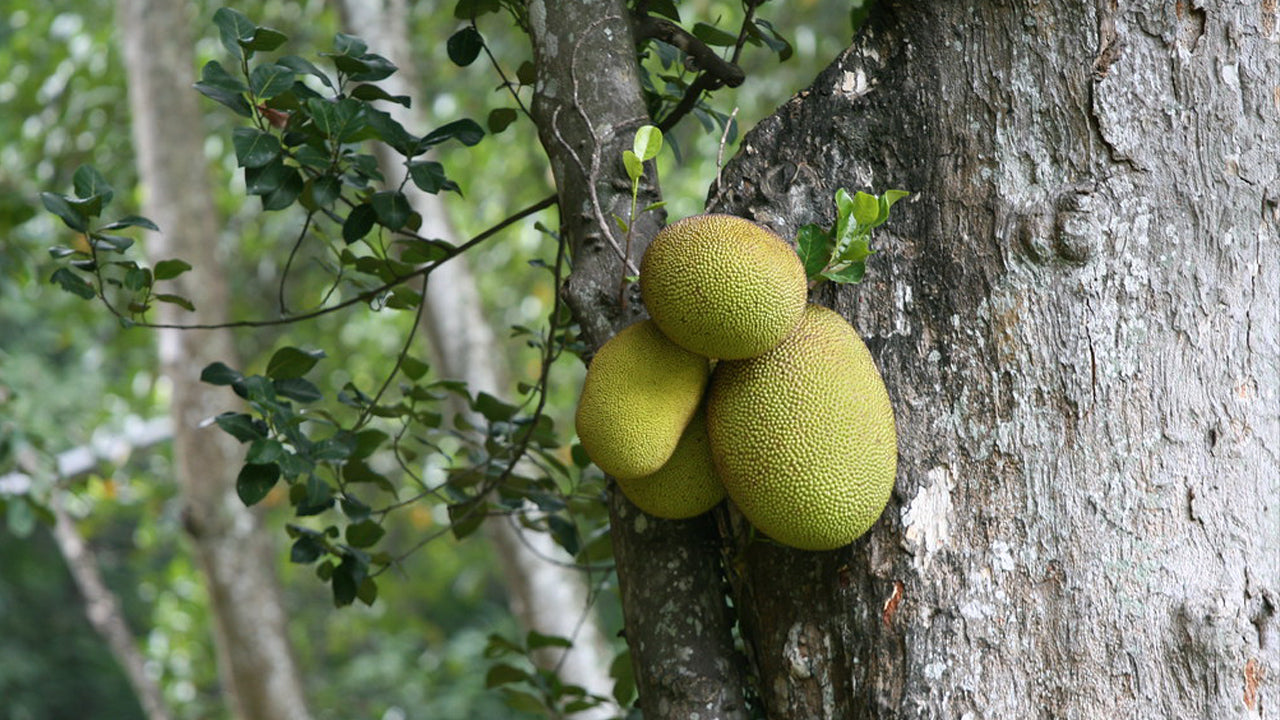
Jackfruit
Artocarpus heterophyllus -
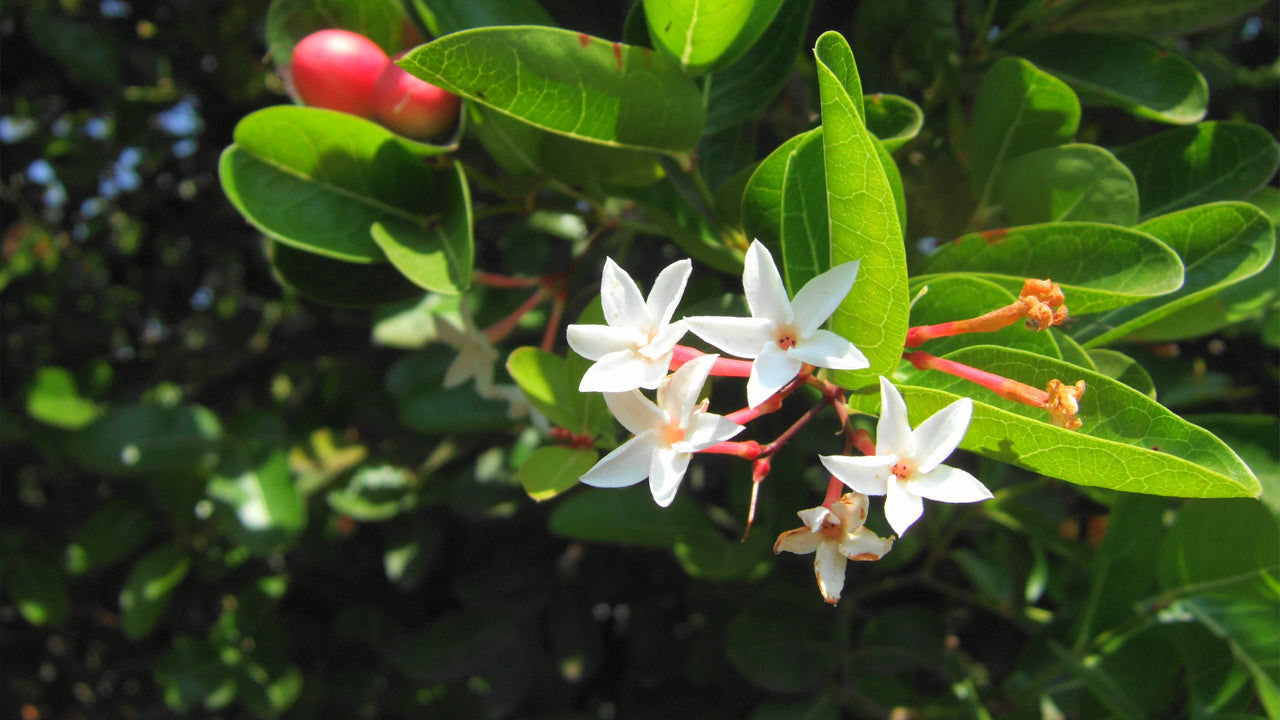
Karonda
Carissa carandas -
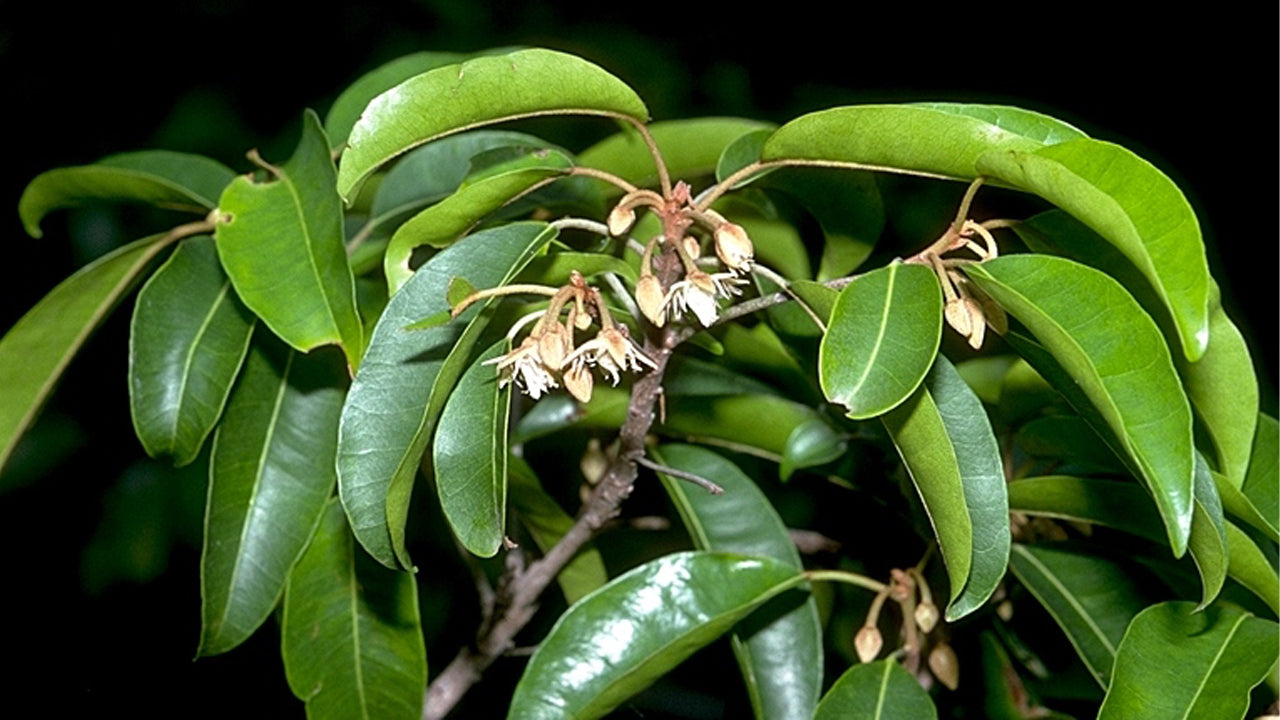
Spanish cherry
Mimusops elengi -
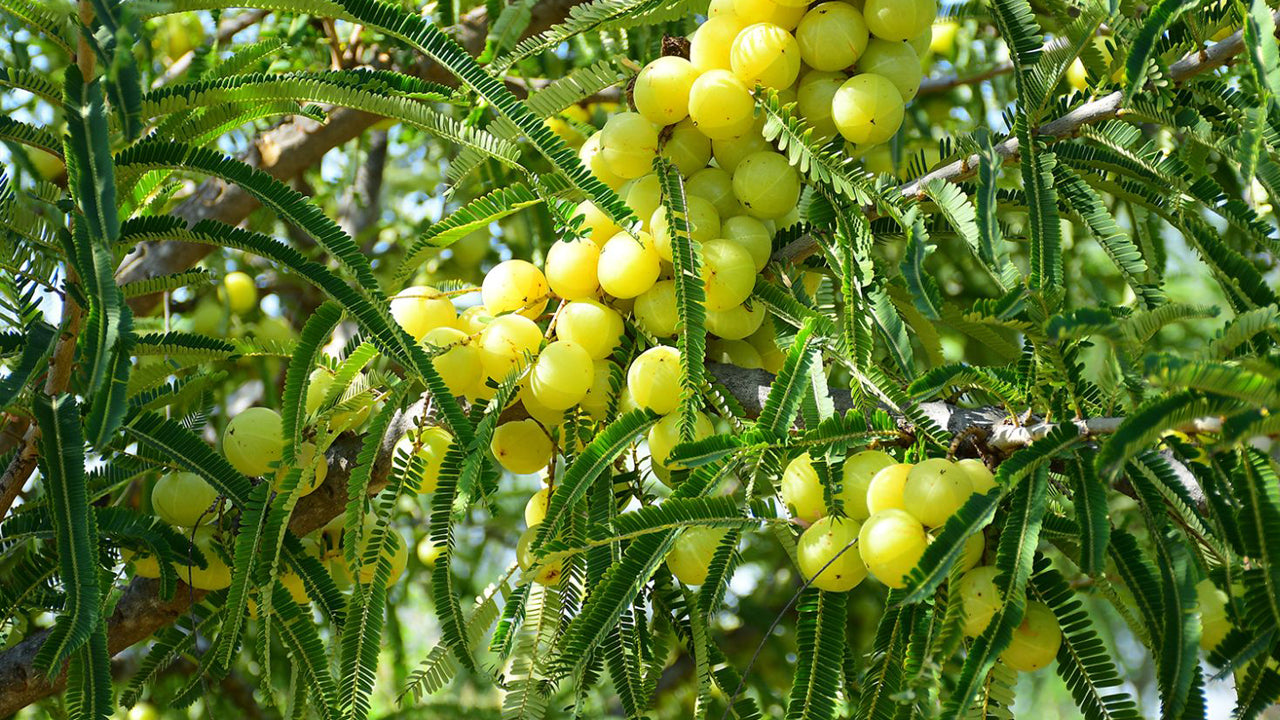
Indian gooseberry
Phyltanthus emblica -
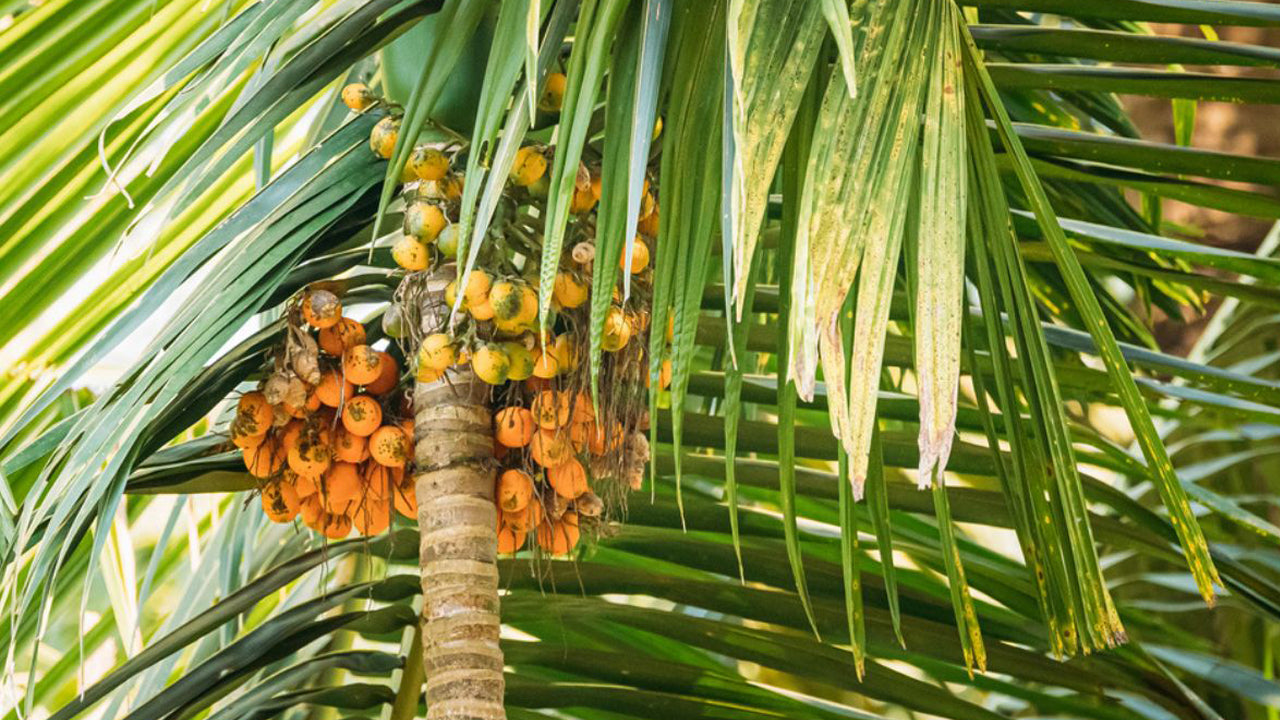
Betel palm
Areca catechu -
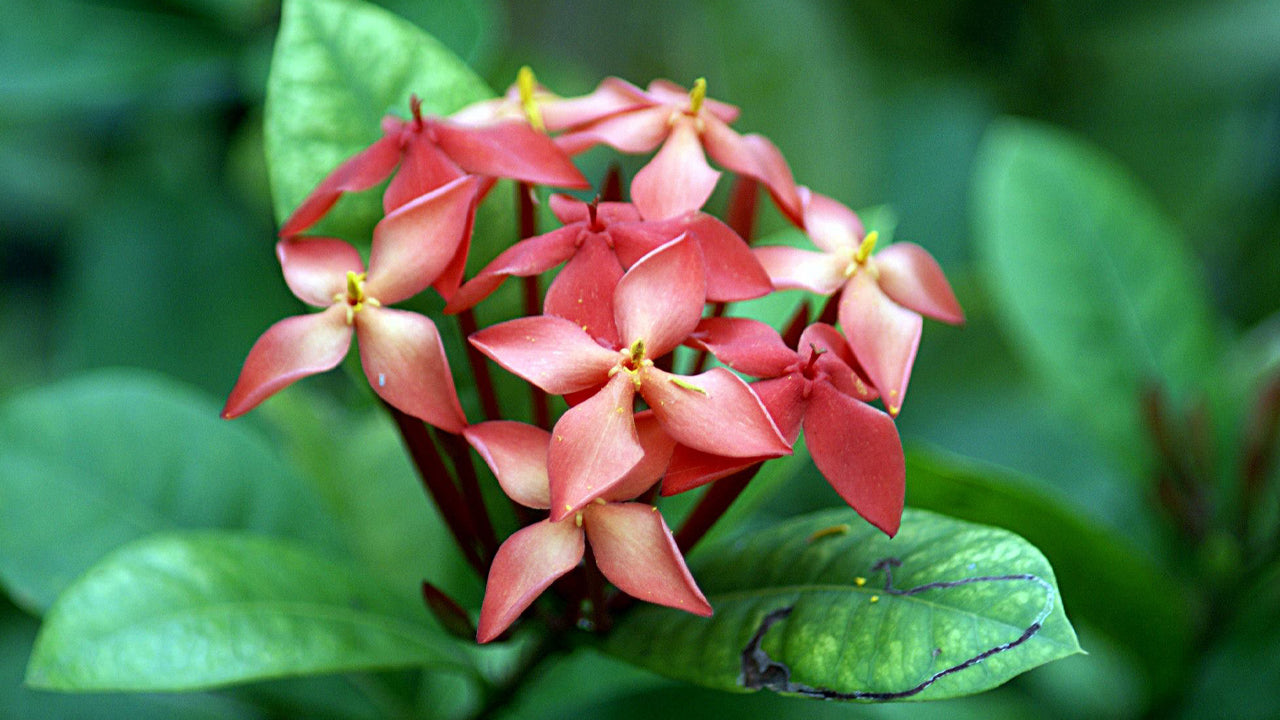
Jungle geranium
Ixora coccinea -
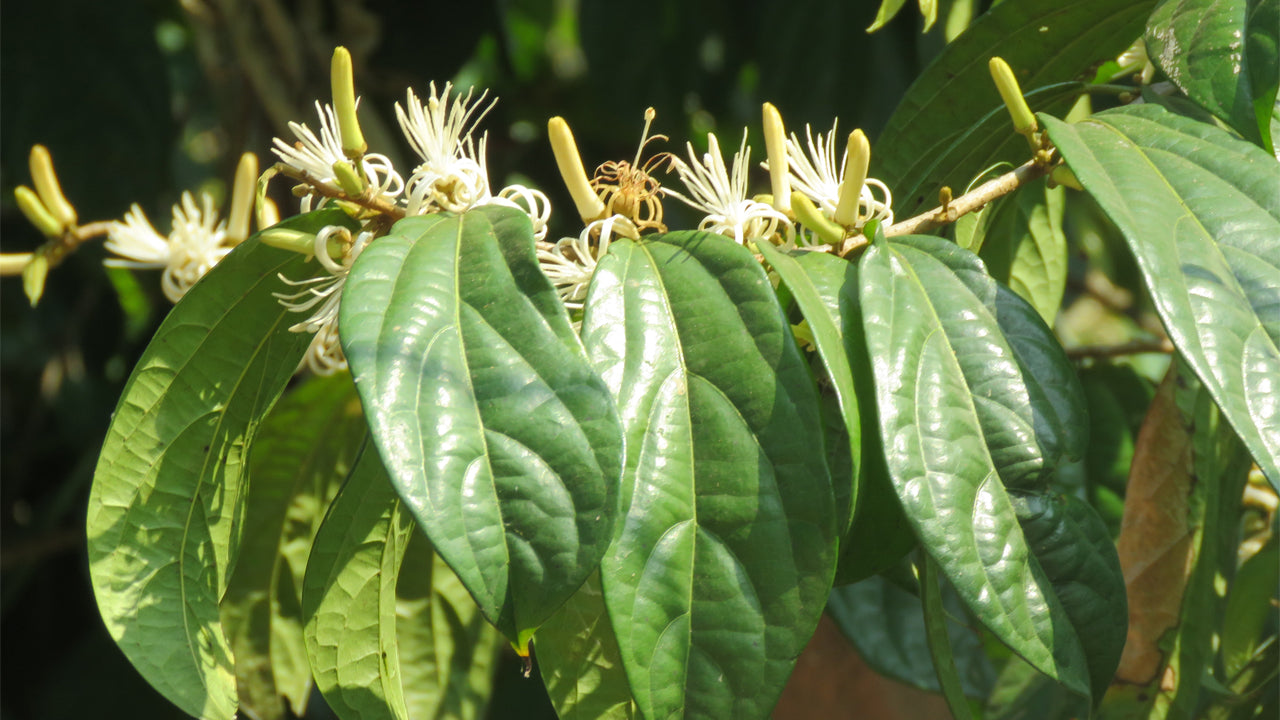
Sage-leaved alangium
Alangium salviifolium -
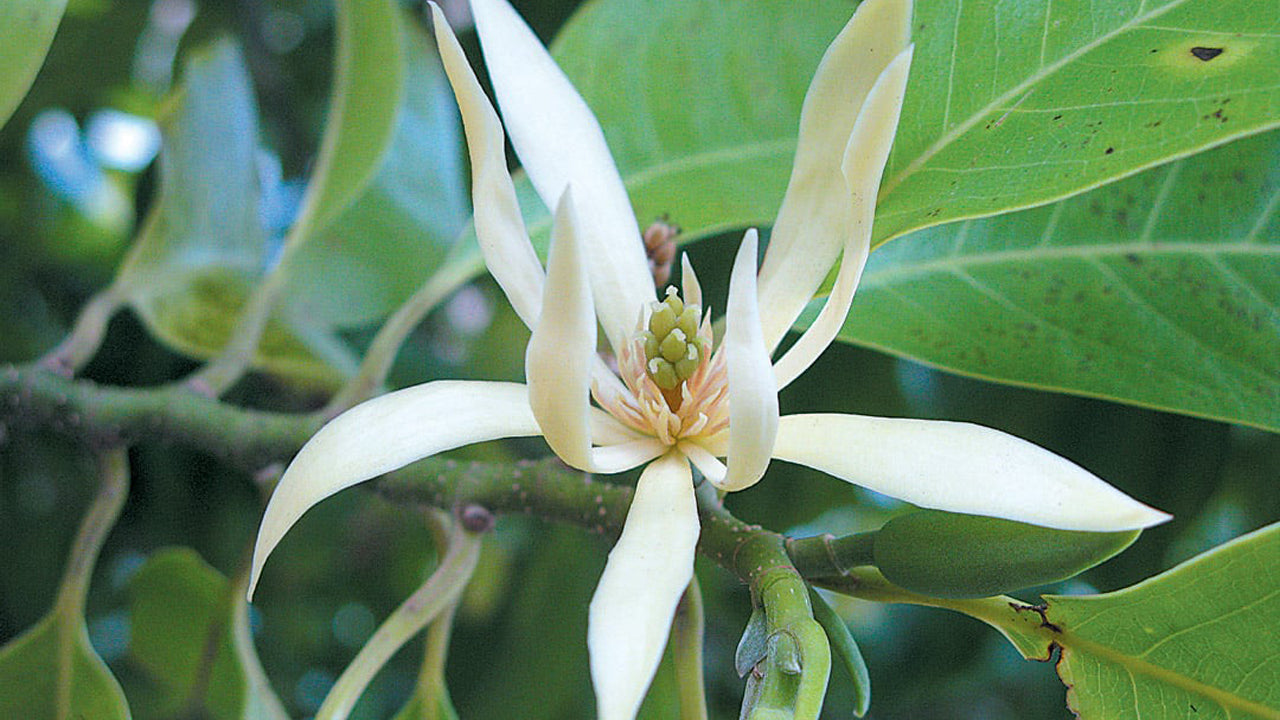
Champak
Michelia champaca -
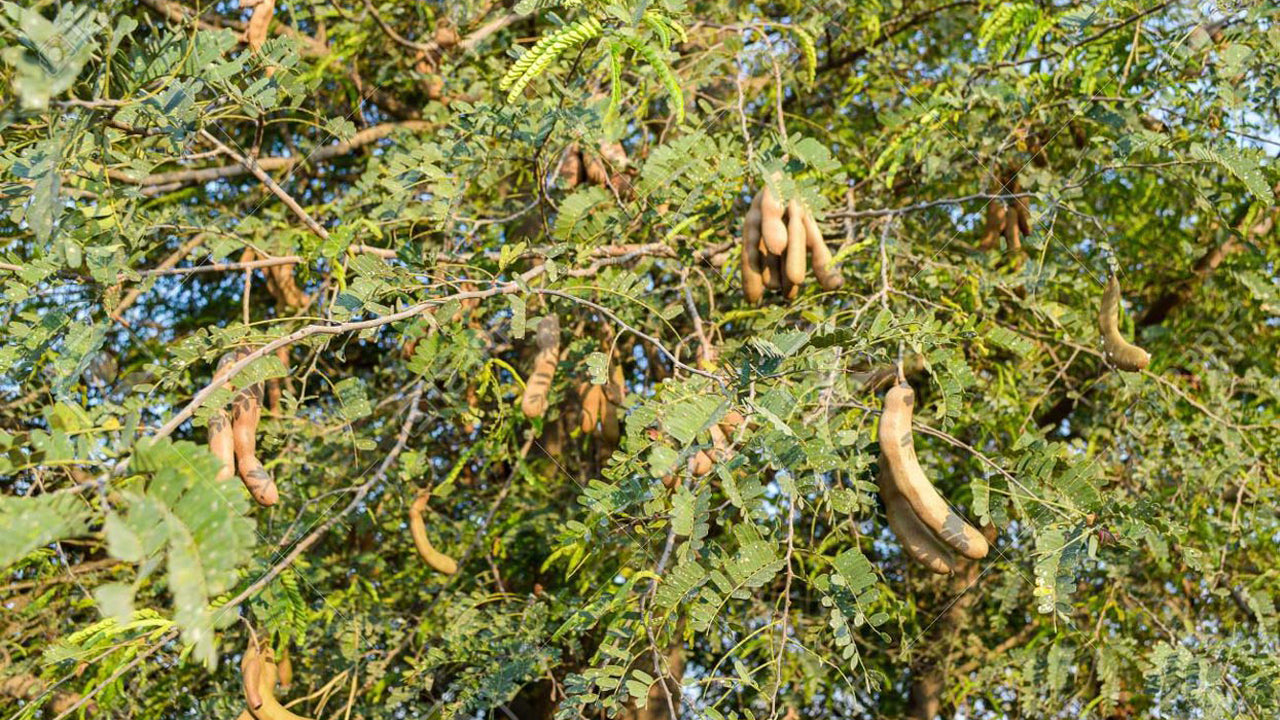
Tamarind
Tamarindus indica -
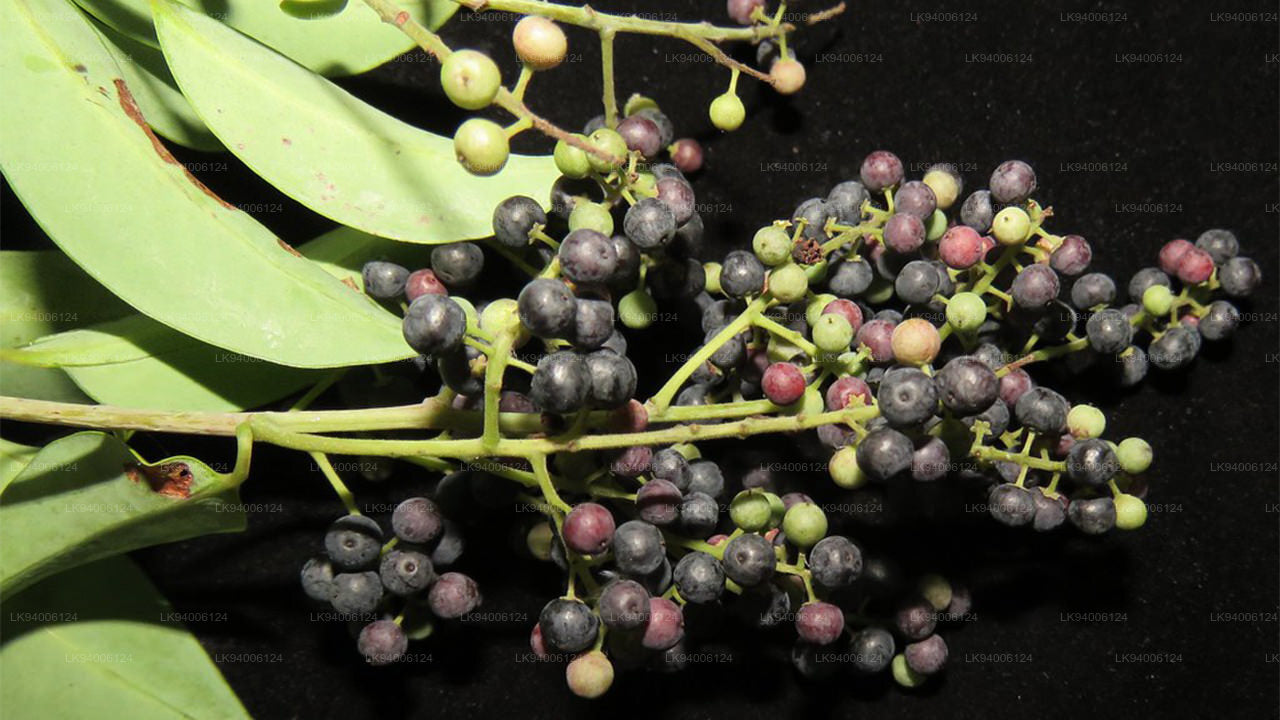
False Black Pepper
Embelia ribes -
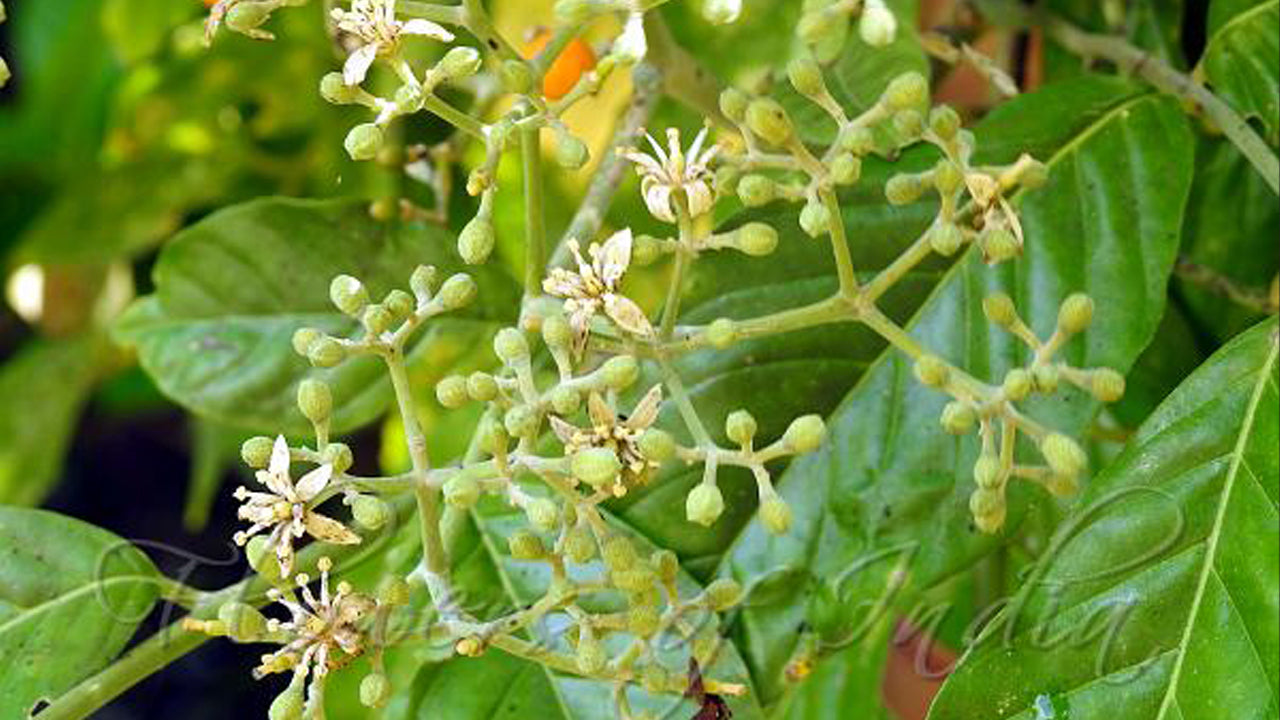
Limeberry
Micromelum ceylanicum -
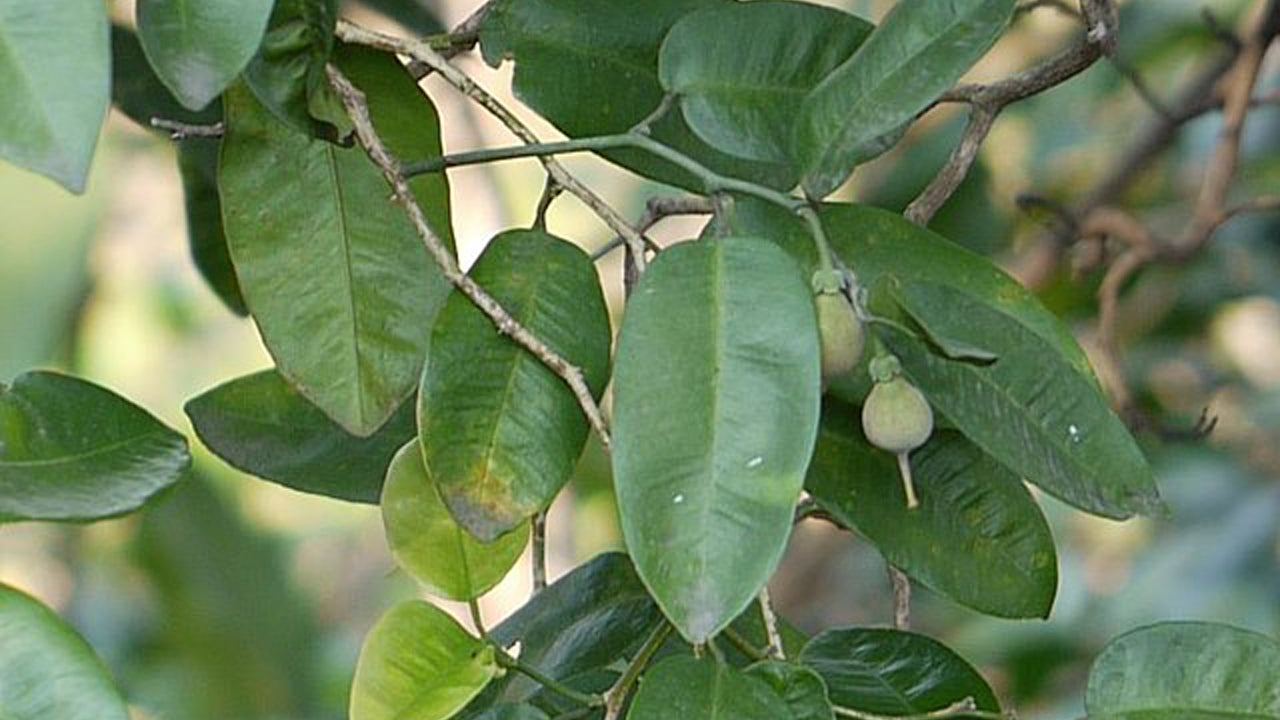
Climbing Atalantia
Paramignya monophylla





Ayurvedic and Herbal
-
Siddhalepa Ayurveda Herbal Balm
Regular price From $0.48 USDRegular price$0.54 USDSale price From $0.48 USDSale -
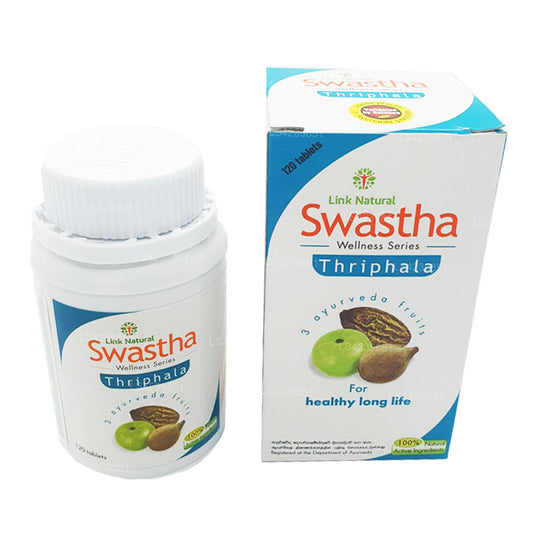
Link Swastha Triphala
Regular price From $1.74 USDRegular price$1.93 USDSale price From $1.74 USDSale -
Lakpura® Wildcrafted Soursop (Guanabana, Graviola, Guyabano) Dehydrated Leaves (Whole)
Regular price From $0.72 USDRegular price$0.81 USDSale price From $0.72 USDSale -
Sethsuwa Pranajeewa Oil
Regular price From $3.85 USDRegular price$4.28 USDSale price From $3.85 USDSale