Munronia pinnata, known locally as Bin Kohomba (බිංකොහොඹ), is one of Sri Lanka's most distinctive and rarely encountered medicinal plants. Despite its modest stature — rarely exceeding 50 cm in height — it holds a well-established place in traditional Ayurvedic practice across South and Southeast Asia. Understanding this plant means looking at both its ecology and its long history of therapeutic use.
What is Munronia pinnata and where does it grow?
Munronia pinnata belongs to the family Meliaceae, the same botanical family that includes the more widely known neem tree. In Sri Lanka, it is found across a surprisingly broad range of ecosystems — dry zone scrubland, intermediate zone forests, and wet zone jungle understories. This adaptability makes it ecologically unusual, though its overall population remains sparse.
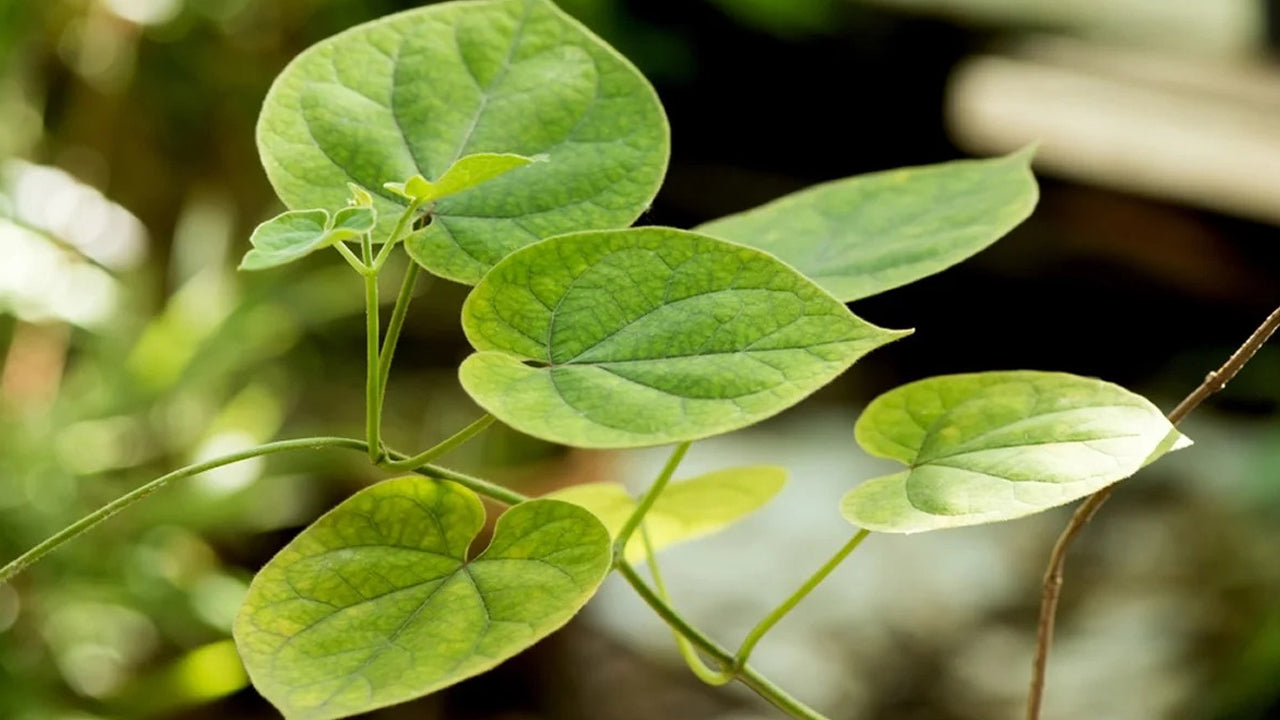
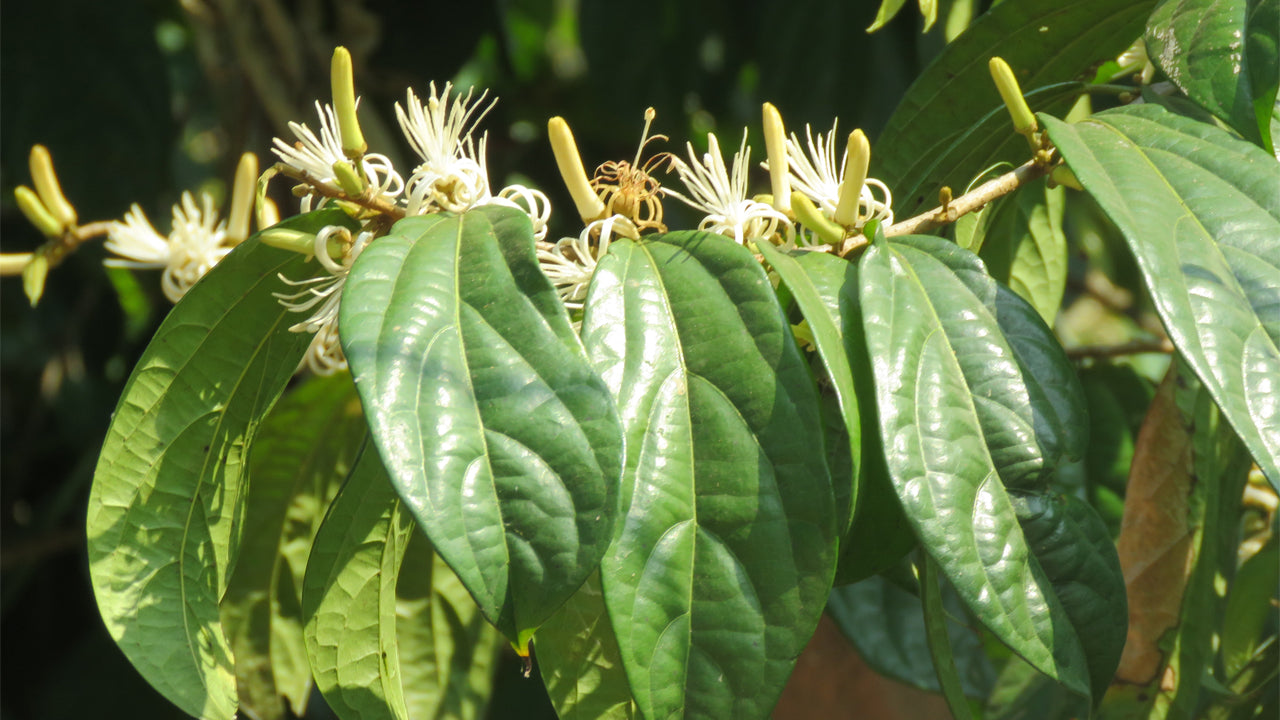
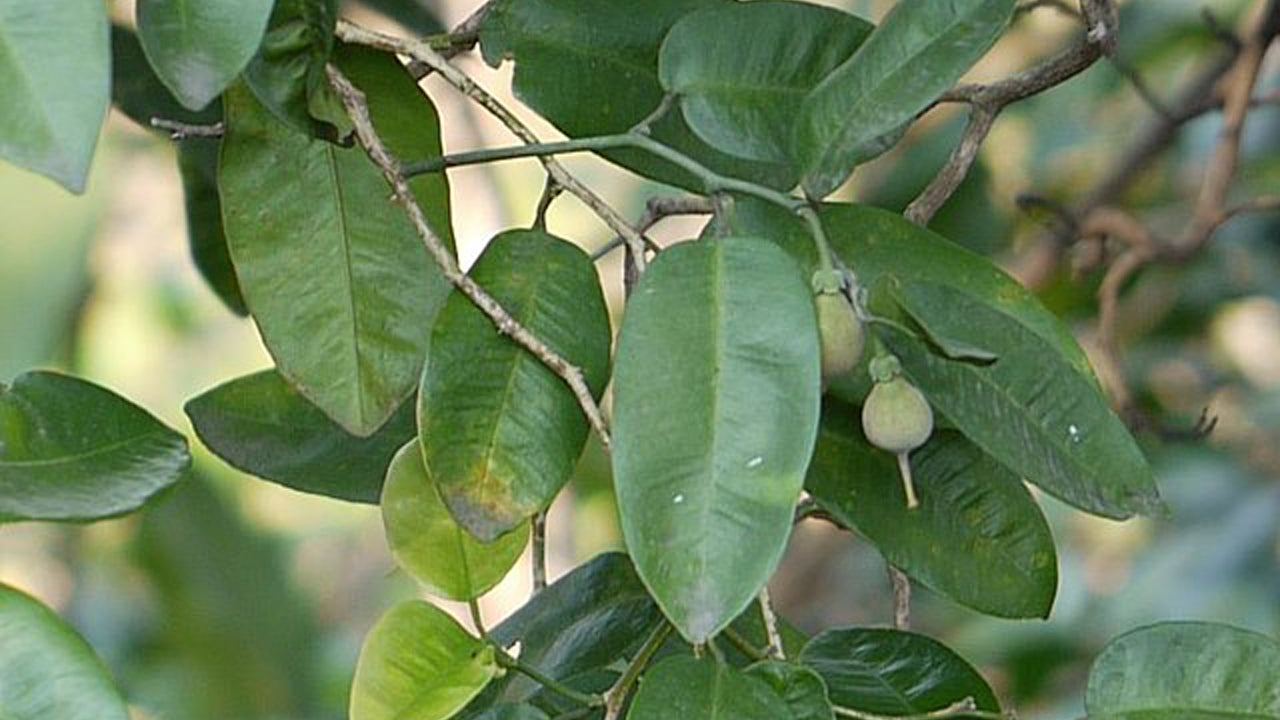
Beyond Sri Lanka, the species has been recorded in India, Nepal, Vietnam, and Timor, pointing to a wide but fragmented distribution across tropical Asia. In Sri Lanka, specimens typically display smooth, pinnate leaves composed of three leaflets arranged along a short stem. The plant's naturally low profile means it is often overlooked in dense undergrowth, which may partly explain why it remains underexplored compared to better-known native herbs.
What do Munronia pinnata flowers look like?
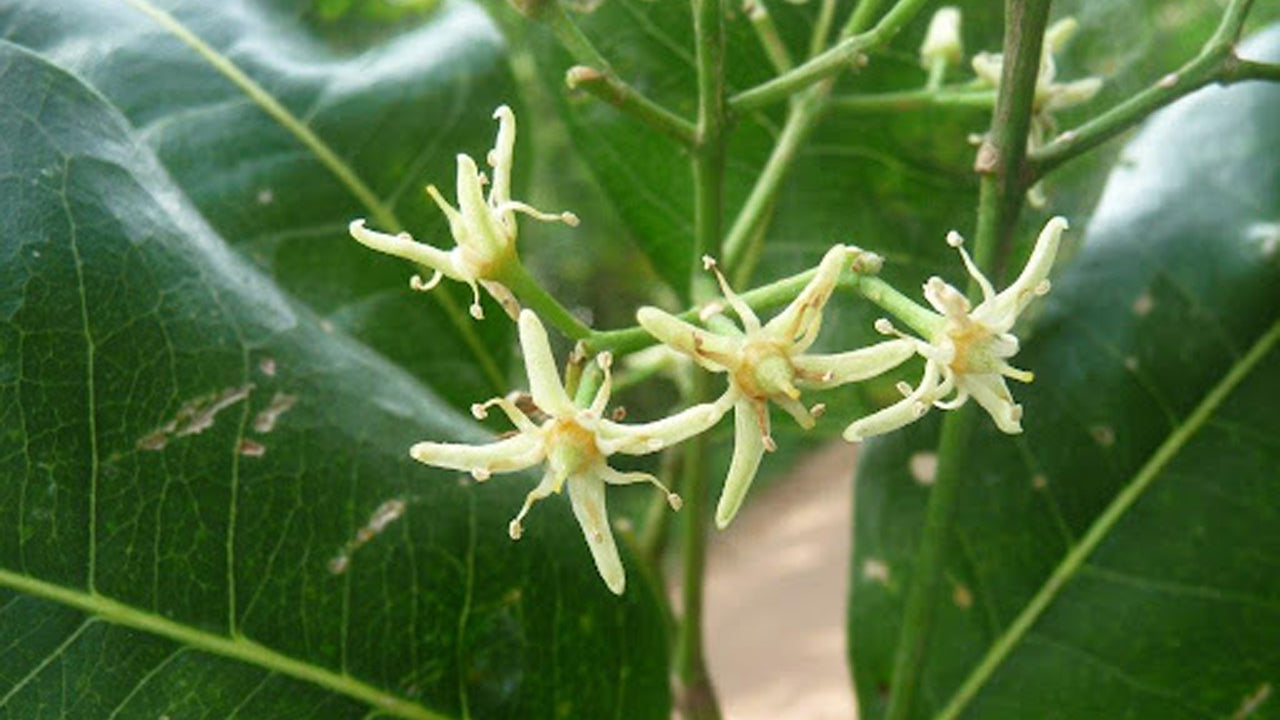
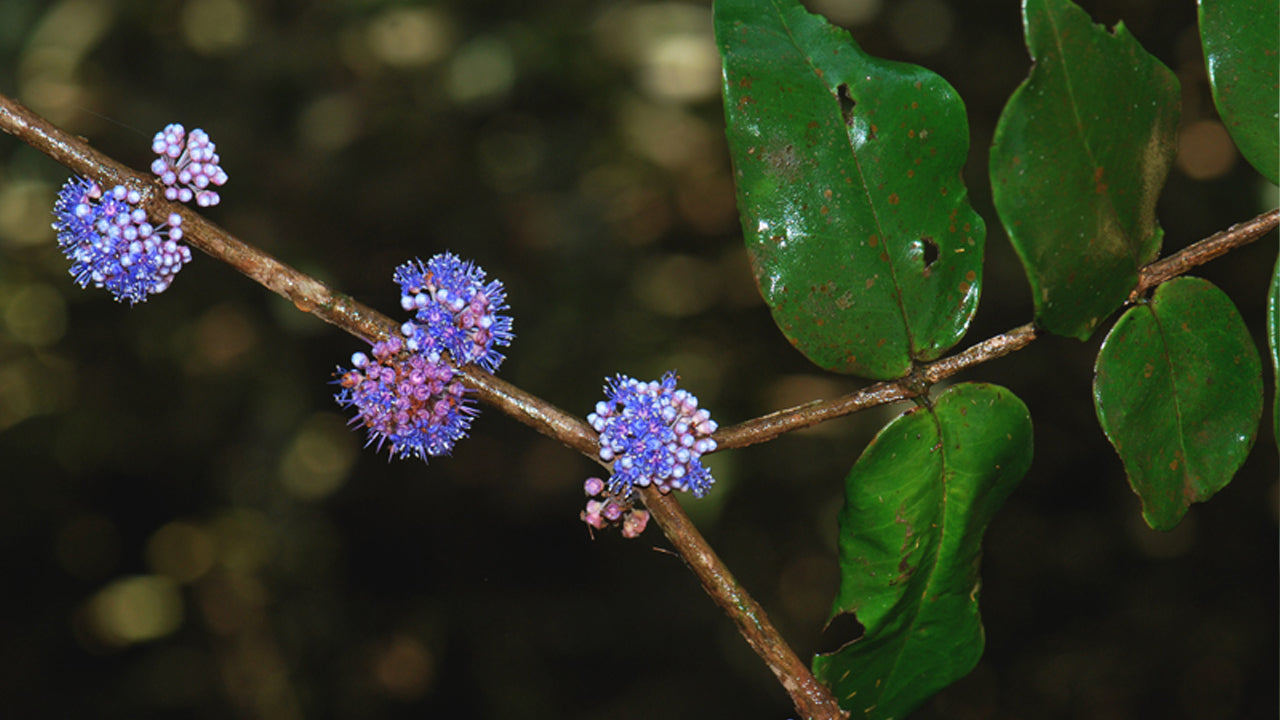
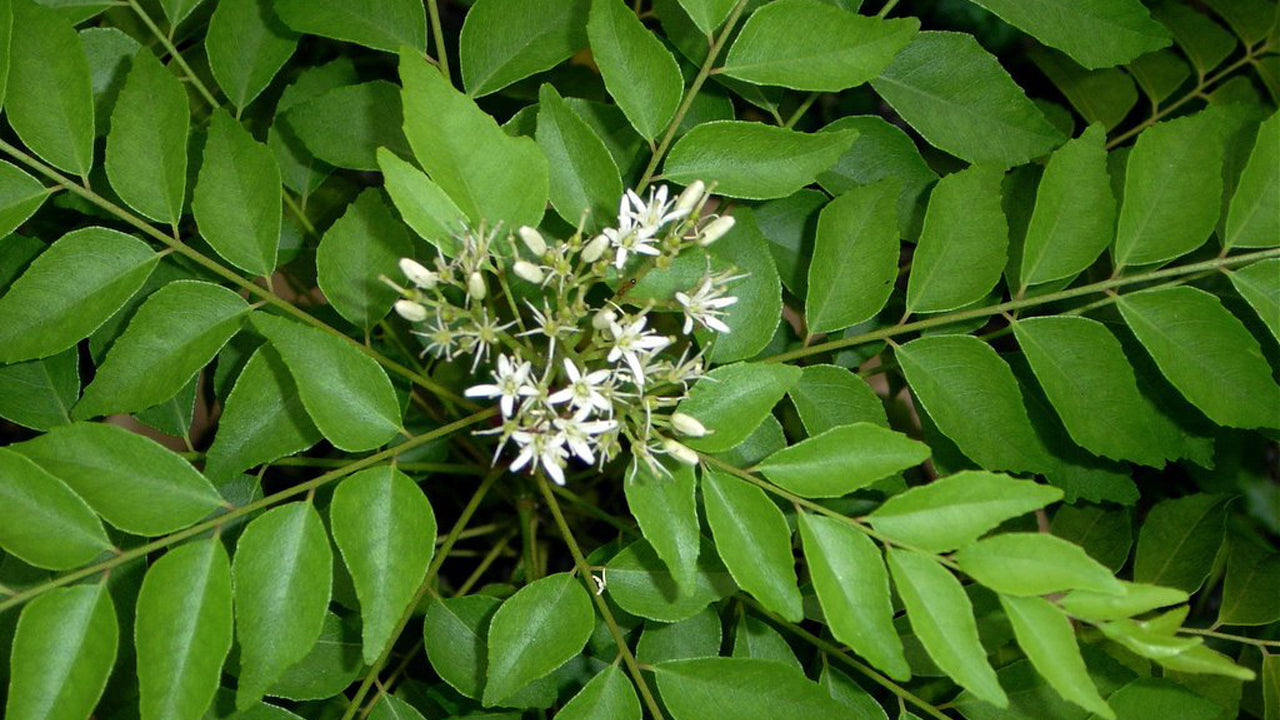
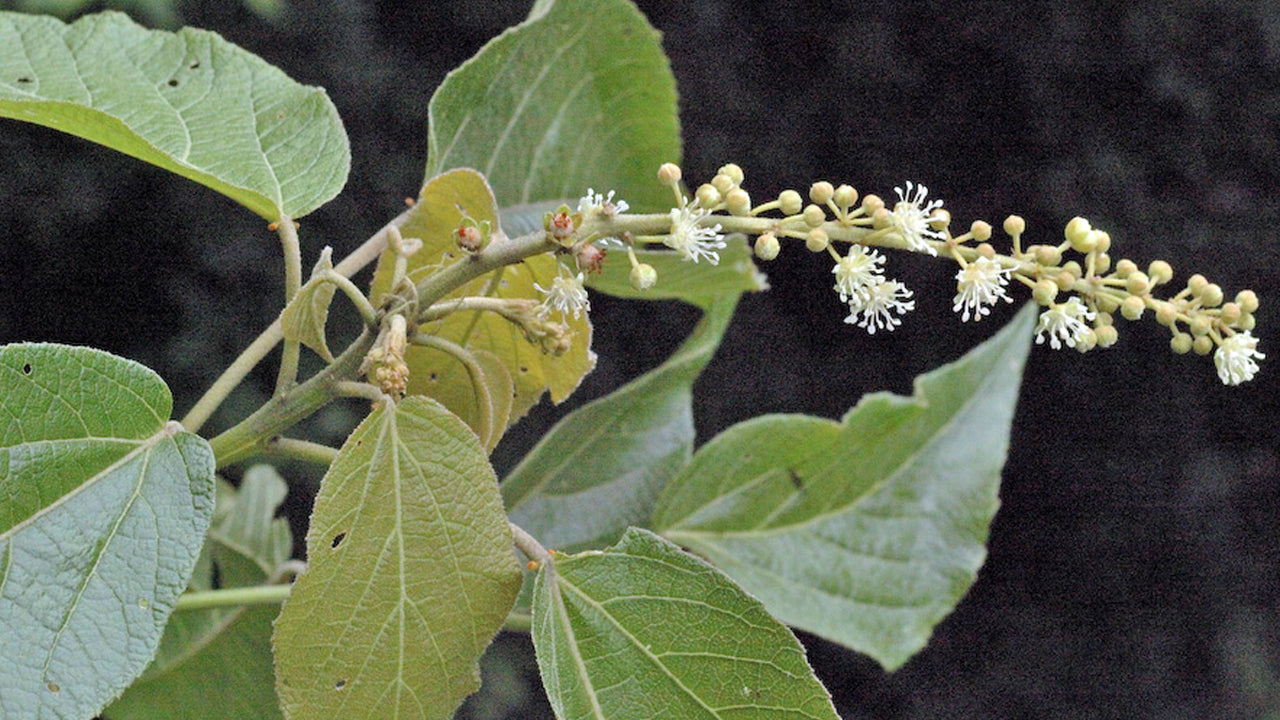
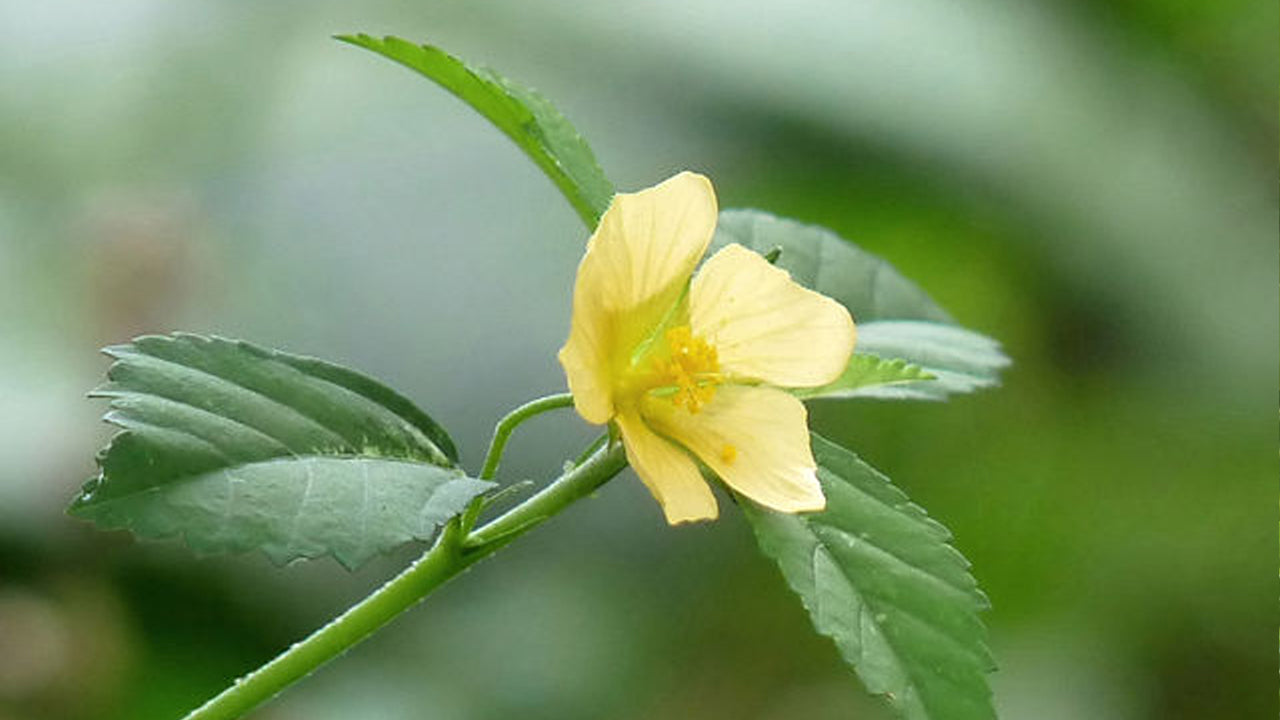
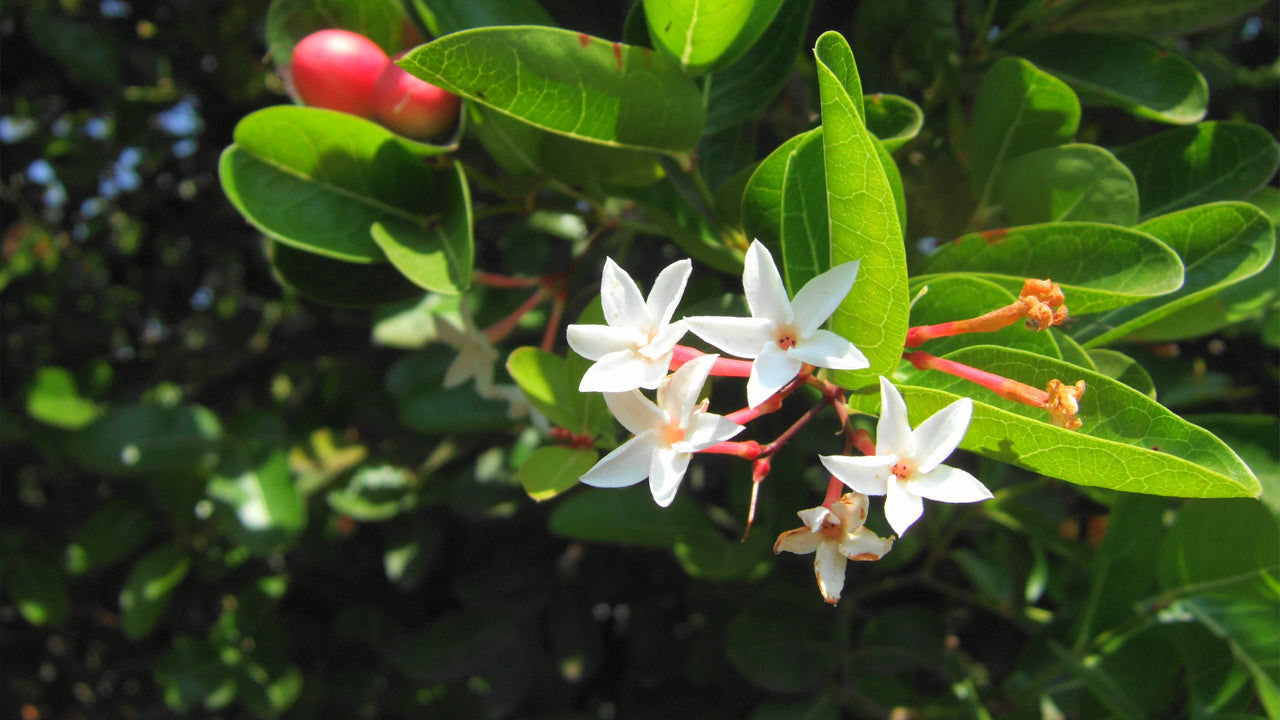
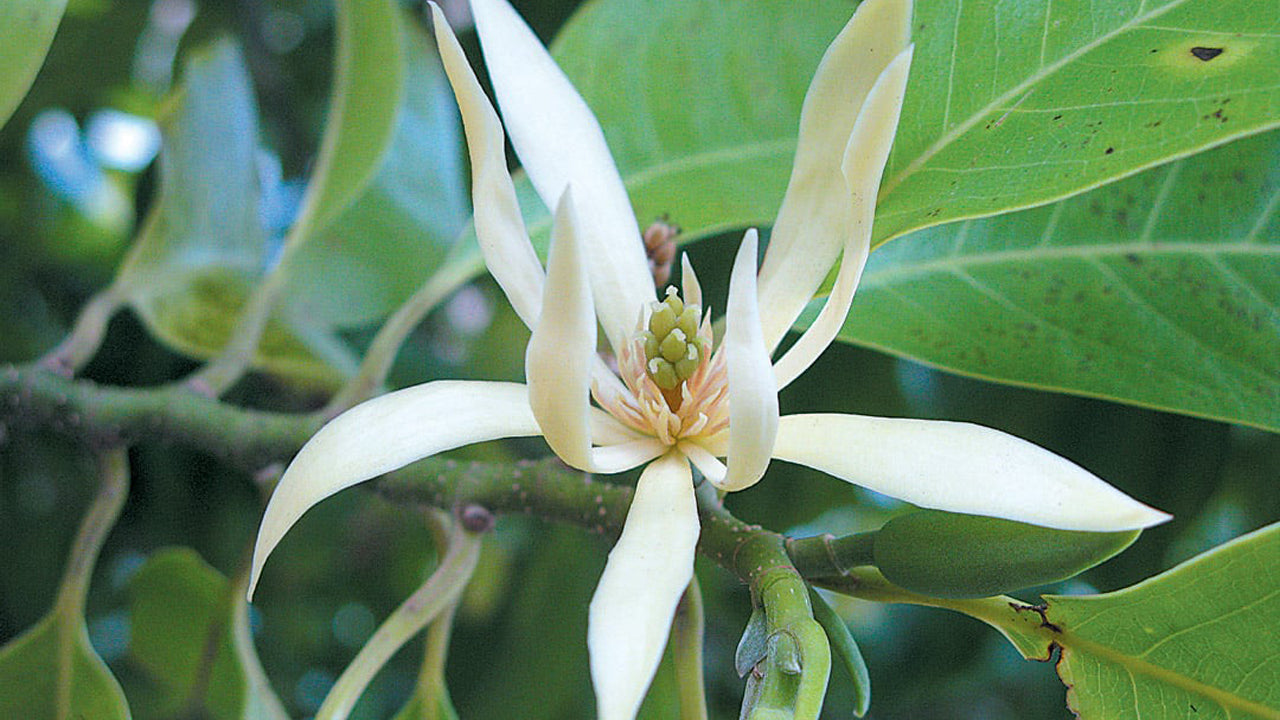
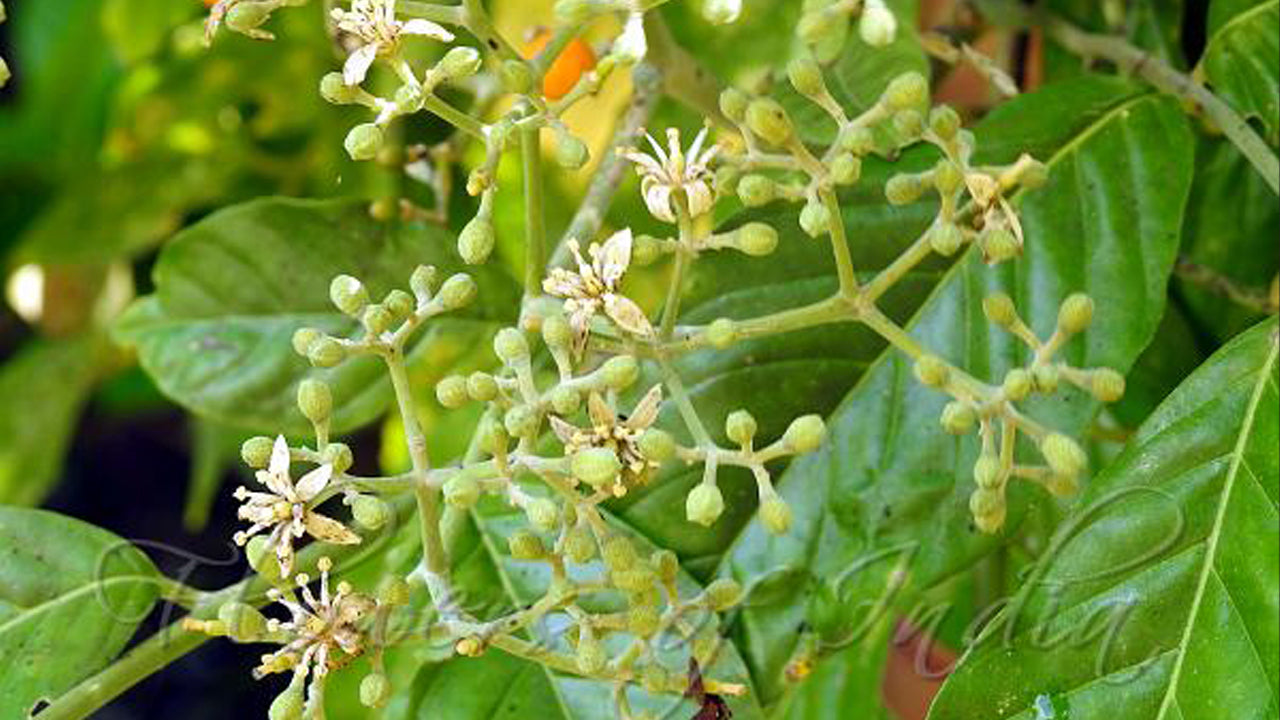
Flowering is one of the plant's more striking features. White petals — typically five per flower — emerge from the axils where leaves meet the stem, creating a neat, delicate bloom. Each flower is distinguished by bright orange stamens at its centre, a vivid contrast against the white petals. The combination gives the plant an ornamental quality that belies its woodland-floor habitat.
Flowering periods vary with local rainfall patterns, but the blooms are generally observed during wetter months when the plant is most physiologically active.
How is Munronia pinnata used in traditional medicine?
Sri Lanka's Ayurvedic tradition has drawn on Bin Kohomba for a wide spectrum of therapeutic purposes, and its use is documented in classical Ayurvedic texts. Practitioners have historically applied preparations derived from the whole plant — roots, leaves, and stems — to address conditions including:
- Fevers and malaria
- Dysentery and digestive disorders
- General inflammatory pain and swellings
- Haemorrhoids
- Skin conditions such as eczema
- Respiratory ailments including coughs and asthma
- Blood disorders and vomiting
In contemporary herbal medicine, extracts of Munronia pinnata are being studied for their phytochemical constituents, with researchers noting the presence of limonoids and alkaloids — compound classes associated with anti-inflammatory and antipyretic activity. While modern clinical evidence is still accumulating, the plant's long therapeutic track record in traditional systems lends credibility to ongoing scientific interest.
Where does Munronia pinnata fit within Sri Lanka's Ayurvedic plant catalogue?
Sri Lanka's Sinharaja Forest Reserve and the surrounding wet-zone forests are home to a remarkable concentration of endemic and medicinal flora, and Munronia pinnata is one of the species that illustrates just how pharmacologically rich these ecosystems are. The plant is formally catalogued as part of Sri Lanka's official register of Ayurvedic medicinal plants, placing it alongside hundreds of species recognised under national traditional medicine policy.
The dry and intermediate zone habitats where the plant also grows — including areas near the ancient tanks and forests of the North Central Province — reflect a broader truth about Sri Lankan biodiversity: medicinal plants are not confined to rainforest reserves but are distributed across the island's diverse ecological zones.
What are the key botanical facts about Munronia pinnata?
| Attribute | Detail |
|---|---|
| Scientific name | Munronia pinnata (Wall.) W.Theob. |
| Common name (Sri Lanka) | Bin Kohomba (බිංකොහොඹ) |
| Plant family | Meliaceae |
| Average height | 10–50 cm |
| Habitat | Wild, evergreen and dry-zone forest understory |
| Distribution | Sri Lanka, India, Nepal, Vietnam, Timor |
| Leaf form | Smooth, pinnate with three leaflets |
| Flower colour | White petals with bright orange stamens |
| Conservation status | Rare; naturally scarce across its range |
How is Bin Kohomba typically prepared for medicinal use?
Traditional preparations use the whole plant — roots, stems, and leaves — either dried and powdered for decoctions or processed into poultices for topical applications. Dehydrated whole-plant material retains the phytochemical profile and is the form most commonly supplied by Ayurvedic pharmacies and herbal suppliers within Sri Lanka.
It is worth noting that, as with all medicinal herbs, preparation method and dosage matter considerably. Anyone seeking to use Munronia pinnata therapeutically should consult a qualified Ayurvedic physician rather than self-medicating based on traditional accounts alone.
Why is Munronia pinnata considered rare?
The plant's rarity is a product of several overlapping factors. Its naturally low population density — even within suitable habitat — means that wild harvesting pressure can quickly outpace regeneration. Habitat loss through agricultural expansion and deforestation further constrains the areas where it can persist. Unlike many medicinal plants that have been brought into cultivation at scale, Bin Kohomba has not yet been widely domesticated, making sustainably sourced dried material relatively uncommon in commercial herbal markets.
Conservation-minded sourcing is therefore important for anyone wishing to incorporate this herb into their health practice. Selecting suppliers who work directly with sustainable cultivation or responsible wild-harvesting programmes helps protect what remains of wild populations across Sri Lanka's forest zones.