Lakpura
Lakpura®

Months

Sri Lanka rewards visitors in every season, but the island's two monsoon systems mean that what you can do — and where you can go — shifts significantly from month to month. This guide breaks the calendar into practical windows so you can match your interests to the right time of year, whether your priority is wildlife, beaches, cultural festivals, or highland hiking.

How Does Sri Lanka's Climate Affect the Best Time to Visit?

Sri Lanka experiences two monsoon cycles. The south-west monsoon (Yala) brings heavy rain to the south and west coasts and the central highlands roughly from May to September. The north-east monsoon (Maha) affects the north and east from around October to January. This means the island is almost always at least partly accessible — you simply follow the dry weather.

  • South & West Coast, Central Highlands: Best from December to April
  • North & East Coast: Best from May to September
  • Cultural Triangle (Sigiriya, Polonnaruwa, Dambulla): Comfortable year-round; April–September is typically drier
  • Hill Country (Ella, Nuwara Eliya): Cool year-round; misty from May to August

What Is Sri Lanka Like Month by Month?

January

January is peak season on the south and west coasts. Seas are calm, skies are mostly clear, and beach conditions are ideal from Negombo down to Mirissa. It is one of the best months for blue whale and sperm whale watching off Mirissa and Trincomalee. Wildlife in Udawalawe National Park is excellent because the dry weather concentrates animals around water sources.

February

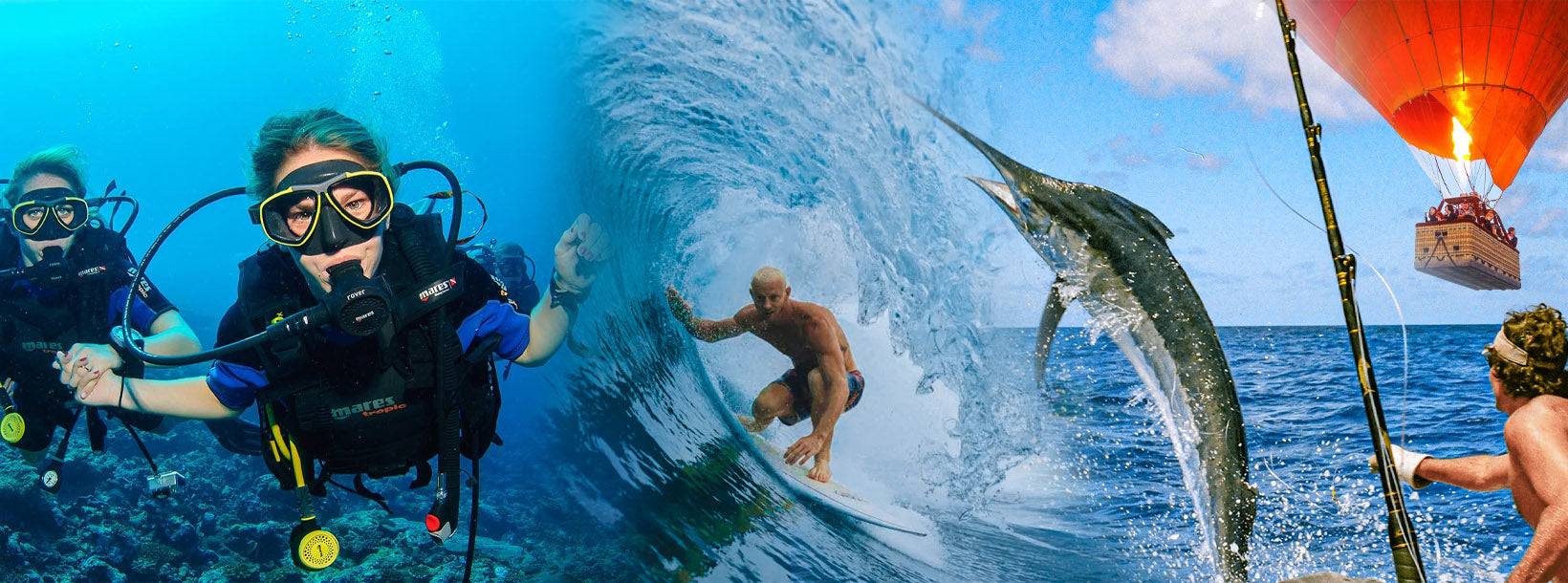
Conditions remain settled on the west and south. Underwater visibility peaks along the south-west reef systems, making it a prime month for diving and snorkelling. Dolphin pods are frequently sighted on whale-watching excursions out of Mirissa. The Cultural Triangle is pleasant with lower humidity than the months ahead.

March

One of the most popular months overall. The south-west is dry, the north-east has largely cleared, and temperatures across the island are warm without being oppressive. Hot-air ballooning over the Dambulla and Sigiriya plains is at its best thanks to stable morning thermals. Leopard sightings in Yala and Wilpattu tend to rise as water becomes scarcer.

April

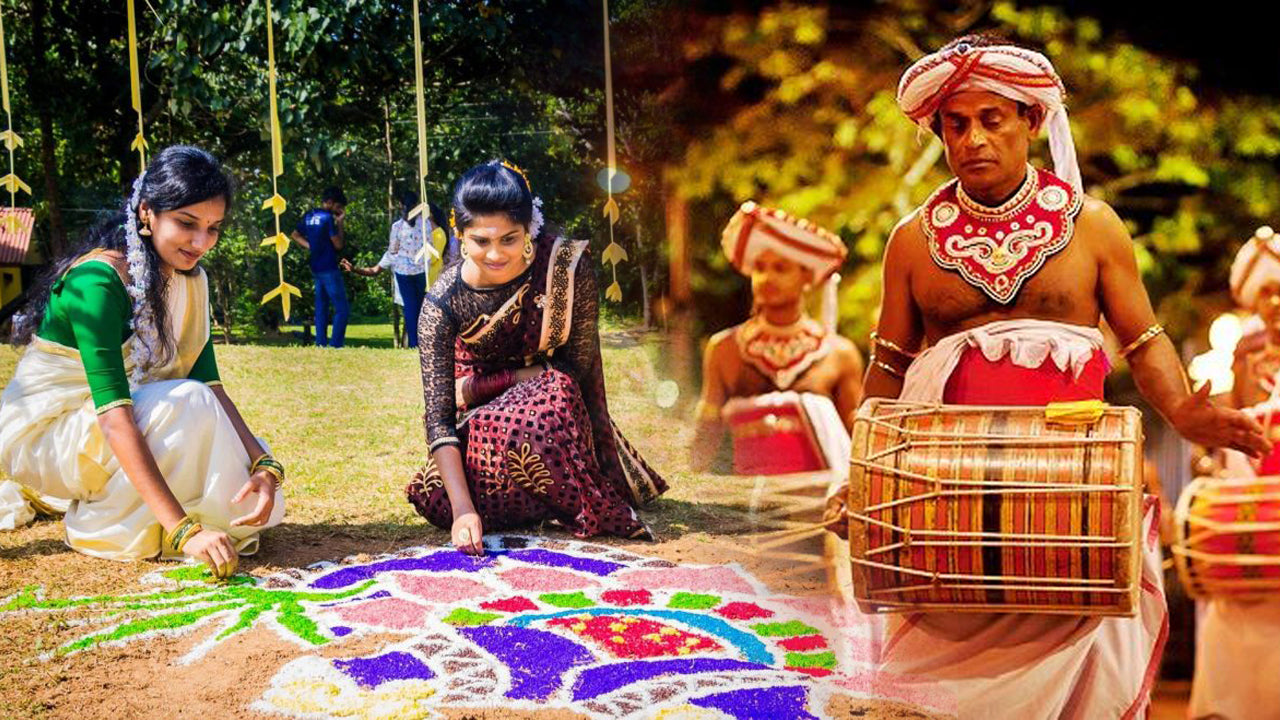
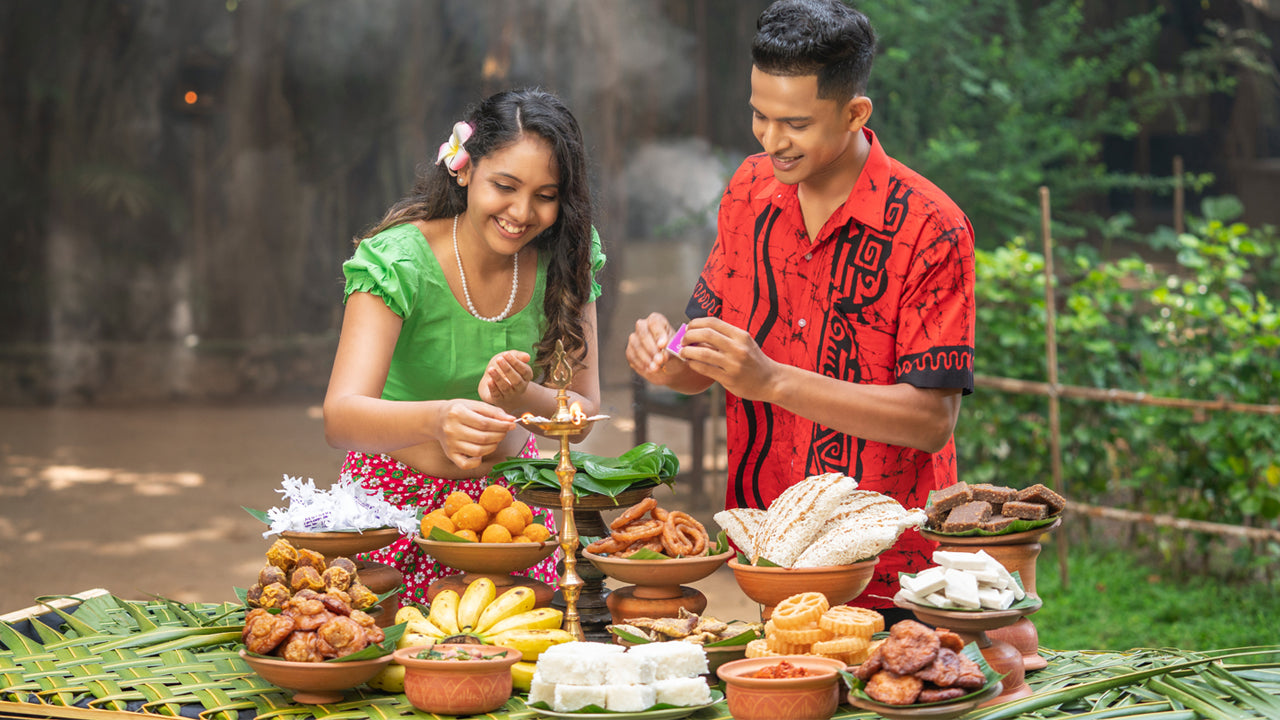
The Sinhala and Tamil New Year falls in mid-April, bringing the island's most important cultural celebration. Villages host traditional games, sweet-making, and rituals linked to the first harvest. Travel during the holiday week itself requires advance booking — transport and accommodation sell out quickly. Towards the end of April, the south-west monsoon begins to build, signalling the start of the shoulder season on the west coast.

May

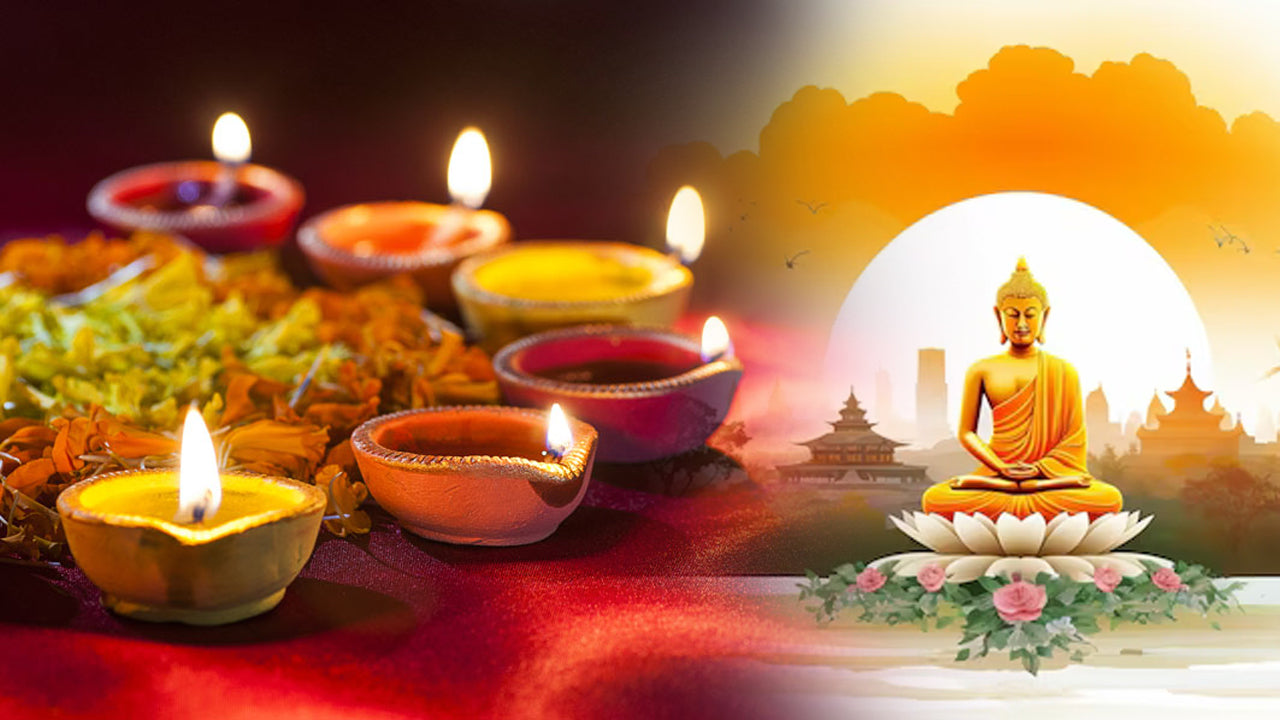
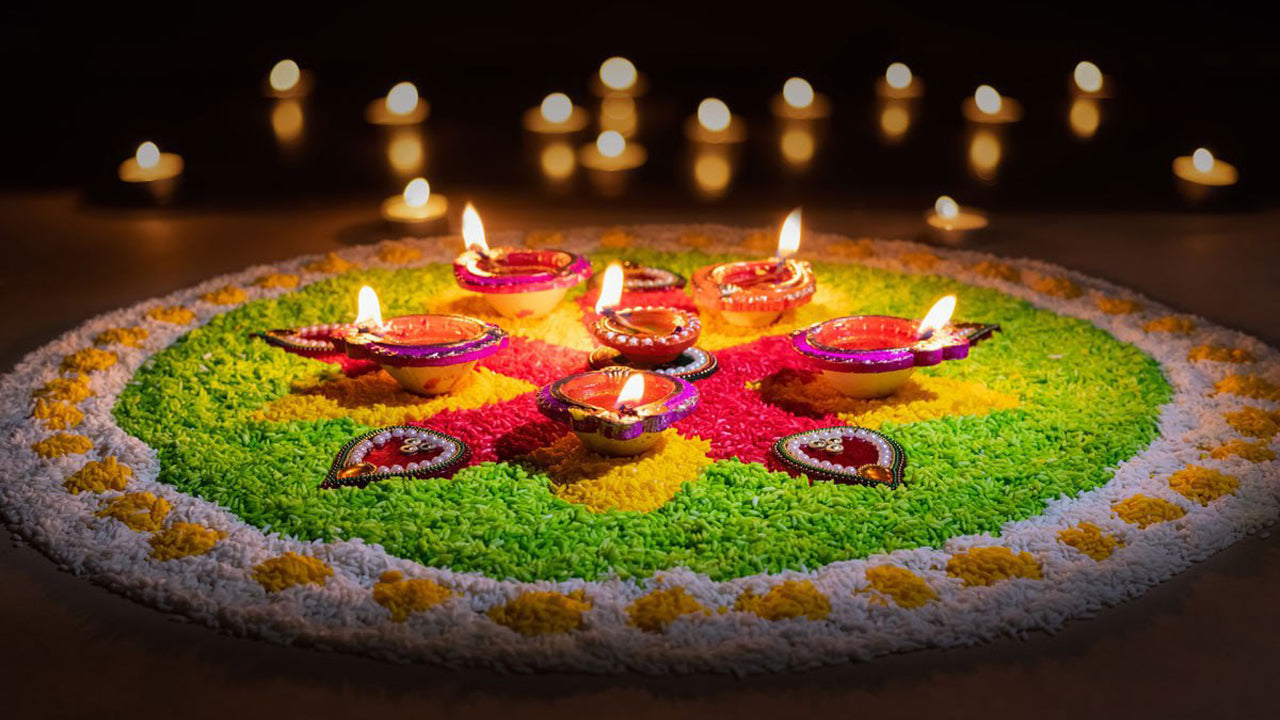
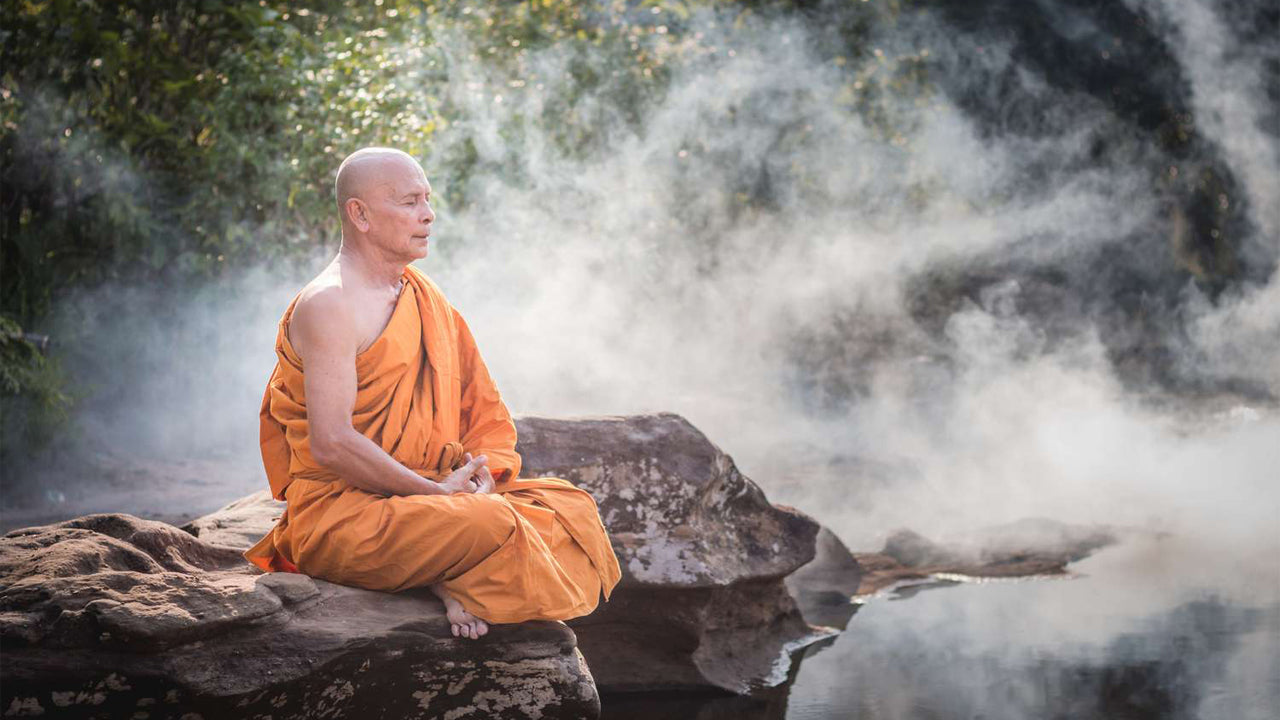
The south-west monsoon arrives, bringing lush greenery to the hill country and the western lowlands. Surfers shift their attention to the east coast, where Arugam Bay begins its season. Wilpattu National Park in the north-west remains relatively dry and uncrowded — an underrated choice in this month. Vesak Poya, commemorating the birth, enlightenment, and passing of the Buddha, fills towns with lanterns and free food stalls.

June

The east coast is now in full dry season. Trincomalee's beaches and Pigeon Island's coral gardens are at their clearest, and Pigeon Island diving conditions are among the best of the year. Whale sharks and reef sharks are frequently encountered. In the south, rain falls mainly at night, so safari drives in Yala and Udawalawe are still viable in the morning hours.

July

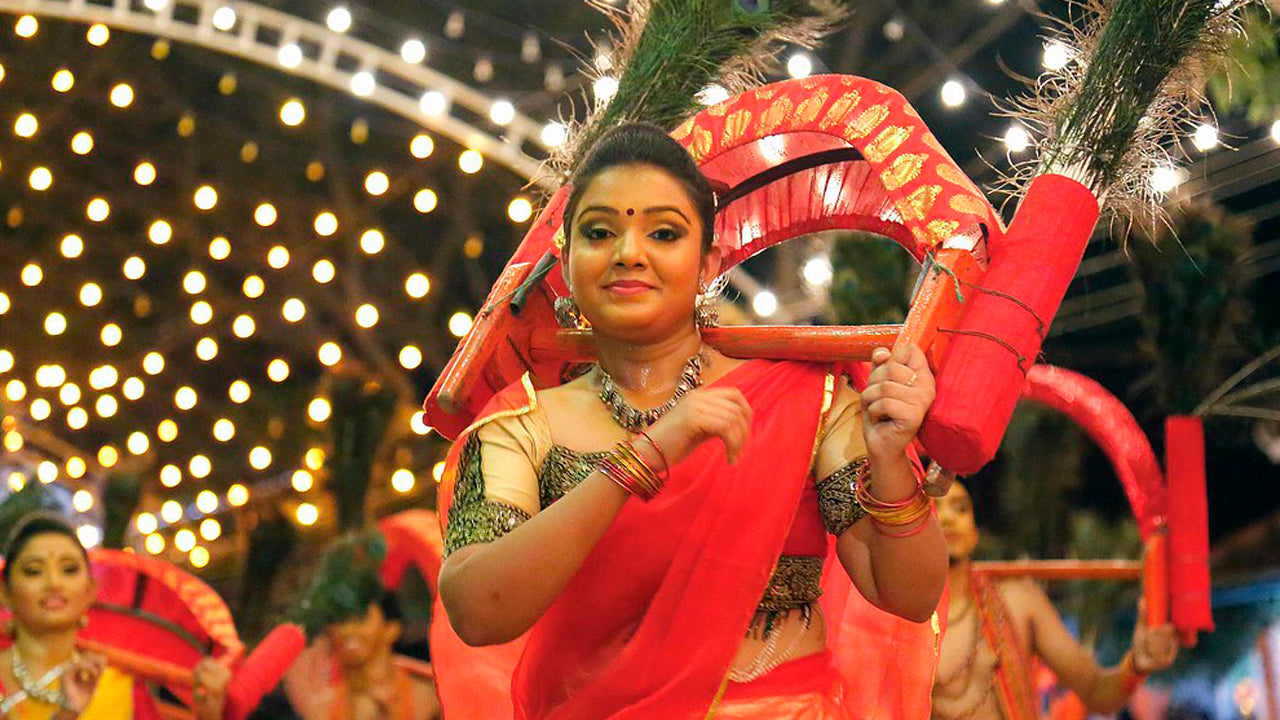
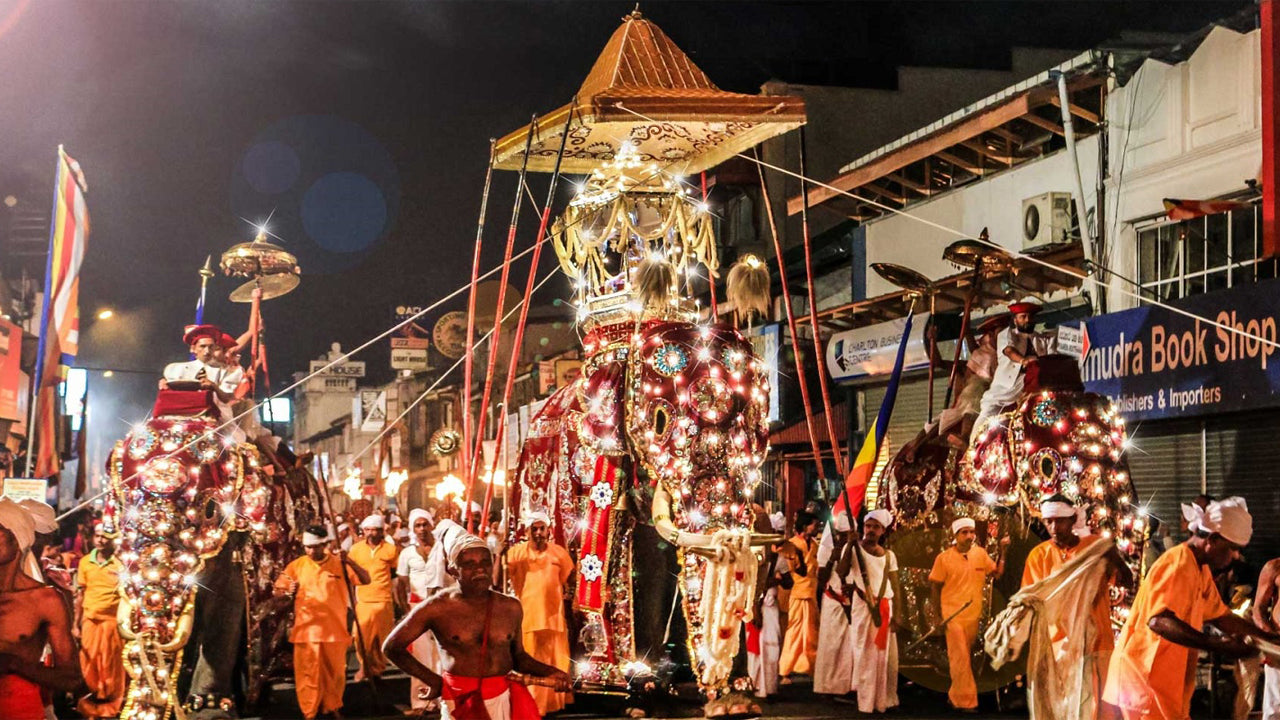
July brings one of Sri Lanka's grandest spectacles: the Esala Perahera Festival in Kandy. Over ten nights, elaborately caparisoned elephants, drummers, fire dancers, and Kandyan whip-crackers parade through the city. Booking accommodation in Kandy during Perahera requires planning several months ahead. On the east coast, conditions remain ideal for swimming, kite surfing, and diving.

August

Arguably the best month for the east coast. Arugam Bay surf is at its peak, and the ancient city of Polonnaruwa — a short drive inland — is dry and manageable. The tail end of July's Perahera celebrations can spill into early August. The south-west is still under the monsoon, so the hill country's tea estates are lush and photogenic, if occasionally misty.

September

A transitional month. The south-west monsoon eases gradually, and the hill country begins to clear. Leopard activity in Yala picks up again as the park dries out. Sinharaja Forest Reserve is relatively accessible compared to the wettest months — endemic bird species including the Sri Lanka blue magpie and green-billed coucal are active. Whale watching off the south coast resumes toward month's end.

October

The north-east monsoon begins to build, bringing intermittent rain to the east and gradually to the south. The Cultural Triangle and the hill country enjoy a brief inter-monsoon window of clear weather. Yala National Park typically closes for a portion of this period for ecological recovery — check the schedule before planning a visit. Horton Plains National Park can be misty but remains open, and the rolling grasslands take on a dramatic character in low cloud.

November

The north-east monsoon strengthens across the south and east, making November one of the wetter months on the island. The west coast — Negombo, Colombo, Bentota — starts to dry out and prepares for the incoming high season. Cultural attractions inland are largely unaffected by rain, making this a reasonable month for a history-focused itinerary. Madu River Safari on the Madu Ganga mangrove lagoon operates year-round and is particularly atmospheric in the green season.

December

December marks the return of peak season on the south-west coast. Beaches from Negombo to Tangalle fill with visitors, and resort prices rise accordingly. Blue whale sightings off Mirissa become frequent again from mid-December. The hill country is cold at night but usually clear in the mornings — ideal for hiking around Ella and the surrounding ridges. Book accommodation and safaris well in advance for the Christmas–New Year window.

Which Month Is Best for Wildlife Safaris in Sri Lanka?

The dry season months — January to April and July to September — generally offer the best game viewing, because animals concentrate around shrinking water sources and vegetation is lower. Udawalawe is reliable almost year-round for elephant sightings. Yala is most productive from February to July (when it is open). Wilpattu reaches its peak between February and October.

When Is the Best Month for Whale Watching in Sri Lanka?

Blue and sperm whales are sighted off Mirissa on the south coast from roughly November to April, with January to March being the most consistent window. Trincomalee on the east coast offers whale watching from May to October. This complementary seasonality means Sri Lanka has one of the longest effective whale-watching seasons of any destination in the Indian Ocean.

Are There Activities That Run Year-Round in Sri Lanka?

Several experiences are largely season-independent. City tours of Colombo, Kandy, and Galle can be done in any month. Tea-estate visits to gardens such as Bluefield Tea Gardens are rewarding whenever you visit — in fact, the estates are at their greenest during the wetter months. Cultural sites like Sigiriya, Polonnaruwa, and Dambulla have no real off-season. Deep-sea fishing is available on whichever coast is currently in its dry season.

Quick-Reference: Month-by-Month Activity Calendar

Month Best Region Highlight Activity
JanuarySouth & West CoastWhale watching, beach, safari
FebruarySouth & West CoastDiving, whale watching
MarchIsland-wideHot-air ballooning, leopard safaris
AprilIsland-wideSinhala & Tamil New Year
MayNorth & East CoastWilpattu safari, Vesak
JuneEast CoastPigeon Island diving
JulyEast Coast & KandyEsala Perahera, surfing
AugustEast CoastArugam Bay surf, Polonnaruwa
SeptemberSouth & TransitionSinharaja birding, Yala reopens
OctoberCultural TriangleHorton Plains, history sites
NovemberWest Coast (clearing)Madu River, mangrove safari
DecemberSouth & West CoastWhale watching, hill hiking
Ask Lakpura® Agent