Lakpura
Lakpura®

June

June sits at the heart of Sri Lanka's weather split. The southwest monsoon settles firmly over the western and southern coasts, bringing regular afternoon rain to Colombo, Galle, and the hill country. The east and north, however, enter their driest and most accessible window of the year. For travellers who time their visit correctly, June delivers world-class marine experiences, productive wildlife safaris, and the quiet satisfaction of discovering a side of Sri Lanka many visitors never reach.

What is the weather like in Sri Lanka in June?

Sri Lanka's June weather is defined by a clear geographic divide. The southwest monsoon delivers overcast skies and intermittent heavy showers to the western coast, the Southern Province, and the central highlands from roughly May through September. Temperatures on the west coast remain warm — typically 27–30 °C — but reliable sunshine is scarce.

The eastern seaboard, from Trincomalee down to Arugam Bay, experiences the opposite pattern. Winds shift offshore, seas calm, and humidity stays comfortable. Daytime temperatures along the east coast hover around 30–33 °C with clear skies lasting most of the day. The north around Mannar and Wilpattu similarly stays dry, making this one of the more productive months for the island's northern circuit.

Which national parks are worth visiting in June?

With the south under cloud, the parks of the northern dry zone come into their own. Game drives here are uncrowded compared with the peak season crowds at Yala.

  • Wilpattu National Park: Sri Lanka's largest park is at its most evocative in June. The characteristic villus — natural lakes surrounded by dense forest — hold water, drawing leopards, elephants, and sloth bears to predictable spots. Game drives in the early morning or late afternoon produce reliable sightings.
  • Wasgamuwa National Park: The post-rain greenery makes Wasgamuwa particularly attractive for birdwatchers in June. Elephant herds gather near river margins, and the relative lack of visitors means a more personal experience.
  • Hurulu Eco Park: Positioned within the Hurulu Biosphere Reserve in the Habarana area, this park offers relaxed elephant encounters in a drier landscape. A good choice for travellers already visiting the Cultural Triangle who want wildlife close to hand.

Note that parks in the south — Yala, Udawalawe, and Bundala — remain open and elephants are still active; the main caveat is that access roads can be muddy and game viewing is less predictable than in the dry season.

What marine activities can I do in June?

The east coast is the clear draw for ocean-based activities in June. Trincomalee, Nilaveli, and Kalpitiya each offer different experiences in reliably good conditions.

Whale and dolphin watching

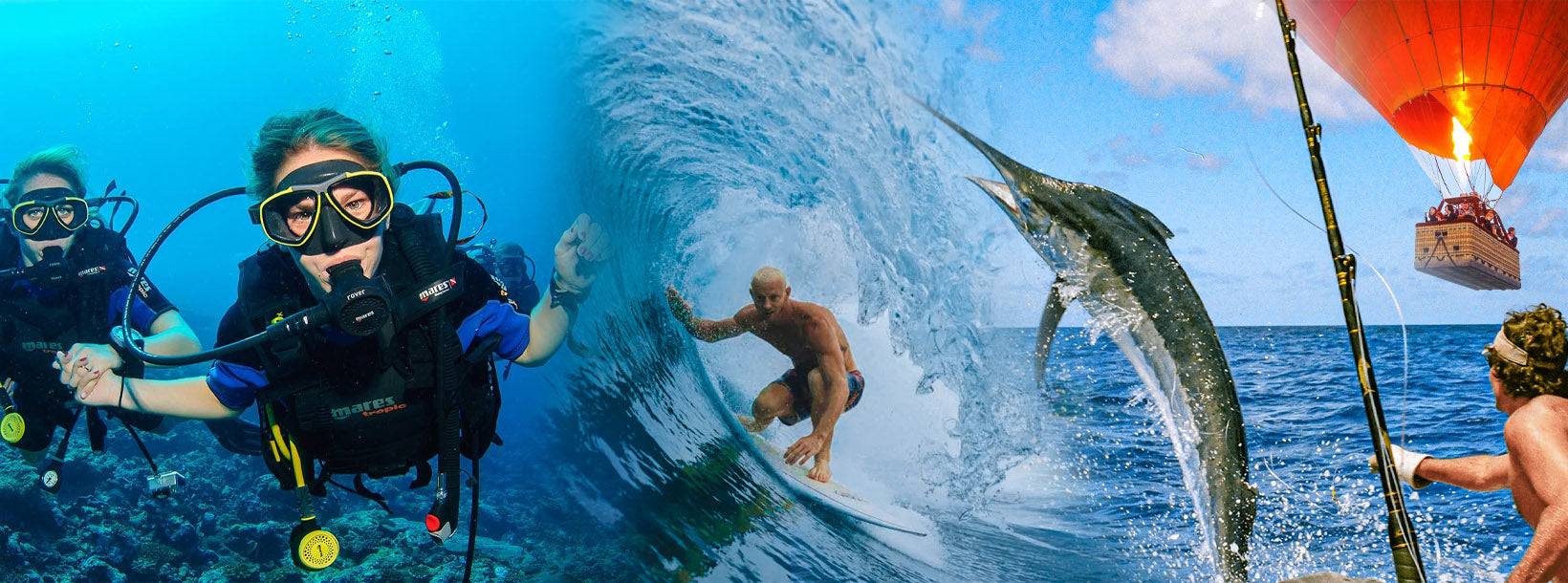
Trincomalee is one of the few places in the world where blue whales can be spotted close to shore, and June falls within the prime window. Sperm whales are also regularly encountered, and spinner dolphins tend to accompany boats heading out from Nilaveli. Morning departures — before any swell builds — typically produce the best sightings.

Scuba diving and snorkelling

Visibility along the northeast coast peaks between April and October. Pigeon Island National Park, a short boat ride from Nilaveli, shelters some of Sri Lanka's healthiest hard coral formations and a resident blacktip reef shark population. The Trincomalee harbour area also features accessible wreck dives for certified divers. Snorkellers can explore the shallower reef sections without needing open-water certification.

Deep-sea fishing

June is among the most productive months for deep-sea fishing off the northeast. Calm seas and warm water temperatures attract barracuda, yellowfin tuna, sailfish, and wahoo to within reachable distance of the coast. Half-day and full-day charter trips operate out of Trincomalee, and most operators supply equipment.

Is June a good month for kitesurfing in Sri Lanka?

June is one of the strongest months for kitesurfing at Kalpitiya, on the northwest coast. The southwest monsoon funnels consistent, powerful winds across the Kalpitiya lagoon — conditions that experienced kitesurfers seek out specifically. The lagoon's shallow, flat water also makes it forgiving for beginners working through a discovery or beginner course. Most kite schools in the area operate full instruction programs through June and July, and the season typically extends until late October.

Can I still visit cultural sites and the Cultural Triangle in June?

The Cultural Triangle — anchored by Sigiriya, Dambulla, and Polonnaruwa — sits in Sri Lanka's intermediate zone and receives less rain than the western coast in June. Mornings are generally clear, and sites are accessible throughout the month. Afternoon showers are possible but rarely prolonged. Visiting ancient sites in slightly cooler, post-rain air can actually be pleasant.

Sigiriya Rock Fortress is best climbed early in the morning before heat and humidity build. The climb takes around 90 minutes return; the fresher conditions of June mornings make this considerably more comfortable than midday visits in the dry season.

Hot-air ballooning over the Cultural Triangle operates on a weather-dependent basis in June. Flights are less frequent than in the January–April window, but on clear mornings — which do occur — the experience of drifting over the Dambulla plains and Sigiriya rock is particularly striking against the green landscape.

Are there any festivals or events in Sri Lanka in June?

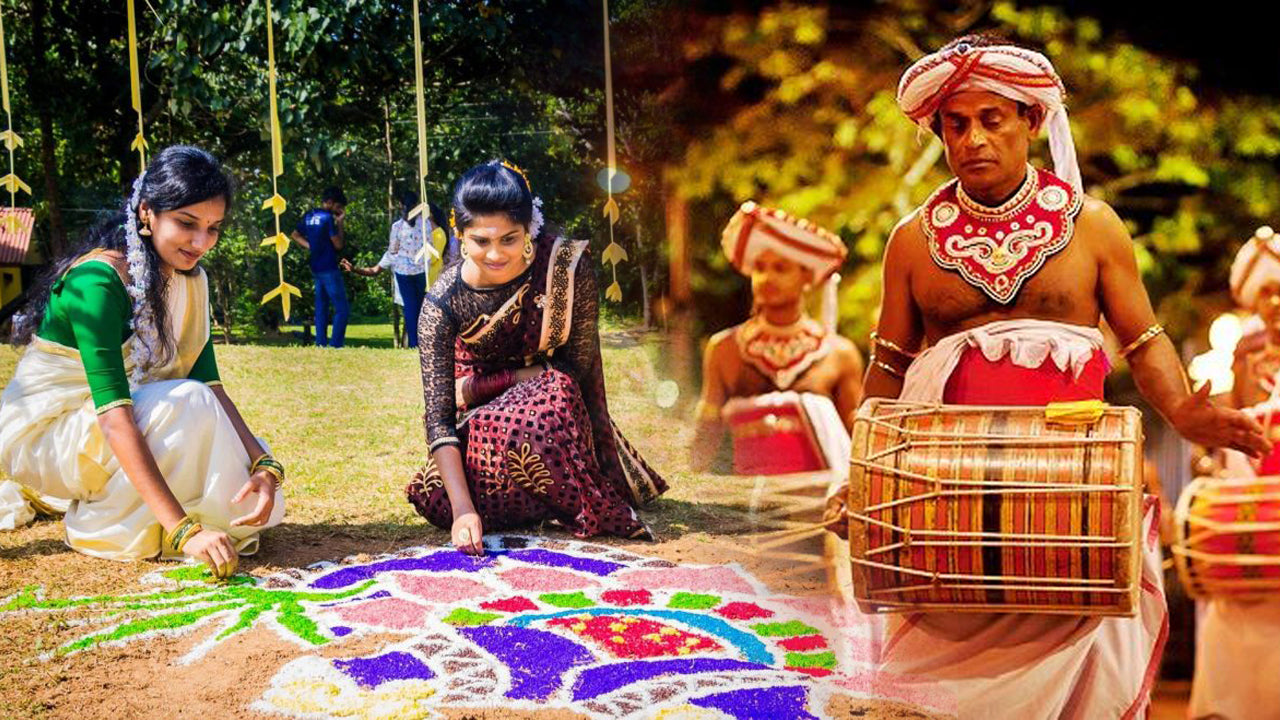
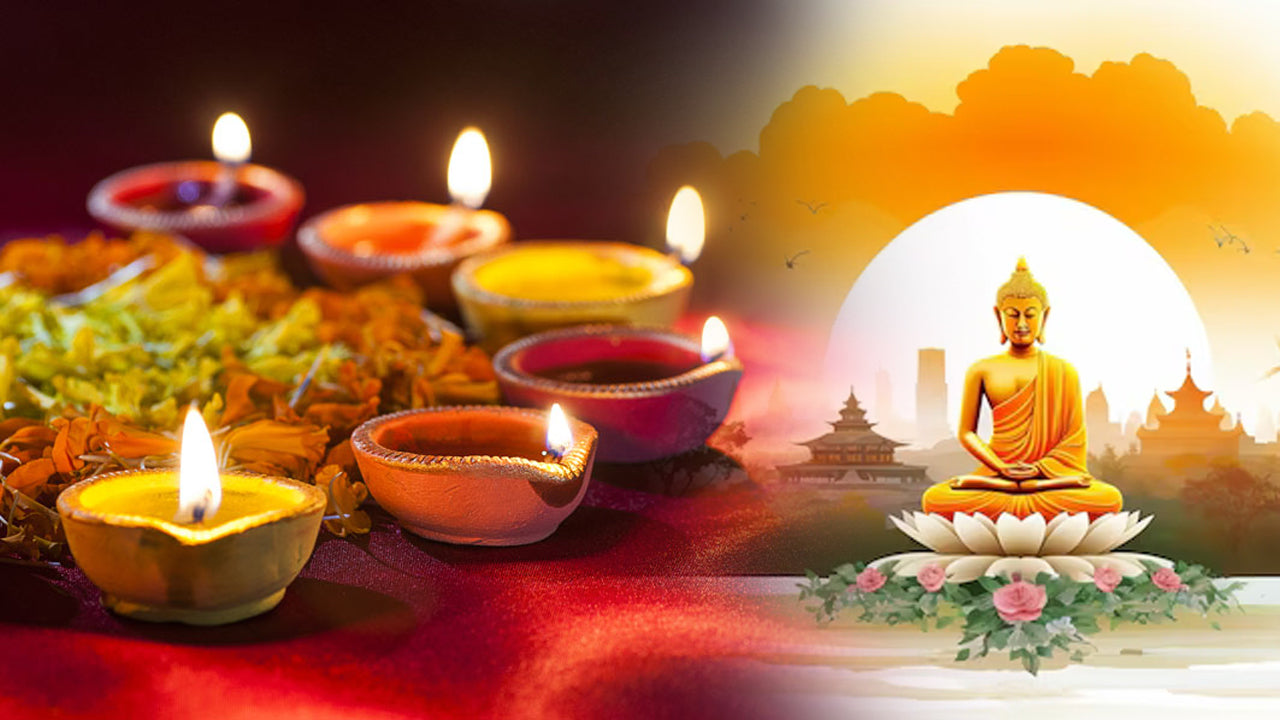
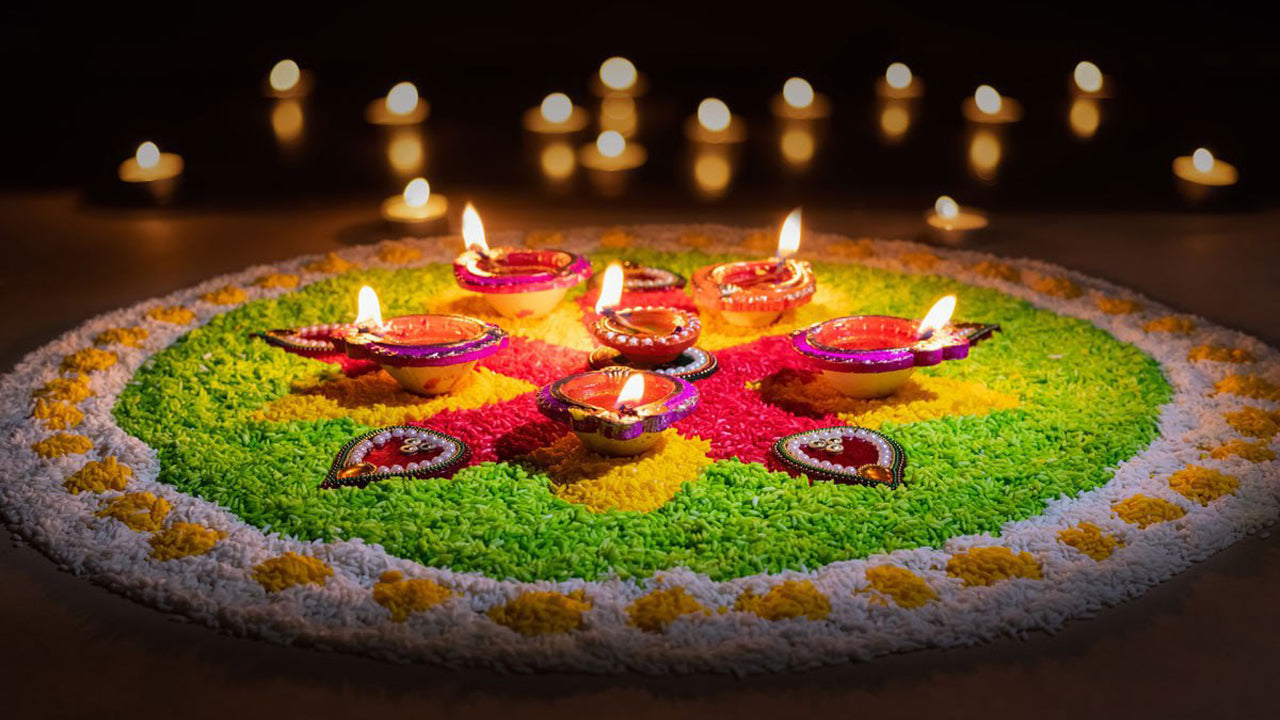
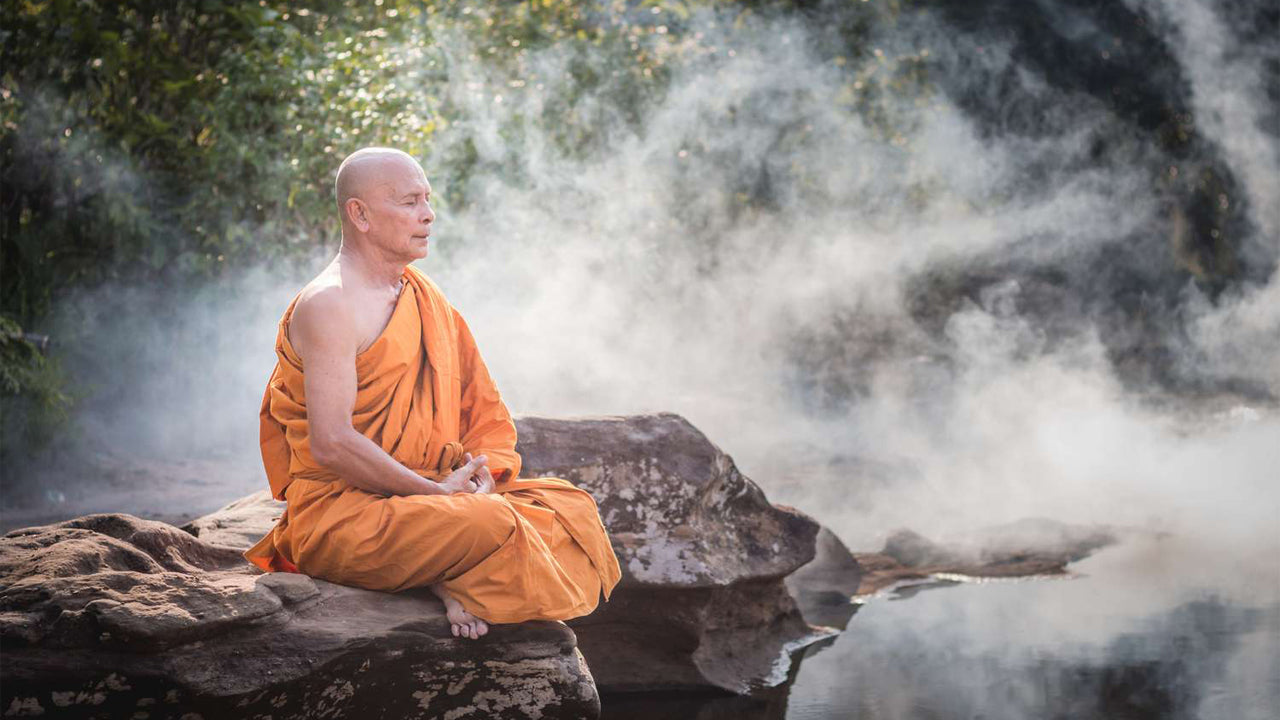
June is a relatively quiet month on the festival calendar, but a few cultural occasions are worth noting. Poson Poya, the full-moon day in June, commemorates the introduction of Buddhism to Sri Lanka and is observed with considerable ceremony around Mihintale and Anuradhapura. The hillside at Mihintale is illuminated, and the atmosphere around these ancient sites is markedly different from ordinary visiting days. Dress conservatively and expect larger than usual crowds at these specific locations.

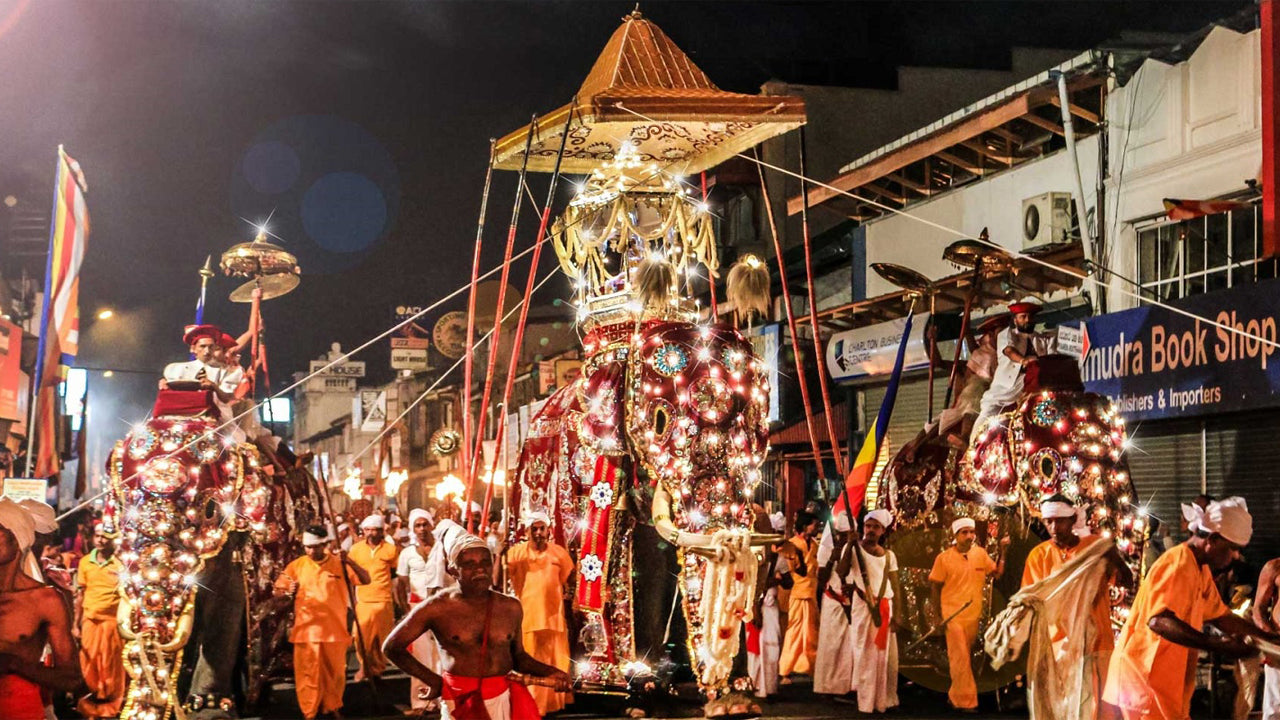
The Esala Perahera in Kandy begins in late July or early August, so June falls just before the preparatory period — a good time to visit Kandy without the crowd pressure of the festival weeks.

Which parts of Sri Lanka should I avoid in June?

The southwest monsoon makes June a difficult month for beach holidays on the western and southern coasts. Bentota, Hikkaduwa, Mirissa, and Unawatuna see regular rain and rough seas — most water sports are suspended, and swimming can be unsafe due to currents. Galle's historic fort and city are worth visiting regardless of weather, but a sea-facing beach stay is better planned for another month.

The Sinharaja Forest Reserve receives heavy rainfall in June as part of the southwest monsoon, which makes it one of the wettest months to visit the reserve. Trails can be slippery and some paths become impassable. Birdwatchers who specifically want wet-zone forest species can still visit, but conditions require waterproof gear and prepared footwear.

How should I plan a two-week trip to Sri Lanka in June?

A practical June itinerary follows the weather. Spend the first portion of the trip in the Cultural Triangle and Anuradhapura area, where conditions are stable. Move to Trincomalee and Nilaveli for marine activities — budget at least three to four nights to cover diving, whale watching, and a day trip to Pigeon Island. If kitesurfing is on the agenda, include two to three days in Kalpitiya. Kandy and the hill country can be incorporated, though expect afternoon showers; the landscapes are lush and green, and tea estates look their best in the misty rain-soaked conditions.

Avoid routing through Colombo's western beaches as a beach destination, but Colombo city itself — its museums, food scene, and the city tour circuit — functions well regardless of monsoon rain.

Ask Lakpura® Agent