January sits squarely in Sri Lanka's peak travel season. The south-west monsoon has retreated, the north-east monsoon is gradually easing its grip on the east coast, and large parts of the island bask in warm, largely dry conditions. Visitors who time their trips well are rewarded with superb wildlife viewing, calm seas ideal for water sports, and comfortable temperatures across the Cultural Triangle, Hill Country, and southern coast alike.
What is the weather like in Sri Lanka in January?
The south-west and southern regions — Colombo, Galle, Mirissa, and the beaches of the Bentota strip — receive plenty of sunshine with only occasional showers. The central highlands can be cool at elevation, particularly at night, so pack a light layer if you are heading toward Nuwara Eliya or Horton Plains. The north and east coasts — Trincomalee and Batticaloa — experience higher rainfall during January as the north-east monsoon still affects these areas, so beach activities on that coastline are less predictable. Plan your itinerary accordingly: lead with the south and west, and keep the east for later in the season.
| Region | January Conditions | Recommended? |
|---|---|---|
| Southern Coast (Mirissa, Galle, Unawatuna) | Sunny, dry, calm seas | Excellent |
| Western Coast (Bentota, Negombo, Kalpitiya) | Mostly dry, strong north winds | Excellent |
| Cultural Triangle (Sigiriya, Polonnaruwa, Dambulla) | Dry, warm daytime temperatures | Excellent |
| Hill Country (Kandy, Ella, Nuwara Eliya) | Mild, occasional mist at altitude | Good |
| East Coast (Trincomalee, Batticaloa) | Wetter, occasional storms | Fair |
| North (Jaffna) | Drier than east, but unpredictable | Fair |
Which national parks are best for wildlife safaris in January?
January is among the finest months for a wildlife safari in Sri Lanka. Dry conditions concentrate animals near permanent water sources, making sightings more reliable than in the wet season. The following parks deliver consistently strong experiences this month:
- Yala National Park — Sri Lanka's most visited park and the best place on earth to see wild leopards. Elephant herds and a wide range of water birds are equally prominent in January.
- Wilpattu National Park — Sri Lanka's largest park by area sees far fewer vehicles than Yala, offering a quieter bush experience. Leopard, sloth bear, elephant, and spotted deer all inhabit its dense scrub and natural lakes (willus).
- Udawalawe National Park — Arguably the single best park in Sri Lanka for guaranteed elephant sightings. Large resident herds graze the open grasslands around the Udawalawe reservoir throughout the day.
- Minneriya National Park — Elephants gather around the ancient reservoir here in significant numbers even in January, though the famous "Gathering" peaks later in the year.
For most visitors, a private safari vehicle — rather than a shared jeep — gives the flexibility to linger at sightings and explore quieter tracks at your own pace.
What water sports can I do in Sri Lanka in January?
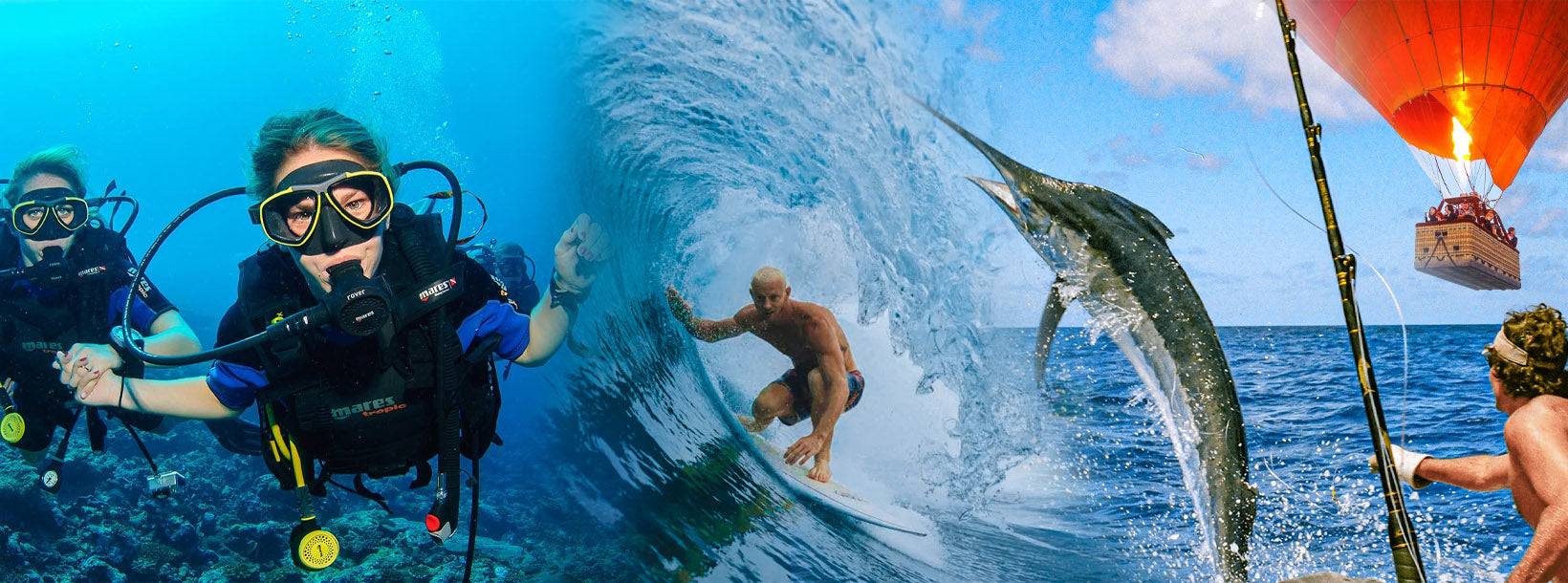
January's calm southern and western seas, combined with reliably strong north-west winds along the north-west coast, make this one of the most active months for water sports on the island.
Kitesurfing at Kalpitiya — The Kalpitiya peninsula and its sheltered lagoons rank among South Asia's premier kitesurfing destinations. In January, consistent winds of 15–25 knots create textbook conditions. The Dutch Bay lagoon suits beginners and intermediates, while the open ocean side challenges experienced riders.
Deep-sea fishing — Calm offshore conditions in January make pelagic fishing highly productive. Boats operate from Mirissa, Negombo, and Kalpitiya targeting tuna, marlin, and sailfish. Trips typically run from early morning, returning by midday.
Scuba diving — Visibility in the southern waters around Hikkaduwa and Unawatuna frequently exceeds 20 metres in January. Coral gardens, reef fish, sea turtles, and several accessible wreck sites make this a rewarding month to dive regardless of your certification level.
Snorkelling — The same calm, clear conditions that suit divers also benefit snorkellers. Kalpitiya, Hikkaduwa, Bentota, and Negombo all offer easy shore or boat-based snorkelling with good marine-life sightings.
Is January a good time for whale and dolphin watching in Sri Lanka?
January is one of the peak months for cetacean sightings along the southern coast. Mirissa, roughly 150 km south of Colombo, is the main embarkation point for whale-watching tours and has earned a reputation as one of the world's most reliable blue whale destinations. Blue whales and sperm whales are the primary targets; dolphins — often in large pods — are frequently encountered en route. Tours typically depart at dawn to make the most of calm morning seas.
Dolphin-watching is equally productive around Kalpitiya, where spinner dolphins gather in pods of hundreds. Early-morning boat rides into the Puttalam Lagoon area regularly encounter these acrobatic species at close range.
What cultural and heritage sites should I visit in January?
The dry, warm conditions across the Cultural Triangle make January ideal for exploring Sri Lanka's ancient cities. Sigiriya, the fifth-century rock fortress rising 180 metres above the surrounding jungle, is best climbed in the cooler morning hours. Nearby Polonnaruwa, Sri Lanka's medieval royal capital, is easily explored by bicycle and rewards a full day of exploration among its restored stupas, temples, and royal chambers.
Kandy, the cultural capital of the Hill Country, remains pleasant in January. The Kandy city tour typically takes in the Temple of the Tooth Relic, the Royal Botanical Gardens at Peradeniya, and the scenic lakeside promenade. A Galle city tour — centred on the UNESCO-listed Dutch colonial fort — pairs naturally with beach time on the south coast.
Are there any festivals or events in Sri Lanka in January?
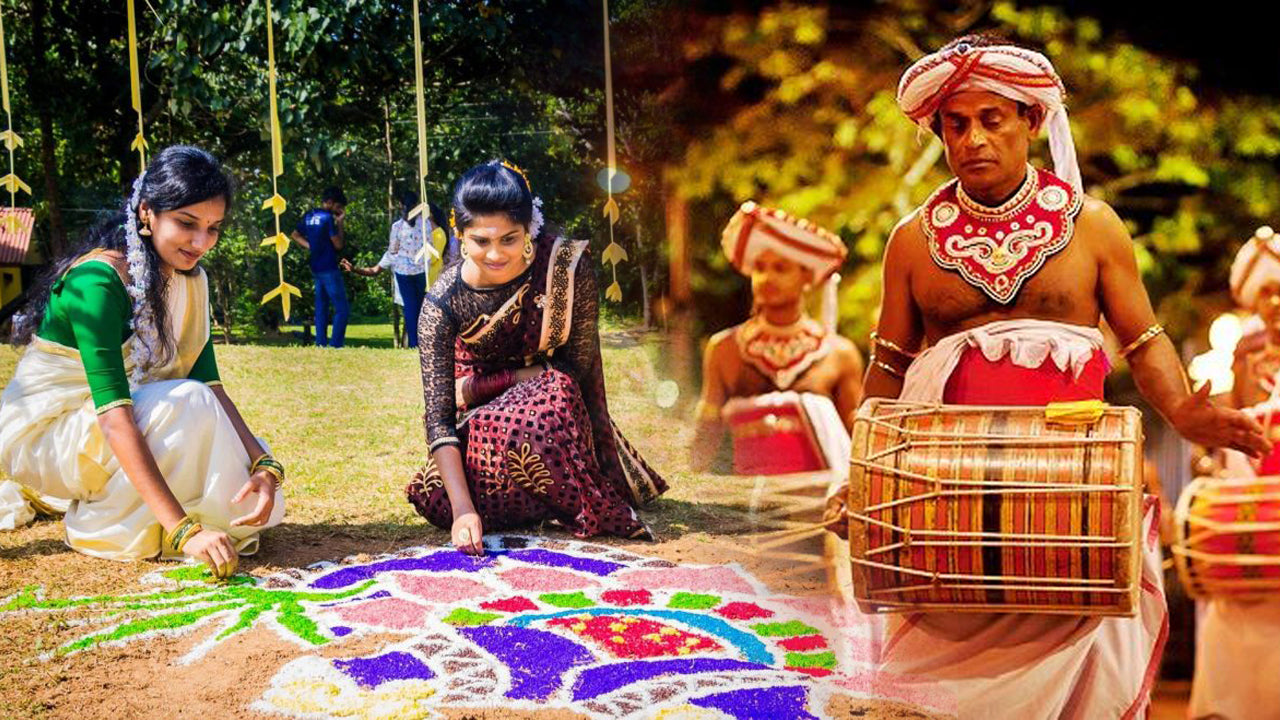
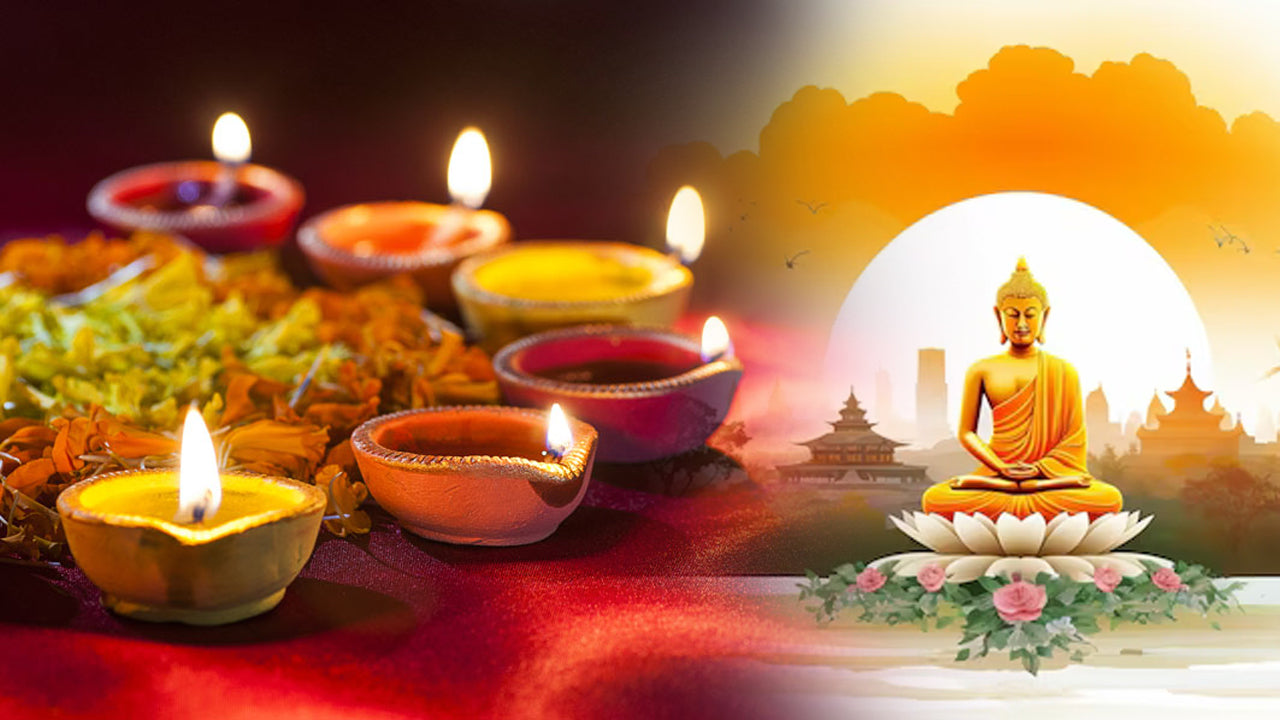
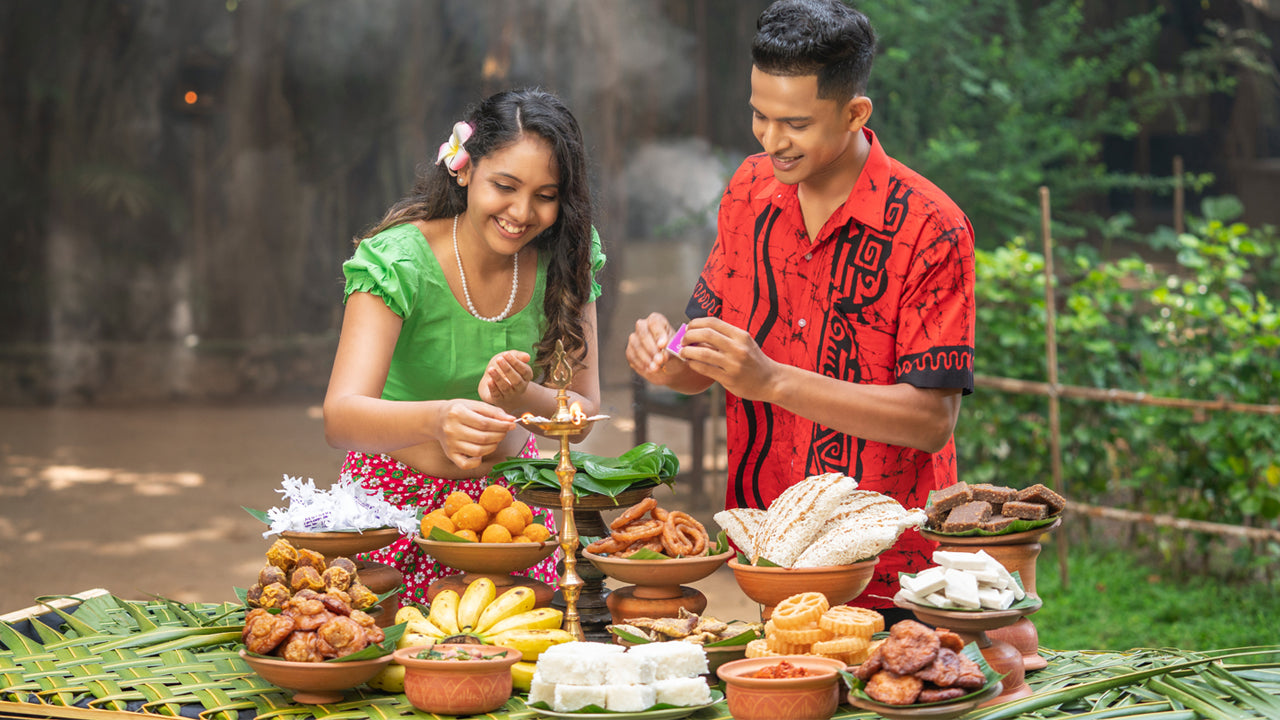
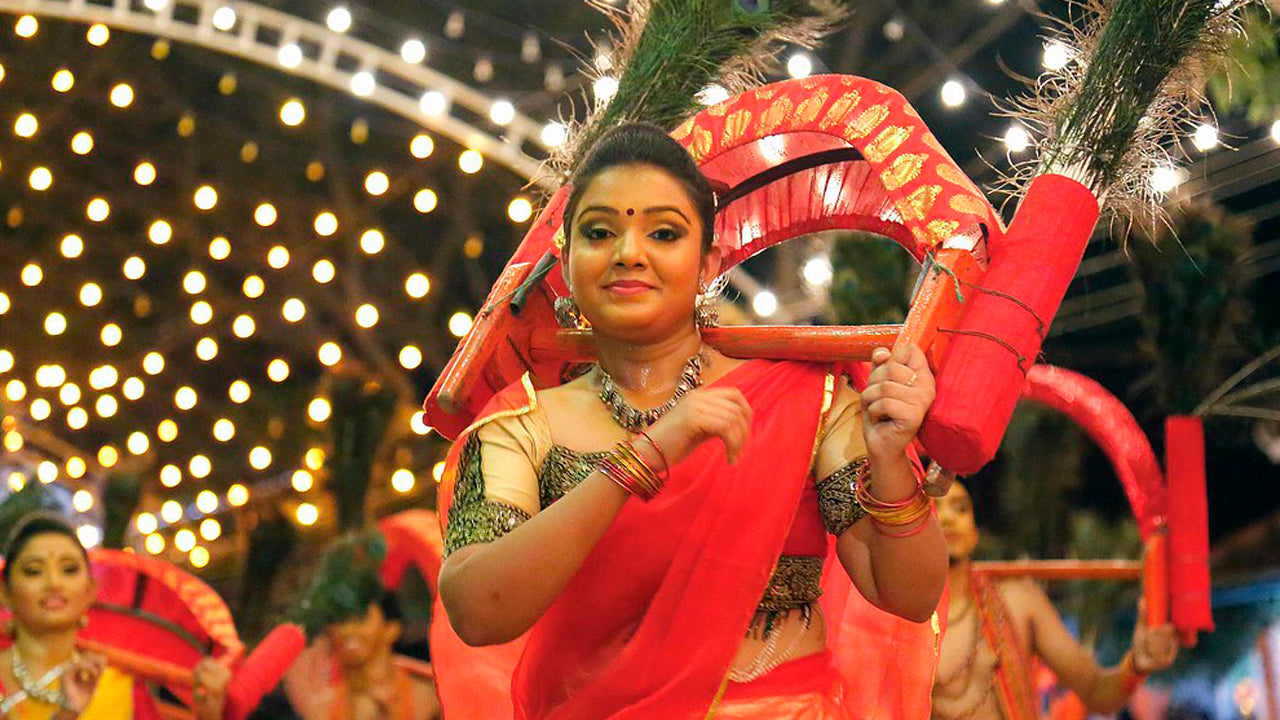
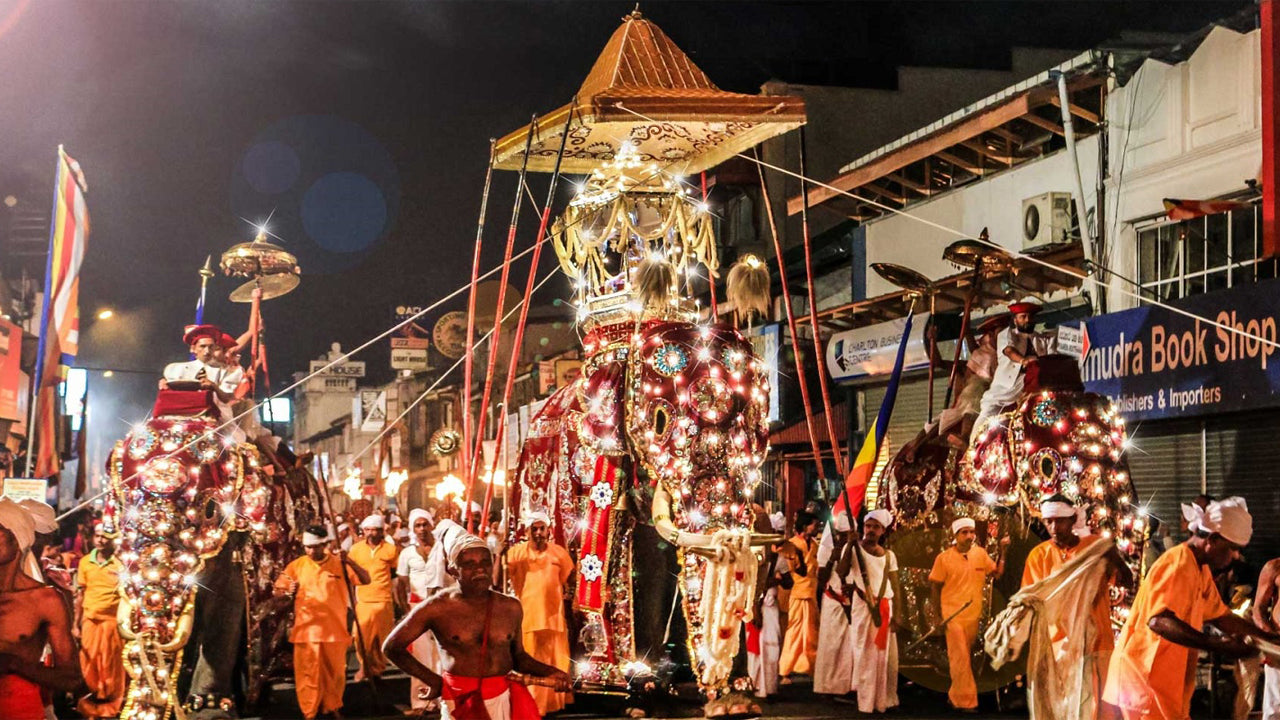
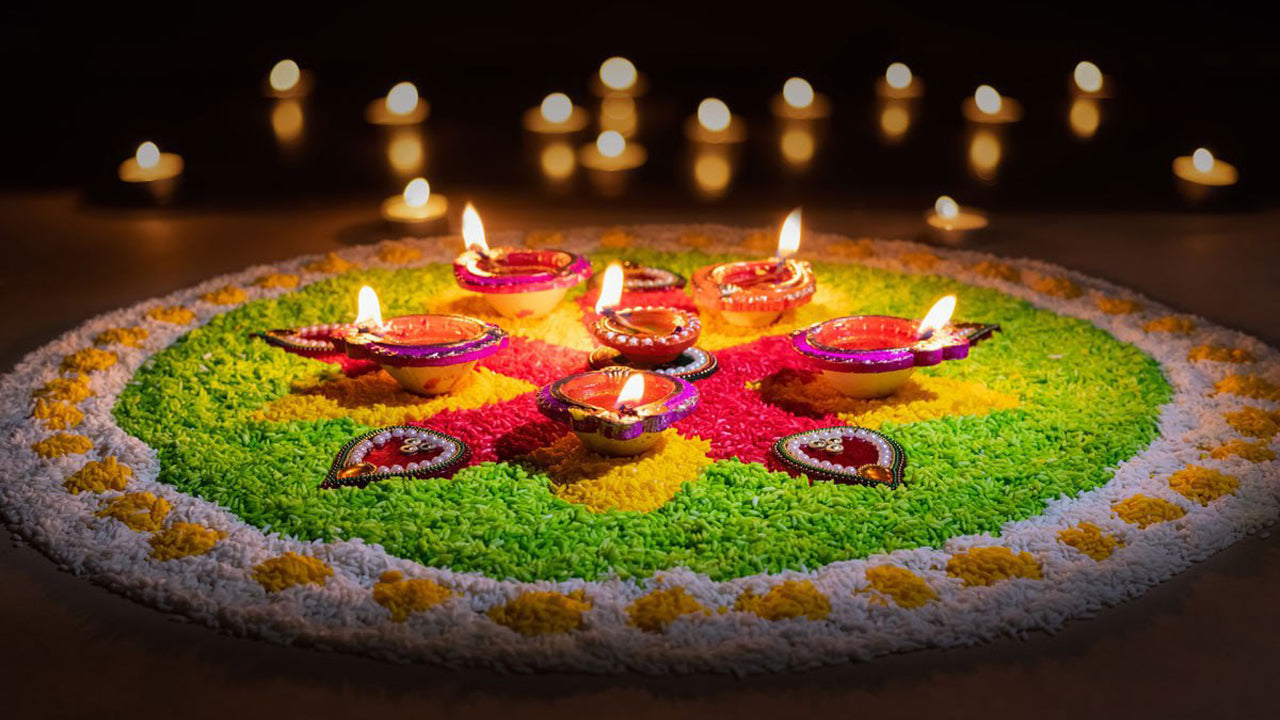
January is a relatively quiet month for large-scale festivals, but the Tamil harvest festival of Thai Pongal falls in mid-January and is celebrated with colour and community gatherings, particularly in the north and east. The island also marks the Western New Year hangover with several hotel and resort events at the start of the month. Visitors interested in cultural ceremonies should ask about locally organised events in temple towns along their route.
What other experiences are worth considering in January?
Hot-air ballooning — Clear skies and stable morning thermals over the Cultural Triangle make January one of the best months for hot-air ballooning. Flights typically launch at dawn from near Dambulla or Sigiriya, offering panoramic views across the ancient reservoirs and forest canopy below.
Sea turtle watching — January coincides with nesting activity for several sea turtle species along the south-west coast. The Kosgoda Sea Turtle Conservation Project runs guided night watches and hatchery tours that are informative without disturbing nesting females.
Rainforest walks — Despite the dry season dominating the lowlands, the Sinharaja Forest Reserve in the south-west retains moisture year-round. Guided walks through this UNESCO World Heritage rainforest turn up endemic birds, purple-faced langurs, and rare amphibians even in January.
Hill Country train journeys — The famous railway line between Kandy and Ella is as scenic in January as at any other time of year. Rolling tea estates, misty valleys, and colonial-era viaducts make this one of Asia's most photographed train routes. Book seats in advance during the peak season.