February sits squarely in Sri Lanka's peak travel window. The south-west monsoon has long since retreated, skies over the southern and western coastlines are reliably clear, and the dry season in the Cultural Triangle and hill country is well under way. If you are planning a first visit or a return trip, February rewards almost every travel style — beach holidays, wildlife safaris, water sports, and cultural touring — provided you choose the right regions.
What is the weather like in Sri Lanka in February?
Sri Lanka's weather in February divides broadly along its monsoon geography. The south-west coast — from Colombo down through Galle, Mirissa, and Tangalle — enjoys long dry days with sea breezes and sea temperatures around 27–28 °C. The Cultural Triangle (Sigiriya, Dambulla, Polonnaruwa) and Kandy experience warm, mostly dry conditions ideal for sightseeing. The hill country around Nuwara Eliya and Horton Plains can be cool at altitude, with occasional mist, so pack a light layer.
The north-east coast — Trincomalee, Nilaveli, Batticaloa — is on the tail end of the north-east monsoon in February, meaning higher humidity and occasional rain squalls. Conditions there are improving through the month but not yet fully settled. Most travellers concentrating on the north-east are better served waiting until March or April.
Which national parks are best to visit in February?
The dry season concentrates wildlife around shrinking water bodies, making February one of the most productive months for wildlife observation across Sri Lanka's parks.
- Udawalawe National Park: Home to a large resident elephant population that is highly visible in the open grasslands during the dry months. The Elephant Transit Home, located on the park boundary, rehabilitates orphaned calves and is open to visitors at feeding times.
- Wilpattu National Park: Sri Lanka's largest national park by area. Dense scrub forest and natural lakes (villus) attract leopards, sloth bears, spotted deer, and water birds. February's dry conditions improve both road access and sighting distances.
- Yala National Park: The park's southern block has one of the highest reported densities of leopard in the world. Elephants, crocodiles, and a rich bird list make every drive varied.
- Minneriya National Park: Elephants congregate around the ancient Minneriya reservoir during the dry months in a gathering that, while smaller than the famous August peak, is still impressive in February.
- Kumana National Park: The eastern extension of Yala is a rewarding destination for birdwatchers, with large breeding colonies of herons, storks, and ibis alongside the seasonal lagoons.
- Horton Plains National Park: The high-altitude plateau offers a very different kind of wildlife experience — montane grasslands, endemic birds such as the Sri Lanka whistling thrush, and the famous World's End escarpment. Early morning visits in February are often clear before cloud builds later in the day.
What water sports can I do in Sri Lanka in February?
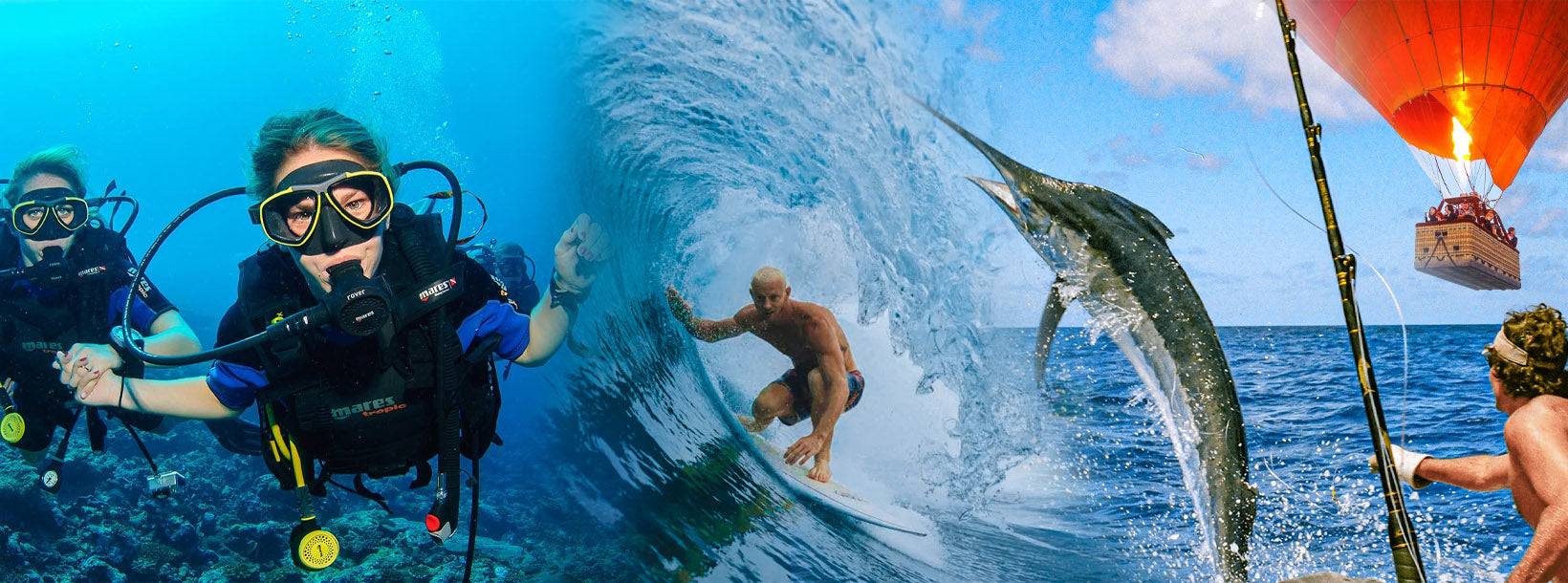
Calm seas, reliable winds, and good underwater visibility make February one of the strongest months on the water-sports calendar.
Kitesurfing at Kalpitiya
The Kalpitiya lagoon, on Sri Lanka's north-west coast, receives strong and consistent north-east winds through February, creating flat-water conditions well suited to both beginners on a discovery course and experienced riders looking for long downwind runs. The lagoon's shallow, warm water makes it forgiving for learners.
Scuba Diving and Snorkelling
Visibility along the south and south-west coast reaches its seasonal peak in February. Dive sites around Hikkaduwa — including the protected coral sanctuary — and Unawatuna offer shallow reef dives accessible to all certification levels. Wreck divers will find the Cargo wreck and the Lord Nelson at Hikkaduwa in good condition. For snorkelling, Hikkaduwa's reef can be explored in chest-deep water, while Pigeon Island near Nilaveli on the east coast is worth planning ahead for if your itinerary extends that far.
Deep Sea Fishing
Settled seas in February create good conditions for offshore fishing. Marlin, sailfish, yellowfin tuna, and dorado (mahi-mahi) are among the target species off the southern coast. Mirissa and Beruwala are popular departure points, and half-day or full-day deep sea fishing charters can typically be arranged through local operators.
Is February a good month for whale watching in Sri Lanka?
February is reliably one of the best months for whale watching off Mirissa, on the southern tip of Sri Lanka. Blue whales — the largest animals on Earth — pass through these waters on their migration route, and sightings are frequent during peak season from November through April. Sperm whales and pods of spinner dolphins are also regularly encountered. Morning departures from Mirissa Harbour generally offer the calmest sea conditions.
What cultural and sightseeing activities are good in February?
February's dry, clear weather across the Cultural Triangle and hill country makes it an excellent month for sightseeing. The ancient city of Sigiriya — with its 5th-century rock fortress — is best explored in the early morning before midday heat builds; a full account of Sigiriya's history puts the frescoes and water gardens in context before you visit.
Kandy, Sri Lanka's last royal capital, rewards a full day. The Temple of the Tooth Relic, the Kandy Lake, and the surrounding botanical gardens are all within easy reach; the Kandy city tour is a practical way to cover the main sites efficiently. Galle Fort on the south coast — a UNESCO World Heritage site — is particularly pleasant in February when the sea breeze keeps temperatures comfortable for walking the ramparts; the Galle city tour covers the fort and the surrounding area.
For a different pace, the Sinharaja Forest Reserve in the wet zone offers excellent birding year-round, with February providing a drier entry point into this UNESCO-listed rainforest. Endemic species — purple-faced langur, Sri Lanka blue magpie, red-faced malkoha — are well distributed through the forest interior.
Can I visit the hill country in February?
Yes, and it is rewarding. Ella, Nuwara Eliya, and the tea country between them are accessible and largely dry in February, though temperatures at altitude (Nuwara Eliya sits at around 1,868 m) are cool enough to require a jacket in the evening. Train journeys through the hill country — particularly the Kandy–Ella route — are popular year-round; book tickets in advance for February given peak-season demand. The Ella area offers hiking, the Nine Arch Bridge, and access to surrounding tea estates and the Bluefield Tea Gardens.
Are there any festivals or events in February in Sri Lanka?
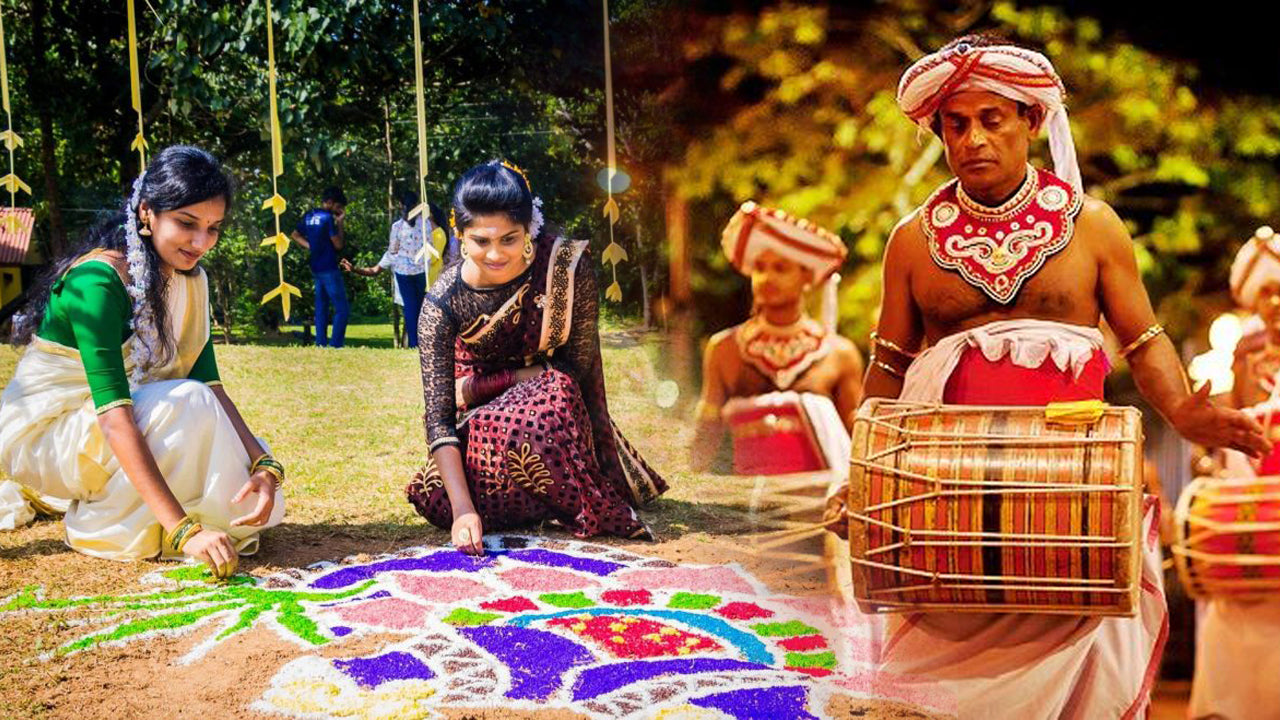
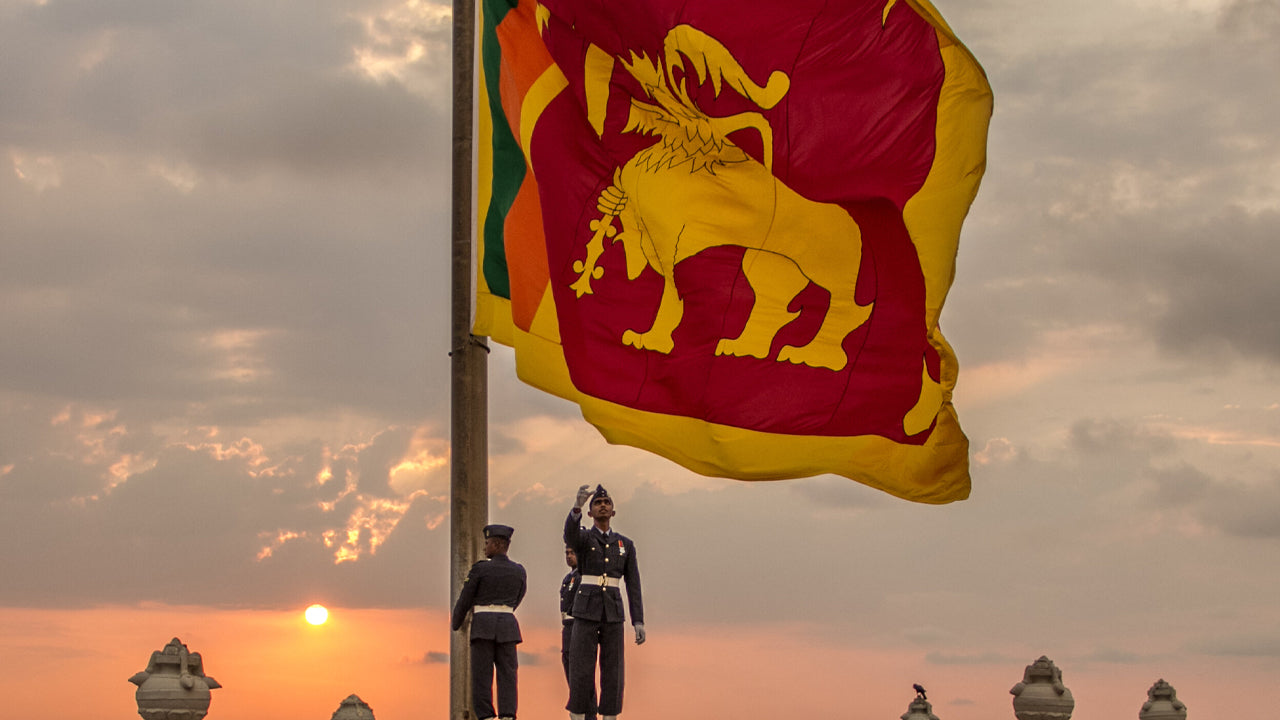
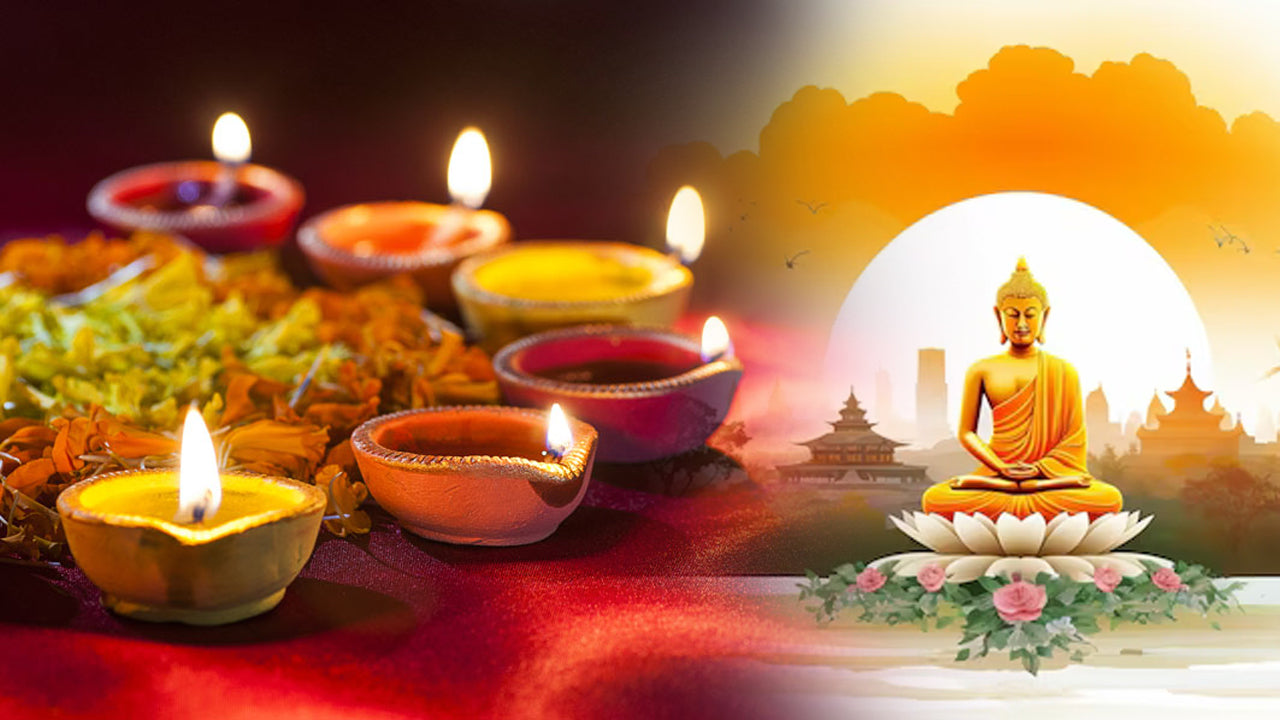
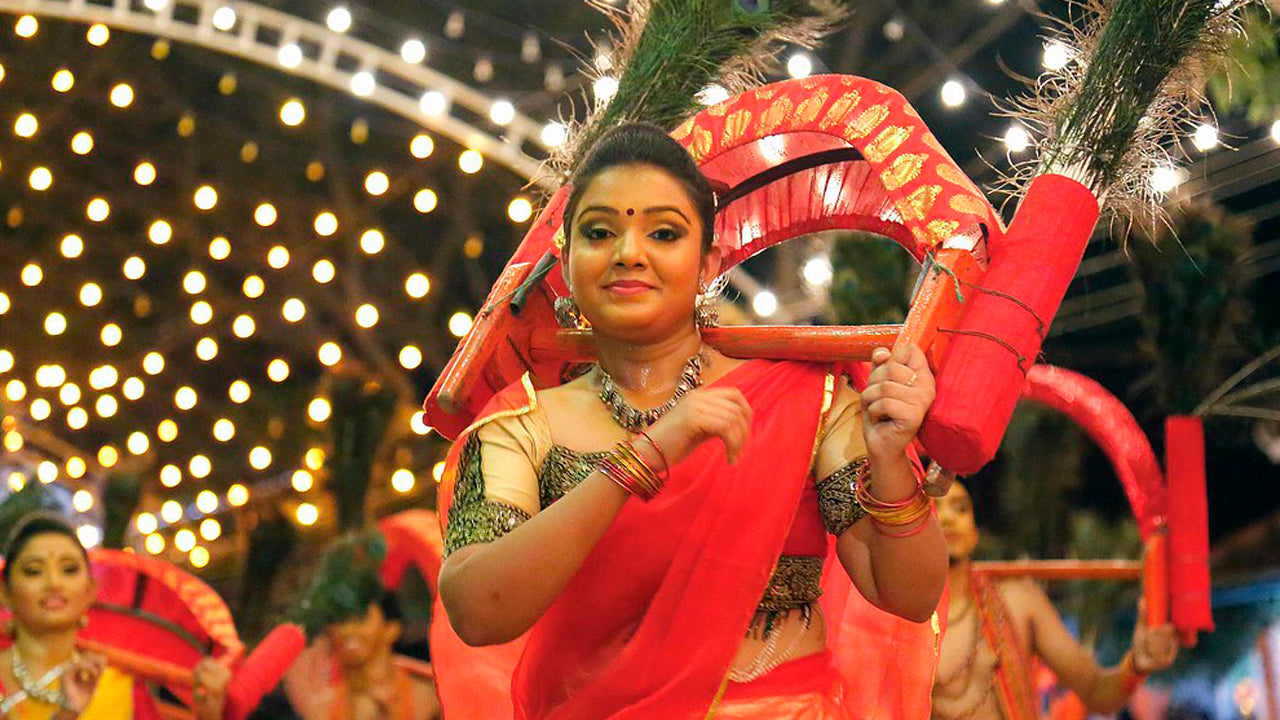
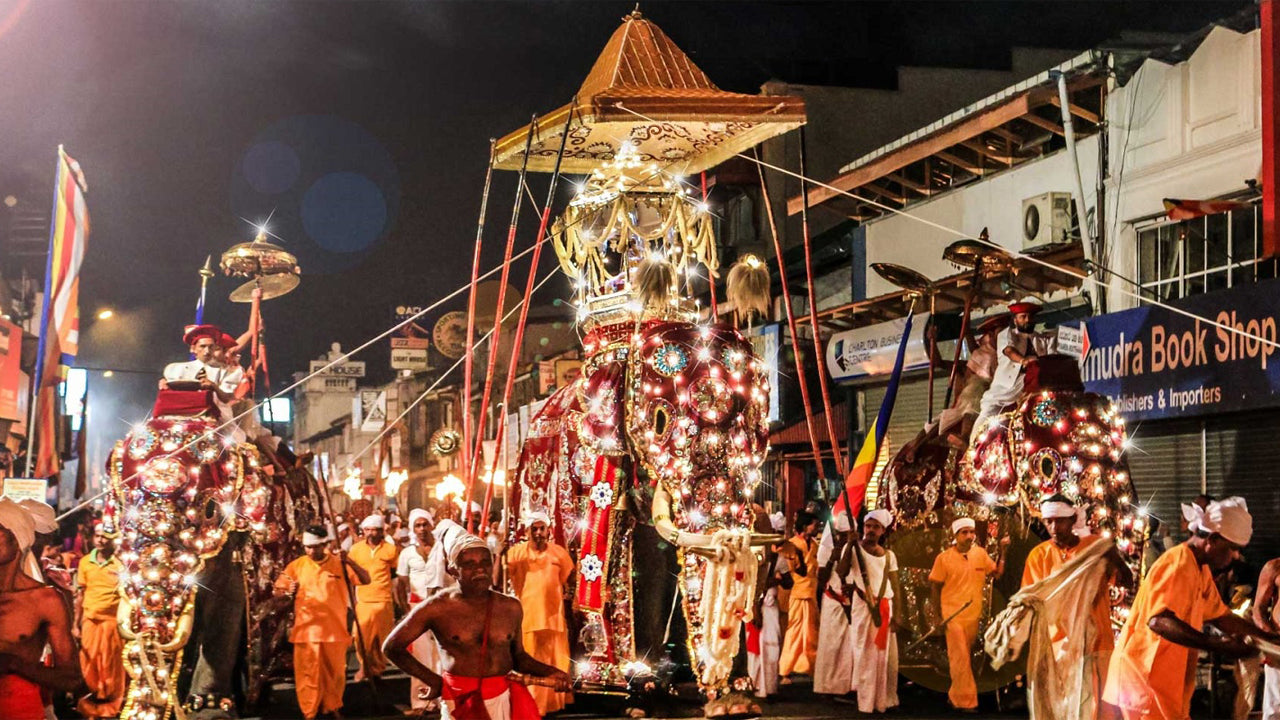
February 4th is Sri Lanka's National Independence Day, marked by official ceremonies in Colombo. Poya (full moon) day falls each month and brings Buddhists to temples across the country; February's Navam Poya is associated with the Navam Perahera procession at Gangaramaya Temple in Colombo, one of the more impressive perahera events outside of the Kandy season. If your dates allow, the procession features decorated elephants, traditional drummers, and torch-lit floats.
How should I plan transport and accommodation in February?
February is unambiguously peak season, particularly on the south and south-west coast. Accommodation in Mirissa, Unawatuna, and Hikkaduwa books out weeks — sometimes months — ahead. Inland, Sigiriya-area lodges and Kandy hotels also fill quickly. Book all accommodation and tour activities as far in advance as practicable. For getting between regions, a combination of private car hire and the scenic hill-country train covers most itineraries comfortably; the private driver option gives flexibility for national park visits, which require early morning departures.