Lakpura
Lakpura®

Garcinia

Garcinia is a large genus of evergreen trees and shrubs in the family Clusiaceae, comprising more than 250 species distributed across tropical Asia, Africa, Australia, and Polynesia. In Sri Lanka, Garcinia holds particular cultural and culinary significance: the dried rind of Garcinia cambogia — known locally as goraka — is a staple souring agent in Sinhala cooking, as fundamental to the island's cuisine as Ceylon black pepper is to its spice trade.

What is Garcinia and how many species does it include?

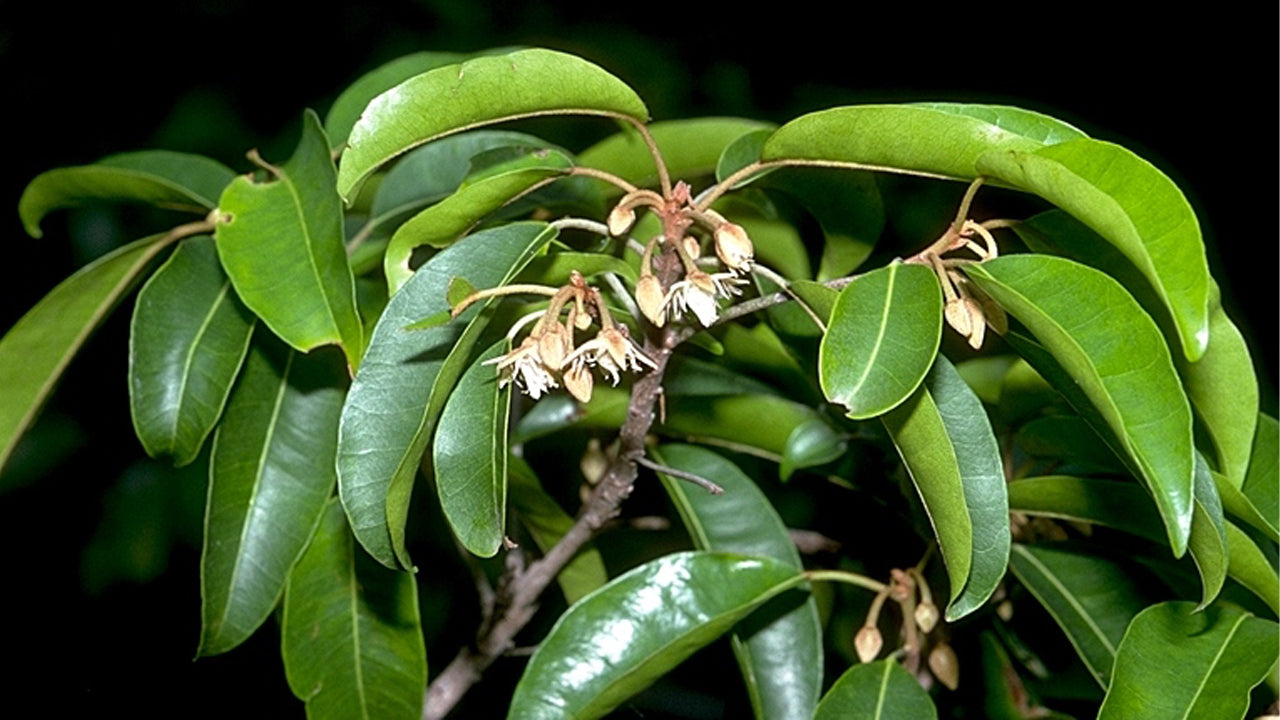
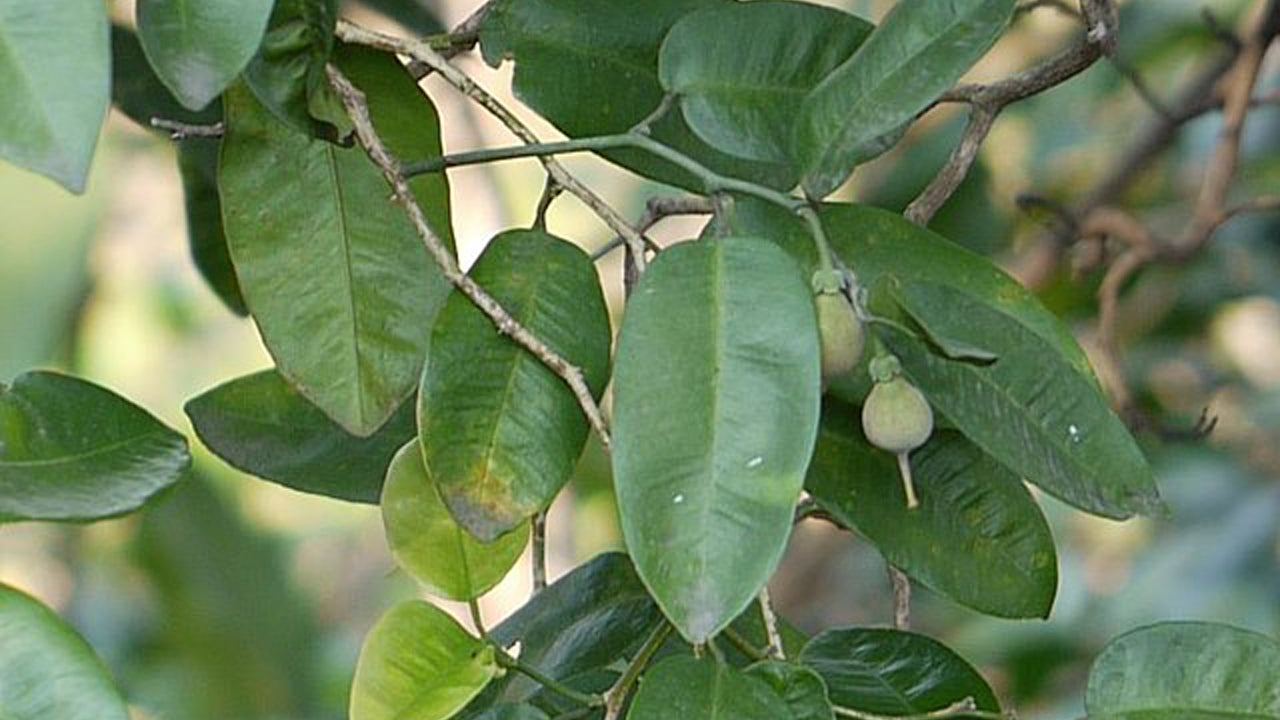
The genus Garcinia encompasses a wide diversity of fruit-bearing trees, from towering canopy species to smaller shrubs suited to humid lowland forests. Plants in this genus share several distinguishing traits: thick, leathery leaves, solitary or clustered flowers, and fleshy fruits that contain multiple seeds enveloped in a sweet or acidic pulp.

Many Garcinia species are dioecious — individual plants are either male or female — yet the genus also includes species capable of apomictic reproduction, producing viable seeds without fertilisation. This biological flexibility has helped Garcinia colonise a broad range of tropical habitats.

Which Garcinia species are most significant in Sri Lanka?

Three species stand out for their practical and commercial importance:

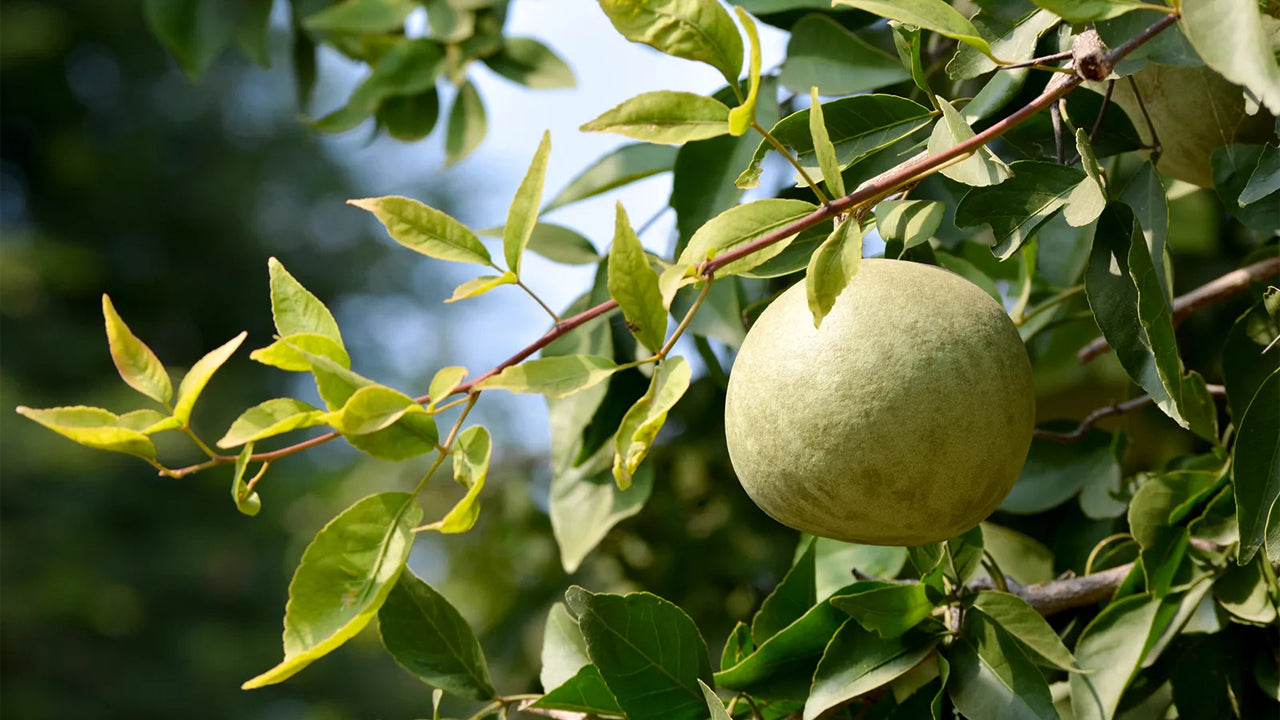
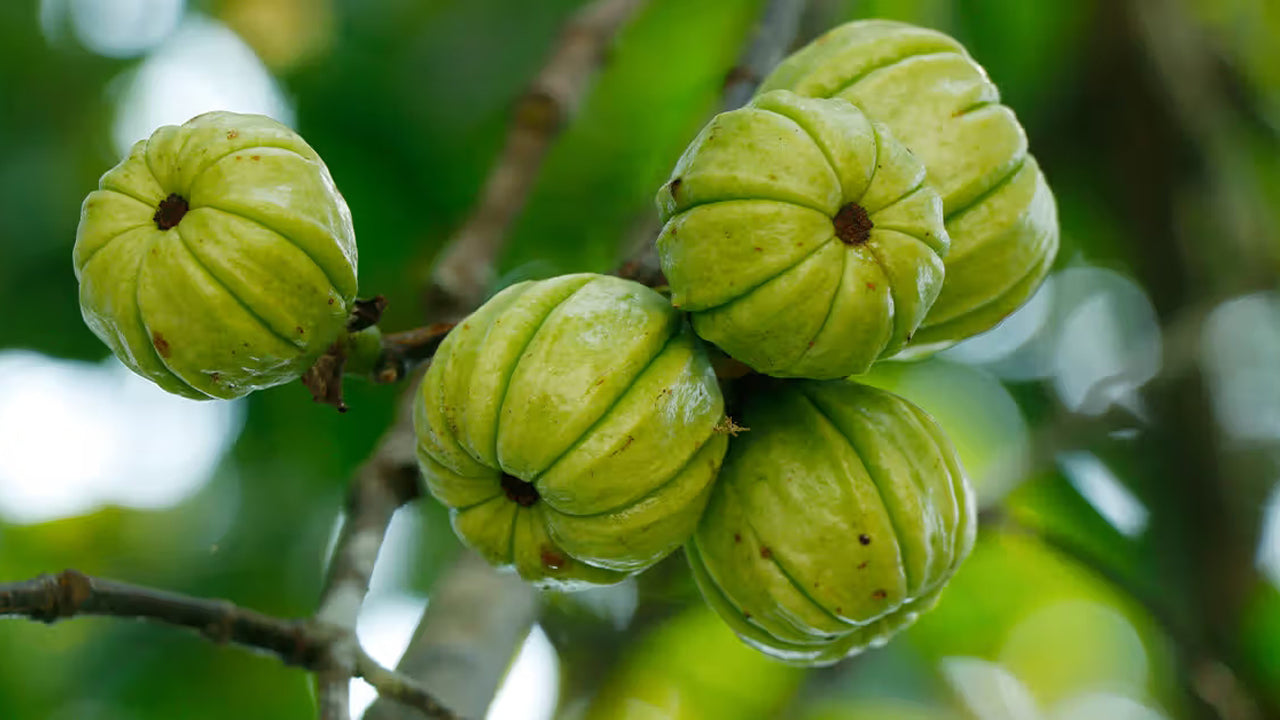
  • Garcinia cambogia (Garcinia gummi-gutta) — Called goraka in Sinhala, this is the species most familiar to Sri Lankan cooks. The fruit rind is sun-dried or smoked until dark brown, then used to add a sharp, tamarind-like sourness to fish curries, chutneys, and rice dishes. Its hydroxycitric acid (HCA) content has also attracted global interest as a dietary supplement ingredient.
  • Garcinia mangostana — The mangosteen, widely regarded as one of the finest tropical fruits for its balance of sweetness and mild acidity. The deep-purple rind contains xanthones, bioactive compounds studied for antioxidant and anti-inflammatory properties.
  • Garcinia indica — Known as kokum in South Asian culinary traditions, this species produces a rind used in cooling drinks and regional cuisine. Its seed fat, called kokum butter, has applications in confectionery and cosmetics.

How is goraka used in Sri Lankan cooking?

Goraka is one of the oldest souring ingredients in Sri Lankan cuisine. The dried rind is typically rinsed and added whole or crushed directly to a curry pot, where it releases its acidic compounds during slow cooking, tenderising fish and balancing rich coconut-milk gravies. Unlike lime juice, which is added at the end of cooking, goraka is simmered with the dish, producing a deeper, more rounded sourness.

In coastal communities, goraka also functions as a natural preservative: fish cured with goraka paste keeps longer without refrigeration — a practical advantage in warm, humid conditions. Visitors to a place like Midigama Fruit Farm may encounter fresh goraka fruits alongside other tropical produce grown in Sri Lanka's wet zone lowlands.

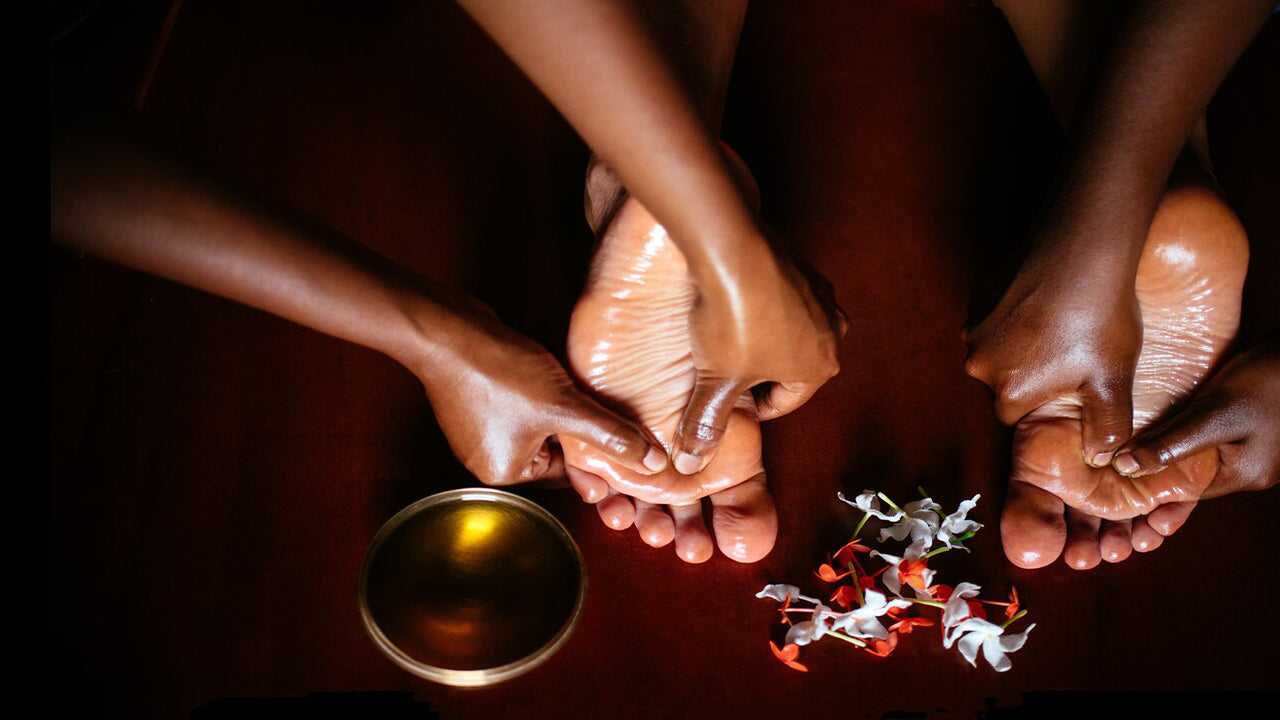
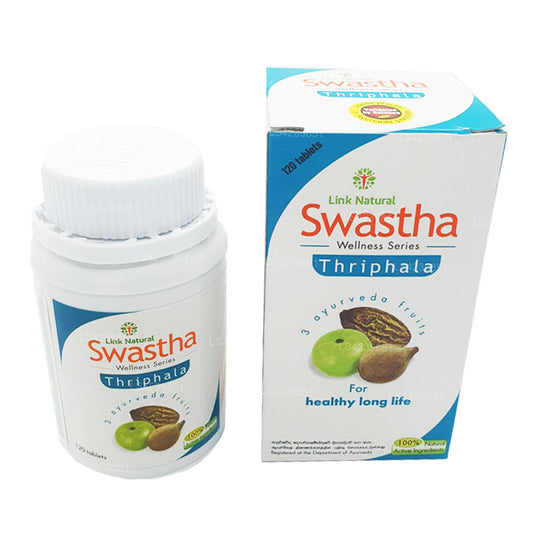
Beyond the kitchen, dried goraka rind is ground into powders and incorporated into Ayurvedic formulations targeting digestive complaints and metabolic health.

What are the medicinal properties of Garcinia?

Traditional medicine systems — most notably Ayurveda, which has deep roots in Sri Lanka — have drawn on various Garcinia species for centuries. Documented traditional uses include:

  • Digestive support: goraka is believed to stimulate digestive enzymes and reduce bloating.
  • Anti-inflammatory applications: extracts from the fruit rind and bark have been used topically for skin conditions and joint inflammation.
  • Antimicrobial properties: the acidic rind inhibits bacterial growth, supporting its traditional role as a food preservative.

Modern phytochemical research has identified several bioactive compounds in Garcinia species, including hydroxycitric acid (HCA), flavonoids, and xanthones. HCA, most concentrated in Garcinia cambogia, has been studied for its potential role in appetite regulation and fat metabolism, and is widely marketed in capsule and tea form as a weight-management supplement — though clinical evidence remains mixed and consumers should consult a healthcare professional before use.

Where does Garcinia grow in Sri Lanka?

Wild and cultivated Garcinia trees thrive in Sri Lanka's wet zone, particularly in the Sabaragamuwa and Southern provinces, where rainfall is high and temperatures remain warm year-round. The species favours the edges of rainforest fragments and home gardens rather than dense primary canopy, making it one of the more accessible tropical fruit trees for small-scale cultivation.

Sri Lanka's remaining lowland rainforests — including the biodiversity-rich Sinharaja Forest Reserve — provide habitat for wild Garcinia populations alongside hundreds of other endemic plant species. Conservation of these forest patches is therefore directly linked to the long-term genetic diversity of the genus.

What conservation challenges does Garcinia face?

Several Garcinia species are under pressure from habitat loss driven by agricultural expansion, logging, and urban development across their tropical range. In Sri Lanka, conversion of lowland wet-zone forest to monoculture plantations has reduced the area of suitable wild habitat significantly over the past century.

Overexploitation for commercial supplement production — driven largely by international demand for Garcinia cambogia extracts — adds further strain on wild populations in some producer countries. Researchers and conservation bodies are working to document wild stands, develop sustainable cultivation guidelines, and build seed banks to preserve genetic diversity for future generations.

How can travellers experience Garcinia in Sri Lanka?

For visitors curious about Sri Lanka's spice and botanical heritage, goraka is easy to encounter: it appears on virtually every fish-curry menu, is sold dried in local markets, and features in Ayurvedic wellness centres across the island. Organised spice-garden visits — particularly around the Kandy and Matale areas — often include Garcinia trees alongside cinnamon, cardamom, and nutmeg demonstrations.

For those who want to bring goraka home, dried whole rinds, paste, and powder are all available as well-packaged souvenirs. Garcinia-infused teas, blending goraka with other Sri Lankan botanicals, have become a popular wellness product in recent years.

Is Garcinia the same as Garcinia cambogia supplements sold globally?

Yes, in part. The supplement marketed globally as "Garcinia cambogia" is derived from the same species as Sri Lankan goraka, standardised for its HCA content. However, the culinary goraka used in cooking is not concentrated in the same way as pharmaceutical-grade extracts, and the two should not be confused in terms of dosage or effect. The food use of goraka — in the quantities typical of cooking — has a long safety record in Sri Lankan tradition; high-dose HCA supplementation is a separate matter governed by different considerations.

Book this experience with Lakpura

Curated by our local team. Direct booking, instant confirmation.

Ask Lakpura® Agent