Flueggea leucopyrus (Katupila)


Flueggea leucopyrus (Katupila; ??????; ??????) Willd is a shrub grown in many parts of the dry zones in Sri Lanka. The leaves of F. leucopyrus has been used for treating cancer in the traditional system of medicine in Sri Lanka. Katupila (Flueggea leucopyrus), also known by its scientific name Flugguea leucopyrus, is also known as Heen Katupila (Flueggea leucopyrus) and is also known as Sharapunkha in Ayurveda. Apart from that it is also known as Kantapunka, Slihashatru, Kantapunkika, Kantalu, Kalika etc. This plant belongs to the genus Euphorbiaceae. This plant is found in many parts of South India and grows in sandy beaches up to 150 m above sea level in our country. Especially in mannar, puttalam, hambantota, anuradhapura, polonnaruwa, matale and ampara.
But Katupila (Flueggea leucopyrus) is a cure for many other ailments besides cancer. The leaves of this Katupila (Flueggea leucopyrus) plant, which usually grows to a height of about 3 to 4 feet, are round in shape and green in color. The flowers are pale green and slightly larger than a peppercorn. The seeds are as small as a mustard seed. Despite the name Katupila (Flueggea leucopyrus), you do not see such sharp thorns.
Medicinal benefits of Katupila (Flueggea leucopyrus):
In terms of medicinal properties, Katupila (Flueggea leucopyrus) tastes and tastes bitter. It has short, woody and sharp properties. Apart from that, Katupila (Flueggea leucopyrus) leaves and leaves are used to make delicious porridge. This Katupila (Flueggea leucopyrus) leaf can also be eaten as a curry with dhal. Also, thorns can be used to make mallows from leaves. Today we can also buy Katupila (Flueggea leucopyrus) tea as a natural anti-cancer drink in the market.
- To cancer: The essence of the Katupila (Flueggea leucopyrus) tree panchanga is to drink it with honey. In this porridge, it is better to add curry leaves, two children, samanpichcha leaves and kuburu leaves.
- For intestinal ulcers: It is better to take the leaves of the thorn bush and the leaves of the tree stalks evenly and boil it in a pan and squeeze the juice and drink it with honey in the morning.
- For uterine fibroids in women: The fruit can be diluted by drinking the extract of Katupila (Flueggea leucopyrus) root and Pota vine juice with raw turmeric juice.
- For hemorrhoids: Take a handful of Katupila (Flueggea leucopyrus) leaves and half a handful of hemp leaves and grind it and drink it with buffalo milk.
- For liver cancer and nuts: Katupila (Flueggea leucopyrus) decoction with pepper powder is used in Ayurveda for this purpose.
- For cancers of the lower back: It is advisable to grind the leaves, bark, flowers and roots of the Katupila (Flueggea leucopyrus) tree with yellow salt.
So Katupila (Flueggea leucopyrus) is a herb with un
-
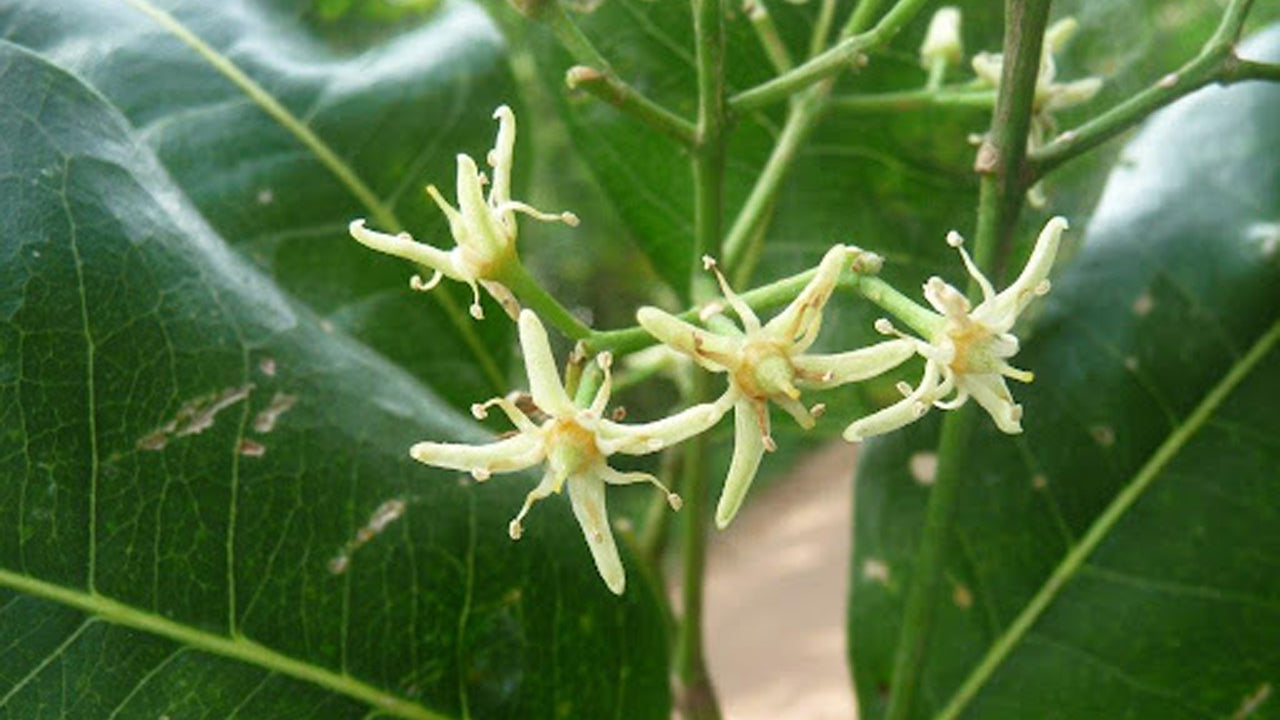
Claw-flowered laurel
Acronychia pedunculata -
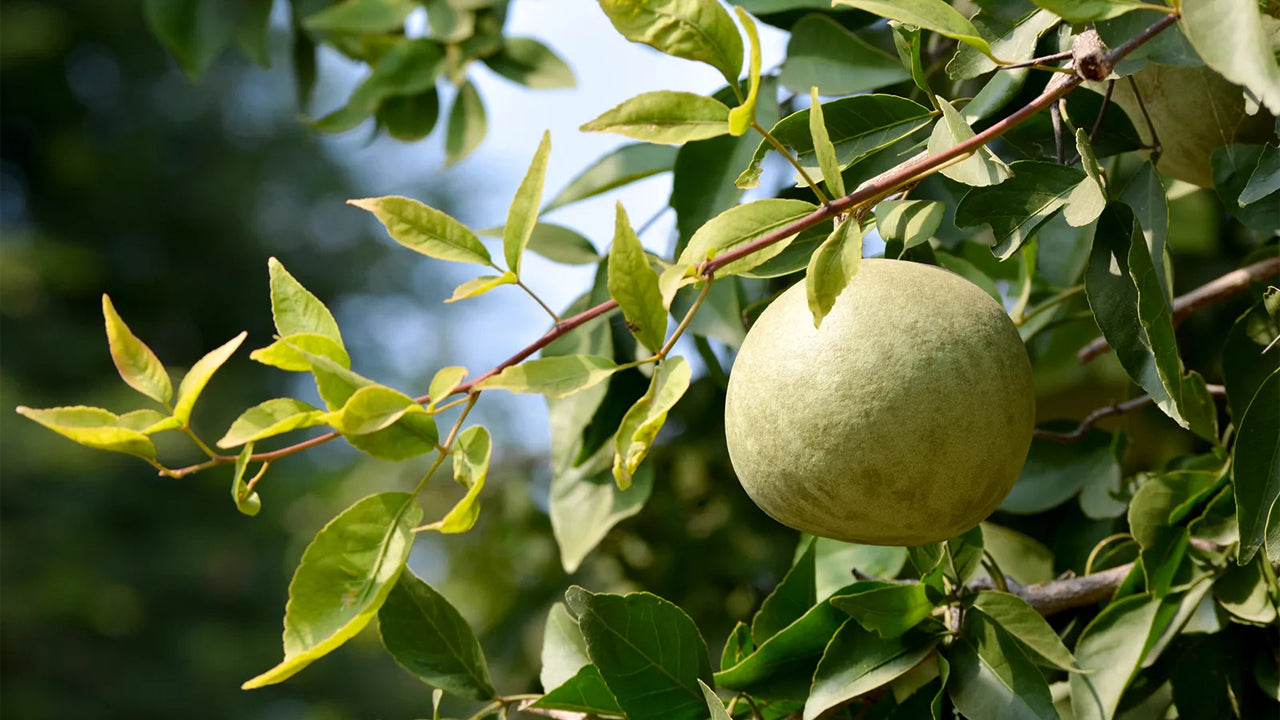
Bael
Aegle marmelos -
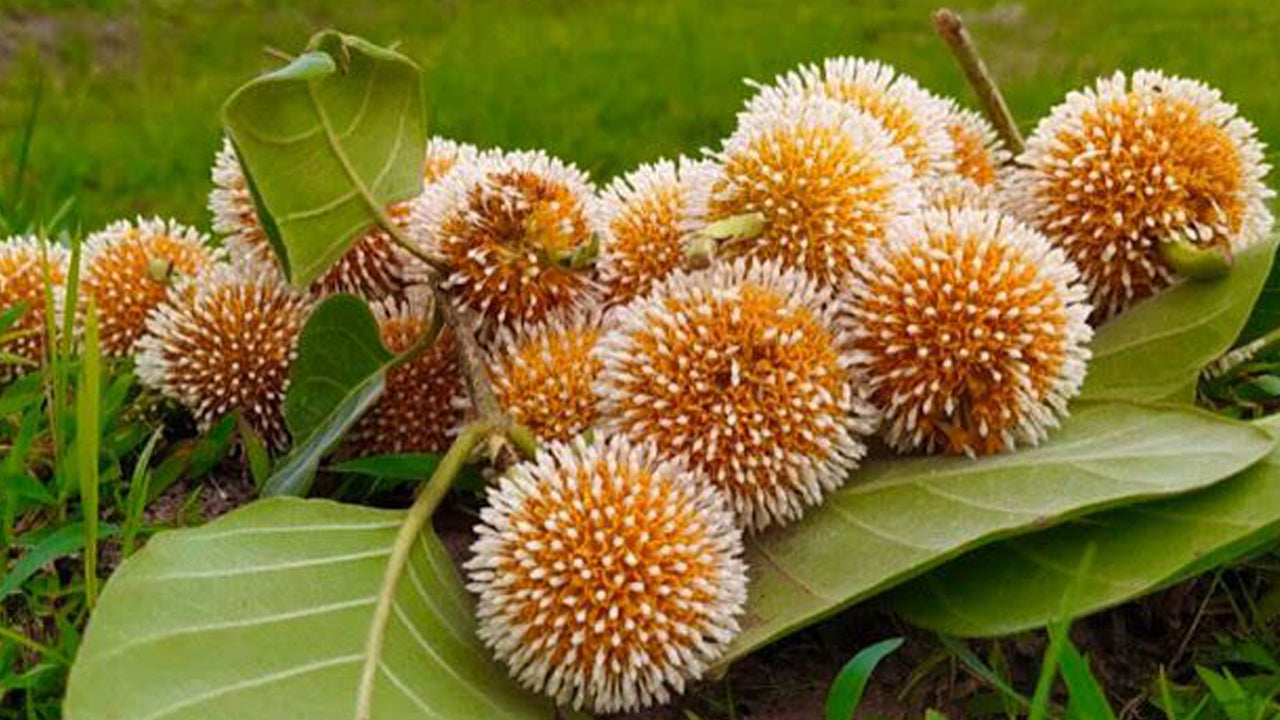
Leichhardt tree
Nauclea orientalis -
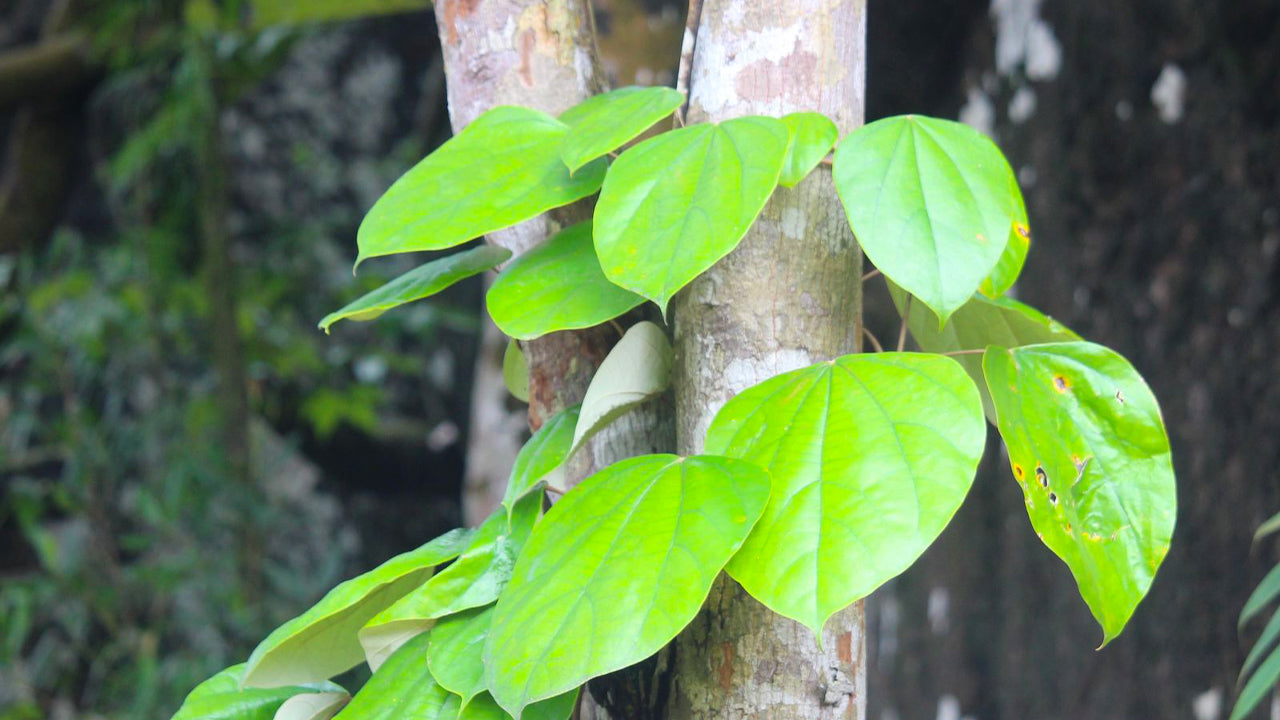
False Calumba
Coscinium fenestratum -

Malabar Gulbel
Tinospora malabarica -
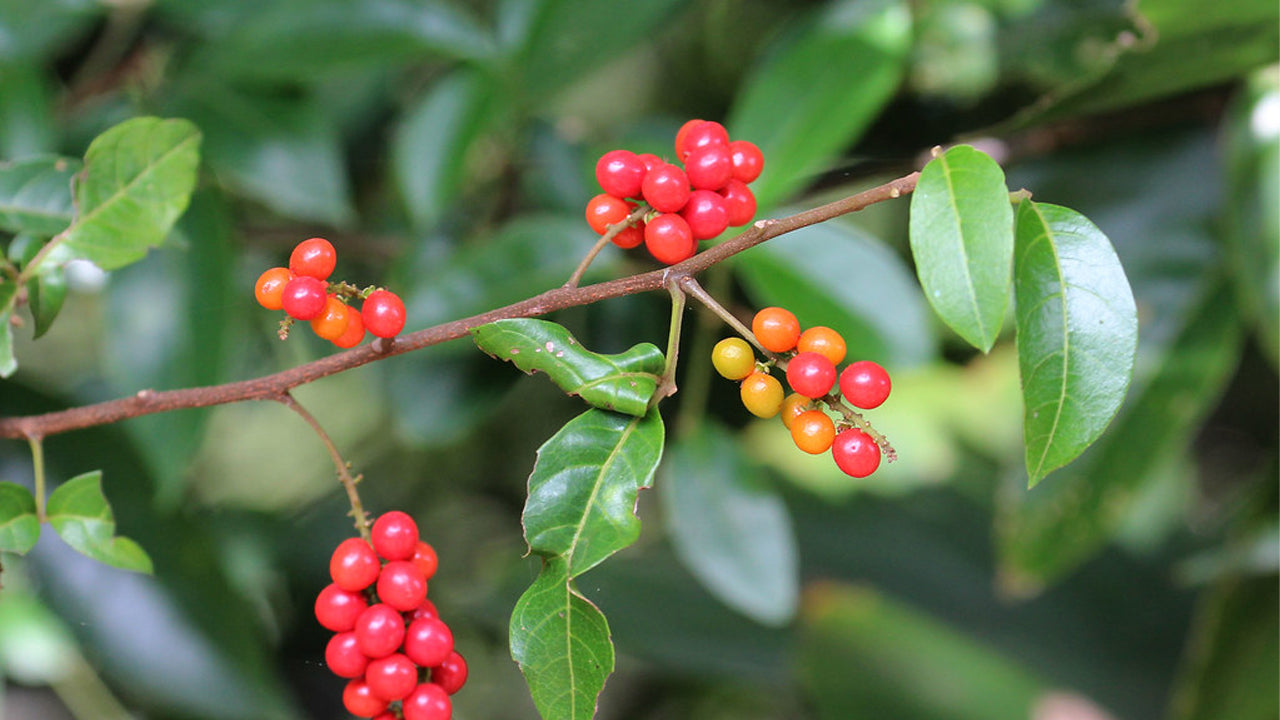
Titberry
Allophylus cobbe -
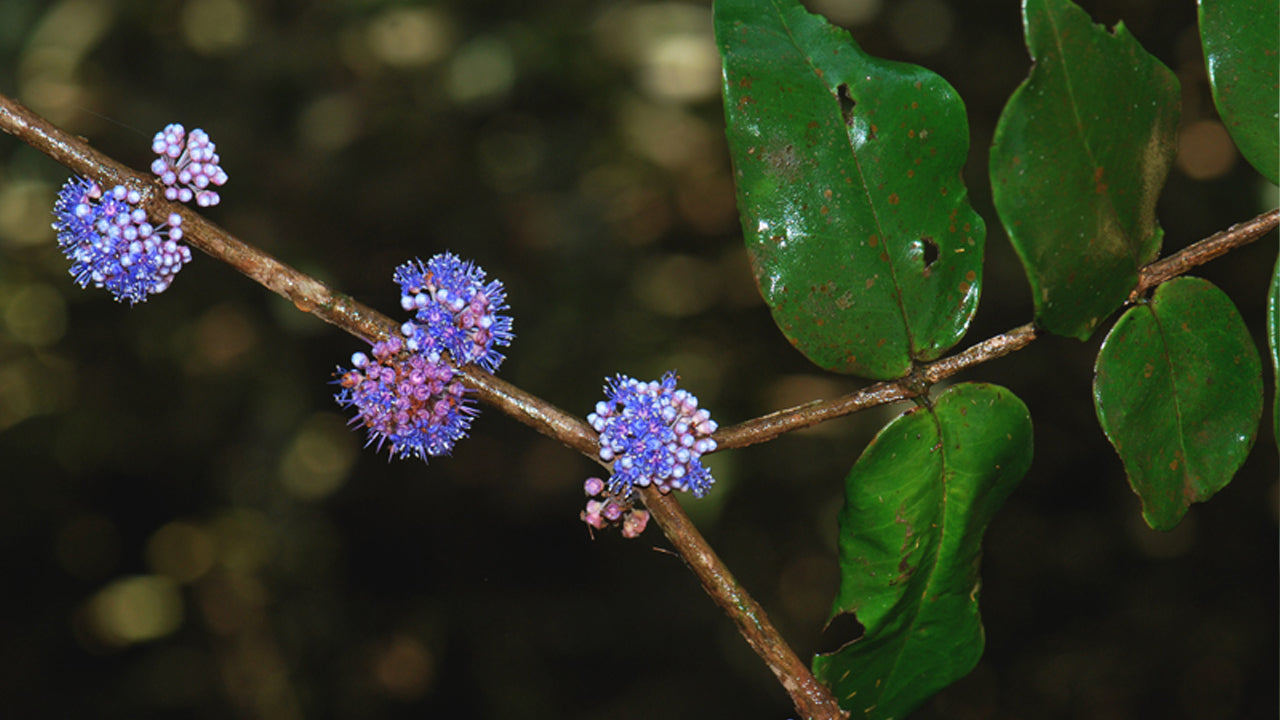
Ironwood Tree
Memecylon capitellatum -
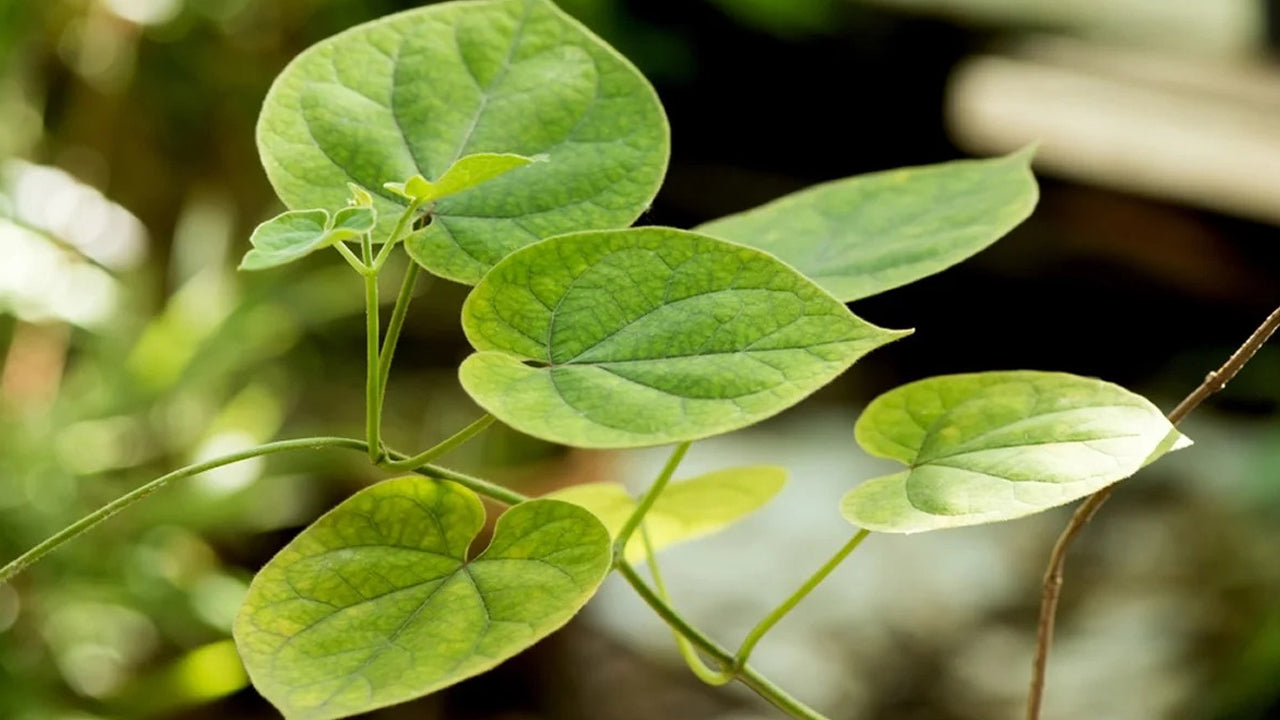
Velvet Leaf
Cissampelos pareira -
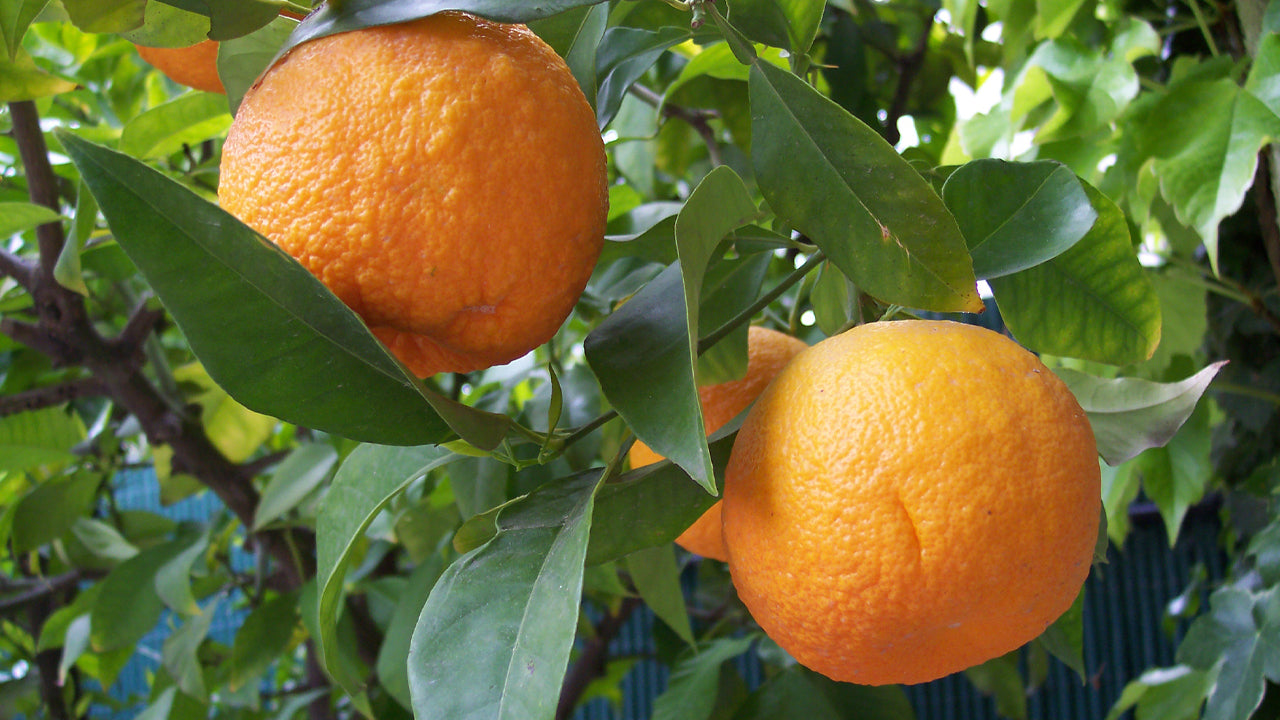
Bitter orange
Citrus aurantium -

Reinwardt's Tree Plant
Biophytun reinward -
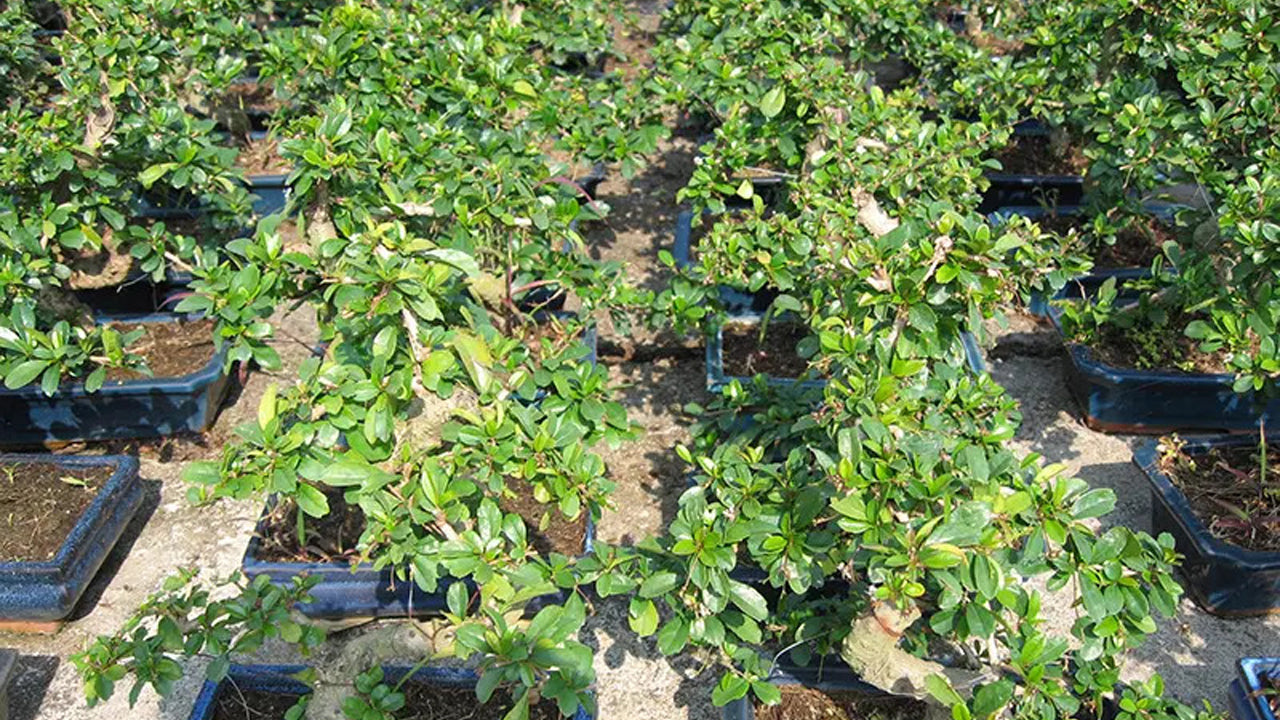
Fukien tea
Carmona microphylla -
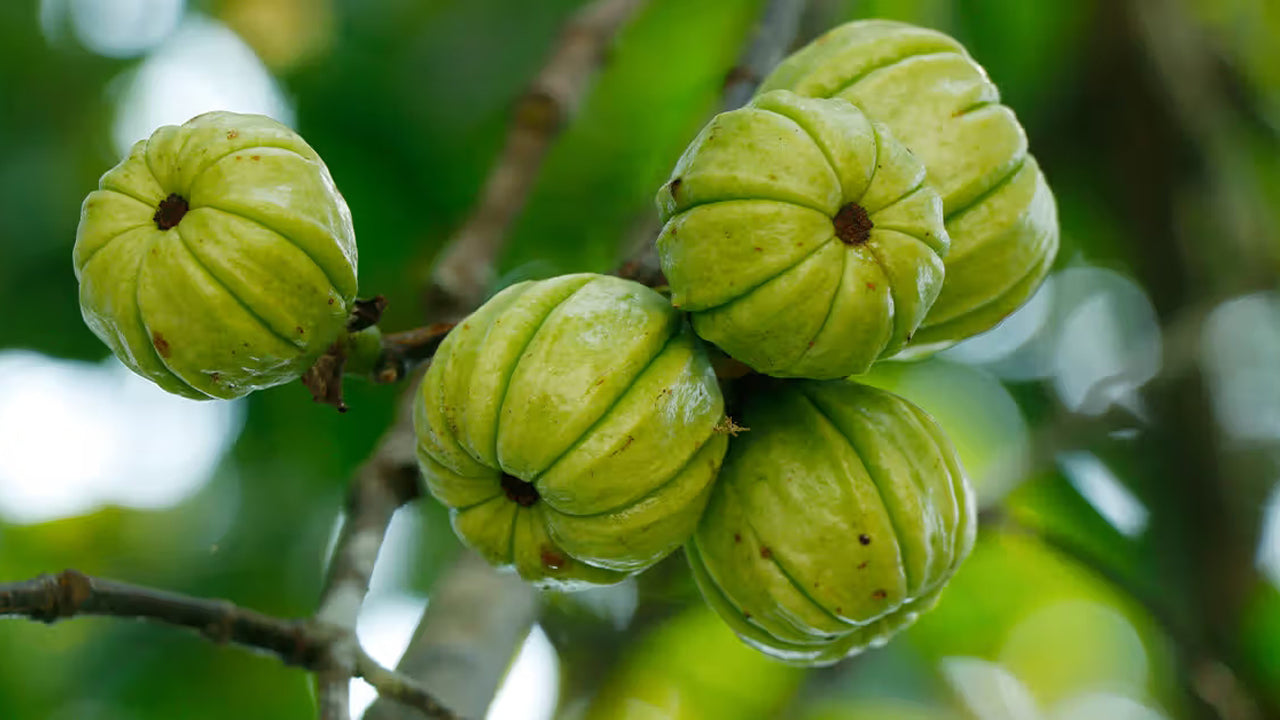
Malabar tamarind
Garcinia cambogia -
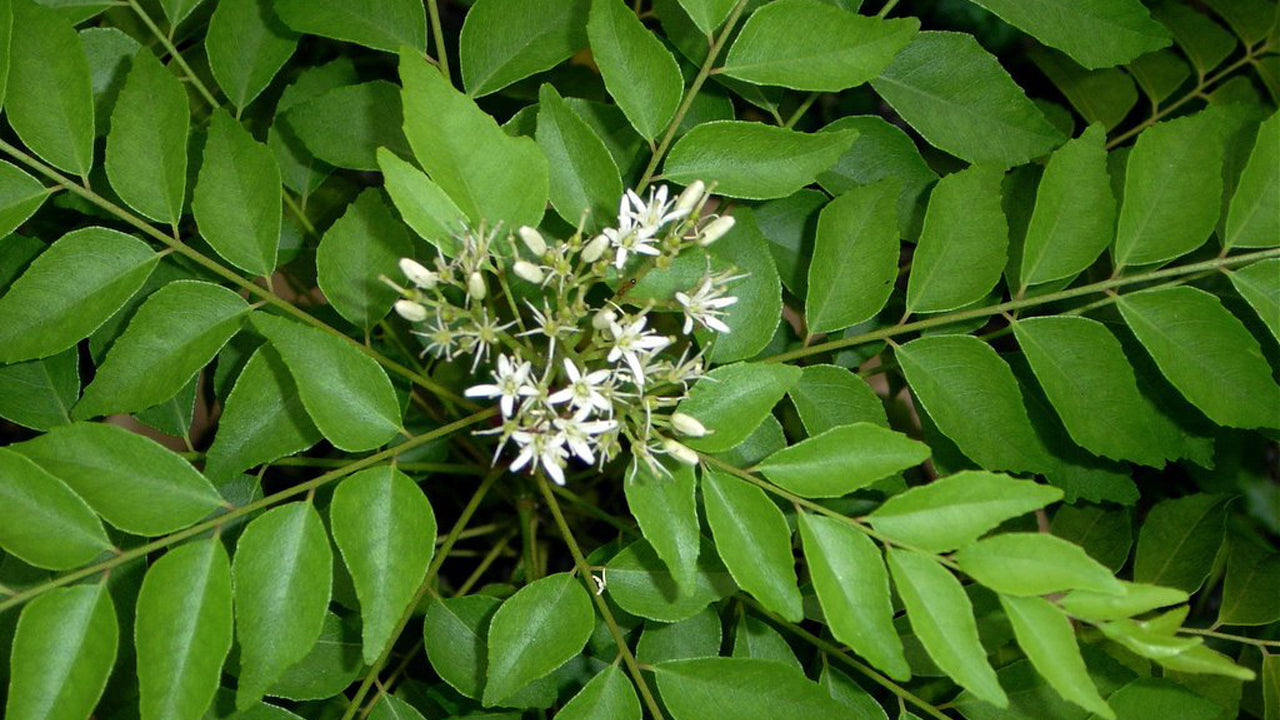
Curry leaf tree
Murraya koenigii -
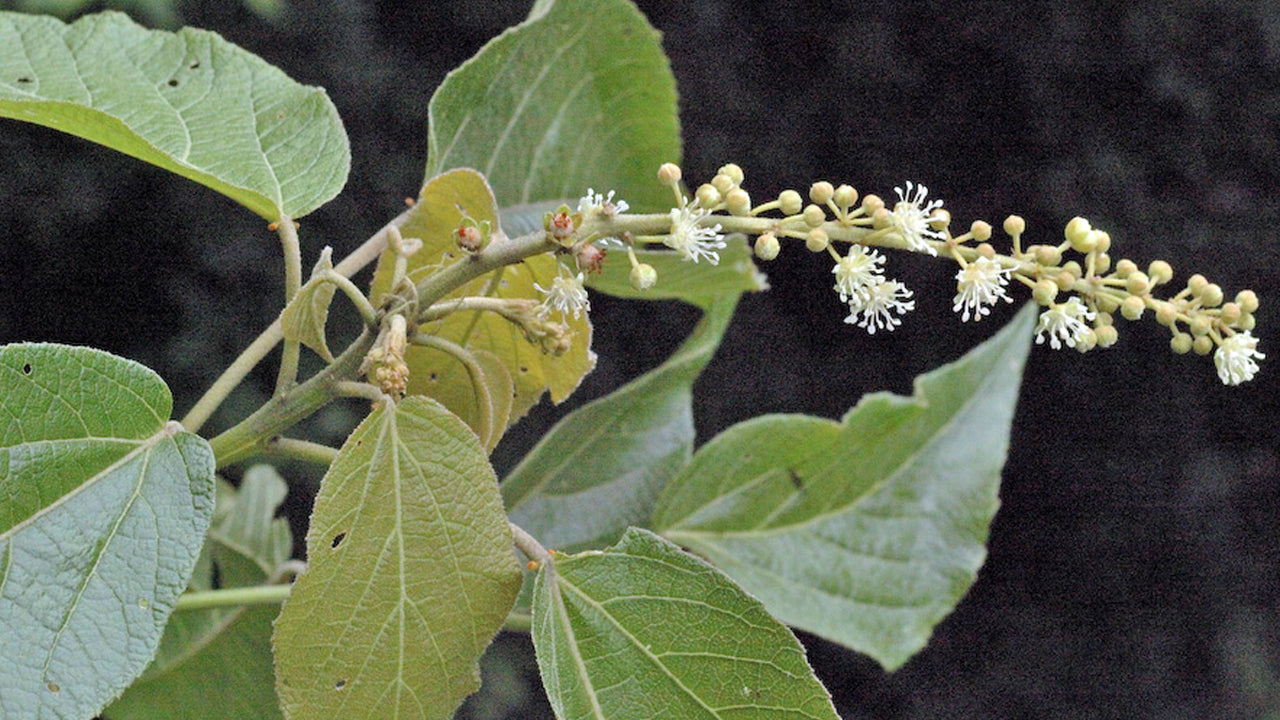
Kappetiya
Croton laccifer -
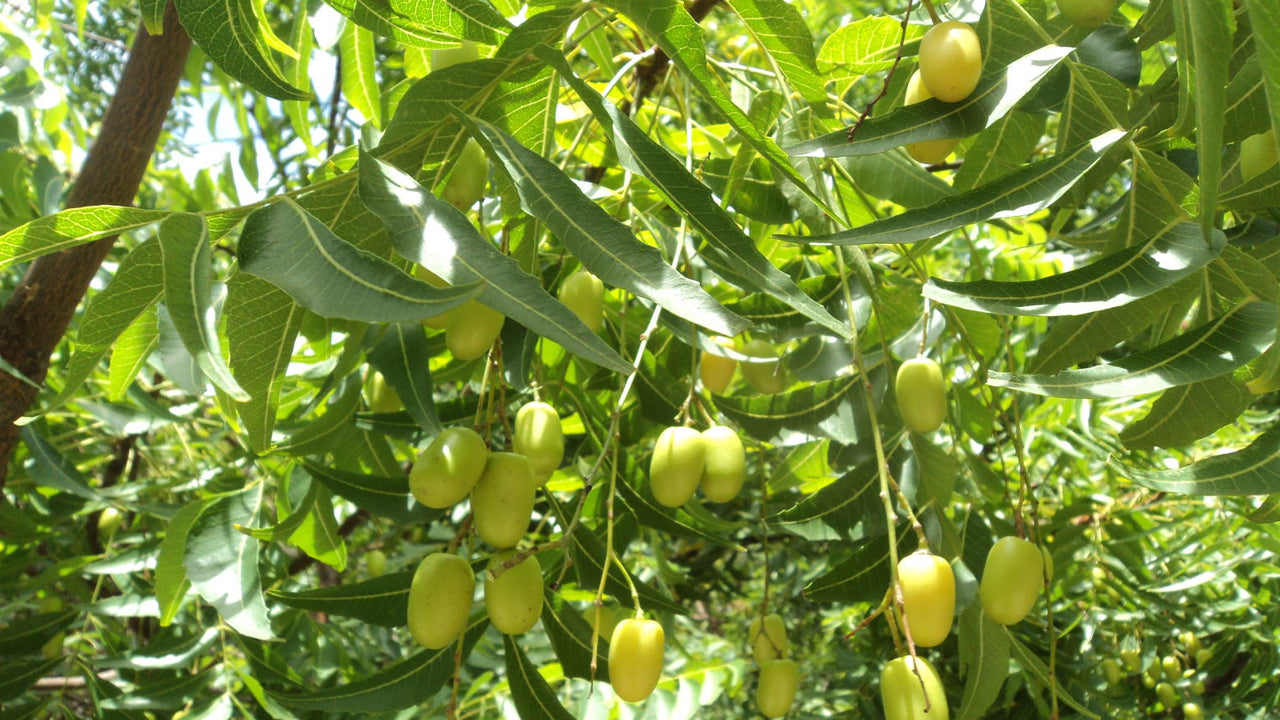
Indian lilac
Azadirachta indica -
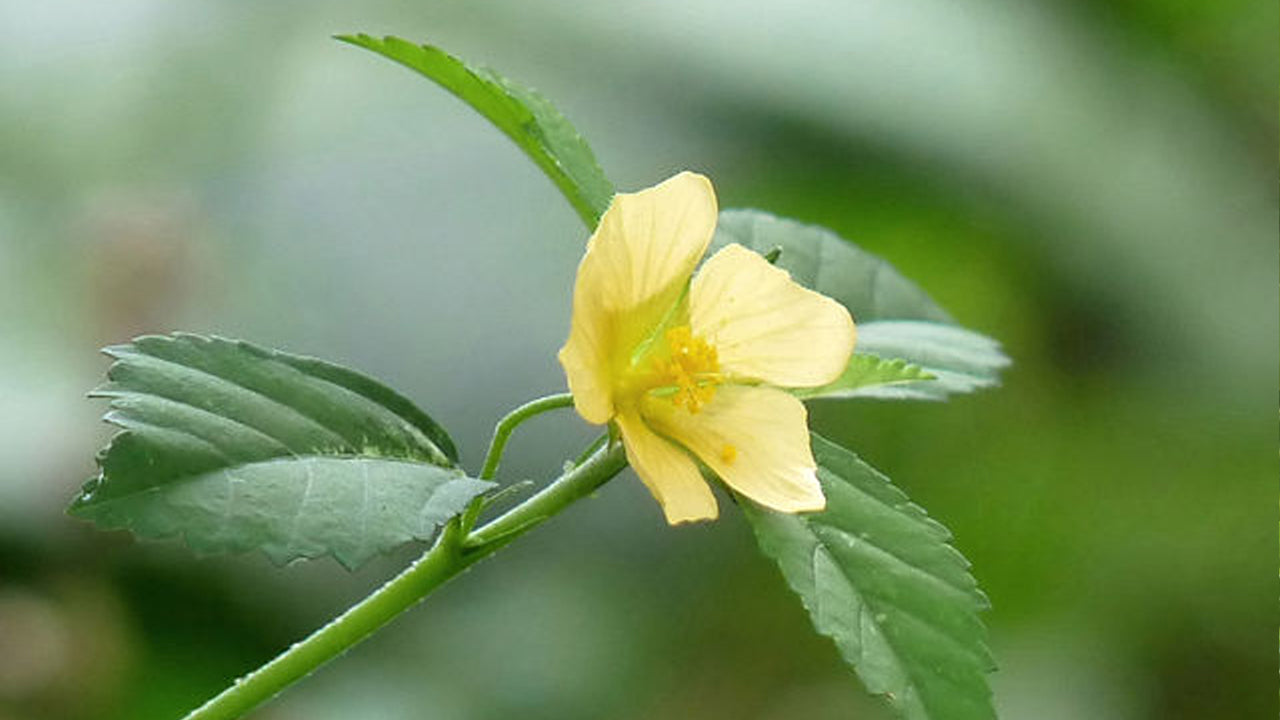
Spiny sida
Sida alba -
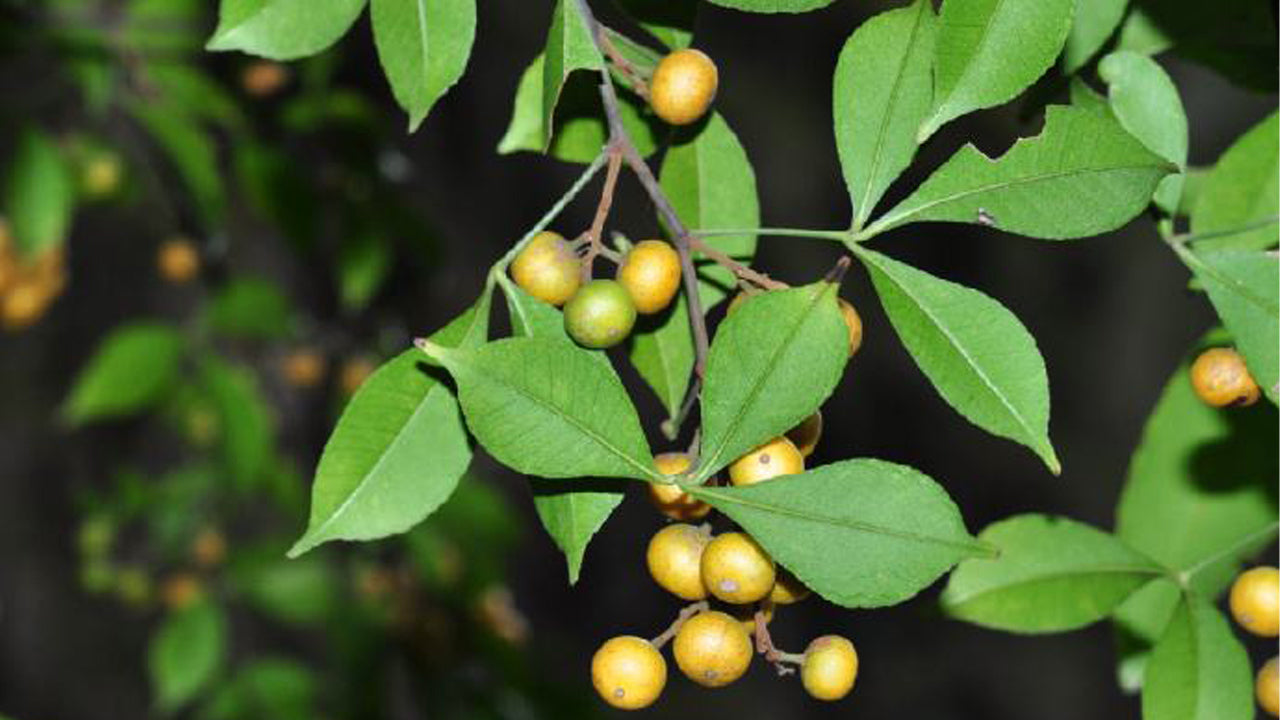
Orange climber
Toddlia asiatica -
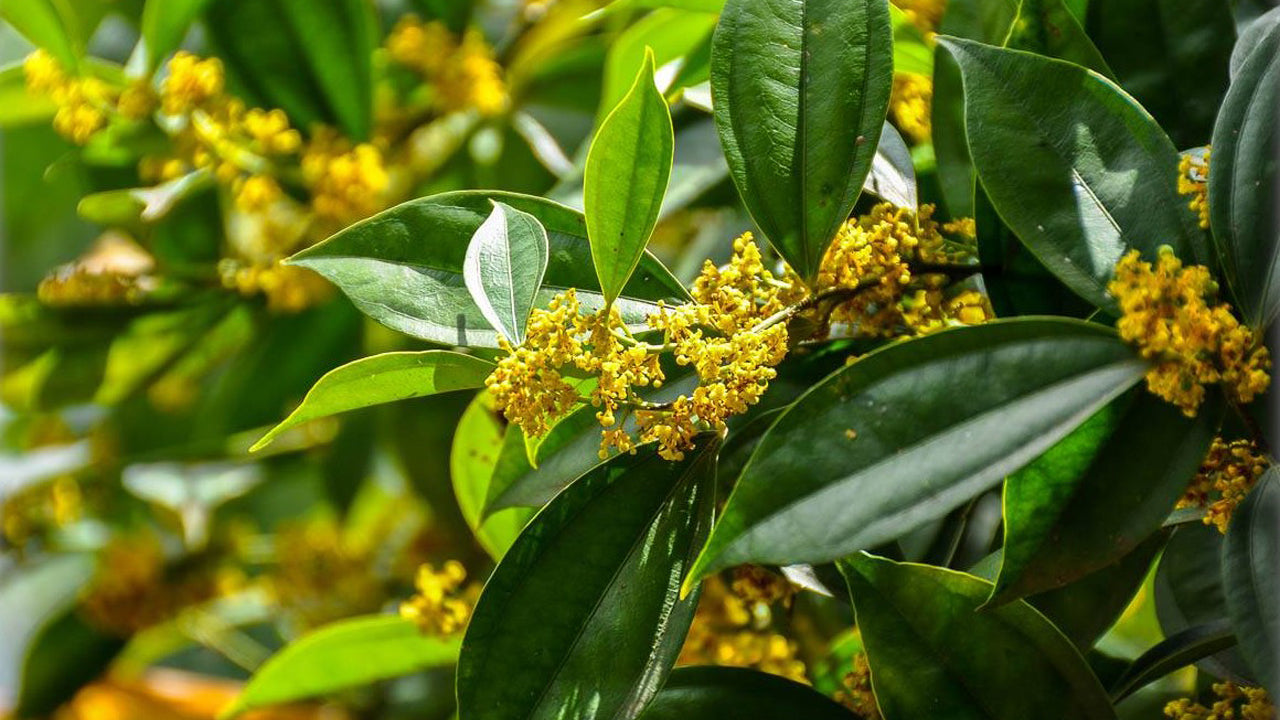
Ceylon cinnamon
Cinnamomum zeylanicum -
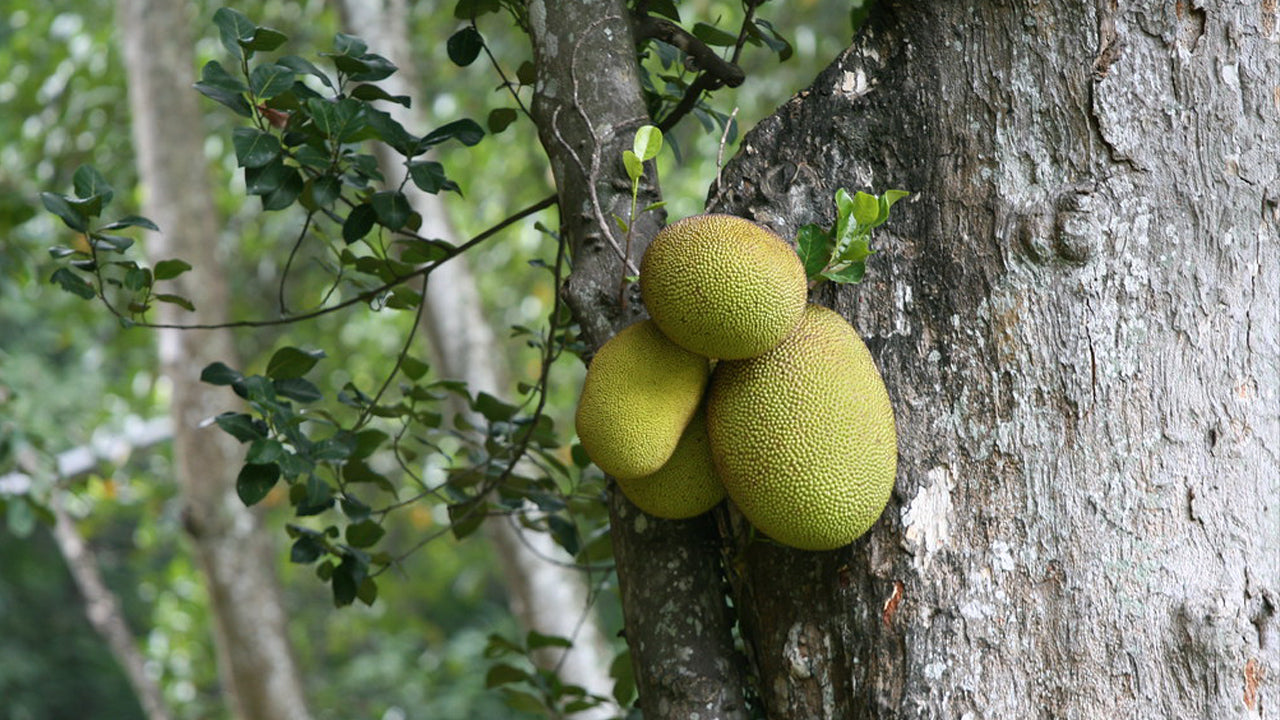
Jackfruit
Artocarpus heterophyllus -
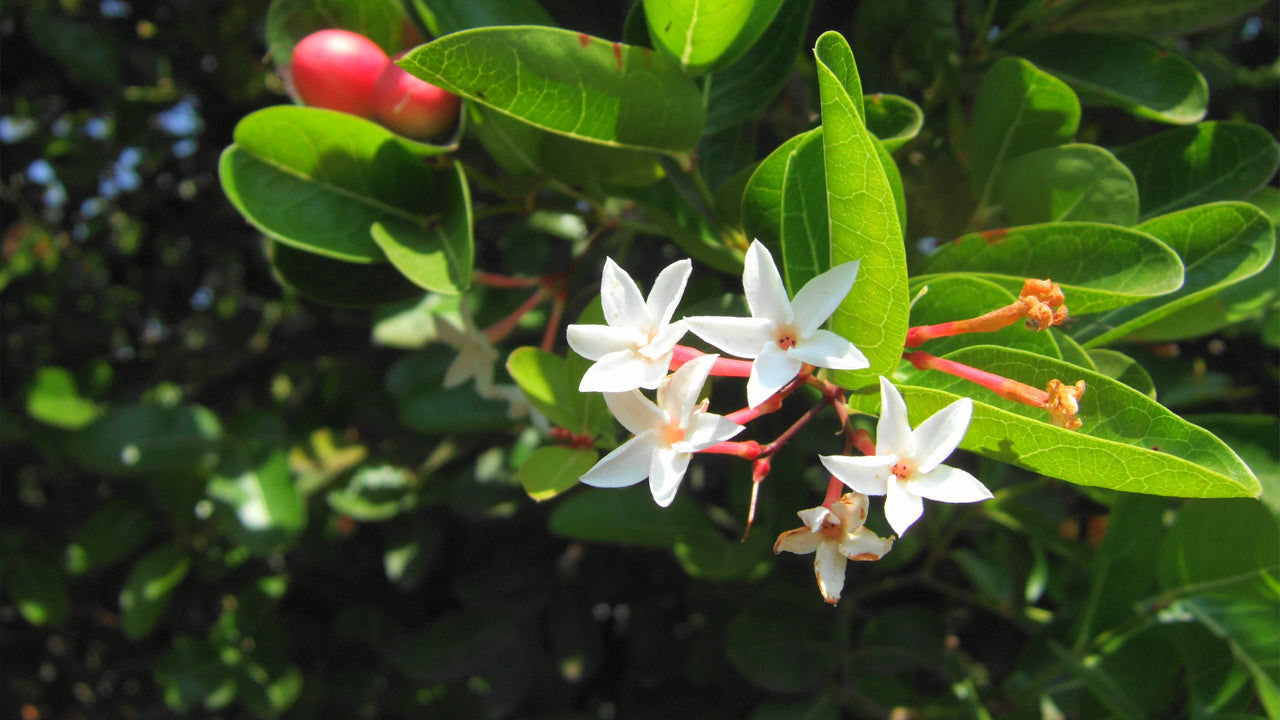
Karonda
Carissa carandas -
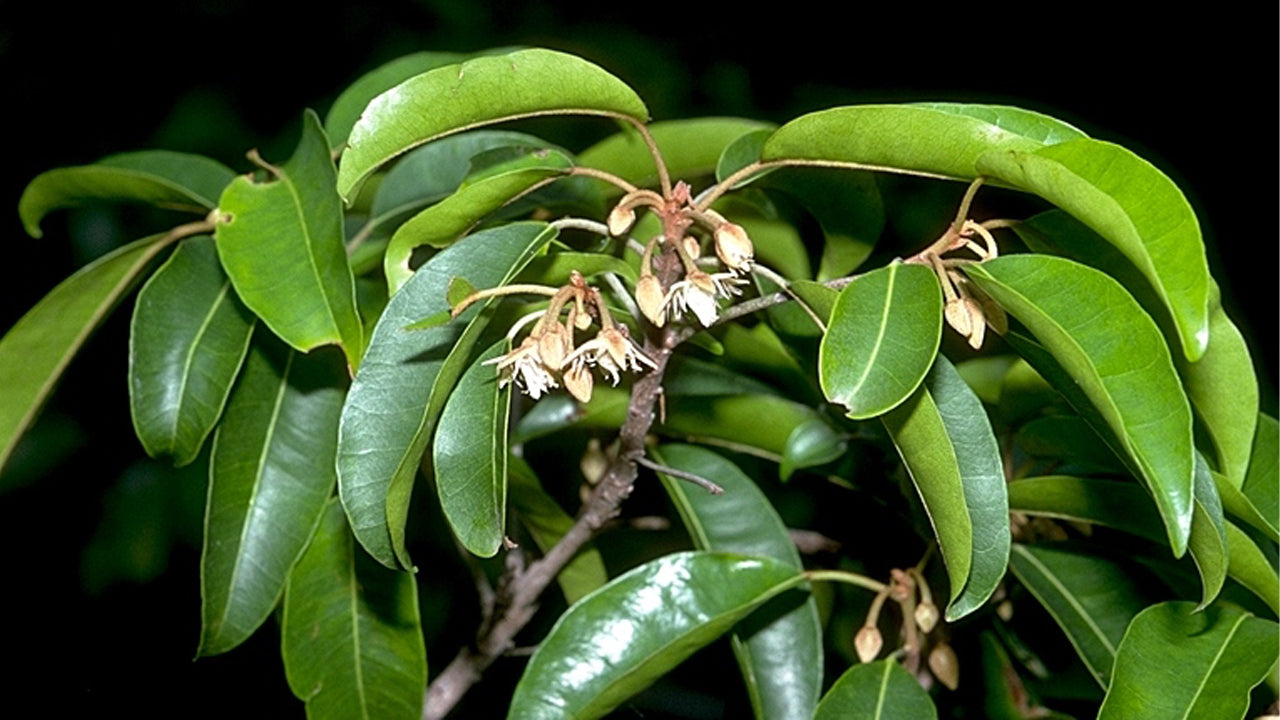
Spanish cherry
Mimusops elengi -
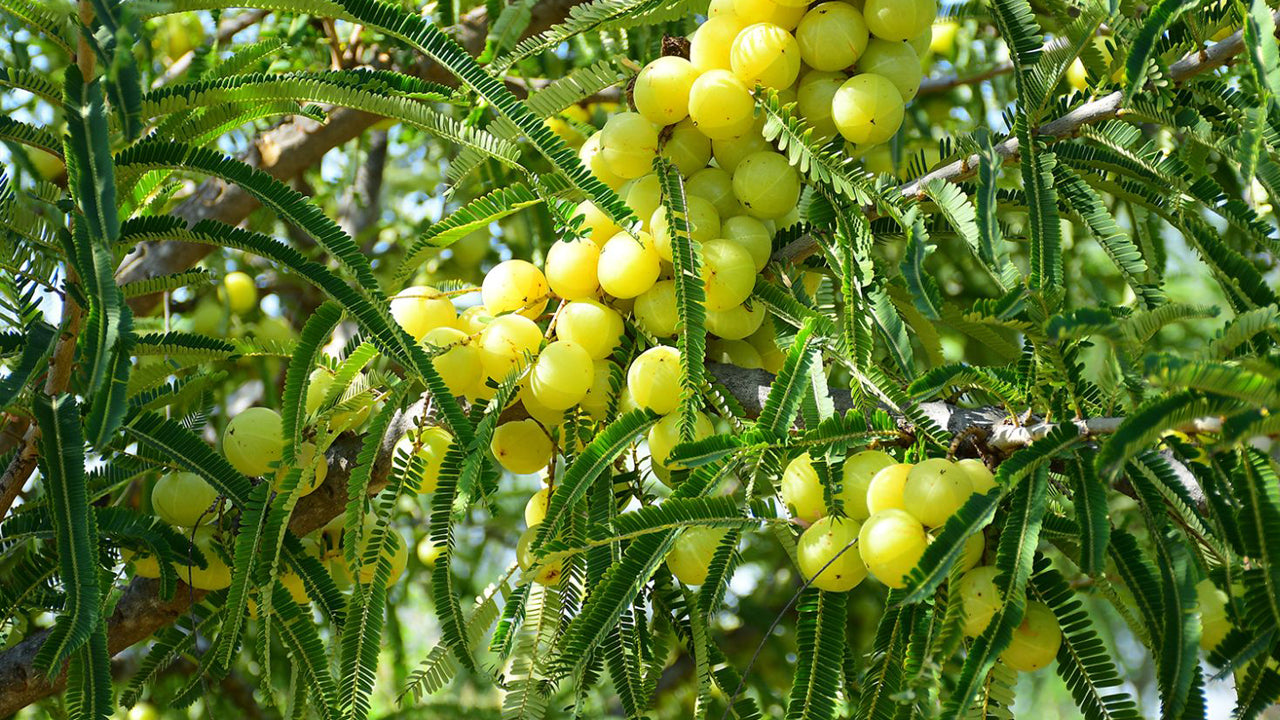
Indian gooseberry
Phyltanthus emblica -
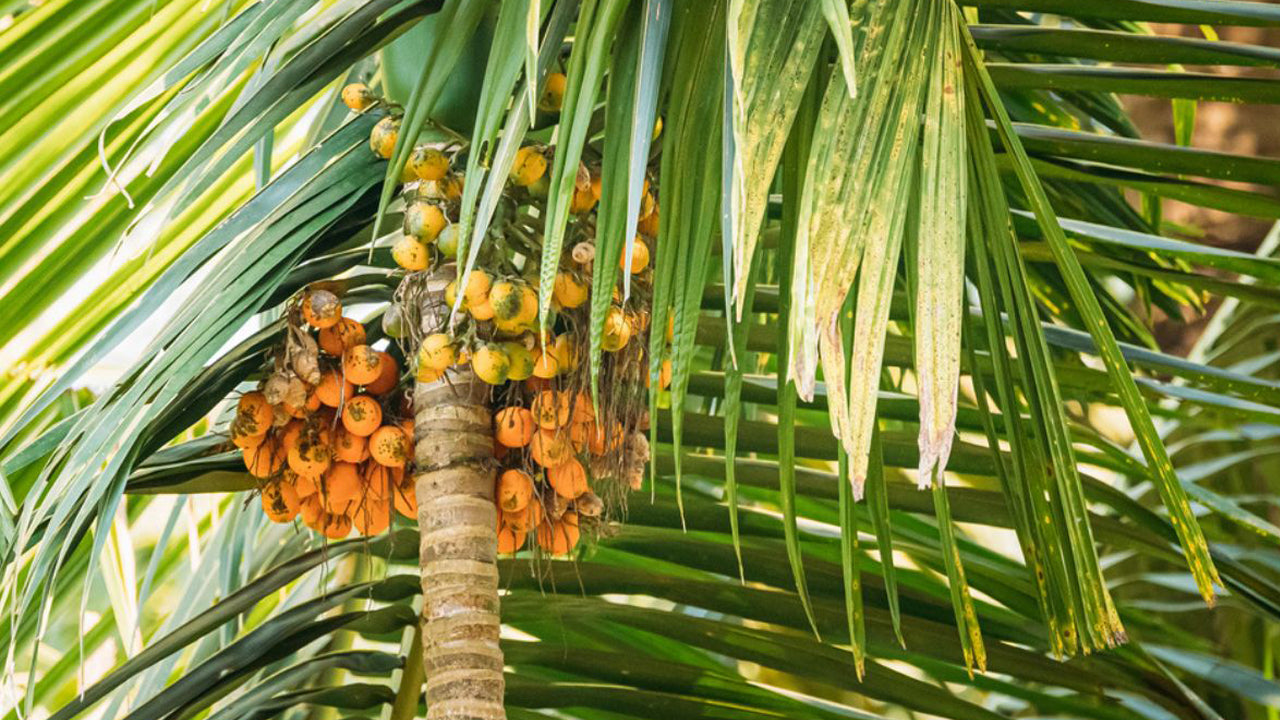
Betel palm
Areca catechu -
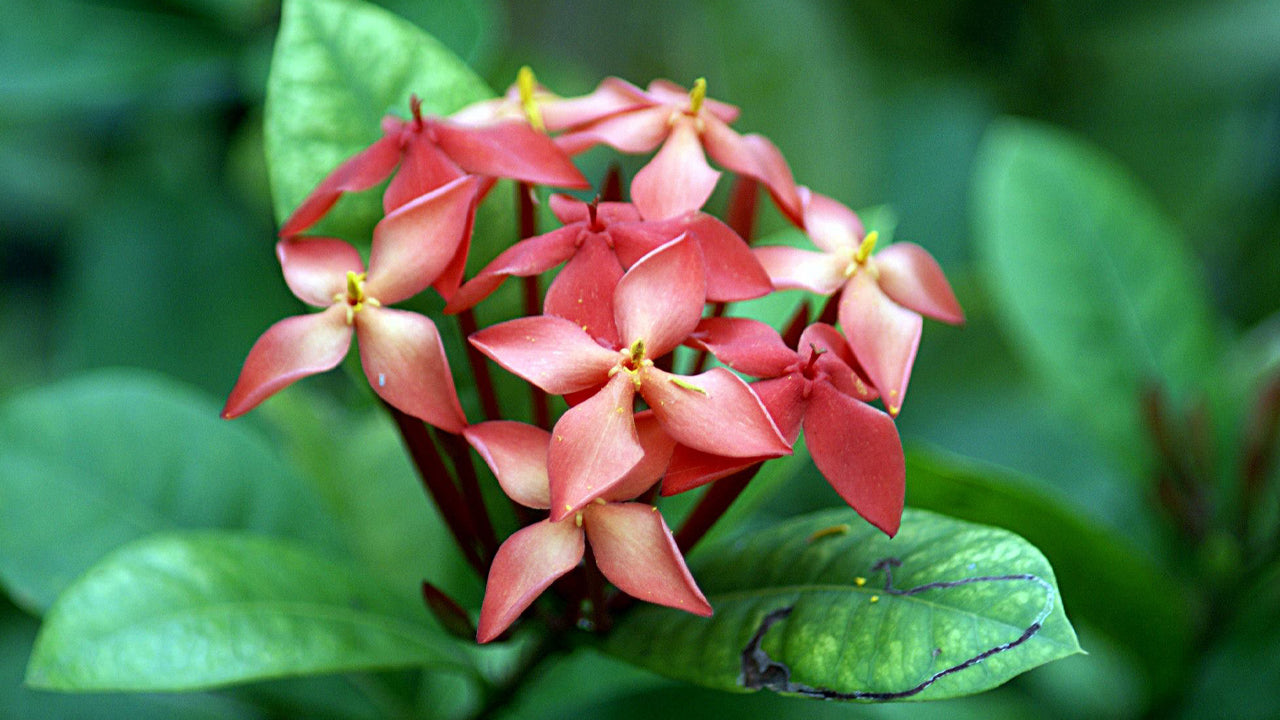
Jungle geranium
Ixora coccinea -
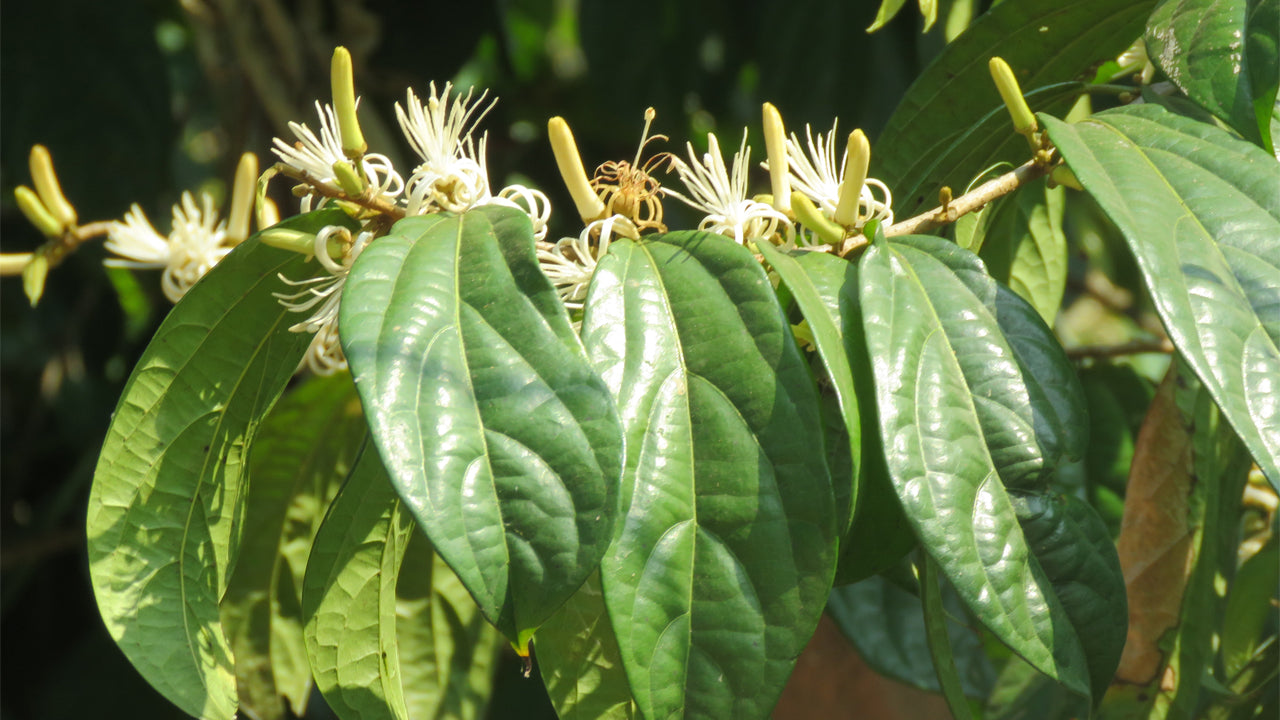
Sage-leaved alangium
Alangium salviifolium -
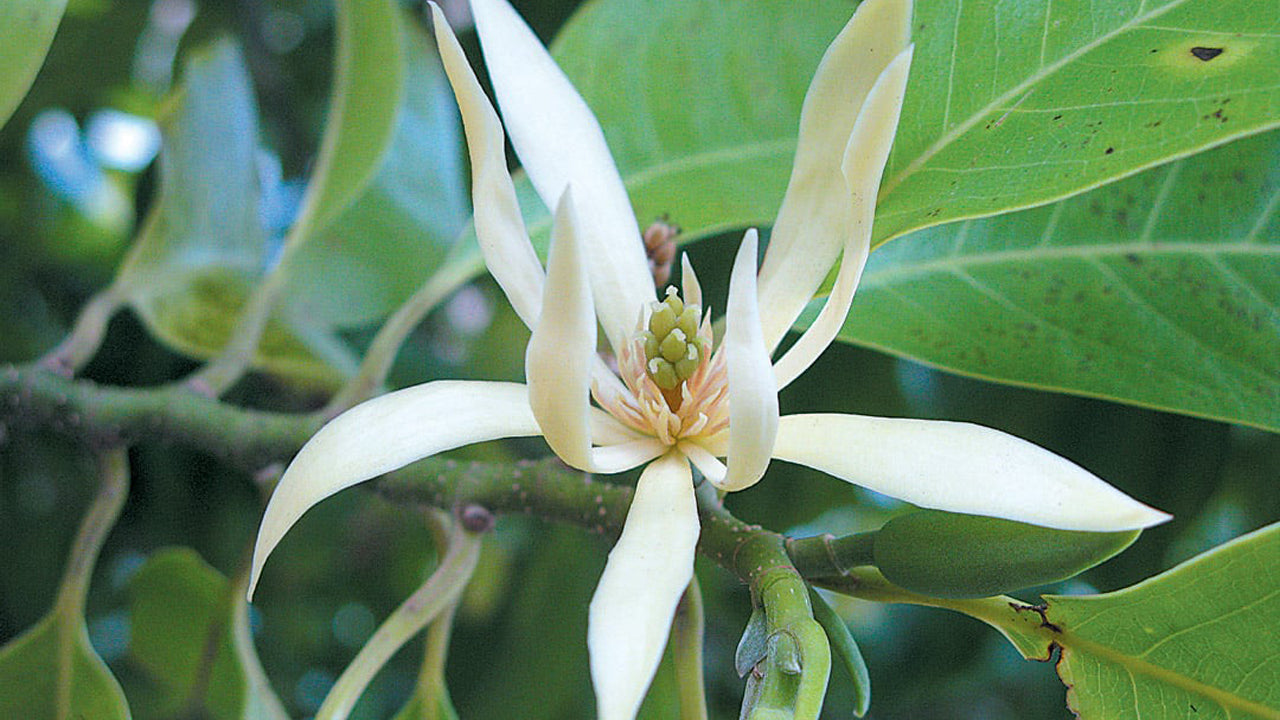
Champak
Michelia champaca -
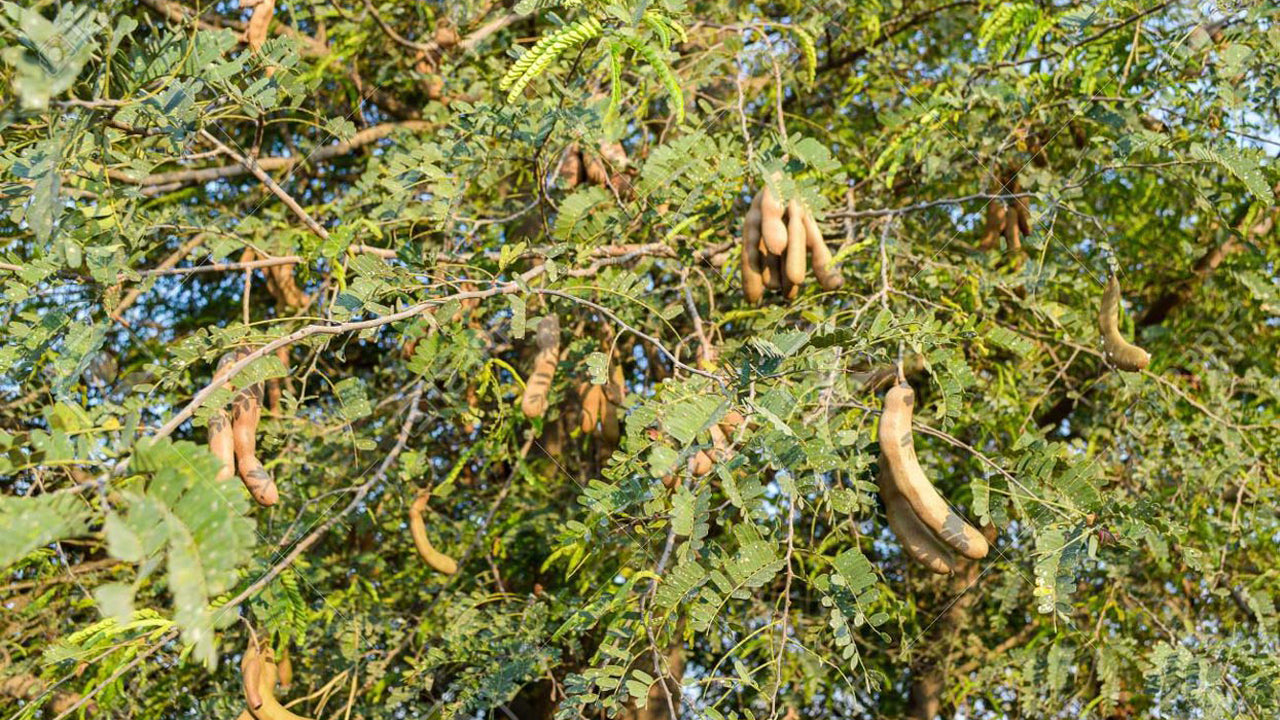
Tamarind
Tamarindus indica -
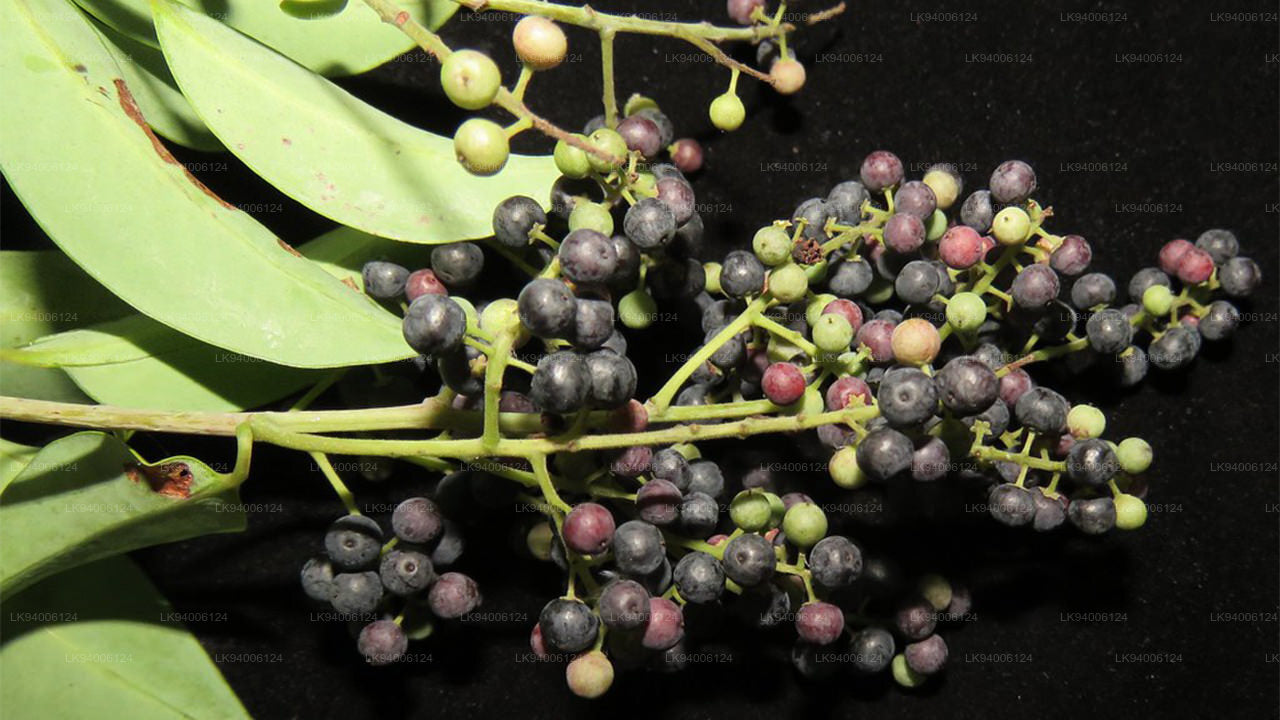
False Black Pepper
Embelia ribes -
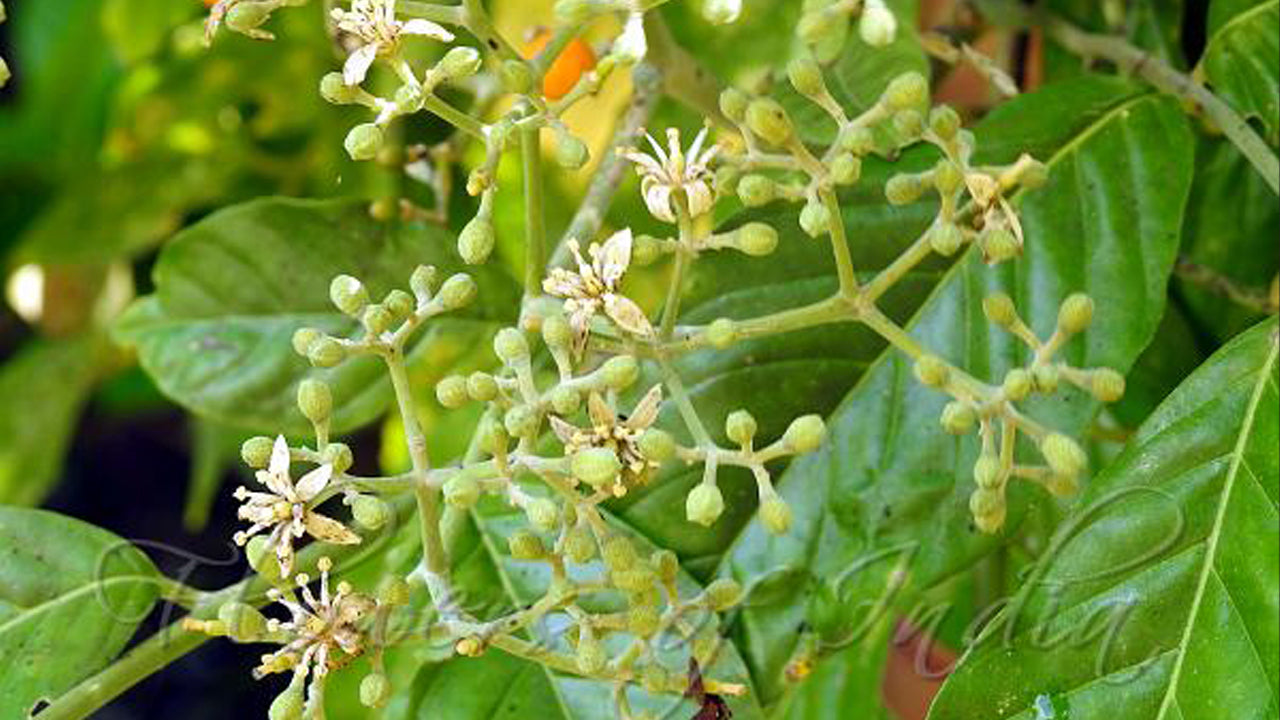
Limeberry
Micromelum ceylanicum -
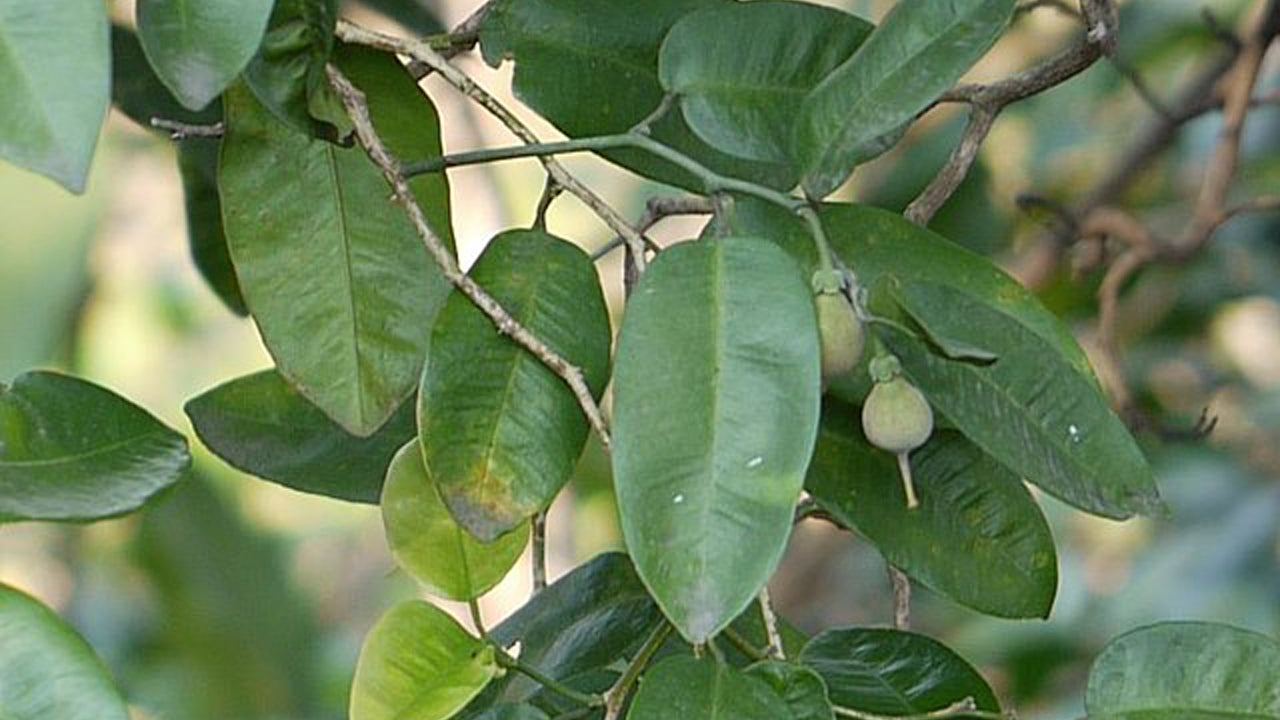
Climbing Atalantia
Paramignya monophylla




Ayurvedic and Herbal
-
Siddhalepa Ayurveda Herbal Balm
Regular price From $0.48 USDRegular price$0.54 USDSale price From $0.48 USDSale -
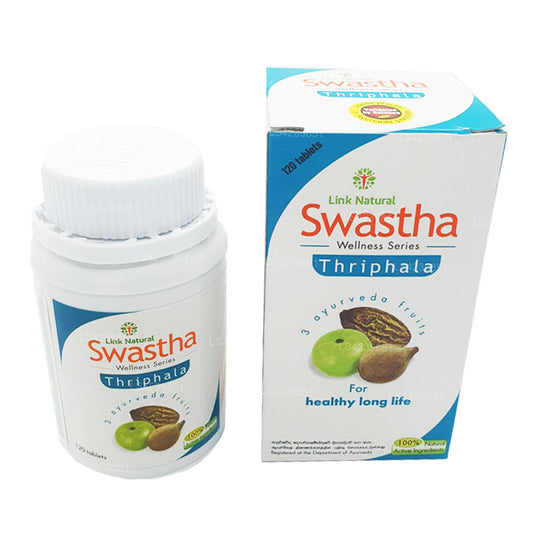
Link Swastha Triphala
Regular price From $1.74 USDRegular price$1.93 USDSale price From $1.74 USDSale -
Lakpura® Wildcrafted Soursop (Guanabana, Graviola, Guyabano) Dehydrated Leaves (Whole)
Regular price From $0.72 USDRegular price$0.81 USDSale price From $0.72 USDSale -
Sethsuwa Pranajeewa Oil
Regular price From $3.85 USDRegular price$4.28 USDSale price From $3.85 USDSale