Lakpura
Lakpura®

Eriobotrya japonica

Eriobotrya japonica, known widely as the loquat, is a subtropical evergreen tree whose fruit, foliage, and medicinal properties have made it valued across Asia, the Mediterranean, and the Americas for centuries. Native to southeastern China — and possibly southern Japan — it belongs to the Rosaceae family alongside apples, pears, and cherries, sharing their characteristic fragrant blossoms and fleshy fruit.

What does the loquat tree look like?

The loquat is a compact, rounded tree, typically reaching between 3 and 10 metres in height. Its crown is dense, producing generous shade and making it a practical ornamental choice for gardens in suitable climates.

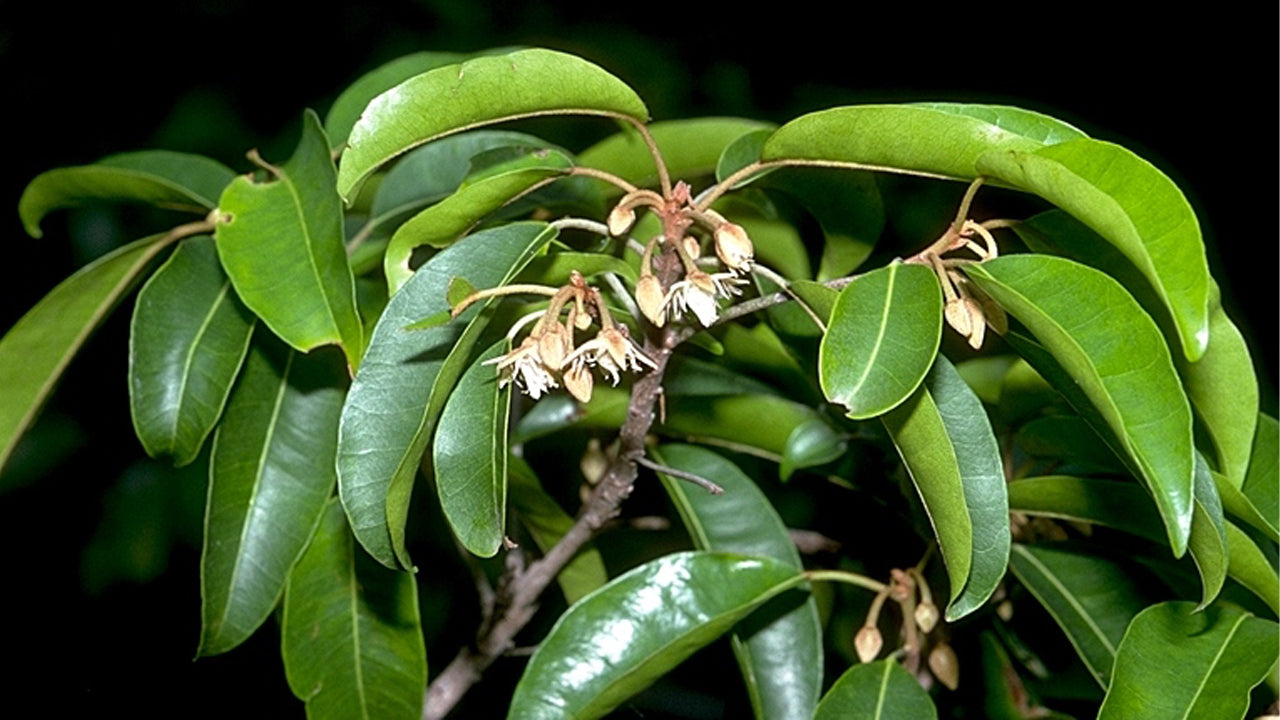
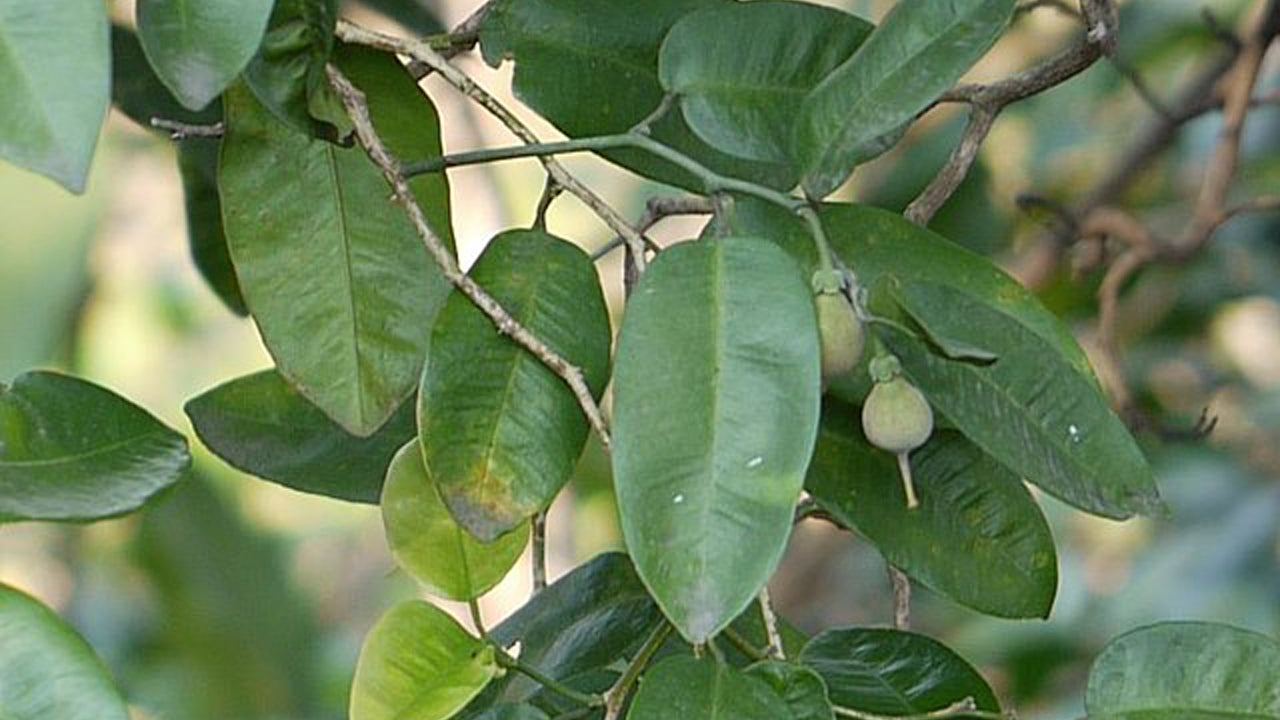
The leaves are among the plant's most distinctive features: large (up to 30 cm long), leathery, and dark green on the upper surface, with prominent veining and a serrated margin. The underside is often covered with a pale, woolly coating. These bold leaves give the tree a handsome structure even when it is not in fruit or flower.

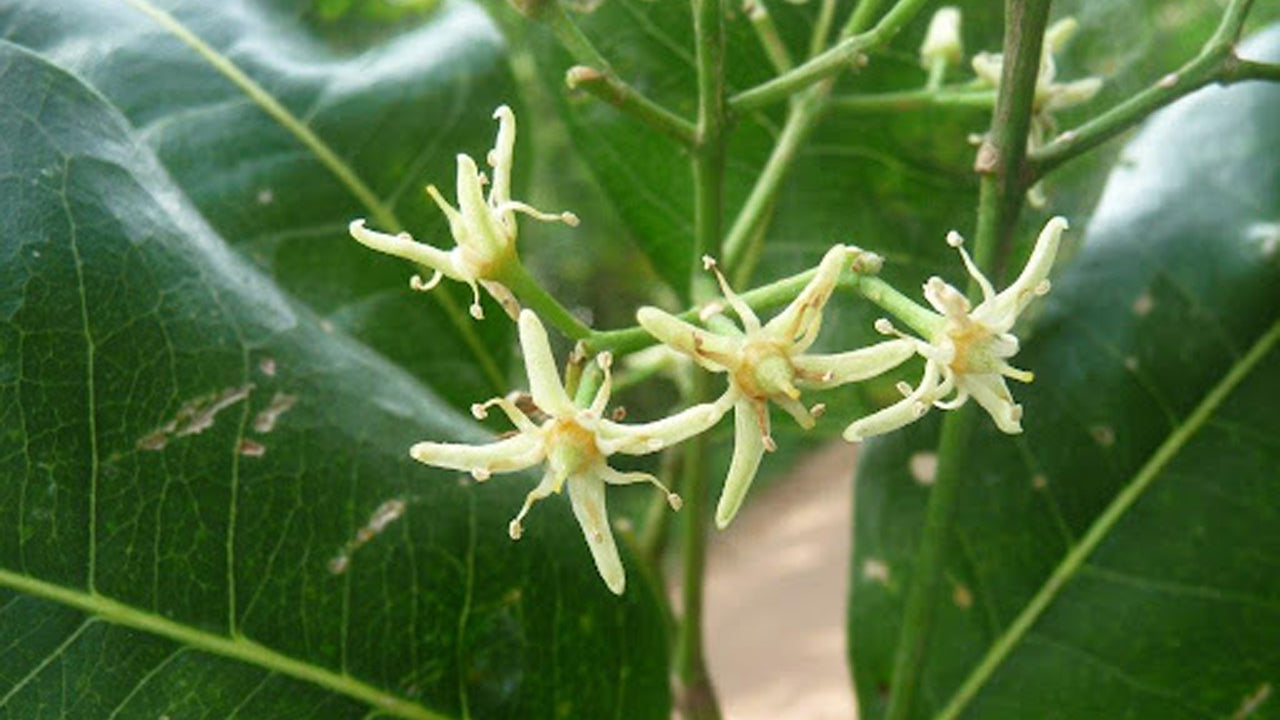
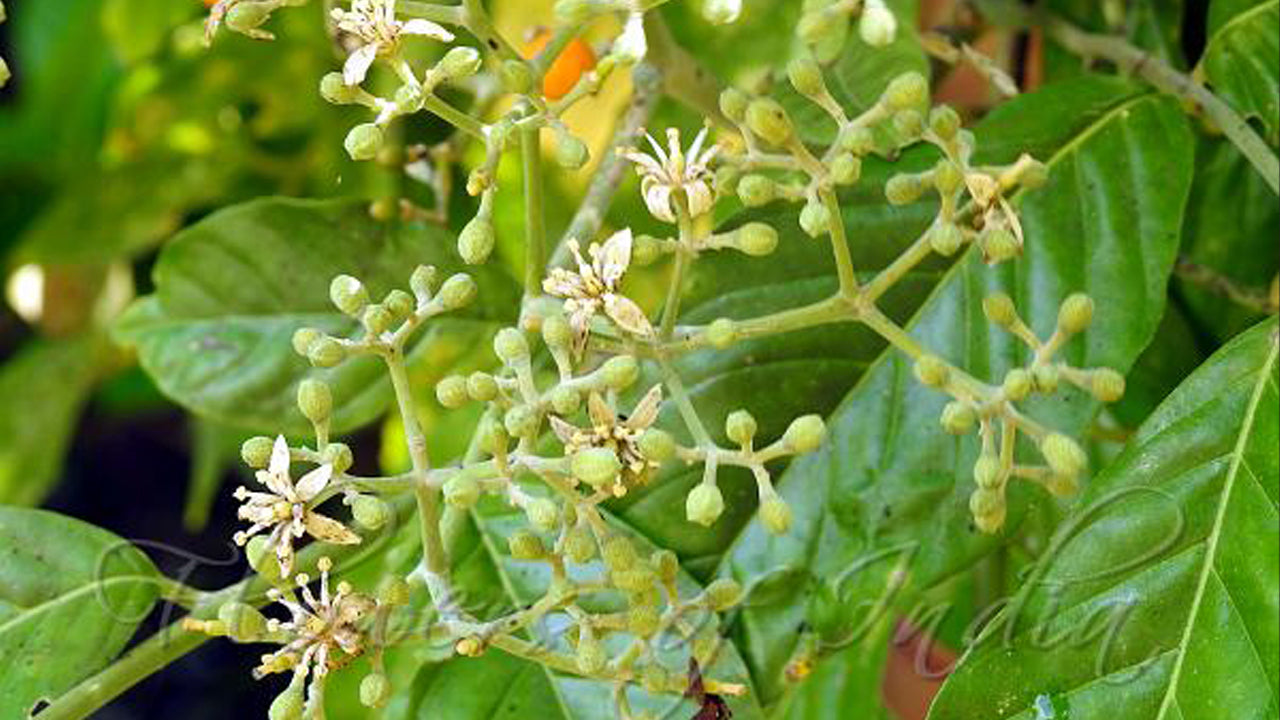
Flowering occurs in autumn or early winter — earlier than almost any other fruit tree in temperate and subtropical gardens. The small, creamy-white blooms appear in dense terminal clusters and carry a mild, pleasant fragrance that attracts pollinators during a period when few other flowers are available.

What does loquat fruit taste like?

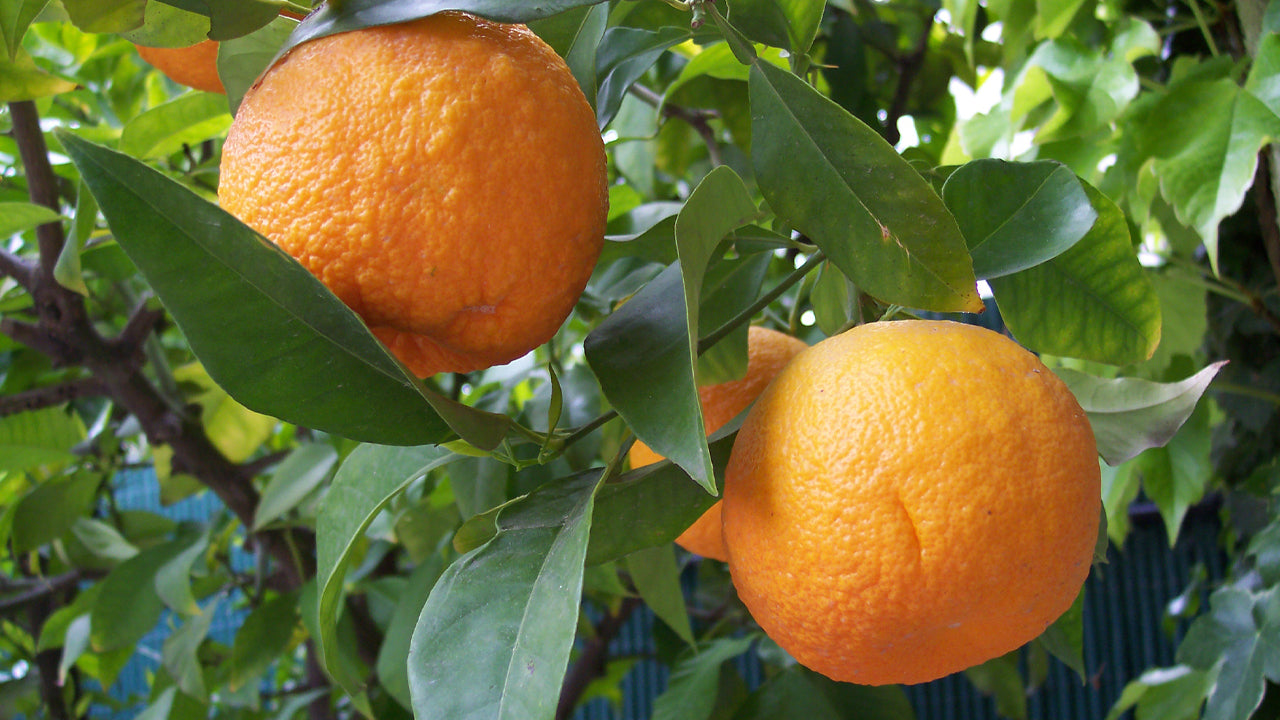
Loquat fruit matures in late winter to early spring, filling a gap in the seasonal calendar when fresh fruit is otherwise scarce. Each fruit is a small, oval to pear-shaped drupe, typically 3–5 cm long, ripening to a golden-yellow or pale orange colour with a thin, slightly fuzzy skin.

The flesh is juicy and varies from white to orange depending on the cultivar. The flavour is a pleasant sweet-tart balance, often described as a blend of peach, citrus, and a faint hint of mango. At the core sit two to five large, smooth seeds. Those seeds should not be eaten — they contain cyanogenic compounds and are toxic if consumed in significant quantities.

Where is the loquat cultivated?

The loquat thrives in mild, humid climates and tolerates light frost, but heavy or prolonged freezing will damage the tree and destroy the flowers. It is widely grown across the Mediterranean basin — Spain and Italy are notable commercial producers — as well as in parts of the United States (particularly California and Florida), Brazil, Israel, Pakistan, and across subtropical zones of Asia.

In Sri Lanka, the tree is occasionally found in cooler hill-country gardens, particularly around Nuwara Eliya and the central highlands, where the climate suits its preference for mild temperatures and moderate rainfall. Visitors exploring the hill country near Ella may encounter loquat trees alongside other temperate fruits grown in the region's cooler air.

Propagation is most commonly achieved by grafting, which preserves the desirable characteristics of a named cultivar. Seed-grown trees are productive but fruit quality can vary considerably from the parent plant. Trees begin bearing fruit within three to five years of grafting.

How is loquat used in cooking?

Fresh loquats are best eaten straight from the tree at peak ripeness, simply peeled and de-seeded. Beyond fresh eating, the fruit is well suited to a range of preparations:

  • Preserves: Jams, jellies, and marmalades made from loquat have a bright, apricot-like flavour that pairs well with soft cheeses and cured meats.
  • Baking: The fruit holds its shape reasonably well in tarts, crumbles, and pies, particularly when lightly poached first.
  • Syrups and drinks: Loquat syrup is a traditional flavouring in southern Chinese and Japanese cuisine. Loquat wine and liqueur are produced in parts of Spain and China.
  • Savoury applications: In some regional cuisines, the fruit's acidity makes it useful in chutneys and sauces served with poultry.

The fruit pairs naturally with ginger, honey, vanilla, and citrus. Its relatively short shelf life — ripe loquats deteriorate within a week at room temperature — is one reason it remains less familiar in international markets than fruits that tolerate longer transit times.

What are the medicinal uses of loquat?

Loquat leaves have a long history in traditional Chinese medicine, where they are known as pi pa ye (枇杷叶). Dried and prepared as herbal teas or decoctions, they have been used for generations to soothe respiratory complaints, ease coughs, and reduce throat irritation. The leaves contain compounds including triterpene acids, flavonoids, and polysaccharides that are the subject of ongoing pharmacological research.

Loquat leaf extract appears in a number of traditional cough syrups and throat lozenges sold across East and Southeast Asia. While clinical evidence supporting specific health claims remains limited, the plant's use in traditional medicine systems is well documented and centuries old.

The fruit itself is a reasonable source of vitamin A (from beta-carotene, which accounts for the orange-yellow colour), potassium, and dietary fibre. It is low in calories and relatively high in water content, making it a refreshing seasonal food rather than a nutritional supplement.

Those interested in Sri Lanka's own tradition of plant-based remedies may find parallels in preparations such as Yogaraja Guggulu, a classical Ayurvedic formulation that draws on similarly multi-ingredient plant knowledge.

Is the loquat related to other common fruits?

Yes — despite the fruit's exotic appearance, the loquat sits firmly within the Rosaceae family, making it a botanical relative of apples, pears, quinces, plums, cherries, and almonds. It is more closely related to the quince (Cydonia oblonga) than to any stone fruit, sharing the quince's preference for well-drained soil and its tendency to flower well ahead of most other fruiting trees.

The genus name Eriobotrya derives from Greek: erion (wool) and botrys (bunch of grapes), a reference to the woolly flower clusters and the way the fruit forms in compact bunches. The species epithet japonica reflects early European botanists' initial belief that the tree originated in Japan, where it has been cultivated for over a thousand years even though its true origin lies in China.

What are the key facts about Eriobotrya japonica at a glance?

CharacteristicDetail
FamilyRosaceae
OriginSoutheastern China
Mature height3–10 metres
Flowering seasonAutumn to early winter
Fruiting seasonLate winter to early spring
Fruit colour at ripenessGolden yellow to pale orange
Climate preferenceSubtropical to mild temperate; frost-sensitive when flowering
PropagationGrafting (preferred) or seed
Seed toxicityYes — cyanogenic compounds; not for consumption
Key traditional useRespiratory remedy (leaf tea, pi pa ye)

The loquat's dual role as a productive food plant and an ornamental tree — with bold foliage, fragrant winter flowers, and early-season fruit — accounts for its enduring presence in gardens and smallholdings across the subtropical world. Its relative scarcity in northern supermarkets has more to do with short shelf life than with any lack of flavour or versatility.

Ask Lakpura® Agent