Lakpura
Lakpura®

Caryota urens (Kitul Palm)

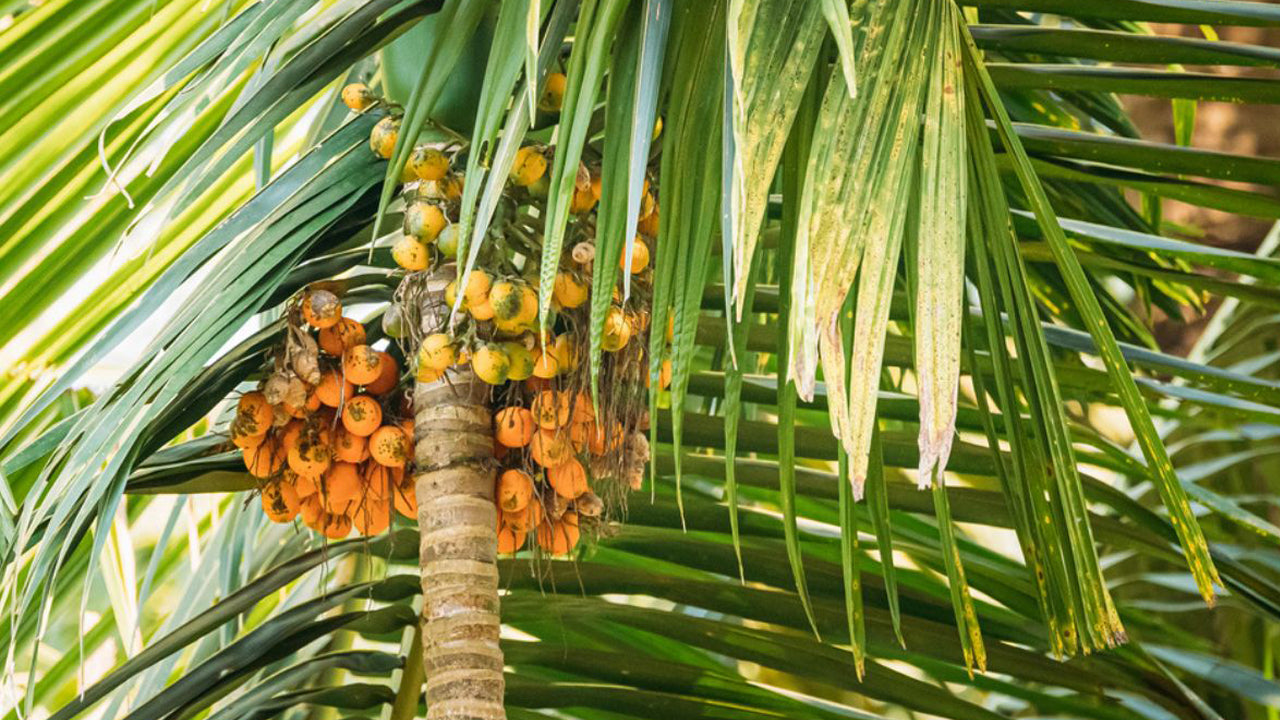
The Kitul Palm — known botanically as Caryota urens — is one of Sri Lanka's most economically significant native palms. Rising to around 20 metres in maturity, it is instantly recognisable by its large, bipinnate leaves whose leaflets taper to ragged, fishtail-shaped tips. Unlike many palms, Caryota urens is monocarpic: it flowers once, typically over several years of progressive flowering from the top of the crown downward, then dies. That slow, dramatic lifecycle has made it a subject of both ecological interest and rural tradition across the island.

Where does the Kitul Palm grow in Sri Lanka?

The species thrives in humid lowland and mid-country zones, broadly from sea level up to around 1,500 metres. It is common in the wet and intermediate zones — home gardens in the Kandy and Kegalle districts, forest margins in Sabaragamuwa Province, and village landscapes throughout the Southern and Western Provinces. Wild stands sometimes appear along river valleys and in the understorey of mixed secondary forest. The Sinharaja Forest Reserve, Sri Lanka's UNESCO-listed rainforest, supports populations of Caryota urens within its buffer-zone communities, where it forms part of the traditional agroforestry system.

The palm is remarkably adaptable to slightly disturbed habitats and tolerates periodic drought once established, which explains its persistence in home gardens and along roadsides even in drier parts of the mid-country.

What products come from the Kitul Palm?

Few plants in Sri Lanka offer such a breadth of useful outputs. Rural communities have relied on every part of the Kitul Palm for generations, and several of its products are now sold as artisan food items and exports.

  • Kitul treacle (pani) — Sap tapped from the cut inflorescence is collected in clay pots and reduced by boiling to produce a dark, richly flavoured syrup. It is used as a table sweetener, a cooking ingredient, and a base for traditional Ayurvedic preparations.
  • Kitul jaggery (hakuru) — When treacle is boiled further and set into solid blocks or pressed into moulds, it becomes jaggery. Kitul jaggery is prized for its complex caramel-and-molasses flavour, distinct from coconut jaggery.
  • Kitul flour (kitul piti) — The pith of a mature trunk, harvested just before or during the flowering phase, yields a starchy meal that can be dried and ground. It has historically supplemented rice during lean seasons and is experiencing renewed interest as a natural starch.
  • Palm wine (toddy) — Fresh, unfermented sap is mildly sweet and nutritious; left to ferment overnight, it becomes a lightly alcoholic toddy that is consumed locally in rural areas.
  • Fibre and thatch — The coarse black fibres (known as kitul or kittul fibre) extracted from the leaf-base sheaths are traditionally used to make ropes, brooms, and brushes. The leaves themselves are used for thatching and basket-weaving.

The craft of extracting sap from the Kitul Palm — known locally as kitul tapping — requires skill and daily attention. Tappers climb the palm before dawn to collect overnight sap and to re-shave the cut surface so it continues to flow. You can observe this practice first-hand as part of a Kitul Tapping experience offered in several rural districts.

How does Kitul Palm differ from the Coconut Palm?

Visitors sometimes conflate the Kitul Palm with the Coconut Palm (Cocos nucifera), Sri Lanka's other iconic economic palm. The two are easy to distinguish in the field: the Kitul's leaves are large, feathery, and twice-divided (bipinnate), giving the canopy a bushy, almost fern-like appearance, while the Coconut produces long, graceful, singly-divided fronds. The Kitul trunk is straighter and less obviously ringed than the Coconut trunk, and the palm produces no large edible nut. Their products are also distinct — Kitul treacle and jaggery have a darker, more mineral-rich flavour profile compared to the lighter sweetness of coconut-derived equivalents.

When is the best time to see Kitul tapping in Sri Lanka?

Tapping is practised year-round wherever a suitable palm is in its inflorescence phase, but productivity is highest during drier spells when sap concentration increases. In the Kandy and Kegalle regions, the period between January and April — when rainfall temporarily eases — tends to see particularly active tapping. The fruiting and flowering cycle of any individual tree spans several years, so tapping opportunities depend on the age and developmental stage of each palm rather than a strict calendar season.

If witnessing rural production is a goal, combining a Kitul tapping visit with a stay in the hill-country or mid-country is practical. The village environs around Ella and the Kitulgala area both have accessible Kitul-tapping communities.


What is the ecological role of Caryota urens?

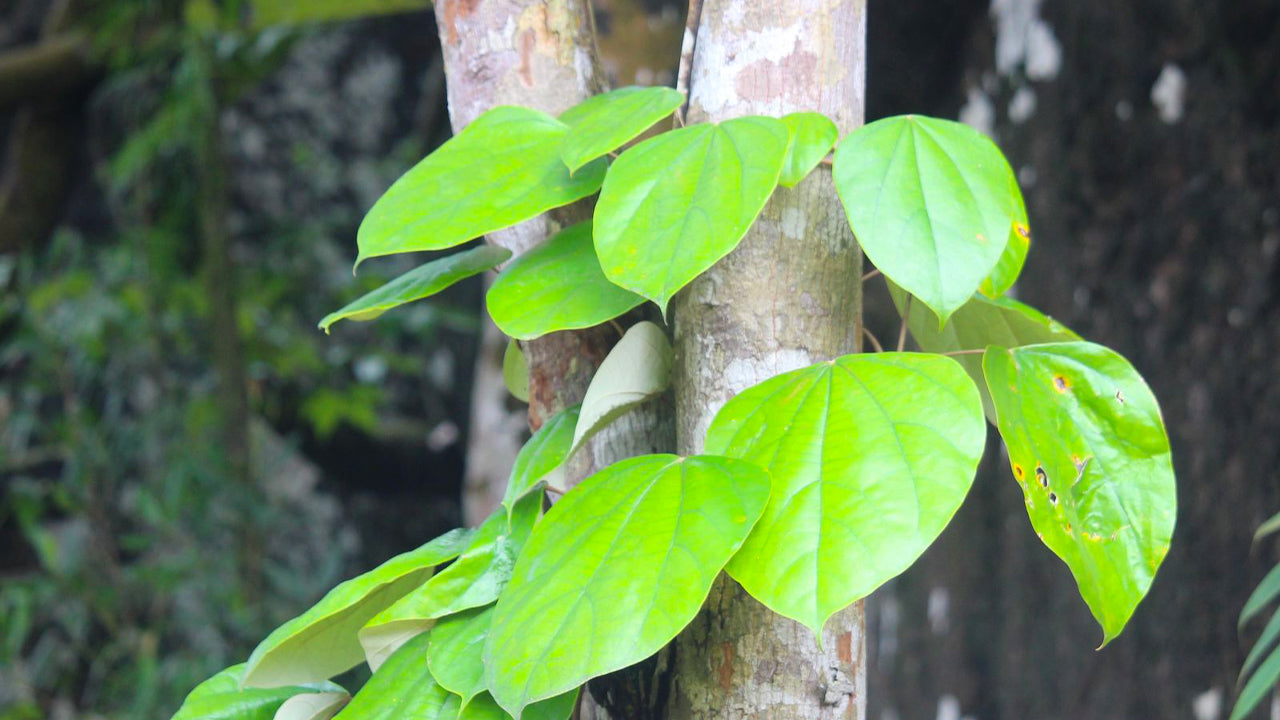
Beyond its economic uses, Caryota urens plays a genuine ecological role in secondary and disturbed forest. The large inflorescences provide nectar for bats, sunbirds, and various insects, while the decaying trunk after death offers habitat for beetles, woodpeckers, and small mammals. The dense canopy provides shade that suppresses invasive ground cover, and fallen fruits are consumed by birds and primates. In agroforestry contexts — common in the wet-zone village gardens of Sri Lanka — the Kitul Palm forms one layer of a multi-storey system that also includes Ceylon Black Pepper vines and fruit trees, contributing to farm-level biodiversity.

The species is not currently listed as threatened in Sri Lanka, though unregulated harvesting of the trunk for flour can kill individual trees prematurely. Sustainable tapping of sap, by contrast, does not harm the palm and can continue for years before the tree enters its terminal flowering phase.

How is Kitul treacle and jaggery used in Sri Lankan cuisine?

Kitul treacle is a staple condiment served alongside curd (buffalo-milk yoghurt) at breakfast and as a dessert throughout Sri Lanka. The combination — creamy white curd pooled with dark amber treacle — appears on menus from roadside kades to boutique hotels. Jaggery in block or pellet form is dissolved into curries and sweets, used to balance heat in chutneys, and incorporated into traditional rice-flour confections. It also appears in Ayurvedic formulations as a binding and flavouring agent. Kitul flour, when mixed with coconut milk and steamed, produces a dense, pudding-like dish sometimes eaten as a fasting food or festival offering.

Can I buy Kitul Palm products as souvenirs?

Kitul treacle and jaggery are widely available in Sri Lankan supermarkets, specialty food shops, and airport retail outlets. Quality varies considerably; artisan-produced treacle from small-batch tappers in the Kandy or Ratnapura districts is generally darker and more aromatic than mass-produced equivalents. Kitul flour is less common commercially but can be found in health-food stores and some rural markets. Lakpura offers Lakpura Kitul Flour (100g) as a convenient way to take home an authentic taste of this traditional product.

Book this experience with Lakpura

Curated by our local team. Direct booking, instant confirmation.

Ask Lakpura® Agent