Saliyapura


Saliyapura è una piccola ma significativa cittadina situata nella Provincia Centro-Settentrionale dello Sri Lanka, una regione nota per le sue profonde radici storiche, i paesaggi agricoli e la ricca cultura e il patrimonio. Situata vicino all'antica città di Anuradhapura, Saliyapura funge da centro residenziale e commerciale per le persone che vivono nei villaggi rurali circostanti. La sua posizione nella zona arida dello Sri Lanka significa che l’area ha un clima caldo per la maggior parte dell’anno, con piogge stagionali che sostengono le pratiche agricole tradizionali.
Una delle caratteristiche più importanti di Saliyapura è il suo stretto legame con l’agricoltura. Molti residenti dipendono dall’agricoltura come principale fonte di sostentamento, coltivando riso, verdure e altri prodotti della zona arida. I sistemi di irrigazione, inclusi serbatoi e canali con origini nelle antiche tradizioni di ingegneria idraulica, svolgono un ruolo essenziale nel sostenere le attività agricole della regione. Questi sistemi di gestione dell’acqua riflettono la lunga storia dello Sri Lanka nell’irrigazione avanzata, che ha sostenuto le comunità della Provincia Centro-Settentrionale per secoli.
Saliyapura è anche conosciuta per il suo legame con l’esercito dello Sri Lanka, poiché l’area ospita un importante campo dell’esercito dello Sri Lanka. La presenza di questa installazione militare ha influenzato lo sviluppo della cittadina, contribuendo al commercio locale, agli alloggi e alle infrastrutture. Piccoli negozi, ristoranti e attività di servizio servono non solo i residenti locali ma anche il personale militare e i visitatori che attraversano la zona.
Oltre alla sua importanza pratica come città residenziale e militare, Saliyapura beneficia della sua vicinanza alla storica città di Anuradhapura, uno dei più importanti centri culturali e religiosi dello Sri Lanka. Residenti e visitatori possono facilmente accedere a siti buddisti sacri, antichi stupa e monumenti archeologici che attraggono pellegrini e turisti da tutto il mondo. Questo collegamento colloca Saliyapura in un più ampio paesaggio culturale che riflette l’antica civiltà dello Sri Lanka.
Nonostante le sue dimensioni relativamente modeste, Saliyapura rappresenta il ritmo quotidiano della vita nella Provincia Centro-Settentrionale. La città combina i mezzi di sussistenza rurali tradizionali con servizi e infrastrutture moderne. Scuole, mercati locali, templi e istituzioni comunitarie contribuiscono al tessuto sociale dell’area, rendendola un luogo vivace ma tranquillo per i suoi residenti. Con lo sviluppo che si diffonde gradualmente nella regione, Saliyapura continua a crescere mantenendo l’identità culturale e agricola che definisce il cuore della zona arida dello Sri Lanka.


-
 Sri Maha Bodhiya
Jaya Sri Maha Bodhi is a sacred bo tree in the Mahamewna Gardens, Anuradhapura, Sri Lanka. It is the southern branch from the historical Sri Maha Bodhi at Buddha Gaya in India under which Buddha attained Enlightenment. It was planted in 288 BC, and is the oldest living human-planted tree in the world with a known planting date.
-
 Ruwanweliseya
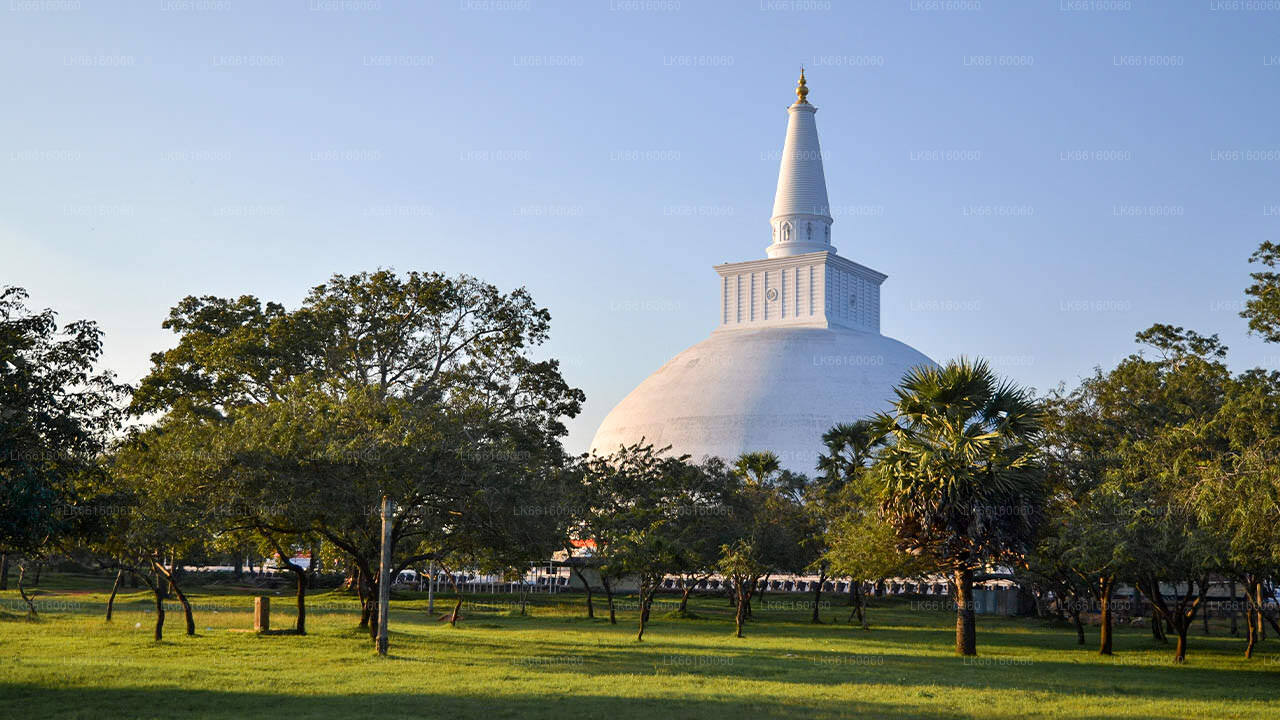
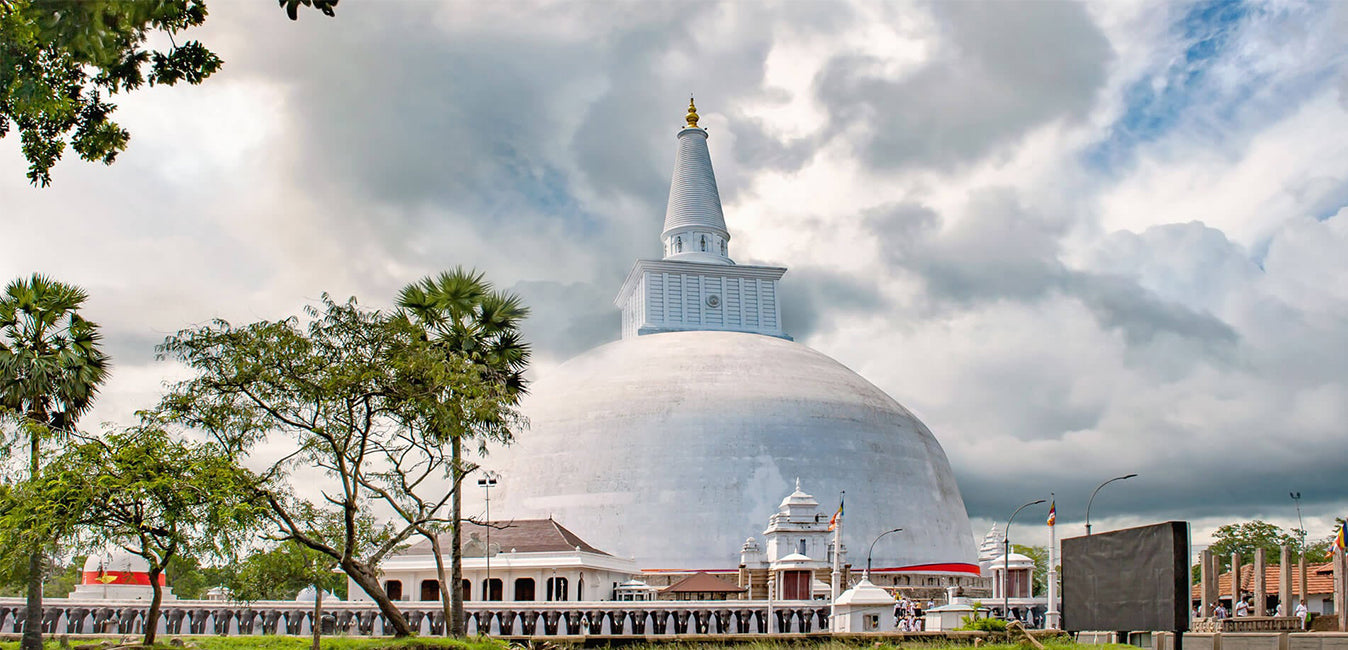
The Ruwanweli Maha Seya, also known as the Mahathupa (the Great Thupa) is a stupa (a hemispherical structure containing relics) in Anuradhapura, Sri Lanka. Two quarts or one Dona of the Buddha's relics are enshrined in the stupa, making it the largest collection of his relics anywhere. It was built by Sinhalese King Dutugemunu in c. 140 B.C., who became king of Sri Lanka after a war in which the Chola King Elāra (Ellalan) was defeated.
-
 Thuparamaya
Thuparamaya is the first Buddhist temple that was constructed, after the arrival of mahinda thero(mahindagamanaya) in Sri Lanka. Located in the sacred area of Mahamewna park, the Thuparamaya Stupa is the earliest Dagoba to be constructed in the island, dating back to the reign of King Devanampiya Tissa (247-207 BC). The temple has been formally recognised by the Government as an archaeological site in Sri Lanka.
-
 Lovamahapaya
Lovamahapaya is a building situated between Ruwanweliseya and Sri Mahabodiya in the ancient city of Anuradhapura, Sri Lanka. It is also known as the Brazen Palace or Lohaprasadaya because the roof was covered with bronze tiles. In ancient times, the building included the refectory and the uposathagara (Uposatha house).
-
 Abhayagiri Stupa
Abhayagiri Vihāra was a major monastery site of Mahayana, Theravada and Vajrayana Buddhism that was situated in Anuradhapura, Sri Lanka. It is one of the most extensive ruins in the world and one of the most sacred Buddhist pilgrimage cities in the nation.
-
 Jetavanaramaya
The Jetavanarama stupa or Jetavanaramaya is a stupa, or Buddhist reliquary monument, located in the ruins of Jetavana monastery in the UNESCO world heritage city of Anuradhapura, Sri Lanka. At 122 metres (400 ft), it was the world's tallest stupa, and the third tallest structure in the world when it was built by King Mahasena of Anuradhapura (273–301).
-
 Mirisawetiya Stupa
The Mirisaweti Stupa is a memorial building, a stupa, situated in the ancient city of Anuradhapura, Sri Lanka. King Dutugamunu (161 BC to 137 BC) built the Mirisaveti Stupa after defeating King Elara. After placing the Buddha relics in the sceptre, he had gone to Tissa Wewa for a bath leaving the sceptre.
-
 Lankarama
Lankarama is a stupa built by King Valagamba, in an ancient place at Galhebakada in the ancient kingdom of Anuradhapura, Sri Lanka. Nothing is known about the ancient form of the stupa, and later this was renovated. The ruins show that there are rows of stone pillars and it is no doubt that there has been a house built encircling the stupa (vatadage) to cover it.
-
 Isurumuniya
Isurumuniya is a Buddhist temple situated near to the Tissa Wewa (Tisa tank) in Anuradhapura, Sri Lanka. There are four carvings of special interest in this Vihara. They are the Isurumuniya Lovers, Elephant Pond and The Royal Family. The ancient Meghagiri Vihara or Meygiri Vihara is presently identified as the Isurumuni Vihara.