Peganum harmala


Peganum harmala, commonly known as Syrian rue or harmal, is a perennial plant species belonging to the family Nitrariaceae. It is native to arid and semi-arid regions of Asia, the Middle East, and parts of North Africa. The plant has been used historically in various cultures for medicinal, ritualistic, and psychoactive purposes.
Key Characteristics:
Appearance:
Peganum harmala is a bushy, herbaceous plant that typically grows up to 30-90 cm (1-3 feet) tall. It has narrow, feathery, and finely divided leaves that give it a delicate, fern-like appearance. The plant produces white or pale pink flowers, which are usually quite small but fragrant.
Seeds:
The plant is best known for its seeds, which are small, hard, and black. These seeds contain several active compounds, most notably harmaline and harmalol, which are alkaloids that have psychoactive and medicinal effects.
Habitat:
Peganum harmala thrives in dry, arid soils and is typically found in desert regions, steppes, and areas with little rainfall. It grows in sandy or rocky soils and can tolerate harsh conditions, including high temperatures and limited water availability.
Chemical Compounds:
The most important bioactive compounds in Peganum harmala are harmaline, harmalol, and other beta-carboline alkaloids. These compounds are known for their psychoactive and medicinal properties.
Harmaline: A potent monoamine oxidase inhibitor (MAOI), harmaline can interact with neurotransmitters in the brain, leading to psychoactive effects when consumed. This is one reason why the plant has been used in traditional religious rituals.
Harmalol: Another alkaloid found in the seeds, harmalol has mild psychoactive effects but is less potent than harmaline.
Uses:
Traditional Medicinal Uses:
Psychoactive and Ritualistic Uses:
Modern Uses:
-
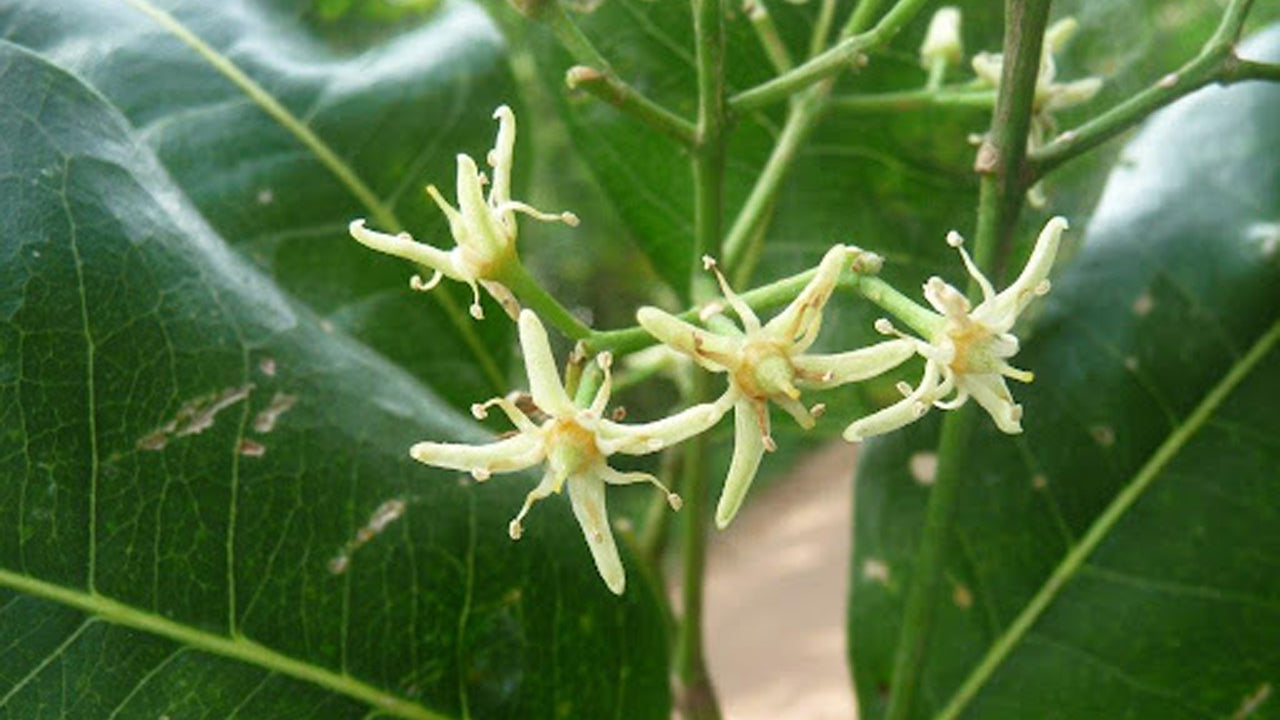
Claw-flowered laurel
Acronychia pedunculata -
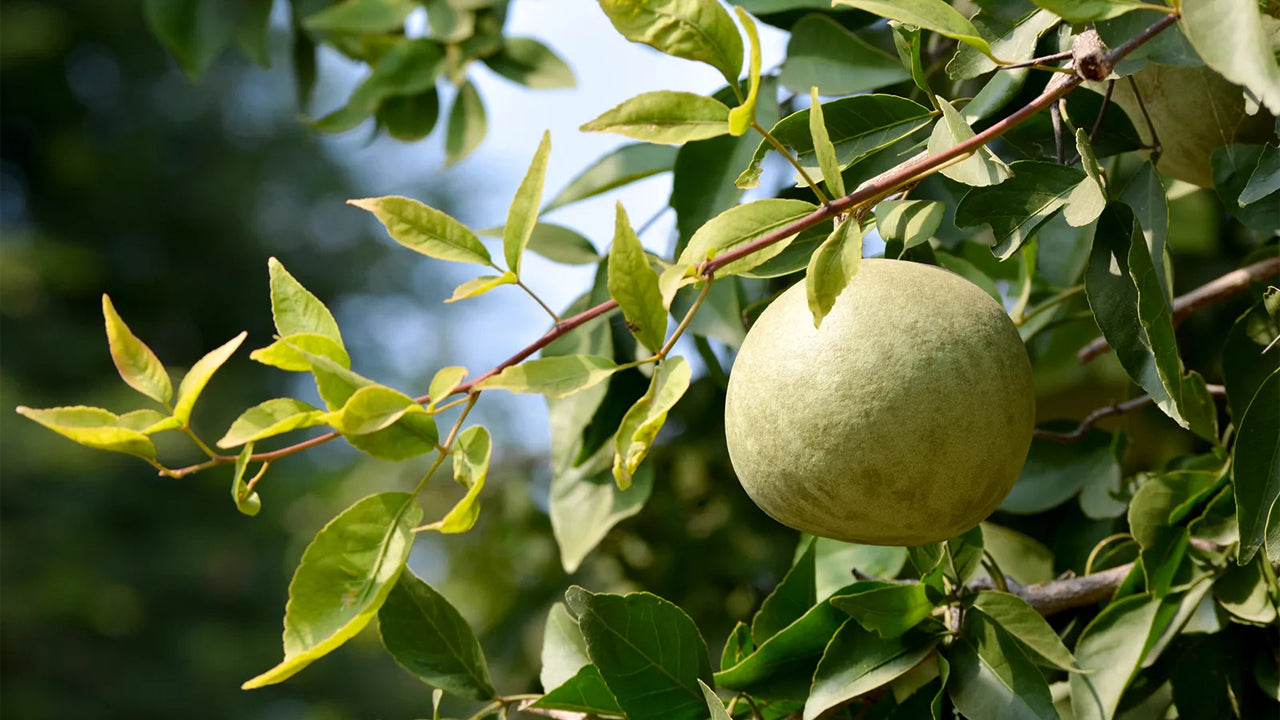
Bael
Aegle marmelos -
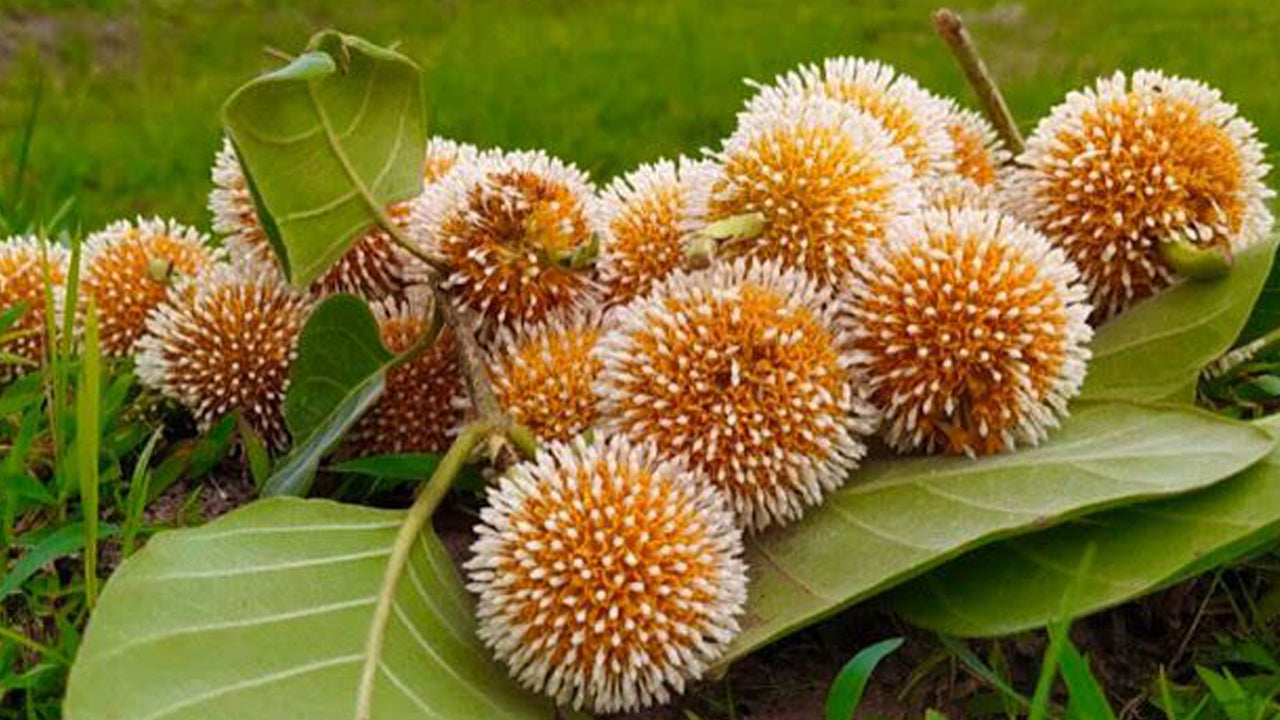
Leichhardt tree
Nauclea orientalis -
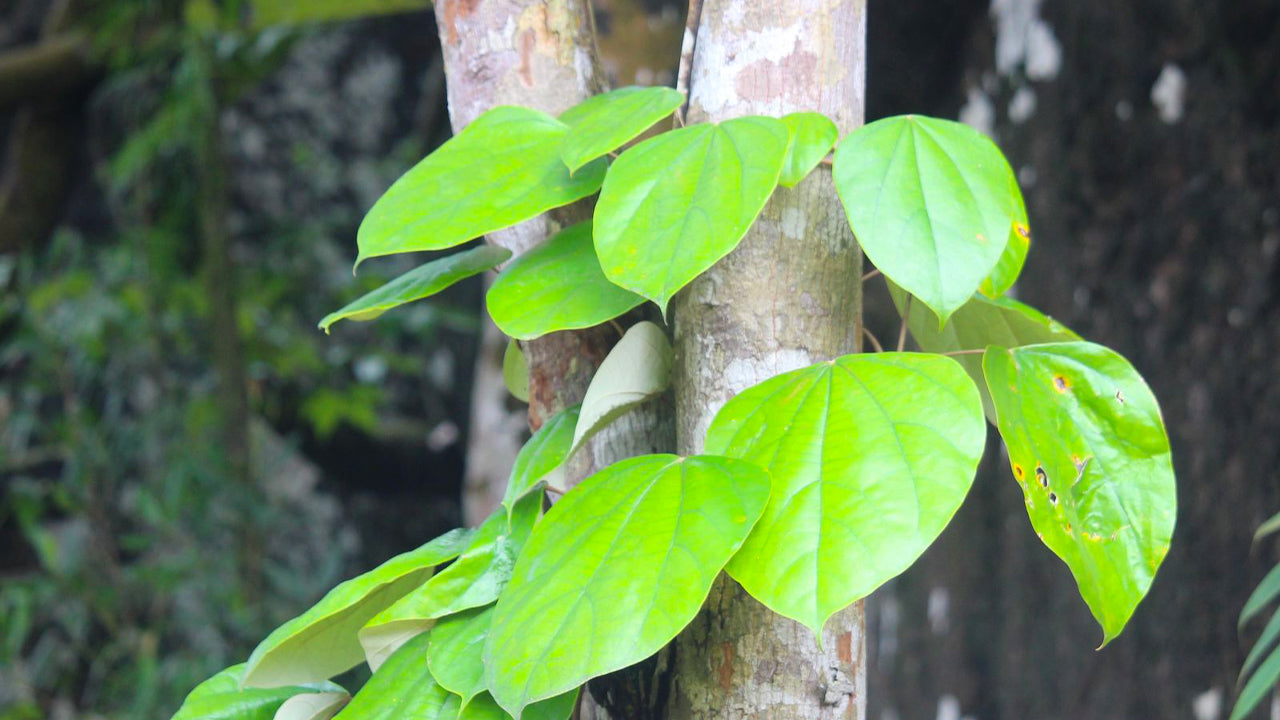
False Calumba
Coscinium fenestratum -

Malabar Gulbel
Tinospora malabarica -
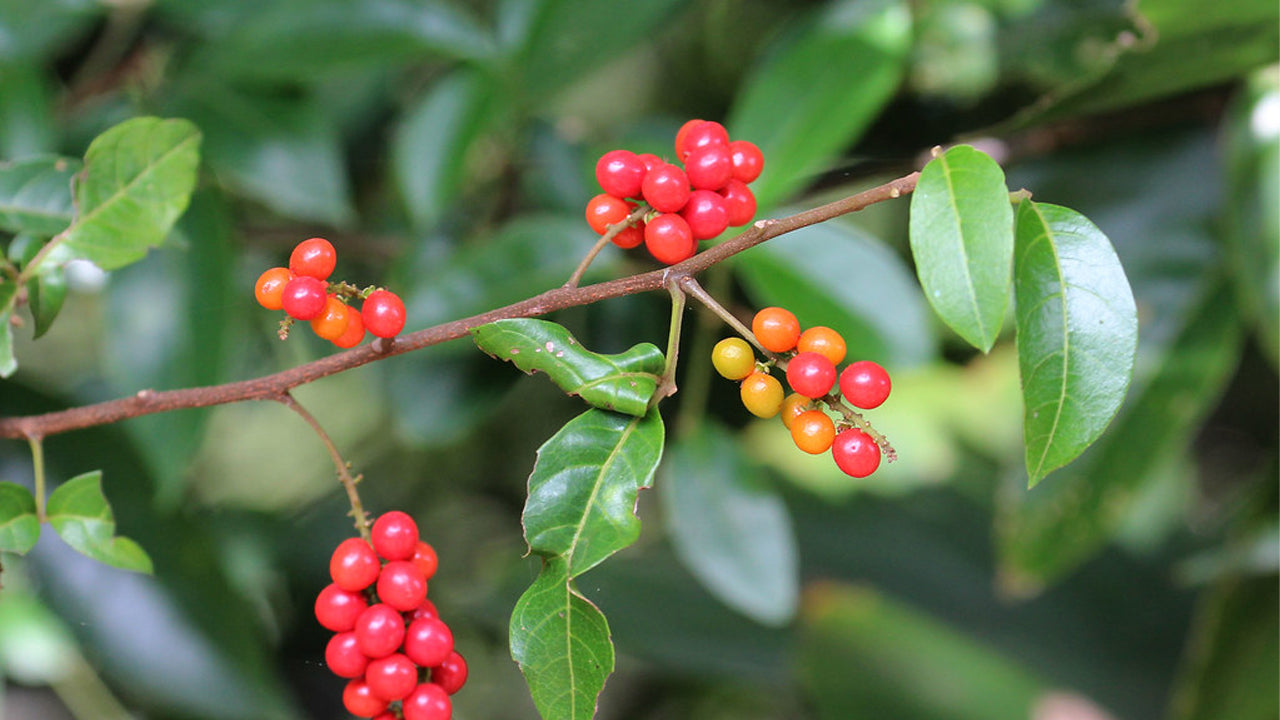
Titberry
Allophylus cobbe -
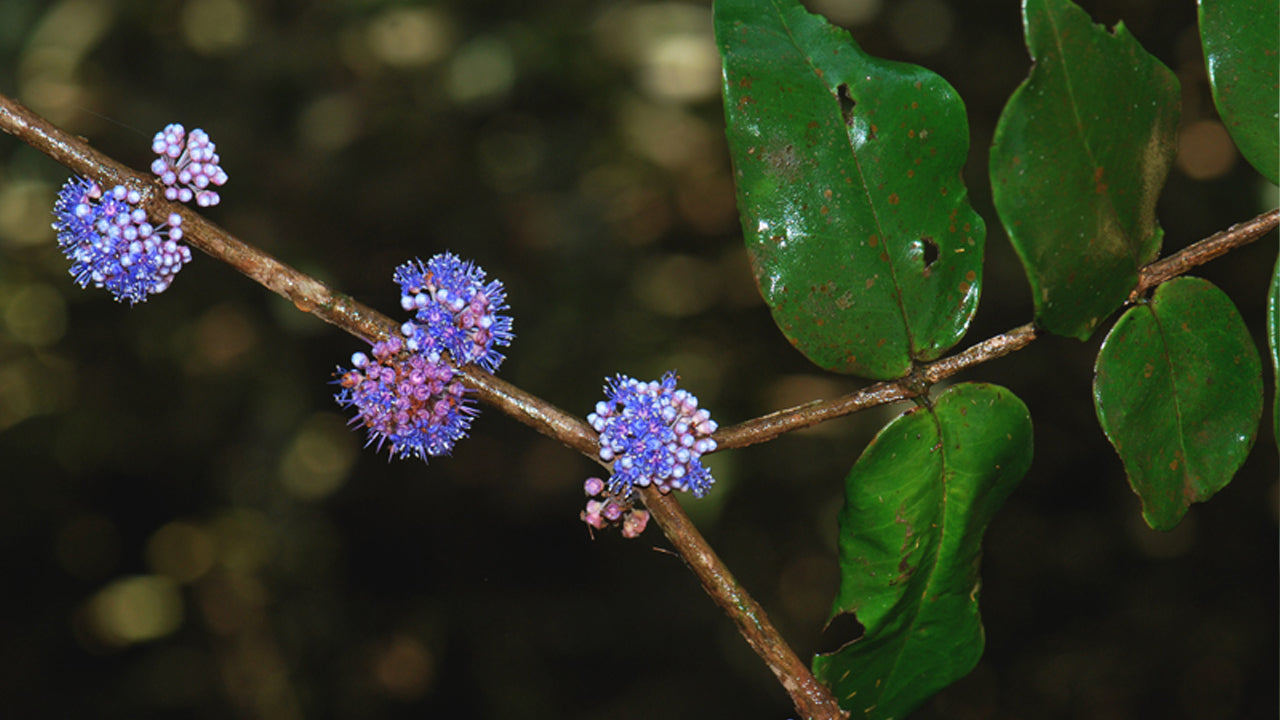
Ironwood Tree
Memecylon capitellatum -
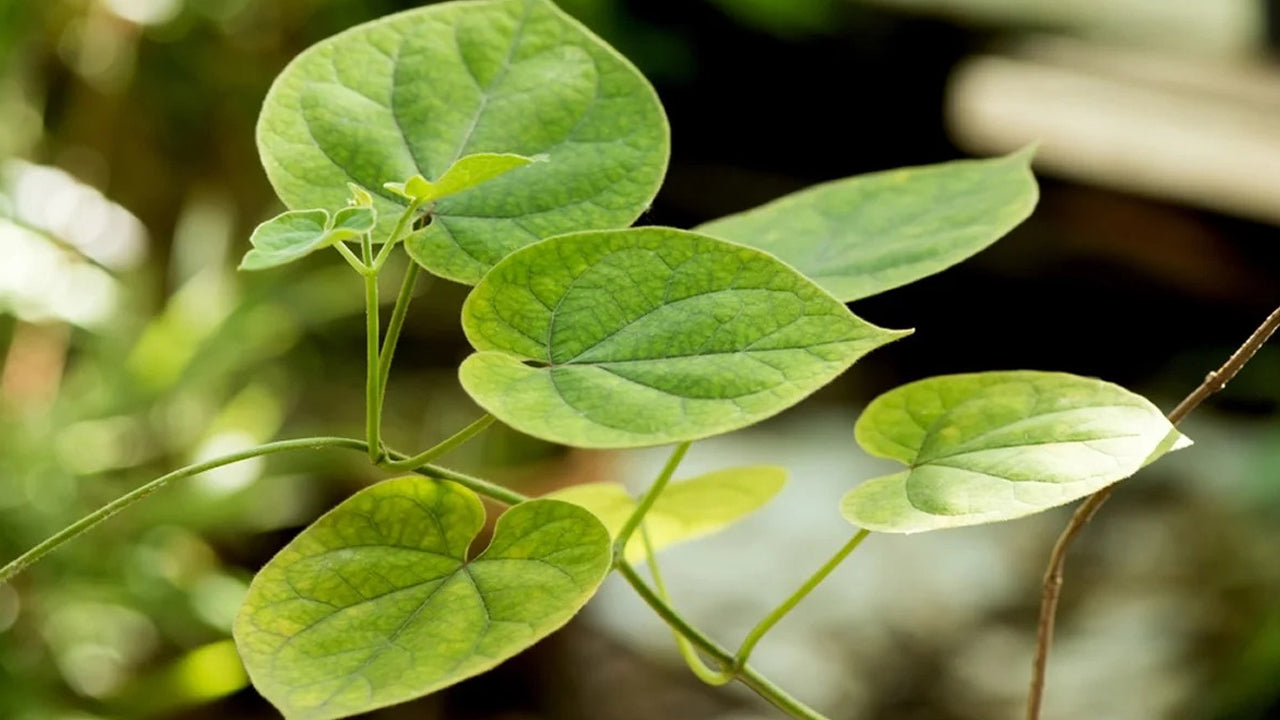
Velvet Leaf
Cissampelos pareira -
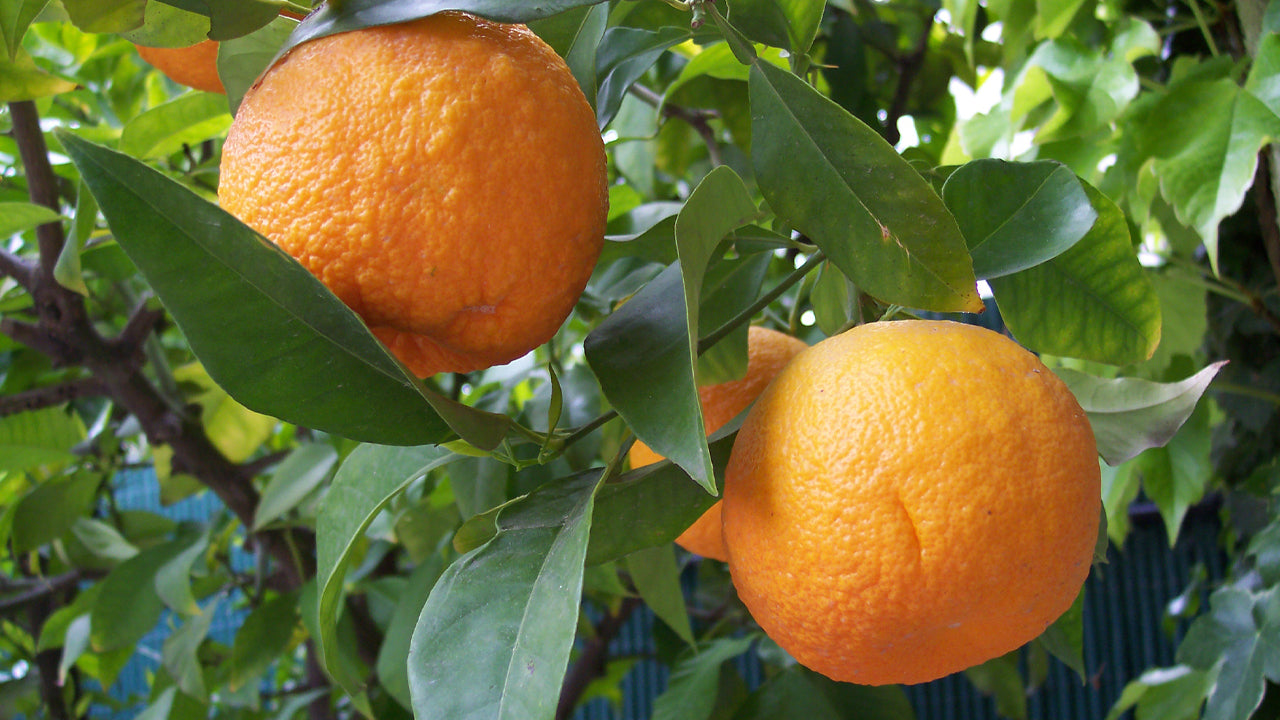
Bitter orange
Citrus aurantium -

Reinwardt's Tree Plant
Biophytun reinward -
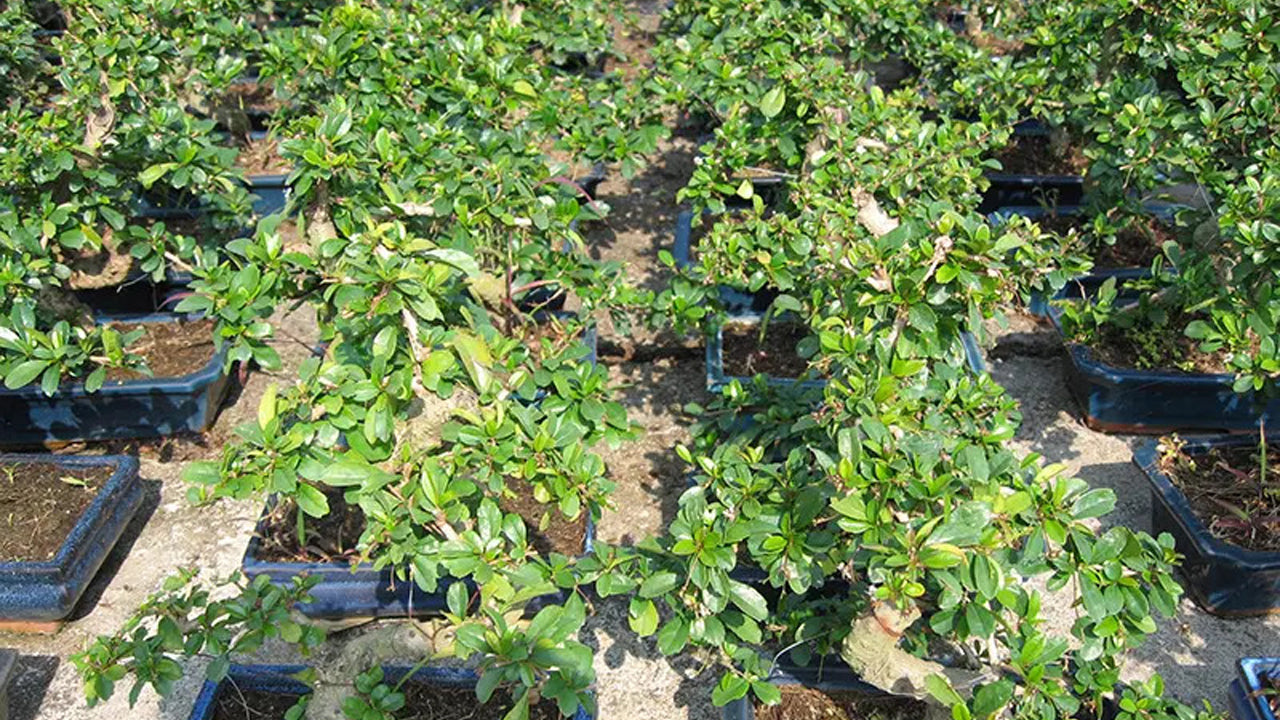
Fukien tea
Carmona microphylla -
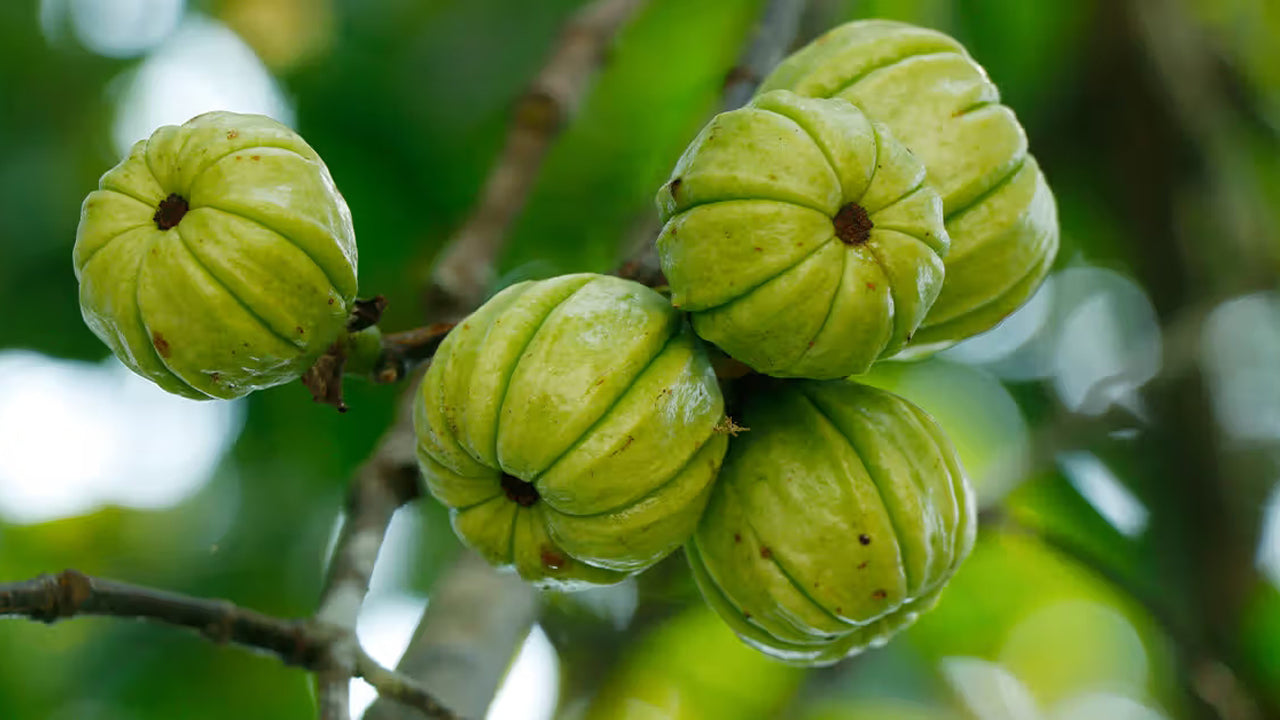
Malabar tamarind
Garcinia cambogia -
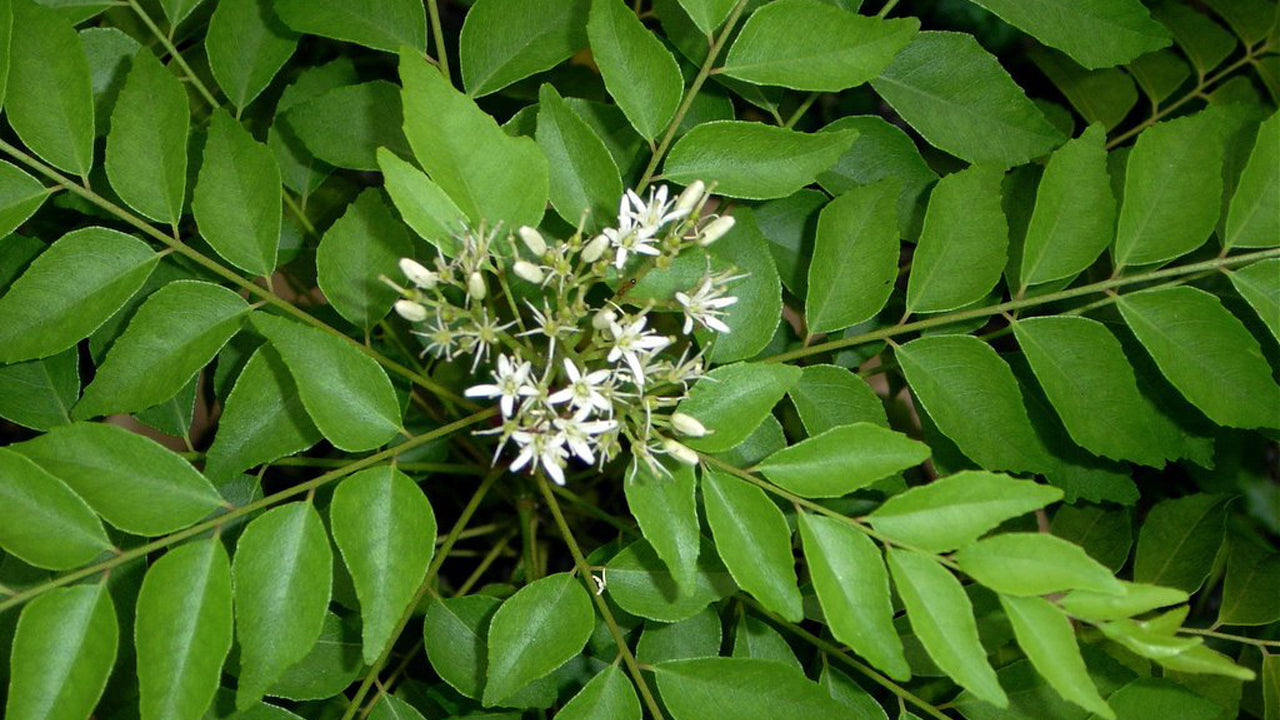
Curry leaf tree
Murraya koenigii -
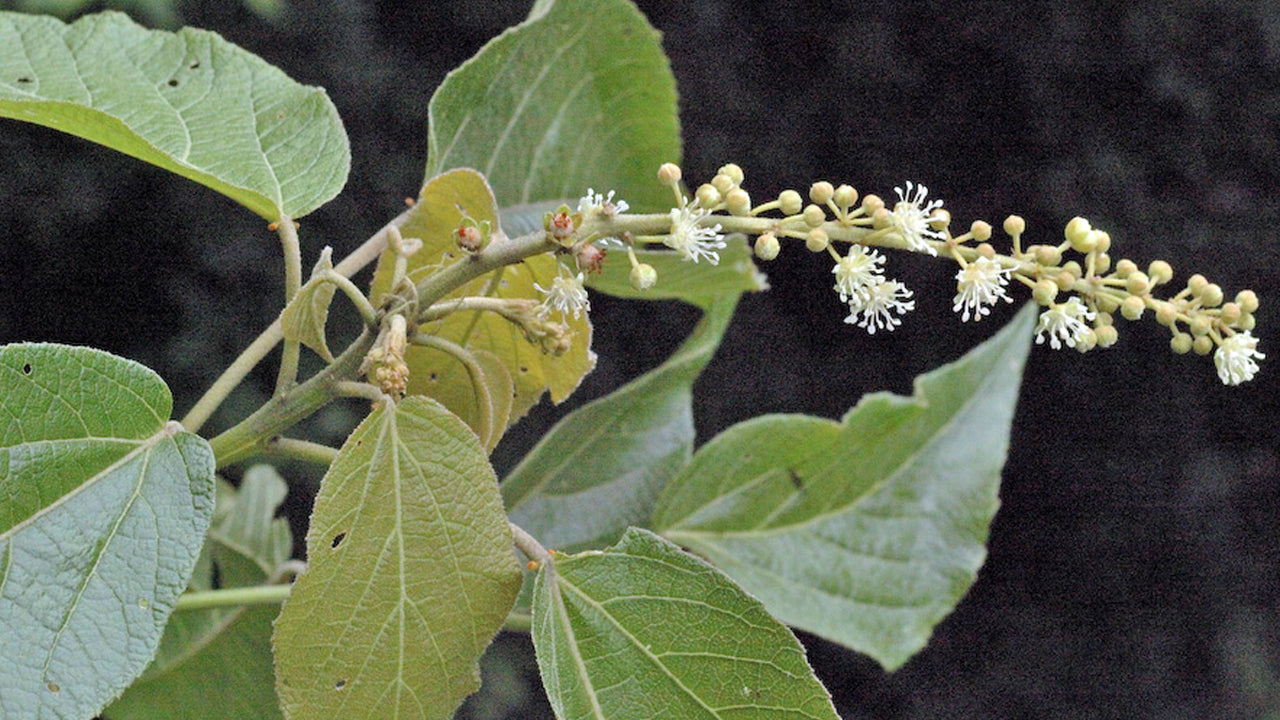
Kappetiya
Croton laccifer -
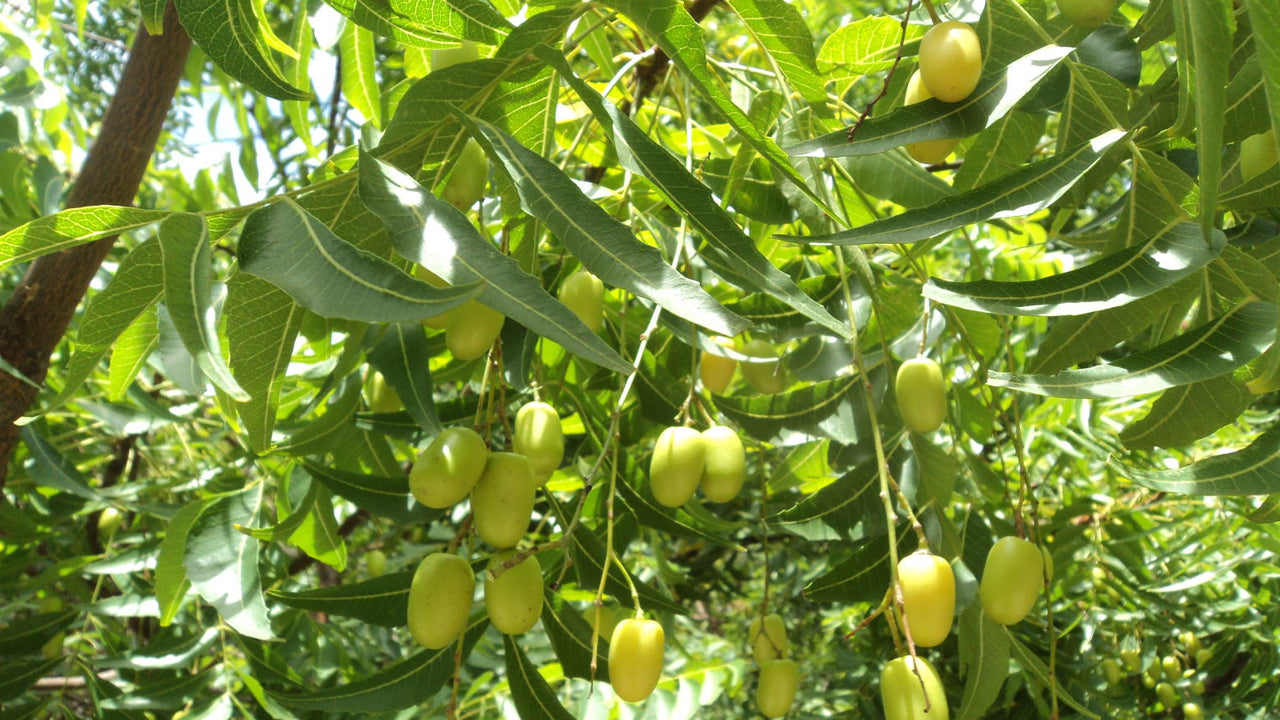
Indian lilac
Azadirachta indica -
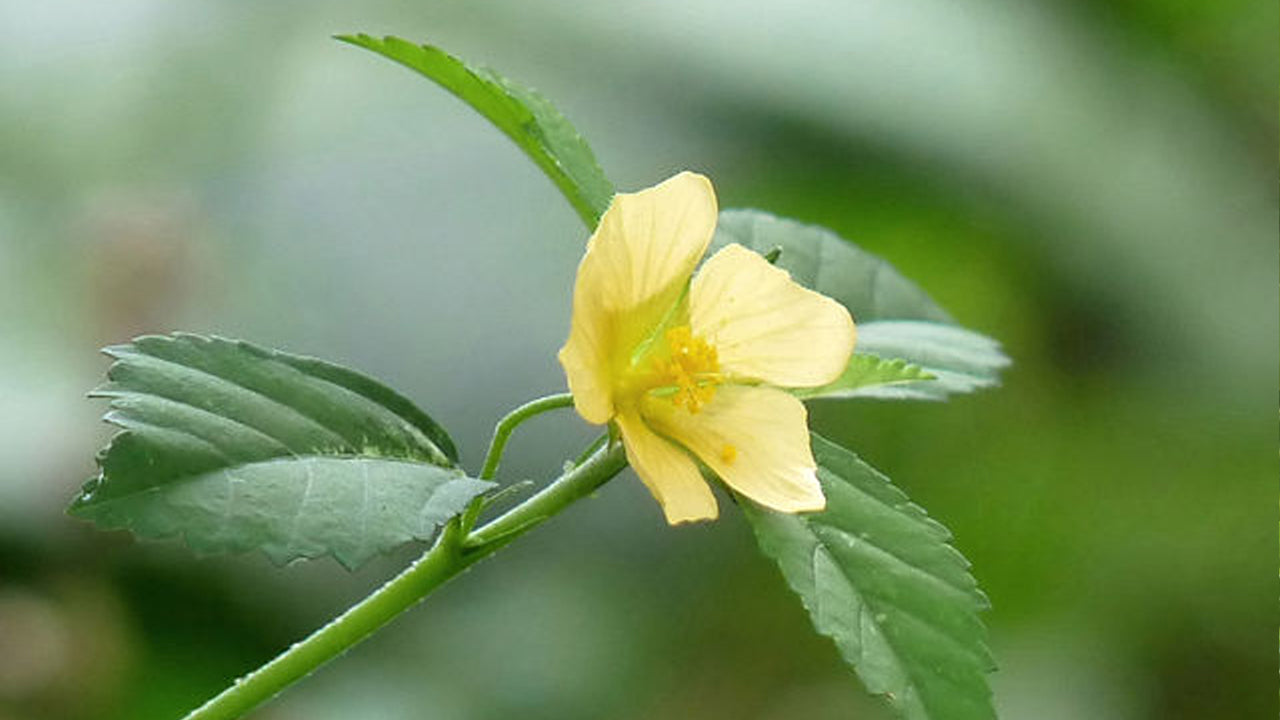
Spiny sida
Sida alba -
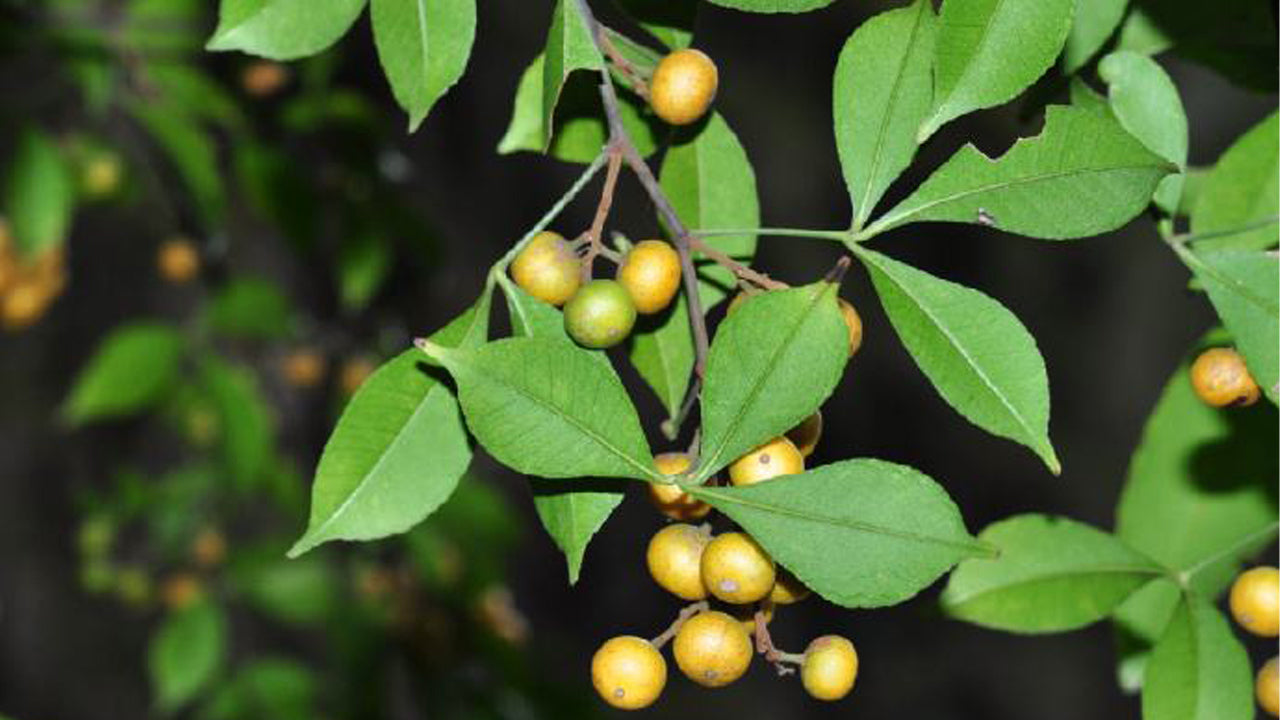
Orange climber
Toddlia asiatica -
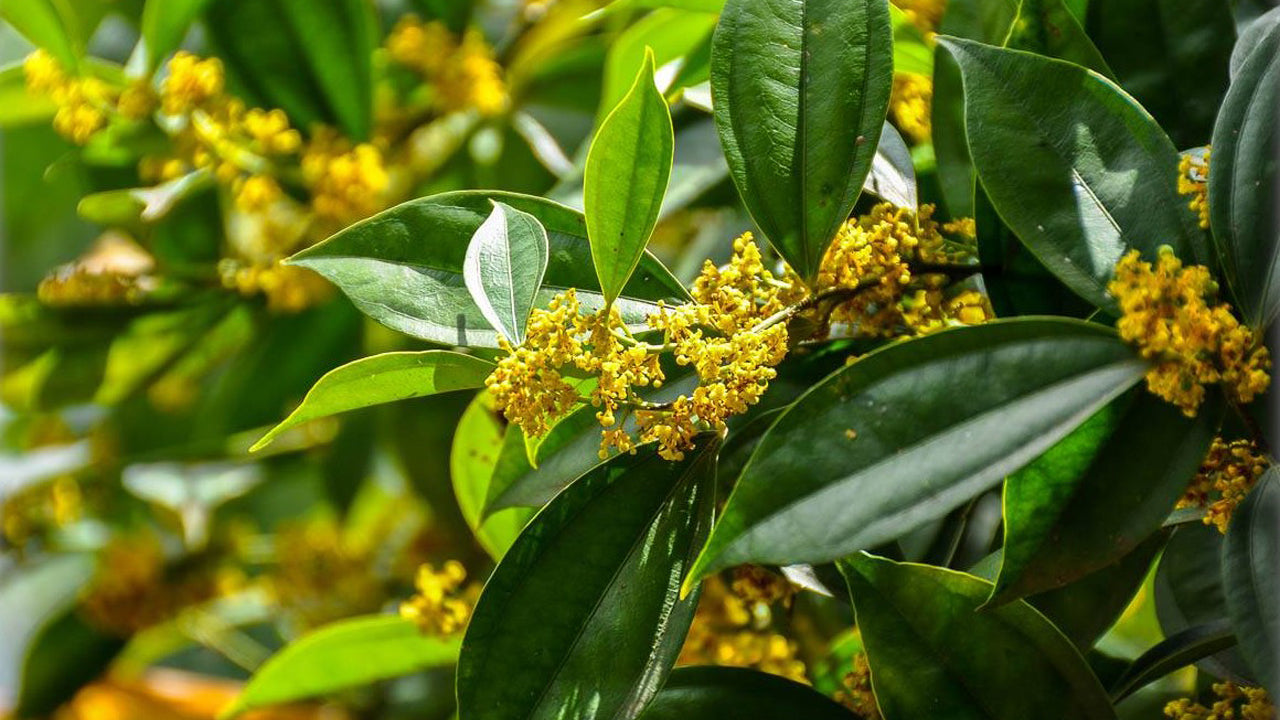
Ceylon cinnamon
Cinnamomum zeylanicum -
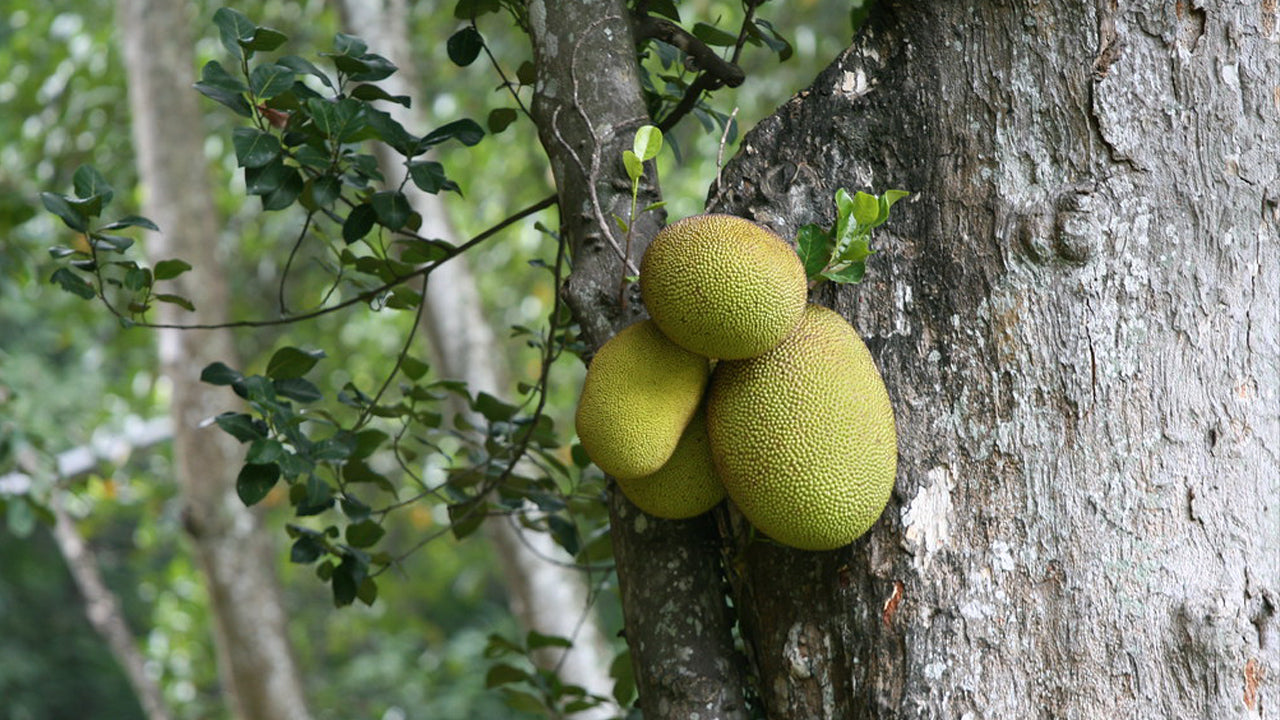
Jackfruit
Artocarpus heterophyllus -
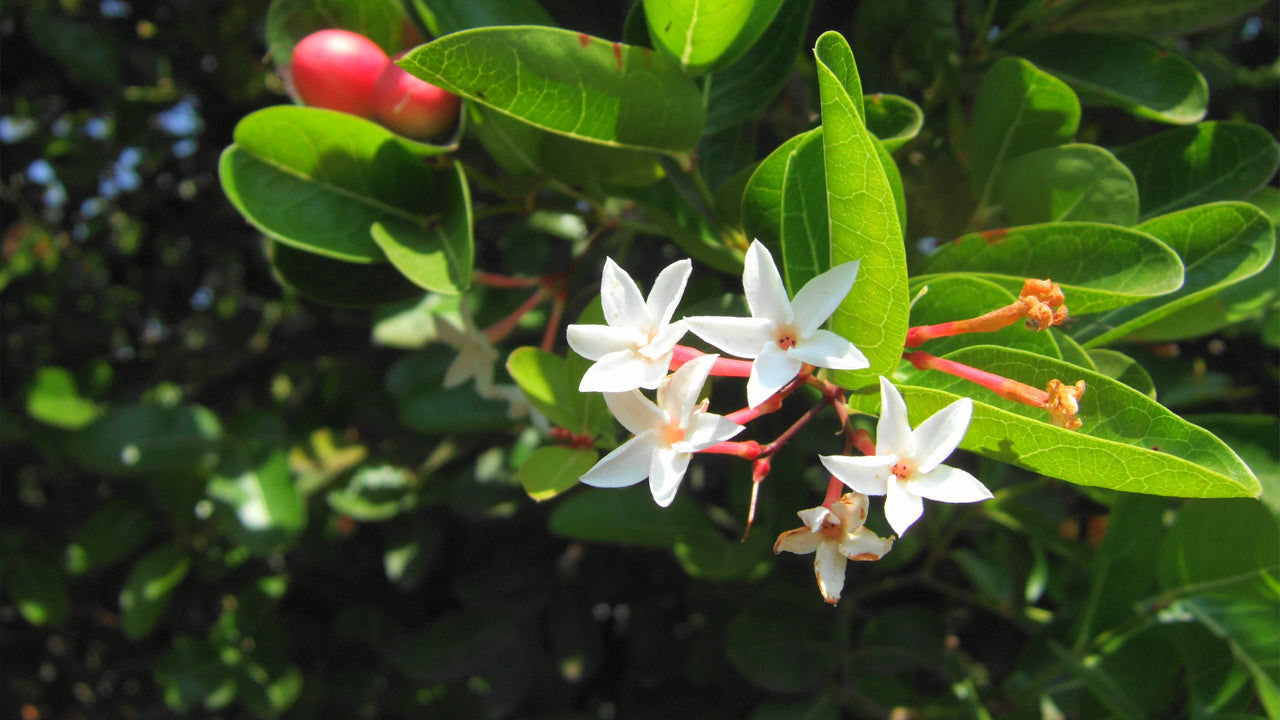
Karonda
Carissa carandas -
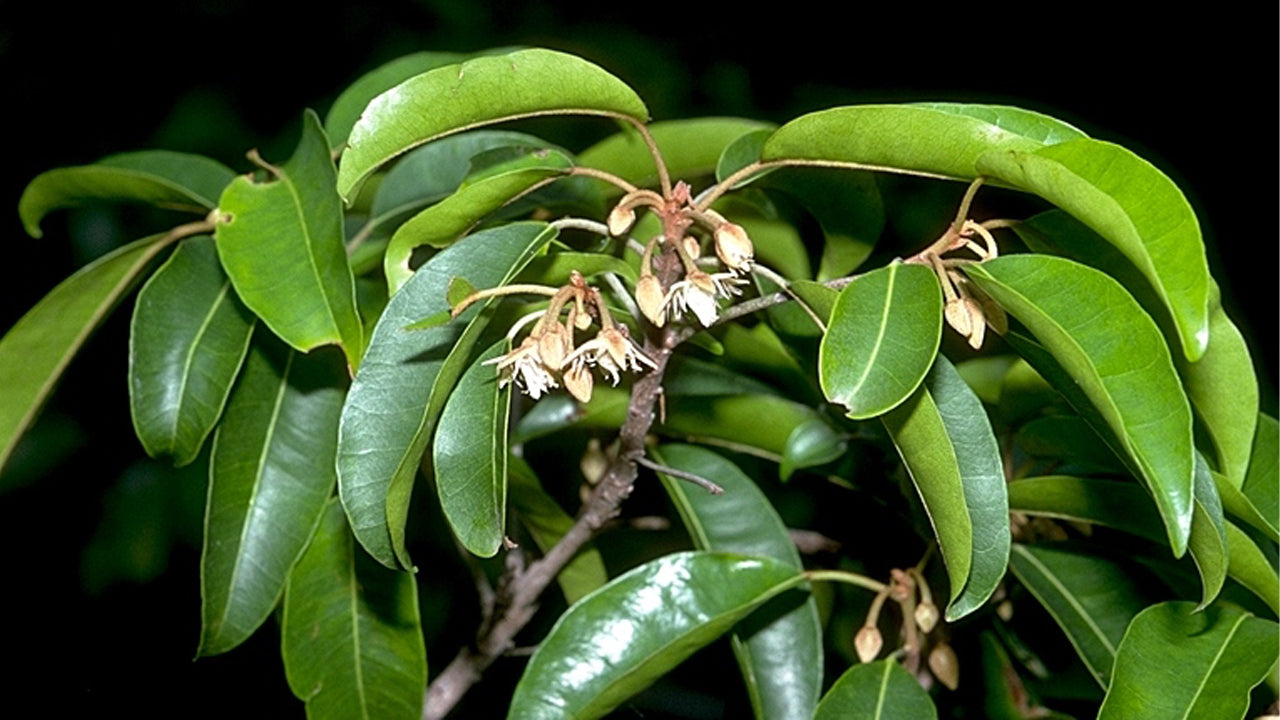
Spanish cherry
Mimusops elengi -
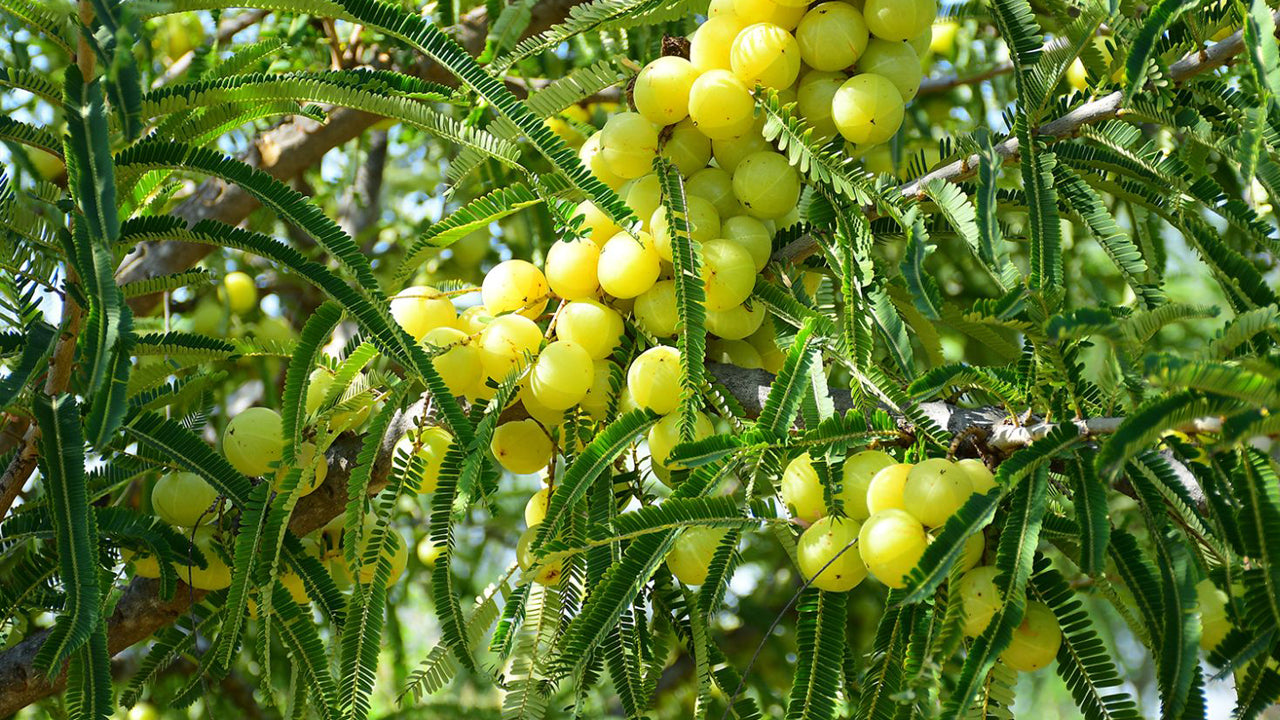
Indian gooseberry
Phyltanthus emblica -
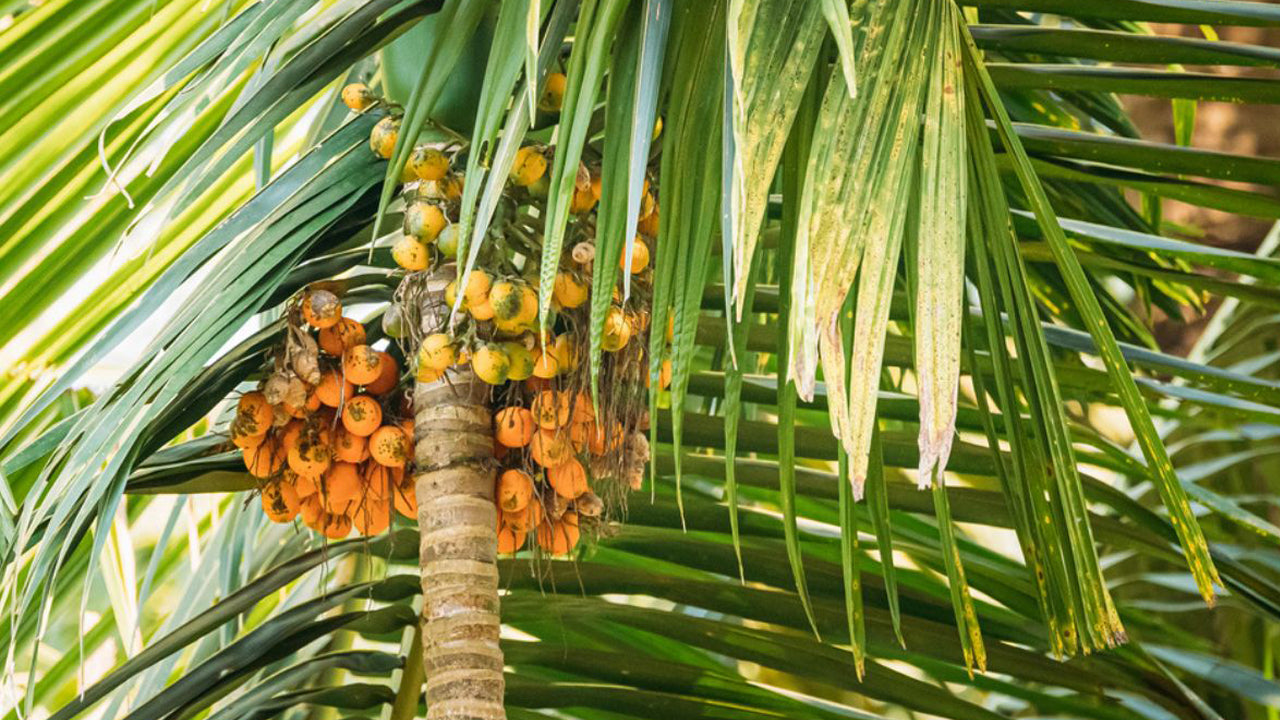
Betel palm
Areca catechu -
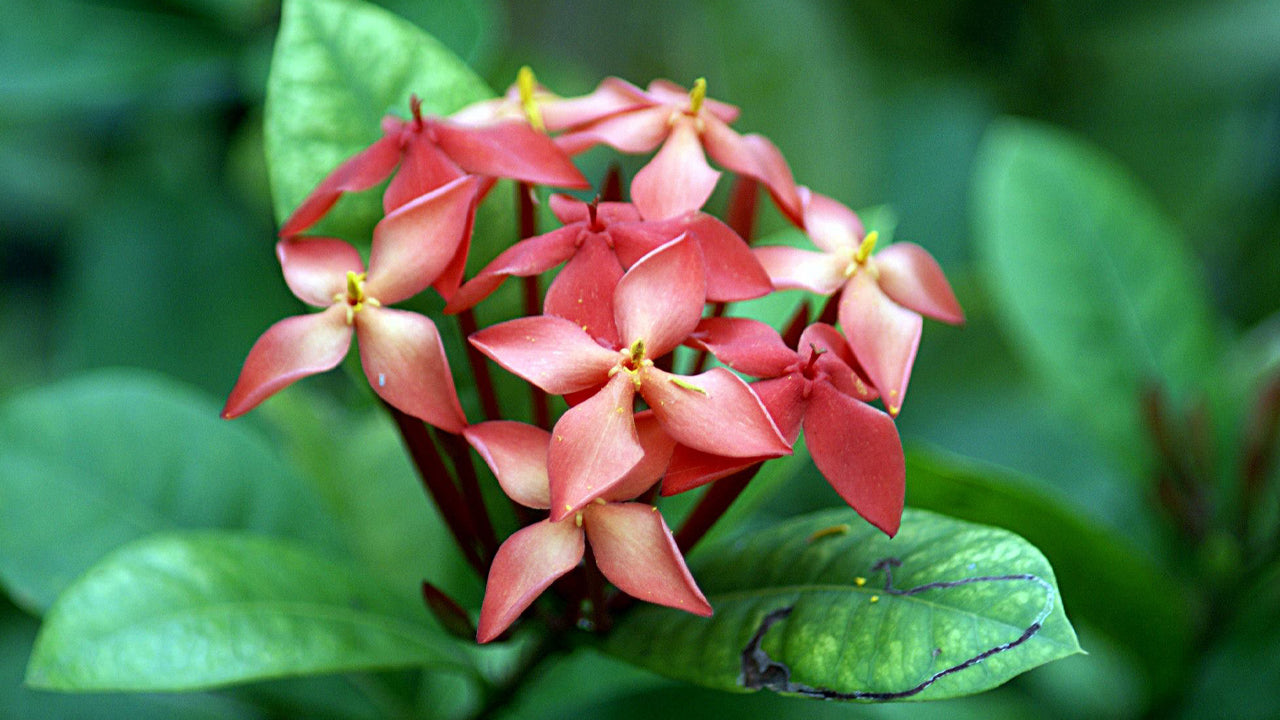
Jungle geranium
Ixora coccinea -
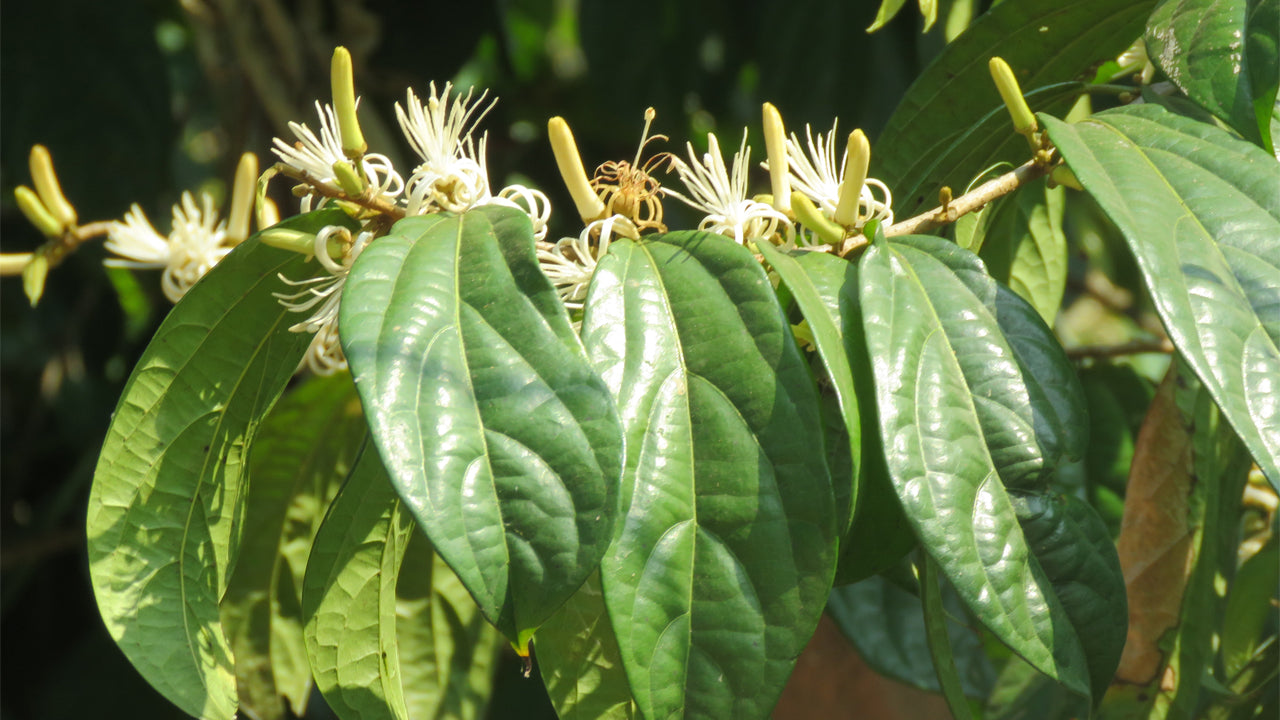
Sage-leaved alangium
Alangium salviifolium -
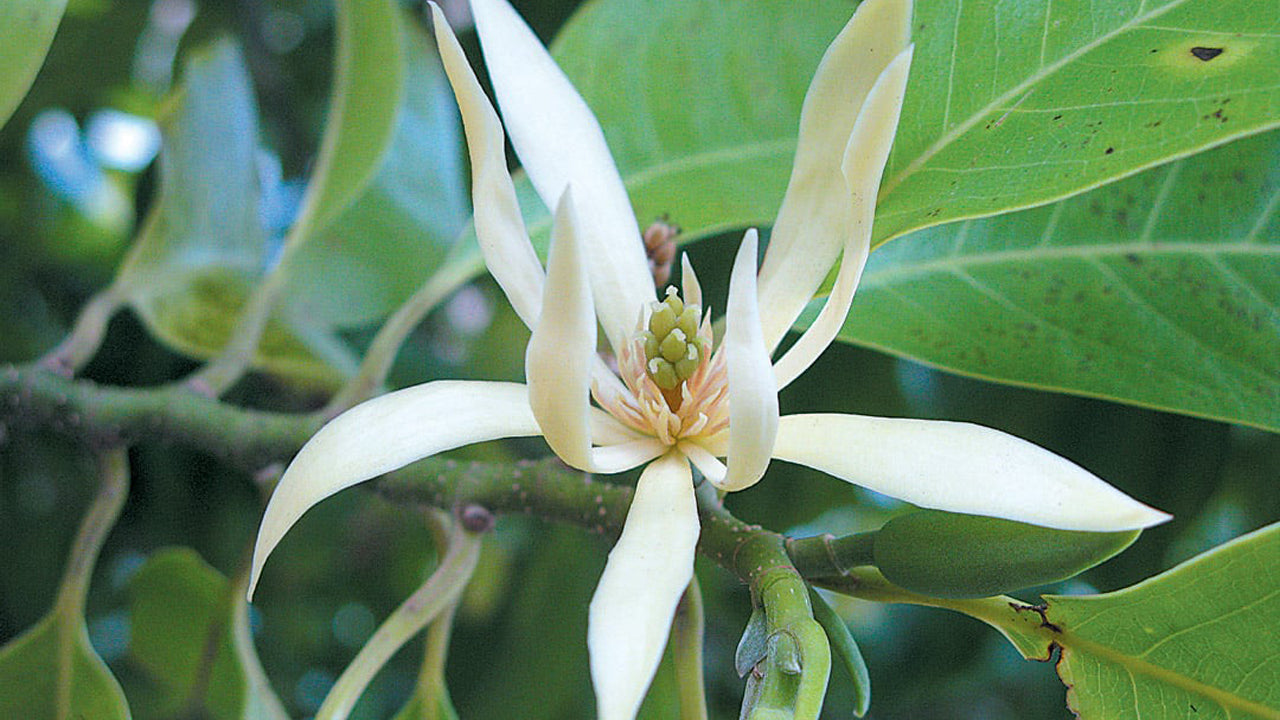
Champak
Michelia champaca -
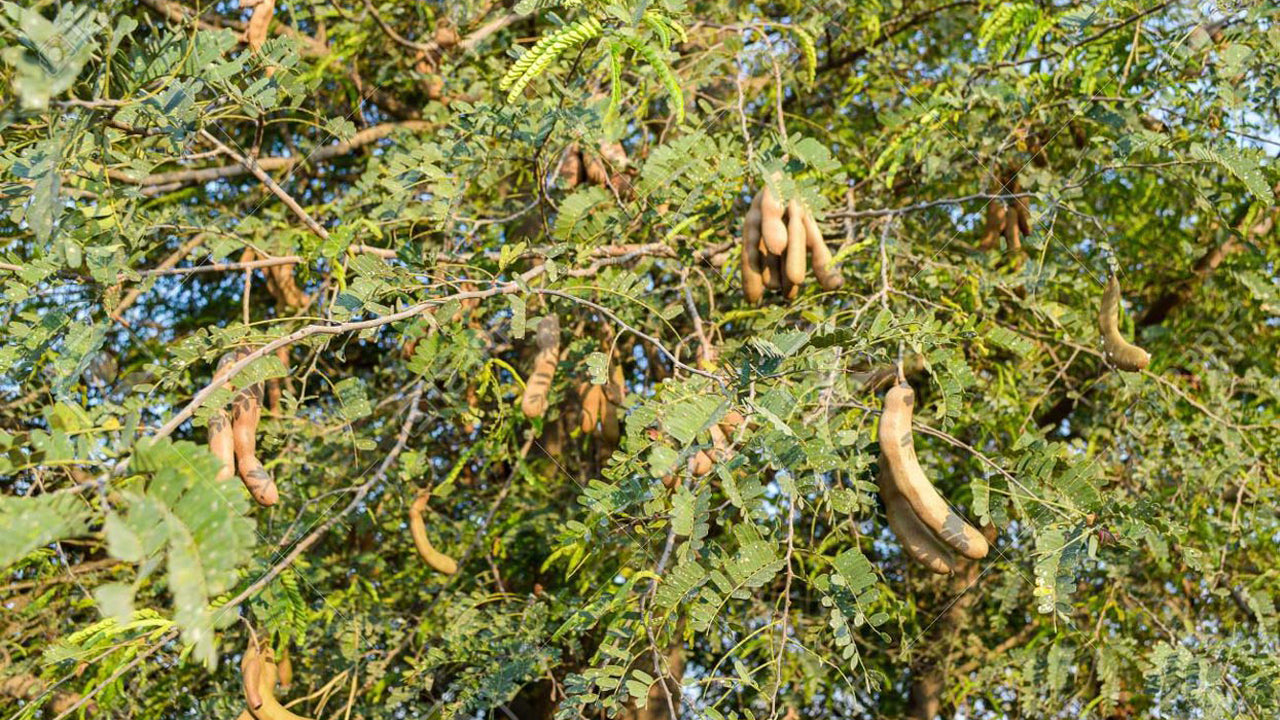
Tamarind
Tamarindus indica -
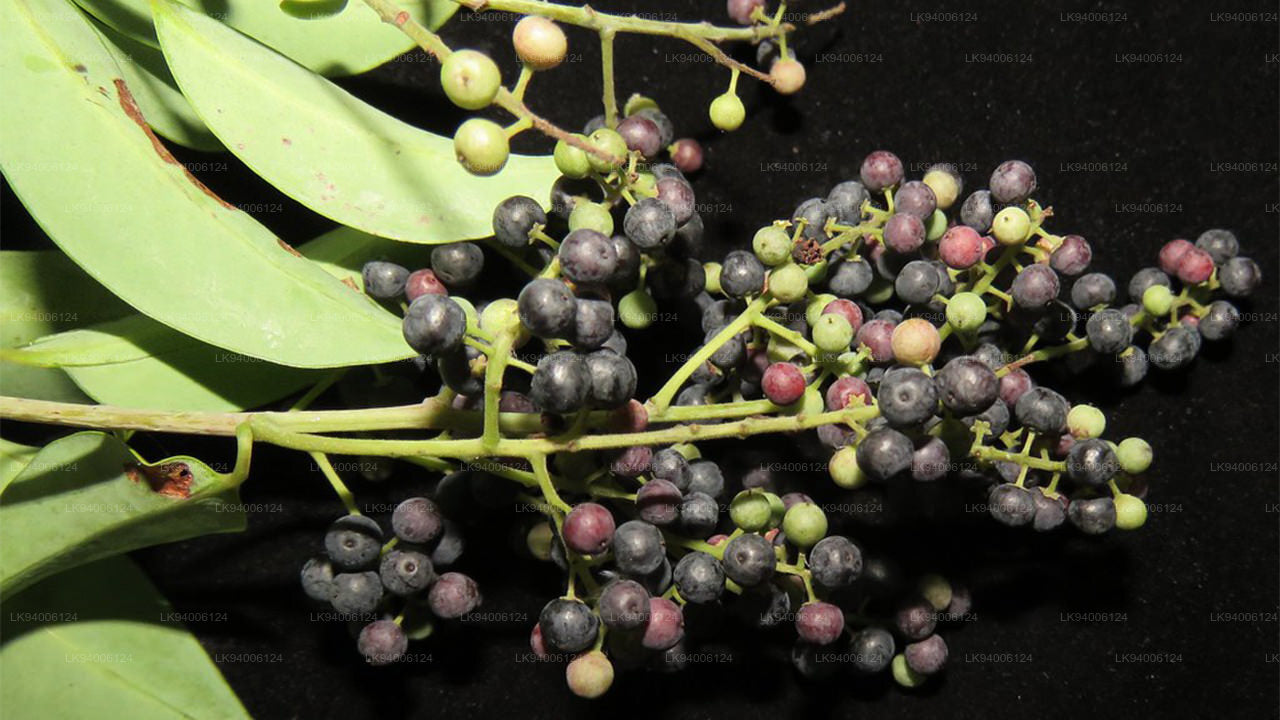
False Black Pepper
Embelia ribes -
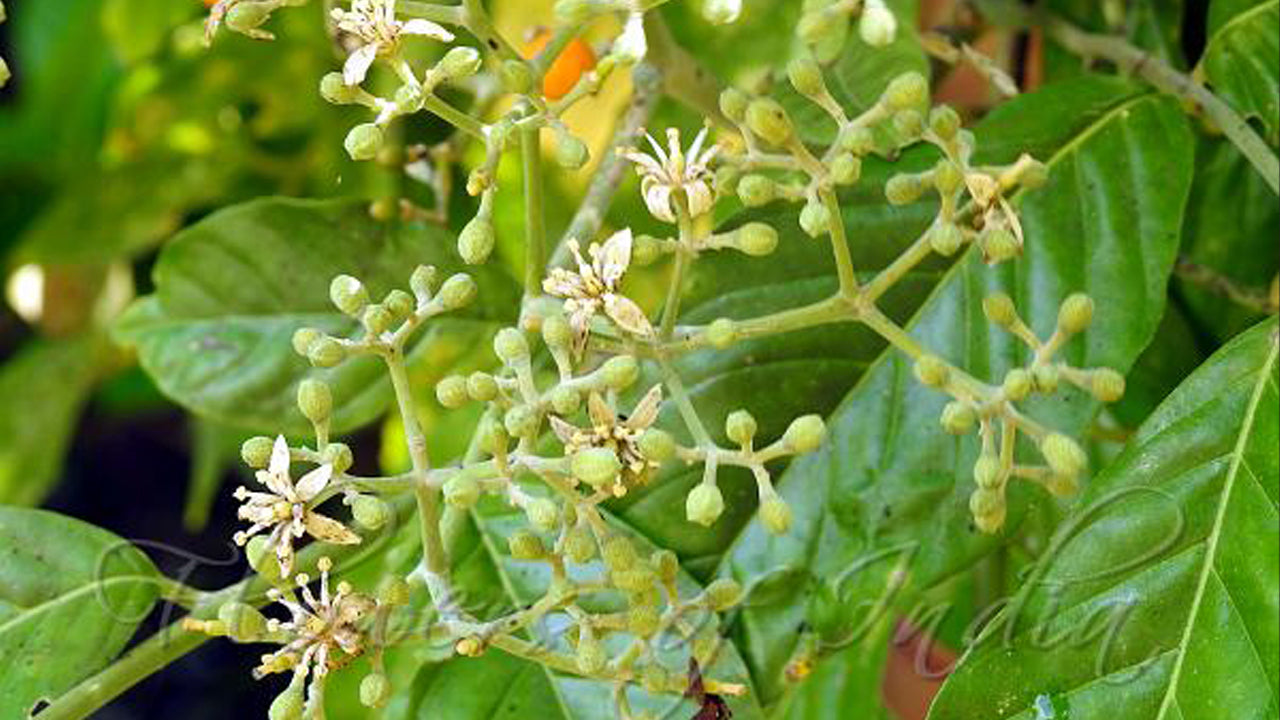
Limeberry
Micromelum ceylanicum -
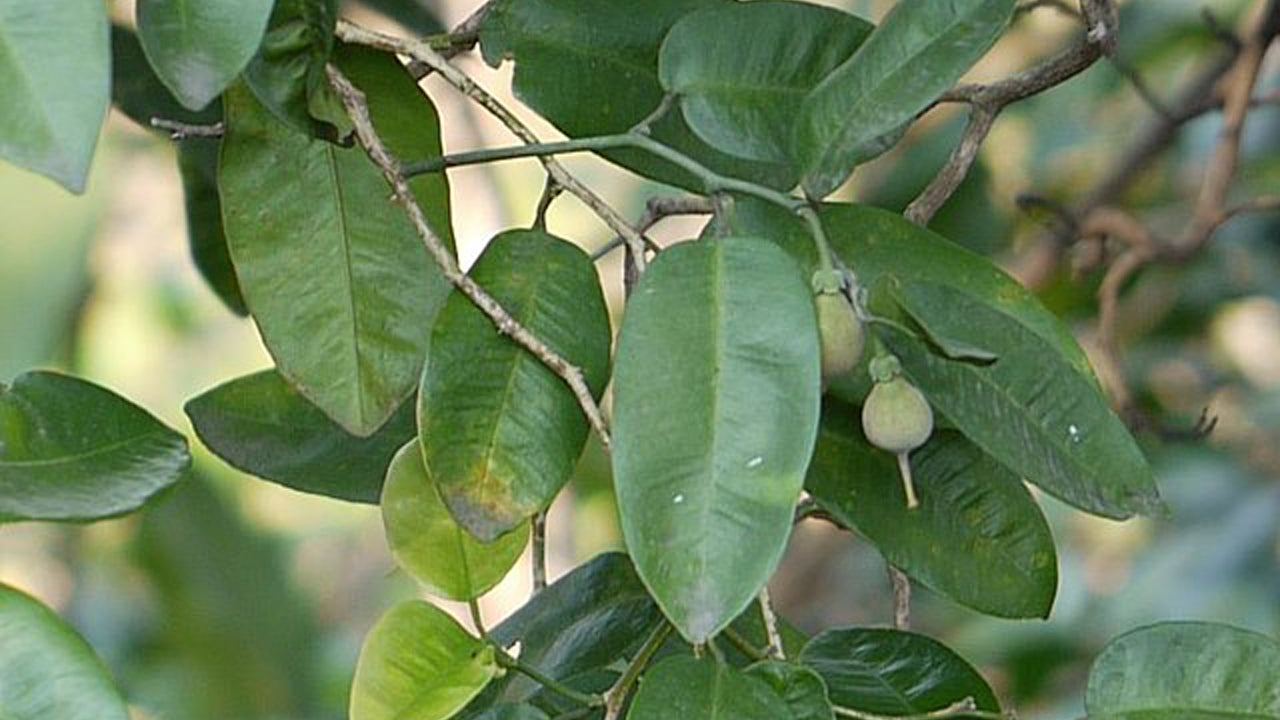
Climbing Atalantia
Paramignya monophylla





Ayurvedic and Herbal
-
 In offerta
Balsamo alle erbe ayurvedico Siddhalepa
Prezzo di listino Da $0.48 USDPrezzo di listino$0.54 USDPrezzo scontato Da $0.48 USDIn offerta -
 In offerta
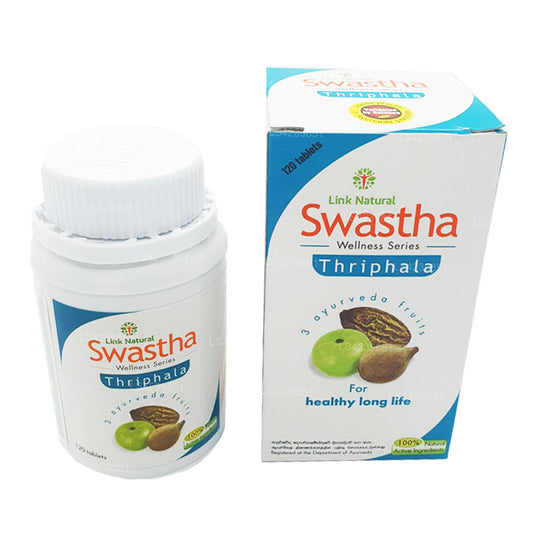
Link Swastha Thriphala (30 tavolette)
Prezzo di listino Da $1.74 USDPrezzo di listino$1.93 USDPrezzo scontato Da $1.74 USDIn offerta -
Foglie disidratate di Graviola selvatica Lakpura® (Guanabana, Graviola, Guyabano) intere
Prezzo di listino Da $0.72 USDPrezzo di listino$0.81 USDPrezzo scontato Da $0.72 USDIn offerta -
 In offerta
Olio Setsuwa Pranajeeva
Prezzo di listino Da $3.85 USDPrezzo di listino$4.28 USDPrezzo scontato Da $3.85 USDIn offerta