Città di Mullaitivu


Mullaitivu è la città principale del distretto di Mullaitivu, situata sulla costa nord-orientale della Provincia del Nord, Sri Lanka. Inizialmente un insediamento di pescatori, la città è cresciuta all'inizio del XX secolo come un porto per le piccole imbarcazioni che trasportano merci tra Colombo e Jaffna. La città ospita l'ufficio del segretariato del distretto, molte altre istituzioni governative e scuole situate nella zona e nei dintorni.
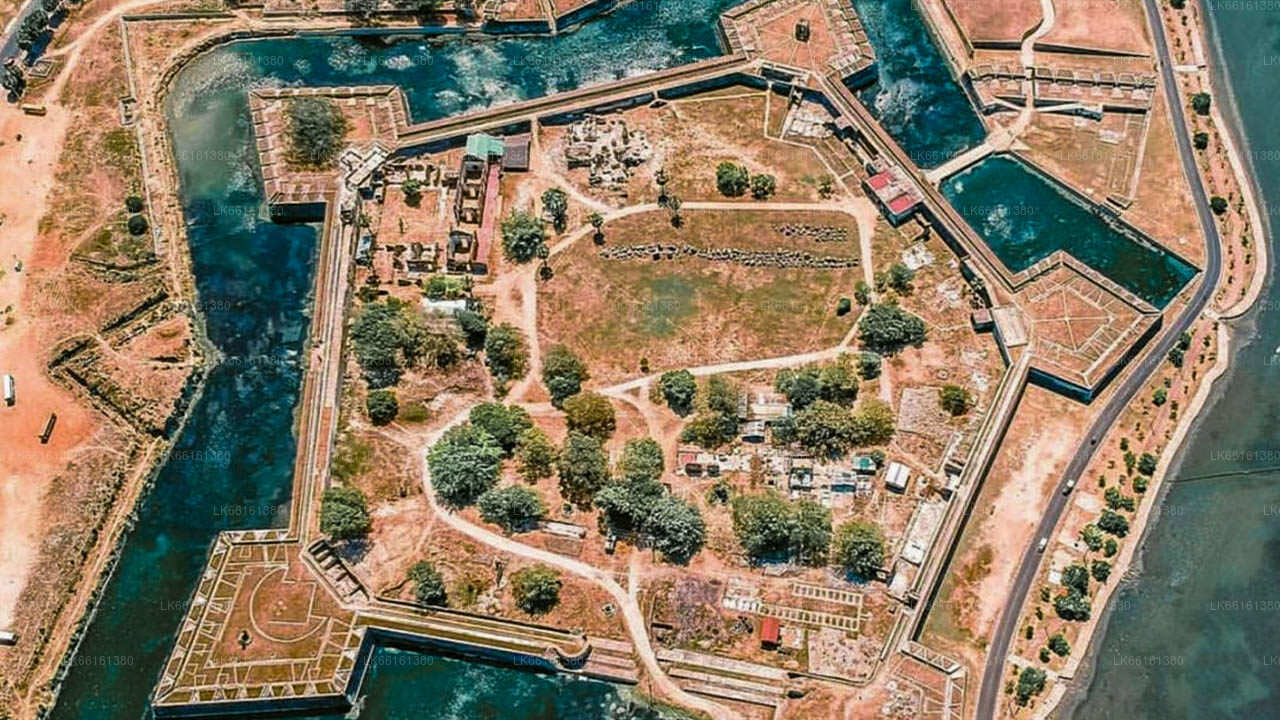
Durante le guerre Kandyan, la casa del governo britannico a Mullaitivu fu attaccata dalle forze di Pandara Vanniyan e del Dissava di Nuwara Kalawiya, che assediarono la fortezza. Il capitano Drieberg e la sua forza di malesi fuggirono dalla fortezza in barca e raggiunsero Jaffna. Durante la guerra civile dello Sri Lanka, Mullaitivu divenne una base isolata per le forze armate dello Sri Lanka. In una battaglia violenta, il LTTE riuscì a sopraffare la base nel 1996. Successivamente, le forze armate dello Sri Lanka si ritirarono da Mullaitivu, consentendo al LTTE di prendere il controllo dell'area. La città fu danneggiata dallo tsunami dell'Oceano Indiano nel 2004, con un grande numero di vittime. L'esercito dello Sri Lanka prese il controllo della città il 25 gennaio 2009, durante la Battaglia di Mullaitivu nella sua offensiva contro il LTTE. Il quartier generale delle forze di sicurezza – Mullaitivu fu istituito il 5 giugno 2009 nella città.
Informazioni sul distretto di Mullaitivu
Il distretto di Mullaitivu è uno dei 25 distretti dello Sri Lanka, la divisione amministrativa di secondo livello del paese. Il distretto è amministrato da un segretariato distrettuale guidato da un segretario del distretto (precedentemente noto come agente del governo) nominato dal governo centrale dello Sri Lanka. La capitale del distretto è la città di Mullaitivu.
Parte dell'attuale distretto di Mullaitivu faceva parte del pre-coloniale regno di Jaffna. Il distretto poi passò sotto il controllo portoghese, olandese e britannico. Nel 1815, i britannici presero il controllo dell'intera isola di Ceylon. Divisero l'isola in tre strutture amministrative basate sull'etnia: i singalesi delle pianure, i singalesi Kandyani e i tamil. Il distretto, che all'epoca faceva parte del distretto di Vanni, era sotto l'amministrazione tamil. Nel 1833, in conformità con le raccomandazioni della commissione Colebrooke-Cameron, le strutture amministrative basate sull'etnia furono unificate in una sola amministrazione divisa in cinque province geografiche. Il distretto di Vanni, insieme al distretto di Jaffna e al distretto di Mannar, formò la nuova Provincia del Nord.