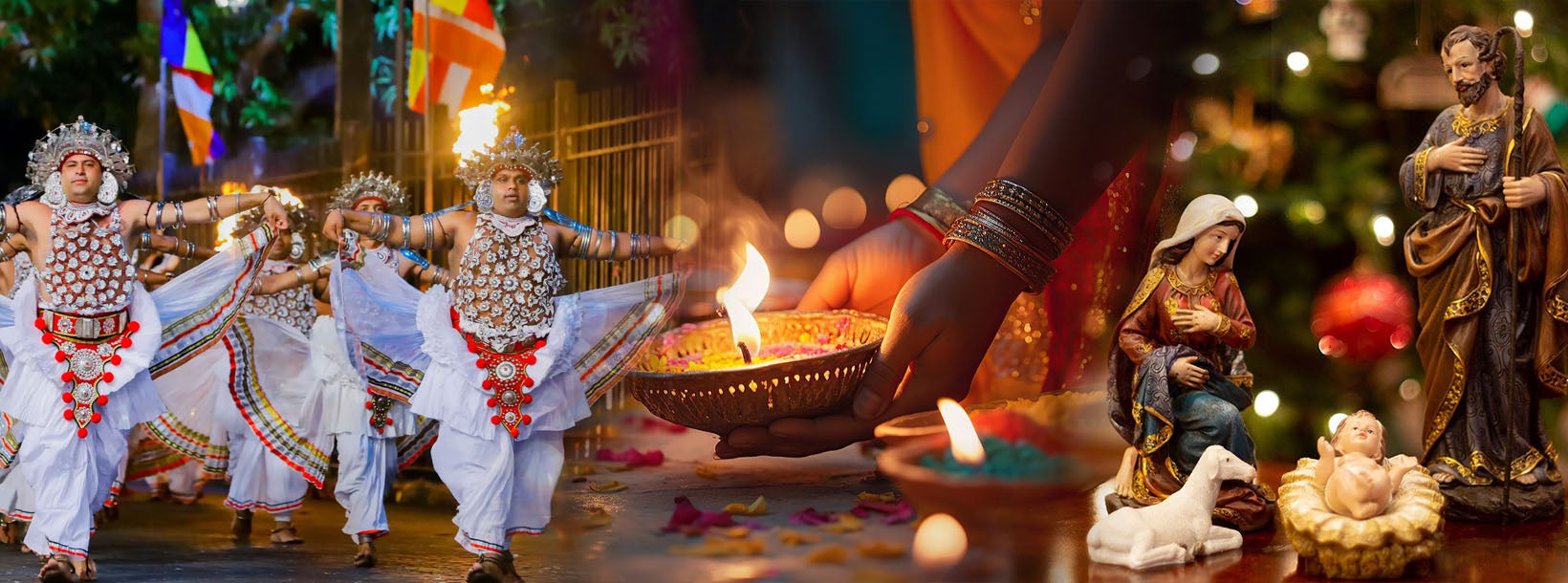
Sri Lanka's religious calendar is one of the richest in Asia. Across twelve months, the island observes dozens of sacred days and public festivals drawn from Buddhist, Hindu, Muslim, and Christian traditions — often celebrated side by side in the same towns and streets. For visitors, these events offer an unscripted window into everyday Sri Lankan life that no heritage site can fully replicate.
What is the Kandy Esala Perahera and when does it take place?
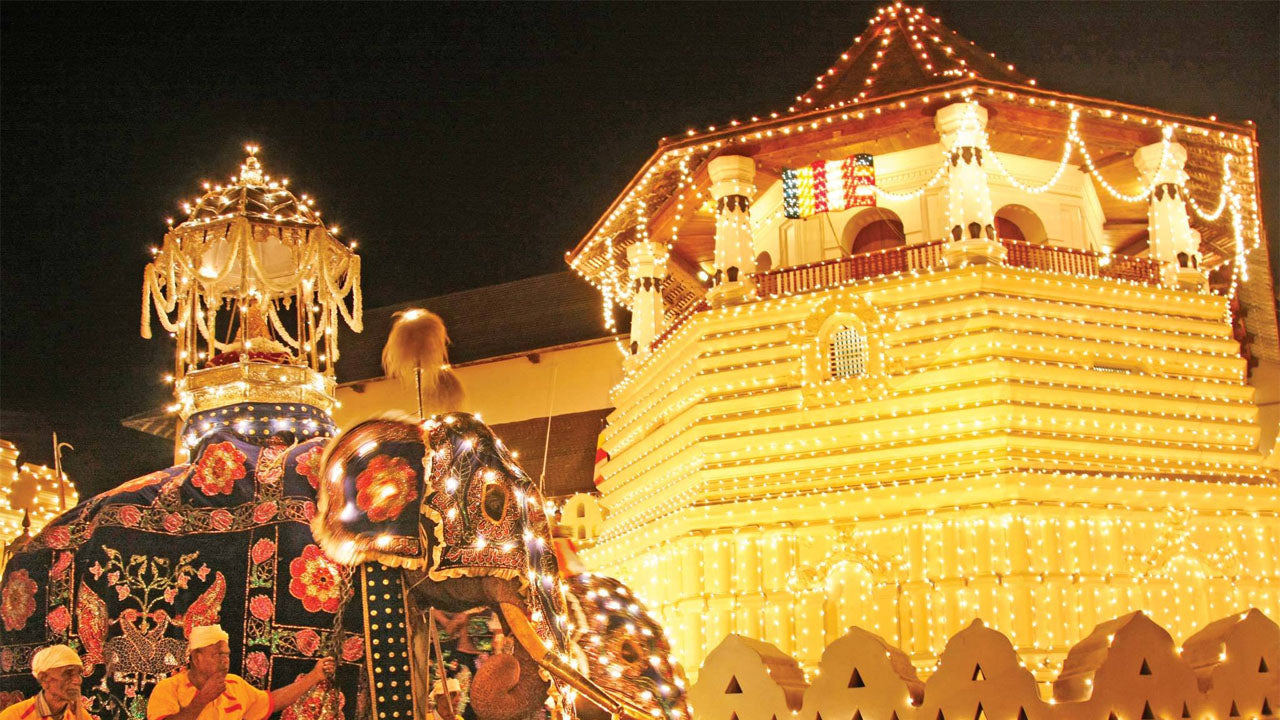
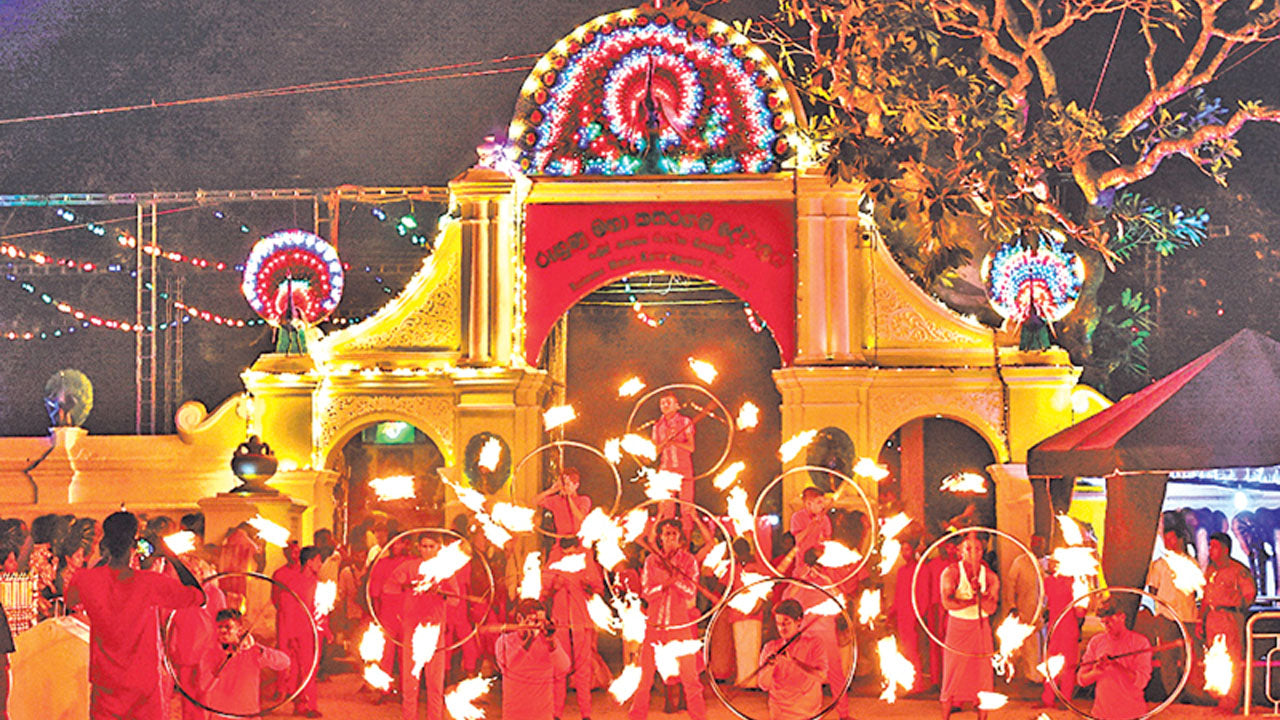
The Esala Perahera Festival in Kandy is among the oldest and largest Buddhist pageants in the world. Held over ten nights in July or August — culminating on the full moon of the Esala month — it centres on the Sacred Tooth Relic of the Buddha, housed at the Sri Dalada Maligawa. Each night's procession grows longer and more elaborate, weaving through Kandy's streets with lavishly caparisoned elephants, Kandyan drummers, whip-crackers, torch bearers, and fire dancers.
The event has two distinct phases: the Kumbal Perahera, which opens the festival with relatively intimate nightly processions, and the Randoli Perahera, the grander final five nights that draw the largest crowds. The Randoli Perahera concludes with a water-cutting ceremony at the Mahaweli River, after which the relic casket is returned to the temple. Accommodation in Kandy fills months in advance during this period; Lakpura's Kandy city tour packages can be extended to align with specific perahera nights.
What happens during Vesak Poya in Sri Lanka?
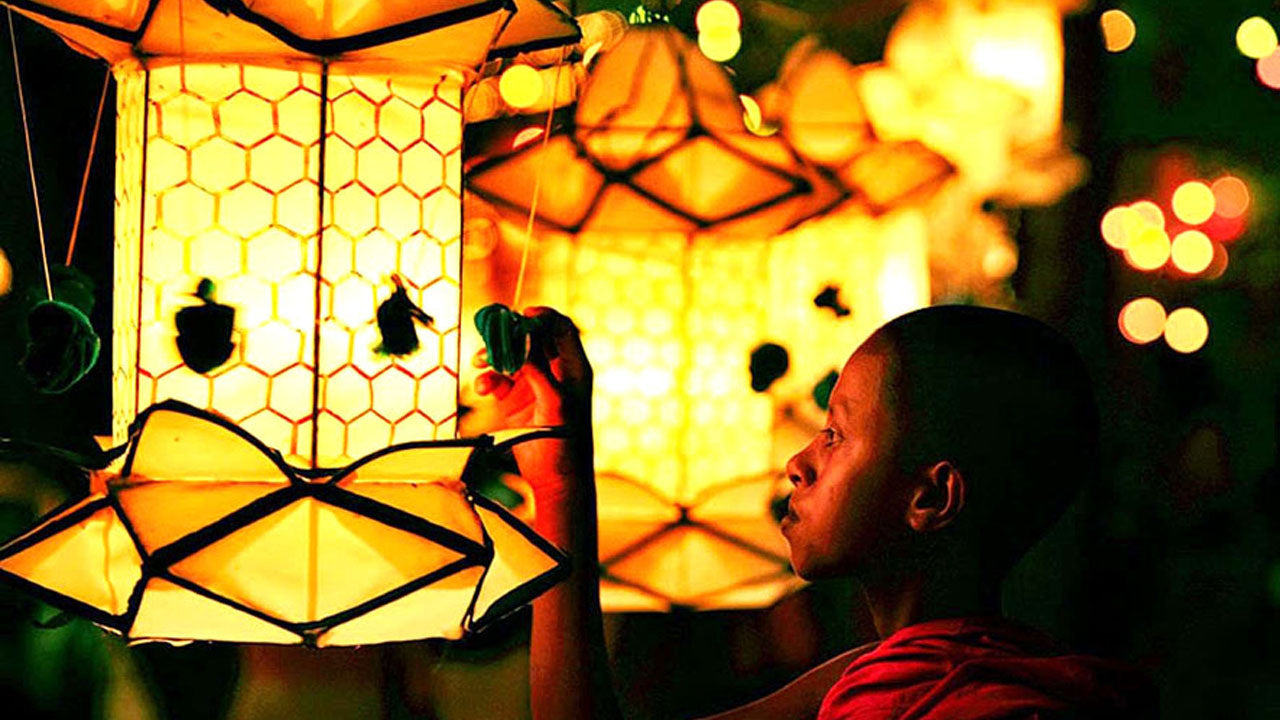
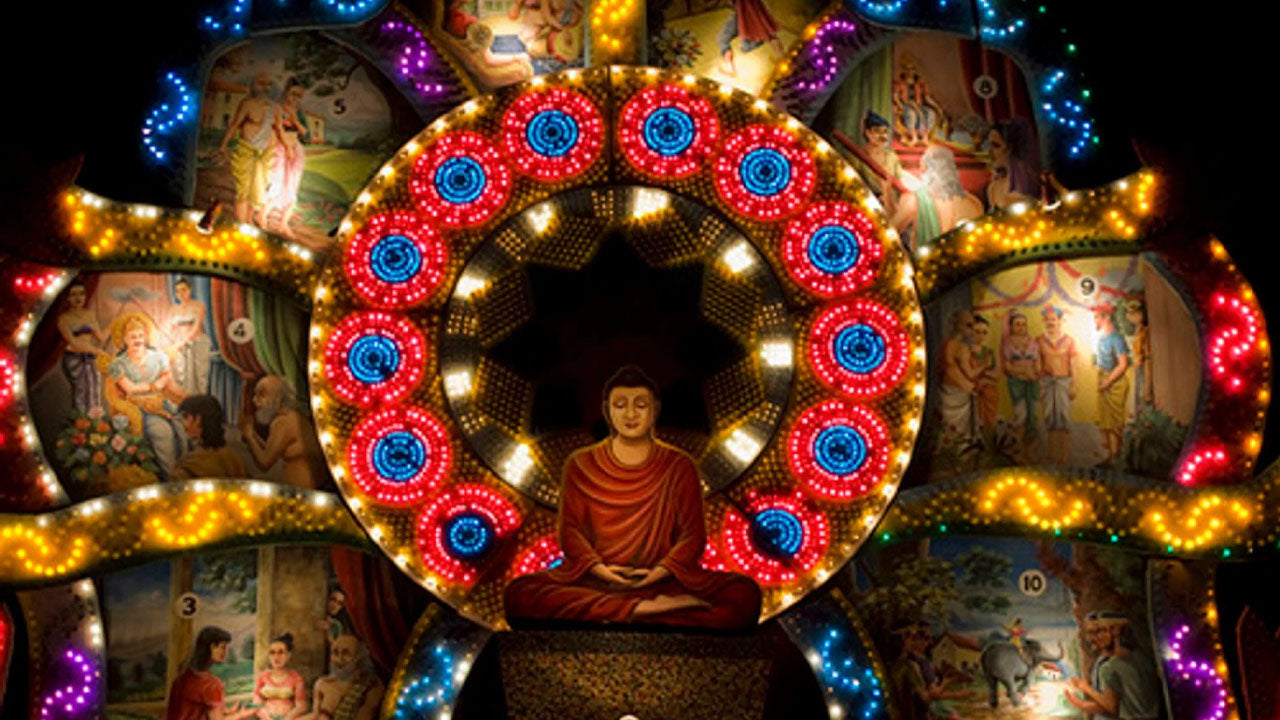
Vesak, observed on the full moon of May, is the most sacred day in the Sri Lankan Buddhist calendar. It marks simultaneously the birth, enlightenment, and passing away of Siddhartha Gautama. On the days around Vesak, towns and villages are transformed: paper lanterns — some of extraordinary craftsmanship — hang from houses and lamp-posts, and elaborately lit pandals (thoranas) depict scenes from the Jataka tales.
Alms-giving stalls called dansalas line roadsides across the country, offering food and drink free of charge to anyone who passes. Shops selling alcohol close by law. Many Sri Lankans observe sil — a stricter code of precepts — at local temples. For visitors, the lantern displays in Colombo and Kandy are particularly atmospheric in the evenings.
What is Poson Poya and why is it significant?
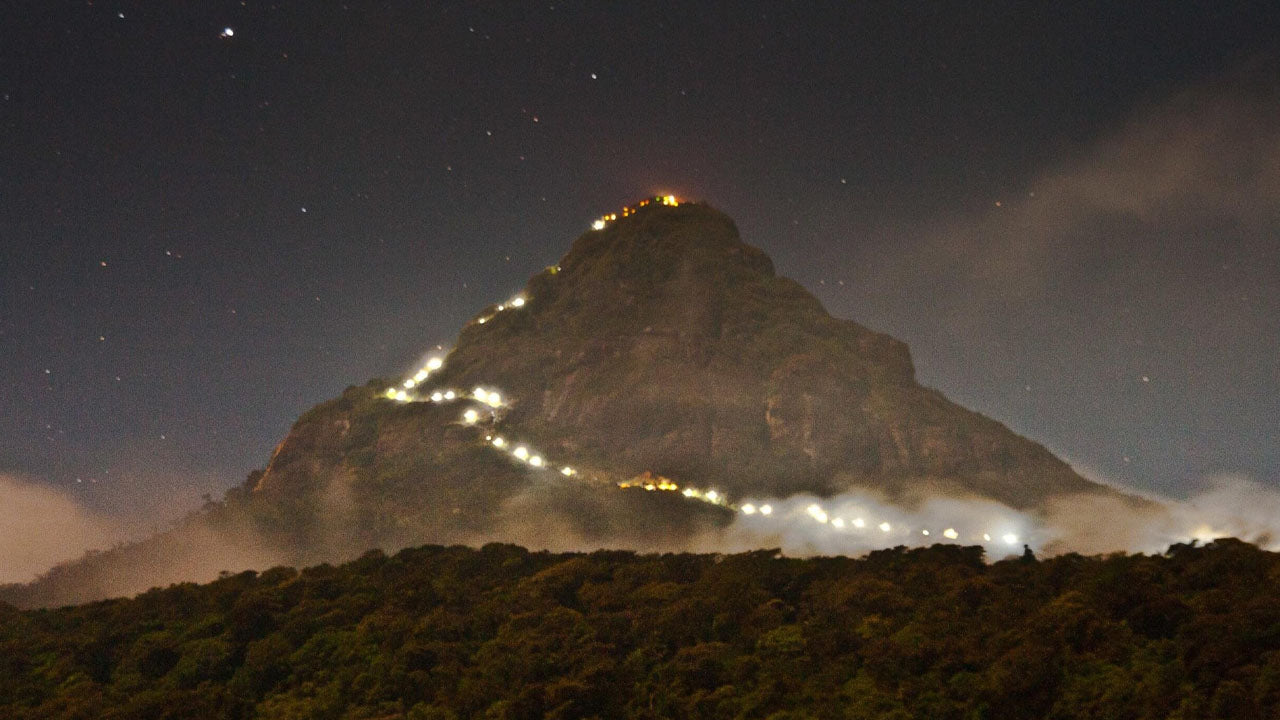
Poson Poya falls on the June full moon and commemorates the arrival of Buddhism in Sri Lanka. Tradition holds that Arahat Mahinda, son of Emperor Ashoka of India, met King Devanampiya Tissa on the Mihintale rock outcrop near Anuradhapura around 247 BCE, delivering a sermon that led to the island's conversion. Mihintale is considered the cradle of Buddhism in Sri Lanka and receives tens of thousands of pilgrims during Poson, many of whom climb the rock barefoot by torchlight at night.
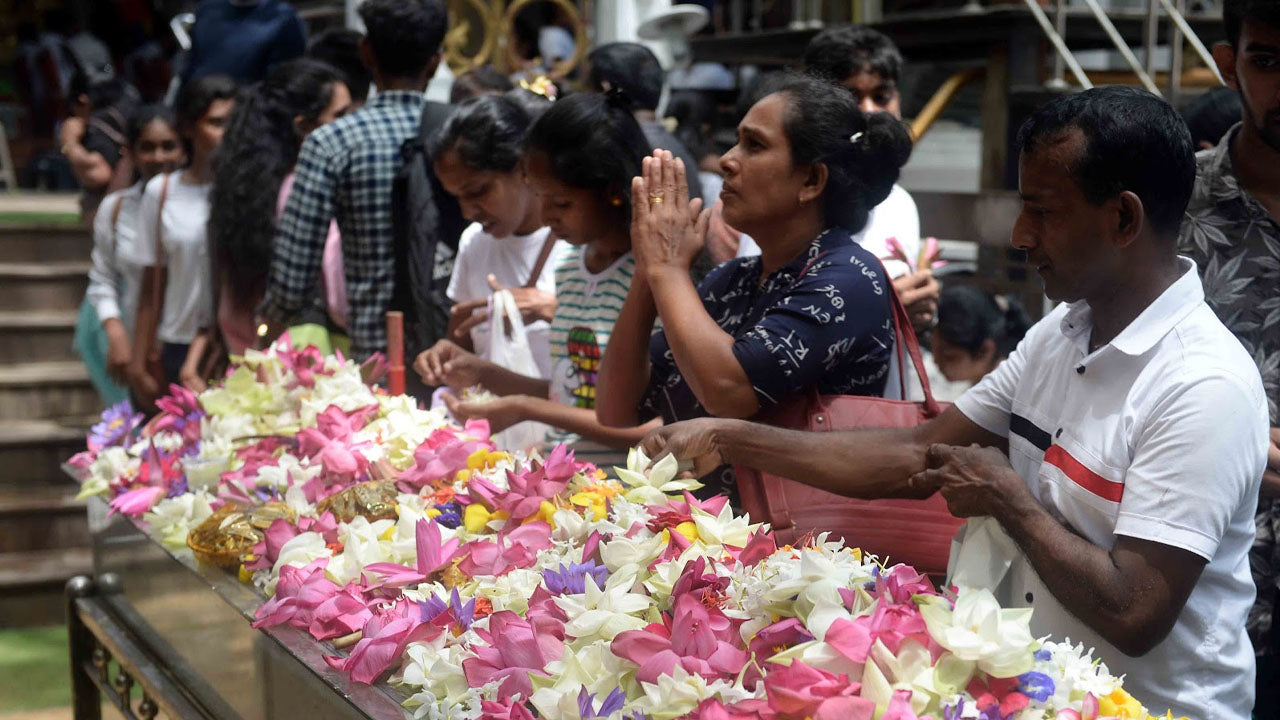
Anuradhapura itself also hosts major observances. The ancient city — whose great stupas remain among the largest brick structures on earth — becomes a focal point for white-clad devotees carrying lotus blossoms and incense. Poson is a good moment to visit the north-central region if you wish to witness living Buddhist practice rather than archaeology alone.
What is the Kataragama Festival?
The Kataragama Esala Festival, held in July or August in the sacred town of Kataragama in the deep south, is one of the few major events in Sri Lanka that draws Buddhists, Hindus, and followers of indigenous traditions in roughly equal numbers. The presiding deity — known as Kataragama Deviyo by Sinhalese Buddhists and as Skanda-Murugan by Tamil Hindus — is venerated by both communities at the same complex of shrines.
The festival is notable for acts of extreme devotion: kavadi (arched frames hung with peacock feathers carried on the shoulders of devotees), fire-walking, and body-piercing rituals. Processions take place nightly for around two weeks, mirroring the Kandy Perahera in structure though quite different in atmosphere — Kataragama feels more spontaneous and intensely devotional. The town sits on the edge of Yala National Park; pilgrims and safari travellers often combine the two.
How do Hindus in Sri Lanka celebrate Diwali and Thai Pongal?
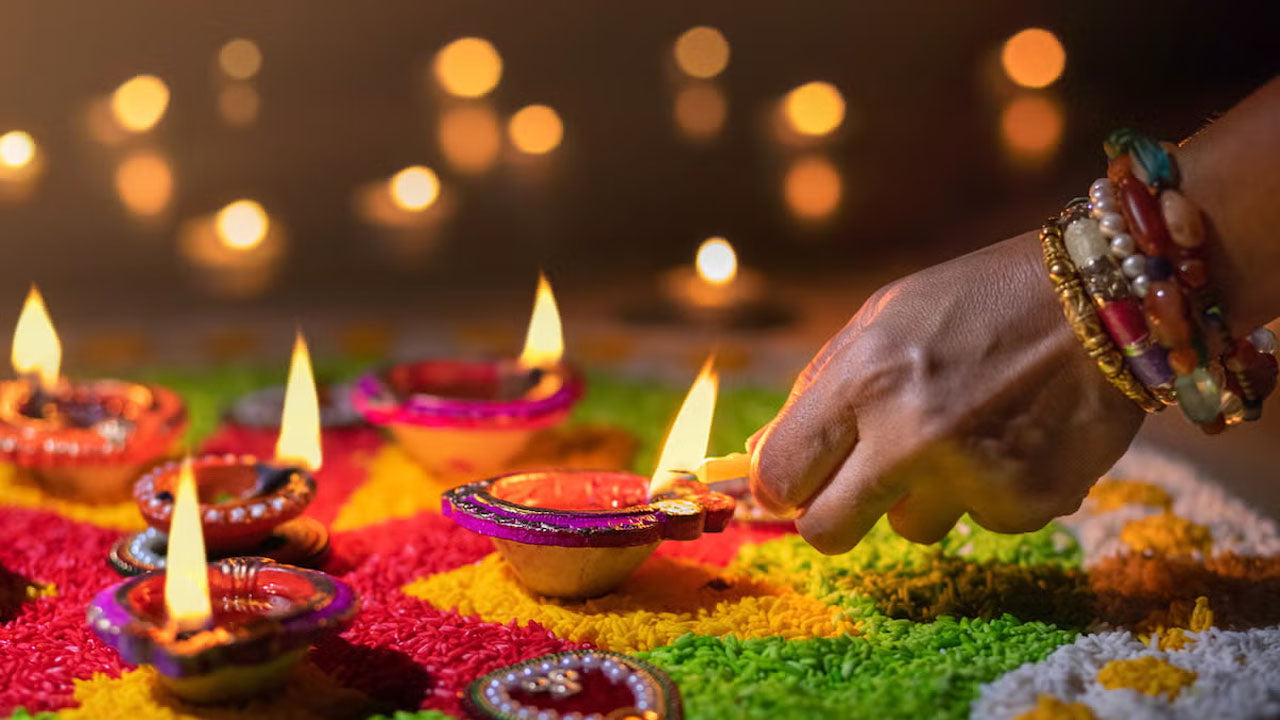
Sri Lanka's Tamil community, concentrated mainly in the north, east, and estate regions, observes Hindu festivals with the same traditions found in South India. Diwali (Deepavali), usually in October or November, marks the triumph of light over darkness with oil-lamp displays, sweets, and fireworks. Kovils (Hindu temples) around the island are decorated and thronged with worshippers.
Thai Pongal, held in January, is a harvest thanksgiving — arguably as important to Tamil Sri Lankans as Diwali. Families boil freshly harvested rice in clay pots, allowing it to overflow as a sign of abundance. In estate districts and in Jaffna, the streets take on a festive character for several days around this time.
How is Ramadan observed in Sri Lanka, and when is Eid celebrated?
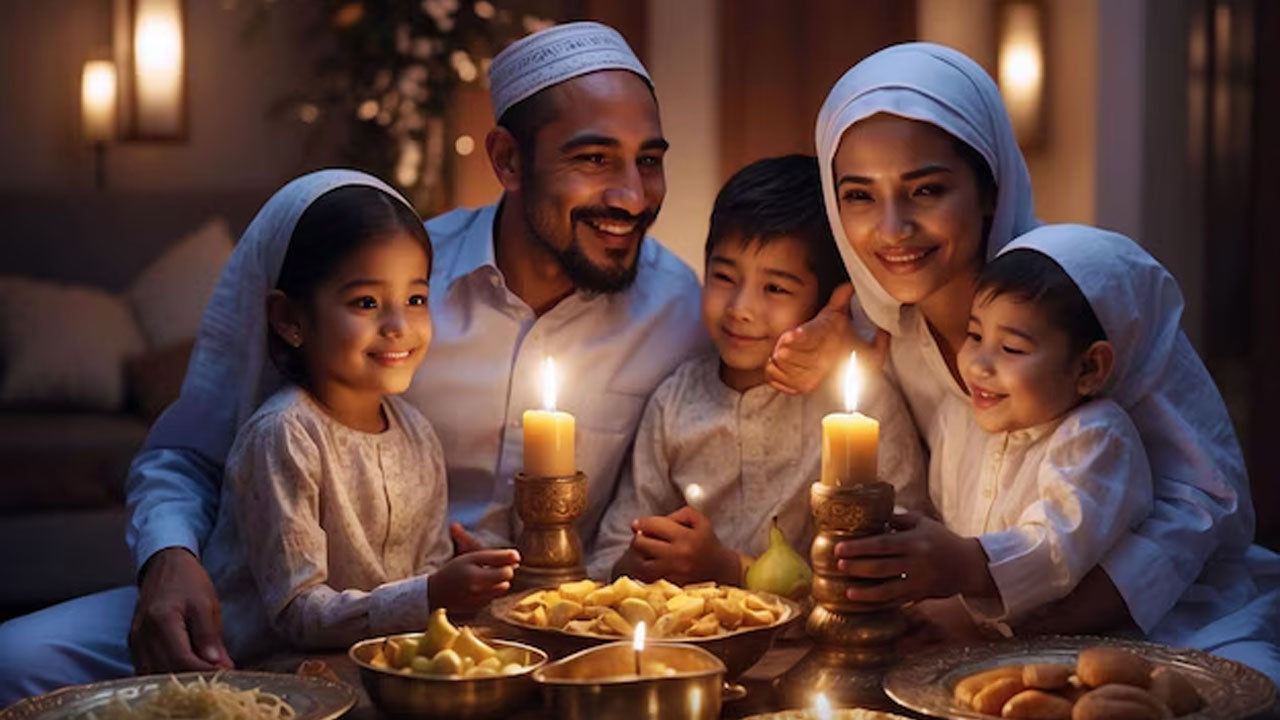
Sri Lanka's Muslim community, around ten percent of the population, observes Ramadan with pre-dawn and sunset meals, increased prayer at mosques, and intensified charitable giving. Dates shift each year according to the lunar calendar. The atmosphere in the Muslim quarters of Colombo, Kandy, and Beruwala changes noticeably after sunset during Ramadan, when streets fill with food stalls once the fast is broken.
Eid al-Fitr, marking the end of Ramadan, is a public holiday across the island. Eid al-Adha (Eid ul-Alha), observed roughly two months later, involves communal prayers and the sharing of meat with neighbours and those in need. The Meera Makam Mosque in Kandy is among the most historically significant Islamic sites in the hill country and is worth visiting outside of prayer times.
Is Christmas celebrated in Sri Lanka?
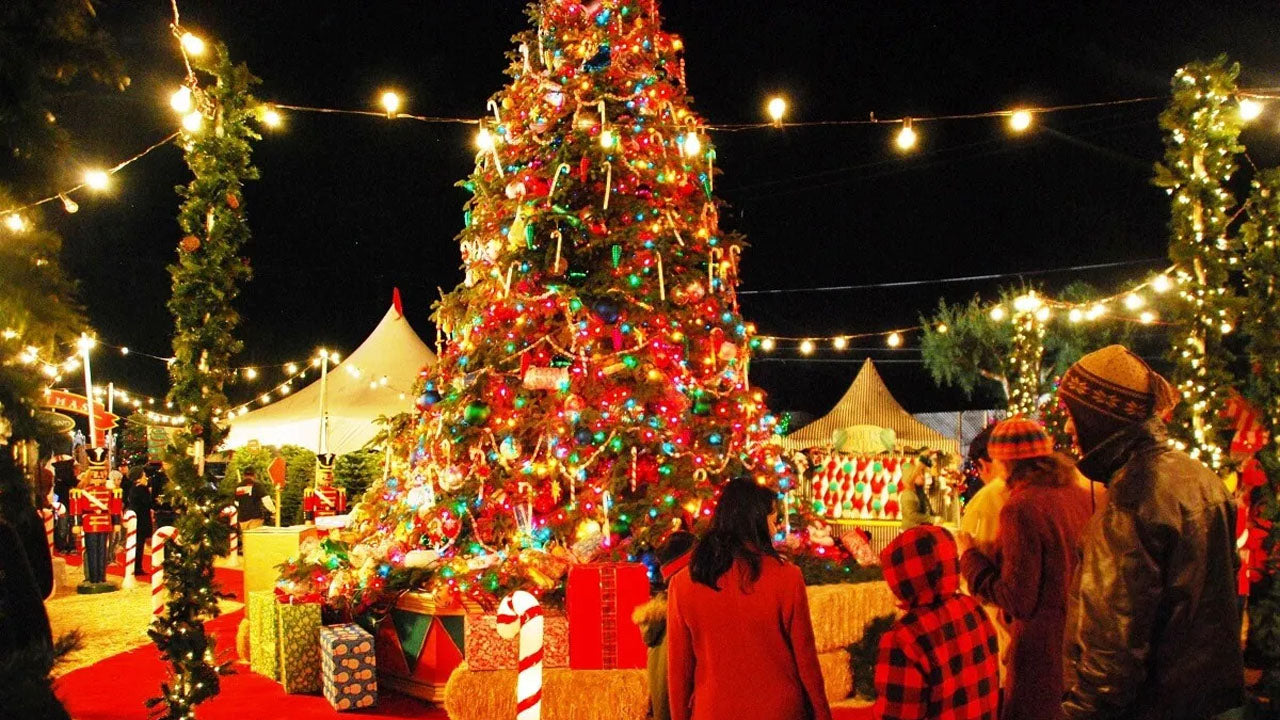
Sri Lanka has a Christian community — predominantly Roman Catholic along the western coast and in the north — with roots going back to the Portuguese colonial period in the sixteenth century. Christmas is a public holiday and is observed island-wide, though the most elaborate celebrations cluster around Negombo, Colombo, and Mannar. Midnight Mass draws large congregations, and the colonial-era churches of the west coast are illuminated and decorated through late December.
Christmas in Sri Lanka tends to be quieter and more family-centred than the commercial version familiar to visitors from Europe or North America, which can make it a pleasant time to travel in regions that see lighter tourist traffic at this time of year.
What are poya days, and how do they affect travel?
Every full moon is a public holiday in Sri Lanka — a poya day — when the sale of alcohol is prohibited and many businesses and tourist attractions adjust their hours. There are twelve poya days annually, each with its own name and varying degrees of religious observance. For travellers, the practical effects are worth noting: alcohol cannot be purchased in shops or ordered in most restaurants and hotels (though some tourist-facing hotels maintain private stocks for guests), and crowds at temples are heavier than usual.
| Poya | Approximate Month | Primary Significance |
|---|---|---|
| Duruthu | January | First visit of the Buddha to Sri Lanka |
| Navam | February | Perahera in Colombo at Gangaramaya Temple |
| Medin | March | First visit of the Buddha to his father |
| Bak | April | Third visit of the Buddha to Sri Lanka |
| Vesak | May | Birth, enlightenment, and passing of the Buddha |
| Poson | June | Arrival of Buddhism in Sri Lanka |
| Esala | July/August | First sermon of the Buddha; Kandy Perahera |
| Nikini | August | First Buddhist Council |
| Binara | September | Establishment of the Bhikkhuni order |
| Vap | October | End of the Vassa (rains retreat) |
| Il | November | Kathina robe-offering ceremony |
| Unduvap | December | Arrival of the Bo tree sapling in Sri Lanka |
Practical tips for attending religious festivals in Sri Lanka
- Dress modestly. Cover shoulders and knees when entering any temple, mosque, or kovil. Carry a sarong or scarf if you are sightseeing and plan to enter sacred sites along the way.
- Remove footwear. Shoes must be removed before entering Buddhist and Hindu sacred premises. Socks are generally acceptable.
- Arrive early. For the Kandy Perahera, grandstand seats sell out weeks in advance. Arriving at the route an hour before the procession starts gives you a reasonable standing position.
- Book accommodation in advance. Hotels in Kandy during Esala and in Anuradhapura during Poson fill up quickly. Smaller guesthouses in festival towns often have no online presence — a local DMC can arrange these.
- Photography etiquette. At most Buddhist and Hindu sites, photography is permitted outside the inner shrine; inside, follow signs and ask before raising a camera. At Kataragama, photographing acts of extreme devotion is considered intrusive.
- Expect road closures. Procession routes are closed to vehicles on festival nights. Build extra journey time into your itinerary.