Hibiscus micranthus
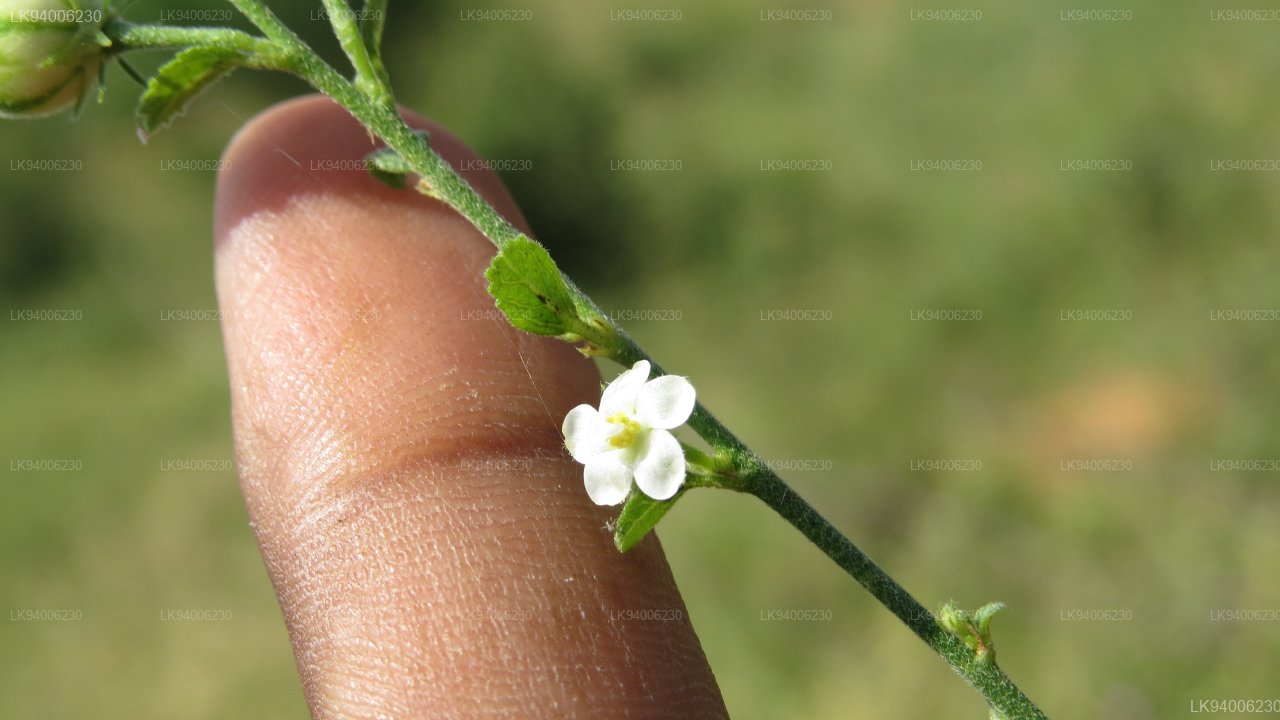
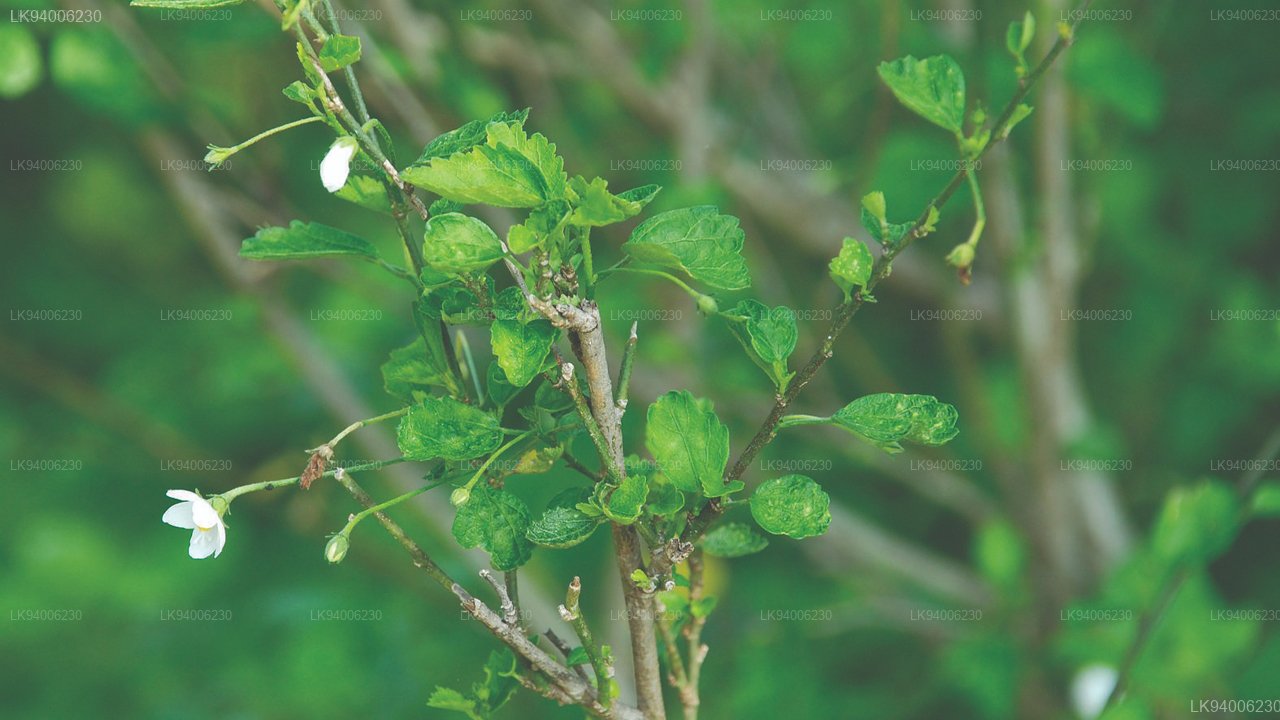
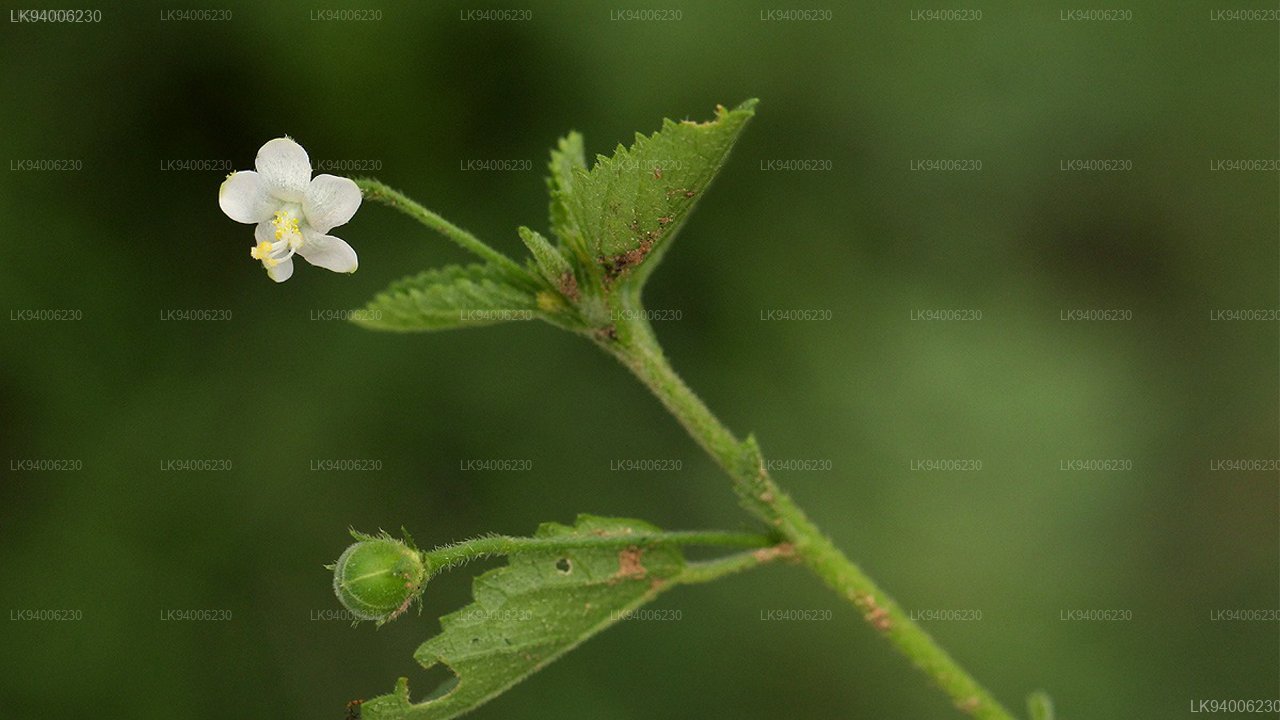
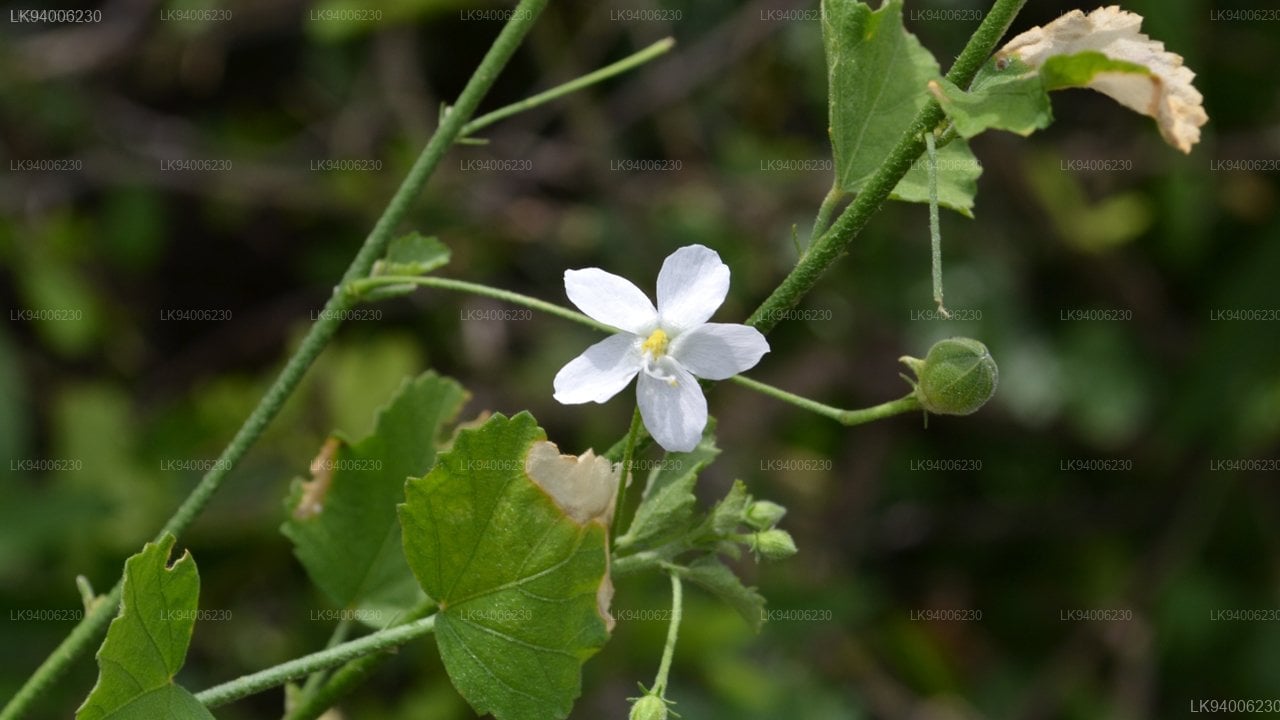
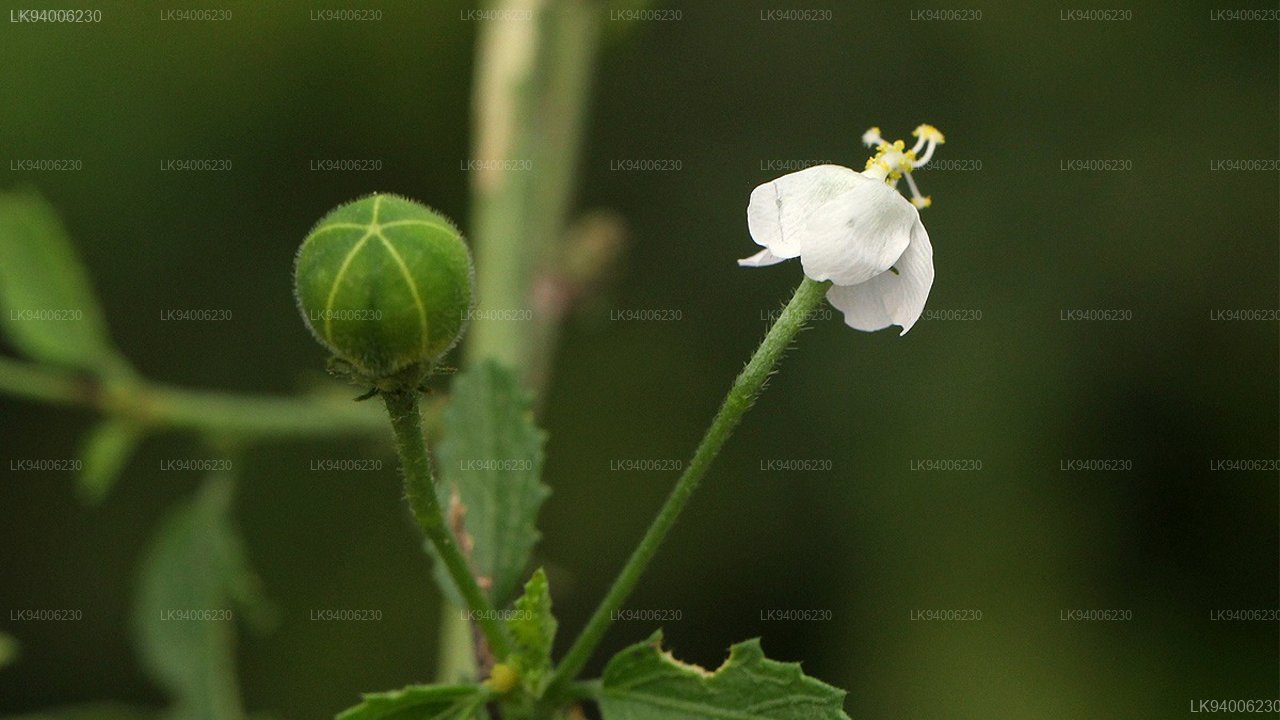
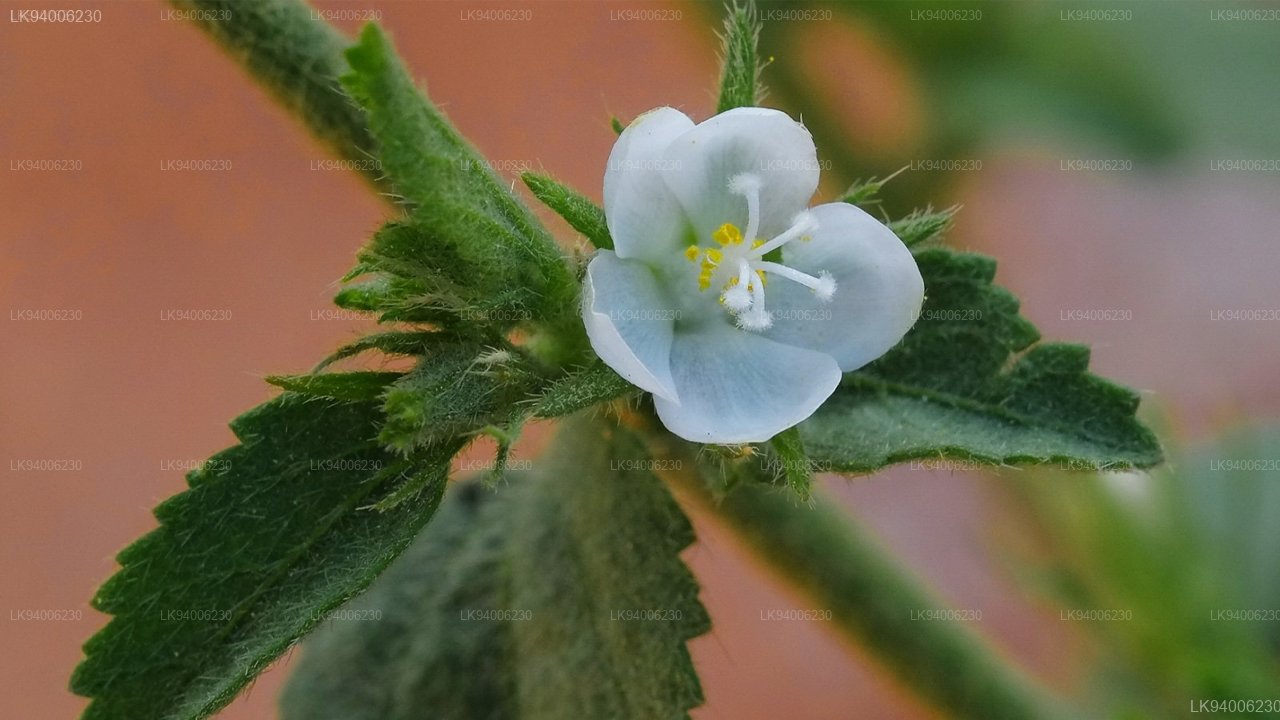
Hibiscus micranthus, commonly known as Tiny Flower Hibiscus, is a slender, erect shrub native to seasonally dry tropical regions of Africa, the Arabian Peninsula, and parts of South Asia. Typically reaching heights of up to 2.5 meters, it features narrow, serrated leaves and small, solitary flowers that range in color from white to pale pink. The plant thrives in various habitats, including dry woodlands and rocky slopes, and is often found in disturbed areas.
Traditionally, Hibiscus micranthus has been utilized in herbal medicine for its therapeutic properties. The leaves and roots are employed in treatments for burns, psoriasis, and to prevent scar formation following surgery. The plant is also recognized for its diuretic and febrifuge effects, aiding in the management of fever and promoting urinary health.
Scientific studies have highlighted the plant's antibacterial and wound-healing activities. Methanolic extracts of its leaves have demonstrated significant antibacterial effects against various pathogens, including Staphylococcus aureus and Streptococcus pneumoniae. Additionally, these extracts have shown to promote wound contraction and epithelialization in experimental models, indicating their potential in enhancing the wound-healing process.
The medicinal benefits of Hibiscus micranthus are attributed to its rich phytochemical composition, which includes alkaloids, flavonoids, saponins, tannins, steroids, phenols, anthraquinones, and diterpenes. These compounds contribute to the plant's antioxidant, anti-inflammatory, and antimicrobial activities, supporting its traditional uses and potential applications in modern herbal medicine.
-
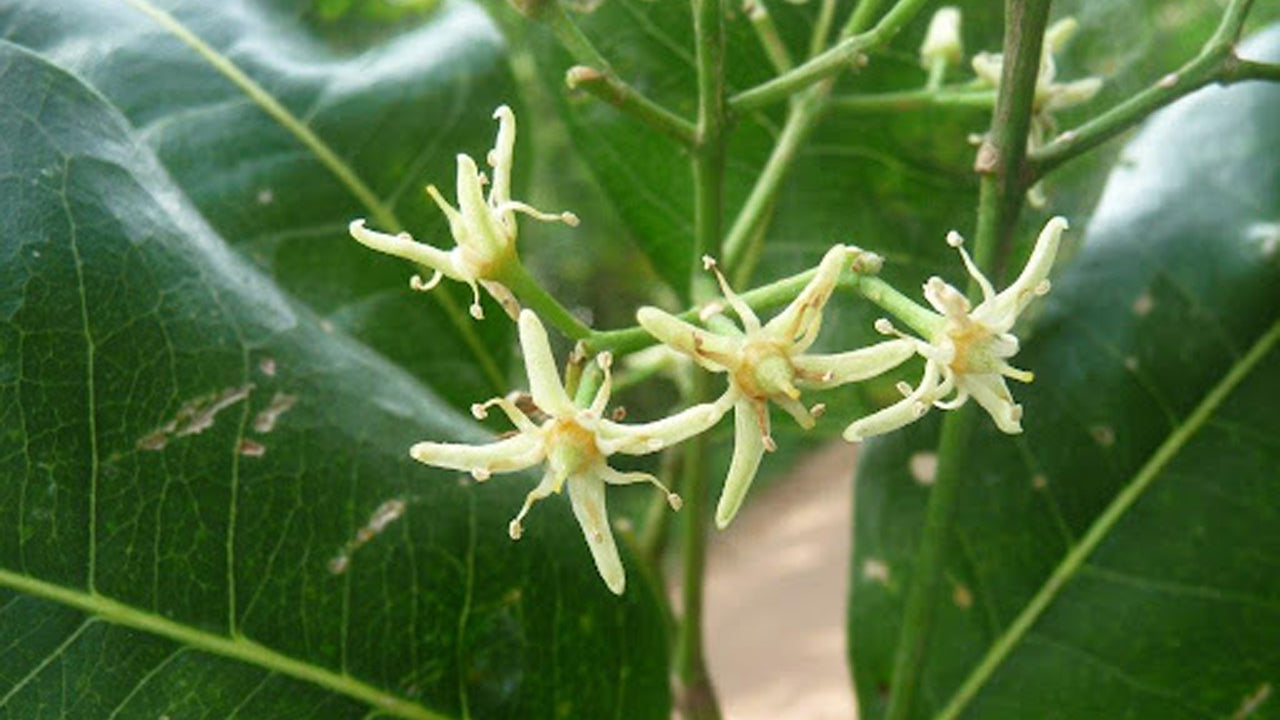
Claw-flowered laurel
Acronychia pedunculata -
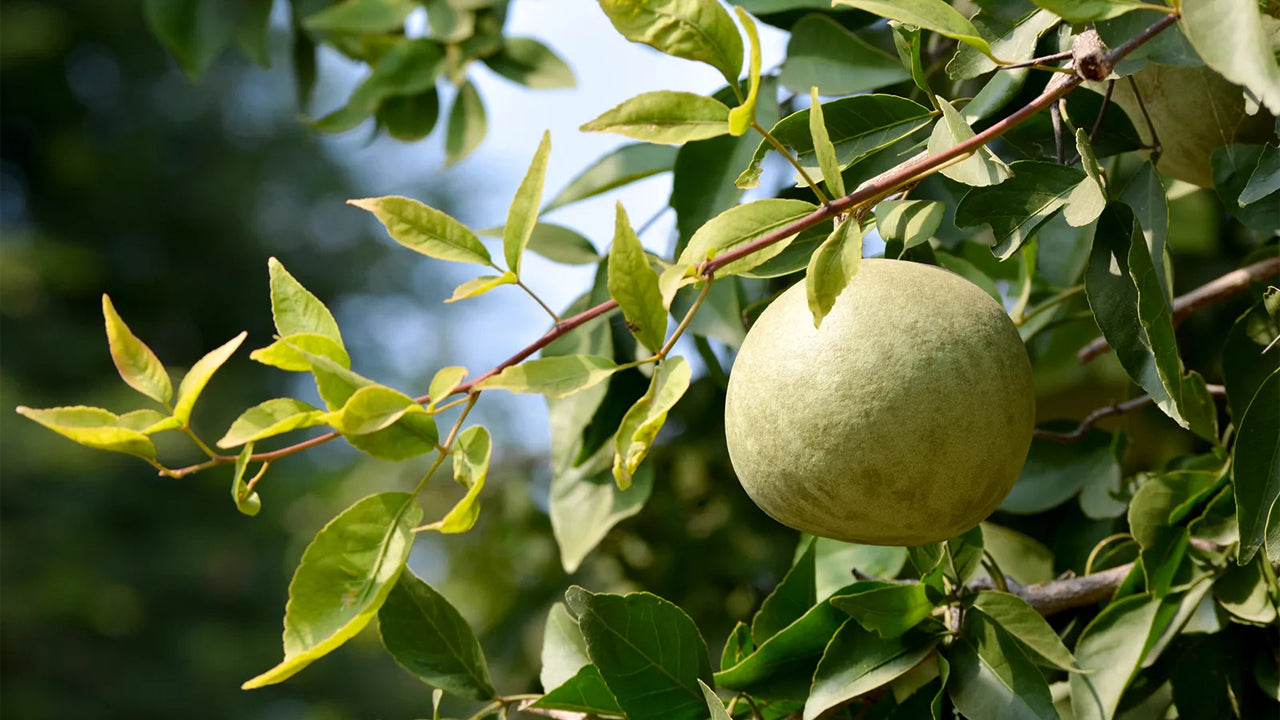
Bael
Aegle marmelos -
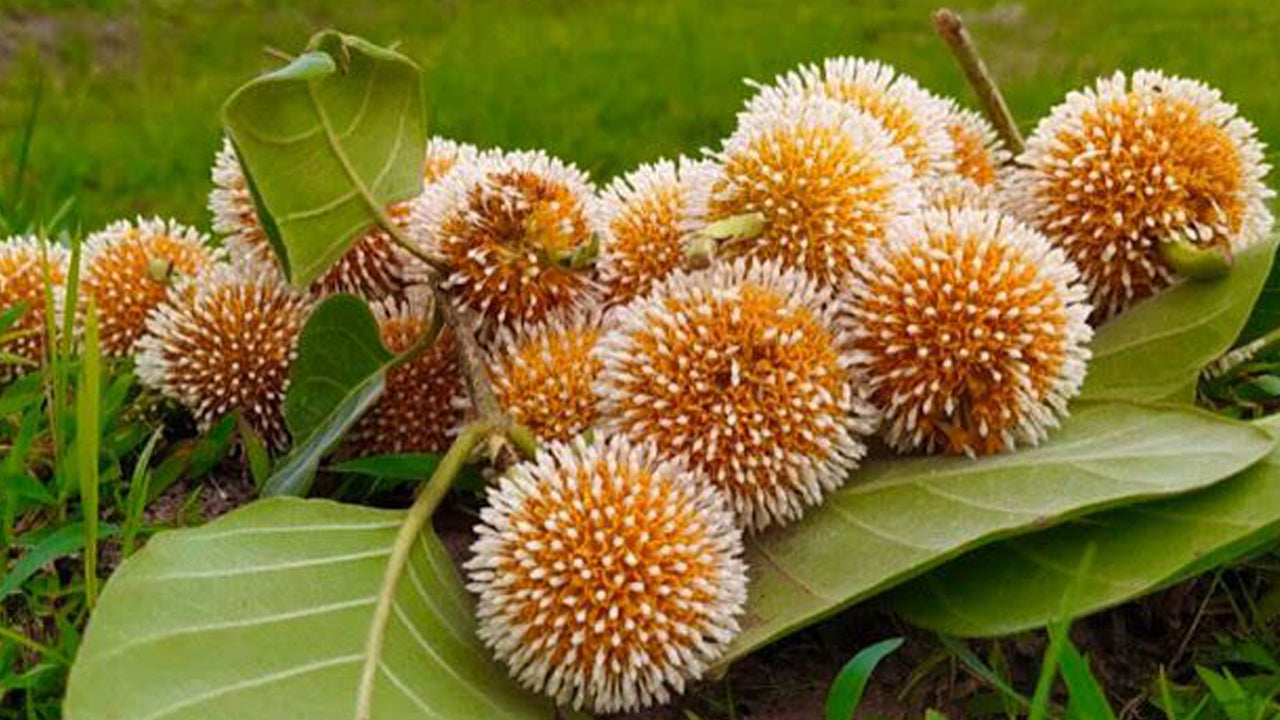
Leichhardt tree
Nauclea orientalis -
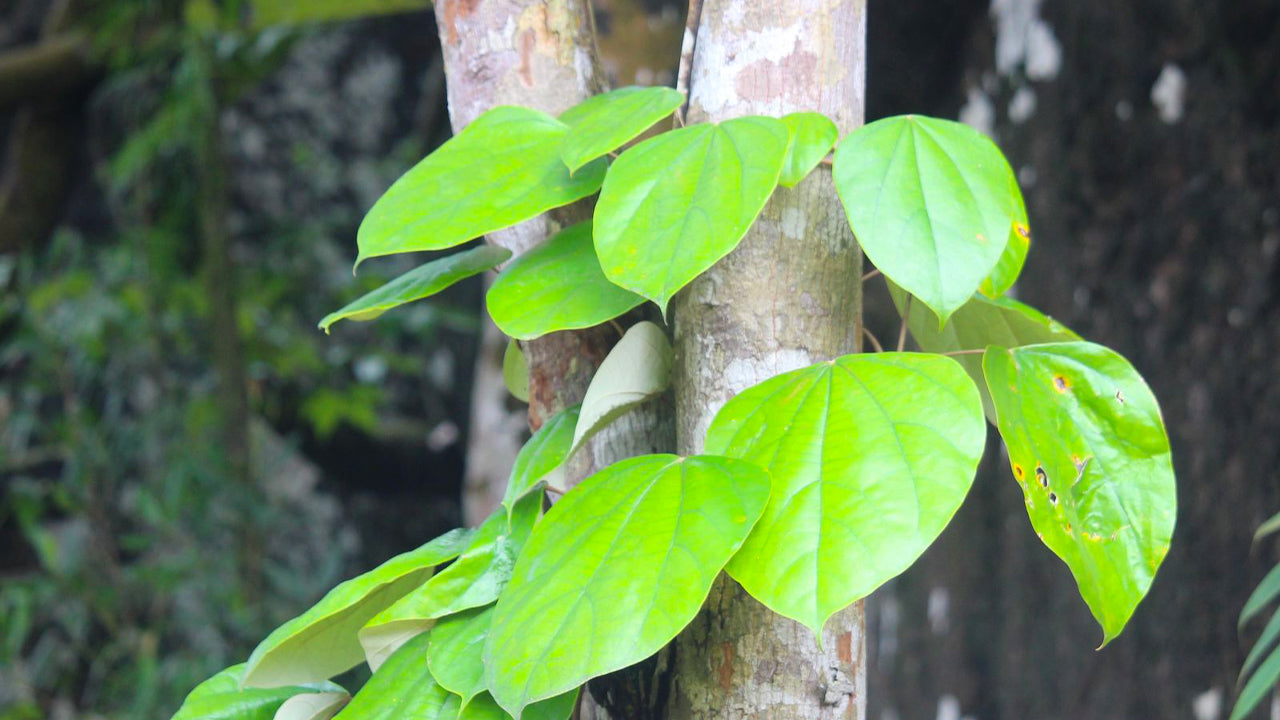
False Calumba
Coscinium fenestratum -

Malabar Gulbel
Tinospora malabarica -
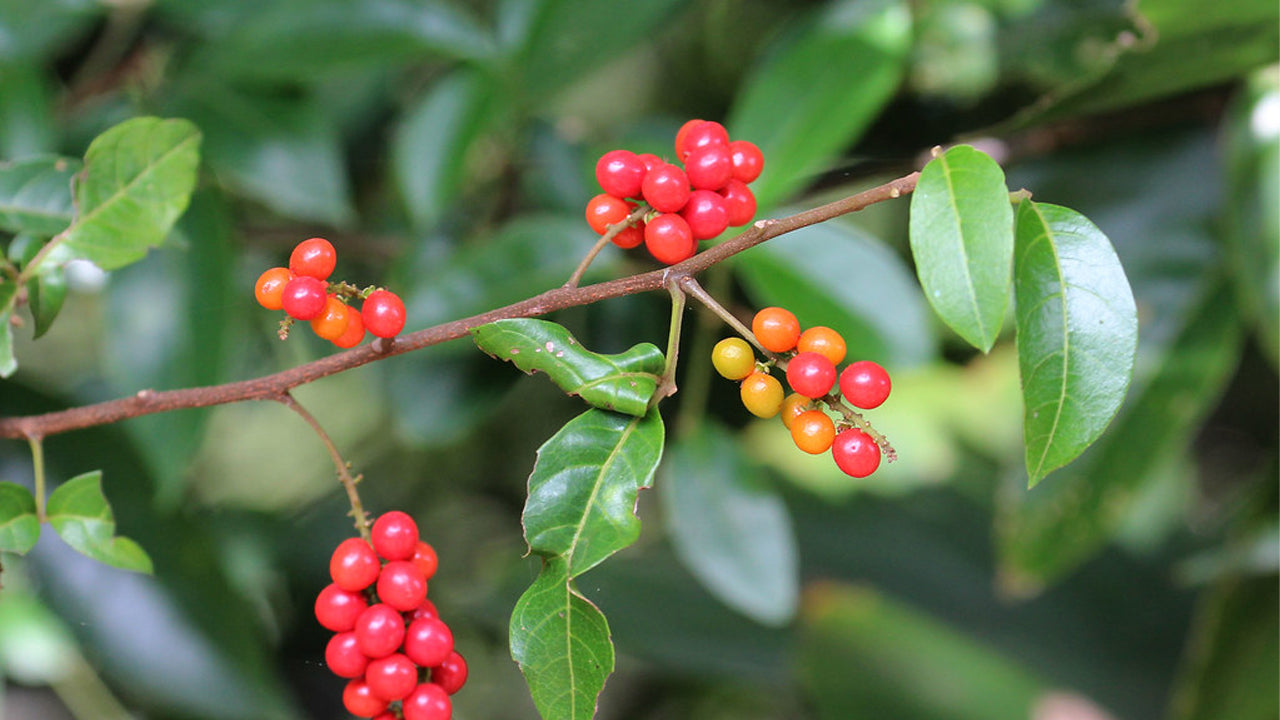
Titberry
Allophylus cobbe -
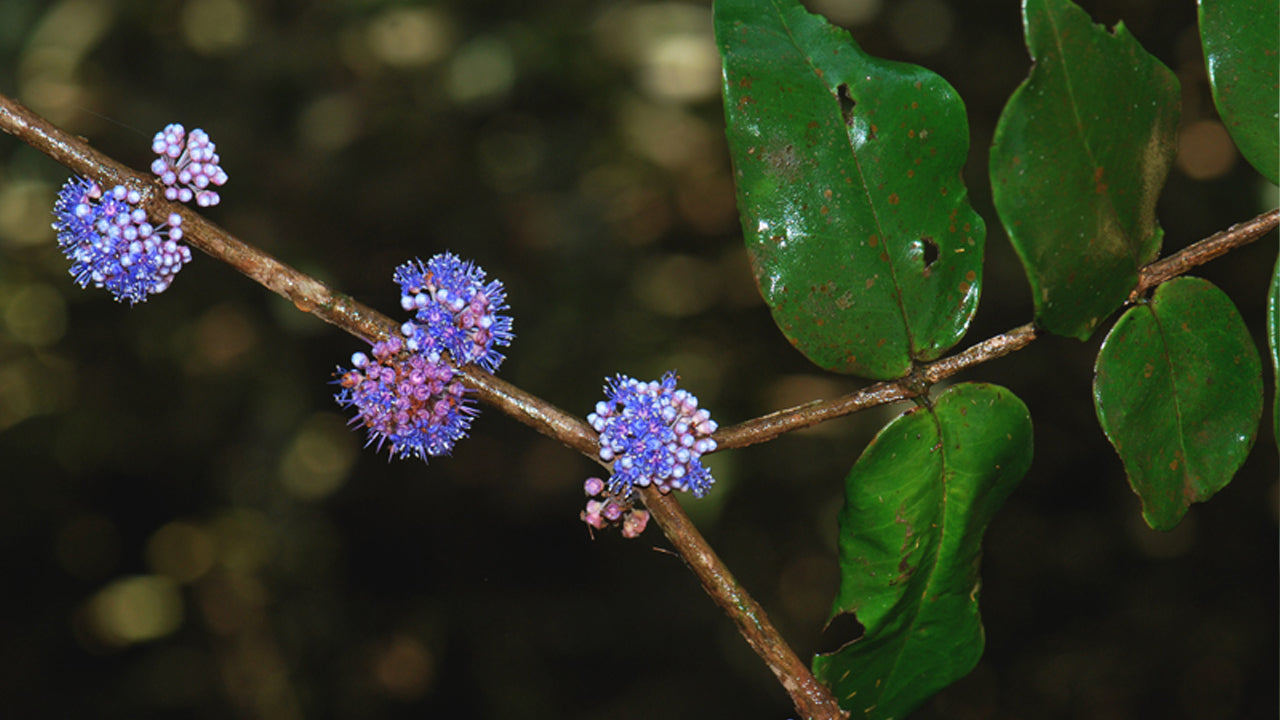
Ironwood Tree
Memecylon capitellatum -
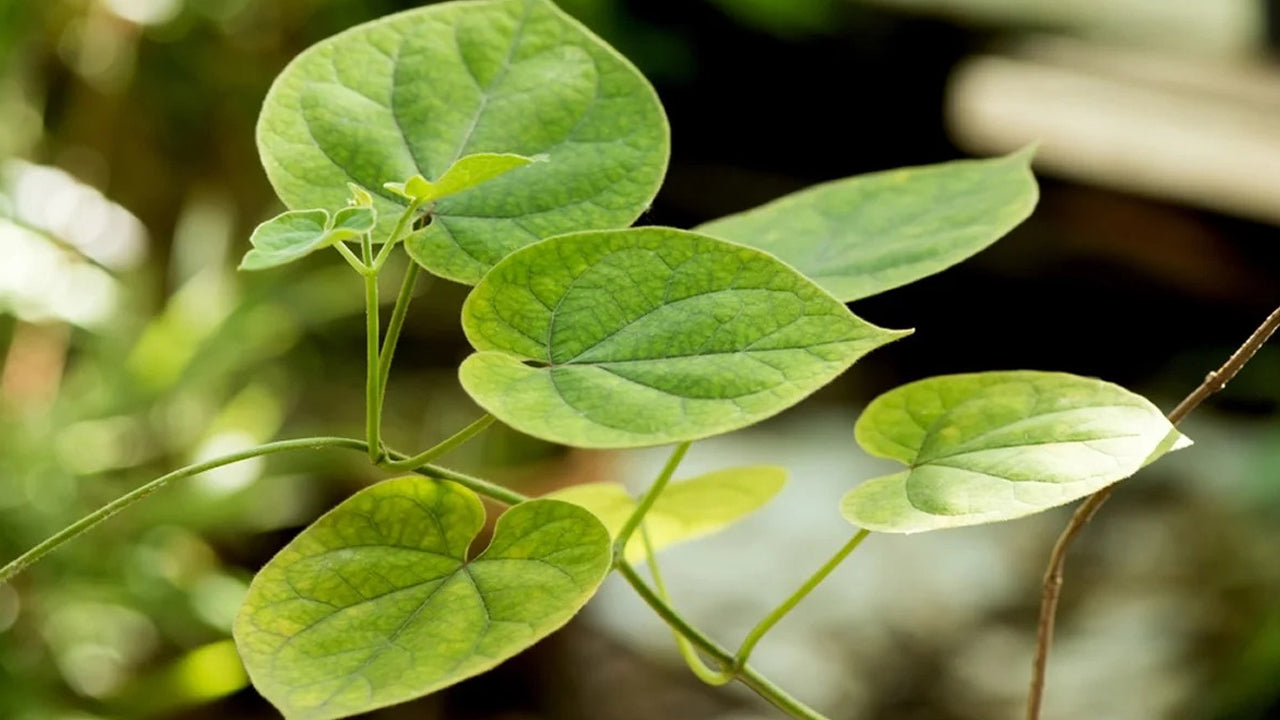
Velvet Leaf
Cissampelos pareira -
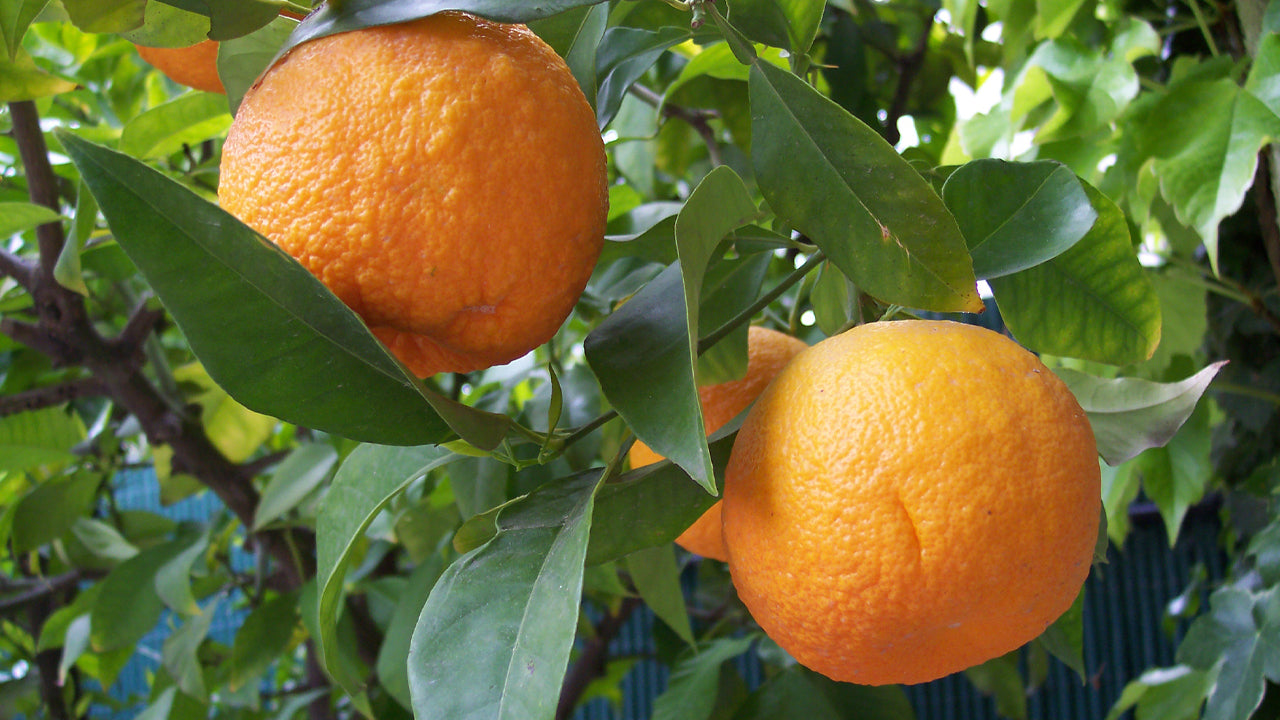
Bitter orange
Citrus aurantium -

Reinwardt's Tree Plant
Biophytun reinward -
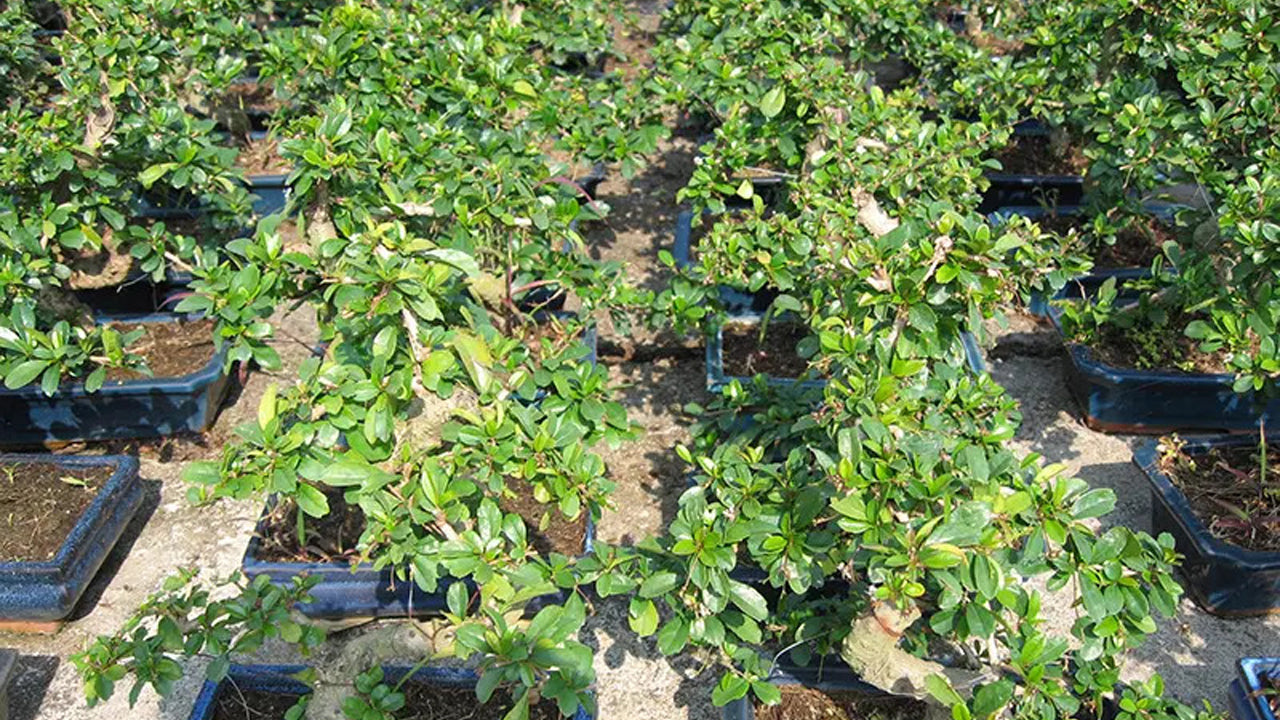
Fukien tea
Carmona microphylla -
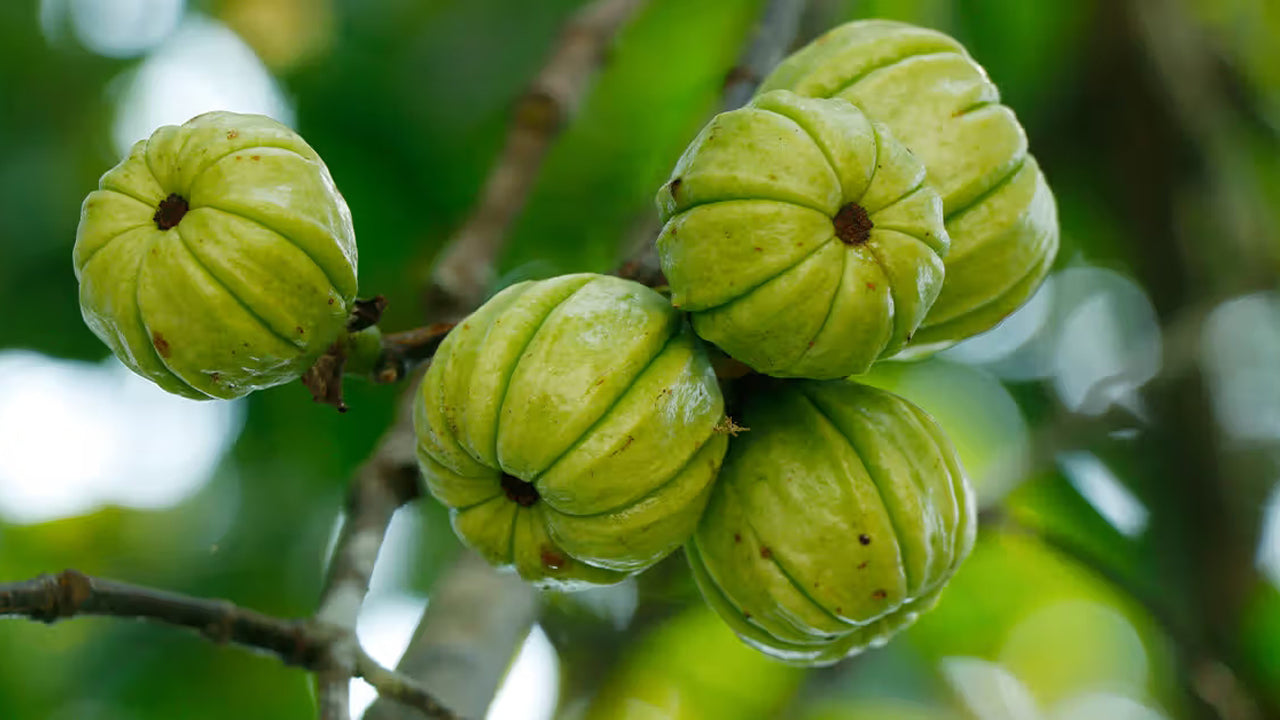
Malabar tamarind
Garcinia cambogia -
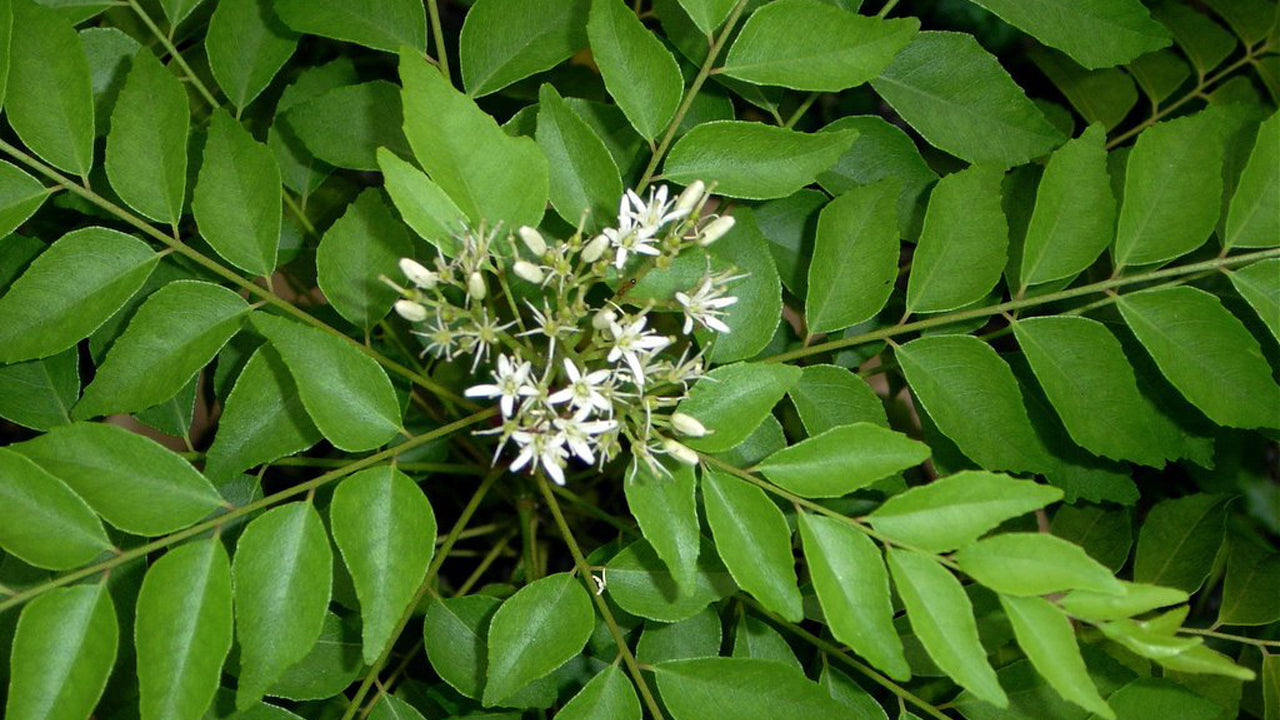
Curry leaf tree
Murraya koenigii -
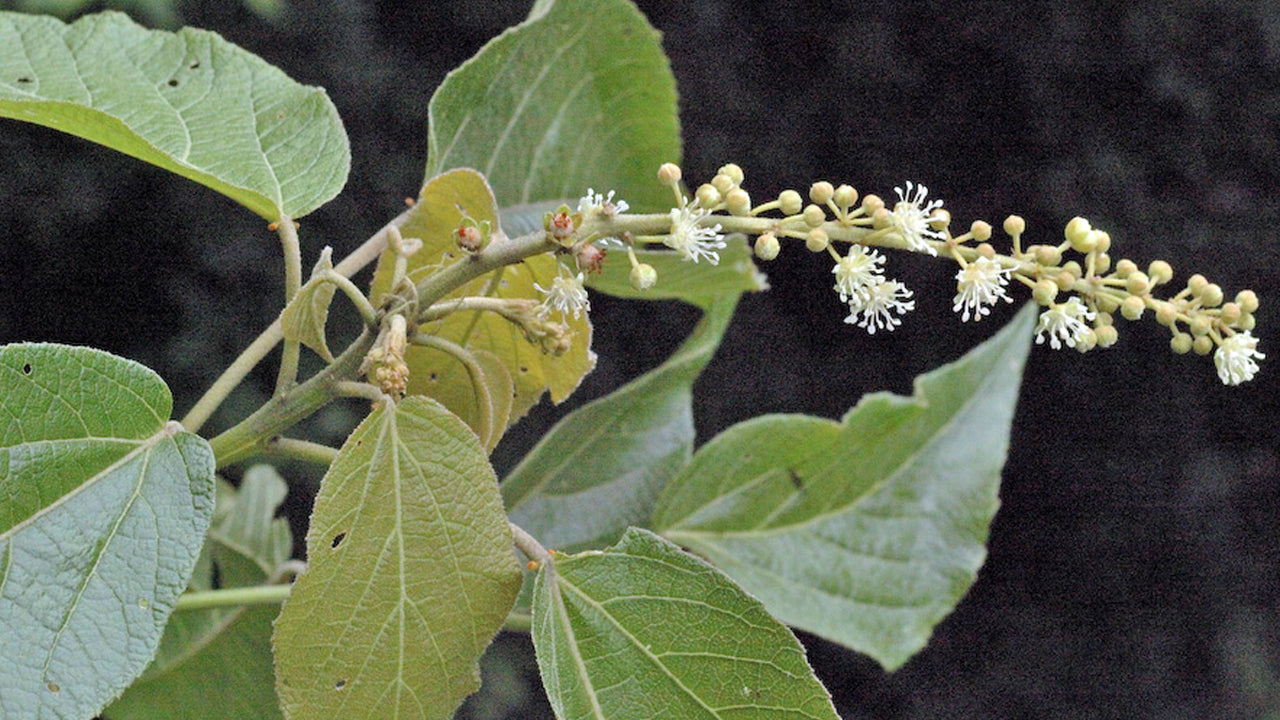
Kappetiya
Croton laccifer -
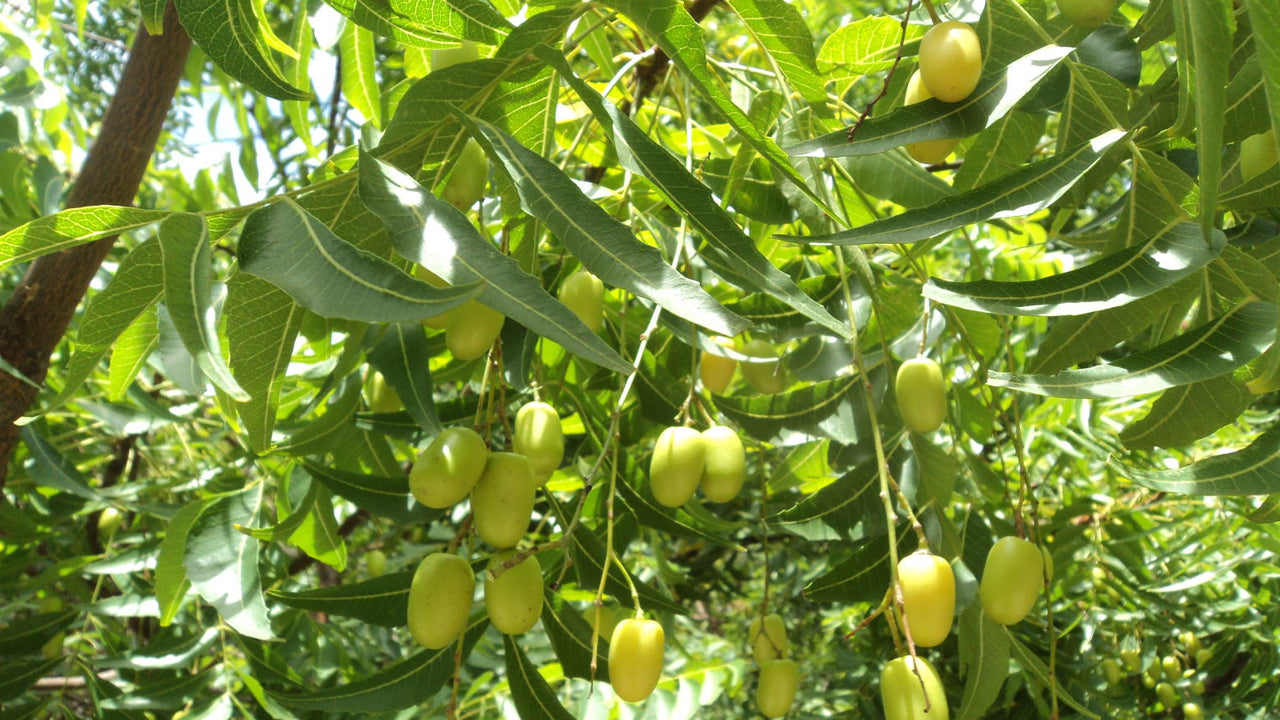
Indian lilac
Azadirachta indica -
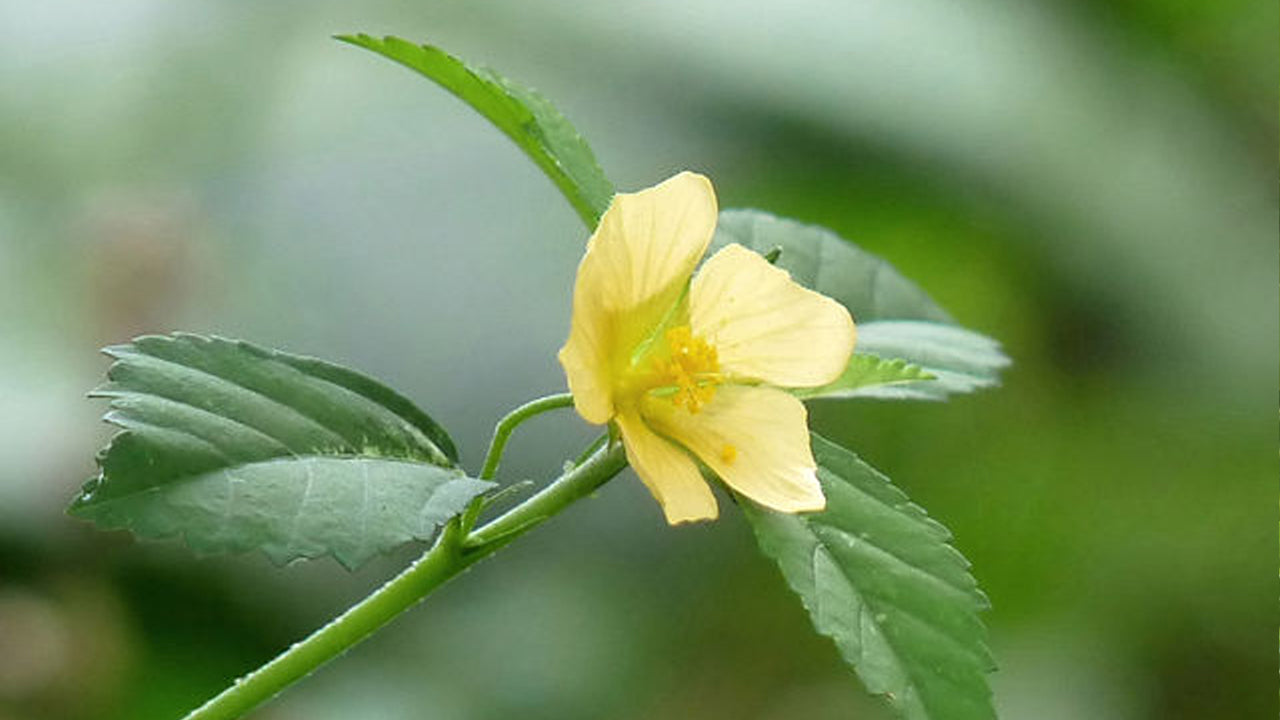
Spiny sida
Sida alba -
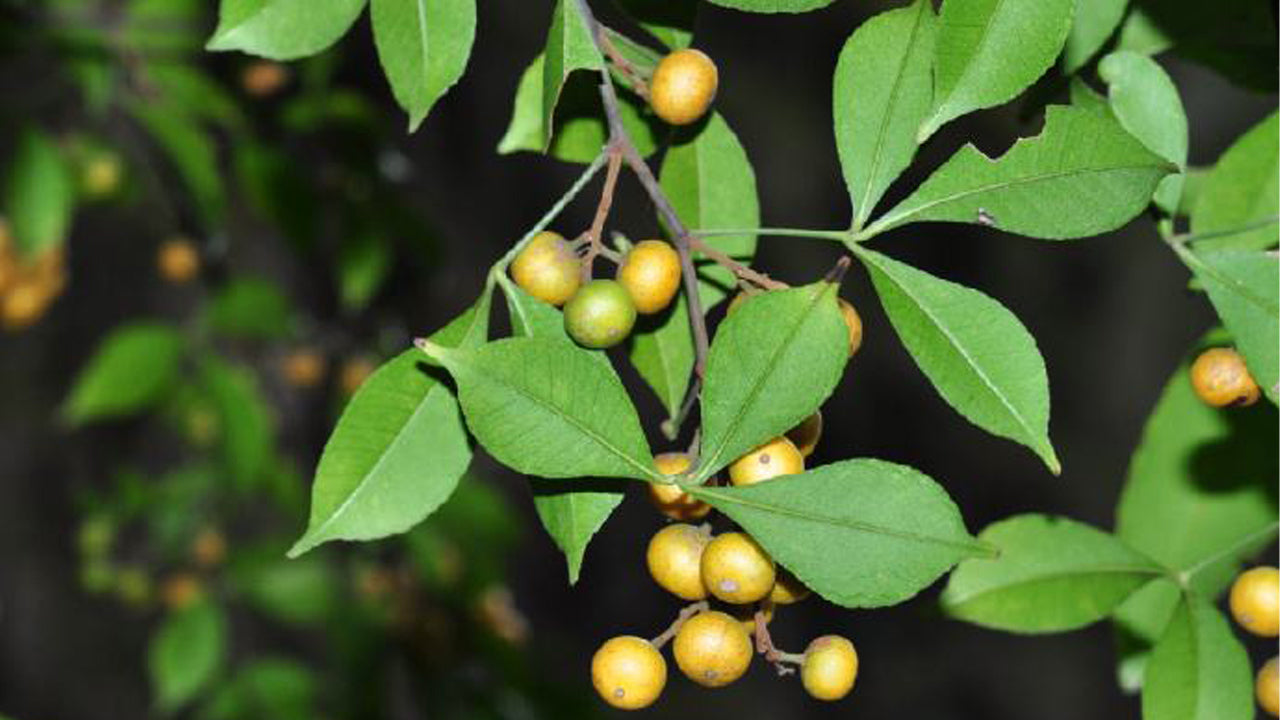
Orange climber
Toddlia asiatica -
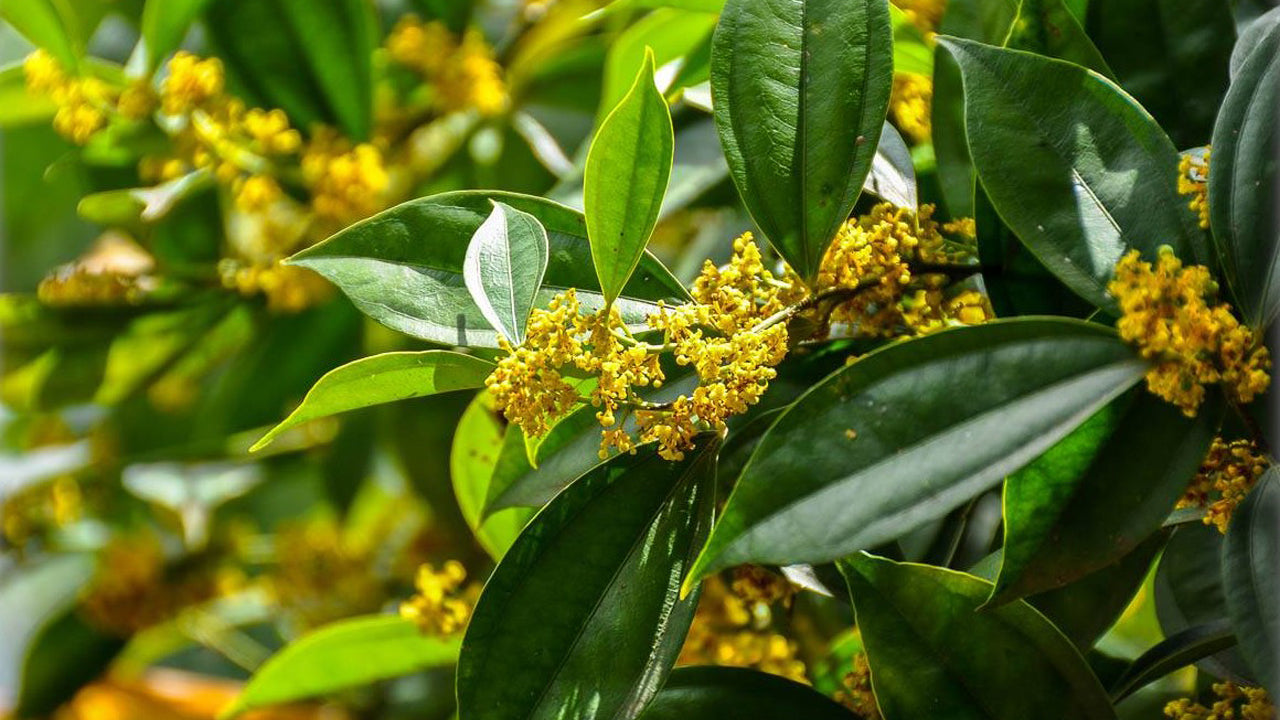
Ceylon cinnamon
Cinnamomum zeylanicum -
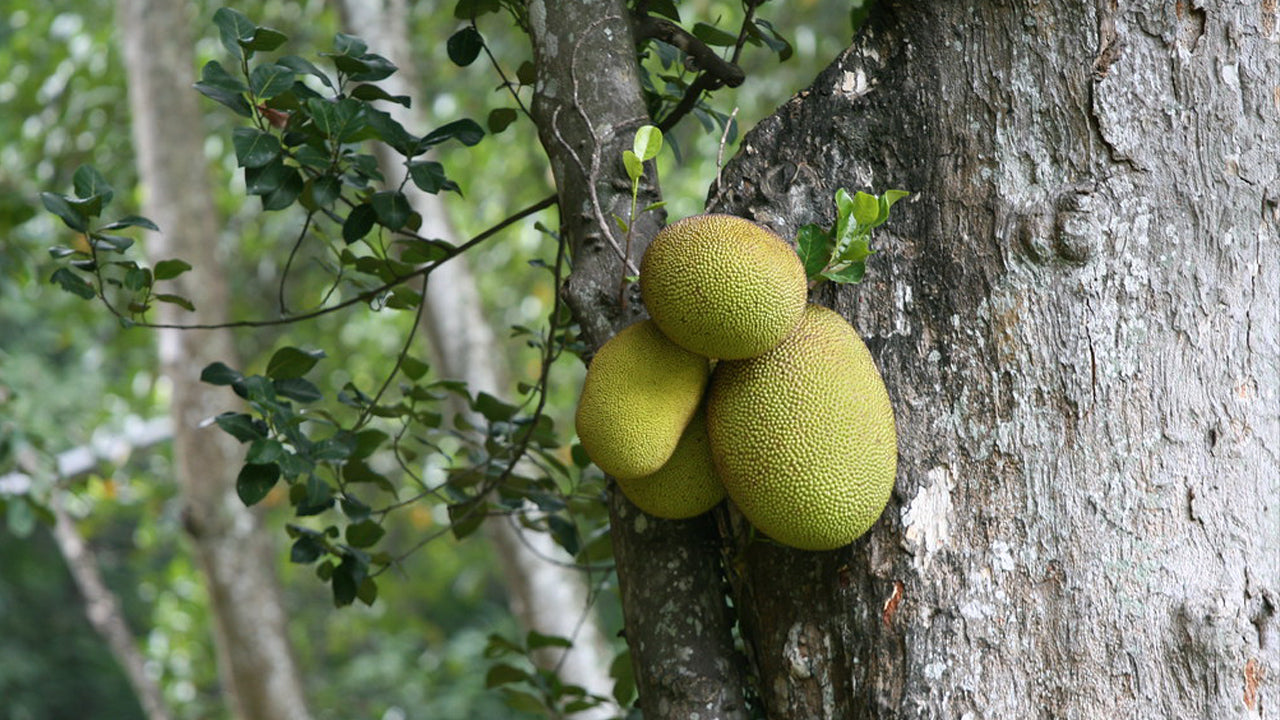
Jackfruit
Artocarpus heterophyllus -
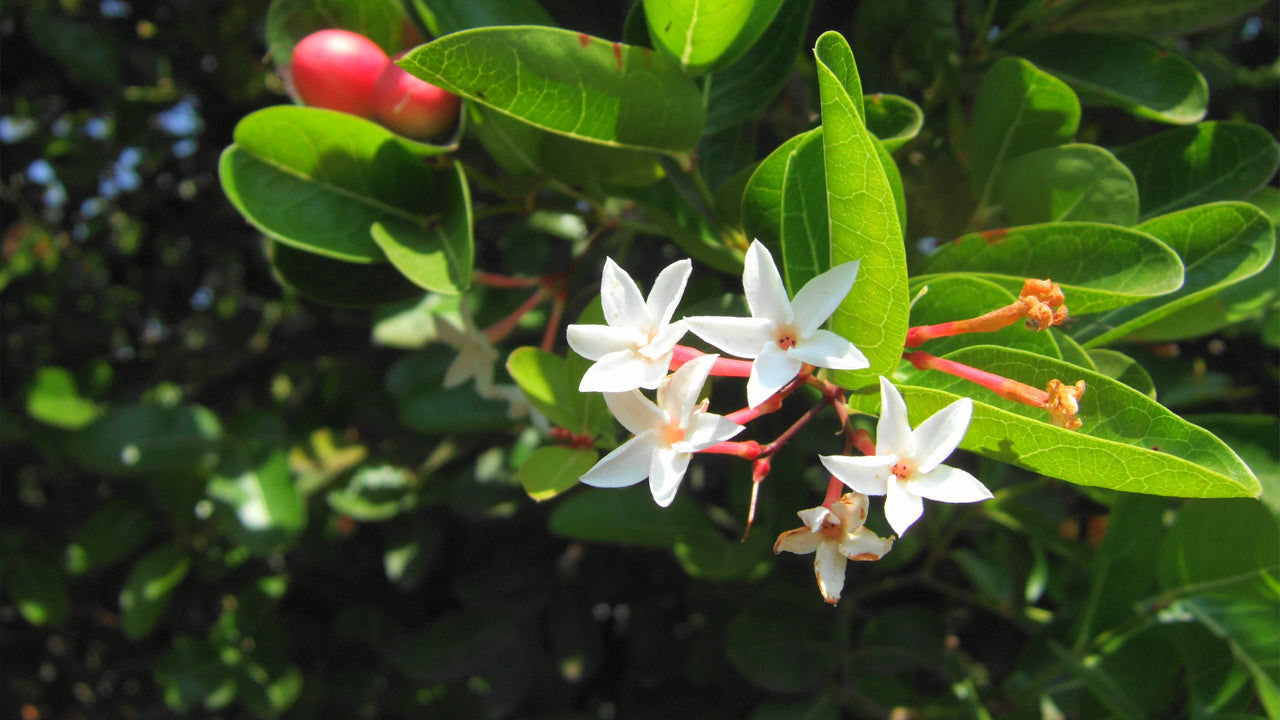
Karonda
Carissa carandas -
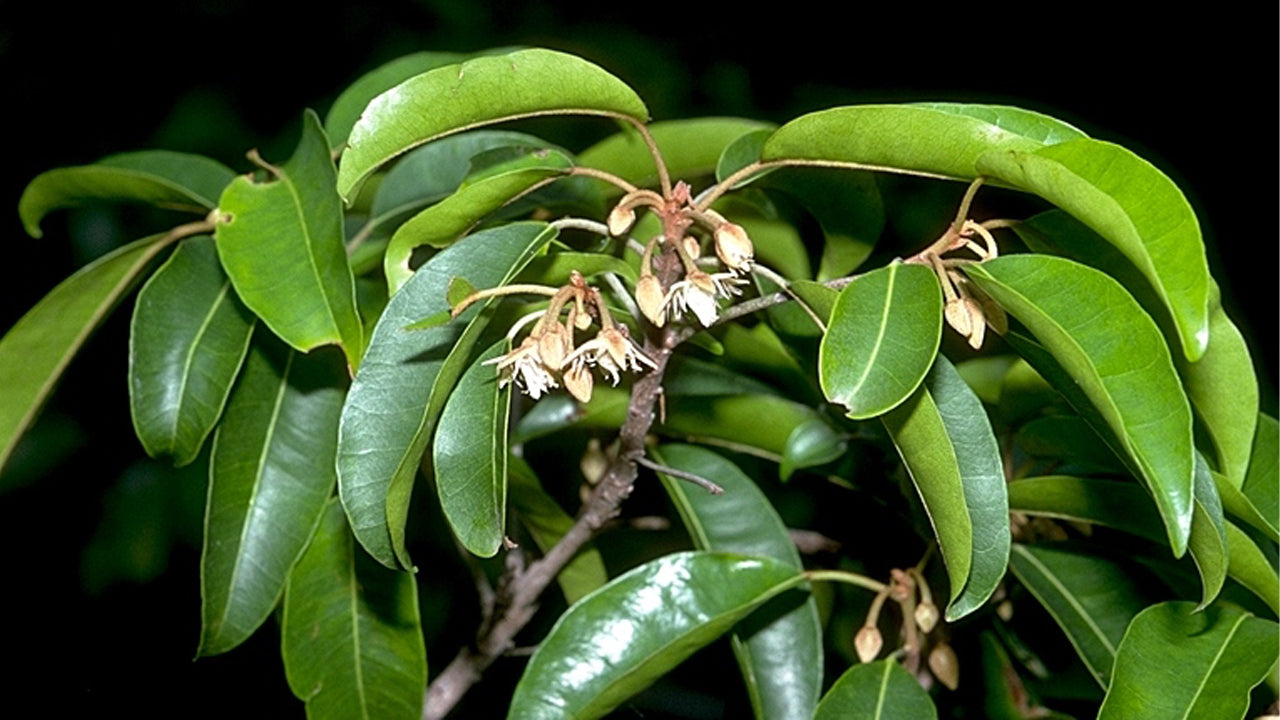
Spanish cherry
Mimusops elengi -
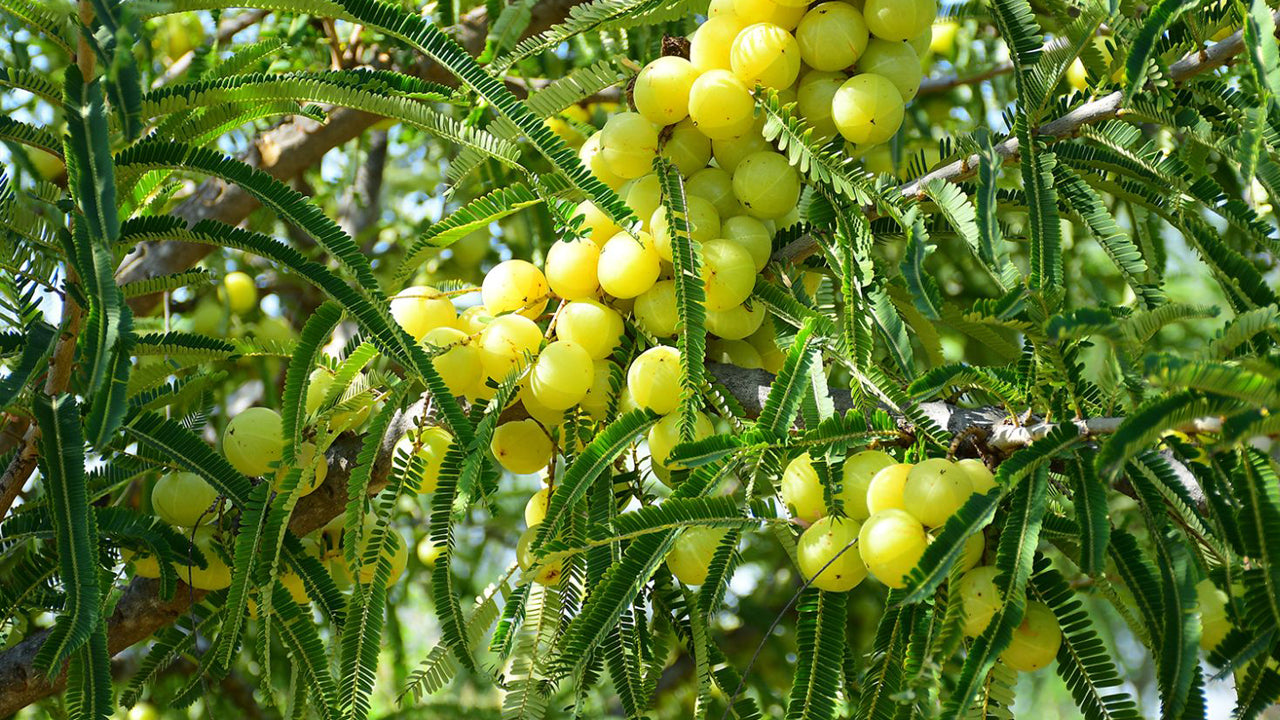
Indian gooseberry
Phyltanthus emblica -
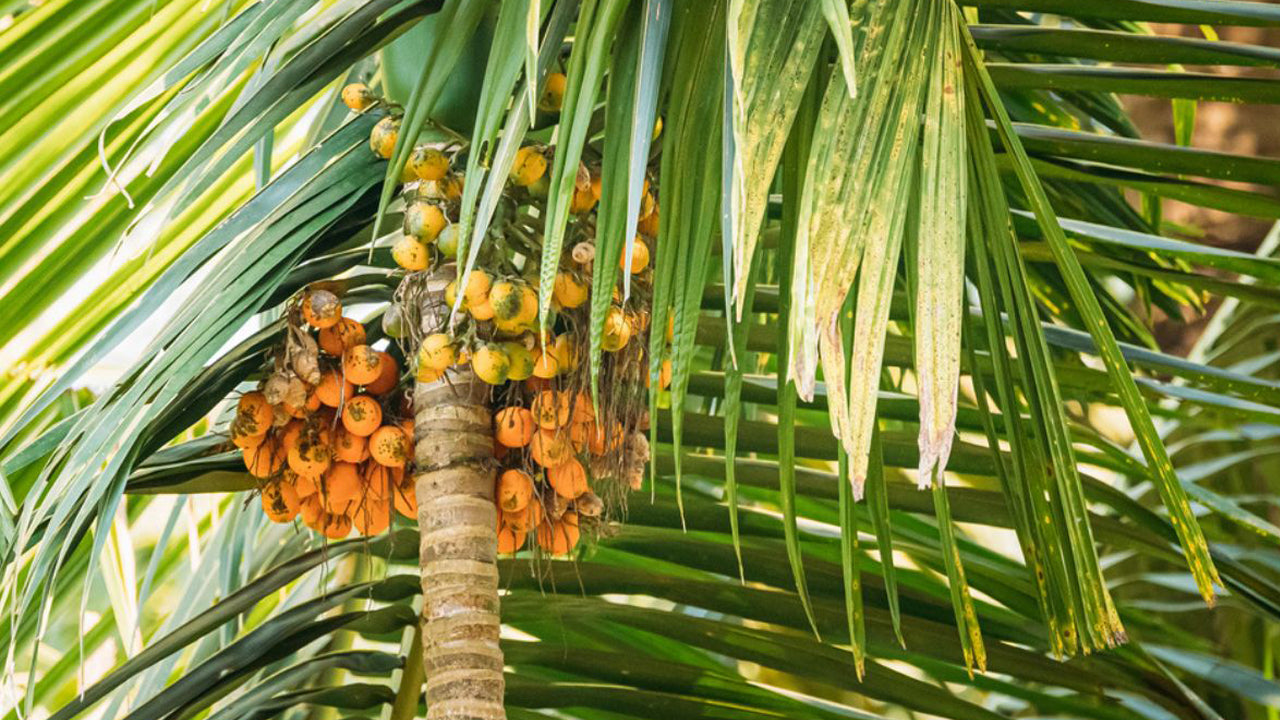
Betel palm
Areca catechu -
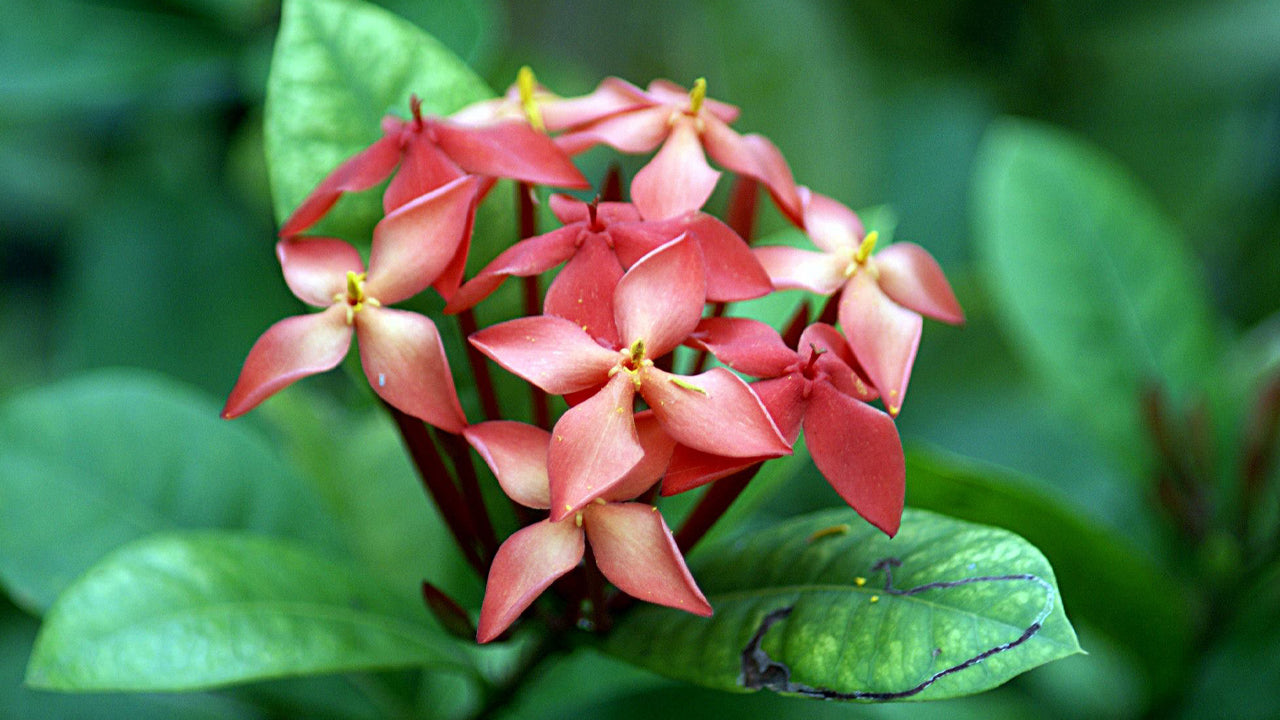
Jungle geranium
Ixora coccinea -
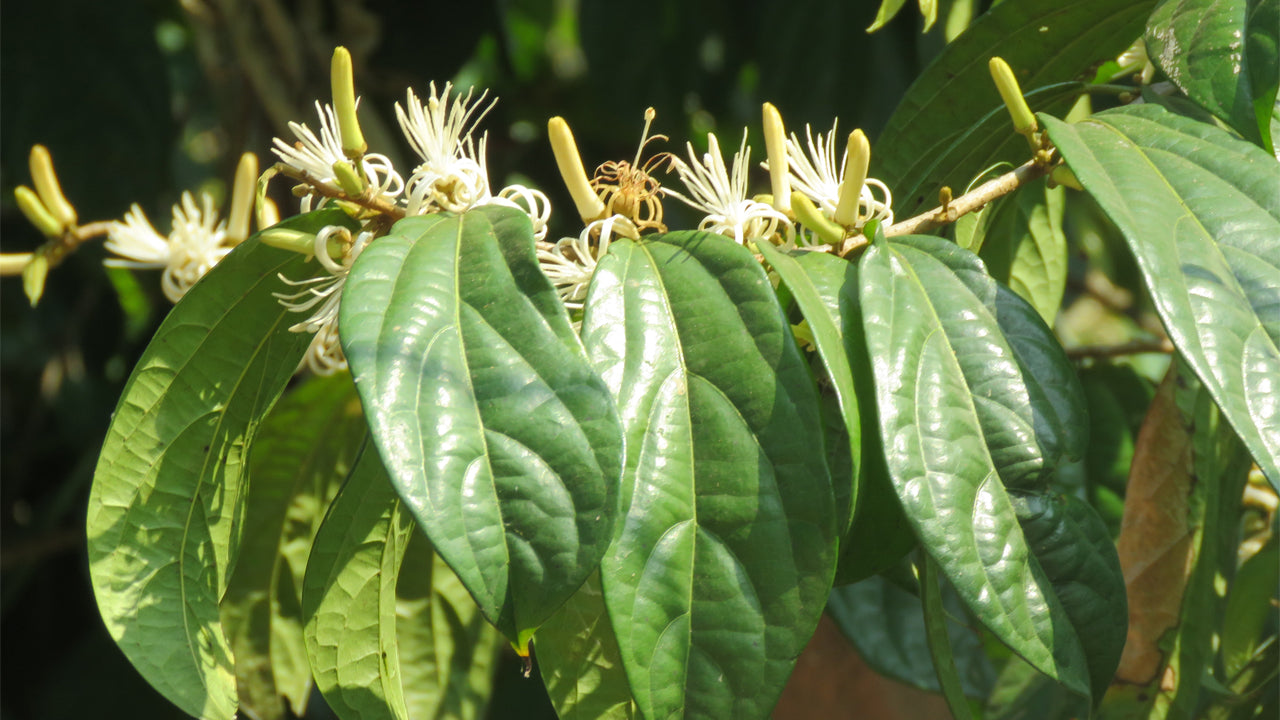
Sage-leaved alangium
Alangium salviifolium -
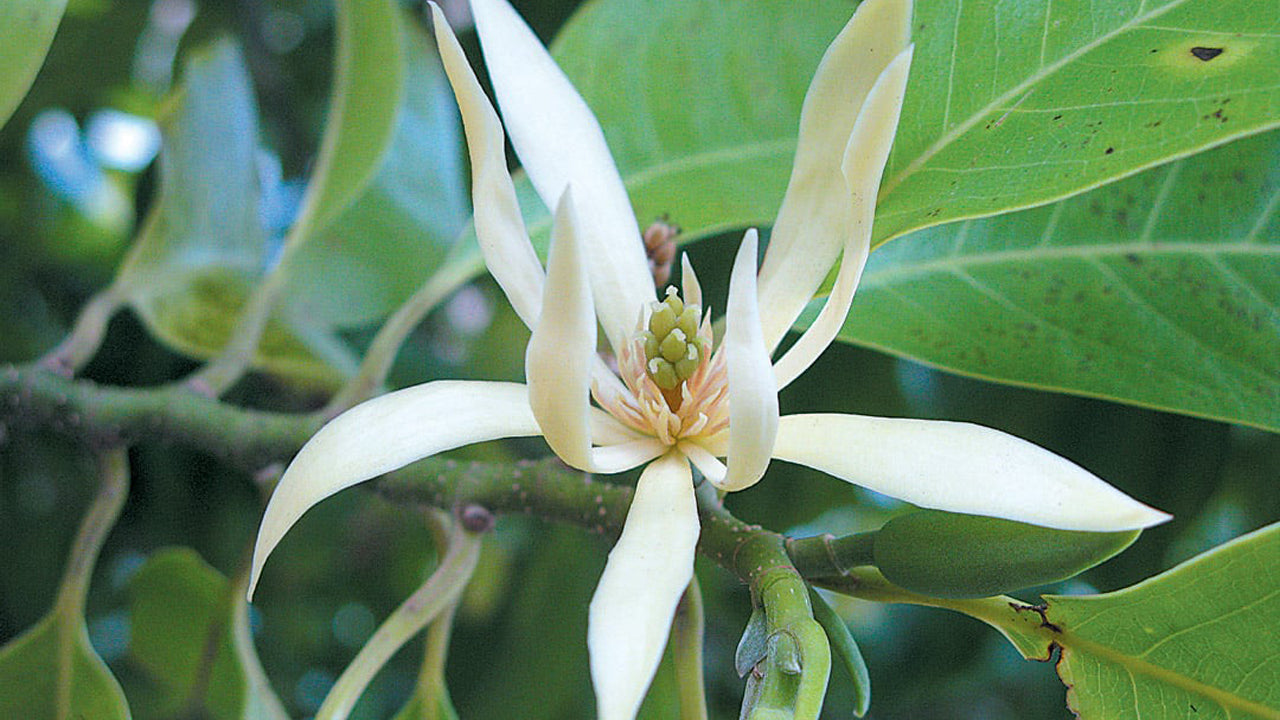
Champak
Michelia champaca -
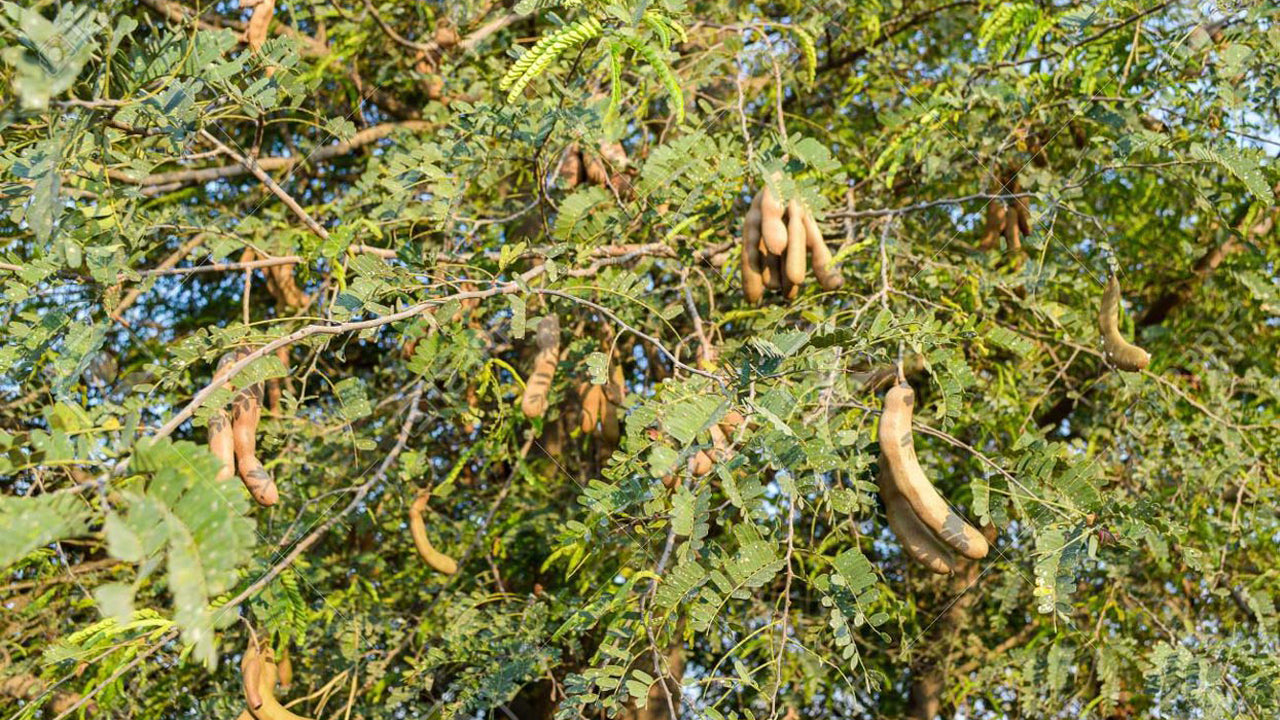
Tamarind
Tamarindus indica -
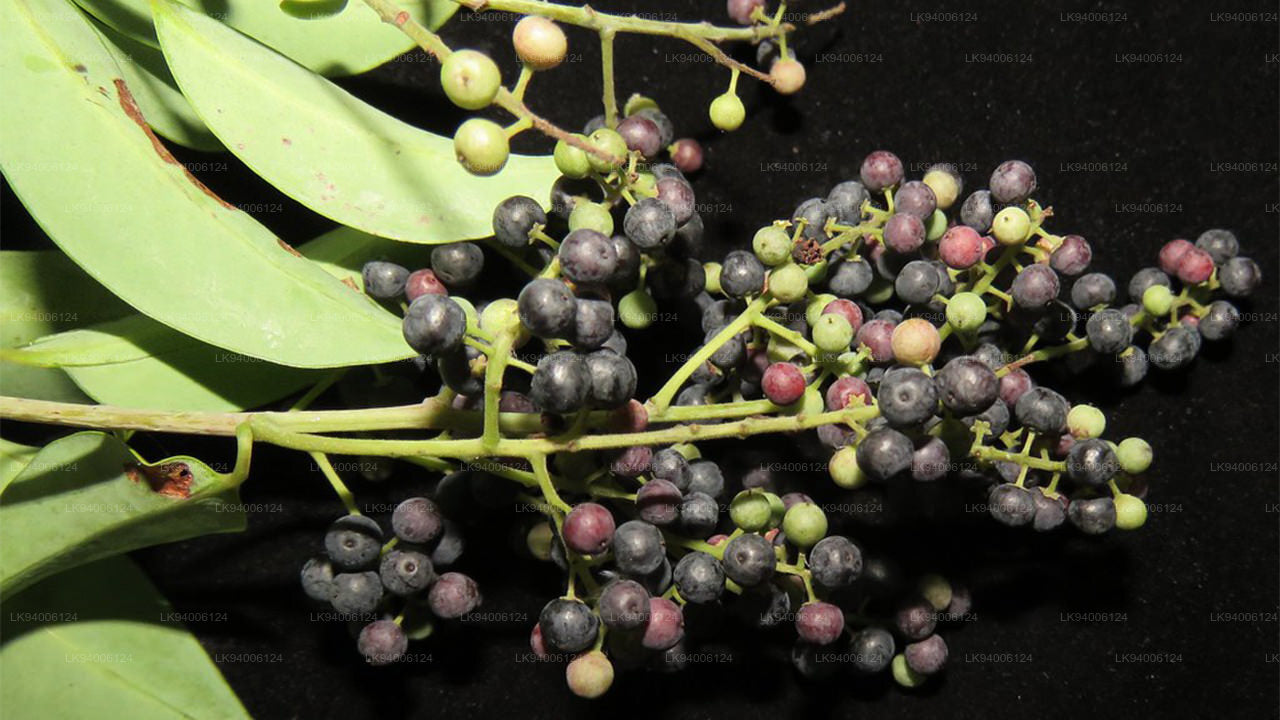
False Black Pepper
Embelia ribes -
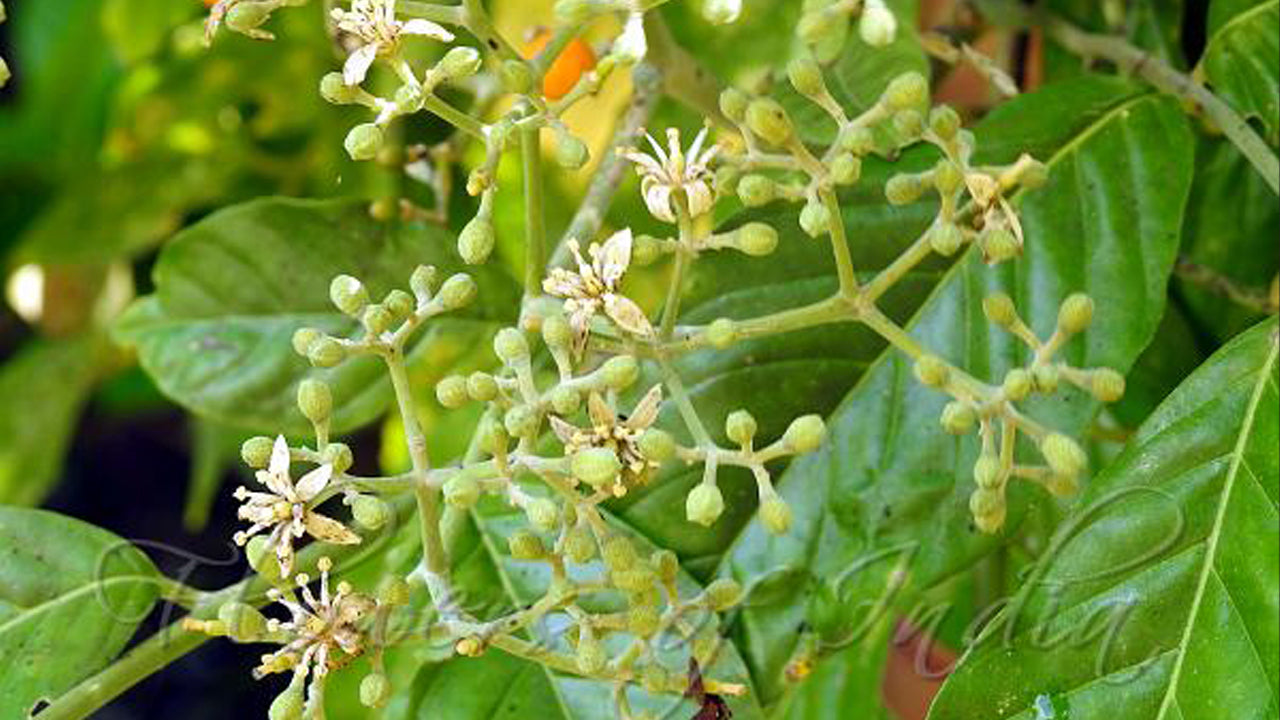
Limeberry
Micromelum ceylanicum -
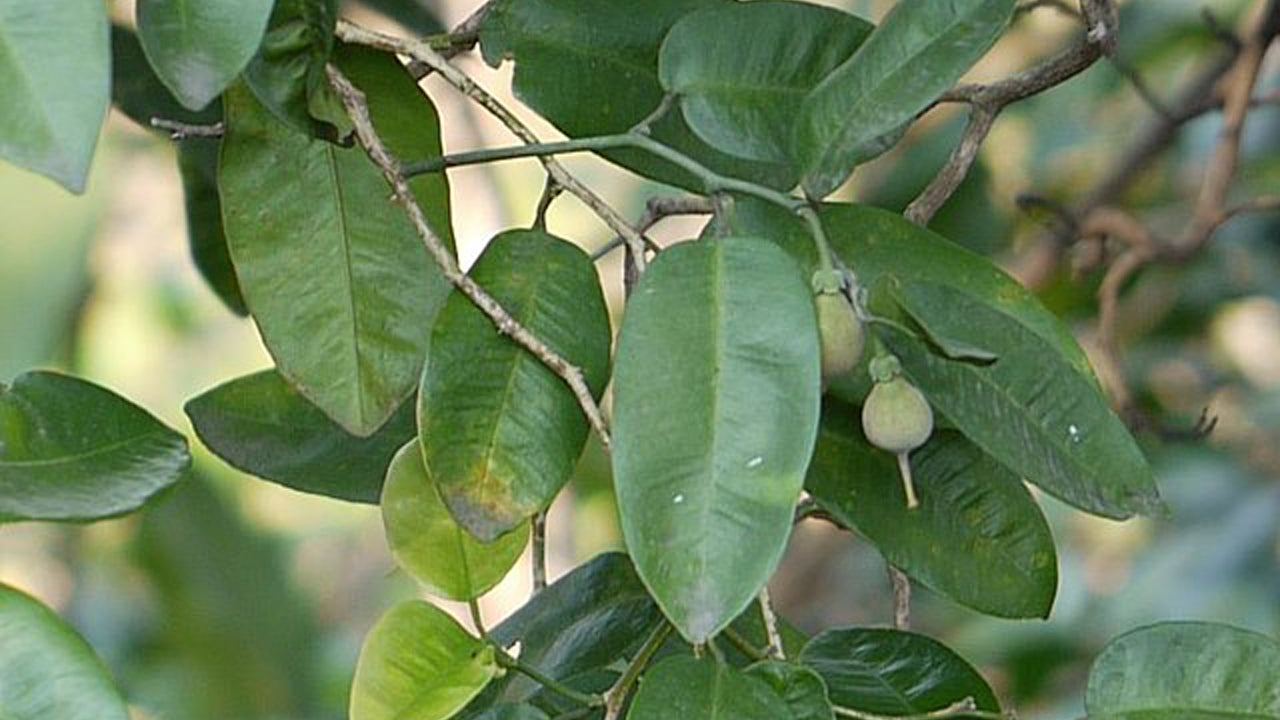
Climbing Atalantia
Paramignya monophylla




Ayurvedic and Herbal
-
 In offerta
Balsamo alle erbe ayurvedico Siddhalepa
Prezzo di listino Da $0.48 USDPrezzo di listino$0.54 USDPrezzo scontato Da $0.48 USDIn offerta -
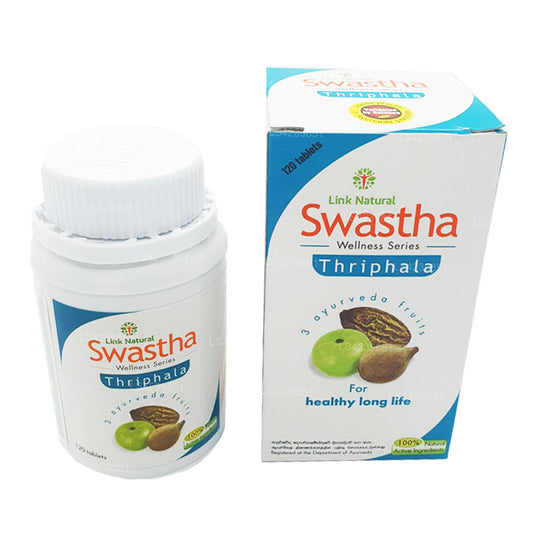 In offerta
Link Swastha Thriphala (30 tavolette)
Prezzo di listino Da $1.74 USDPrezzo di listino$1.93 USDPrezzo scontato Da $1.74 USDIn offerta -
Foglie disidratate di Graviola selvatica Lakpura® (Guanabana, Graviola, Guyabano) intere
Prezzo di listino Da $0.72 USDPrezzo di listino$0.81 USDPrezzo scontato Da $0.72 USDIn offerta -
 In offerta
Olio Setsuwa Pranajeeva
Prezzo di listino Da $3.85 USDPrezzo di listino$4.28 USDPrezzo scontato Da $3.85 USDIn offerta