Coriandrum Sativum
Coriander sativum is an annual herb in the family Apiaceae. It is also known as Chinese parsley, dhania or cilantro. All parts of the plant are edible, but the fresh leaves and the dried seeds are the parts most traditionally used in cooking.
Most people perceive the taste of coriander leaves as a tart, lemon/lime taste, but to nearly a quarter of those surveyed, the leaves taste like dish soap, linked to a gene which detects some specific aldehydes that are also used as odorant substances in many soaps and detergents.
Botanical description
Coriander is native to regions spanning from Southern Europe and Northern Africa to Southwestern Asia.
It is a soft plant growing to 50 cm (20 in) tall. The leaves are variable in shape, broadly lobed at the base of the plant, and slender and feathery higher on the flowering stems.
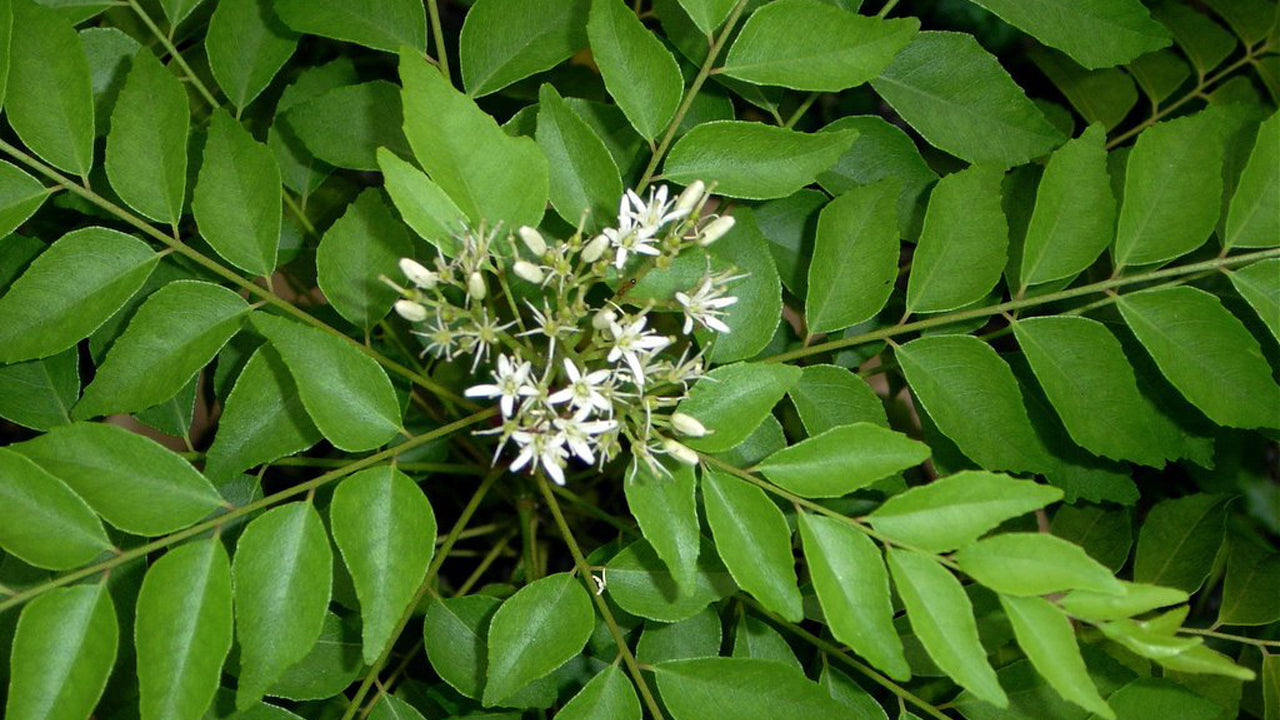
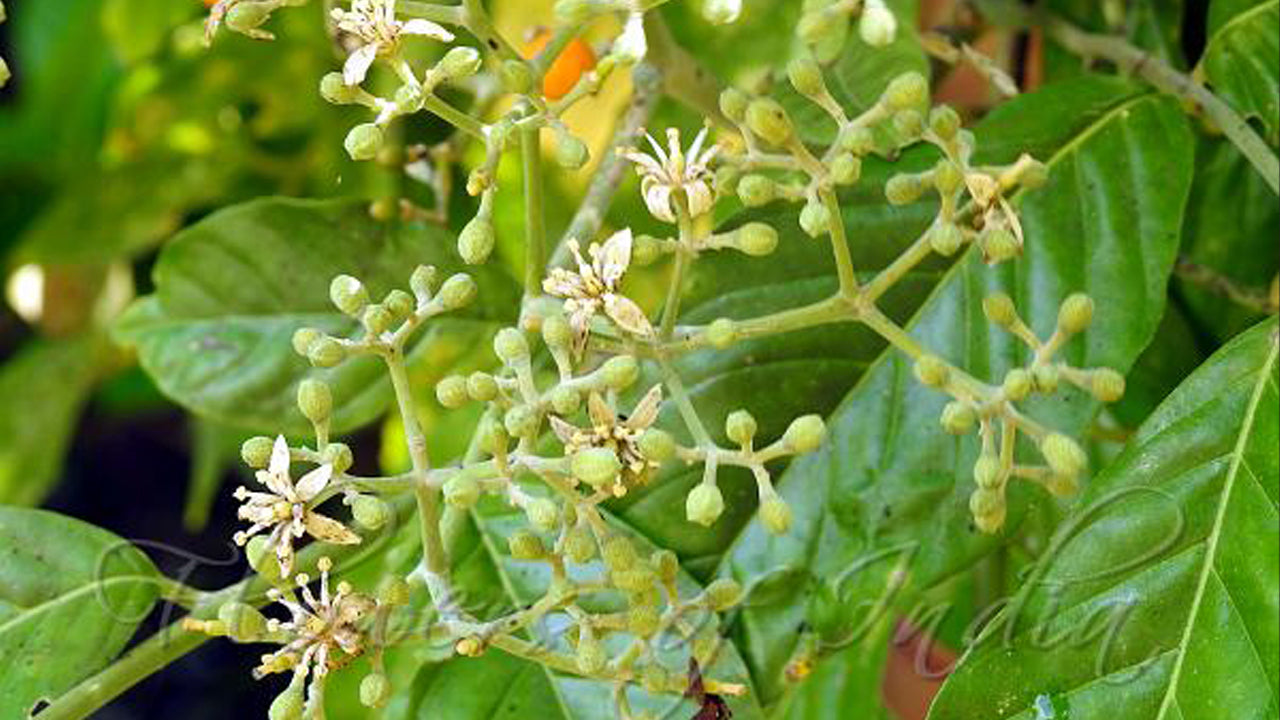
The flowers are borne in small umbels, white or very pale pink, asymmetrical, with the petals pointing away from the center of the umbel longer (5–6 mm or 3/16–1/4 in) than those pointing toward it (only 1–3 mm or 1/16–1/8 in long). The fruit is a globular, dry schizocarp 3–5 mm (1/8–3/16 in) in diameter. Pollen size is approximately 33 micrometres.
Leaves
All parts of the plant are edible, but the fresh leaves and the dried seeds are the parts most traditionally used in cooking. Coriander is used in cuisines throughout the world.
The leaves have a different taste from the seeds, with citrus overtones.
The fresh leaves are an ingredient in many foods, such as chutneys and salads, salsa, guacamole, and as a widely used garnish for soup, fish and meat. As heat diminishes their flavour, coriander leaves are often used raw or added to the dish immediately before serving. In Indian and Central Asian recipes, coriander leaves are used in large amounts and cooked until the flavour diminishes. The leaves spoil quickly when removed from the plant, and lose their aroma when dried or frozen.
Seeds
The dry fruits are coriander seeds. The word "coriander" in food preparation may refer solely to these seeds (as a spice), rather than to the plant. The seeds have a lemony citrus flavour when crushed, due to terpenes linalool and pinene. It is described as warm, nutty, spicy, and orange-flavoured.
The variety C. s. vulgare has a fruit diameter of 3–5 mm (1/8–3/16 in), while var. C. s. microcarpum fruits have a diameter of 1.5–3 mm (0.06–0.12 in). Large-fruited types are grown mainly by tropical and subtropical countries, e.g. Morocco, India, and Australia, and contain a low volatile oil content (0.1-0.4%). They are used extensively for grinding and blending purposes in the spice trade. Types with smaller fruit are produced in temperate regions and usually have a volatile oil content around 0.4-1.8%, so are highly valued as a raw material for the preparation of essential oil.
?Text by Lakpura™. Images by Google, copyright(s) reserved by original authors.?