Montagna Mihintale


Monte Mihintale è un importante sito buddista situato vicino alla città antica di Anuradhapura in Sri Lanka. Conosciuto come la culla del buddismo in Sri Lanka, si dice che il monaco buddista Mahinda abbia incontrato il re Devanampiya Tissa nel III secolo a.C., portando alla conversione dell'isola al buddismo. Questo evento storico rende Mihintale un luogo di grande importanza religiosa e culturale.
La montagna ospita una serie di rovine antiche, tra cui templi, stupa e incisioni su pietra. Il punto culminante è lo Stupa di Mihintale, che si trova sulla cima della montagna e offre viste panoramiche sul paesaggio circostante. Il sito ospita anche la *roccia Mihintale*, dove si trovano la famosa *caverna di Mahinda* e le iscrizioni, segnando il luogo dove Mahinda predicò gli insegnamenti di Buddha al re e alla sua corte.
I visitatori di Monte Mihintale possono esplorare vari siti storici, tra cui *Ambasthala* (il luogo dove il re Devanampiya Tissa incontrò Mahinda per la prima volta), e salire i 1.840 gradini fino alla cima per una vista mozzafiato. Il viaggio sulla montagna è sia spiritualmente gratificante che fisicamente stimolante, rendendolo un popolare luogo di pellegrinaggio per i locali e i turisti.
Il miglior momento per visitare Monte Mihintale è durante la stagione secca, da dicembre ad aprile, quando il clima è favorevole per l'esplorazione all'aperto. Il sito è facilmente accessibile da Anuradhapura e offre un'esperienza arricchente per coloro che sono interessati al patrimonio buddista dello Sri Lanka e alla storia.


Mihintale Mountain, con l'arrivo del Buddhismo in Sri Lanka, iniziò a servire come area residenziale per i venerabili monaci guidati da Arahath Mahinda Mahathera. Ma presto, con il patrocinio reale, il santuario ospitò una moltitudine di edifici monastici—stupa, uposathghara, bodhighara—per servire i monaci. Sessantotto abitazioni nelle caverne fornivano ombra e rifugio ai monaci. Mihintale, il santuario di migliaia di laici e santi, aveva tutte le strutture e le comodità per la vita di base.
Vedahala - l'ospedale ai piedi del monte Mihintale
Con la crescita della comunità di monaci e dei laici pii, sorse la necessità inevitabile di un ospedale. Il primo ospedale a Mihintale fu fondato dal re Sena il Secondo (853-887 d.C.) a Mihintale. L'identificazione si basa su un'iscrizione del decimo secolo trovata nel sito.
Oggi, le rovine di un ospedale con la sua disposizione restaurata possono essere viste all'ingresso del sito di Mihintale. All'ingresso dell'ospedale c'è un cortile esterno che consiste in quattro stanze: stanza di consulto; stanza per la preparazione e la conservazione dei medicinali; stanza per i bagni con acqua calda. Alla fine del cortile esterno, a nord, si trova l'edificio principale: il cortile quadrangolare con un piccolo santuario al centro. Le stanze sono disposte su due alti platò su tutti e quattro i lati del cortile centrale. Le stanze si affacciano sul santuario che si trova nel cortile. L'area di ogni stanza è di circa 100 piedi quadrati. Le stanze si aprono su una veranda interna, rendendo tutte le celle accessibili.
Gli scavi archeologici hanno portato alla luce ceramiche e vasi blu. Questi vasi sono un altro testimone dei legami culturali e commerciali con l'Iran e Sri Lanka in tempi antichi.
Arama: la residenza dei monaci ai piedi del monte Mihintale
Tra il vecchio ospedale e la grande scalinata per il monte di Mihintale si trovano le rovine di edifici monastici circondati da un muro di confine. L'ingresso al monastero è decorato con gradini, Guard-Stones, balaustre makara (drago) e figure di naga (cobra). Questo edificio è simile a quelli trovati ad Anuradhapura. Le rovine di edifici a due piani del quadrilatero, ciascuno costruito su 12 o 16 colonne di pietra chiamate Prasada, ospitano più stanze.
La grande scalinata di Mihintale
La grande scalinata che conduce al Monte Mihintale è composta da ben 1840 gradini scolpiti nella roccia. Mentre alcuni dei gradini sono scolpiti nella roccia naturale, gli altri sono pavimentati con granito tagliato. Straordinariamente larga per una salita pedonale, questa scalinata di particolare distinzione, ben protetta e ombreggiata con alberi di frangipani e legno sempreverde, rende la salita molto piacevole. I fiori di Araliya (frangipani) profumano la scalinata mentre bande di scimmie si aggirano tra i rami degli alberi cercando di rubare cibo ai visitatori.
Quando si procede lungo la scalinata antica—circa a metà percorso, il sentiero si dirama a destra in una salita ancora più ripida. Il percorso, che consiste di circa 80 gradini, porta al sito di Kantaka Cetiya. Il percorso di diramazione è largo 10 piedi e circa metà della dimensione dei gradini di pietra disposti sul percorso principale. Mahasaya, Atvehera e Rajagirilena Kanda si raggiungono tramite percorsi simili.
Refectory, la sala delle offerte a Mihintale
A sinistra del primo livello di Mihintale si trova il refettorio principale. Due grandi vasi scolpiti nella pietra, situati lungo le pareti a nord e a est, sono usati per servire il riso. Il vaso più grande, lungo 23 piedi, è un'indicazione del grande numero di monaci. Gli interni di questi vasi erano probabilmente rivestiti con uno strato di metallo. Il refettorio è anche dotato di tubi per l'acqua sopraelevati e di un elaborato sistema di drenaggio. Un'iscrizione sulla roccia rivela i membri del refettorio: 12 cuochi, guardiani e fornitori di legna da ardere.
La Dage, il tempio principale di Mihintale
Mihintale ospita il suo tempio principale a un livello più elevato vicino al refettorio. Una scalinata porta al tempio principale. Due grandi lastre di pietra contengono iscrizioni su entrambi i lati dell'ingresso al tempio. La bellissima iscrizione su lastre di granito lucido fatta dal re Mahinda il Quarto (956-972 d.C.), una delle iscrizioni più lunghe della Sri Lanka, fornisce molte informazioni sul monastero.
Kantaka Chetiya a Mihintale
Kantaka Chetiya è, nello stato di rovina, alto 40 piedi e con una circonferenza di 425 piedi. Su ciascuno dei quattro lati dello stupa si trovano quattro pezzi sporgenti chiamati Vahalkadas. Due dei quattro Vahalkadas sono ben conservati. I Vahalkadas sono abbondantemente ornati con sculture: un fregio di ganas (nano) e un fregio di hamsa (cigni). Le caverne vicino allo stupa sono le prime abitazioni dei monaci residenti a Mihintale.
Le sessantotto caverne di Mihintale
Le sessantotto caverne, i primi abitanti dei monaci a Mihintale, si trovano attorno al Kantaka Cetiya. Il Mahavamsa, il grande cronaca storica della Sri Lanka, narra che le caverne furono donate ai monaci dal Re Devanampiya Tissa. Inoltre, le iscrizioni incise sopra i davanzali di queste caverne spiegano il dono.
Sinha Pokuna (Lago del Leone) a Mihintale
Nel sud della Sala dell'Assemblea sul terrazzo centrale a un livello inferiore si trova il Lago del Leone, costruito nella roccia naturale. L'acqua viene canalizzata dal Naga Pokuna situato ad un'altezza superiore. L'acqua viene scaricata attraverso la bocca aperta del leone scolpito su una parete di roccia. Intorno al lago ci sono sculture che raffigurano ballerine, elefanti, musicisti e nani.
Ambasthala Chetiya a Mihintale
Il primo monumento che si vede entrando nel terrazzo superiore è l'Ambasthala Dagoba, costruito dal Re Mahadatika Mahanaga (09-21 d.C.). È un piccolo stupa circondato da colonne di pietra disposte a forma di cerchio. Le colonne sono una chiara prova che l'Ambasthala Dagoba era una casa di reliquie circolare con un tetto di legno sostenuto da quelle colonne.
Sila Chetiya a Mihintale
Sila Chetiya nel terrazzo superiore si crede sia stata costruita nel luogo dove il Buddha si sedette durante la sua terza visita in Sri Lanka. È uno stupa costruito nell'era medievale dello Sri Lanka.
Mihindu Seya a Mihintale
Mihindu Seya fu costruito dal Re Uttiya (210-200 a.C.) per custodire una porzione delle reliquie corporee di Mahinda Mahathera.
Aradhana Gala (La Roccia dell'Invito) a Mihintale
Sul lato orientale dell'Ambasthala Cetiya si trova la roccia chiamata Aradhana Gala. Si crede che sia il luogo dove il monaco novizio Sumana invitò gli dèi e le divinità al primo sermone di Mahinda Mahathera in Sri Lanka.
Mihindu Guhawa, la caverna di Mahinda a Mihintale
Circa trecento yard più in basso dal terrazzo superiore, sul lato orientale, si trova una lastra di pietra riparata da un'altra roccia chiamata Mihindu Guhawa Cave. Si crede che sia il luogo dove Mahinda Mahathera meditò. L'area rettangolare è creduta essere il letto di Mahathera Mahinda.
Mahaseya, il grande stupa
Ritornando da Mihindu Guhawa Cave verso il maluwa (altopiano), il Mahasaya può essere visto sulla cima del monte a sud. 110 gradini scolpiti nella roccia conducono al Mahasaya, il grande stupa. Il Mahasaya è il più grande stupa sulla cima del monte, il monumento più osservato da lontano quando si arriva a Mihintale. Il Mahathupa è alto 45 piedi e ha un diametro di 136 piedi. La posizione del monumento deve aver reso la costruzione costosa e laboriosa come quella di uno dei grandi monumenti della capitale.
Naga Pokuna, il Cobra Pond a Mihintale
Appena sotto il Mahasaya e Mihindu Saya alla base di una collina ripida c'è il Naga Pokuna (Cobra Pond), costruito in una vasca naturale di roccia. Inizialmente una piscina riempita d'acqua piovana, dopo l'istituzione del monastero, le sorgenti furono usate per mantenere l'acqua immagazzinata. Naga Pokuna era centrale per la fornitura d'acqua al monastero: il Lago del Leone e il Refettorio venivano riforniti d'acqua da Naga Pokuna. Il nome Naga Pokuna deriva dal cobra a cinque teste scolpito in bassorilievo sulla superficie della roccia.
Atvehera, Il Tempio Interno a Mihintale
Un lungo volo di circa seicento gradini dal Naga Pokuna conduce al stupa di Atvehera situato su Atvehera Kanda. Anche se lo stupa sulla cima della collina è più piccolo del Mahasaya, la vista da questa posizione è panoramica.
Indikatuseya a Mihintale
Scendendo da Atvehera, vicino alle rovine del vecchio ospedale alla base del monte, la strada principale Mihintale-Galkulama conduce a un antico vihara, Indikatusaya, situato sul lato destro. Protetto da un muro di pietra si trovano le rovine di due stupa. Indukatusaya, il più grande dei due stupa, è costruito su una piattaforma elevata pavimentata con lastre di pietra. La piattaforma è circa 5 piedi sopra il livello del terreno e ogni lato è circa 40 piedi. Lo stupa ha terrazze basali che differiscono per forma e stile rispetto a quelle di altri stupa. Le scalinate sono fiancheggiate da balaustre e una semplice moonstone.
Rajagirilena Kanda, la Collina della Grotta Reale a Mihintale
Circa mezzo chilometro da Indikatusaya lungo la strada ghiaiosa e alla curva a sinistra si trova Rajagirilena Kanda. Su una bassa collina alta circa 100 piedi, tra le rocce sulla cima si trovano delle grotte che un tempo erano occupate dai monaci. Celle abbastanza spaziose furono create da pareti di mattoni e argilla che dividevano l'interno, riparato da un tetto di roccia sporgente. Rajagirilena Kanda con le sue caverne ariose in un ambiente piacevole si crede fosse il primo rifugio dei monaci buddisti a Mihintale.
Kaludiya Pokuna, il Black Water Pool a Mihintale
Un breve sentiero di circa cinquanta metri attraverso le rocce di Rajagirilena Kanda conduce a Kaludiya Pokuna, l'attrazione centrale della collina chiamata Porodini nelle Tavole di Mihintale del re Mahinda il Quarto. Kaludiya Pokuna, la piscina più grande di Mihintale, è lunga 200 piedi e larga 70 piedi. Attorno alla piscina si trovano le rovine di sale di meditazione, case da bagno e grotte murate. Il nome Black Water Pool deriva dalle ombre scure lasciate sulle acque dalle rocce circostanti e dagli alberi ombrosi che circondano la piscina.
-
 Sri Maha Bodhiya
Jaya Sri Maha Bodhi è un albero sacro di bo nei Giardini Mahamewna, ad Anuradhapura, Sri Lanka. È il ramo meridionale dello storico Sri Maha Bodhi di Buddha Gaya in India, sotto il quale il Buddha raggiunse l'Illuminazione. Fu piantato nel 288 a.C. ed è il più antico albero vivente piantato dall'uomo al mondo di cui si conosca la data di piantagione.
-
 Ruwanweliseya
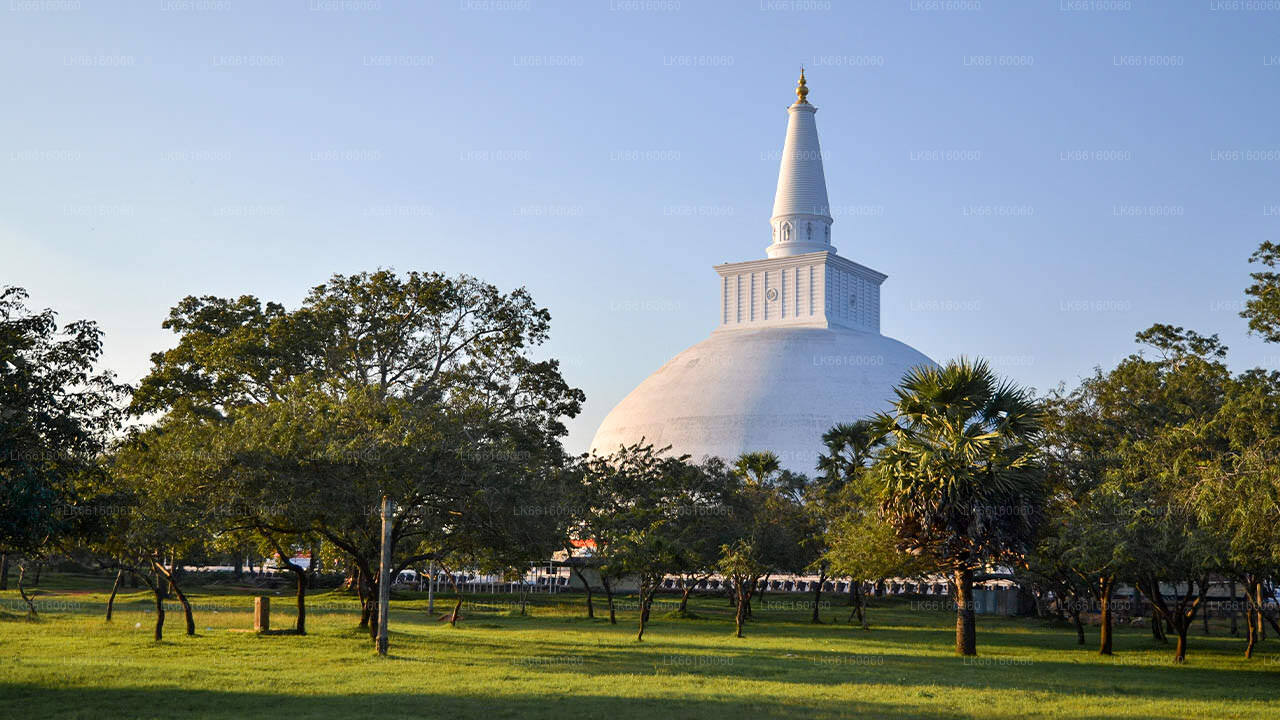
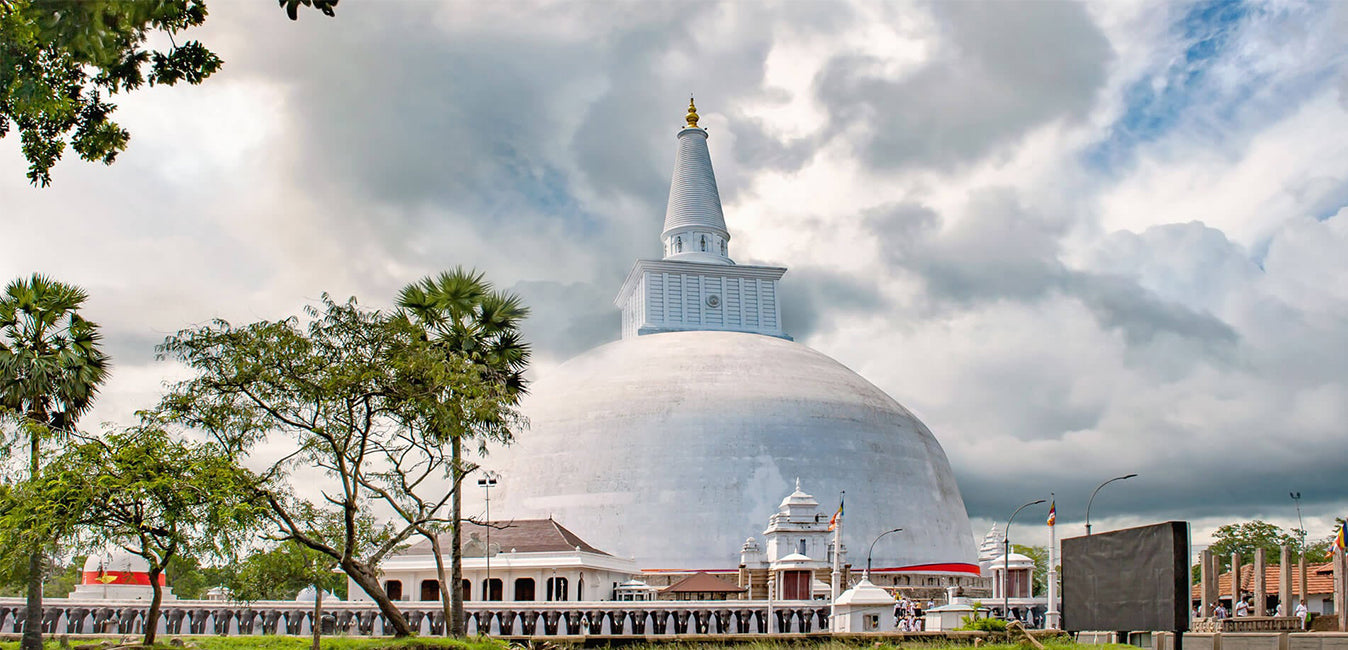
Il Ruwanweli Maha Seya, noto anche come Mahathupa (il Grande Thupa), è uno stupa (una struttura emisferica contenente reliquie) ad Anuradhapura, in Sri Lanka. Due quarti o un Dona delle reliquie del Buddha sono custoditi nello stupa, rendendolo la più grande collezione di sue reliquie al mondo. Fu costruito dal re singalese Dutugemunu nel 140 a.C. circa, che divenne re dello Sri Lanka dopo una guerra in cui il re Chola Elāra (Ellalan) fu sconfitto.
-
 Thuparamaya
Thuparamaya è il primo tempio buddista costruito dopo l'arrivo di Mahinda Thero (Mahindagamanaya) in Sri Lanka. Situato nell'area sacra del parco di Mahamewna, lo Stupa di Thuparamaya è il più antico Dagoba costruito sull'isola, risalente al regno di Re Devanampiya Tissa (247-207 a.C.). Il tempio è stato formalmente riconosciuto dal Governo come sito archeologico dello Sri Lanka.
-
 Lovamahapaya
Lovamahapaya è un edificio situato tra Ruwanweliseya e Sri Mahabodiya nell'antica città di Anuradhapura, in Sri Lanka. È anche noto come Palazzo di Bronzo o Lohaprasadaya perché il tetto era ricoperto di tegole di bronzo. Anticamente, l'edificio comprendeva il refettorio e l'uposathagara (casa degli Uposatha).
-
 Abhayagiri Dagoba
L'Abhayagiri Vihāra era un importante monastero del Buddhismo Mahayana, Theravada e Vajrayana situato ad Anuradhapura, nello Sri Lanka. È una delle rovine più estese al mondo e una delle mete di pellegrinaggio buddhiste più sacre del paese.
-
 Jetavanaramaya
Lo stupa Jetavanarama o Jetavanaramaya è uno stupa, o monumento reliquiario buddista, situato tra le rovine del monastero di Jetavana nella città di Anuradhapura, patrimonio mondiale dell'UNESCO, in Sri Lanka. Con i suoi 122 metri (400 piedi), era lo stupa più alto del mondo e la terza struttura più alta al mondo quando fu costruito dal re Mahasena di Anuradhapura (273–301).
-
 Stupa di Mirisawetiya
Lankarama è uno stupa costruito dal re Valagamba, in un antico luogo a Galhebakada, nell'antico regno di Anuradhapura, Sri Lanka. Non si sa nulla della forma antica dello stupa, che in seguito fu ristrutturato. Le rovine mostrano file di pilastri in pietra e non c'è dubbio che attorno allo stupa sia stata costruita una casa (vatadage) per coprirlo.
-
 Lankarama
Lankarama è uno stupa costruito dal re Valagamba, in un antico luogo a Galhebakada, nell'antico regno di Anuradhapura, Sri Lanka. Non si sa nulla della forma antica dello stupa, che in seguito fu ristrutturato. Le rovine mostrano file di pilastri in pietra e non c'è dubbio che attorno allo stupa sia stata costruita una casa (vatadage) per coprirlo.
-
 Isurumuniya
Isurumuniya è un tempio buddista situato vicino al Tissa Wewa (serbatoio Tisa) ad Anuradhapura, Sri Lanka. Ci sono quattro sculture di particolare interesse in questo Vihara: gli Amanti di Isurumuniya, lo Stagno degli Elefanti e la Famiglia Reale. L'antico Meghagiri Vihara o Meygiri Vihara è attualmente identificato come Isurumuni Vihara.