


Lakpura
Lakpura®

Wattakaka volubilis

Wattakaka volubilis is a woody climbing plant found across tropical and subtropical Asia, including Sri Lanka, where it has long held a place in traditional herbal practice. Known by several vernacular names across the island, it is formally catalogued within Sri Lanka's ayurvedic medicinal plant system and is valued for the range of therapeutic applications attributed to its leaves, roots, and stem bark.

What is Wattakaka volubilis?

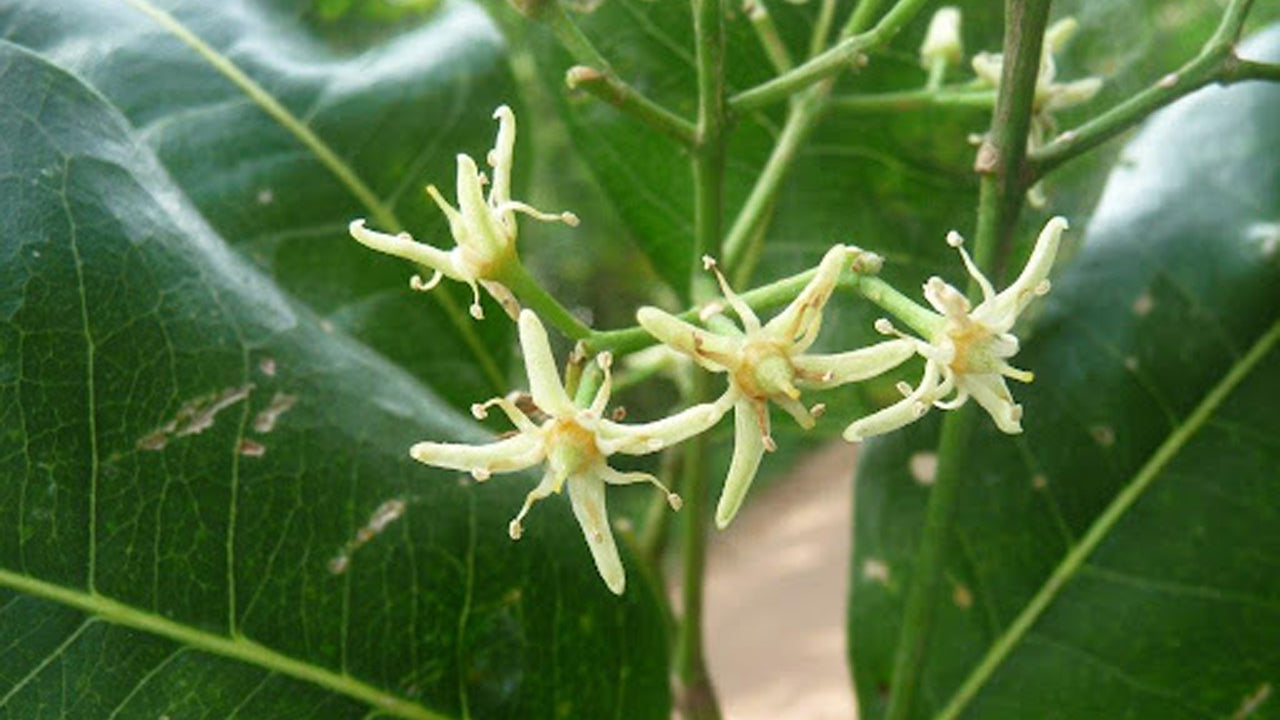
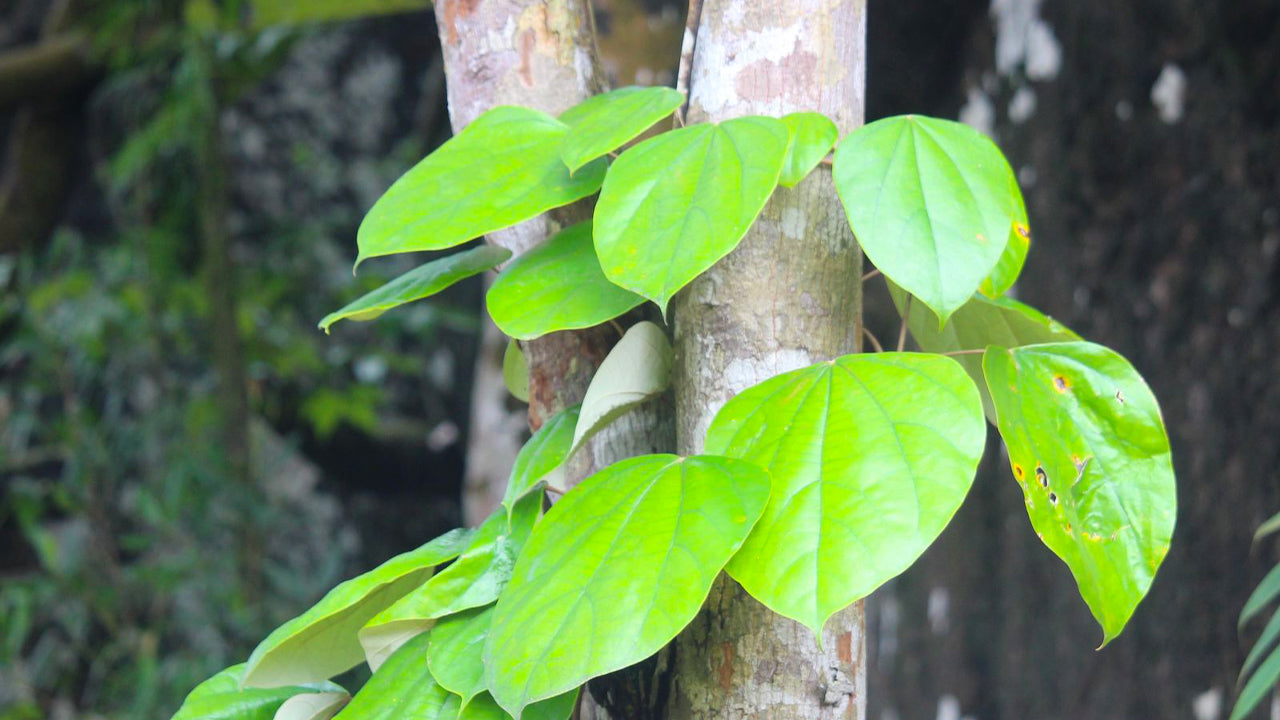
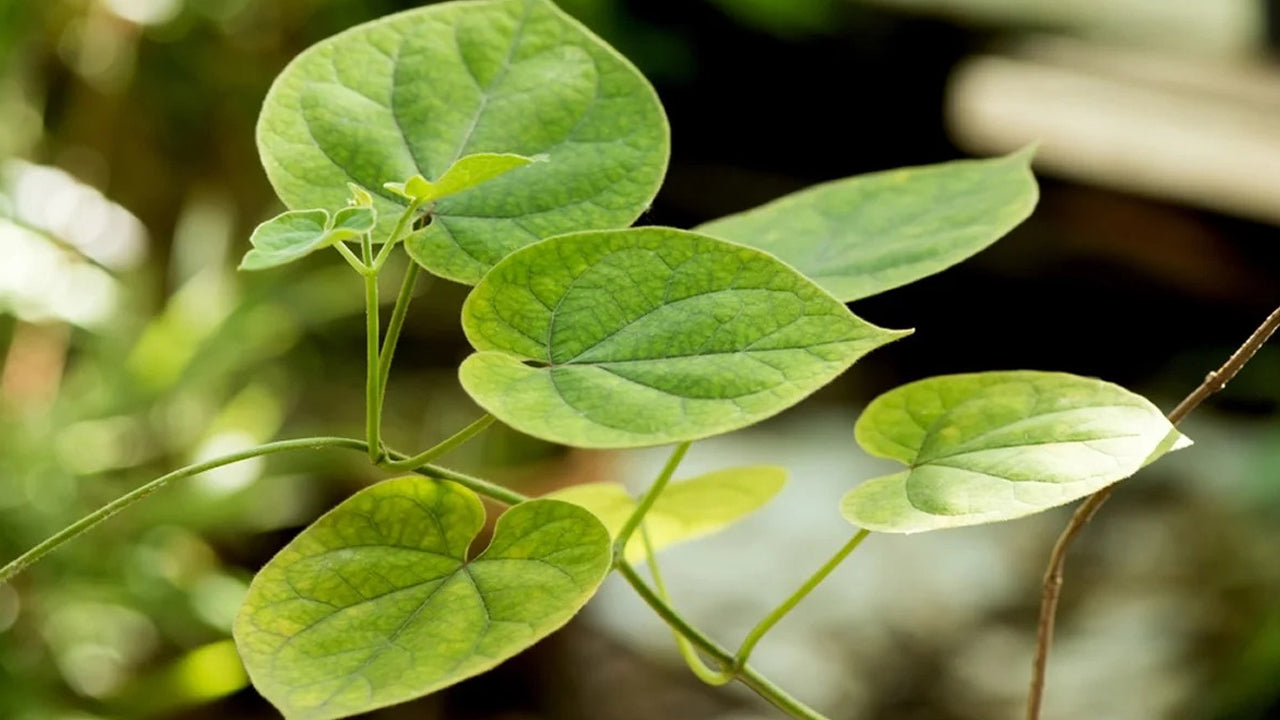
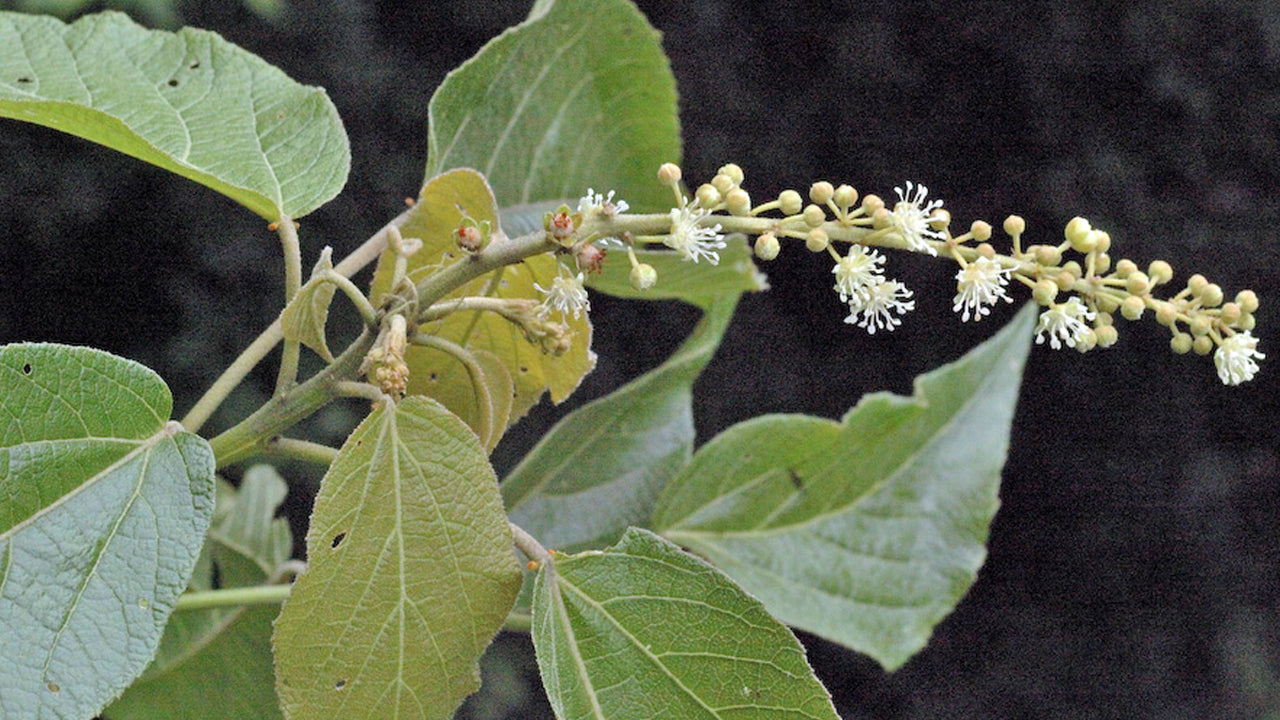
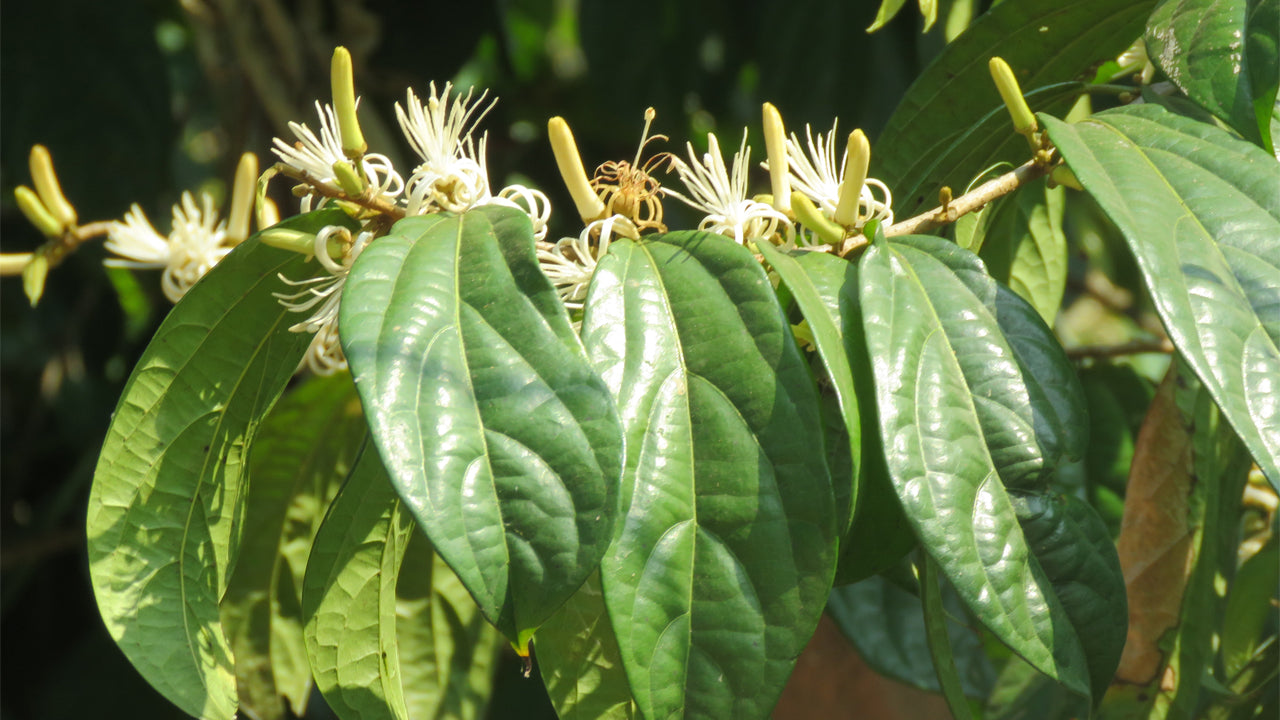
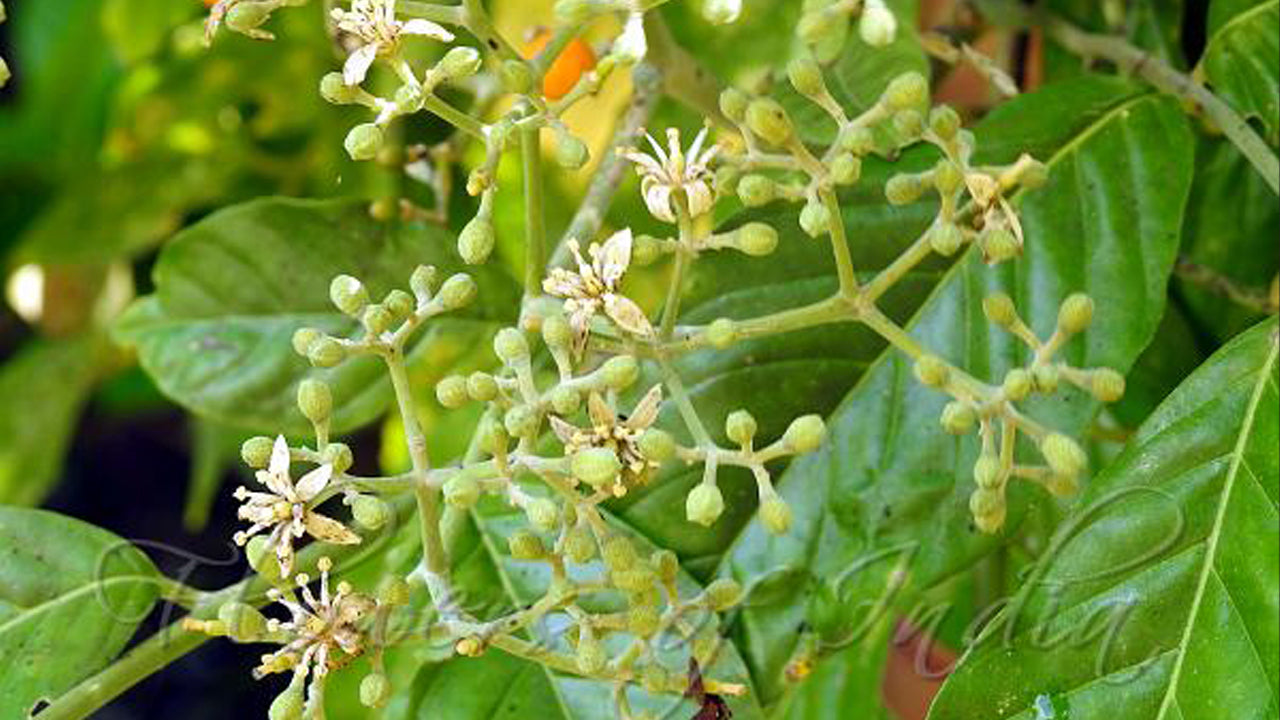
Wattakaka volubilis belongs to the family Apocynaceae (formerly placed in Asclepiadaceae) and is a twining perennial vine capable of climbing several metres when supported by surrounding vegetation or structures. Its leaves are broad and ovate with a waxy surface, and the plant produces small, fragrant white to pale-pink flowers arranged in umbrella-like clusters. The fruit, when mature, splits to release seeds attached to silky tufts that aid wind dispersal — a characteristic shared with many members of its plant family.

In Sri Lanka the plant grows in lowland to mid-elevation zones, often at forest margins, along hedgerows, and in disturbed scrubland. Its tolerance for a range of soil types makes it relatively widespread across the wet and intermediate climatic zones of the island.

What are the traditional and ayurvedic uses of Wattakaka volubilis?

Within the Sri Lankan ayurvedic tradition, various parts of Wattakaka volubilis are used in preparations intended to address inflammatory conditions, skin disorders, and rheumatic complaints. The leaves are most commonly cited in classical texts, often applied topically or incorporated into decoctions. Practitioners have also used the root and stem bark in formulations targeting pain and fever.

Across its wider range in South and Southeast Asia — including India, where it appears in Siddha and Unani medicine as well — the plant is associated with similar indications. Research interest in the plant has grown in recent decades, with laboratory studies examining its phytochemical constituents, including alkaloids and flavonoids, though clinical evidence remains limited and patients should always consult a qualified ayurvedic physician before using plant-based remedies.

Sri Lanka's ayurvedic pharmacopoeia encompasses hundreds of native and naturalised species. Other well-documented examples include Acacia chundra, valued for its astringent bark, and Pongamia pinnata, whose seed oil features widely in traditional formulations.

How does Wattakaka volubilis fit into Sri Lanka's broader herbal tradition?

Ayurveda has been practised in Sri Lanka for well over two thousand years, with royal patronage and monastic institutions playing a central role in preserving botanical knowledge. Many of the plants recorded in ancient Sinhalese medical manuscripts continue to be cultivated or collected for use today. Wattakaka volubilis is among the species documented in Sri Lanka's official catalogue of ayurvedic medicinal plants, which recognises it under the code LK94006813.

Traditional healers — known as veda mahattayas — have historically sourced such plants from home gardens, village boundaries, and forested areas. The persistence of this knowledge alongside modern pharmaceutical medicine reflects the enduring cultural importance of plant-based healing in Sri Lankan society. Compound preparations in ayurveda often combine multiple herbs; formulations such as Yogaraja Guggulu and Kaishore Guggulu illustrate how individual plants are integrated into structured therapeutic regimens.

Where can Wattakaka volubilis be found in Sri Lanka?

The plant is not restricted to a single region. It is broadly distributed across lowland areas of the wet zone and into parts of the dry zone, particularly where secondary vegetation and forest edges provide the structural support the vine requires. Travellers exploring natural landscapes such as the Sinharaja Forest Reserve or the riverine habitats along the Madu Ganga estuary may encounter this and many other medicinal plants growing in their native setting.

Ayurvedic gardens and botanical collections maintained by treatment centres and wellness resorts across Sri Lanka also cultivate the plant deliberately, offering visitors a more accessible way to observe and learn about species that might otherwise go unnoticed in the wild.

What does current research say about Wattakaka volubilis?

Scientific investigation into Wattakaka volubilis has focused primarily on identifying and characterising its phytochemical profile. Studies have reported the presence of phenolic compounds, terpenoids, and alkaloids in different plant parts, with some in-vitro work suggesting antioxidant and anti-inflammatory properties. These findings broadly support certain traditional uses but stop short of establishing clinical efficacy under controlled conditions.

As with many ethnobotanical subjects, the gap between laboratory findings and evidence-based clinical recommendations remains significant. Researchers at Sri Lankan universities and the Ayurvedic Research Institute have contributed to ongoing documentation and study of the island's medicinal flora, including species such as Wattakaka volubilis, helping to preserve traditional knowledge in a scientifically accessible form.

Is Wattakaka volubilis safe to use?

Traditional use over long periods suggests that the plant is generally handled without serious adverse effects when prepared according to established protocols, but self-medication using any plant remedy carries risks — particularly regarding dosage, preparation method, and interactions with other treatments. Anyone considering the use of Wattakaka volubilis or related preparations should seek guidance from a qualified ayurvedic practitioner registered with Sri Lanka's Ayurvedic Medical Council. Pregnant women, children, and individuals with chronic health conditions should exercise particular caution.

Ask Lakpura® Agent