Lakpura
Lakpura®

Azadirachta Indica (Kohomba)

Kohomba — known across South Asia as the neem tree — is one of Sri Lanka's most medicinally important native trees. Classified within the family Meliaceae, Azadirachta indica has been used in Ayurvedic and traditional medicine for centuries, appearing in ancient Sinhala texts and still growing abundantly across the island's dry and intermediate zones. Its modest white flowers and bitter leaves conceal a remarkable range of therapeutic properties that modern research continues to validate.

What does Kohomba look like?

Kohomba is a tall, spreading tree whose smooth stem and young parts are largely hairless (glabrous). Its leaves are compound and arranged alternately along the branch, with a rachis — the central leaf stalk — typically measuring between 15 and 22.5 cm. Each compound leaf carries two to eight pairs of leaflets plus a terminal one; individual leaflets are 5–10 cm long, noticeably asymmetric at the base, with coarsely toothed margins.

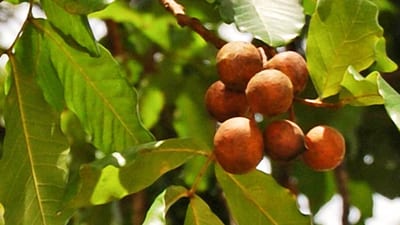
Flowering branches produce large, spreading panicles, 12.5–20 cm long, covered in small white, sweet-scented blossoms. The fruit that follows is an oblong-ovoid drupe, roughly 1.5–1.8 cm in length, ripening to a greenish-yellow colour and containing a single seed. In full fruit, a mature Kohomba tree is easily identified from a distance.

What are the Ayurvedic and traditional medicinal uses of Kohomba?

Within the Sri Lankan Ayurvedic tradition, Kohomba is valued for its ability to reduce aggravation of kapha and pitta doshas — two of the three fundamental energies described in classical Ayurveda. It is considered a natural antiseptic and has been employed across a broad range of conditions for generations.

  • Fevers — bark and leaf preparations are used to bring down body temperature.
  • Skin ailments — leaf pastes and decoctions are applied to treat eczema, acne, and fungal infections.
  • Wounds — the antiseptic quality of neem oil and leaf extracts helps prevent infection in minor cuts and abrasions.
  • Coughs and asthma — steam inhalation using boiled neem leaves is a traditional home remedy.
  • Eye diseases — diluted leaf extracts have historically been used as an eye wash.
  • Intestinal worms — seed and root preparations are used as antiparasitic treatments.

The parts most commonly used in treatment are the leaves, seeds, roots, and bark — each carrying slightly different concentrations of the tree's active compounds, including nimbin, nimbidin, and azadirachtin.

What are the scientific names and regional names of the neem tree?

Botanists have recorded several synonyms for this species over the centuries. The most widely accepted scientific name today is Azadirachta indica, though older literature sometimes lists it as Antelaea azadirachta or Antelaea canescens. The table below summarises common names across languages relevant to Sri Lanka.

LanguageName
SinhalaKohomba (කොහොඹ)
TamilVembu / Veppai
SanskritNimbha / Pakvakrita
EnglishNeem Tree / Margosa / Indian Lilac

Where does Kohomba grow in Sri Lanka?

Kohomba is a native species found naturally across Sri Lanka's dry zone and in parts of the intermediate zone. It tolerates poor soils and extended dry periods, which makes it particularly common in the North Central and Northern provinces. The tree is also widely cultivated — planted near homes, temples, and Ayurvedic dispensaries throughout the island, from village gardens in the Tambuttegama region to the grounds of ancient monasteries.

Across South and Southeast Asia, the species grows naturally from India through Myanmar, Thailand, and Indonesia. Its hardiness has led to intentional planting far beyond its original native range, and it is now considered naturalised in parts of Africa and the Caribbean as well.

How is Kohomba used beyond medicine?

The tree's utility extends well beyond Ayurvedic treatment. Neem oil, cold-pressed from the seeds, is used widely as a natural pesticide in organic agriculture — its active compound azadirachtin disrupts the growth cycle of many pest insects without the toxicity profile of synthetic alternatives. This has made it an important resource for small-scale farmers and organic growers in Sri Lanka.

Kohomba twigs have long served as natural tooth-cleaning sticks in rural Sri Lanka and across South Asia — a practice now backed by research showing antimicrobial activity against several oral pathogens. The timber, though moderately hard, is also used in light construction and furniture, while the bark yields a bitter resin sometimes used in tanning.

Culturally, the tree carries protective significance in Sinhala and Tamil traditions alike. Neem leaves are hung at doorways during illness and used in ritual purification ceremonies. The bitter taste of the leaves has given rise to a widely understood metaphor for hardship in both Sinhala and Tamil literature.

How does Kohomba relate to other traditional medicinal plants in Sri Lanka?

Sri Lanka's Ayurvedic pharmacopoeia is exceptionally rich, and Kohomba sits alongside several other key trees in daily traditional practice. Pongamia pinnata (Karanda), another native tree in the legume family, shares some overlap in skin-related applications and is similarly used across the island's dry zone communities. Similarly, Acacia chundra (Red Cutch) is valued for its bark in traditional formulations addressing inflammation and oral health.

Sri Lanka's forests and home gardens together form a living pharmacopoeia, with Kohomba among its most reliable and historically documented contributors. Many of these plants are the basis for classical formulations still compounded by government Ayurvedic hospitals today.

Is neem safe to use at home?

While Kohomba has a long history of traditional use, it is important to approach any medicinal plant with appropriate caution. Concentrated neem oil should not be ingested without guidance from a qualified Ayurvedic practitioner. Leaf decoctions used externally for skin conditions are generally considered safe in traditional practice, but individuals with existing health conditions or those who are pregnant are advised to consult a practitioner before using neem preparations internally. As with all botanical medicines, potency varies depending on preparation method and concentration.

Ask Lakpura® Agent