Lakpura
Lakpura®

Operculina turpethum

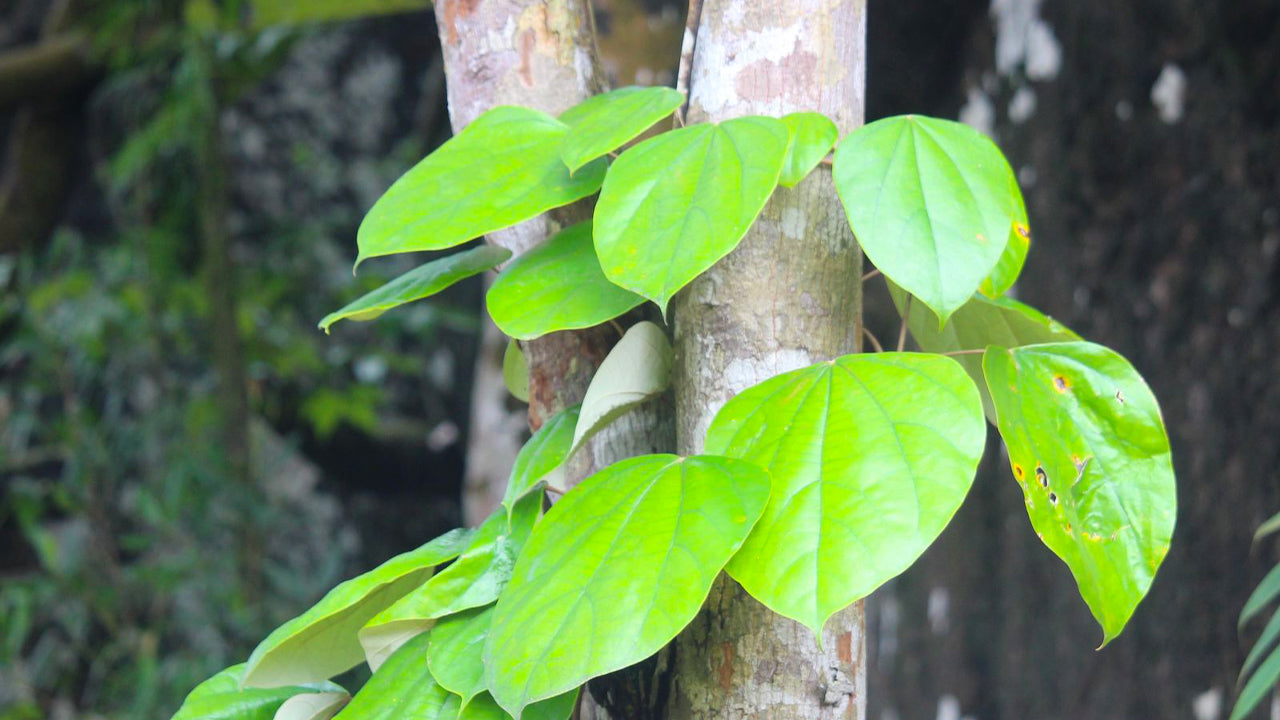
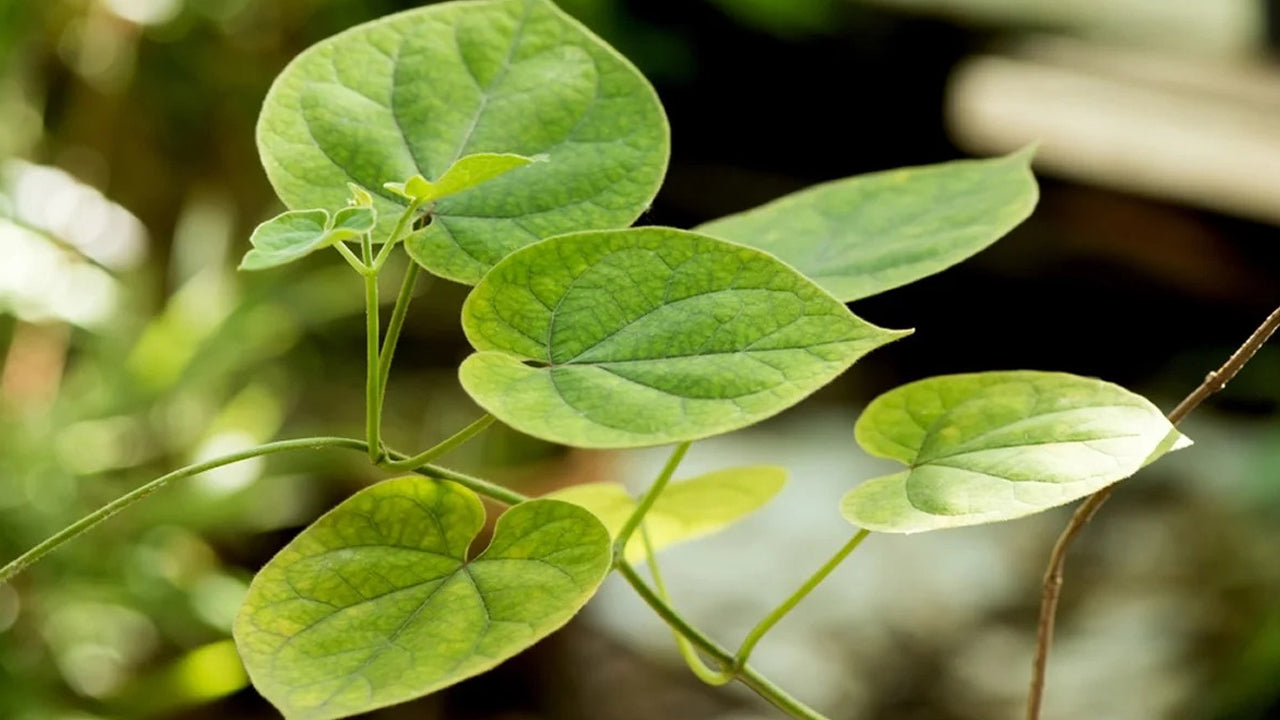
Operculina turpethum, known in Sinhala as Tegula or Trivrit in Sanskrit, is a woody climbing plant that has occupied an important place in Ayurvedic medicine for well over two thousand years. Native to the Indian subcontinent and South-East Asia, it grows readily across Sri Lanka's lowland forests, scrublands, and disturbed margins, where its large heart-shaped leaves and white morning-glory-like flowers make it unmistakable. The plant belongs to the family Convolvulaceae — the same family as the sweet potato — and is catalogued as a core herb within Sri Lanka's traditional Ayurvedic pharmacopoeia.

What part of Operculina turpethum is used medicinally?

The primary medicinal part is the root bark, sometimes called turpeth root or Indian jalap. When dried and powdered, the root bark yields a resin rich in glycosidic compounds — chiefly turpethin — that give the plant its well-documented purgative properties. Practitioners also use the stem resin in compounded formulations, though the root is by far the most valued part across classical and contemporary Ayurvedic practice.

  • Root bark: primary source of the active resin; used dried and powdered
  • Stem resin: secondary use in compound preparations
  • Leaves: occasionally referenced in folk medicine for topical applications

What are the traditional Ayurvedic uses of this plant?

In classical Ayurvedic texts — including the Charaka Samhita and Sushruta SamhitaOperculina turpethum (referred to as Trivrit) is listed prominently among the ten best purgative herbs. Its action is described as heating in quality, making it particularly suited to conditions arising from excess Kapha and Vata in the digestive tract. Traditional therapeutic applications include:

  • Virechana (therapeutic purgation), one of the five Panchakarma cleansing procedures
  • Management of constipation and sluggish digestion
  • Support for liver and gallbladder function
  • Formulations addressing oedema and skin conditions linked to metabolic imbalance
  • Compound churnas (powdered preparations) used in febrile conditions

Sri Lankan traditional medicine (Deshiya Chikitsa) echoes many of these applications, situating the plant within a broader network of herbs used for digestive and hepatic support. Related Ayurvedic compound preparations such as Yogaraja Guggulu and Pushyanuga Churna illustrate how classical formulas combine multiple botanical ingredients to achieve balanced therapeutic outcomes.

What does modern phytochemical research say about turpeth root?

Scientific investigation broadly supports the plant's traditional reputation. The root resin contains turpethin and related glycoside resin acids that demonstrate laxative activity by stimulating intestinal peristalsis. Research has also identified anti-inflammatory and hepatoprotective properties in various solvent extracts. Studies on antioxidant activity suggest the plant's phenolic constituents may play a role in reducing oxidative stress. That said, most published studies remain preliminary — rigorous clinical trials in human populations are limited, and the plant is not yet part of mainstream Western pharmacological practice.

How is Operculina turpethum distinguished from related species?

Operculina turpethum is sometimes confused with Ipomoea turpethum, an older synonym used in earlier botanical literature; they refer to the same plant. It is also occasionally mixed with other Convolvulaceae species in trade, making correct botanical identification important for ensuring medicinal efficacy. Key identifying features are:

  • Large, broadly cordate leaves with a distinctive velvety texture on the lower surface
  • White to pale-cream funnel-shaped flowers, typically blooming in the morning
  • Twining, herbaceous to semi-woody stems that can reach several metres
  • A fleshy taproot with a whitish, resinous bark when freshly cut

Where does Operculina turpethum grow in Sri Lanka?

The species is widespread across Sri Lanka's dry and intermediate zones, thriving in habitats with well-drained sandy or loamy soils and abundant sunlight. It colonises forest edges, roadsides, scrub margins, and disturbed agricultural land up to around 900 metres in elevation. It is rarely encountered in the dense canopy of wet-zone rainforests such as the Sinharaja Forest Reserve, which supports a different assemblage of medicinal plant species suited to humid conditions. In the dry zone, including areas around ancient tank landscapes, the plant grows semi-wild and has historically been harvested by traditional physicians (veda mahattayas) who locate specimens in the surrounding scrubland.

How is the herb prepared and dosed in Ayurvedic practice?

Preparation method varies by the condition being treated and the practitioner's tradition. The root bark is typically dried, powdered, and administered as a churna (powder) mixed with warm water, honey, or ghee. In Panchakarma practice, turpeth root powder is almost always prescribed under close clinical supervision because of its potent purgative effect — self-administration is not advised. Compound formulations dilute the action and combine it with carminative herbs to reduce griping. Dosage in classical texts is usually given in relation to the patient's constitution, digestive strength (agni), and the severity of the condition, reflecting Ayurveda's inherently personalised approach.

Are there safety considerations or contraindications?

Like all purgative herbs, Operculina turpethum carries a risk of electrolyte depletion if overused. It is contraindicated in pregnancy, as stimulant laxatives are generally avoided during gestation. People with inflammatory bowel conditions, intestinal obstruction, or severe dehydration should not use it without qualified medical guidance. Children and elderly patients require adjusted protocols. When sourced from reputable Ayurvedic pharmacies, standardised preparations carry ingredient labelling and dosage guidance; raw root material purchased from informal markets may be adulterated or misidentified, posing a quality-control risk.

What is the significance of this plant within Sri Lanka's Ayurvedic heritage?

Sri Lanka maintains one of the world's oldest continuous traditions of botanical medicine, with royal physician lineages documented at ancient sites such as Polonnaruwa. Operculina turpethum features in historical Ola leaf manuscripts alongside other foundational herbs, underlining the depth of empirical observation accumulated over millennia. Today, it appears in commercially produced Ayurvedic medications regulated by Sri Lanka's Department of Ayurveda under the Ministry of Health, and continues to be prescribed by registered Ayurvedic physicians (BAMS practitioners) across the island. Its persistence in active clinical use — rather than as a historical curiosity — speaks to the practical value the tradition continues to find in it.

Ask Lakpura® Agent