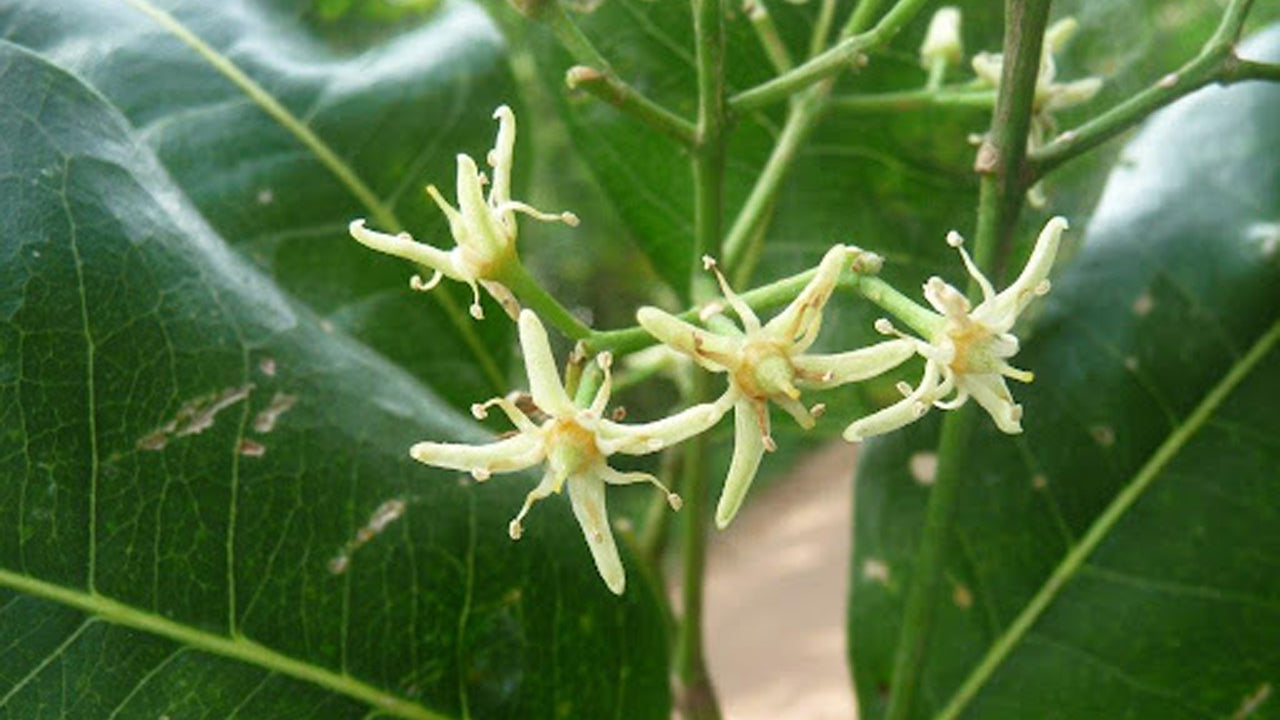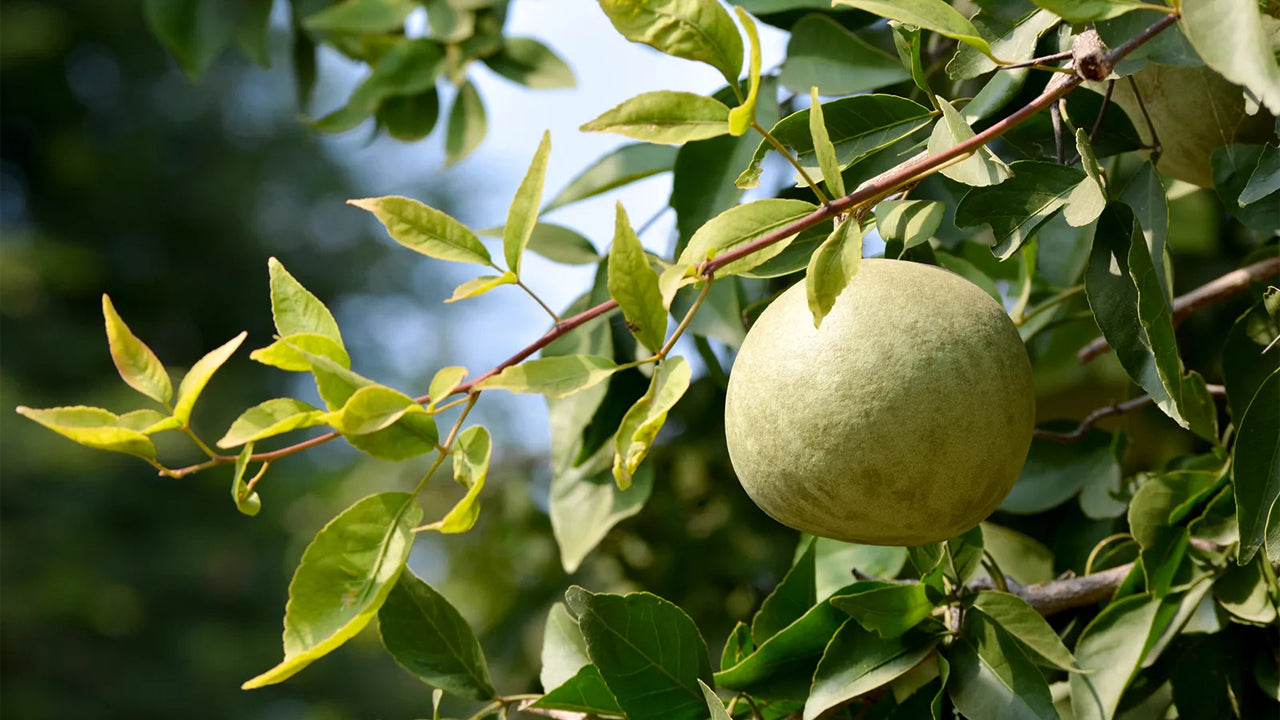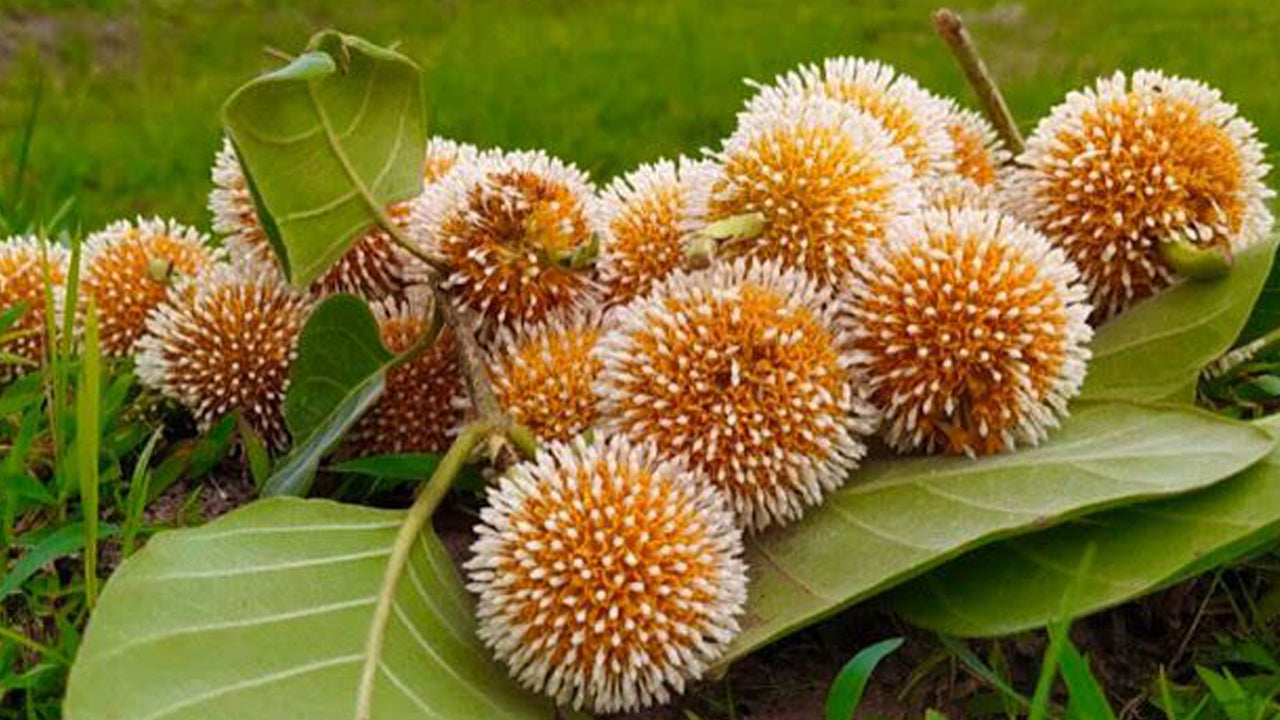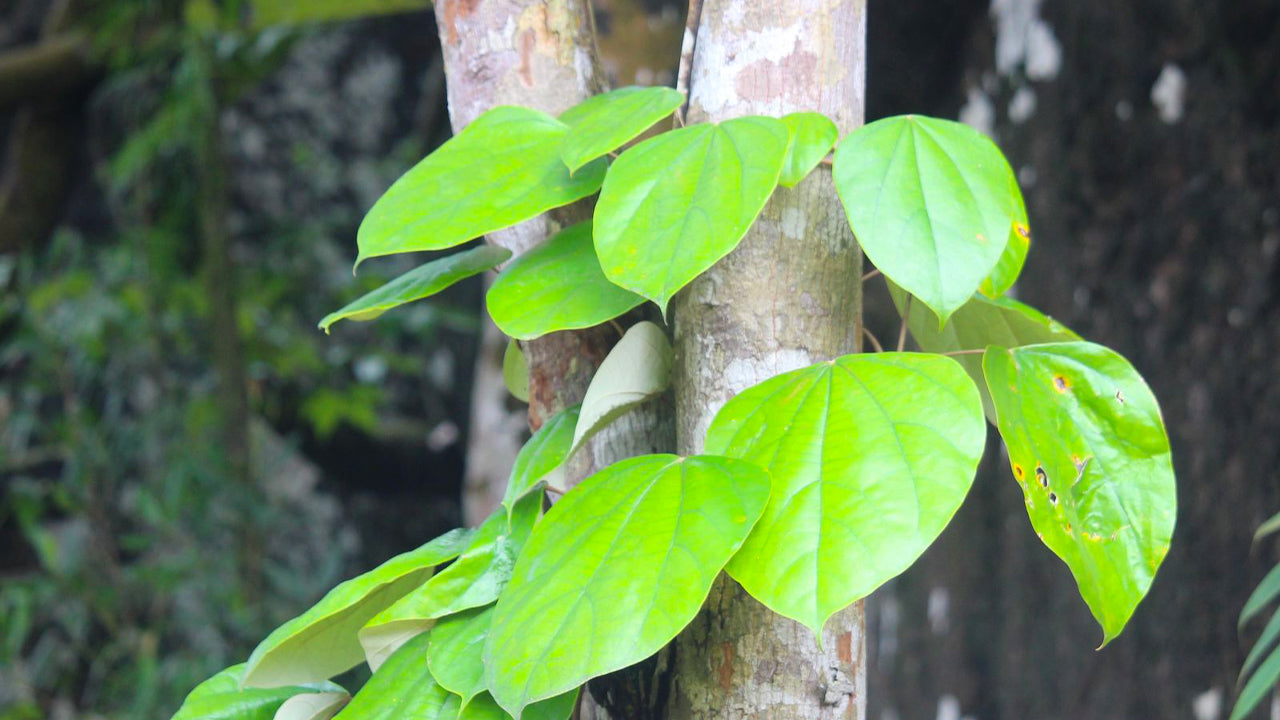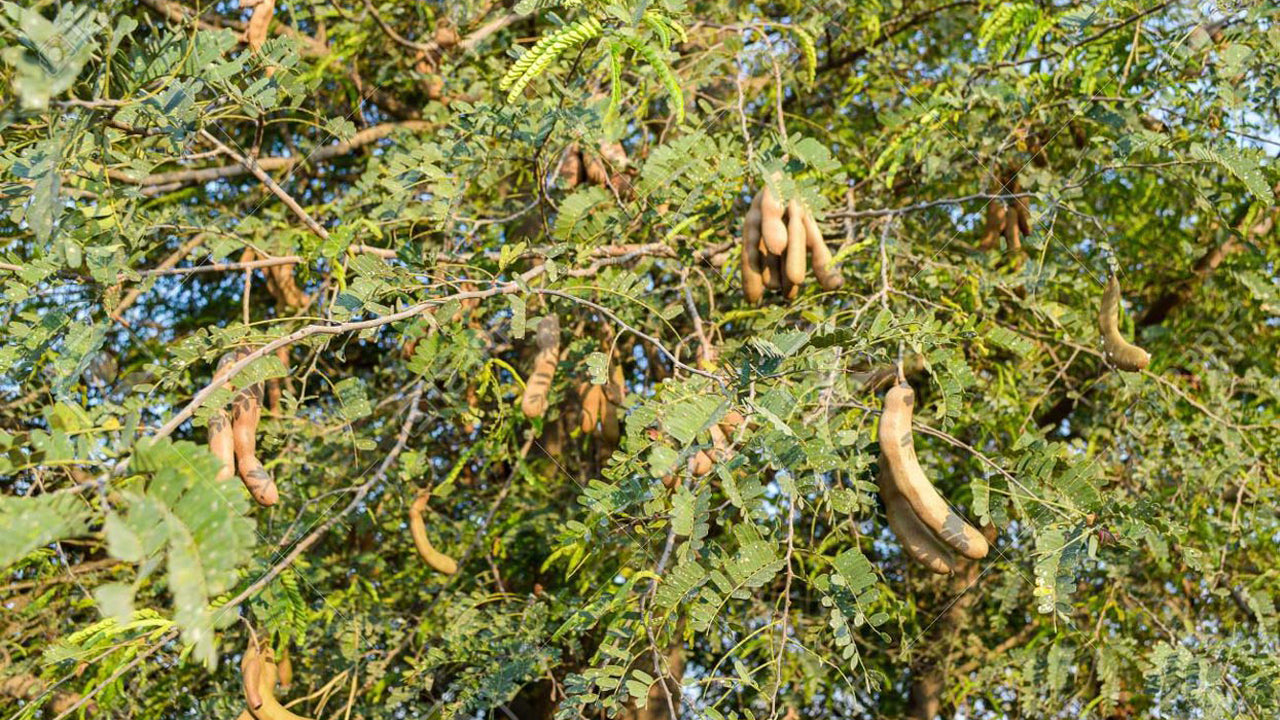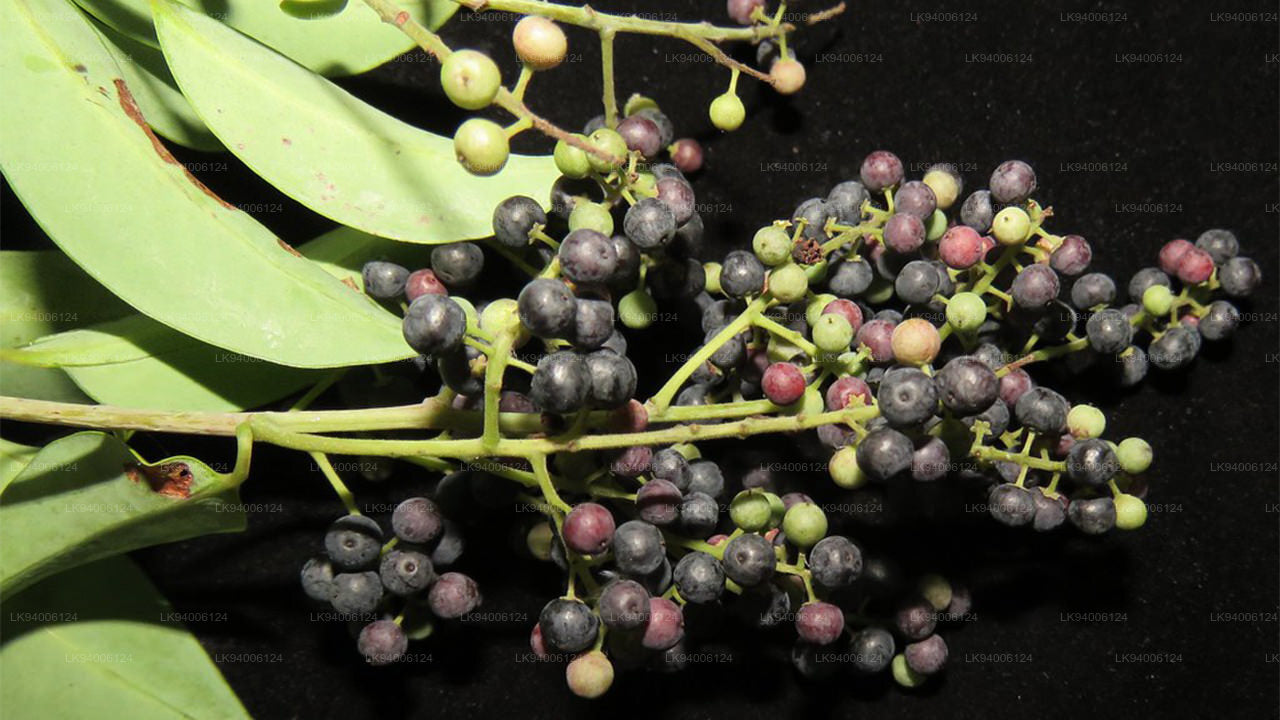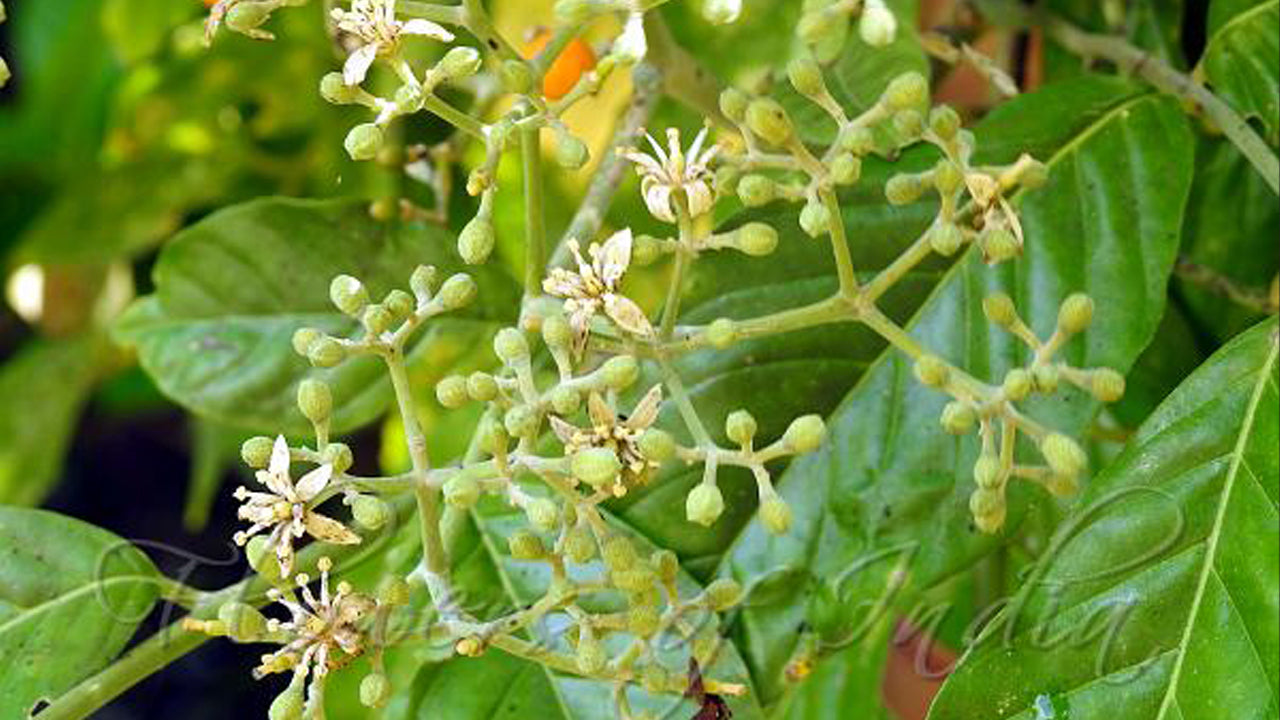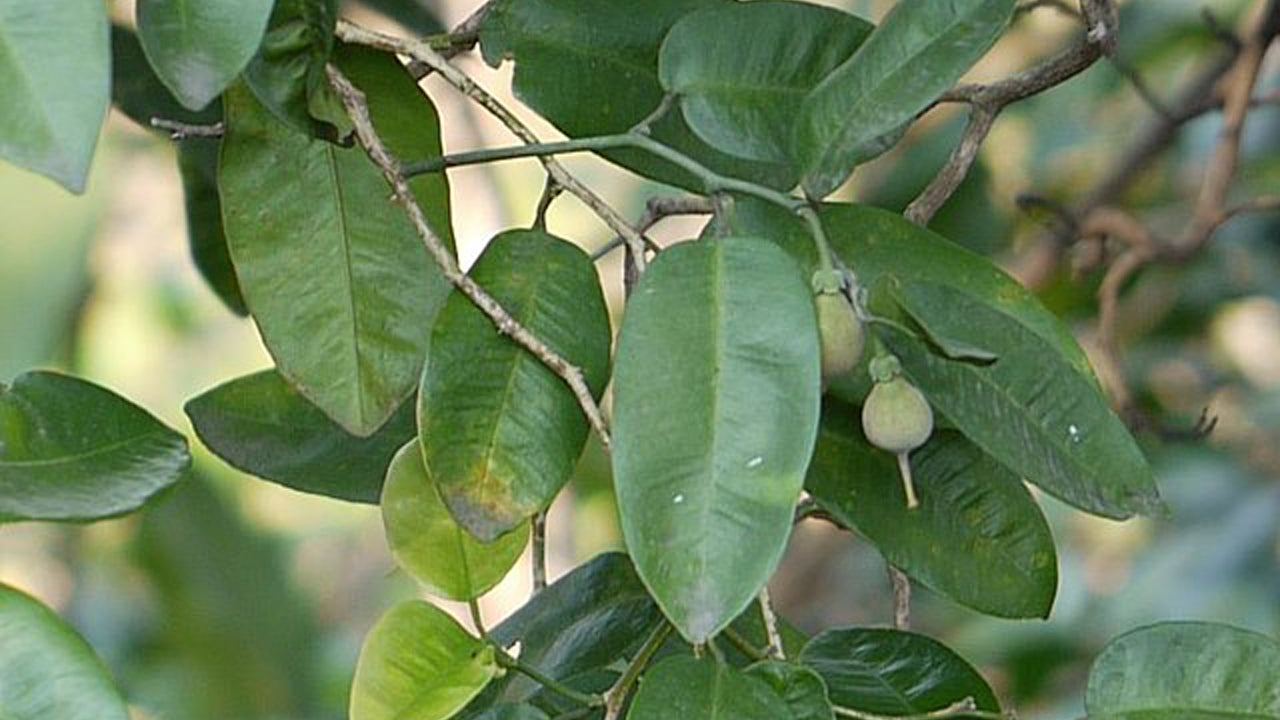



Mangifera indica, commonly known as the mango tree, is one of the most widely recognised flowering plants in tropical Asia and holds a significant place in Sri Lanka's catalogue of Ayurvedic medicinal plants. Beyond its fame as a fruit tree, every part of the plant — bark, leaves, flowers, fruit pulp, seed kernel, and resin — has been documented in traditional medicine systems for centuries, including the classical Ayurvedic texts that continue to guide practice in Sri Lanka today.
What is Mangifera indica and where does it grow in Sri Lanka?
Mangifera indica is a large evergreen tree belonging to the family Anacardiaceae. Native to South and Southeast Asia, it has been cultivated on the island for over two thousand years and now grows throughout Sri Lanka's dry and intermediate zones, with notable concentrations in the North Central, North Western, and Sabaragamuwa provinces. The tree thrives in well-drained soils at lower elevations and can reach heights of 30–40 metres at maturity, forming a dense, rounded canopy.
Wild and semi-wild specimens are commonly found alongside cultivated orchards, appearing near ancient irrigation settlements such as those around Polonnaruwa, where mango groves have been part of the agricultural and monastic landscape for millennia.
What are the Ayurvedic and medicinal properties of the mango tree?
In Ayurveda, Mangifera indica is classified primarily as an astringent and is used to balance the Pitta and Kapha doshas. Different parts of the plant carry distinct therapeutic profiles:
- Bark: Used in preparations targeting bleeding disorders, diarrhoea, and throat inflammations. The bark contains tannins, mangiferin, and gallic acid, compounds associated with anti-inflammatory and antimicrobial activity.
- Leaves: Fresh young leaves are traditionally used to manage blood glucose levels; leaf extracts are being studied for their role in supporting metabolic health.
- Flowers: Applied in treatments for urinary disorders and as a tonic during fevers.
- Seed kernel (aam beeja): Ground into powder and used for intestinal worms, diarrhoea, and as an ingredient in Ayurvedic formulations for skin conditions.
- Fruit pulp and juice: Ripe fruit is considered nourishing and cooling; unripe fruit, by contrast, is used in small quantities as a digestive stimulant.
- Resin: Applied externally in traditional treatments for cracked skin and mouth ulcers.
Several compounds isolated from Mangifera indica — particularly mangiferin, a naturally occurring polyphenol — have attracted modern pharmacological research for potential antioxidant, antiviral, and anti-inflammatory properties. Researchers note that traditional Ayurvedic applications have frequently preceded laboratory findings by centuries.
How is Mangifera indica used in Sri Lankan traditional medicine?
Sri Lanka's indigenous medical tradition, Deshiya Chikitsa, overlaps significantly with classical Ayurveda and draws on locally available plant material. Mangifera indica features in compound preparations (kalka, churna, and kashaya) found in texts such as the Sarartha Sangrahaya, a major Sinhala Ayurvedic compendium. Practitioners continue to prescribe bark decoctions (kashaya) for haemorrhagic conditions and leaf infusions as supportive therapy in diabetes management.
The tree also appears alongside other well-documented medicinal plants in traditional home gardens (called gedara watta), a living pharmacopeia that has been maintained across generations in rural Sri Lanka. Plants such as Syzygium aromaticum (clove) and Acacia chundra frequently grow in similar ecological and medicinal contexts.
What is the cultural significance of the mango tree in Sri Lanka?
The mango occupies a distinctive place in Sri Lankan cultural and religious life. Mango leaves strung into garlands (mango leaf thorana) are used to decorate doorways during Sinhala New Year (Avurudu), Buddhist ceremonies, and Hindu festivals — a practice with roots stretching back to pre-colonial times. The fruit itself is woven into local cuisine, appearing in chutneys, pickles such as Lunu Dehi, and fresh preparations sold at roadside markets across the island.
In Buddhist iconography and Jataka tales, the mango tree and its fruit appear repeatedly as symbols of abundance and generosity. Several ancient chronicles describe mango groves planted near monasteries and royal complexes, underscoring the tree's status beyond mere utility.
What varieties of mango are found in Sri Lanka?
Sri Lanka cultivates a notably diverse range of mango varieties, many unique to the island. Among the most prized are:
- Karthakolomban: A large, fibre-free variety considered premium for fresh consumption and export.
- Willard: A medium-sized variety with a rich, sweet flavour profile, popular in local markets.
- Rata Amba: A small, deeply aromatic variety used in traditional culinary preparations.
- Gira Amba: Prized for its sweetness and thin skin; commonly sold at seasonal roadside stalls.
- Tom Eks (Tom EK): Gaining popularity for its consistent yield and eating quality.
The peak mango season in Sri Lanka typically falls between April and July, though some varieties extend availability into August. Visiting a working fruit farm — such as Midigama Fruit Farm — offers travellers an opportunity to sample multiple varieties in their growing environment.
Is Mangifera indica safe to use medicinally?
When used in the context of traditional Ayurvedic preparations and under guidance from a qualified practitioner, Mangifera indica is generally regarded as safe. However, some individuals develop contact dermatitis from the tree's resin and sap, which contain urushiol-related compounds — a sensitivity shared with other Anacardiaceae family members such as cashew. Mango fruit itself is widely consumed without issue, though very large quantities of unripe fruit or concentrated bark preparations are typically avoided outside supervised therapeutic use.
As with all medicinal plant use, consulting a registered Ayurvedic physician is advisable before using concentrated preparations of bark or seed kernel, particularly for individuals with existing health conditions or who are pregnant.
How does Mangifera indica relate to Sri Lanka's broader Ayurvedic plant tradition?
Sri Lanka is home to a remarkably rich pharmacopeia of indigenous medicinal plants, many catalogued and protected under national heritage and biodiversity frameworks. Mangifera indica is listed alongside species such as Pongamia pinnata in the country's Ayurvedic reference materials, reflecting the island's long engagement with plant-based healing. The World Health Organization recognises traditional medicine systems including Ayurveda as integral to primary healthcare in Sri Lanka and across South Asia, a recognition that has accelerated research into the bioactive compounds found in plants like Mangifera indica.
For travellers with an interest in Sri Lanka's living herbal traditions, visits to Ayurvedic gardens, rural home gardens, and spice and herb farms provide grounded, first-hand exposure to the botanical knowledge that has shaped the island's culture and medicine for centuries.