


Jatropha podagrica, commonly called the gout plant or Buddha belly plant, is a succulent shrub native to Central America that has been naturalised across tropical Asia, including Sri Lanka. In the island's ayurvedic medicinal tradition, it holds a recognised place as a plant with therapeutic properties, particularly valued for its anti-inflammatory and purgative qualities. Its striking swollen stem and coral-red flower clusters make it one of the more visually distinctive plants in both garden settings and traditional herbal collections.
What does Jatropha podagrica look like?
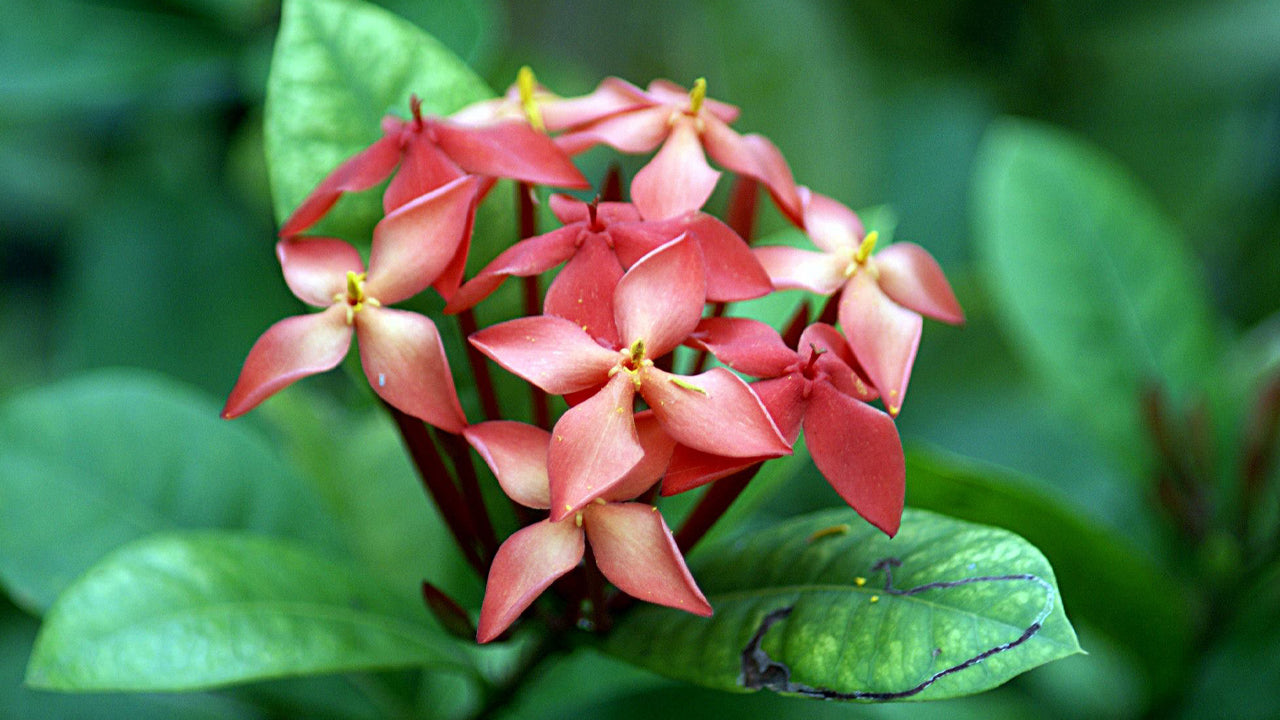
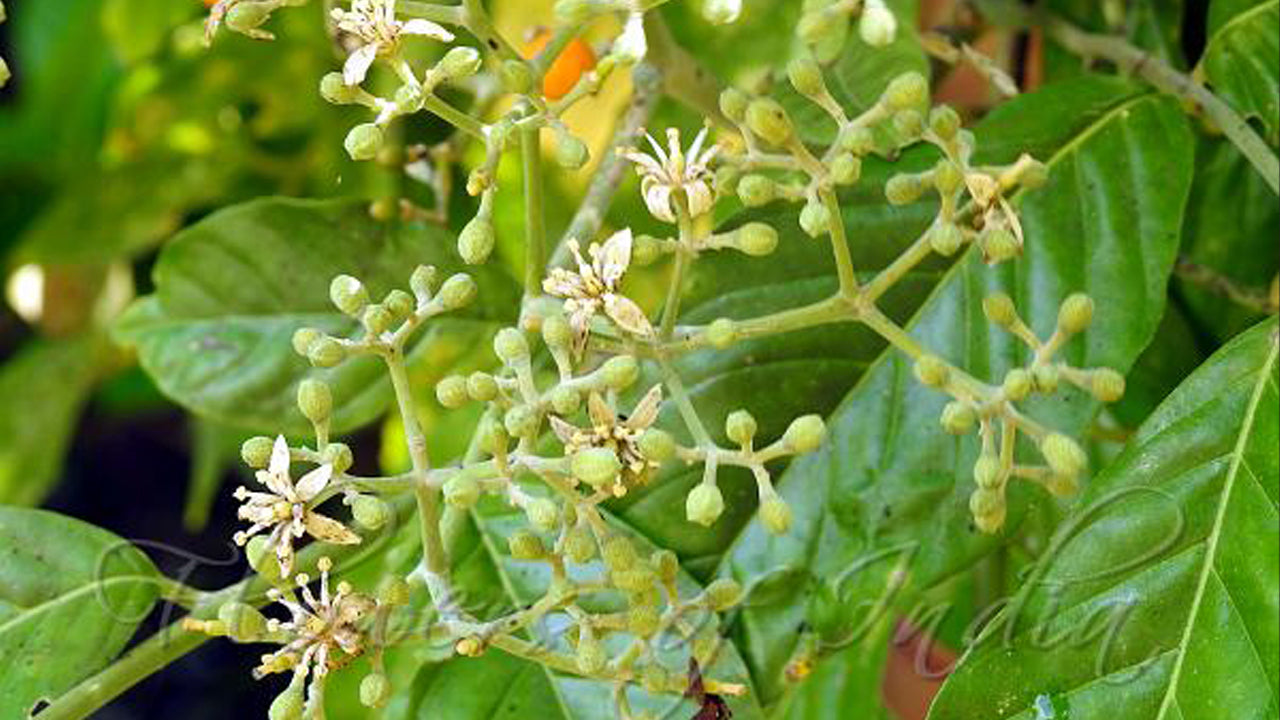
The plant takes its common name "gout plant" from the characteristic bottle-shaped or knobbly base of its trunk, which resembles a joint swollen by gout. It is a slow-growing, semi-succulent shrub that typically reaches 60–90 cm in height. The stems are thick and water-storing, allowing the plant to tolerate dry spells. Leaves are large, lobed, and bright green, emerging from the upper portion of the stem on long stalks. Clusters of small, vivid red or coral-orange flowers bloom on long peduncles well above the foliage, making the plant attractive to gardeners and pollinating insects alike.
Like most members of the Euphorbiaceae family, Jatropha podagrica produces a milky white latex sap. This sap, along with the seeds, contains toxic compounds — a property that is both a caution for handling and a source of bioactive substances studied in ethnobotany and pharmacology.
What is Jatropha podagrica used for in ayurvedic medicine?
Within Sri Lanka's ayurvedic framework, Jatropha podagrica is catalogued as a medicinal plant with several traditional applications. The roots and stem have been used in preparations intended to address inflammatory conditions, which aligns with the anti-inflammatory properties documented in pharmacognostic research. The plant has also been applied in traditional formulations for skin conditions and as a purgative agent in controlled therapeutic contexts.
It is important to note that all parts of the plant contain curcin, a toxic lectin, and jatrophin. Traditional ayurvedic use always involves processed preparations administered under the guidance of a qualified practitioner — the plant should never be used for self-treatment. This cautious, supervised approach is a hallmark of the Sri Lankan ayurvedic tradition, which emphasises preparation methods that reduce toxicity while preserving therapeutic benefit.
Sri Lanka has a long history of integrating plants like Jatropha podagrica into its pharmacopoeia alongside better-known medicinal species such as Acacia chundra and Pongamia pinnata, both of which also appear in the national catalog of ayurvedic medicinal plants.
Where does Jatropha podagrica grow in Sri Lanka?
Although it is not native to the island, Jatropha podagrica is well established in Sri Lanka's lowland tropical zones. It grows readily in warm, well-drained soils and is found in home gardens, botanical collections, and traditional herbalist plots across the low country wet and dry zones. The plant thrives in full sun and tolerates seasonal drought, making it a practical choice for herb gardens in the drier north and east as well as the coastal south and west.
Botanical gardens and ayurvedic research institutes across Sri Lanka maintain collections of documented medicinal plants, and Jatropha podagrica is among the species represented. Visitors interested in Sri Lanka's plant heritage may encounter it alongside a wide range of tropical medicinal species cultivated for study and conservation.
How does Jatropha podagrica fit into Sri Lanka's broader ayurvedic tradition?
Sri Lanka's ayurvedic tradition is one of the oldest continuously practised systems of medicine in the world, rooted in ancient Sinhala texts and the island's extraordinary plant biodiversity. The national catalog of ayurvedic medicinal plants runs to thousands of entries, encompassing herbs, trees, shrubs, and climbers found across diverse ecosystems — from the rainforests of the wet zone to the scrublands of the dry zone.

Jatropha podagrica sits within a category of plants that are regarded as potent but must be handled with care. This reflects a broader principle in ayurvedic pharmacology: that toxicity and therapeutic value are not opposites but rather depend on preparation, dosage, and the condition being treated. Traditional preparations involving such plants are typically decocted, dried, or combined with adjuvants that modify their action and safety profile.
The formulation Yogaraja Guggulu is a well-known ayurvedic compound used for musculoskeletal conditions, illustrating how classical ayurveda combines multiple plant-derived ingredients into balanced formulas — a tradition that informs how plants like Jatropha podagrica are understood and used in context rather than in isolation.
Is Jatropha podagrica related to other Jatropha species?
The genus Jatropha contains over 170 species distributed across tropical and subtropical regions. In Sri Lanka, the most widely known relative is Jatropha curcas, the physic nut, which has attracted global attention for its potential as a biofuel crop. While Jatropha curcas and Jatropha podagrica share the family's characteristic toxicity and latex production, they differ considerably in form — Jatropha curcas is a multi-stemmed shrub or small tree lacking the podagrica's distinctive swollen trunk.
Both species appear in ethnobotanical records from across tropical Asia, and both have been subjects of pharmacological research examining their bioactive compounds. For travellers and researchers with an interest in Sri Lanka's plant life, understanding the distinctions between species within the same genus illustrates the depth and nuance of the island's botanical heritage.
Can travellers see ayurvedic plants like Jatropha podagrica in Sri Lanka?
Sri Lanka offers a number of ways for curious visitors to engage with its ayurvedic plant heritage. Established ayurvedic centres, herbal gardens, and research institutes across the country provide guided experiences explaining the identification, cultivation, and use of medicinal plants. Some eco-lodges and village stays in the Sinharaja Forest Reserve buffer zone and other biodiverse areas include walks led by knowledgeable local guides who can point out medicinal species in their natural or cultivated settings.
For those travelling through Sri Lanka's cultural heartland, village immersion experiences offer direct contact with traditional agricultural and medicinal plant knowledge that has been passed down through generations. These encounters provide context that no botanical guidebook can fully replicate — placing plants like Jatropha podagrica within the living culture of communities that still rely on ayurvedic practice.