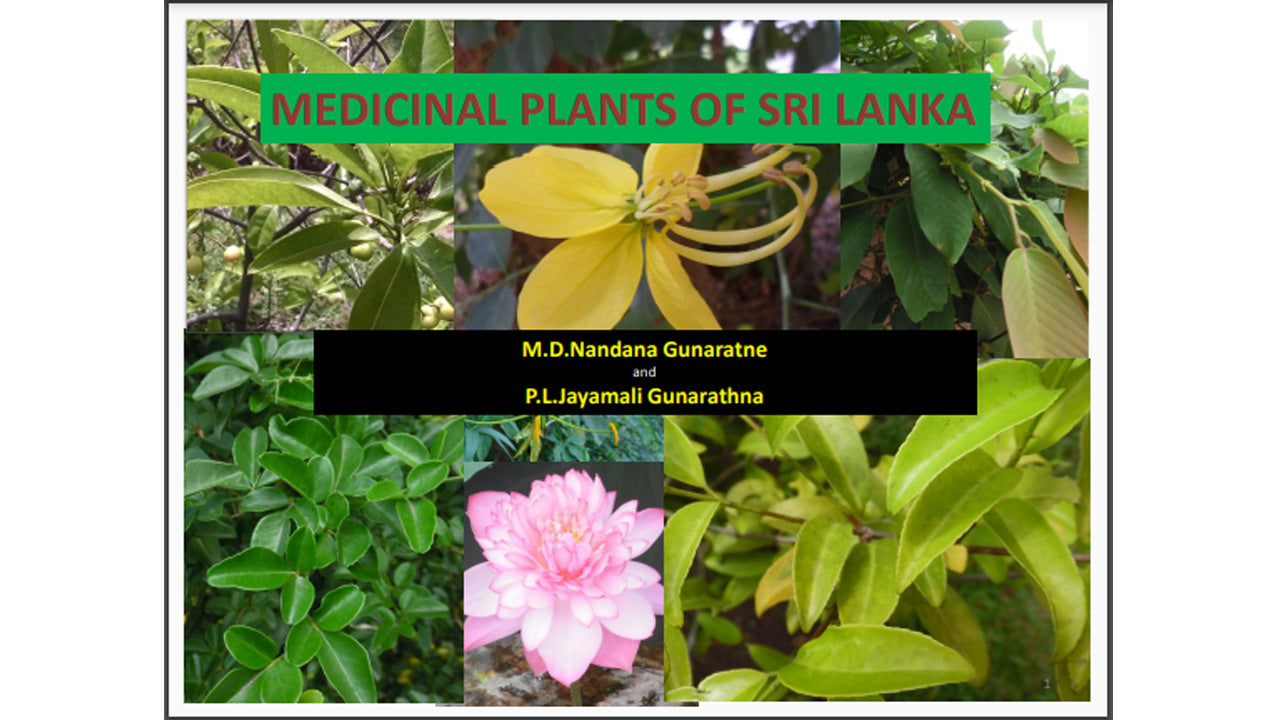
Hordeum vulgare, commonly known as barley, holds a respected place in Sri Lanka's catalogue of Ayurvedic medicinal plants. While the crop is more widely cultivated across South Asia and the temperate world, its therapeutic applications have been documented within the island's traditional healing systems for centuries. Practitioners of Ayurveda recognise barley not merely as a grain but as a multi-purpose medicinal ingredient with documented uses in classical texts.
What is Hordeum vulgare?
Hordeum vulgare is an annual cereal grass belonging to the family Poaceae. It produces long, bristled seed heads — the familiar ears of barley — and is one of the earliest cultivated grains in human history, with agricultural records tracing back more than ten thousand years. The plant grows in cool, well-drained soils and is adaptable across a wide range of climates, from highland temperate zones to semi-arid regions.
Two main forms are commonly distinguished: hulled barley, where the outer husk remains attached after threshing, and hulless (or naked) barley, where it separates more readily. In Ayurvedic preparation, both forms appear, though the specific variety used often depends on the formulation and regional tradition.
How is barley used in Ayurvedic medicine?
Within Ayurveda — the ancient Indian system of medicine that remains practised across Sri Lanka today — Hordeum vulgare is classified primarily as a food-medicine. Classical Ayurvedic texts including the Charaka Samhita and Sushruta Samhita reference yava (the Sanskrit name for barley) extensively, placing it among the most therapeutically valued grains.
Key traditional applications include:
- Digestive support: Barley preparations are considered light and easy to digest, making them suitable for patients recovering from illness or managing digestive weakness.
- Urinary health: Barley water (a decoction of the grain) has long been used in traditional practice as a diuretic and to support kidney function.
- Weight management: Because barley is filling yet low in fat, it features in formulations aimed at reducing excess kapha, one of the three doshas (bodily humours) in Ayurvedic theory.
- Skin preparations: Barley flour paste is applied topically in some traditional remedies to manage inflammatory skin conditions.
- Strength and vitality: Roasted barley preparations are considered nourishing and are sometimes prescribed to rebuild strength after illness.
In Sri Lanka's Ayurvedic tradition, barley occasionally features alongside other well-known medicinal plants. Acacia chundra, for instance, is another plant catalogued within the same Ayurvedic pharmacopoeia, illustrating the breadth of Sri Lanka's botanical heritage.
What are the active compounds in Hordeum vulgare?
Modern phytochemical research has helped explain many of the therapeutic claims made for barley in classical texts. The grain contains a range of biologically active constituents:
- Beta-glucans: Soluble fibres that have demonstrated effects on cholesterol regulation and blood glucose management in clinical studies.
- Tocols (tocotrienols and tocopherols): Vitamin E compounds with antioxidant activity.
- Phenolic compounds: Including ferulic acid and catechins, which contribute antioxidant and anti-inflammatory properties.
- Lignans: Phytoestrogen precursors associated with hormonal balance in some research contexts.
- Vitamins and minerals: Barley is a reasonable dietary source of B vitamins (particularly niacin and thiamine), manganese, and phosphorus.
It is worth noting that the beta-glucan content of barley has attracted particular attention in contemporary nutrition science, and some regulatory bodies have permitted qualified health claims related to cholesterol reduction on barley-based food products.
How does barley fit into Sri Lanka's Ayurvedic plant tradition?
Sri Lanka maintains a rich tradition of Ayurvedic and indigenous medicine, supported by government institutions such as the Department of Ayurveda. The island's forests and cultivated landscapes host hundreds of medically significant species. Barley occupies a somewhat different niche from many tropical medicinal plants: it is not a native Sri Lankan species and is not widely cultivated on the island commercially. However, it has been imported and used in prepared Ayurvedic formulations — powders, decoctions, and compound medicines — for generations.
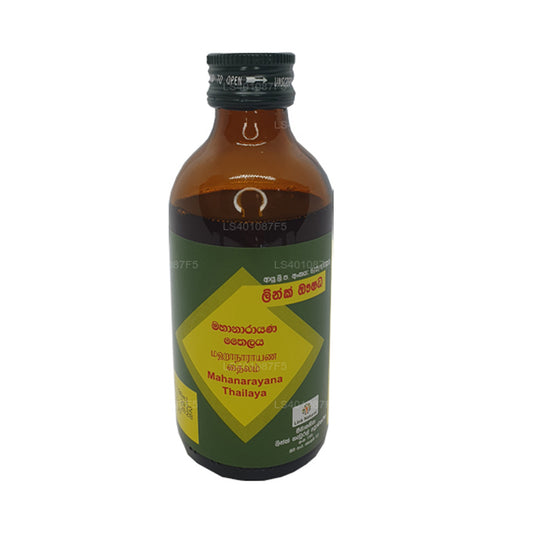
Traditional Ayurvedic compound preparations such as Yogaraja Guggulu and Kaishore Guggulu illustrate how barley and similar grains may appear as supporting ingredients within multi-herb formulations, blended according to classical pharmacological principles rather than used as standalone remedies.
The broader catalogue of Sri Lankan Ayurvedic plants — which includes species like Pongamia pinnata and Syzygium aromaticum — reflects a sophisticated botanical knowledge system that draws on both native flora and introduced species valued for their medicinal properties.
What is the relationship between barley and modern nutritional science?
Contemporary dietetics largely validates the nutritional profile that Ayurvedic practitioners recognised empirically. Whole grain barley is high in dietary fibre, particularly the soluble beta-glucan fraction, which supports cardiovascular health and helps moderate blood glucose levels after meals. It has a lower glycaemic index than refined grains such as white rice, making it of interest in dietary management of type 2 diabetes.
Barley malt — produced by germinating the grain and then drying it — is widely used in food and beverage production globally, though this processed form differs considerably from the whole grain preparations used in Ayurvedic medicine.
Where can barley-based Ayurvedic preparations be found in Sri Lanka?
Ayurvedic pharmacies and wellness centres across Sri Lanka stock a range of preparations incorporating barley, typically in the form of compound powders (churnas) or as a dietary adjunct recommended by Ayurvedic physicians. Registered Ayurvedic practitioners, who are regulated under Sri Lankan law, are the appropriate source for personalised guidance on using barley in a therapeutic context.
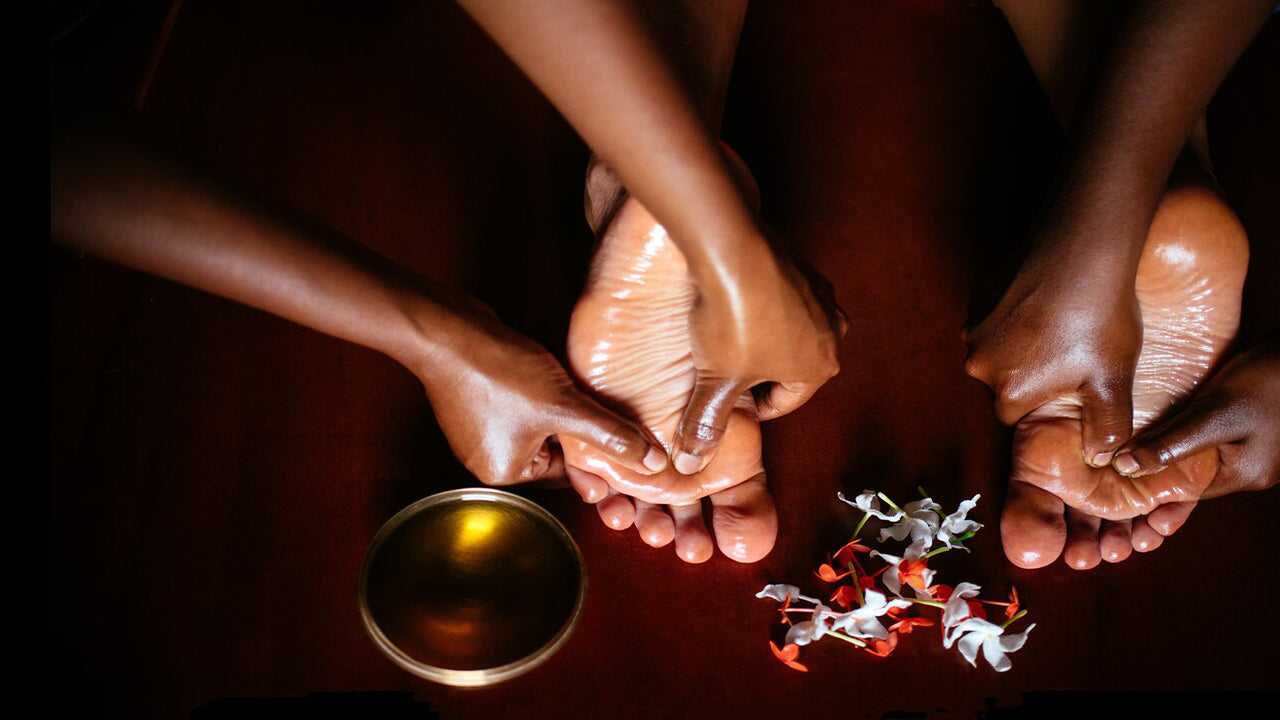
Visitors with an interest in Ayurveda often find that Sri Lanka's dedicated Ayurvedic retreats and hospital-grade wellness centres offer the best context for understanding how individual plants like Hordeum vulgare are used within a complete treatment system rather than in isolation.