Lakpura
Lakpura®

Caraway

Caraway (Carum carvi) is one of the world's oldest cultivated spices, prized across Europe, the Middle East, and South Asia for its warm, slightly anise-like flavour with a faint peppery edge. Though not native to Sri Lanka, it has found a firm place in local spice markets, home kitchens, and Ayurvedic practice, where its digestive qualities make it as valued as its taste.

What does caraway look and taste like?

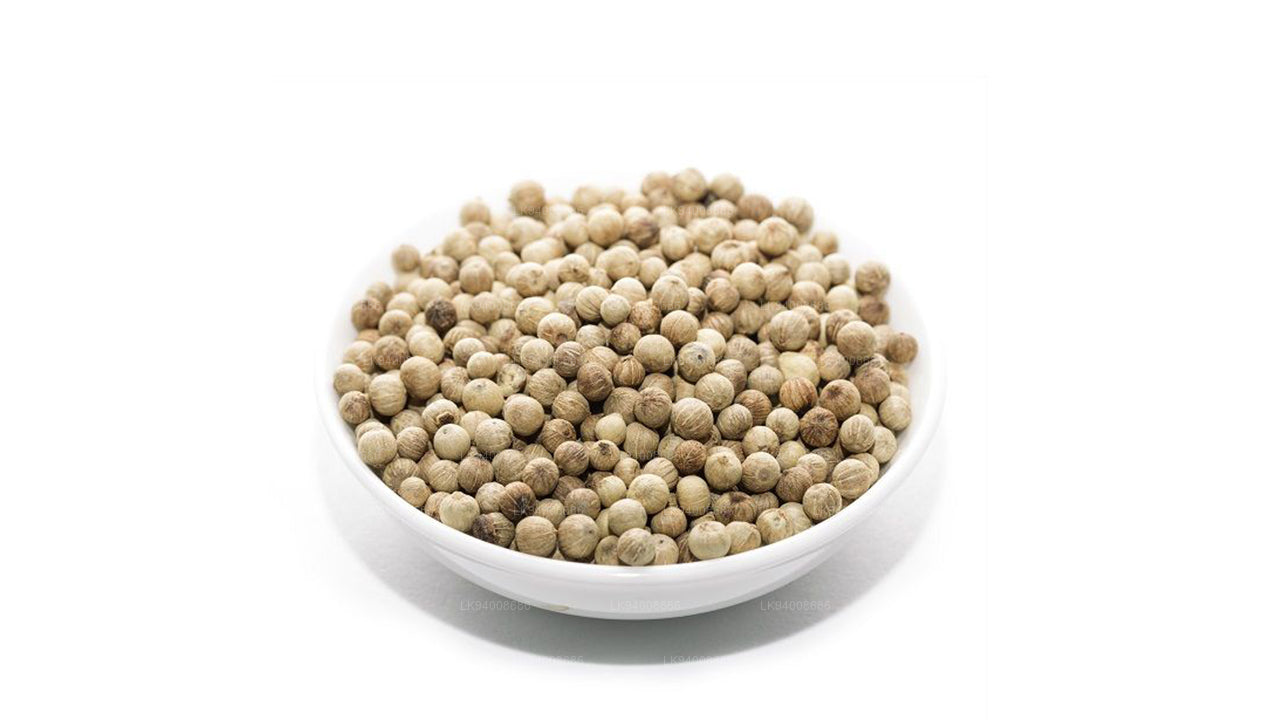
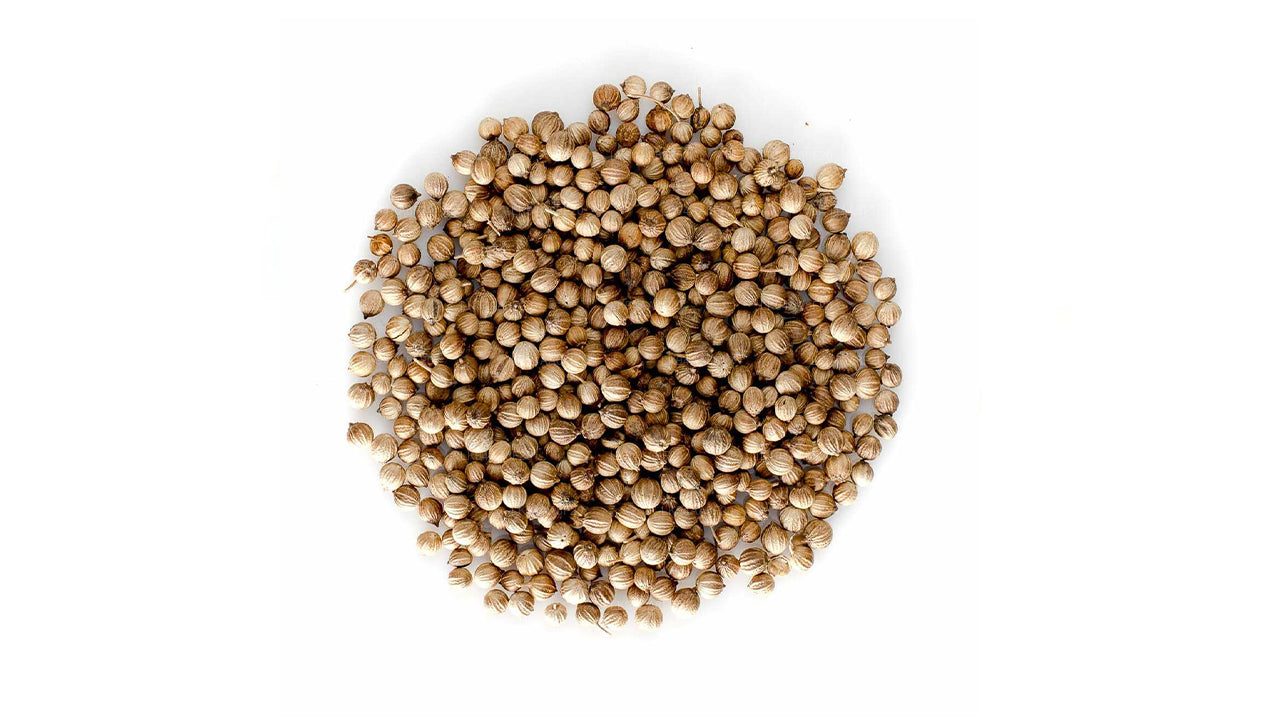
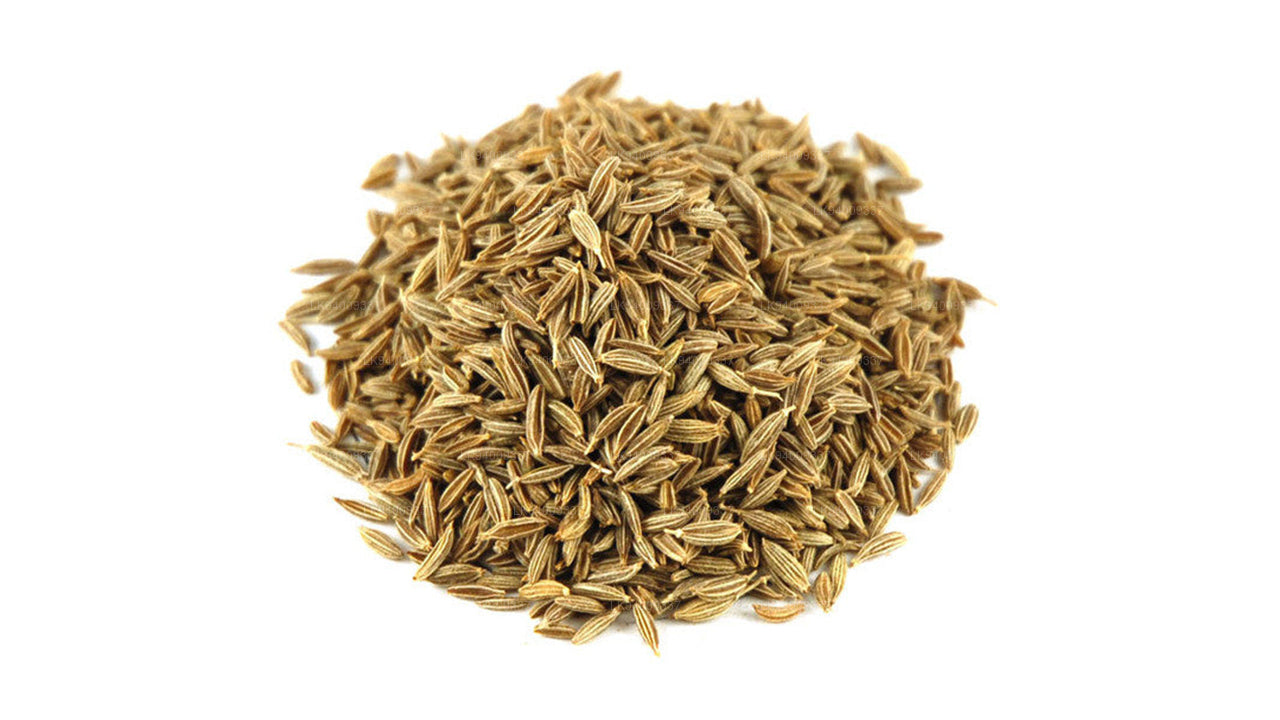
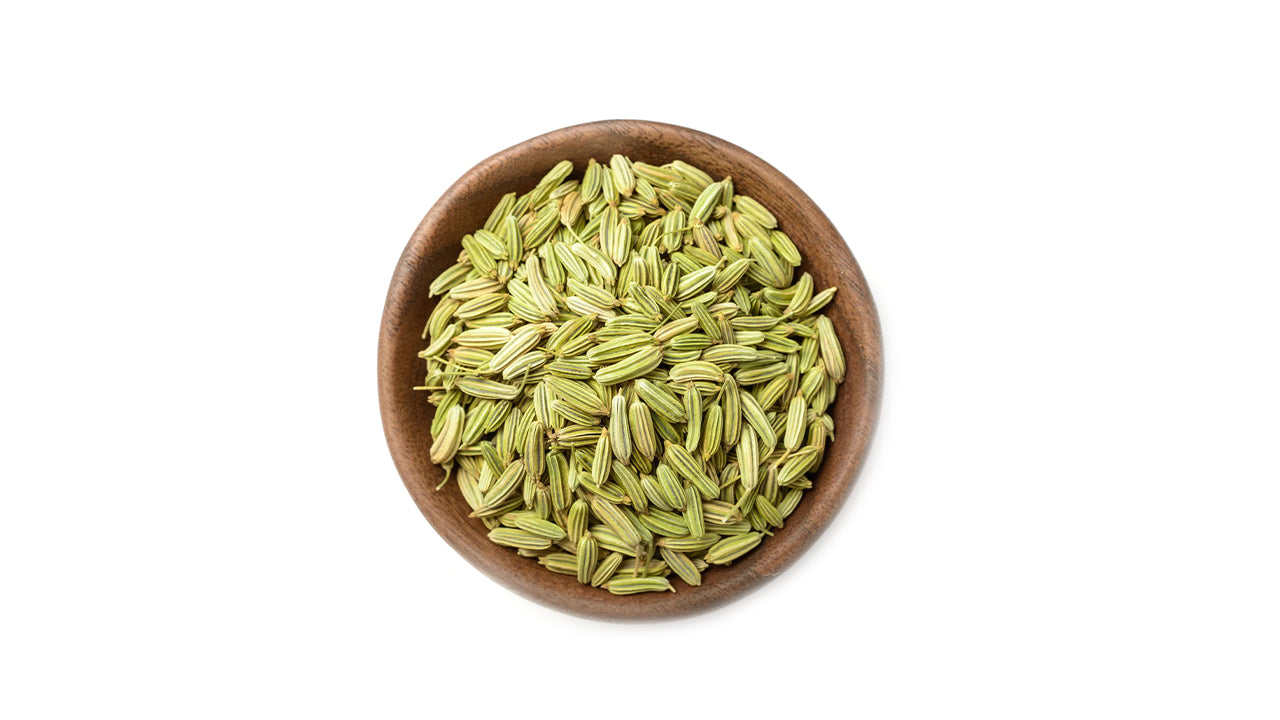
Caraway seeds are small, curved, and ridged — typically 3–5 mm long with a pale brown colour and five lighter ribs running along their length. They look similar to cumin or fennel seeds and are sometimes confused with them, but the flavour profile is distinct: earthy and slightly sweet, with a natural warmth that deepens when the seeds are dry-toasted. The aroma comes primarily from two essential oils — carvone and limonene — which together give caraway its characteristic sharpness.

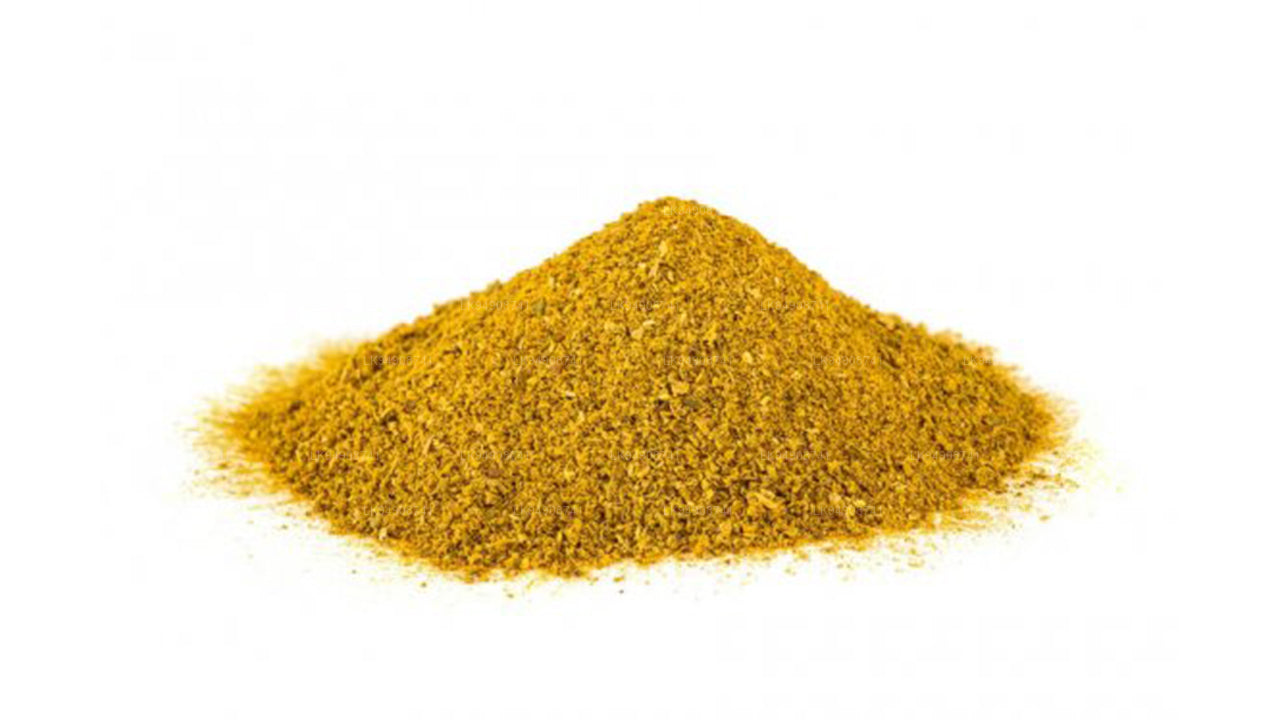
Whole seeds release flavour gradually during cooking, making them well suited to slow-cooked dishes, braised meats, and breads. Ground caraway disperses more quickly, which is why it is commonly found in spice blends and Ayurvedic churna formulations.

How is caraway used in Sri Lankan cooking and medicine?

In Sri Lankan cuisine, caraway appears most often in mixed spice blends used for curries and rice dishes, alongside more prominent local spices such as Ceylon black pepper and cloves. Because its flavour is pronounced, cooks tend to use it in small quantities — enough to add aromatic depth without overpowering other ingredients.

Beyond the kitchen, caraway is a recognised carminative in traditional Ayurvedic and herbal medicine. Practitioners use it to ease indigestion, reduce bloating, and stimulate appetite. Caraway tea — made by steeping lightly crushed seeds in hot water — is a common home remedy for digestive discomfort and is considered safe for most adults when consumed in culinary amounts.

  • Digestive support: Carvone relaxes the smooth muscle of the gut, helping to relieve gas and cramps.
  • Appetite stimulation: Small doses before meals are traditionally used to sharpen appetite.
  • Antimicrobial properties: Laboratory studies suggest caraway essential oil inhibits certain bacterial and fungal strains, though clinical evidence in humans remains limited.
  • Ayurvedic preparations: Ground caraway features in compound formulas such as digestive churnas, where it works synergistically with other herbs.

What are the main culinary applications of caraway?

Caraway's versatility means it crosses many culinary traditions. In Europe it is the defining flavour of rye bread and certain cheeses. In North Africa and the Middle East it appears in harissa paste and lamb dishes. In Sri Lanka and broader South Asia it enriches spice blends and herbal teas.

  • Baking: Whole seeds are folded into bread and cracker doughs, where heat draws out their aroma.
  • Curries and stews: A small pinch of ground caraway adds warmth and complexity to meat and vegetable curries.
  • Pickling: Seeds are added to pickling brines for vegetables such as cabbage, cucumber, and beets.
  • Liqueurs and digestifs: Caraway is the primary botanical in Kümmel, a Central European liqueur, and features in several Scandinavian aquavits.
  • Herbal teas: Lightly crushed seeds steeped for five to ten minutes produce a mildly spiced infusion used as an after-meal digestive aid.

Where can you buy caraway in Sri Lanka?

Caraway seeds are imported and available year-round in Sri Lanka. You will find them in dedicated spice shops, Ayurvedic herb stores, and larger supermarkets in Colombo and other main cities. They are sold whole, coarsely cracked, or as a fine powder. Whole seeds store best — kept in a sealed, airtight container away from heat and direct light, they retain good flavour for up to two years. Ground caraway loses potency faster and is best used within six to twelve months.

For home Ayurvedic use, caraway powder is also stocked by herbal pharmacies alongside other digestive botanicals, and it frequently appears in compound preparations.

How does caraway compare with similar spices?

Spice Botanical name Flavour profile Common use
Caraway Carum carvi Earthy, anise-like, warm Bread, curries, herbal tea
Cumin Cuminum cyminum Nutty, slightly bitter, smoky Curries, rice, spice blends
Fennel seed Foeniculum vulgare Sweet, anise-forward, mild Fish dishes, teas, after-meal snack
Dill seed Anethum graveolens Fresh, grassy, slightly bitter Pickling, bread, salads

All four belong to the Apiaceae family and share a superficial visual resemblance, which is why accurate labelling at the point of purchase matters. Caraway is notably more intense than fennel and carries a distinctly earthy undertone that cumin does not.

Are there any precautions when using caraway?

Caraway is considered safe for most people when used in typical culinary quantities. Individuals with known allergies to other Apiaceae family plants — such as celery, fennel, or coriander — should exercise caution, as cross-reactivity is possible. Medicinal-strength doses should be discussed with a qualified Ayurvedic or medical practitioner, particularly during pregnancy, as high doses have historically been used to stimulate uterine contractions. At the small quantities used in everyday cooking, caraway presents no documented risk for healthy adults.

How should caraway be stored to keep its flavour?

Store whole caraway seeds in a glass jar or tin with a tight-fitting lid, away from direct sunlight, moisture, and heat sources such as the stove. Sri Lanka's humidity can accelerate flavour loss, so airtight storage is especially important here. Avoid pre-grinding more than you need for a recipe — the essential oils that carry the flavour begin to volatilise quickly once the seed coat is broken. A small spice grinder or mortar and pestle used just before cooking gives the best result.

Book this experience with Lakpura

Curated by our local team. Direct booking, instant confirmation.

Ask Lakpura® Agent