पाइपर लोंगम (තිප්පිලි)


टिप्पिली, जिसे इसके बोटानिकल नाम पिपर लॉन्गम के नाम से भी जाना जाता है, पाइपरासी परिवार का सदस्य है। यह दुनिया भर में एक मसाले के रूप में बढ़ती लोकप्रियता प्राप्त कर रहा है। यह एक फूलों वाली पौधा है जो काली मिर्च के समान है, लेकिन यह काली मिर्च से थोड़ा गर्म होता है। पिपेरिन एक एंटीहाइपरटेंसिव और एंटीपाइरेटिक पदार्थ है। इसके अलावा, टिप्पिली में कई औषधीय गुण होते हैं और यह आयुर्वेद में कई रोगों के उपचार में प्रयोग किया जाता है। यह भूख को शांत करता है। यह पाचन को सरल बनाता है। यह कीड़ों को मारता है और एक पुनरुत्थानकारी दवा के रूप में कार्य करता है। इसके अलावा, इसमें कई एंटी-कैंसर, एंटीऑक्सीडेंट, एंटीमाइक्रोबियल, एंटी-इंफ्लेमेटरी, एनाल्जेसिक, एंटी-हाईपरलिपिडेमिक, एंटी-डिप्रेसेंट, एंटी-लिवर और एंटी-कार्डियोवस्कुलर गुण होते हैं।
- श्रीलंका में सामान्य नाम: थिप्पिलिया (????????)
- वैज्ञानिक नाम: पिपर लॉन्गम
- आवास: यह 600 मीटर की ऊंचाई पर जंगलों में पाया जाता है।
- औसत ऊंचाई: 90 से 120 सेमी
पिपर लॉन्गम के औषधीय उपयोग:
टिप्पिली में कई औषधीय गुण होते हैं जिन्हें आप अपने आहार में एक मसाले के रूप में जोड़ सकते हैं। इसके कई स्वास्थ्य लाभ हैं, लेकिन आपको इसे दवाइयों के विकल्प के रूप में उपयोग नहीं करना चाहिए। याद रखें कि इसे केवल उचित चिकित्सकीय सलाह पर ही दवा के रूप में उपयोग किया जाना चाहिए।
-
अनिद्रा से संबंधित समस्याओं को राहत देता है:
टिप्पिली अनिद्रा और अन्य नींद से संबंधित समस्याओं को कम करने में मदद कर सकता है और आपको एक अच्छी रात की नींद में मदद कर सकता है।
-
पाचन क्रिया को उत्तेजित करता है:
यह धीमे पाचन को उत्तेजित करता है और शरीर में वसा के संचय को रोकता है। यह खराब कोलेस्ट्रॉल या LDL स्तर को कम करता है।
-
हड्डियों को मजबूत करता है:
टिप्पिली हड्डियों की ताकत और अखंडता बनाए रखता है और हड्डियों के टूटने का जोखिम कम करता है।
-
स्वसन तंत्र को पुनर्जीवित करता है:
टिप्पिली आपके स्वसन तंत्र को स्वच्छ करता है और पूरे स्वसन तंत्र को ताजगी प्रदान करता है। यह श्वसन मार्ग से अतिरिक्त श्लेष्मा को निकालता है। यह शरीर के गहरे श्वसन ऊतकों को पोषित करता है।
-
पाचन सुधारता है:
टिप्पिली का उपयोग भूख और पाचन को बेहतर बनाने के लिए किया जाता है और पेट दर्द, अपच, गैस, दस्त और हैजा जैसी बीमारियों के उपचार में किया जाता है।


-
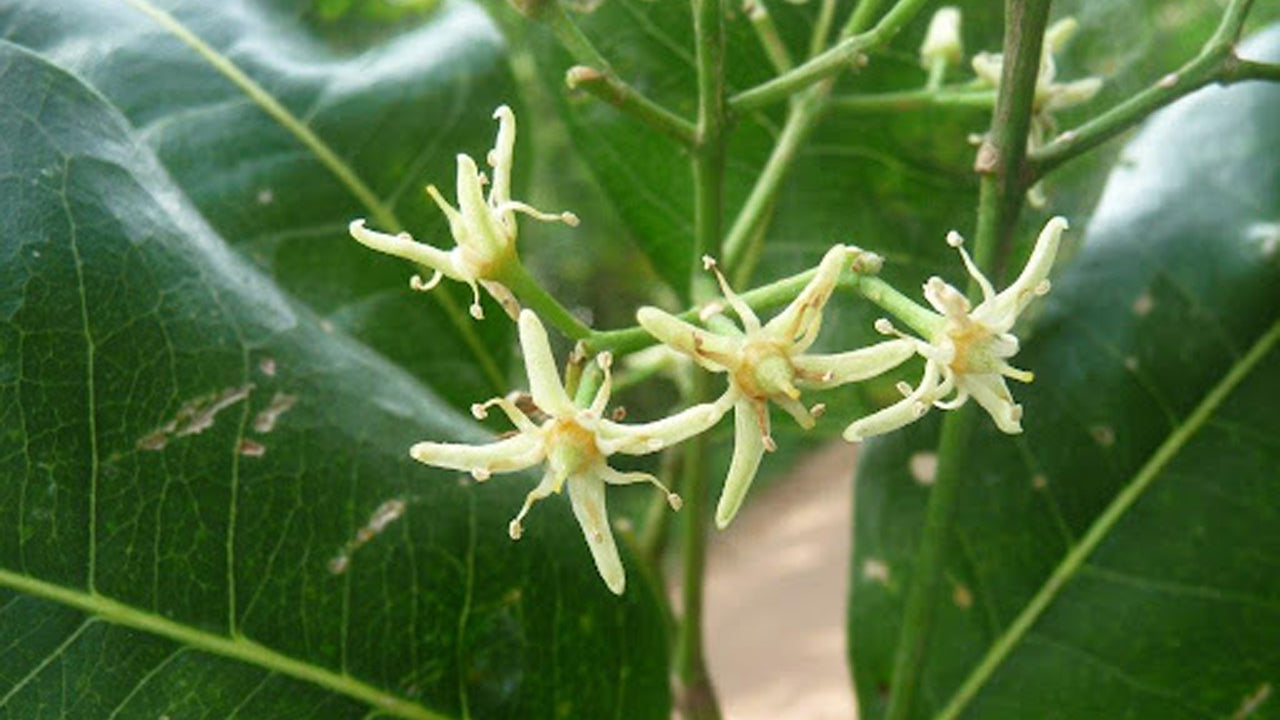
Claw-flowered laurel
Acronychia pedunculata -
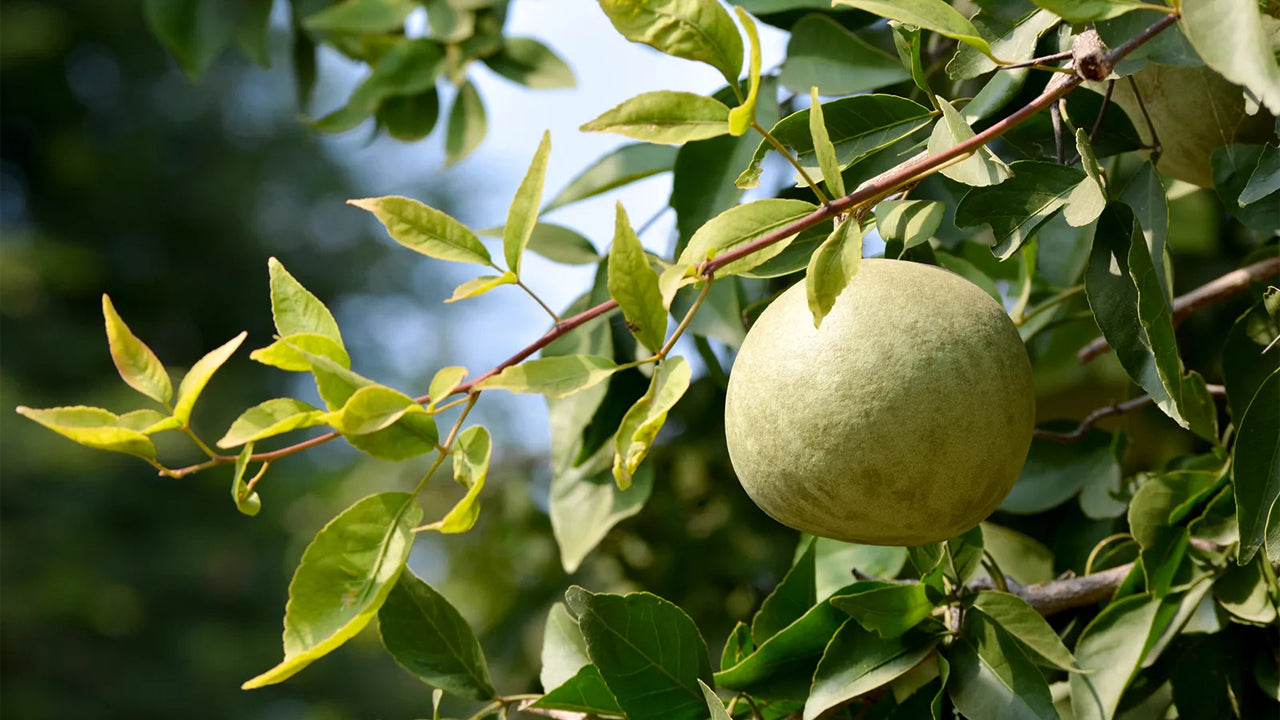
Bael
Aegle marmelos -
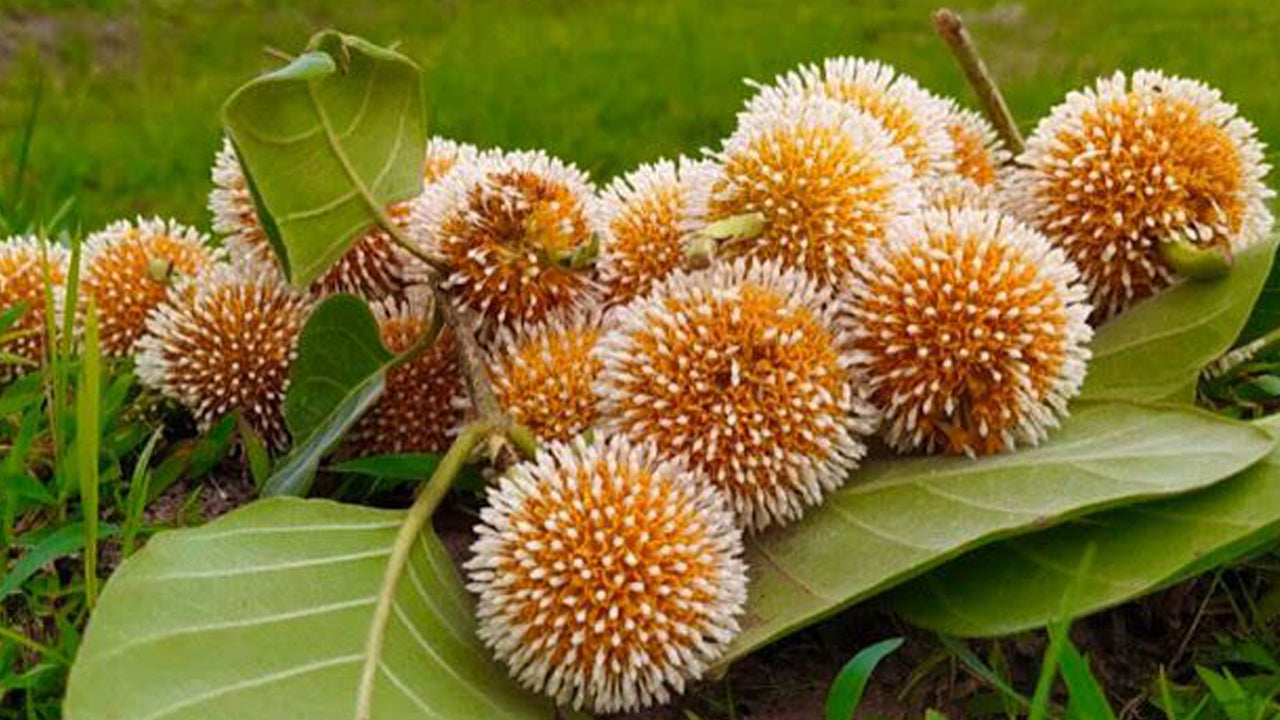
Leichhardt tree
Nauclea orientalis -
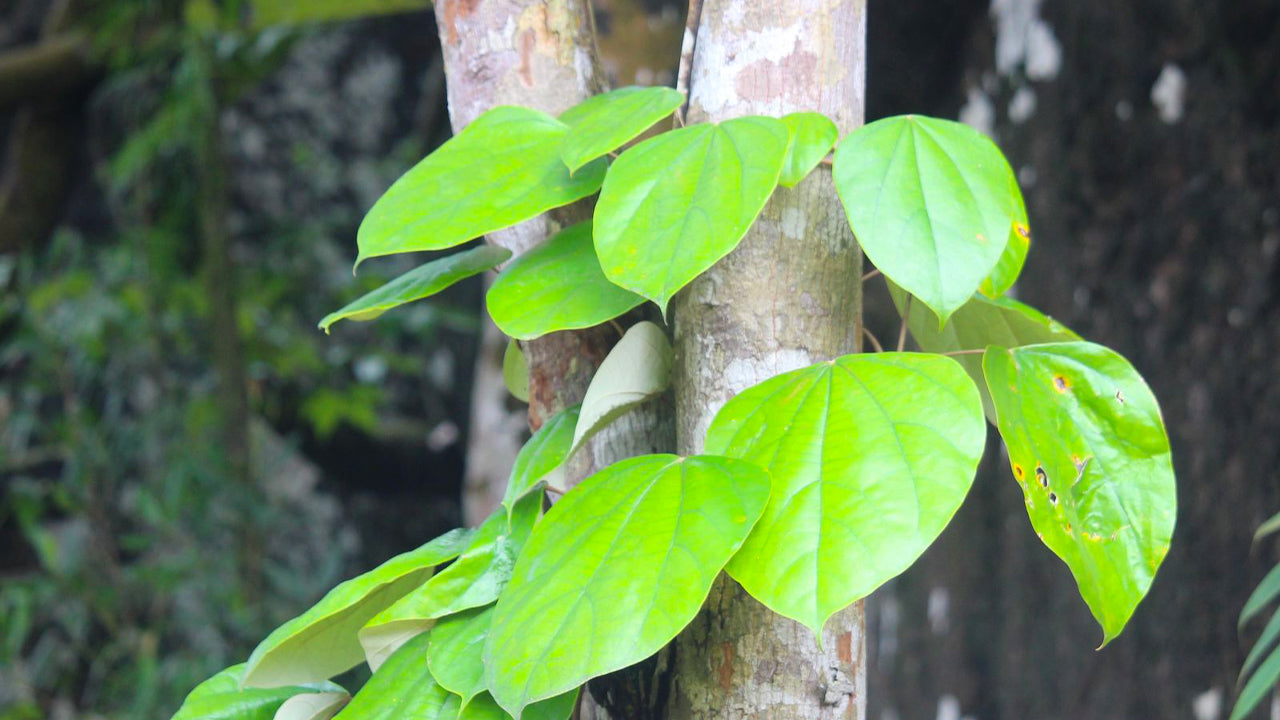
False Calumba
Coscinium fenestratum -

Malabar Gulbel
Tinospora malabarica -
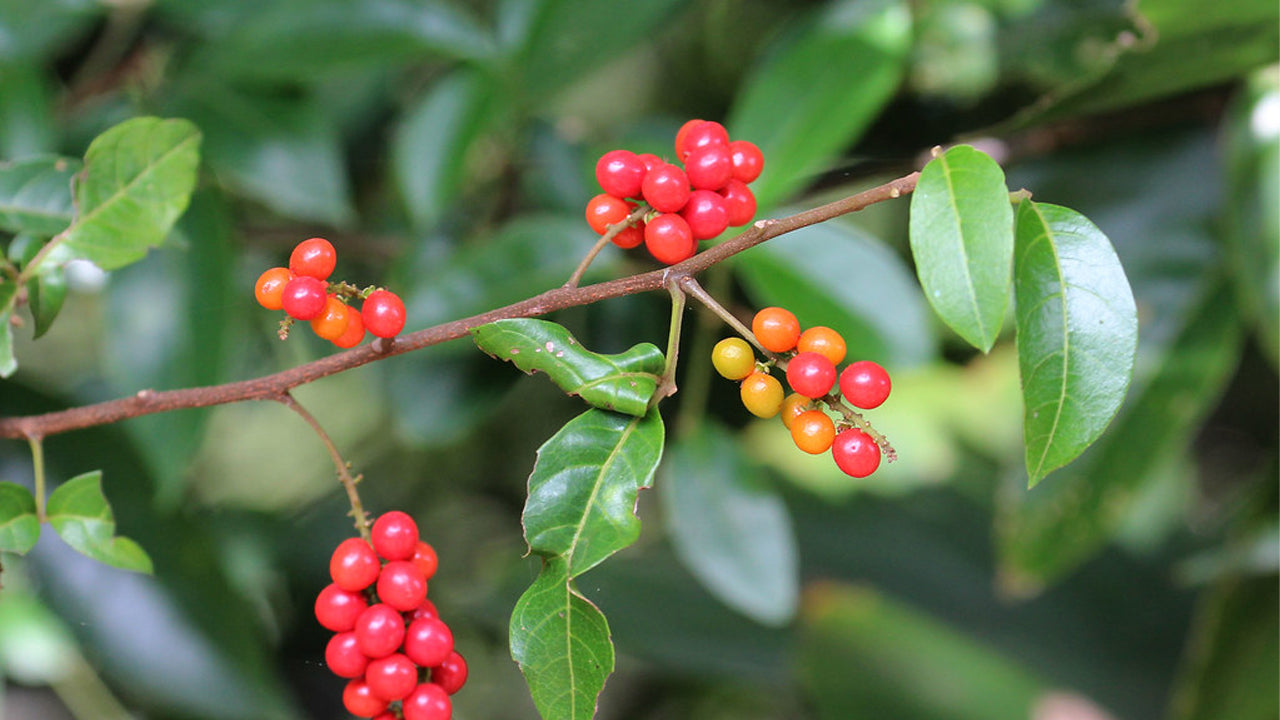
Titberry
Allophylus cobbe -
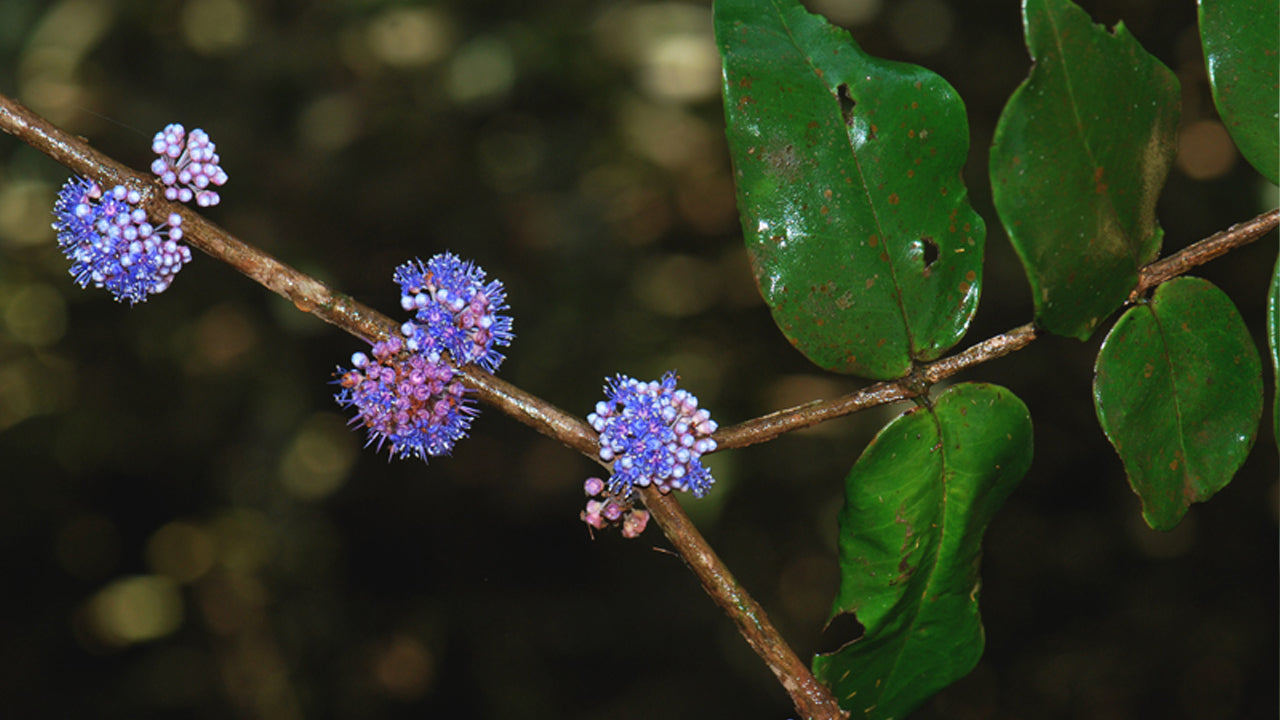
Ironwood Tree
Memecylon capitellatum -
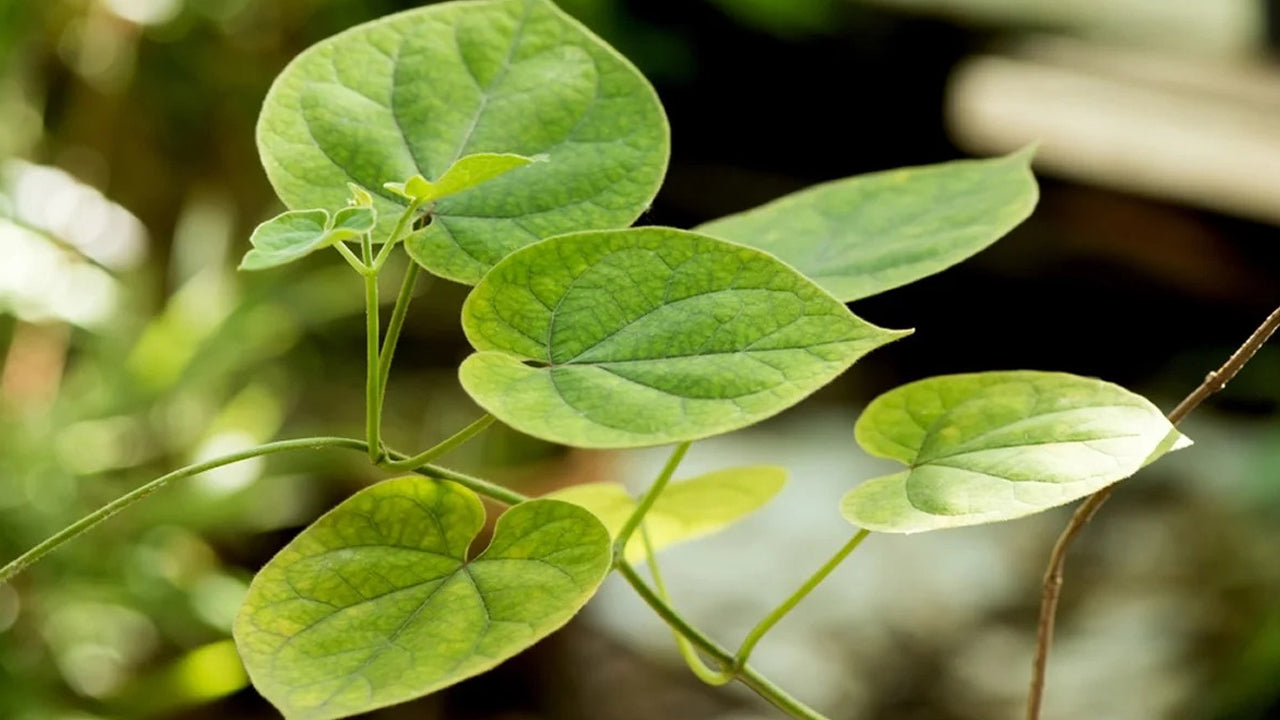
Velvet Leaf
Cissampelos pareira -
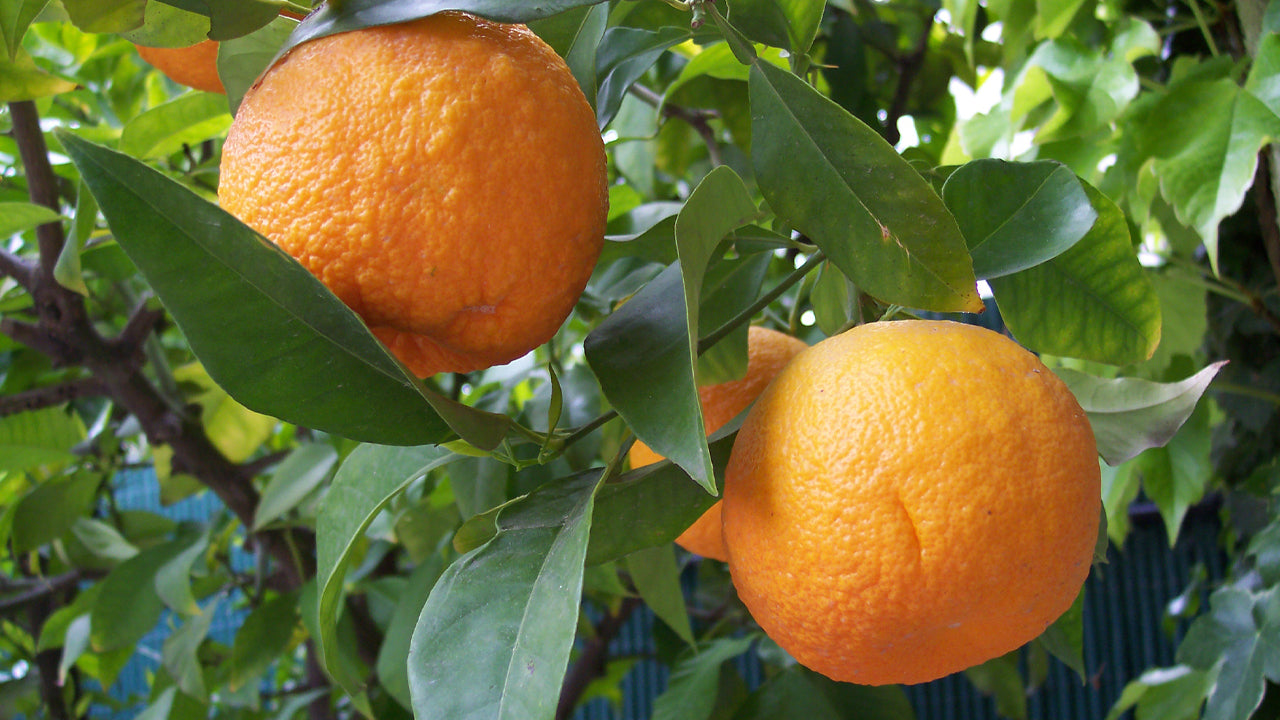
Bitter orange
Citrus aurantium -

Reinwardt's Tree Plant
Biophytun reinward -
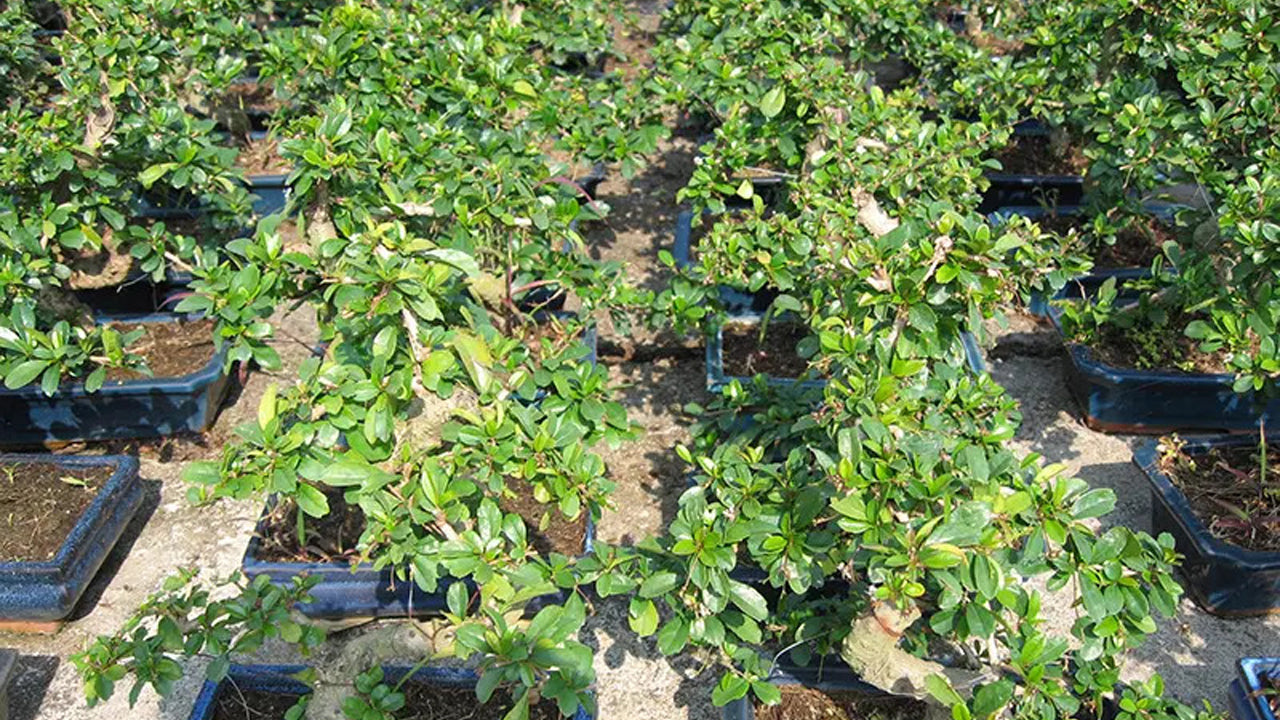
Fukien tea
Carmona microphylla -
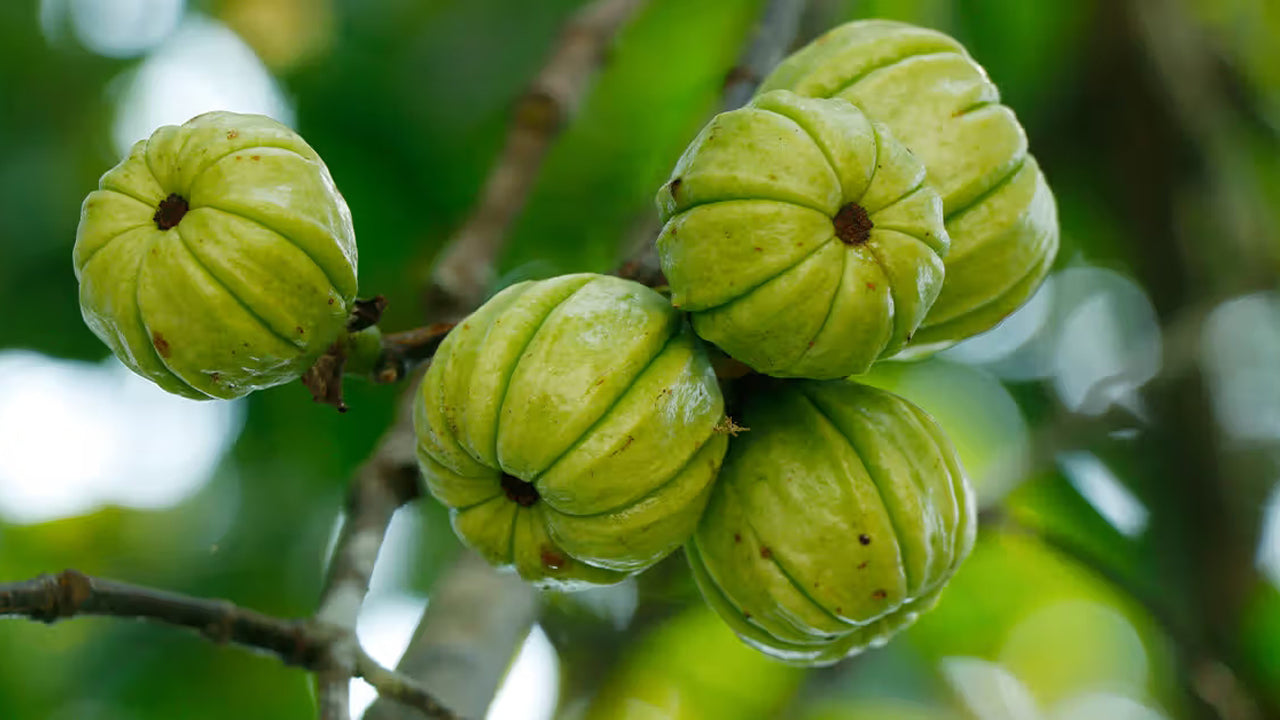
Malabar tamarind
Garcinia cambogia -
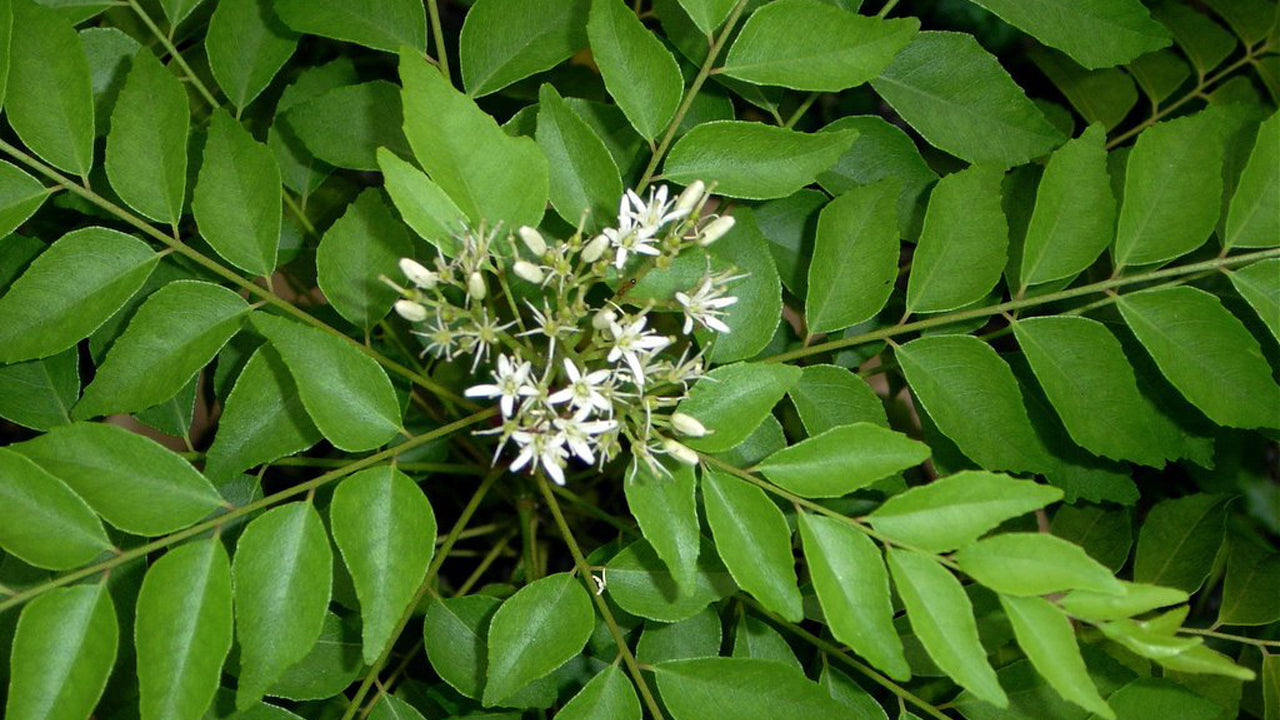
Curry leaf tree
Murraya koenigii -
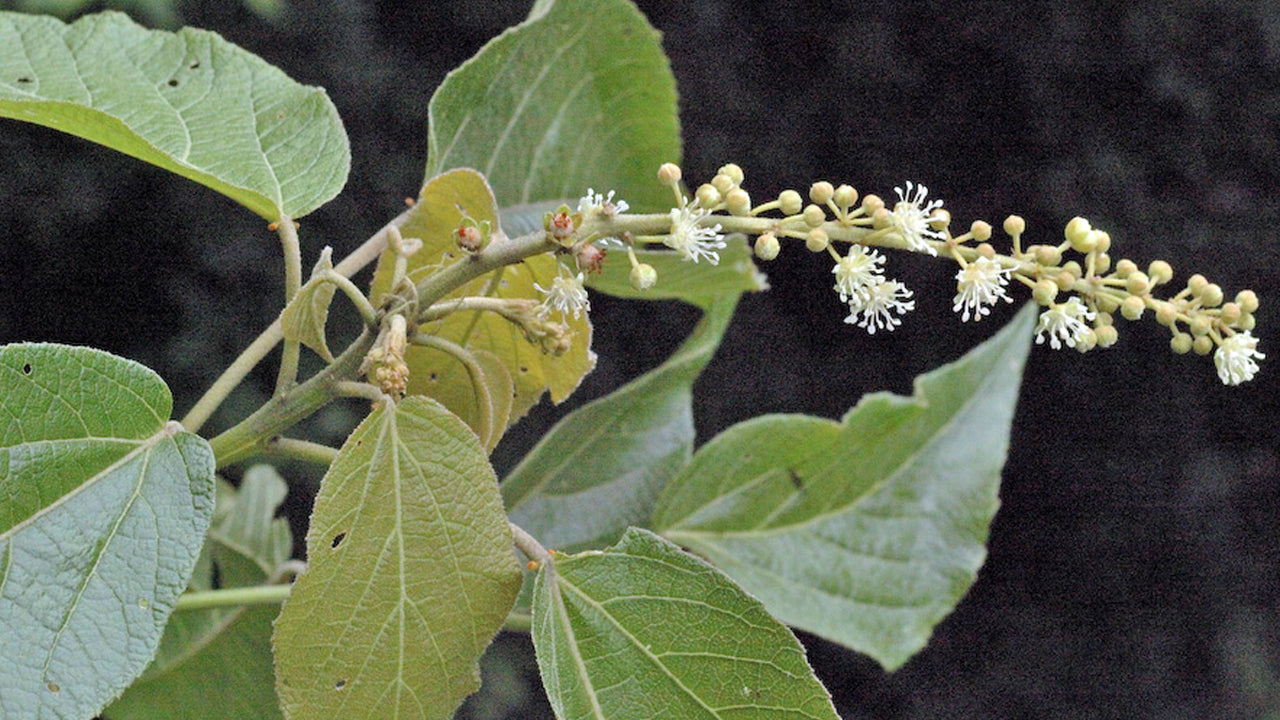
Kappetiya
Croton laccifer -
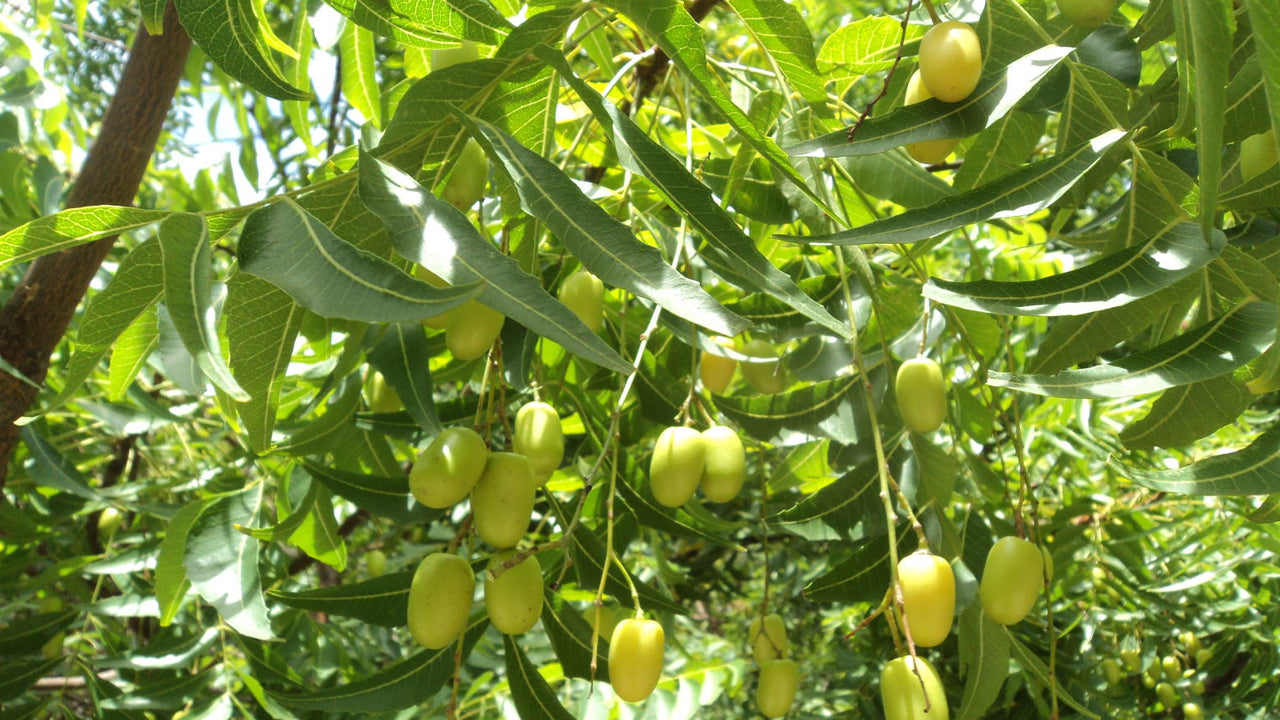
Indian lilac
Azadirachta indica -
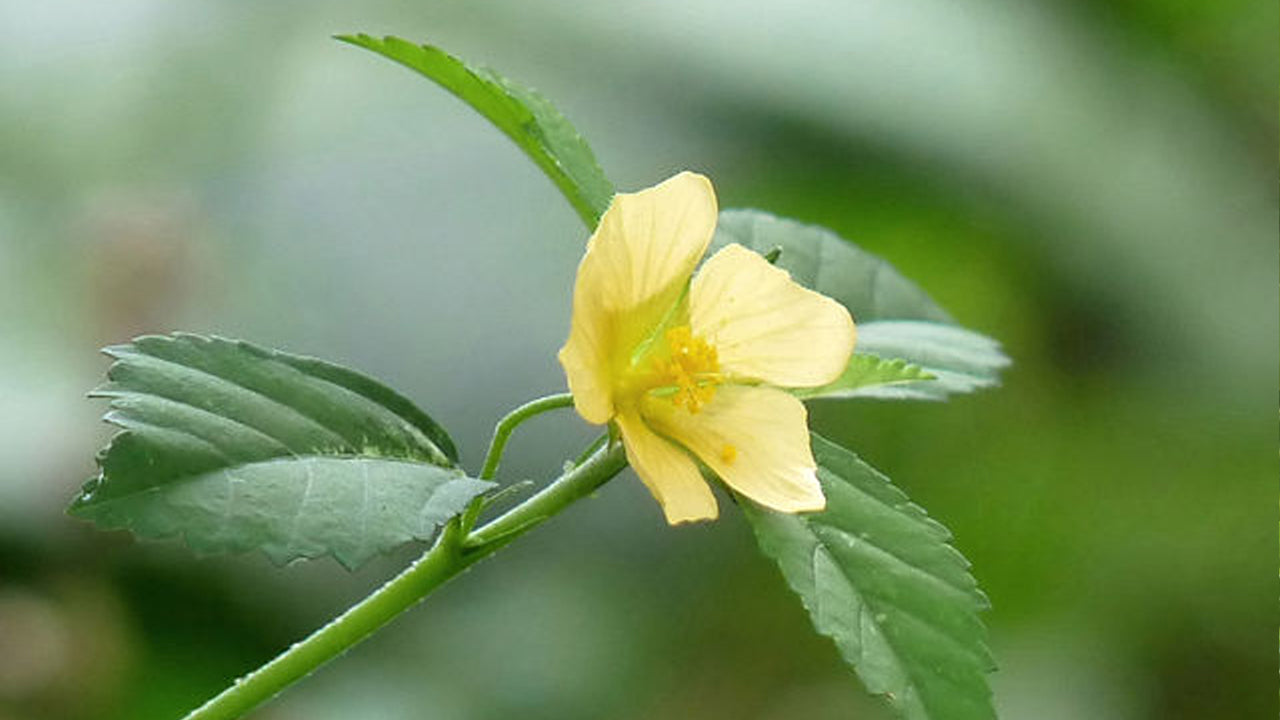
Spiny sida
Sida alba -
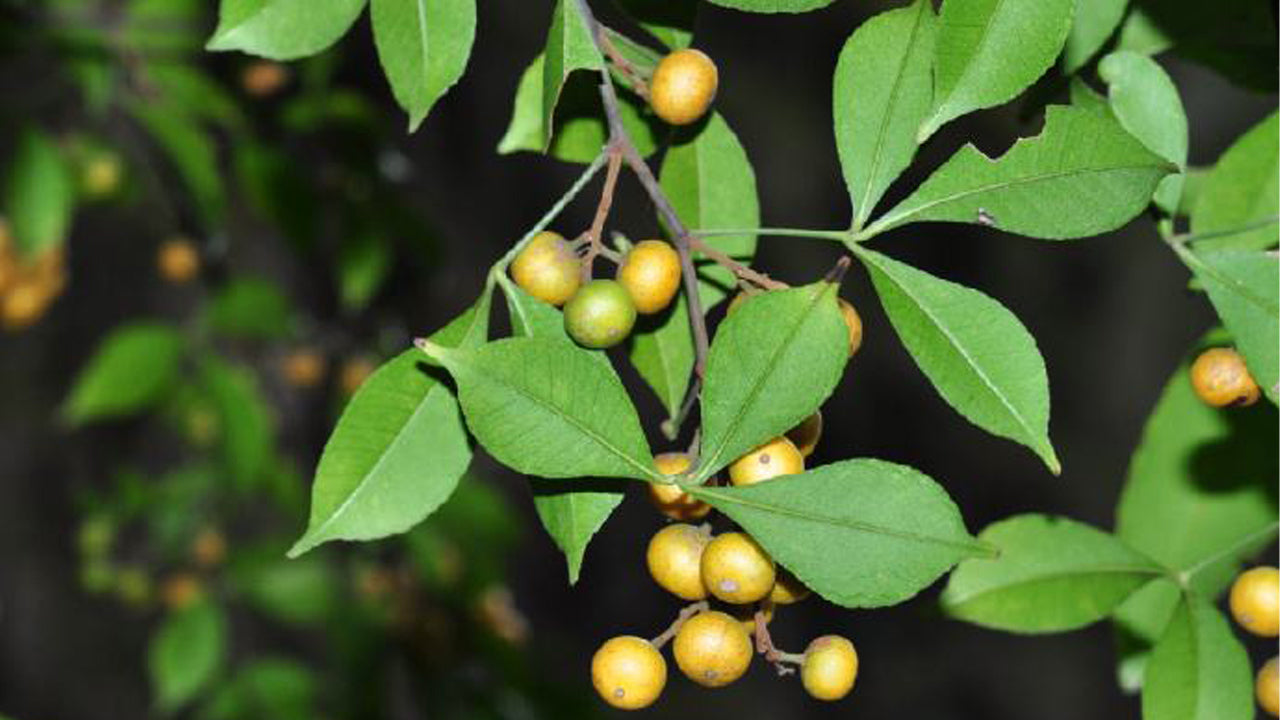
Orange climber
Toddlia asiatica -
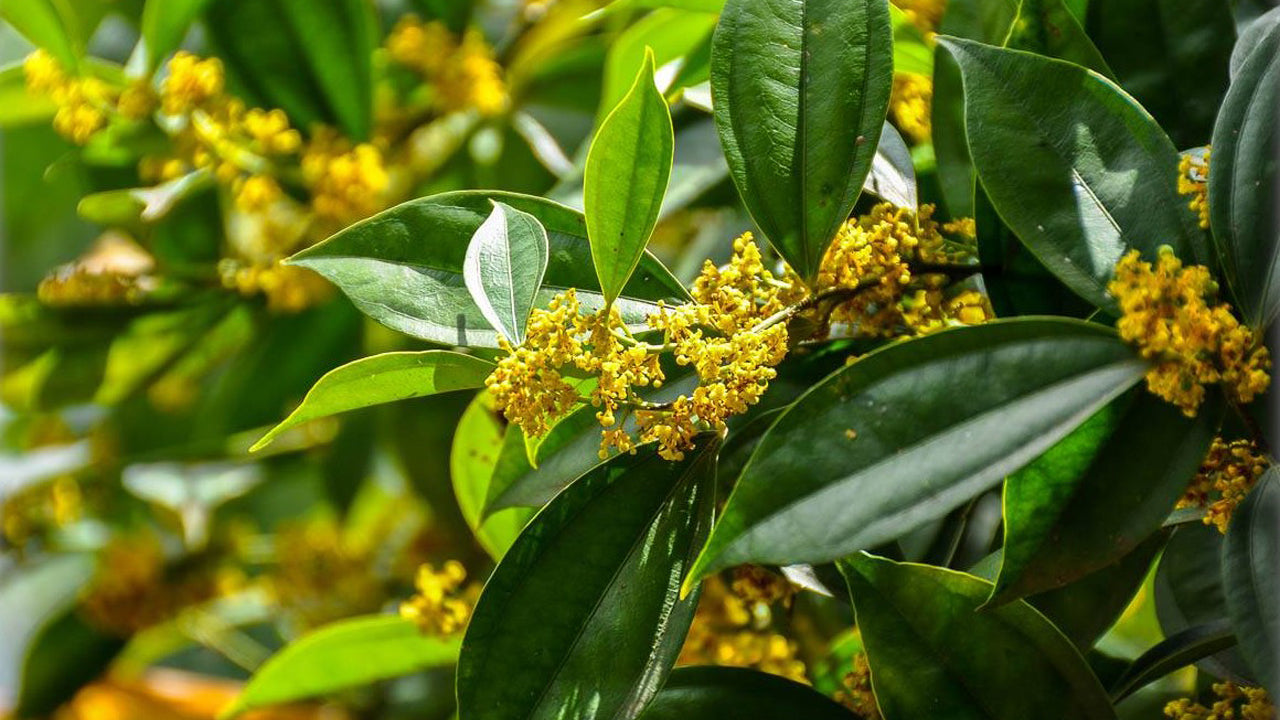
Ceylon cinnamon
Cinnamomum zeylanicum -
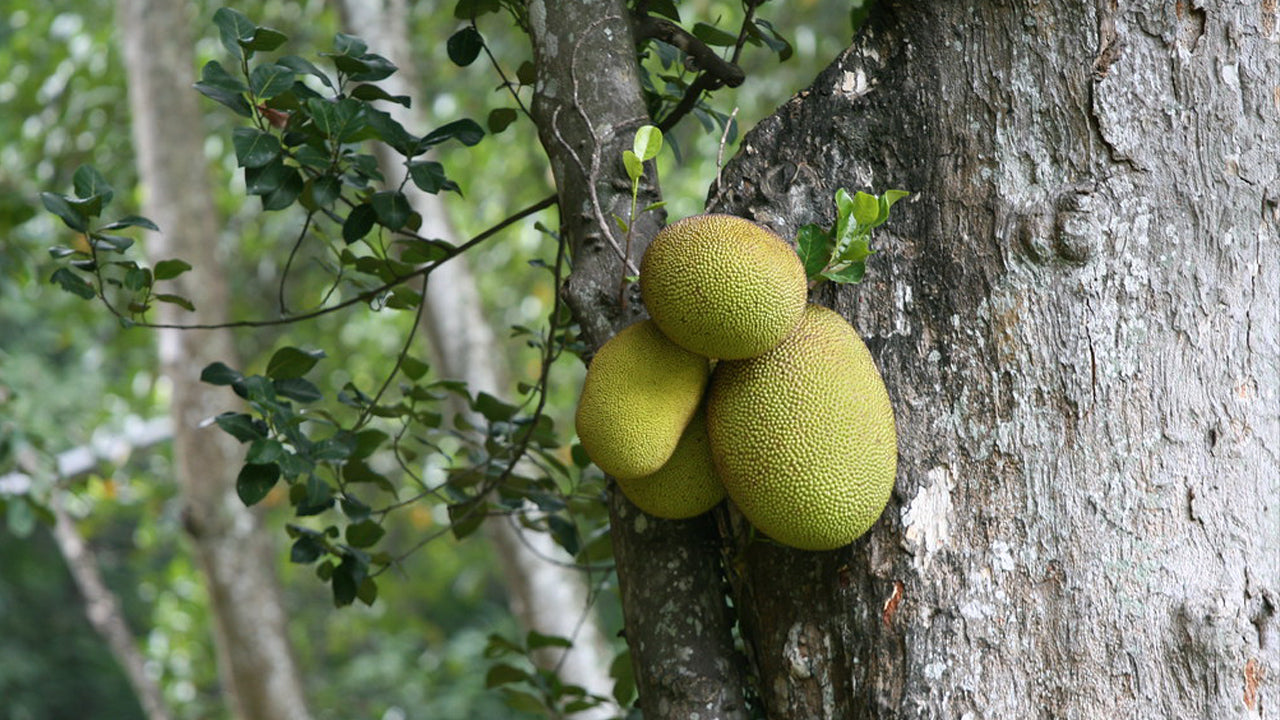
Jackfruit
Artocarpus heterophyllus -
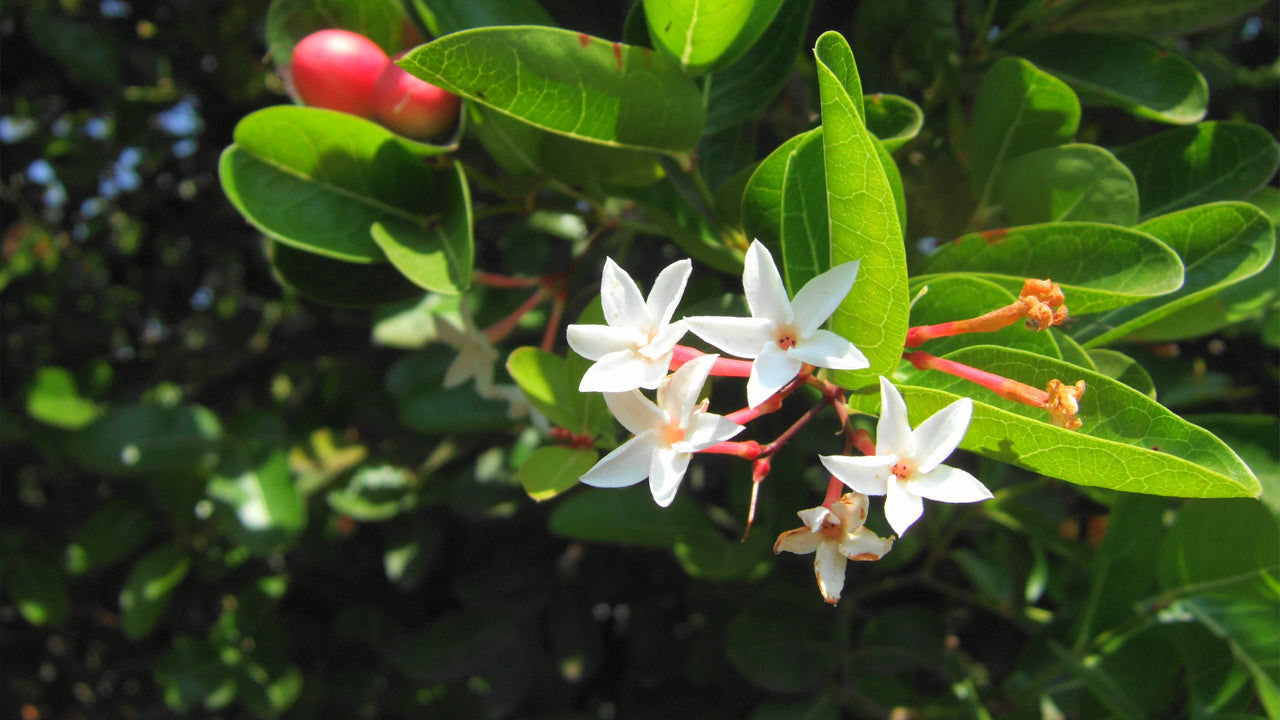
Karonda
Carissa carandas -
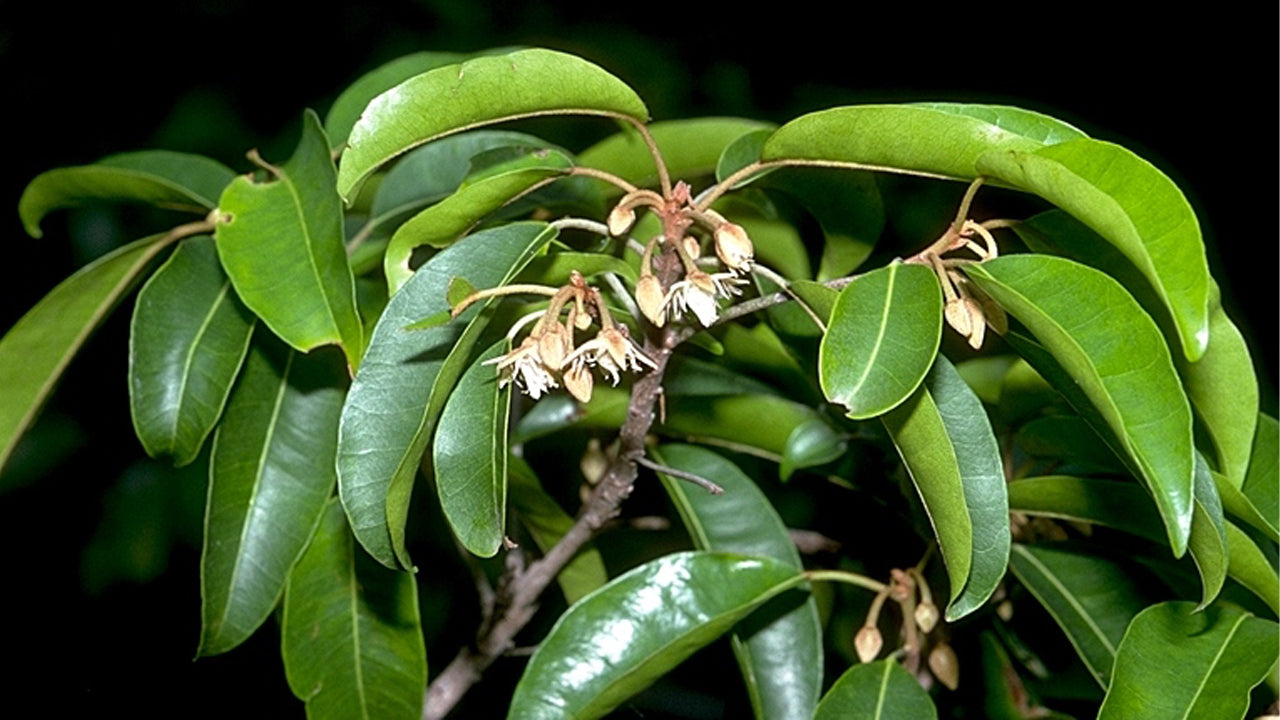
Spanish cherry
Mimusops elengi -
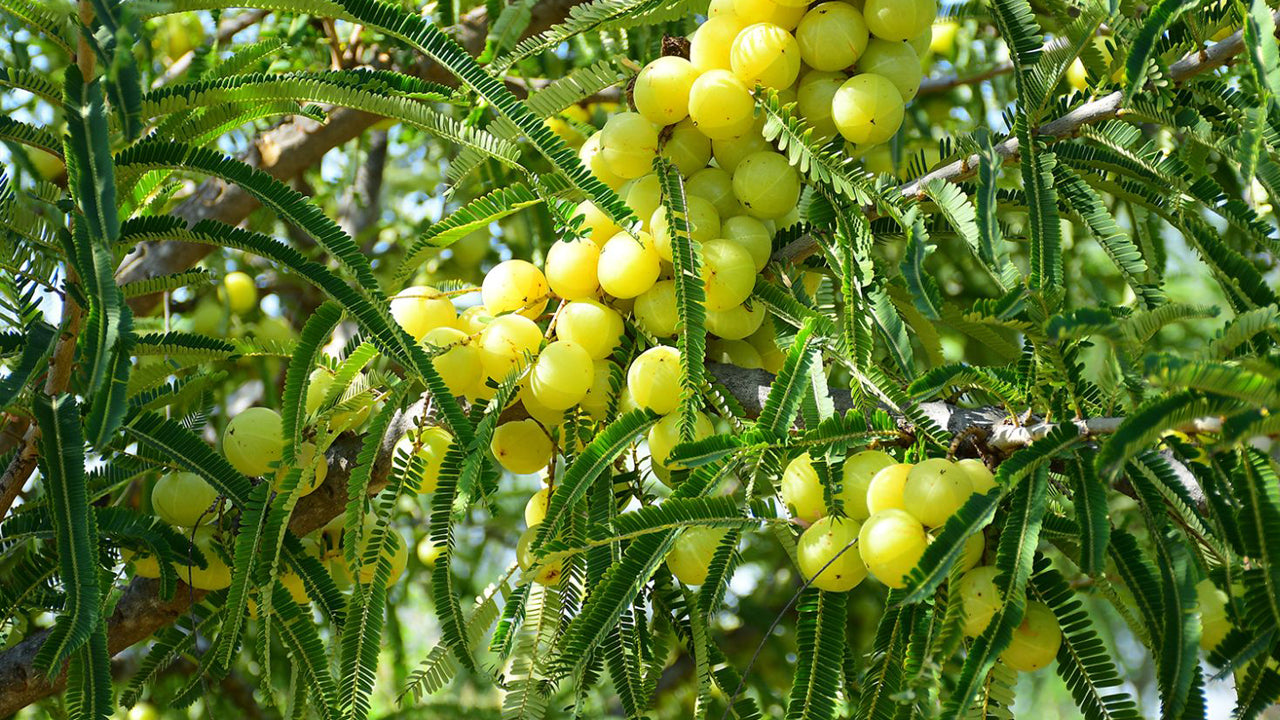
Indian gooseberry
Phyltanthus emblica -
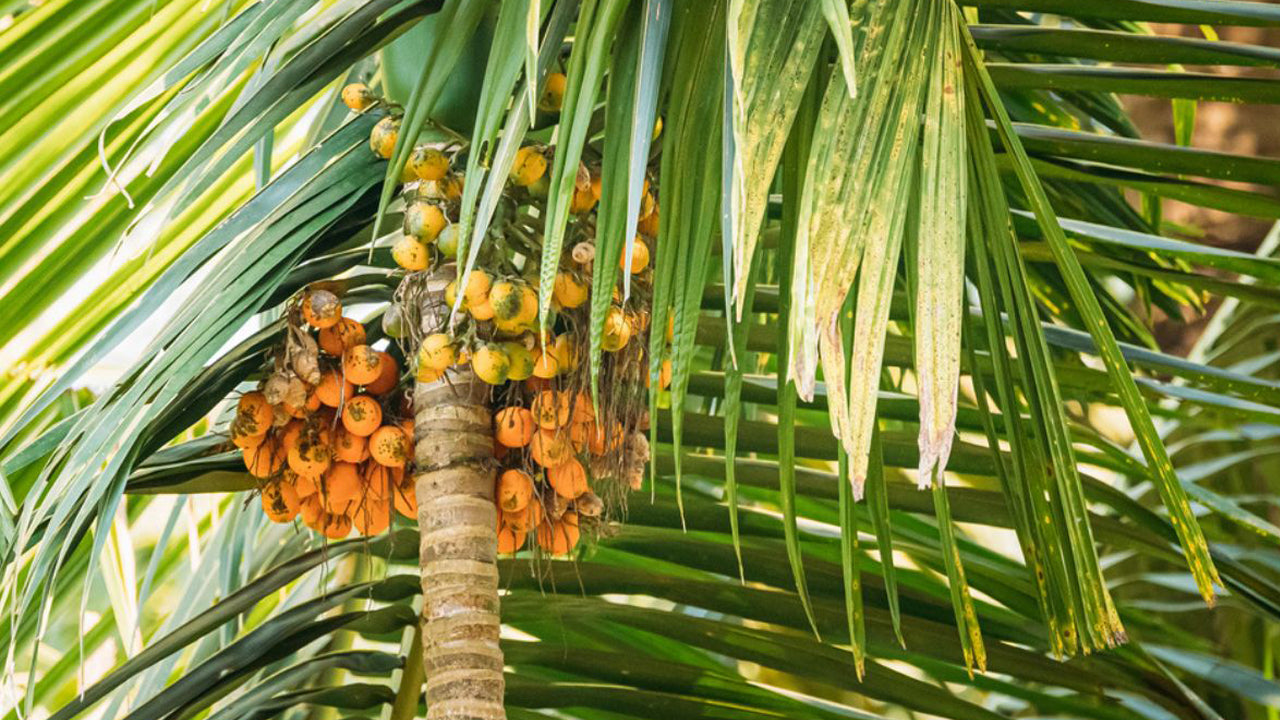
Betel palm
Areca catechu -
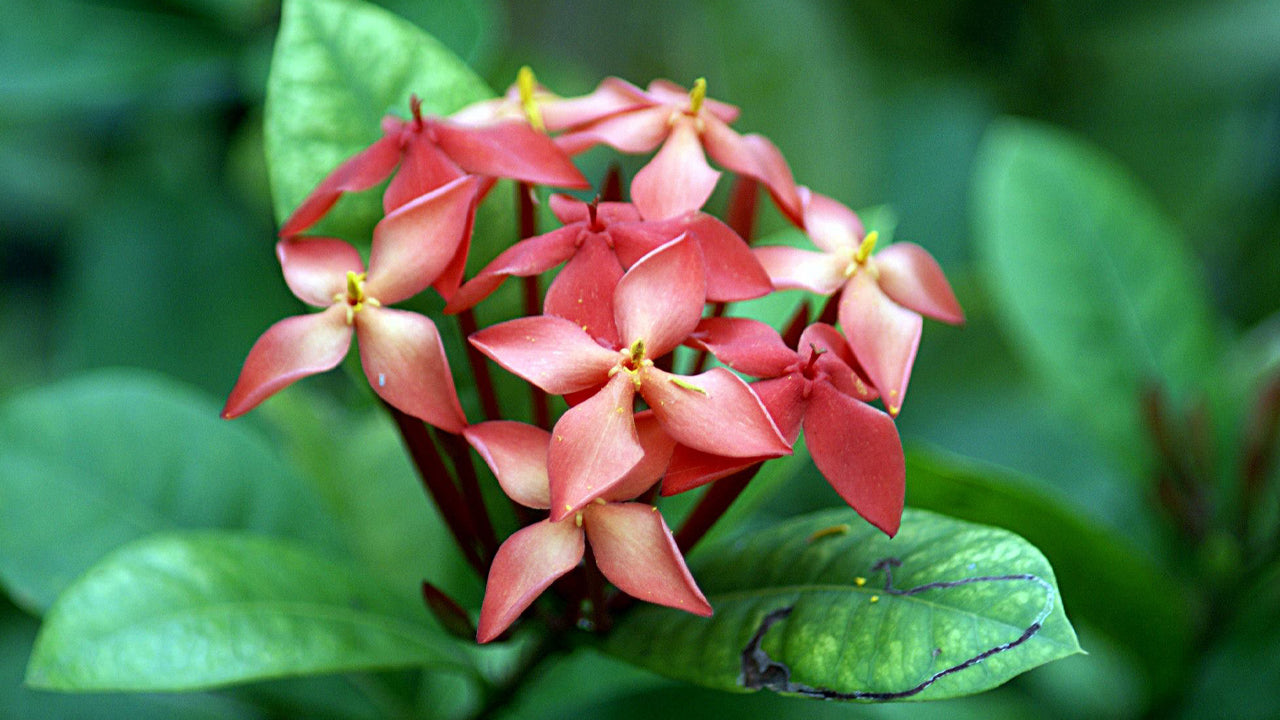
Jungle geranium
Ixora coccinea -
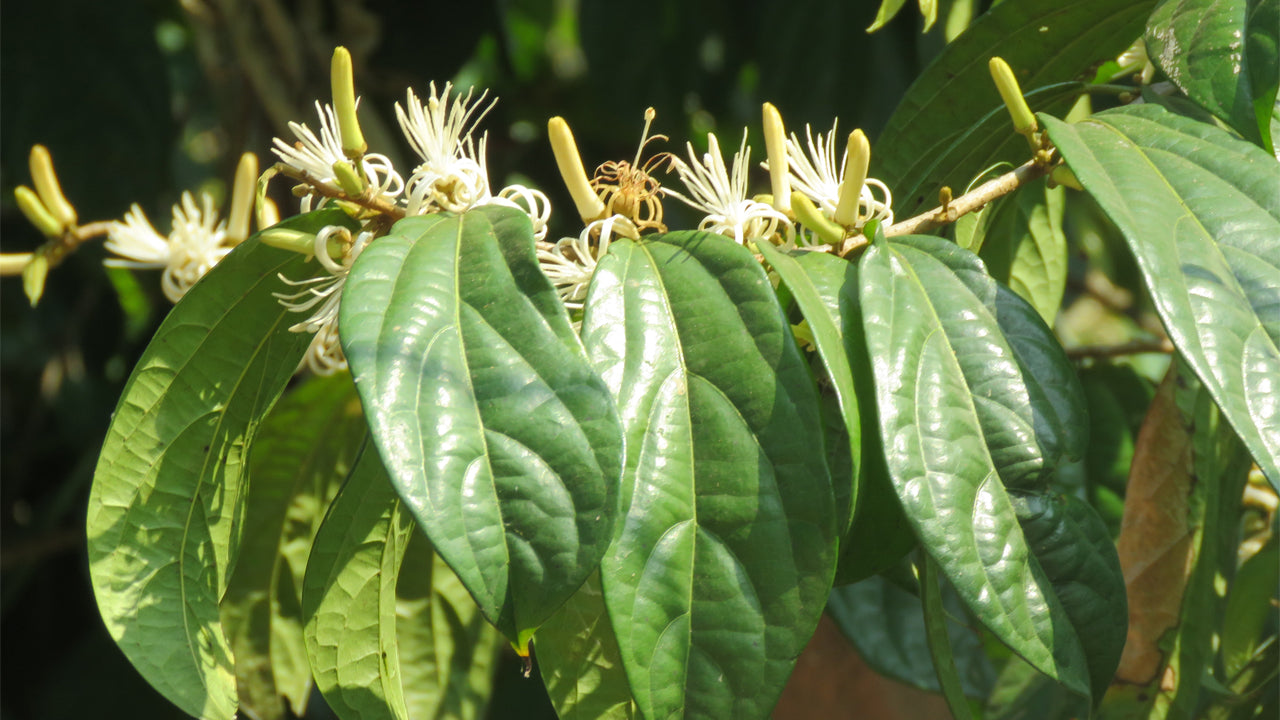
Sage-leaved alangium
Alangium salviifolium -
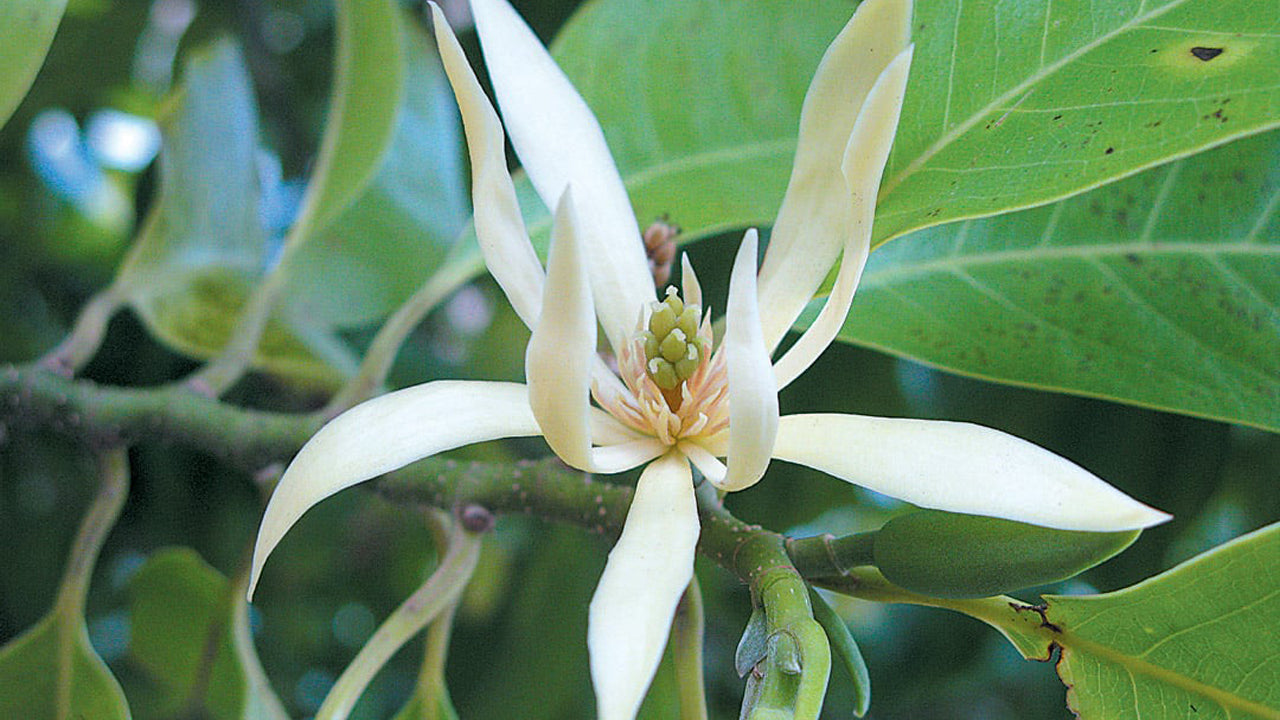
Champak
Michelia champaca -
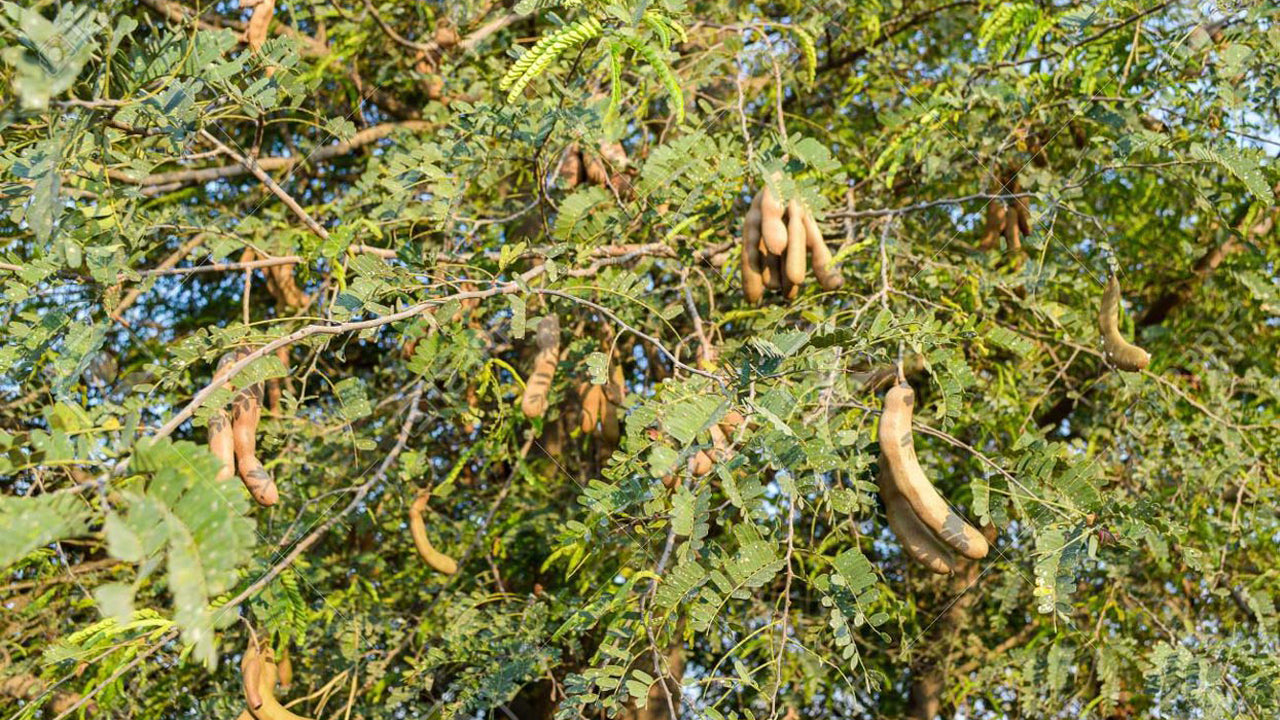
Tamarind
Tamarindus indica -
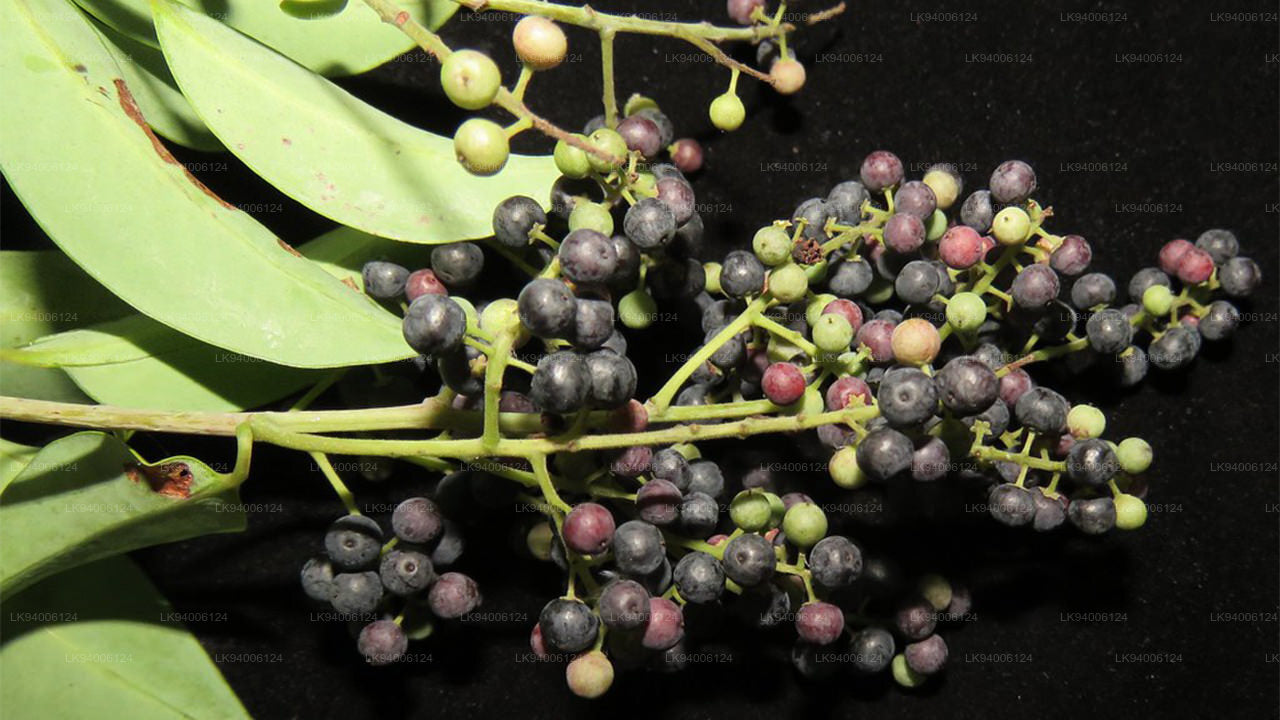
False Black Pepper
Embelia ribes -
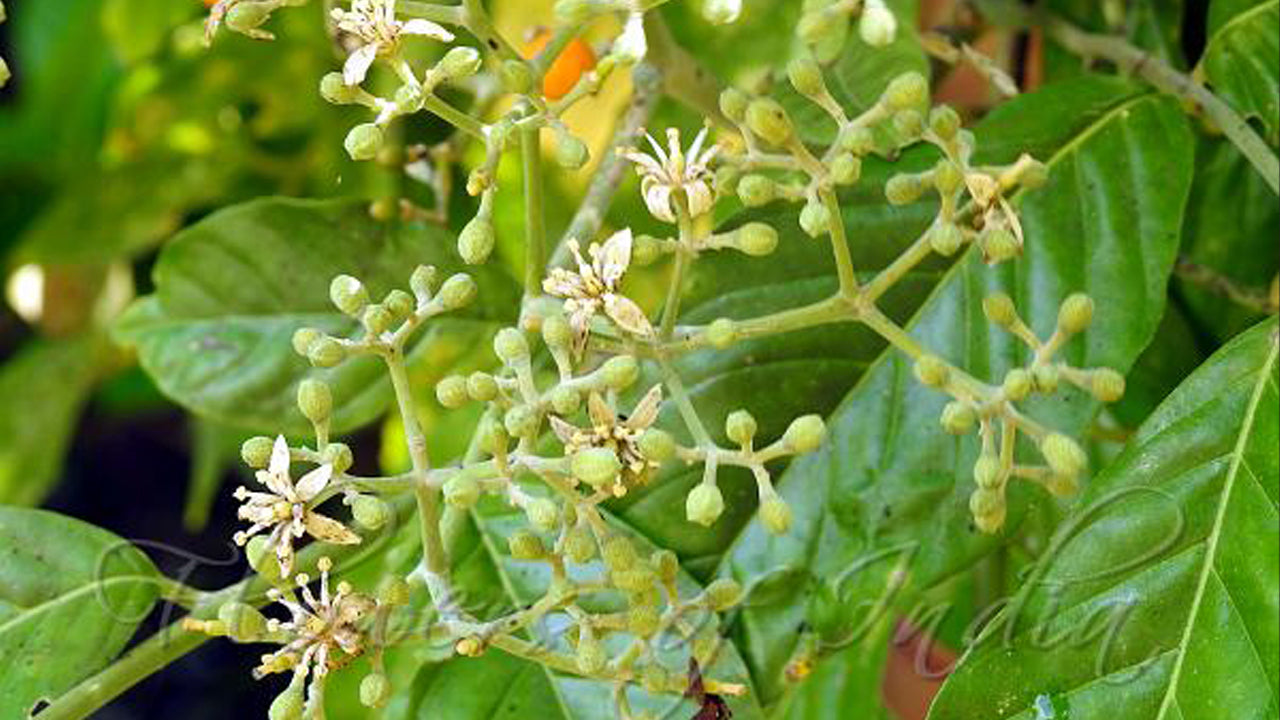
Limeberry
Micromelum ceylanicum -
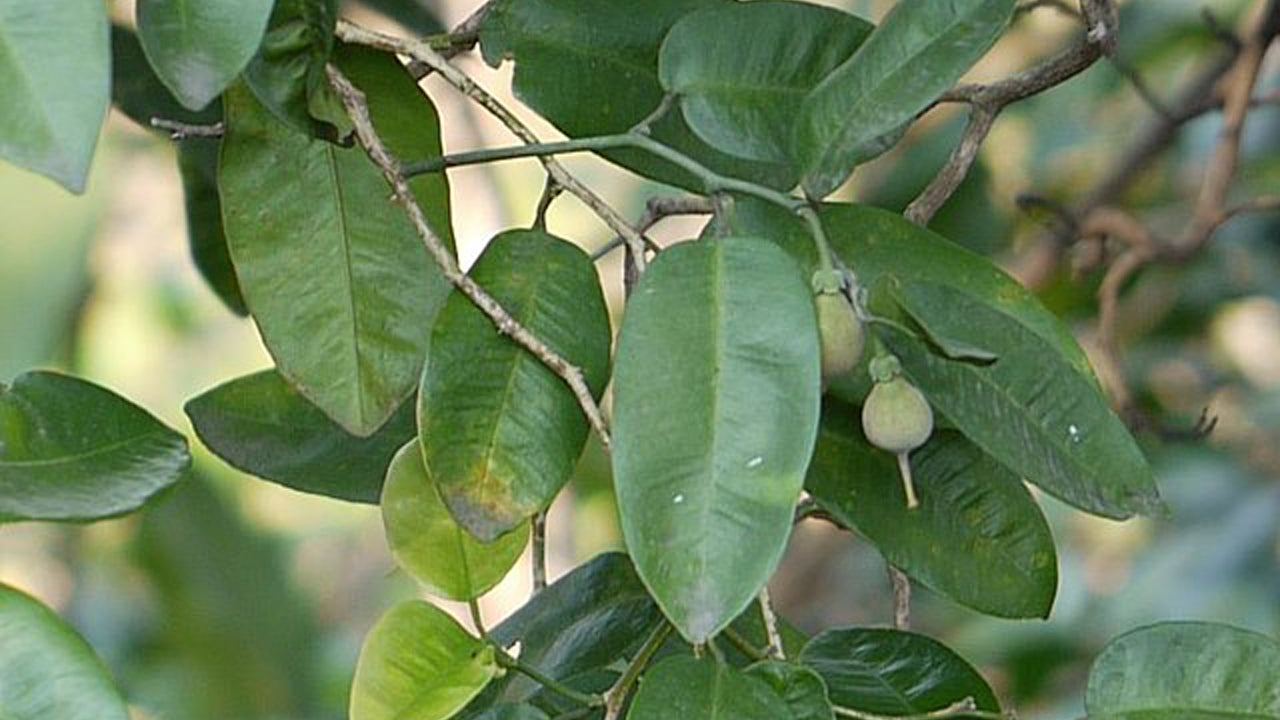
Climbing Atalantia
Paramignya monophylla