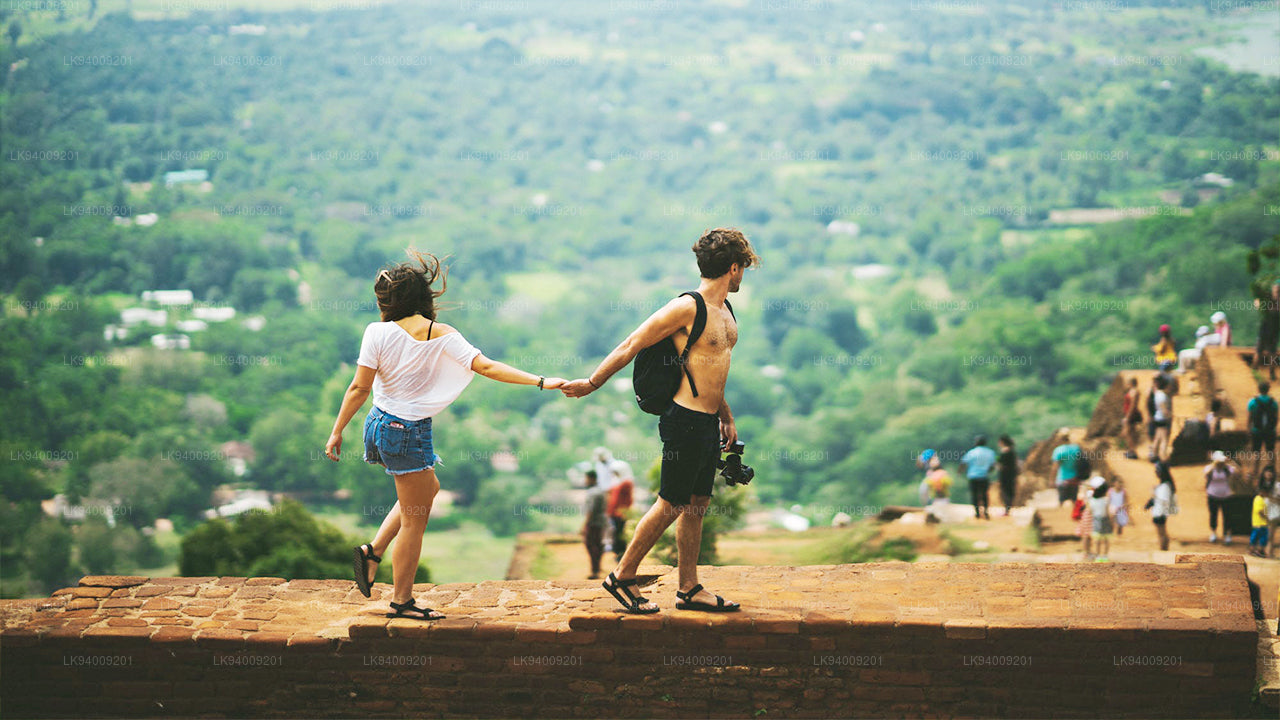
Narangala


Narangala est une belle colline qui s'élève à plus de 1500 mètres dans la province d'Uva, au Sri Lanka. Le sommet de cette deuxième montagne la plus haute de la province d'Uva offre certaines des meilleures vues de toute l'île tropicale. De plus, le défi raisonnable que représente l'escalade de ce sommet en fait un lieu très apprécié des randonneurs.
Point de randonnée : Sommet de Narangala
Altitude : 1527 m
Difficulté : Moyenne
Ce qu'il faut porter : Chaussures de randonnée avec une bonne adhérence, vêtements chauds
Ce qu'il faut emporter : Bouteille d'eau, barres énergétiques, répulsif anti-insectes
Description du trajet :
Le sentier de randonnée commence dans la région de la plantation de Thangamalai. Le nom signifie littéralement "Montagne Dorée" en tamoul, et il provient des herbes dorées qui couvrent les pentes de Narangala. L'une des caractéristiques les plus remarquables de Narangala est son sommet rectangulaire net, ce qui en fait un spectacle attrayant même de loin.
Les randonneurs doivent garer leur véhicule près du temple hindou dans la plantation. Si vous n'avez pas de guide, certains des habitants seront heureux de vous aider à trouver votre chemin. Vous devrez suivre des petits sentiers dans la plantation de thé jusqu'à ce que vous trouviez un grand tuyau qui alimente la plantation en eau. Ensuite, vous suivrez le tuyau jusqu'à ce qu'il atteigne une route traversant la plantation. Vous aurez de nombreuses belles vues sur les pentes couvertes de théiers d'un vert éclatant, que vous pourrez photographier. Après avoir suivi la route de la plantation pendant un certain temps, vous atteindrez le point de départ de l'ascension.
La première partie de l'ascension se fera à travers un bosquet de pins. Les feuilles tombées de ces arbres sont très glissantes, ce qui rend la marche assez difficile, surtout sur le sol en pente. Toutefois, la randonnée à travers les herbes dorées des pentes de Narangala est idyllique,
ce qui compense les difficultés pour y parvenir. Il est possible de voir quelques animaux sauvages et leurs traces, alors marchez prudemment sans les déranger. Vous traverserez quatre des sommets les plus bas de Narangala, chacun offrant une vue magnifique, avant d'atteindre le sommet.
La vue qui se déploie devant vous sera à couper le souffle. Vous pourrez voir entre les vallées des rivières Uma Oya, Badulu Oya et Loggal Oya, tout en ayant une vue aérienne des plaines inondables de Mahaweli qui s'étendent jusqu'à Trincomalee. Vous pourrez également apercevoir les montagnes éloignées de Kehelpathdoruwa et Yahanagala, les chaînes de montagnes de Nayabedda, Madulsima et Poonagala, le passage d'Idalgasinna et la vallée de Haputale. Les pentes de Randenigala et les étendues vertes de Horton Plains sont également visibles. Le géant de la chaîne de montagnes Namunakula est beaucoup plus proche, avec de nombreux autres lieux à observer et identifier. Ces magnifiques paysages s'étendent depuis le sommet dans un panorama coloré, digne d'un tableau.
Le sommet lui-même dispose d'une zone plane où vous pouvez vous reposer et vous rafraîchir avant de redescendre. Mais assurez-vous de ne pas laisser de déchets derrière vous. L'ensemble de la randonnée prendra entre six et huit heures, selon votre expérience et votre rythme.

Special places in Badulla
-
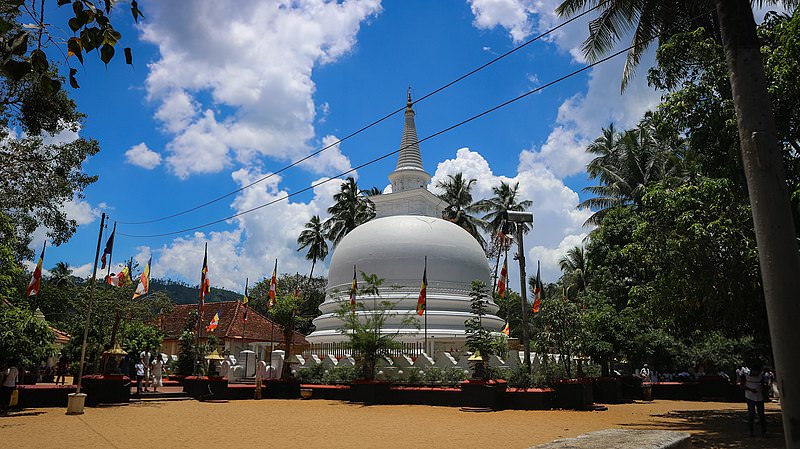 Muthiyangana Raja Maha Vihara
Muthiyanganaya Raja Maha Viharaya lies in the centre of the city of Badulla. The History of this temple goes back to the time of Buddha but this area around Badulla goes way back in to the time of 19th -18th century BCE.
-
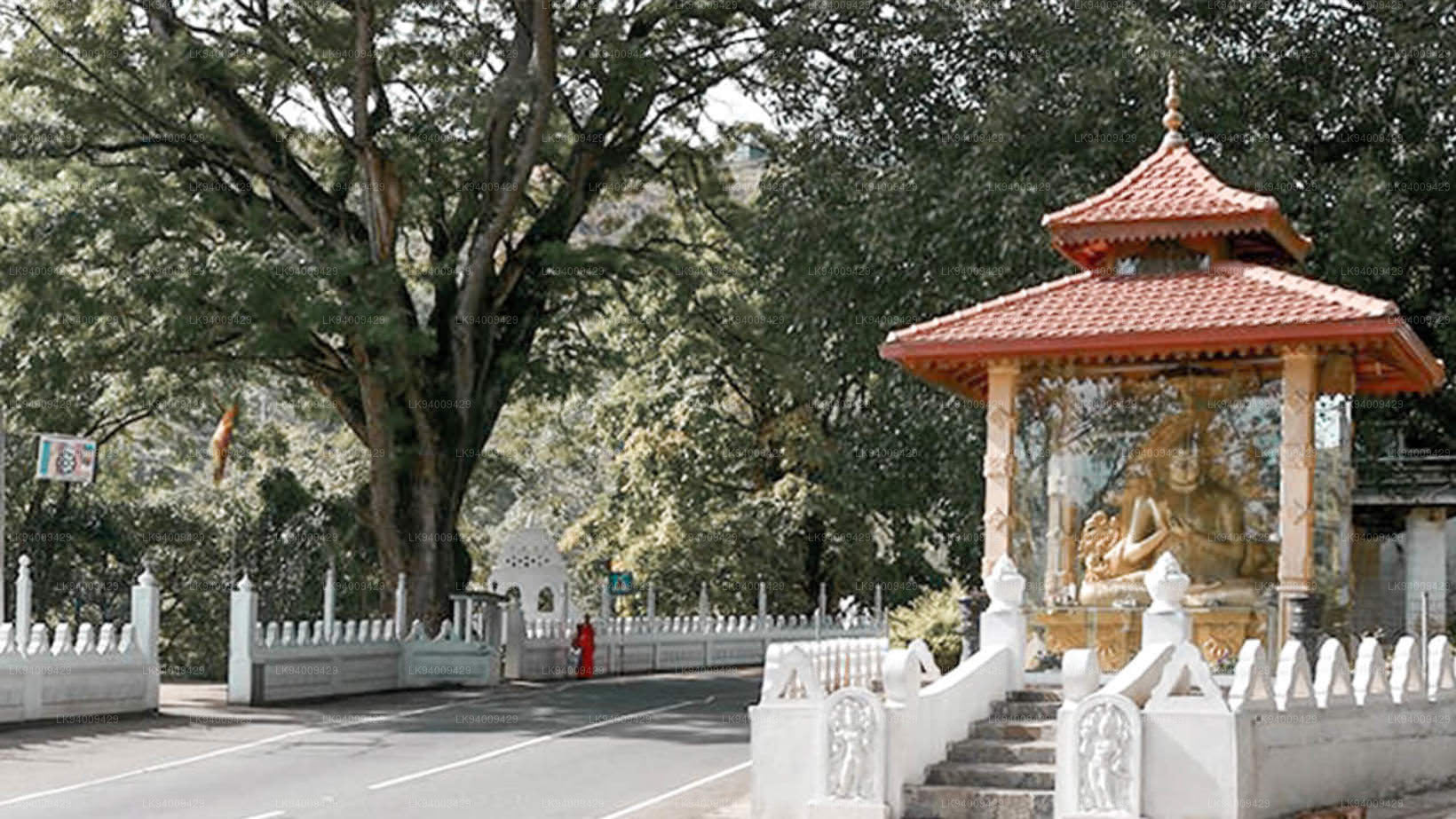 Dowa Raja Maha Viharaya
Dowa Raja Maha Viharaya (Dowa Cape Temple) lies few kilometres away from the Bandarawela town on the Bandarawela – Badulla Road. This temple is thought to be done by King Walagamba in the in first century BC.
-
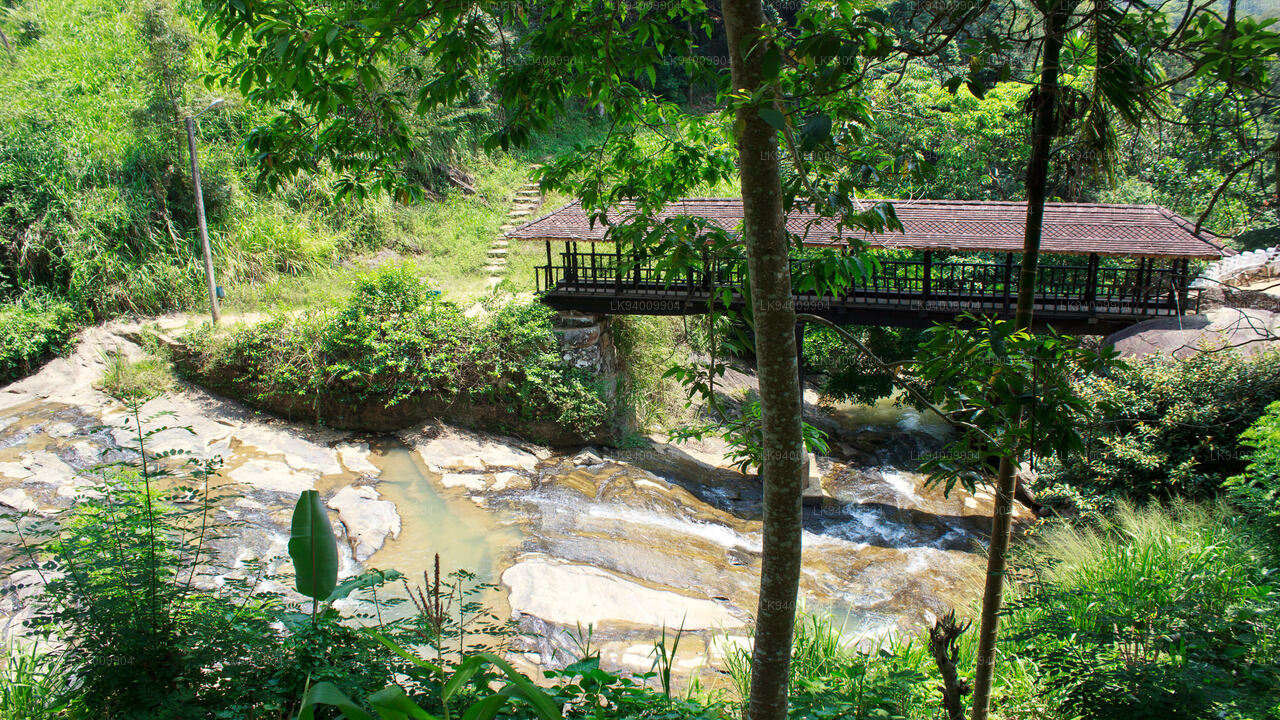 Bogoda Wooden Bridge
The Bogoda Wooden Bridge was built in the 16th century during the Dambadeniya era. This is said to be the oldest surviving wooden bridge in Sri Lanka. The bridge is situated at 7 kilometres (4.3 mi) west of Badulla.
-
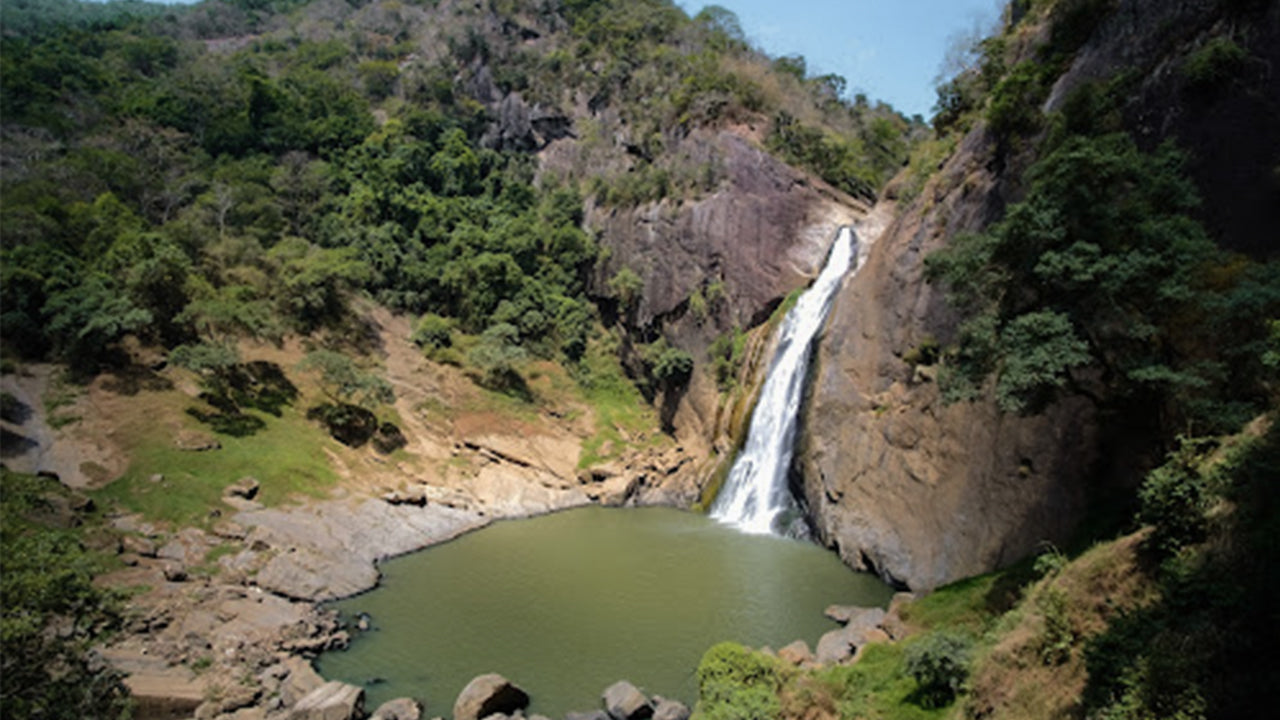 Dunhinda Falls
Dunhinda Falls is situated about 5 km away from Badulla town. It is 63 meters high and is considered to be one of the most beautiful waterfalls in Sri Lanka. The falls gets its name dew to the smoky dew drops spray.