Jaffna City
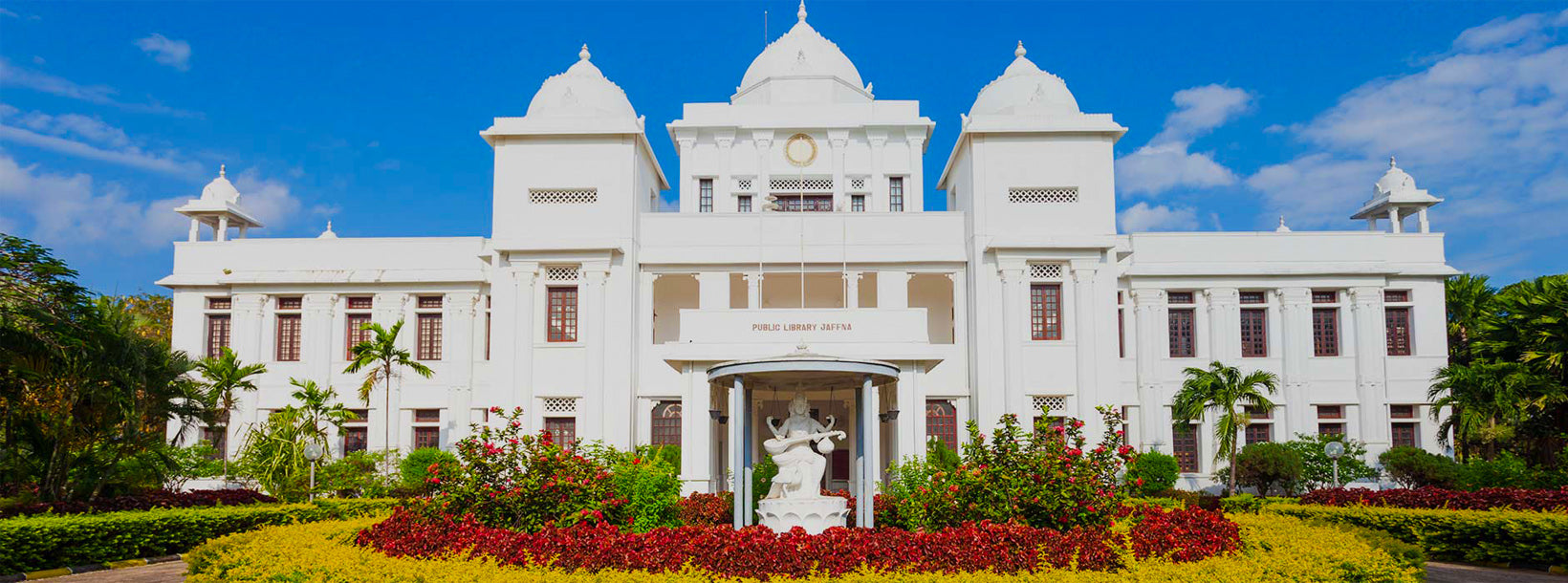
Jaffna is the main city of Jaffna peninsula in the northernmost district of Sri Lanka. Comfortable intercity busses from Colombo take 10-12 hours to reach the city of Jaffna.
Nagadeepa Viharaya
Nagadvipa est à seulement environ 35 miles de l'Inde et est la plus petite île du golfe de Mannar. Les marchands sont venus ici et dans les îles environnantes depuis longtemps pour acheter des coquillages récoltés dans les eaux peu profondes et chaudes du golfe. La coquille de conque est bien sûr essentielle pour certains rituels hindous et bouddhistes, et un spécimen particulièrement parfait, spiralant vers la droite, peut atteindre un prix énorme. Les pèlerins viennent également à Nagadvipa (Nainativ) depuis le 1er siècle de notre ère pour vénérer son célèbre Stupa. Dans le Mahavamsa, l'île est l'un des seize lieux sacrés et l'épopée bouddhiste tamoule, Manimekalai, mentionne un trône orné de gemmes et une pierre avec les empreintes des pieds du Bouddha consacrées à Nagadvipa, que les pèlerins de l'Inde venaient vénérer. L'héroïne de l'épopée est décrite comme errant parmi les « longues dunes de sable et lagunes » de l'île.
Cependant, de chaque côté de l'entrée latérale du temple, il y a deux objets très anciens. À gauche, en entrant, se trouve une grande pierre avec une inscription de Parakramabahu I. Dans la première partie de cette inscription, le roi dit que les étrangers entrant dans le pays ne doivent entrer qu'à Uraturai (Kayts) et qu'ils doivent être aidés s'ils en ont besoin. Cela fait sans doute référence aux marchands et aux pèlerins venus d'Inde. La deuxième partie décrit les mesures à prendre si des navires transportant des éléphants ou des chevaux et des navires marchands sont naufragés. À droite de l'entrée se trouve une grande pierre en forme de bouée de sauvetage, une ancre ancienne. Les navires arabes utilisaient de telles ancres. Moins d'un demi-kilomètre de route après le temple se trouve Nagadvipa Vihara, marquant l'endroit où le Bouddha est censé être resté lors de sa visite sur la petite île. D'un côté de la route se trouve l'arbre Bodhi et de l'autre, le Stupa peint en argent. Il y a aussi deux temples, l'un contenant une statue en bronze du Bouddha, donnée par le gouvernement birman en 1956. Rien à Nagadvipa n'a d'intérêt esthétique ou historique à part les inscriptions ; tout a été construit dans les années 1950.
About Jaffna District
Jaffna is the capital city of the Northern Province, Sri Lanka. 85% of the populations of the Jaffna and Kilinochchi districts are Hindus. The Hindus follow the Saivite tradition. The remainders are largely Roman Catholics or Protestants, some of whom are descendants of colonial settlers, known as Burghers. The Tamils are divided along caste lines, with the farmer-caste Vellalar forming the majority. Sea products, red onion, and tobacco are the main products in Jaffna.
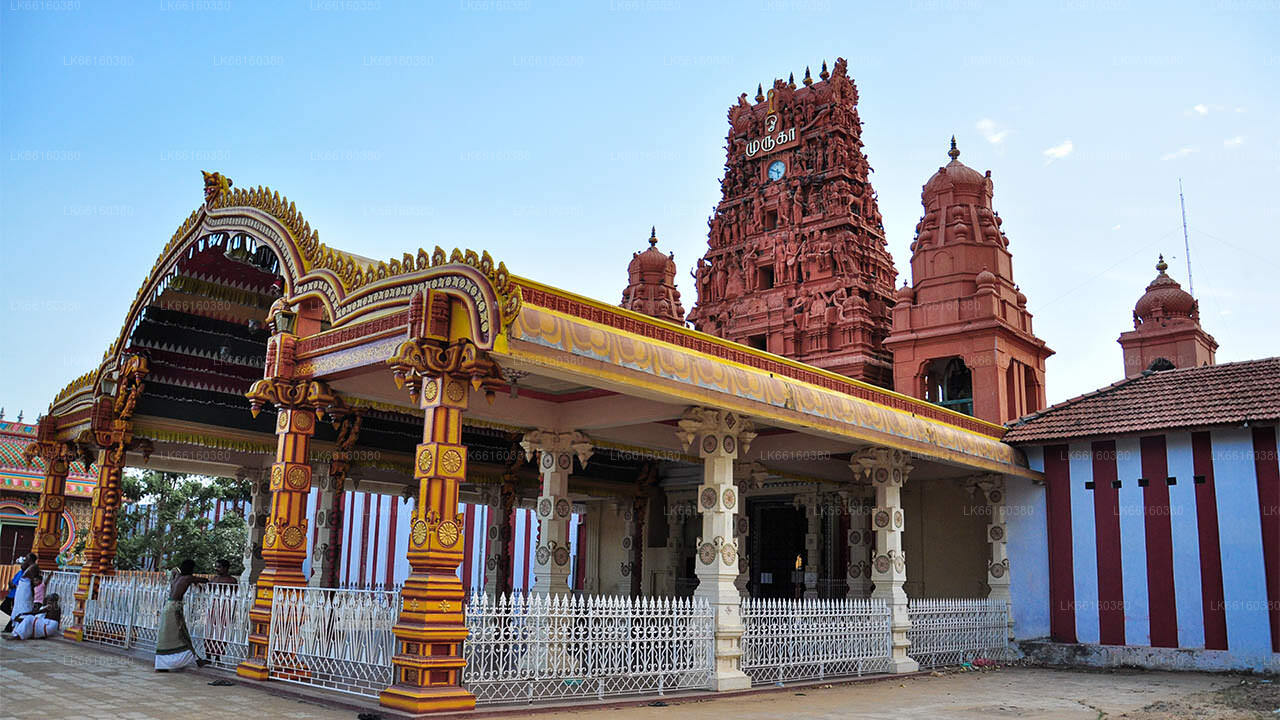
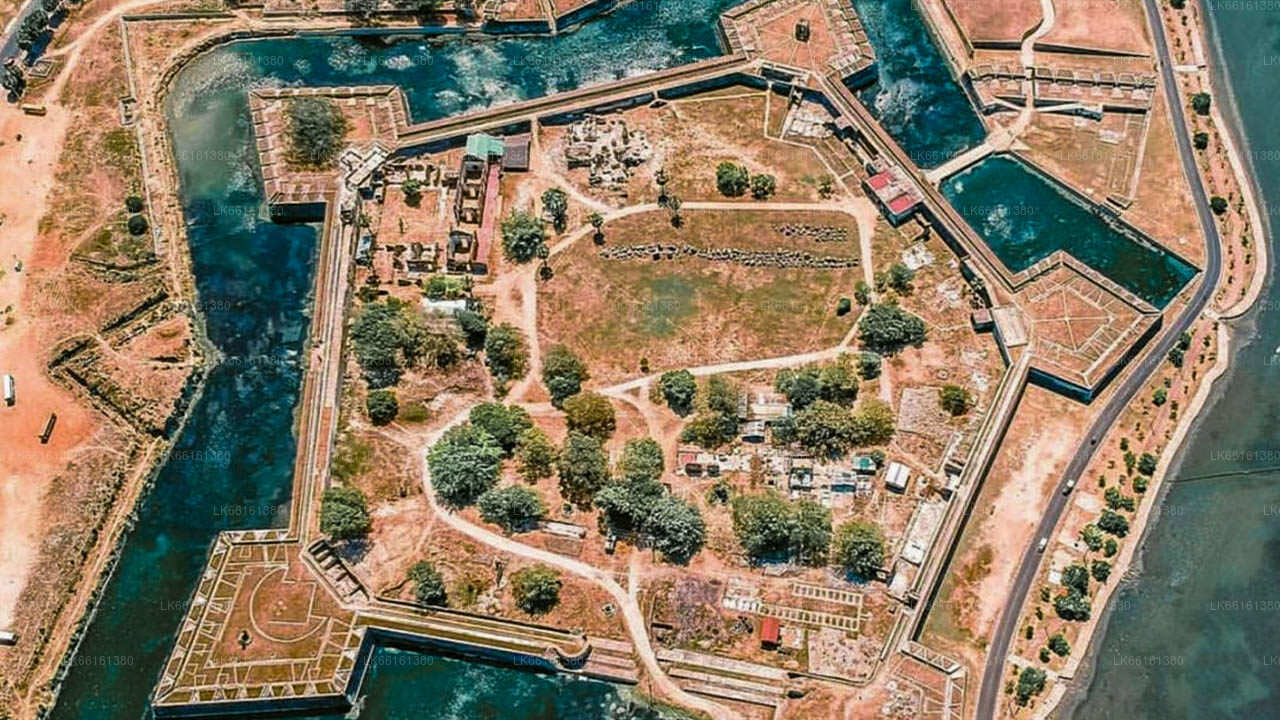
Jaffna is home to beautiful Hindu temples. An Old Dutch Fort still stands well preserved within which is an old Church. Another example of Dutch architecture is the King's House. No visit to Jaffna is complete without tasting the exquisite Jaffna mango, reputed for its sweetness. About 3 km away is the majestic Nallur Kandaswamy Temple, home to the largest religious festival in Jaffna. The Kayts Harbour is an ancient ship docking site in the Jaffna region.
About Northern Province
The Northern Province is one of the 9 provinces of Sri Lanka. The provinces have existed since the 19th century but they didn't have any legal status until 1987 when the 13th Amendment to the 1978 Constitution of Sri Lanka established provincial councils. Between 1988 and 2006 the province was temporarily merged with the Eastern Province to form the North-East Province. The capital of the province is Jaffna.
Northern Province is located in the north of Sri Lanka and is just 22 miles (35 km) from India. The province is surrounded by the Gulf of Mannar and Palk Bay to the west, Palk Strait to the north, the Bay of Bengal to the east and the Eastern, North Central and North Western provinces to the south.The province has a number of lagoons, the largest being Jaffna Lagoon, Nanthi Kadal, Chundikkulam Lagoon, Vadamarachchi Lagoon, Uppu Aru Lagoon, Kokkilai lagoon, Nai Aru Lagoon and Chalai Lagoon.Most of the islands around Sri Lanka are to be found to the west of the Northern Province. The largest islands are: Kayts, Neduntivu, Karaitivu, Pungudutivu and Mandativu.
The Northern Province's population was 1,311,776 in 2007. The majority of the populations are Sri Lankan Tamils, with a minority Sri Lankan Moor and Sinhalese population. Sri Lankan Tamil is the major language spoken in the province by the vast majority of the population. The other language spoken is Sinhala by 1 percent of the population. English is widely spoken and understood in the cities.